
Our Services
Emergency vet care in Dubai: what to do right now
If your pet is hurt or unwell right now, start here.
Home / Our Services / Emergency
- It cannot wait
- Breathing, bleeding, collapse, poison
- Heatstroke
- Cool them on the way
- Where
- Motor City and Hessa Street
- Until we open
- Your nearest open vet
Get help now: Where to go
Right now
Go to your nearest open emergency vet
Call before you come, so the team can get ready for your pet.
Find an open emergency vetFrom January 2027
Paws & Co Motor City
Joud Boulevard, Motor City. Hessa Street opens in mid-February 2027.
Questions that can wait
Contact us
For anything that is not urgent, message us.
Five steps: What to do in a pet emergency
Read these now, while things are calm, so you are not reading them for the first time in a panic.
Stay calm, and keep yourself safe.
A pet in pain may bite or scratch, even yours. Speak softly and move slowly. A calm voice helps a frightened animal.
Check the basics.
Are they breathing? Awake and responding? Bleeding? Note it down for the vet.
Call before you come or while on the way.
The team can get ready for your pet and talk you through what to do until you arrive.
Keep them still.
A towel or blanket makes a stretcher for a dog, and a cat is safest in a carrier. If something might be broken, move them as little as you can. If their back or neck might be hurt, slide them onto something flat and firm and keep them level.
Bring what helps.
Any medicine your pet takes, their vaccination record, and the packaging if they have swallowed something.
Be ready: Your pet first aid kit
Put it together before you need it, and keep it somewhere everyone at home can find it. Our checklist groups everything by the job it does, with a card to print for the lid.

The signs: Is it a pet emergency?
If your pet is struggling to breathe, has collapsed, is bleeding excessively or has eaten something poisonous, it is an emergency. Get them to a vet now. The same goes for any of the signs below, day or night.
01
Breathing
Get them to a vet now
- Struggling to breathe, choking, or panting hard at rest
- Open-mouth breathing in a cat, at any time
- Blue, grey or very pale gums
- A swollen face or throat with any trouble breathing
02
Bleeding
Get them to a vet now
- Bleeding that does not stop when you apply pressure
- Heavy bleeding. Press firmly on it with a clean cloth or gauze, and keep pressing on the way.
- Any bleeding after a fall, a fight or a car accident
03
Injuries and bites
Get them to a vet now
- A deep wound or any bite wound. Bites are often worse underneath than they look.
- An injured eye, sudden blindness, or an eye that is painful, cloudy, red or bulging
- A suspected snake bite
04
Collapse and seizures
Get them to a vet now
- Collapse, or not responding to you
- A first seizure, one that lasts more than two minutes, or more than one in a day
05
Poison and heat
Get them to a vet now
- Swallowing something poisonous, a human medicine, string or thread
- Heatstroke: heavy panting, drooling, bright red gums, stumbling
06
Giving birth, and fragile pets
Get them to a vet now
- Straining to give birth for more than 30 minutes with nothing coming, or a long gap when more are clearly on the way
- Repeated vomiting or weakness in a very young, very old or already unwell pet
Not an emergency
But it needs a vet today
Some problems will not wait for next week, but do not need an emergency vet tonight. Call a vet the same day if your cat has stopped eating, because cats should not go more than one day without food. The same goes for a dog who is off their food and seems unwell in other ways.
- A dog or female cat straining to wee
- A pet who will not put weight on a leg, or has a swollen or painful one
- Vomiting or diarrhoea that keeps coming back
- Swelling on the face or body while they are breathing normally. If a flat-faced breed has a swollen face, get them seen within a few hours.
Warning
While you wait, never give your pet a human painkiller.

What are the emergency signs in a dog?
Everything above, and also:
- A swollen, hard belly with retching that brings nothing up. Large, deep-chested dogs are most at risk.
- Vomiting after swallowing something like a sock or a toy, or not being able to keep water down
- Eating chocolate (dark is the worst), grapes or raisins, or anything with xylitol, which can act within 15 to 30 minutes
- Heatstroke signs in a flat-faced, thick-coated, older or overweight dog
Never give a dog a human painkiller.
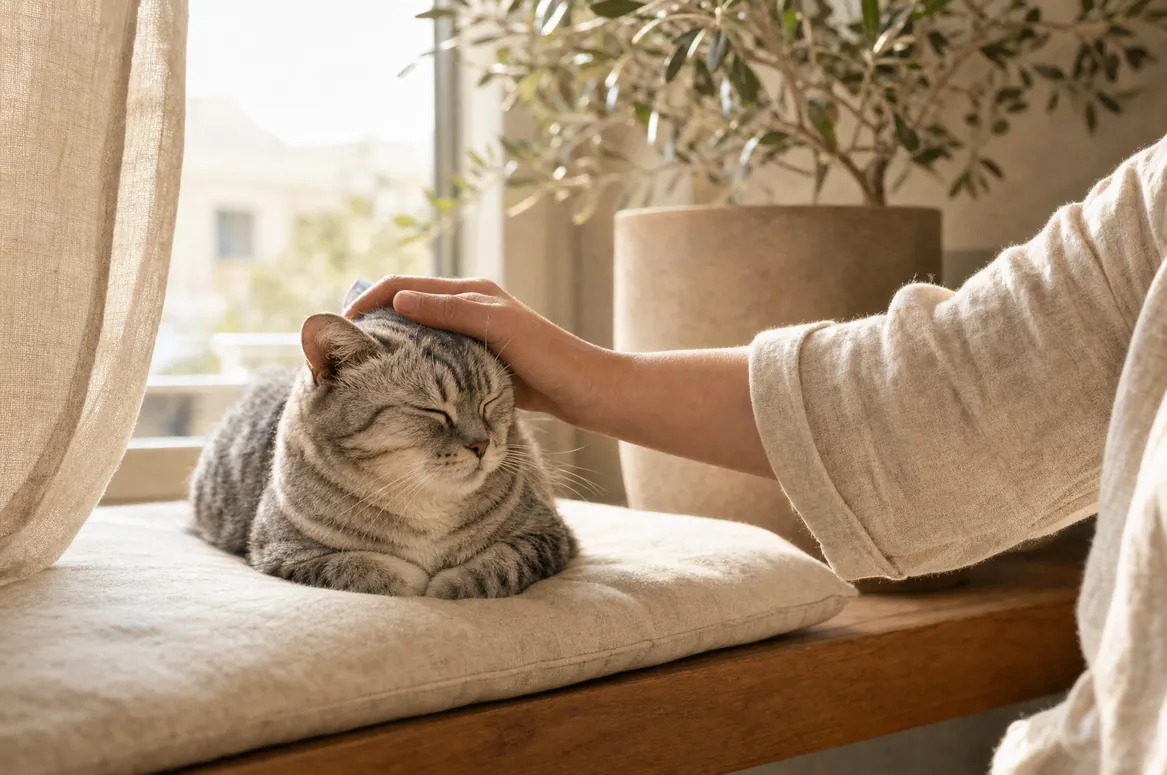
What are the emergency signs in a cat?
Everything above, and also:
- A male cat straining in the litter tray with little or nothing coming out. It can be fatal within a day.
- Sudden weakness or paralysis in the back legs, often with cold paws and crying in pain
- Any contact with lilies, even pollen on the fur or water from the vase
- Licking antifreeze, a dog's flea treatment, or essential oils such as tea tree oil
Never give a cat a human painkiller, especially paracetamol.
After an accident
If your pet has been hit by a car, fallen from a height or been in a fight, treat it as an emergency even if they look fine. Internal injuries do not always show.
If in doubt
If you are not sure, treat it as urgent. Cats hide how unwell they are, so with a cat, act a step sooner. When in doubt, call a vet. A five-minute conversation can tell you whether your pet needs to be seen now.
Life in the UAE: What are the dangers for pets in the UAE?
In the UAE, pets face more heat, and in the desert, snake bites and scorpion stings too.
What do I do if my dog or cat has heatstroke?
Dubai summers pass 45 degrees, and dogs cool down mainly by panting, which works far less well in heat like this. They only sweat through their paw pads, and that does little to cool them, so once heatstroke starts, minutes count.
Cool them on the way
- Move them into shade or air conditioning straight away.
- Wet their coat and skin with cool water, not ice-cold, especially the belly. Keep water away from their face.
- If they are awake, offer small sips of water.
- Travel to the vet with the air conditioning on.
Signs in dogs
- Constant panting
- Drooling
- Bright red gums
- Vomiting or diarrhoea
- Stumbling, confusion or collapse
Signs in cats
- Panting or open-mouth breathing
- Restlessness
- Wobbling
Cats get heatstroke less often than dogs, and they tend to hide it.
Most at risk
- Flat-faced breeds
- Thick-coated and overweight dogs
- Older dogs
- Any dog exercising or swimming in the heat
- Every dog early in the summer, before they have got used to it
Summer walks
- From May to September, walk them before 8am or after 7pm.
- Press the back of your hand on the pavement for seven seconds. If it is too hot for you, it is too hot for their paws.
- On a hot day pavement can burn paws in about a minute, and so can hot sand.
Cars and closed rooms
- Never leave a pet in a parked car, not even for a minute. A closed car heats up by about 10 degrees in ten minutes, and in the sun the air inside can reach 47 degrees within an hour.
- Most cases happen when a cat is shut in somewhere hot, like a car, but indoor cats are at risk too.
- If the air conditioning fails in summer, a closed room heats up fast, so make sure someone can check on them when you are away.
Have them seen by a vet afterwards, however well they seem to recover. Damage to the kidneys, liver and brain can show up over the next day or two.
What do I do if my pet eats something poisonous?
Call a vet straight away, even if they seem fine. Do not try to make them sick or give them a home remedy. Keep the packaging, or take a photo of it, and work out how much they ate and when. If you do not know what they ate, or how much, treat it as an emergency.
In the kitchen
- Chocolate. The darker it is, the more dangerous.
- Grapes, raisins, sultanas and currants can damage a dog's kidneys. There is no safe amount.
- Onions, garlic, leeks, chives and shallots harm dogs and cats, cats more so. The damage can take days to show.
- Xylitol, the sweetener in sugar-free gum and some peanut butters, can affect a dog within 15 to 30 minutes, so do not wait for signs.
- Caffeine, alcohol and raw bread dough (the dough keeps rising inside them and releases alcohol).
- Salt and homemade salt dough.
- Macadamia nuts leave dogs weak and trembling.
Around the home and garden
- Lilies and daylilies are an emergency for cats. Every part is toxic, even the pollen they lick off their fur or the water in the vase, and treatment within a few hours changes the outcome.
- Oleander, a common garden and street plant here, is poisonous to dogs and cats.
- Never use a dog's flea and tick treatment on a cat. A cat can be poisoned just by rubbing against a freshly treated dog.
- Essential oils such as tea tree oil are dangerous to cats, and insect sprays and cleaning products to both.
- If you see string or thread hanging from a cat's mouth or bottom, do not pull it.
In the medicine cabinet
- Never give your pet a human painkiller. Paracetamol, ibuprofen and aspirin are all dangerous, and far more so for cats. A cat should never be given paracetamol at all.
- Keep vapes and nicotine pouches out of reach.
Outside
- Rat poison is often put down in the shared areas of buildings, and the signs can take days to show.
- Antifreeze pools in car parks and tastes sweet. It takes less to poison a cat than a dog. An early sign is wobbling, as if drunk, and treatment only works if it starts within hours.
- Slug and snail pellets act fast and are always an emergency.
What do I do if my pet is bitten by a snake or stung by a scorpion?
Snakes
The UAE has venomous snakes, including the saw-scaled viper and the Arabian cobra. If your pet is bitten, or you see sudden painful swelling after a walk on sand or scrub, keep them still and calm, note the time and get to a vet. Carry them if you can. Do not use a tourniquet, put ice on the bite, or cut or suck it. If it is safe, take a photo of the snake from a distance.
Scorpions
Scorpion stings are usually painful but not life-threatening for dogs and cats. Ask a vet for advice, and get to one straight away if your pet is very young, very old, or becomes unwell.
What are the signs of a tick-borne disease?
What to watch for
Watch for tiredness, loss of appetite and fever. The brown dog tick lives in the Gulf and carries blood infections (ehrlichiosis and babesiosis) that have been found in dogs across the region. Without treatment they can be fatal. Ticks are mainly a dog problem, but cats can carry them too, so check your pet for ticks after walks, especially in grassy or sandy areas. Year-round parasite prevention is part of every puppy and kitten plan.
Membership: In your plan
Emergency care is not included in the plan, and members pay member rates for it. The plan covers the care that heads off some emergencies before they start, such as year-round parasite prevention for puppies and kittens and regular check-ups at every age.
Emergency questions: Common questions
What counts as a pet emergency?
Get your pet to a vet now for difficulty breathing or choking, blue or very pale gums, open-mouth breathing in a cat, collapse, a first seizure, a seizure longer than two minutes or more than one in a day, a swollen belly with retching, a male cat unable to pass urine, bleeding that will not stop, a deep or bite wound, an eye injury, swallowing poison, and heatstroke. When in doubt, call.
What do I do if my dog is choking?
Look quickly for what is causing it, but do not spend long. Get them in the car and call the vet on the way.
Is vomiting or diarrhoea an emergency?
Not always. One or two episodes in an adult who is bright, drinking and otherwise well can usually be watched at home. Contact a vet if it keeps happening, you see blood, they go very quiet and listless, or it lasts more than a day. Puppies, kittens, older pets and pets who are already unwell need a vet sooner, as does any pet with a swollen belly, who cannot keep water down, or who may have swallowed something.
Is it too hot to walk my dog in Dubai?
From May to September, often yes. Walk before 8am or after 7pm, and check the pavement with the back of your hand first.
Are lilies poisonous to cats?
Yes. Lilies and daylilies are dangerous to cats, even the pollen or the water from the vase. A cat that has touched one needs a vet straight away.
Can I use my dog's flea treatment on my cat?
No. Many dog flea and tick treatments contain permethrin, which can kill a cat. Only use products made for cats, and keep your cat away from a freshly treated dog.
Are grapes poisonous to dogs?
Yes. Grapes, raisins, sultanas and currants can damage a dog's kidneys, even in small amounts. Call a vet straight away if your dog eats any.
Should I shave my dog in the summer?
Not if they have a double or triple coat, like a Pomeranian, Husky, German Shepherd or Golden Retriever. The undercoat helps keep them cool and protects their skin from the sun, and it may not grow back the same. A good brush-out and de-shedding does more.
How much does an emergency vet cost in Dubai?
Prices will be confirmed before we open. Emergency care is not in the plan, but members will pay member rates.
Keep this page somewhere easy to find, and share it with someone who has a pet.
Ask us: Still have a question?
Our Services: See more services


This page is general advice. It cannot replace a vet seeing your pet. If you are worried, call a vet.