New Pet Parent Guide
Getting a Bird in Dubai: Species, Permits, and Care
Birds are a serious commitment, and some are protected by law. What you can keep in the UAE, the permits you need, and how to care for them well.
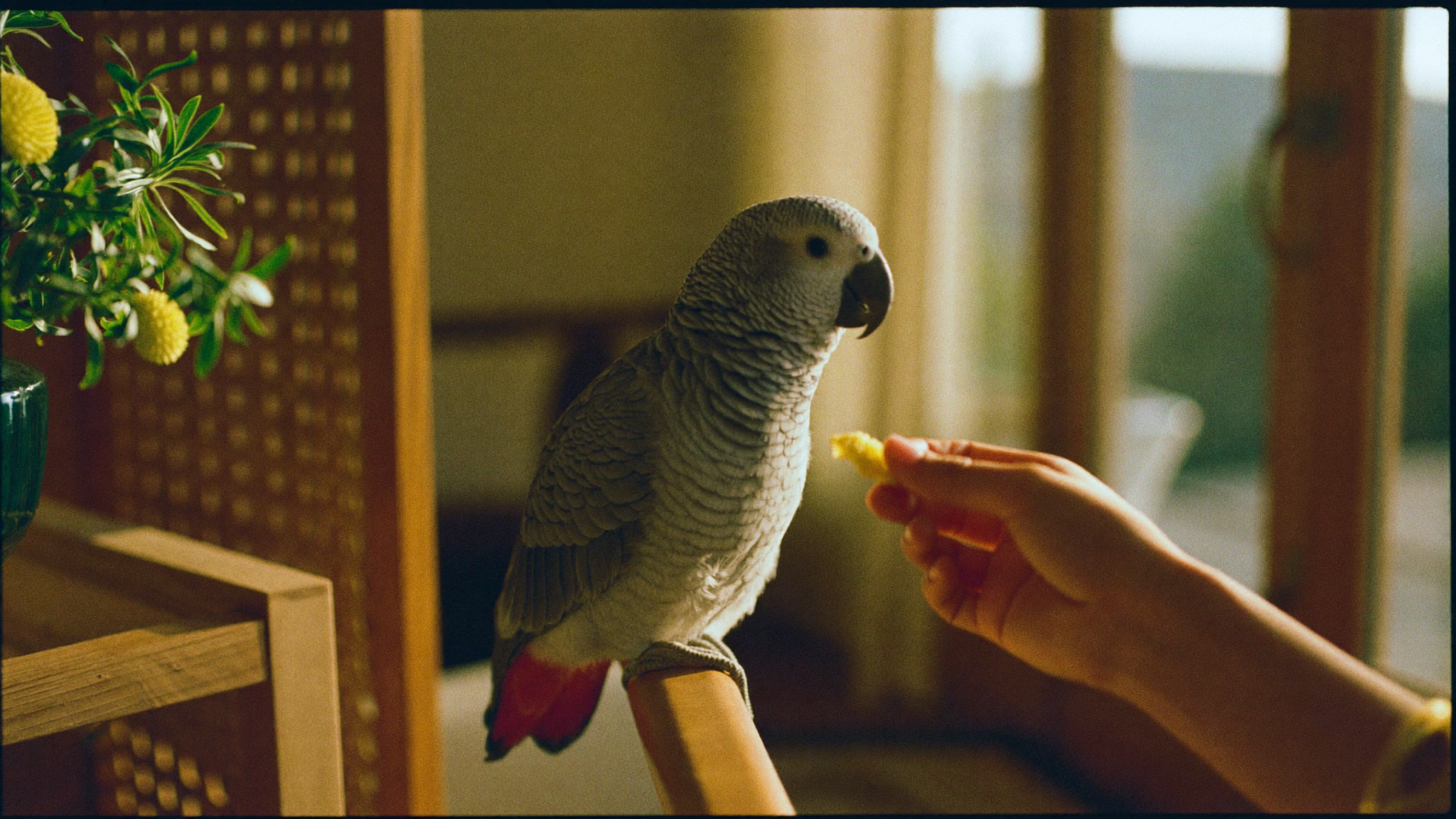
Birds are among the most intelligent and rewarding companions you can keep. They are also among the most demanding, and the most misunderstood. Before you bring one home in the UAE, understand two things: many birds live for decades, and some species are protected by law. A pet bird is rarely a casual decision. Done properly, it is a relationship that can last as long as a marriage.
Lifespan is the first reality to absorb. A budgerigar may live 8 to 12 years. A cockatiel can reach 20. African grey parrots, Amazons, and macaws routinely live 40 to 60 years or more, which means they often outlive their owners. Larger parrots are highly intelligent, emotionally complex, and prone to deep attachment. Taking one on is a decades-long commitment to daily interaction, not an ornament for the living room.
For first-time bird keepers, the gentler starting points are budgerigars, cockatiels, lovebirds, canaries, and finches. These are smaller, more affordable, and more forgiving of beginner mistakes, though they still need proper care. The large parrots, greys, macaws, cockatoos, and Amazons, are best left to experienced keepers who understand their intensity. Falcons occupy a category of their own in the UAE, tied to heritage and falconry, and are governed by their own strict permit and passport system.
Permits matter here in a way they do not for cats and dogs. Many bird species are covered by CITES, the international convention on trade in endangered species. Captive-bred parrots must come with the correct CITES paperwork proving legal origin, and importing a bird requires permits from the relevant UAE authority. Never buy a bird that cannot be documented as captive-bred. Wild-caught birds are illegal, cruel, and often sick. If a seller cannot produce papers, walk away and report them.
Housing is where many owners fall short. The cage is not a container, it is a home, and it should be the largest you can accommodate. A bird must be able to fully spread its wings and move between perches without its tail touching the bars. Bar spacing must suit the species so a head cannot get trapped. Place the cage against a wall for security, out of direct sun, away from kitchen fumes, and clear of air-conditioning draughts.
Heat is a genuine danger in this climate. Most pet birds are comfortable between 18 and 28 degrees Celsius, and sustained temperatures above 35 degrees can be fatal. Never position a cage where the sun tracks across it during the day, and never leave a bird in a room where the air conditioning might fail while you are out. In summer, a power cut in a sealed apartment can kill a bird quickly. Plan for it.
Diet is the second great failing. A seed-only diet is the leading cause of malnutrition and early death in pet birds. Seeds are fatty treats, not a balanced meal. Most species do best on a formulated pellet base supplemented with fresh vegetables and appropriate fruit. Several common foods are toxic to birds, including avocado, chocolate, caffeine, alcohol, and anything salty or sugary. The fumes from non-stick cookware overheated in a kitchen can kill a bird within minutes, so keep cages well away from the hob.
Birds are flock animals, which means company and stimulation are needs, not luxuries. A parrot left alone and unstimulated will scream, pluck out its own feathers, and develop lasting behavioural problems. Provide a rotation of foraging toys, time out of the cage in a safe room, and genuine daily interaction. If your lifestyle cannot offer hours of attention, choose a species with more modest social needs, or reconsider keeping a bird at all.
Avian medicine is a speciality. Birds instinctively hide illness, because in the wild a sick bird is a target, so by the time a bird looks unwell it is often seriously so. Fluffed feathers, a change in droppings, sitting on the cage floor, or laboured breathing all warrant an urgent visit to a vet experienced with birds. Build a relationship with an avian-capable clinic before you have an emergency, and schedule annual health checks even when your bird seems perfectly well.
A well-kept bird is a joy: clever, characterful, and bonded to you for life. A poorly kept one suffers quietly behind bars. Source ethically, ideally from a reputable breeder or a rescue, and never from a market stall selling undocumented wild birds. Get the species, the paperwork, and the daily care right, and you take on one of the most extraordinary animals you can share a home with.
This article is general guidance for pet parents in the UAE, not veterinary advice for your individual animal. Every pet is different. For a diagnosis, treatment, or any concern about your pet's health, speak to a qualified vet. If you think your pet needs urgent care, contact a vet straight away.
Keep Reading
Getting a Pet in Dubai: Regulations, Registration, and What to Know
Everything you need to know about pet ownership regulations in Dubai. Registration, vaccination requirements, breed restrictions, and building rules.
New Pet Parent GuideSummer Safety: Protecting Your Pet in UAE Heat
UAE summers are extreme. This guide covers everything from walk timing to hydration, paw protection, and recognising heat-related illness in dogs, cats, and exotics.
New Pet Parent GuideNew Pet Parent Guide: Your First Year in the UAE
Getting a new pet in the UAE is exciting, overwhelming, and full of decisions. This guide covers everything from your first vet visit to vaccinations, insurance, and building a care routine.
Care that thinks years ahead, not just weeks.
Paws & Co is a subscription-first veterinary brand opening in Dubai. Join the waitlist and be first through the door.