Pet Wellness & Preventive Care
Kitten Vaccination Schedule in the UAE: What, When, and Why
Everything you need to know about vaccinating your kitten in the UAE. Core vaccines, timing, boosters, and what the law requires.
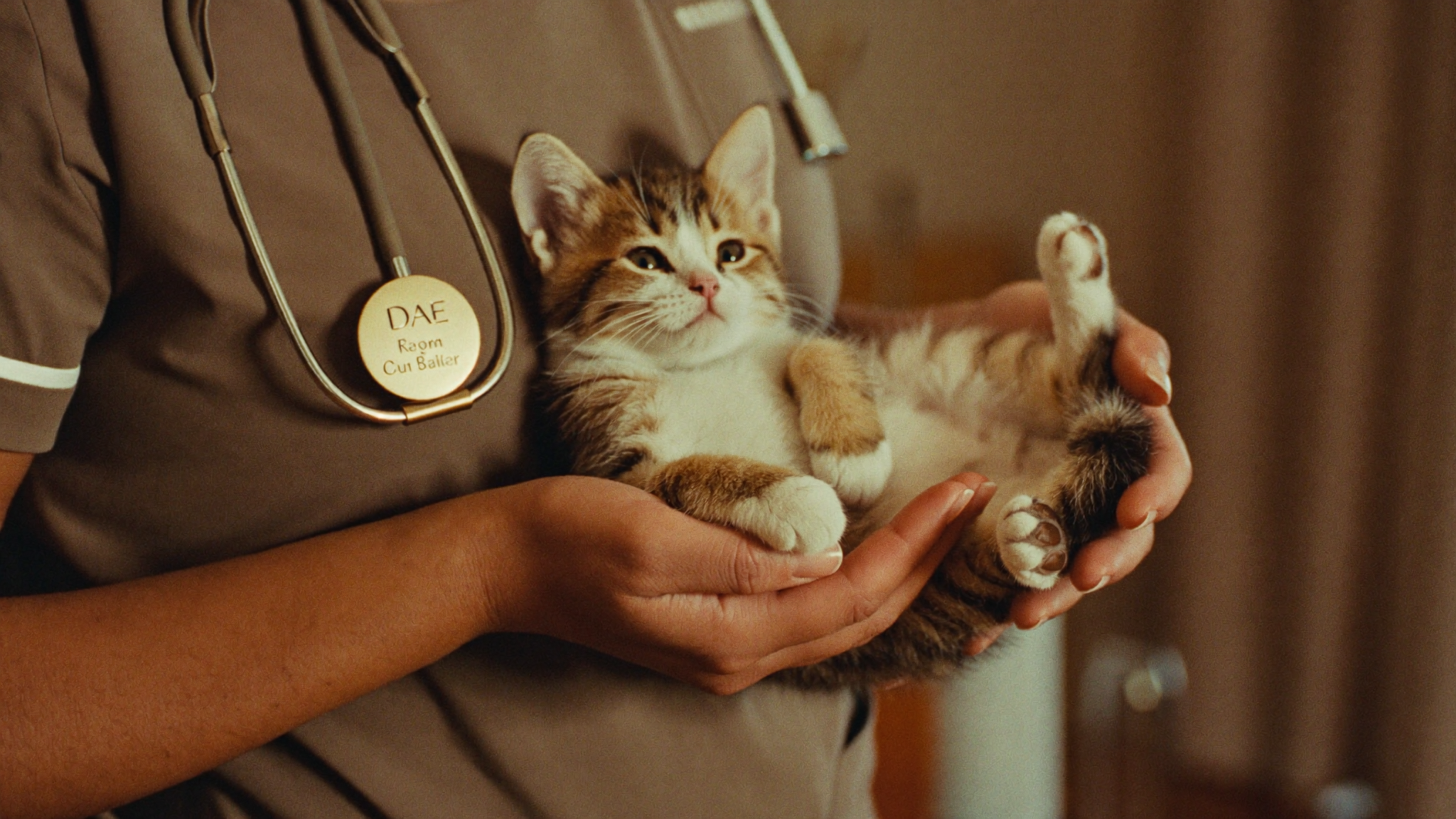
Kittens are fragile. Their immune systems are developing, and without vaccination, they are vulnerable to diseases that are common, highly contagious, and frequently fatal. This guide covers the vaccination schedule recommended for kittens in the UAE, what each vaccine protects against, and why timing matters.
Like puppies, kittens receive temporary immunity from their mother through colostrum. This maternal immunity begins to fade between 6 and 8 weeks of age. Vaccinations are timed to bridge the gap between maternal protection and the kitten's own immune response.
At 8 to 9 weeks, the first combination vaccine (FVRCP) is given. This protects against feline viral rhinotracheitis (herpesvirus), calicivirus, and panleukopenia (feline parvovirus). Panleukopenia is the most dangerous of these. It attacks rapidly dividing cells, including the gut lining and bone marrow. Mortality rates in unvaccinated kittens exceed 90 percent.
Calicivirus and herpesvirus cause upper respiratory infections. They are extremely common in multi-cat environments, shelters, and catteries. While rarely fatal in adult cats, they can be devastating in kittens. Recovered cats often become lifelong carriers, shedding virus during periods of stress.
At 12 weeks, a second FVRCP booster is given along with the rabies vaccine. As with dogs, rabies vaccination is legally required in the UAE for all cats. Indoor-only cats are not exempt from this requirement.
At 16 weeks, the final FVRCP booster completes the kitten series. Some vets may recommend feline leukaemia virus (FeLV) vaccination for kittens that will have outdoor access or contact with cats of unknown status. FeLV is transmitted through saliva, nasal secretions, and shared food bowls. It suppresses the immune system and can cause cancer. There is no cure.
FIV (feline immunodeficiency virus) vaccination is less commonly recommended. FIV is primarily transmitted through deep bite wounds. Indoor-only cats and cats in stable multi-cat households are at low risk. Discuss your kitten's specific risk factors with your vet.
After the kitten series, a 12-month booster is essential. Following that, core vaccines are boosted every one to three years. Indoor cats still need vaccination. Viruses can be brought into the home on shoes, clothing, and hands. Panleukopenia virus is extraordinarily resilient and can survive on surfaces for over a year.
If you are adopting a kitten from a shelter or rescue in the UAE, ask for their vaccination history. Most reputable rescues will have started the vaccination course. Your vet can pick up where they left off. If no history is available, your vet will start the series from scratch.
Vaccination reactions in kittens are uncommon and usually mild: slight lethargy, a small lump at the injection site, or reduced appetite for a day. Severe reactions are rare. The risk of not vaccinating far outweighs the risk of vaccination. Protect your kitten. It is the simplest promise you can keep.
This article is general guidance for pet parents in the UAE, not veterinary advice for your individual animal. Every pet is different. For a diagnosis, treatment, or any concern about your pet's health, speak to a qualified vet. If you think your pet needs urgent care, contact a vet straight away.
Keep Reading
Parasite Prevention in the UAE: Fleas, Ticks, and Heartworm
The UAE climate means parasites are a year-round threat. Monthly prevention is not optional. Here is what you need to know.
Pet Wellness & Preventive CarePuppy Vaccination Schedule in the UAE: What, When, and Why
A clear, practical vaccination schedule for puppies in the UAE. What vaccines they need, when they need them, and why each one matters.
Pet Wellness & Preventive CarePet Wellness and Preventive Care: The Complete UAE Guide
Preventive care is the foundation of a long, healthy life for your pet. This guide covers vaccinations, health checks, nutrition, and the wellness schedule every UAE pet parent should follow.
Care that thinks years ahead, not just weeks.
Paws & Co is a subscription-first veterinary brand opening in Dubai. Join the waitlist and be first through the door.