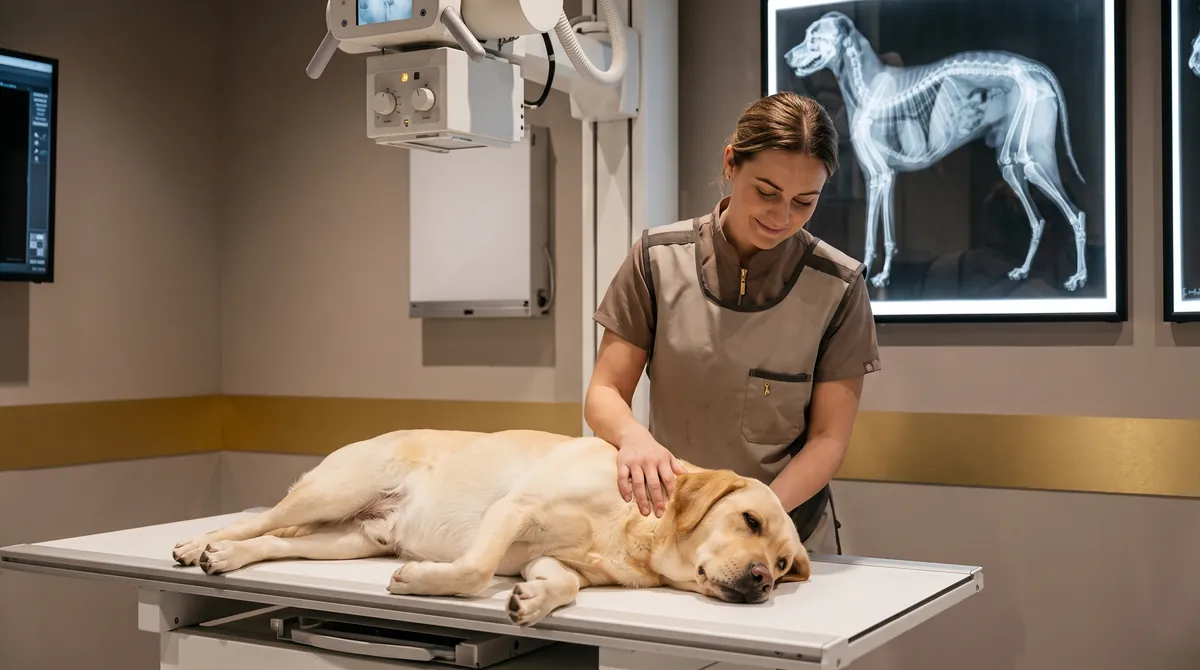
Vaccinations protect your pet against serious, often fatal viral diseases.
Puppies and kittens need a course of vaccines rather than a single injection. They are born with some protection from their mother's first milk (maternal antibodies), and it fades over their first weeks. In some puppies and kittens it lasts to 16 weeks or longer, and while it lasts, it can block the vaccine. The course is timed to take over as that protection fades.
Some diseases are a particular risk here. Parvovirus (canine parvovirus, CPV-2) in dogs is still common in the UAE, and it can survive in the environment for months. In cats, Feline Panleukopenia (FPV) is the one to watch.
A vaccinated pet also protects the animals they meet.
Puppies and kittens: Puppy and kitten vaccination schedule
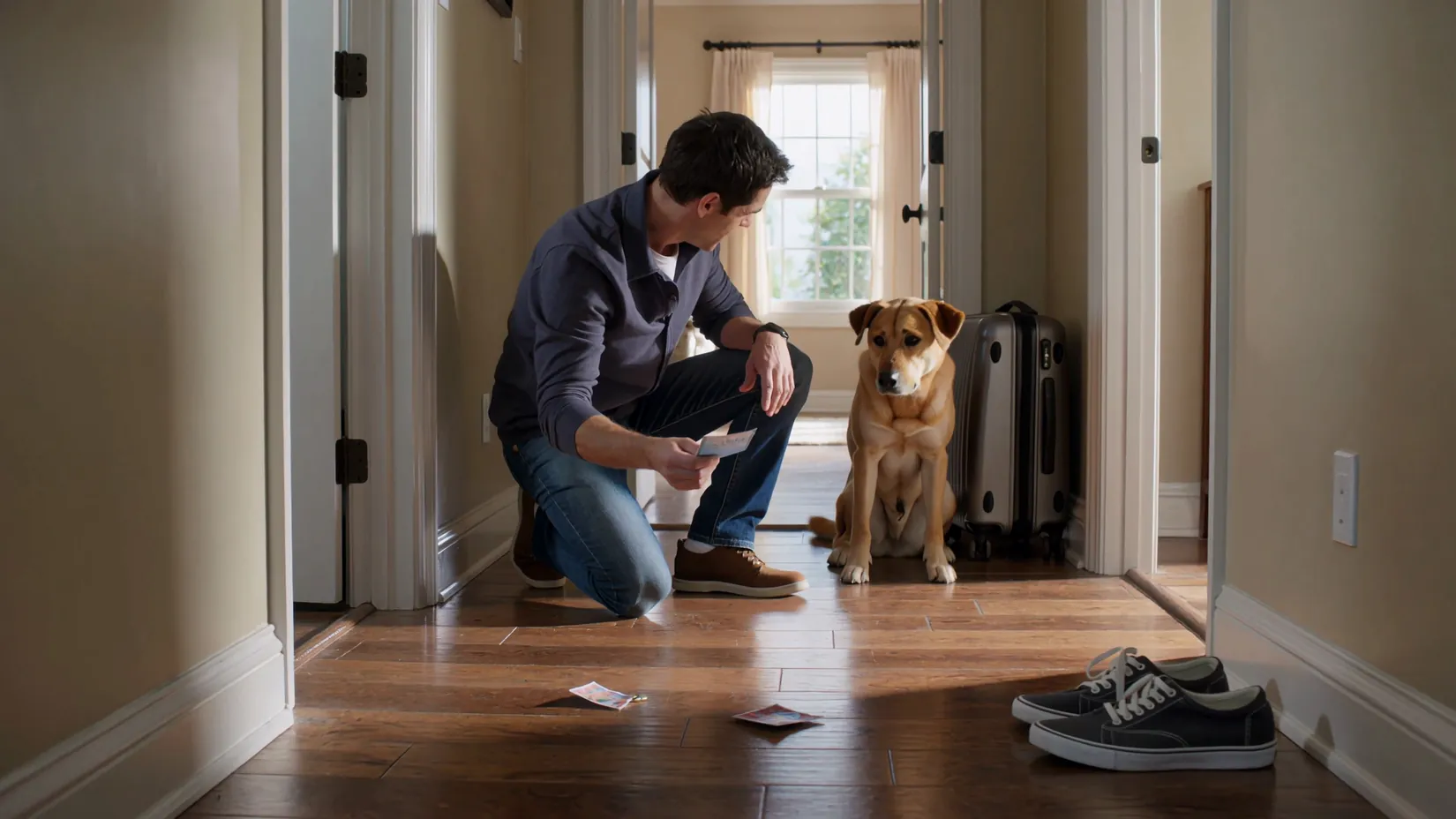
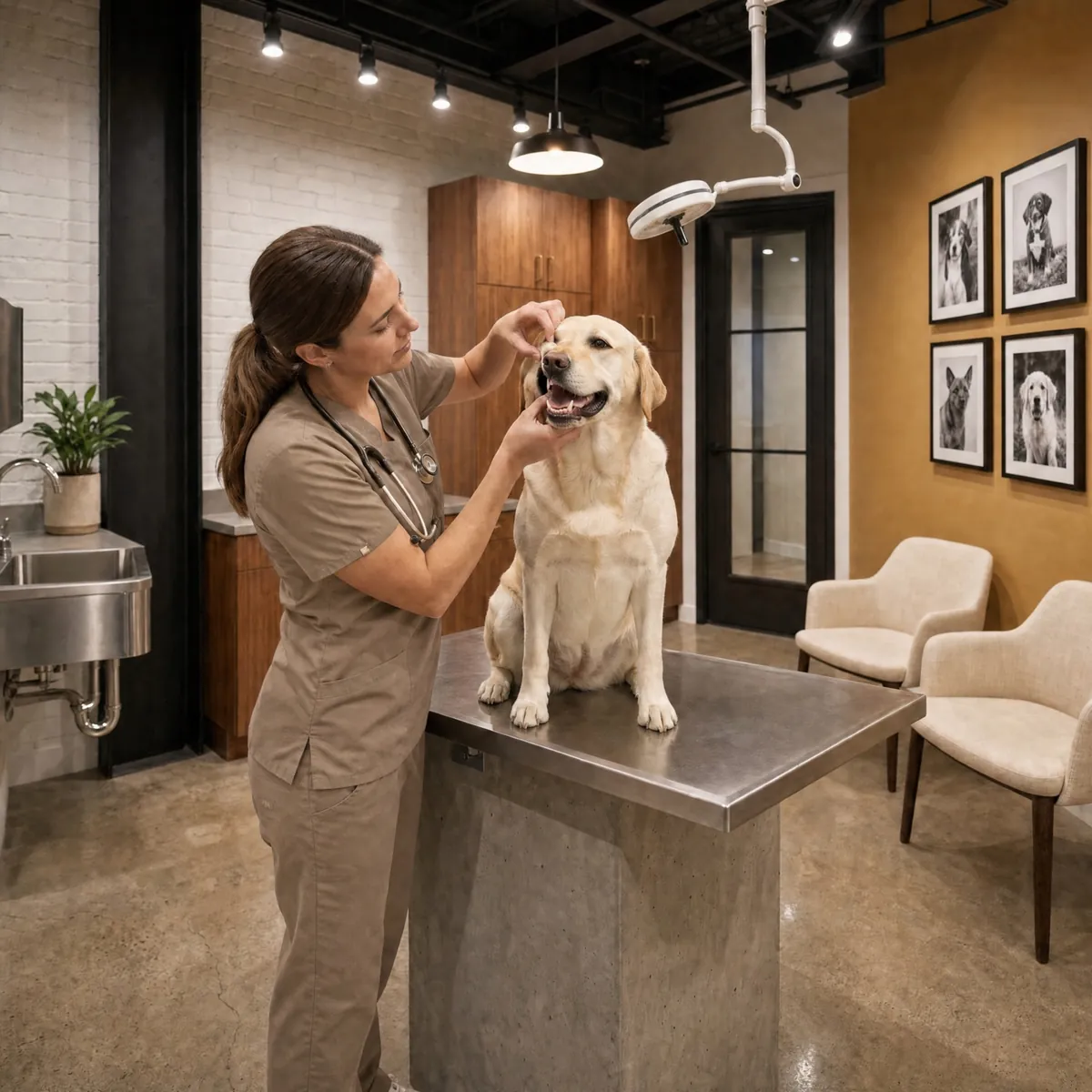
Dog and cat vaccinations, including the Rabies vaccine, will be available at our Dubai clinics: Motor City from January 2027, and Hessa Street from mid-February 2027. Every vaccination visit starts with a physical examination (a full health check), so we know your pet is well enough for the vaccine. If your pet has been vaccinated before, here or abroad, bring their vaccination card so we can pick up where they left off.
The puppy and kitten core vaccine course is given at the age of 8 weeks, 12 weeks and 16 weeks, followed by a titre test at 18 weeks. If we first see your pet after 8 weeks, we start the course from the age they are then. After that, vaccines are repeated every year, in line with Dubai Municipality regulations.
Puppy vaccination schedule
DHPPi is the combination core vaccine for puppies. Lepto is Leptospirosis.
Includes RabiesBlood test
Visit 1 of 4
8 weeks (2 months)
The first DHPPi + Lepto (DHPPiL), the combination core vaccine. It protects against Distemper (canine distemper virus, CDV), Hepatitis (canine adenovirus, CAV), Parvovirus (CPV-2), Parainfluenza (CPiV, one of the causes of Kennel Cough) and Leptospirosis (Leptospira).
Leptospirosis is a bacterial infection spread through infected animals' urine, often in water or wet soil, and it can pass to people (it is zoonotic).
Visit 2 of 4
12 weeks (3 months)
The second DHPPi + Lepto, and the Rabies vaccine. Dubai Municipality law requires every cat and dog to be microchipped, vaccinated and registered, and to wear their Dubai Municipality registration tag. Abu Dhabi now requires registration too. Every dog here needs the Rabies vaccine.
7 to 10 days later, your puppy can start going out and meeting fully vaccinated dogs. See Out and about.
Visit 3 of 4
16 weeks (4 months)
The third DHPPi, and possibly the last vaccine of the puppy course. That depends on the titre test results: see the next step.
Visit 4 of 4
18 weeks
Two weeks after the third vaccine, an antibody titre test (VacciCheck, from a small blood sample) shows whether the course has worked. Until the result shows they are protected, keep your puppy away from dog parks, daycare and kennels.
If the test shows your puppy has not built up enough antibodies, we will recommend a fourth DHPPi, followed by another titre test two weeks after that.
After the course
Every year
From then on, vaccines are repeated every year, as Dubai Municipality requires. Each booster goes on your pet's record with its next due date.
For puppies
Out and about
7 to 10 days after the 12-week vaccines, your puppy can go out on walks and to play dates at people's houses, mixing with fully vaccinated dogs. Avoid dog parks, daycare and kennels until the VacciCheck is done. That way, puppies get the socialisation without the risk of picking up viruses.
For dogs who socialise
Kennel Cough
A non-core vaccine. The Bordetella bronchiseptica vaccine is recommended if your dog goes to daycare, kennels, grooming salons or dog parks. It can be given from 8 weeks.
Kitten vaccination schedule
PCH is the combination core vaccine for kittens.
Includes RabiesBlood test
Visit 1 of 4
8 weeks (2 months)
The first PCH (Panleukopenia, Calici and Herpes Virus). It protects against Feline Herpes Virus (FHV-1), Feline Calicivirus (FCV) and Feline Panleukopenia (feline parvovirus, FPV).
Visit 2 of 4
12 weeks (3 months)
The second PCH, and the Rabies vaccine. Indoor cats need the Rabies vaccine too, and Dubai law requires every cat to be microchipped, vaccinated and registered, and to wear their Dubai Municipality registration tag.
If your kitten is having the Feline Leukaemia vaccine, the first dose is from 12 weeks, the second 3 to 4 weeks later.
Visit 3 of 4
16 weeks (4 months)
The third PCH, and possibly the last vaccine of the kitten course. That depends on the titre test results: see the next step.
Visit 4 of 4
18 weeks
Two weeks after the third vaccine, an antibody titre test (VacciCheck) shows whether the course has worked. Or a titre test at 14 weeks, to decide whether a third vaccine is needed.
If the test shows your kitten has not built up enough antibodies, we will recommend a fourth PCH, followed by another titre test two weeks after that.
A titre test shows protection against Feline Panleukopenia and Cat Flu (Feline Herpes Virus and Feline Calicivirus).
After the course
Every year
From then on, core vaccines and Rabies are repeated every year, as Dubai Municipality requires. Feline Leukaemia, for cats who need it, is every 2 years.
For cats
Feline Immunodeficiency Virus (FIV)
There is no widely available vaccine. FIV mostly spreads through deep bites in fights, so the best protection is keeping your cat away from cats they might fight with. Indoor cats are at low risk.
For cats
Feline Leukaemia (FeLV)
Recommended for kittens, and for adult cats that go outdoors or live with cats that do. The first dose is from 12 weeks old, the second 3 to 4 weeks later, then every 2 years. Adult cats who have not been vaccinated regularly are tested first, and vaccinated only if the test is negative.
For indoor cats
Indoor cats still need vaccinating
Viruses come into the home on shoes, clothes and hands, and Feline Parvovirus can survive for up to a year.
Puppy or kitten on the way?
Plan their first vaccinations with us.
Which vaccines: Core and lifestyle vaccines for dogs and cats
Not every vaccine is for every pet.
Core vaccines
The ones every dog and cat needs, wherever they live, because the diseases they prevent are serious and widespread.
Dogs
Distemper, Hepatitis (Adenovirus), Parvovirus, Parainfluenza, Leptospirosis and Rabies
Cats
Feline Panleukopenia, Feline Calicivirus, Feline Herpes Virus and Rabies
Lifestyle vaccines
Lifestyle (non-core) vaccines depend on how your pet lives: where they go, who they meet, and whether they go outdoors. For a dog who goes to daycare, that might mean Kennel Cough vaccine. For kittens, and adult cats who go outside, Feline Leukaemia. We decide these with you, visit by visit.
Dogs
Kennel Cough (Bordetella)
Cats
Feline Leukaemia (FeLV)
Not sure which lifestyle vaccines yours needs?
We talk it through with you.
Reactions: After a vaccination
Most pets are fine after a vaccination. A few feel a bit off for a day or two with a mild fever. Allergic reactions can happen too, in dogs and cats. Here is what to look for, and when.
Within 30 minutes (less common)
An emergency
A severe allergic reaction (anaphylaxis): vomiting, collapse or difficulty breathing. Get to a vet now.
A swollen face, or hives (itchy bumps across the body).
The first day or two
Normal
More tired than usual, or some discomfort or itchiness where the injection went. A mild fever, or a single bout of vomiting with no other signs, can happen too.
Up to 2 weeks after
Let us know
A small lump where the injection went, usually not painful. It normally fades within a few weeks, and we can keep an eye on it.
For cats
Keep an eye on the injection site
A small lump is normal and usually fades within a few weeks. Have it checked if it lasts beyond three months, grows past 2 cm, or is still growing a month on. That is how a rare tumour, feline injection-site sarcoma (FISS), is caught early.
After the course: Records and boosters
For dogs and cats
On record
Every vaccination goes on your pet's record. The Paws & Co app, coming soon, will track what is due, so the dates are not left to memory. For travel, you still need the physical vaccination book, and we give you that too.
Daycare and grooming salons usually ask to see an up-to-date record too.
If a booster is late
It is rarely a reason to start again. For an adult pet who has finished their course, we run an antibody titre test, and the result tells us how far back in the course to start.
Adopted a puppy or kitten?
Ask the rescue or shelter for their vaccination history. Most will have started the course, and we will pick up where they left off. If there is no history, we start the course from the beginning, guided by an antibody titre test.
Travel: How do I bring my pet into the UAE?
You need an import permit from the Ministry of Climate Change and Environment (MOCCAE). It lasts 90 days. Your pet also needs:
A microchip, with the same number on every document
A valid Rabies vaccination, given at 12 weeks or older
The core vaccines, and Leptospirosis for dogs
A health certificate from the official vet authority of the country you are leaving
Treatment for worms, fleas and ticks in the 14 days before travel
From some countries, a Rabies blood test, taken at least 21 days after a first Rabies vaccination
You can bring up to two pets a year, and some dog breeds cannot come in. Rules change, so check MOCCAE's page before you book.
Membership: In your plan
The full puppy or kitten vaccination course is in every puppy and kitten plan, in the first six months. Adult annual vaccination boosters are at member rates, and each one shows on your pet's record with its next due date.
How much does it cost to vaccinate a dog in Dubai?
With a Paws & Co puppy plan, the full vaccination course is included. Adult annual vaccination boosters are at member rates. Prices will be confirmed before we open.
What vaccines does my dog need in the UAE?
Every dog in the UAE needs the core vaccines, which protect against Distemper, Hepatitis (Adenovirus), Parvovirus, Parainfluenza, Leptospirosis and Rabies. The Kennel Cough vaccine depends on how your dog lives, for example if they go to daycare, kennels, grooming salons or dog parks.
What vaccines does my cat need in the UAE?
Every cat in the UAE, indoor or outdoor, needs the core vaccines, which protect against Feline Herpes Virus, Feline Calicivirus and Feline Parvovirus (Panleukopenia), and the Rabies vaccine.
Is the Rabies vaccine mandatory in Dubai, and is it yearly?
Yes. Dubai law requires every cat and dog to be microchipped, vaccinated and registered, and to wear their Dubai Municipality registration tag. Abu Dhabi now requires registration too. Rabies is one of the core vaccines every pet here needs, and it is repeated annually.
Does my pet need a microchip in Dubai?
Every cat and dog in Dubai must be microchipped, vaccinated and registered with Dubai Municipality, and wear their registration tag. Abu Dhabi now requires every cat and dog to be registered too. A microchip is also required to bring a pet into the UAE, with the same number on every document, and you will need it to move abroad with your pet too.
How often does my dog or cat need a booster?
While your pet lives in the UAE, core vaccination boosters are repeated annually. Feline Leukaemia, for cats who need it, is every 2 years.
Are there side effects from vaccinating my pet?
Some pets are a little tired or sore for a day or two, which is normal. Allergic reactions are less common. Collapse, difficulty breathing or vomiting within 30 minutes of the vaccine is an emergency: get to a vet now. A swollen face or hives within 4 hours needs a vet straight away. A small lump where the injection went can appear up to 2 weeks later and usually fades.
How long do vaccines take to work?
Protection builds over the week or two after a dose. For puppies and kittens, full protection comes about two weeks after the last dose of the course. Rabies takes about four weeks.
Do older dogs and cats still need vaccinations?
Yes. Age is not a reason to stop. Most older pets carry on with the same boosters as before, no more often. We will check they are well enough at each visit, and tell you before their vaccination is due.