Pet dental services, from the evaluation to a full dental cleaning, will be available at our Dubai clinics: Motor City from January 2027, and Hessa Street from mid-February 2027.
At every routine visit
The evaluation
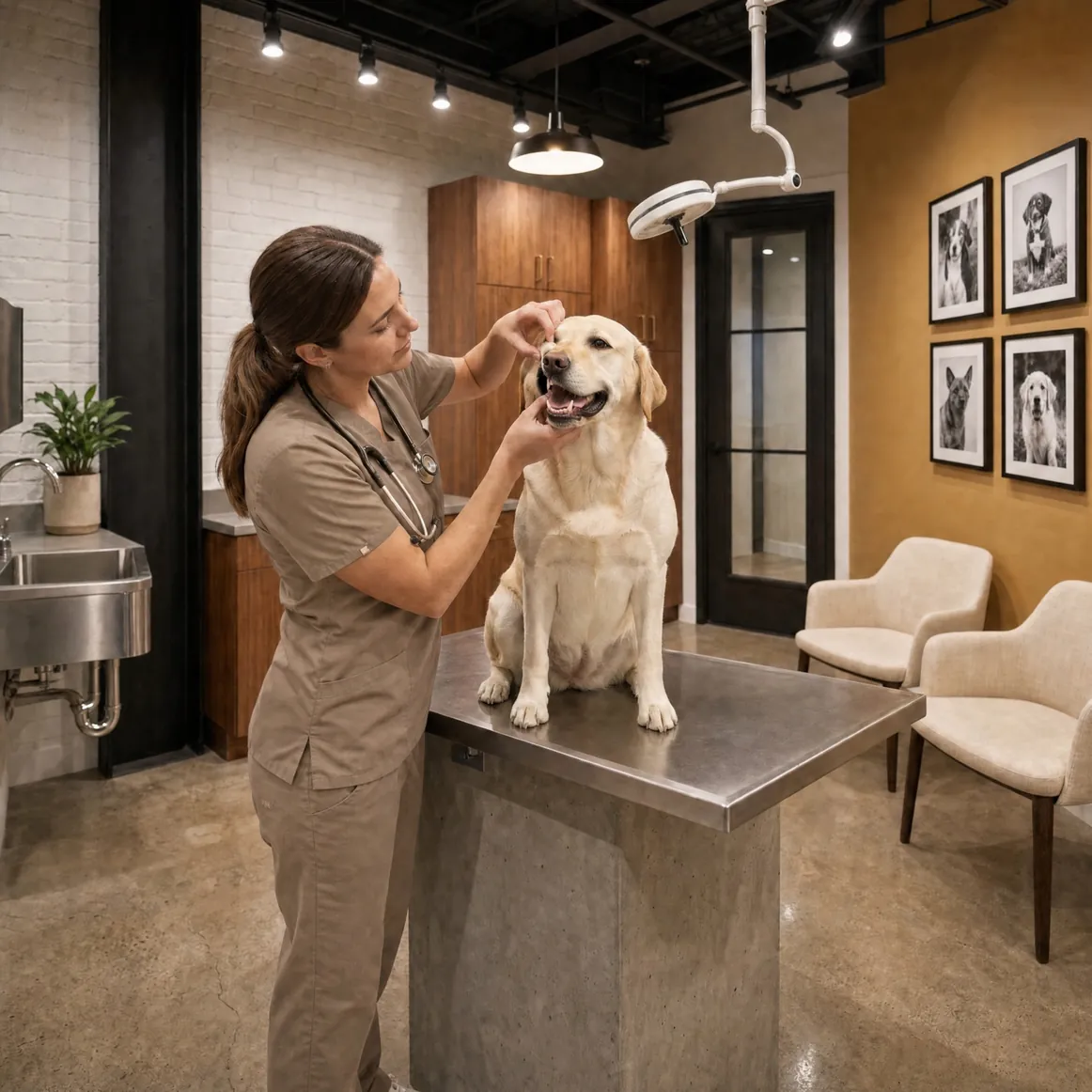
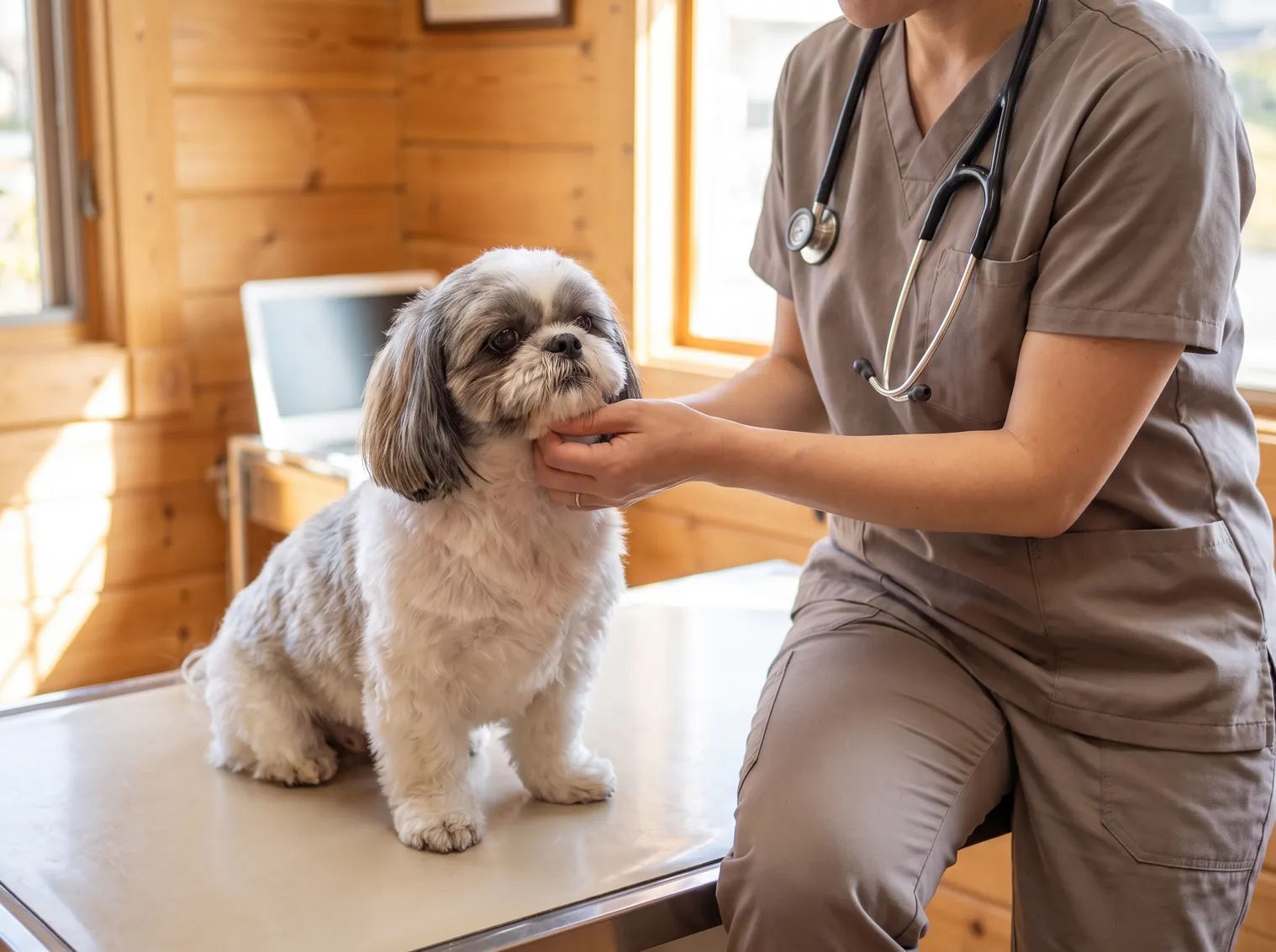
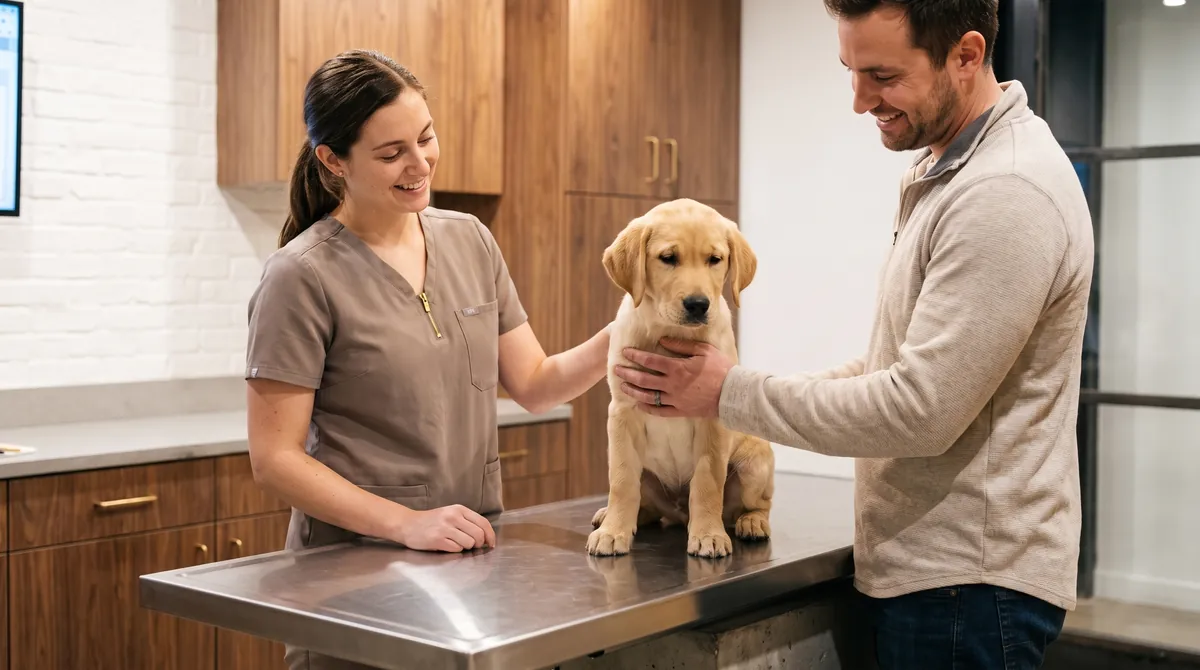
A full oral evaluation at your routine visit, while your pet is awake.
We ask how they are eating and note everything on their record. Then we show you what we found. An awake evaluation cannot see below the gumline, so if anything looks wrong, the next step is a closer look under anaesthetic, with X-rays (dental radiographs and periodontal probing).
01
Outside the mouth
We start outside the mouth: the face and jaw for swelling, the glands under the jaw (lymph nodes and salivary glands), and how the top and bottom teeth meet (occlusion).
02
Tooth by tooth
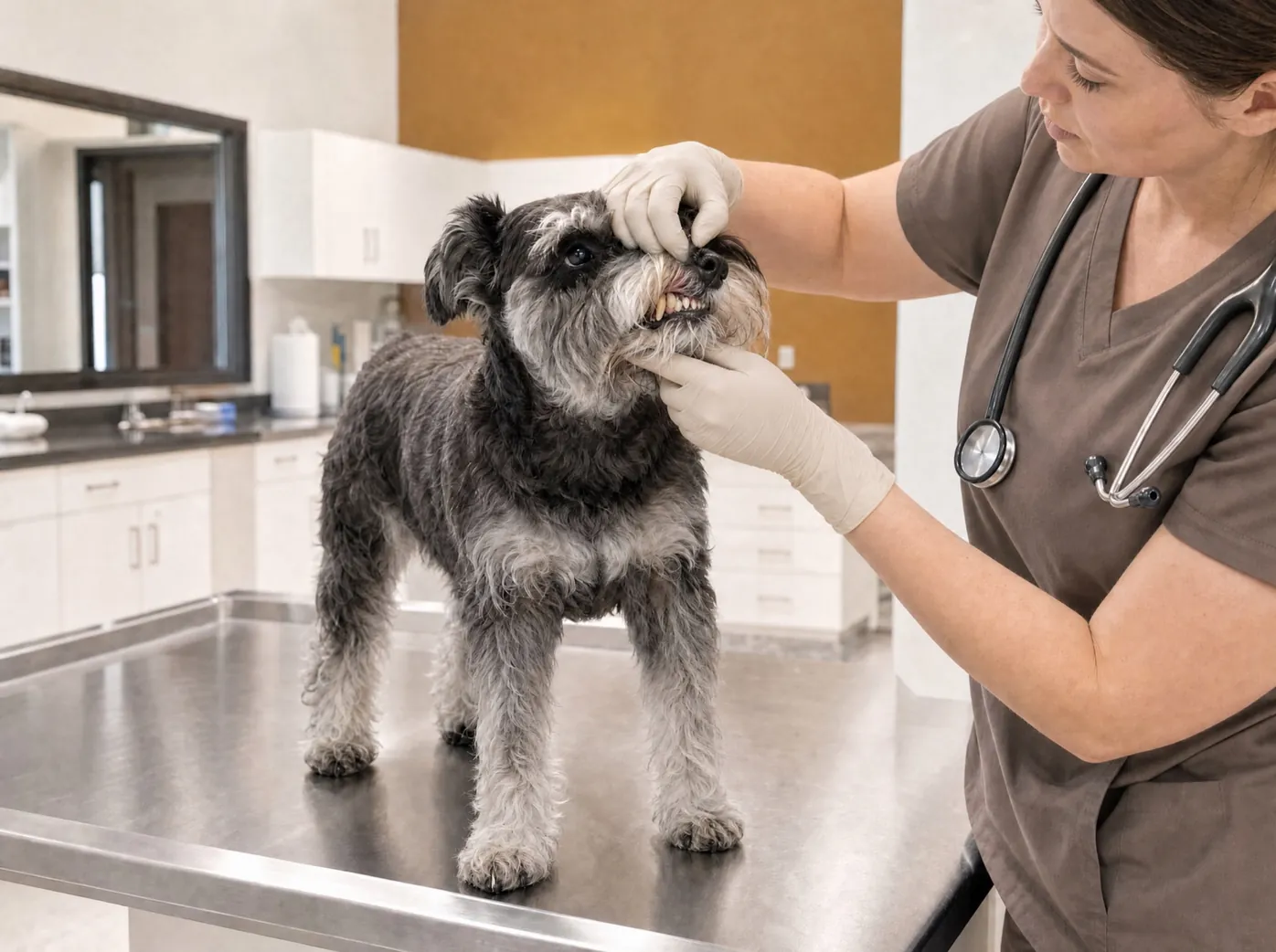
Then inside, tooth by tooth: tartar, cracks, wear, and any baby teeth that should have gone.
03
Gums and mouth
We check the gums for redness, bleeding or shrinking back, and the tongue, cheeks and roof of the mouth for lumps or sores. For cats, we look closely along the gumline for early signs of tooth resorption.
Home the same day
The procedure
If treatment is needed, it happens under general anaesthetic.
We only remove a tooth if the X-ray and chart show it cannot be saved. We agree every extraction with you first. If a tooth comes out, your pet will always have pain relief to take home.
Follow-up evaluation at no charge
Afterwards
We send you the X-rays and the chart, before and after. You get a daily-care plan and a follow-up evaluation at no charge.
It starts with a dental evaluation
A proper look at teeth and gums.
On the day: The dental day, step by step
Open each step to see what happens.
01Before the dayEvening meal before 9 pm, then no breakfast
Give their evening meal as normal the night before, any time before 9 pm, then no breakfast. Water is fine until you leave home. Very young pets fast for less time, and we tell you exactly. Pets with diabetes fast differently too, and we tell you what to feed and what medicine to give that morning. Give other medicines as normal unless we say otherwise.
02In the morningAn examination and blood tests
Your pet comes in that morning. Before the procedure, the vet gives them a physical examination and we run blood tests, to check they are fit for the anaesthetic.
03Full-mouth X-raysBelow the gumline
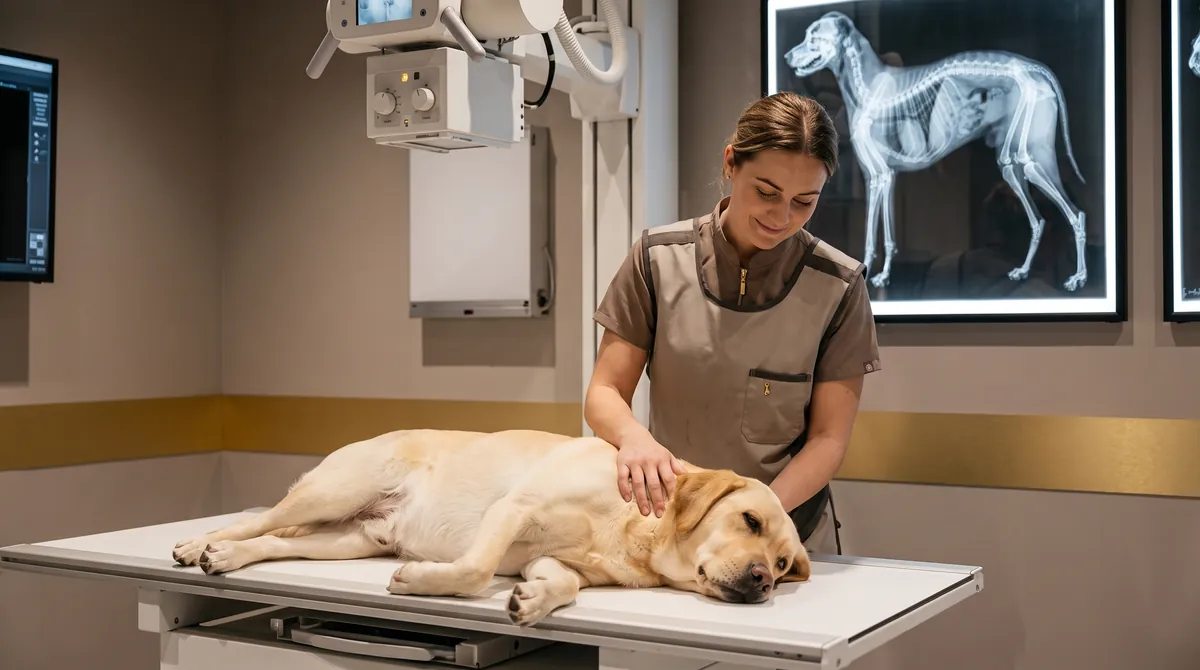
Then full-mouth dental X-rays, because more than half of every tooth sits below the gum where the eye cannot reach.
04The chart and the cleanEvery tooth, one by one
Then we chart every tooth, one by one (dental charting, with a probe around each tooth), before a scale, a clean below the gumline (subgingival scaling), and a polish.
05Waking upWatched as they wake
A dedicated nurse monitors them throughout, watching their heartbeat and breathing, and they rest in a glass-fronted suite with soft bedding while they wake up.
06HomeHome the same day
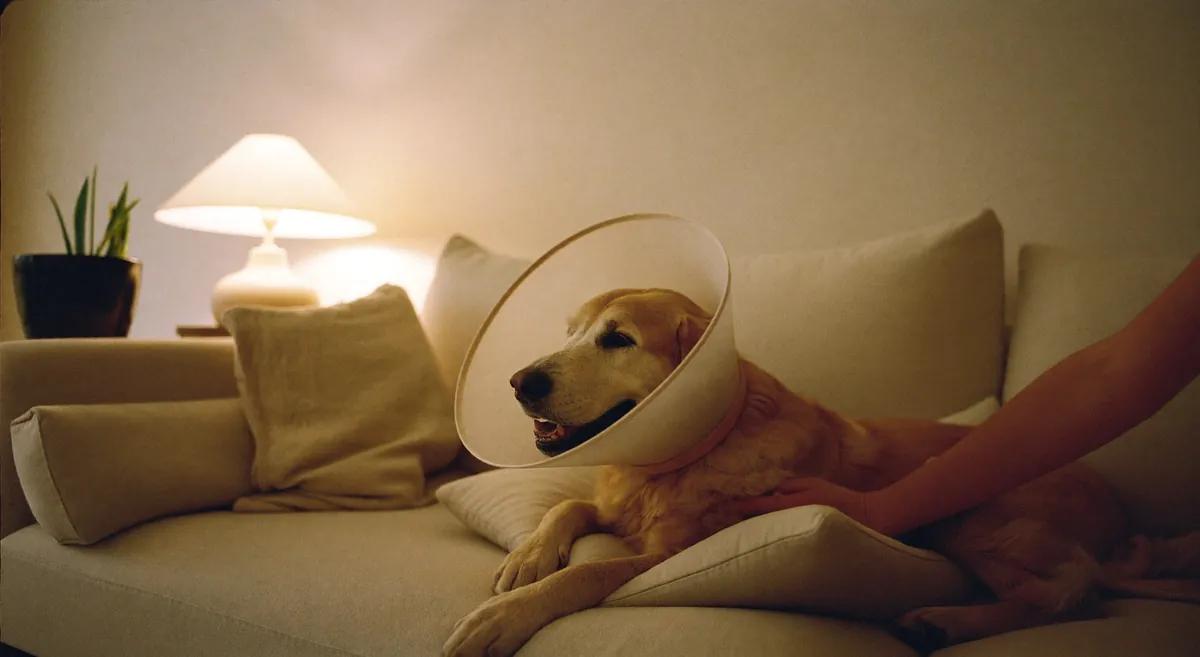
They come home the same day.
The first day home
That evening
Expect them to be sleepy that evening.
A small meal is usually fine once they are properly awake.
Until the follow-up
If teeth were removed, give soft food for the first few days.
Skip hard chews and toys until the follow-up evaluation.
Give the pain relief exactly as the label says, even if they seem fine. Never give them a human painkiller.
Hold off brushing until we tell you the gums have healed.
The signs: What to look for
Most of it happens where you cannot see it, so the signs are small and easy to explain away.
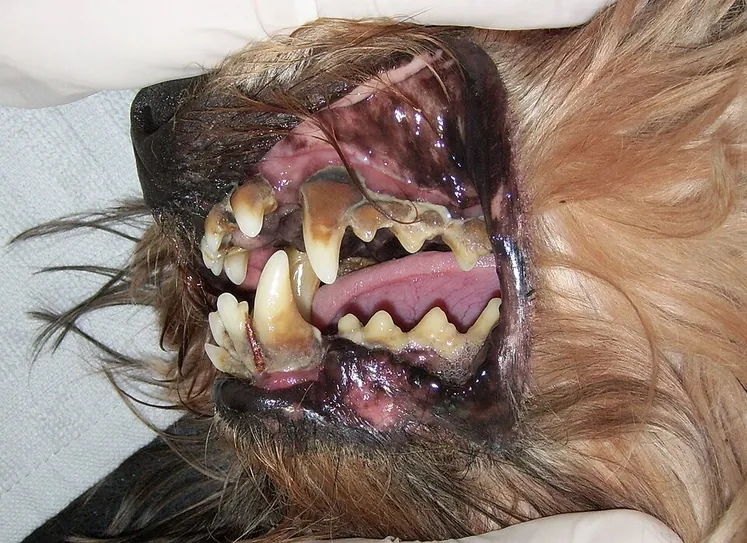
How gum disease progresses, in a dog's mouth
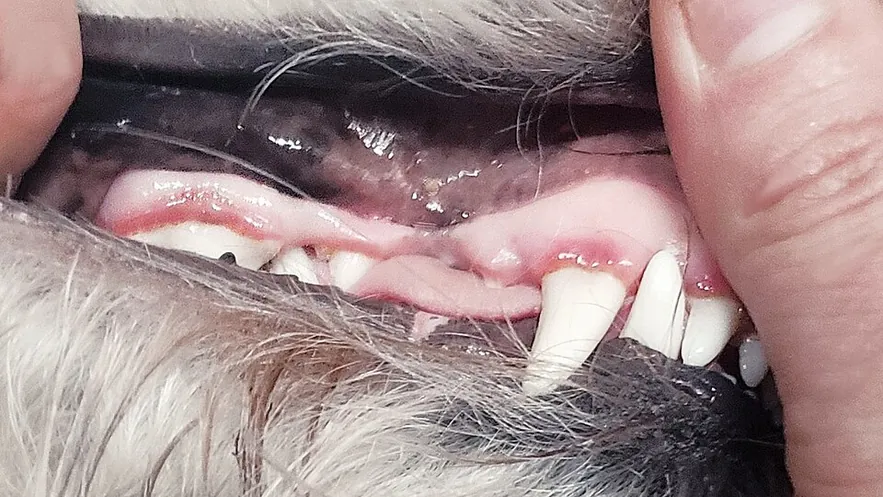
Stage 1
Gingivitis
Red, swollen gums along the gumline, and no bone lost yet. With a professional clean and brushing at home, it can be reversed.
Stages 2 and 3
Early to moderate periodontitis
Up to half of the tooth's support is lost. Bad breath starts to show, the gums bleed, and eating may hurt. From here, the damage cannot be undone, only stopped.
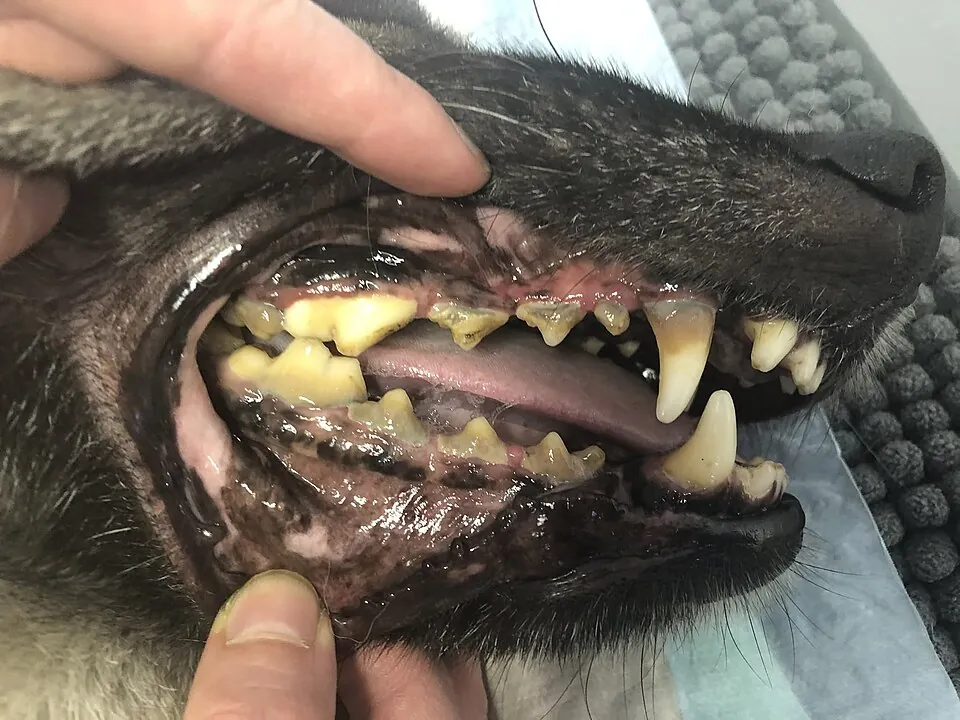
Stage 4
Advanced periodontitis
More than half of the support is lost. The tooth loosens, and it may need to come out.
Yellow or brown build-up where the tooth meets the gum (plaque and calculus, or tartar)
Chewing on one side, or dropping food
Pawing at the mouth, or drooling
A loose, broken or discoloured tooth
Going off hard food, or eating more slowly than usual
A swelling on the face, below the eye (often a tooth root abscess)
Bad breath
A lump or growth in the mouth
Any one of these is worth a dental evaluation. Most pets carry on eating long after it hurts, so a good appetite is not a sign that all is well.
Cats and dogs: The same care, different mouths
Everything above is the same for cats and dogs: the evaluation, the anaesthetic, the full-mouth X-rays, the chart, the clean and the follow-up. The WSAVA and AAHA dental guidelines set one standard for both, and so do we. What differs is what we are looking for.
For dogs
Gum disease, and broken teeth
Dogs are more likely than cats to show you something is wrong. Their most common problem is gum disease (periodontal disease): tartar at the gumline, red gums, and the breath that follows.
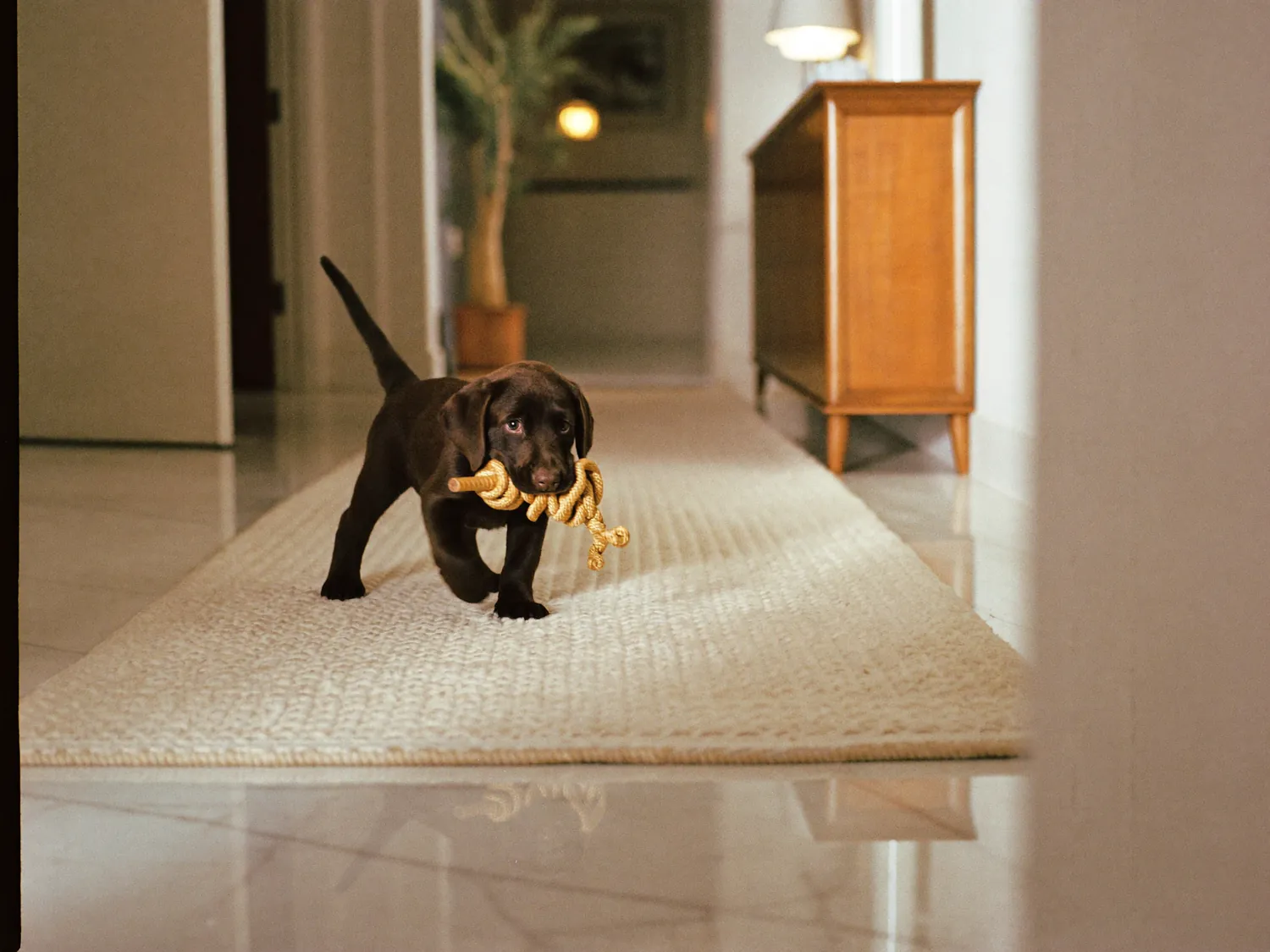
Small and toy breeds have a lot of teeth in a small mouth, and some keep baby teeth (retained deciduous teeth) that should have fallen out, which traps food. Retained baby teeth can also push the adult teeth out of place, so we usually remove them as early as possible, once we spot them.
Big chewers bring a different risk: a broken tooth, often one of the large cheek teeth at the back (the upper fourth premolar, or carnassial tooth). A broken tooth with its nerve exposed needs treating or removing, even if they still eat.
Breeds that need a closer eye
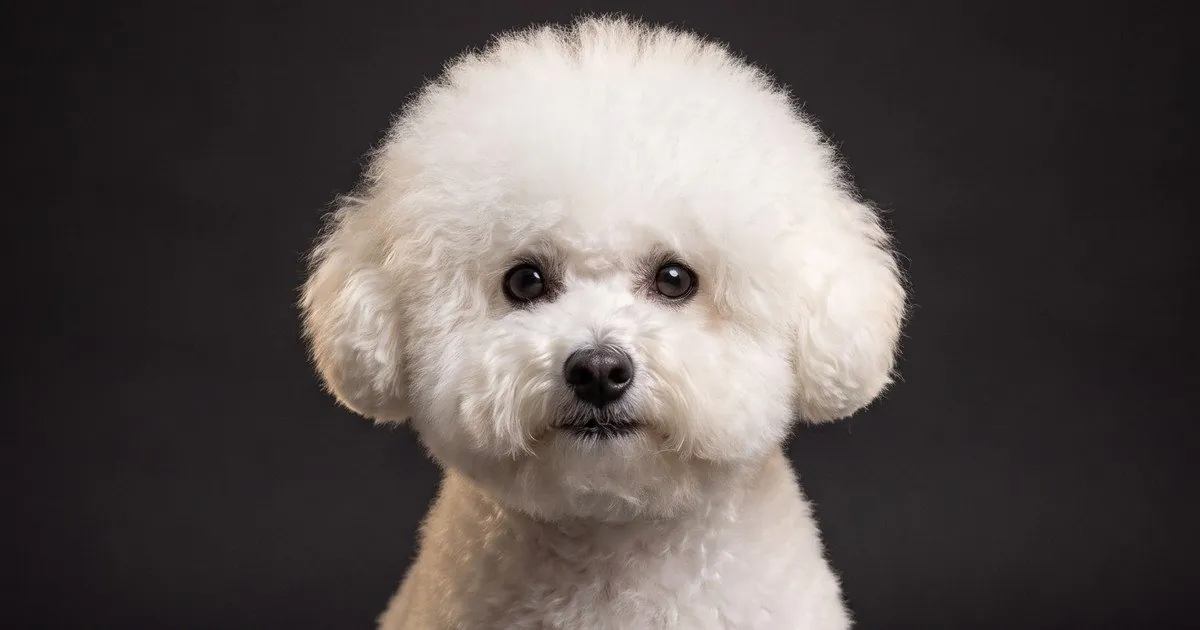
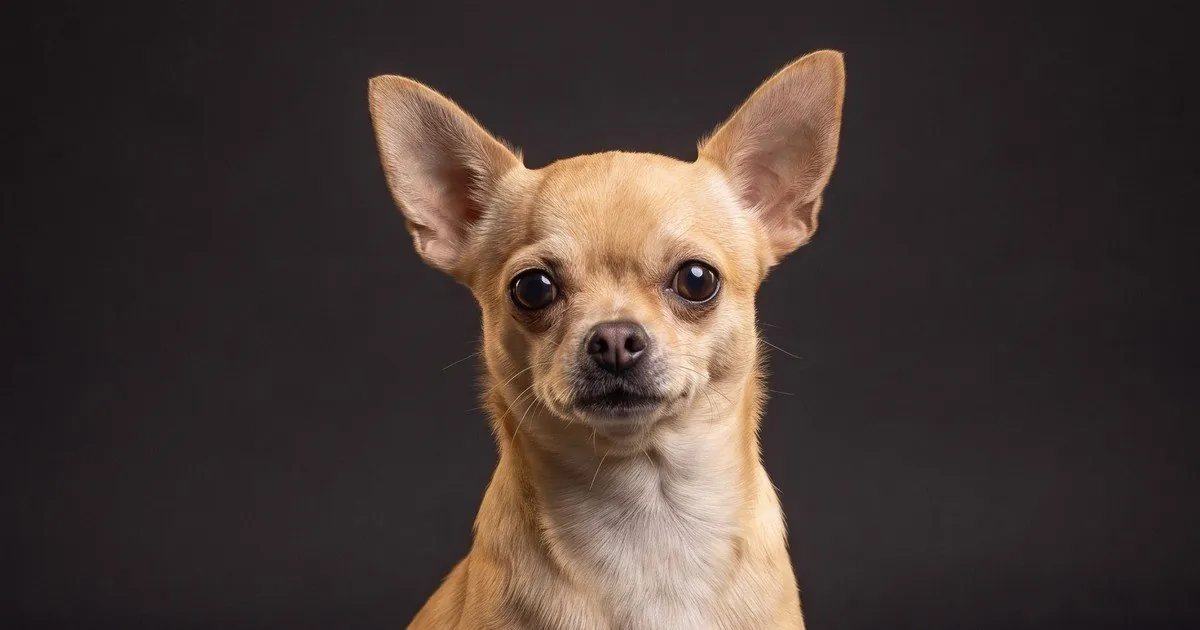
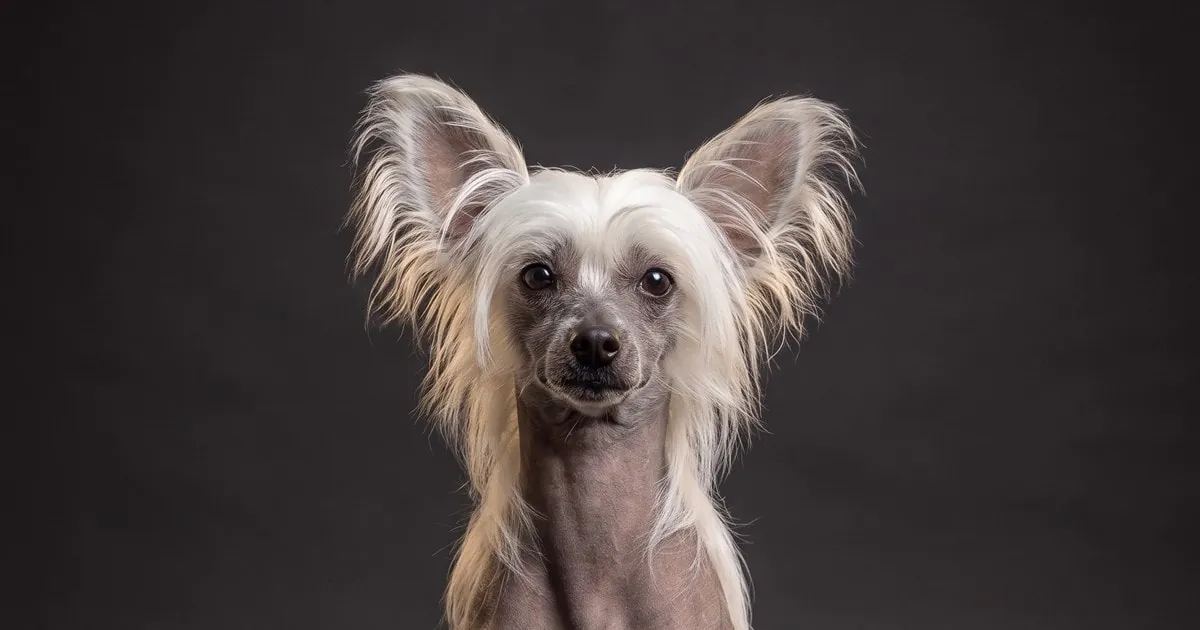
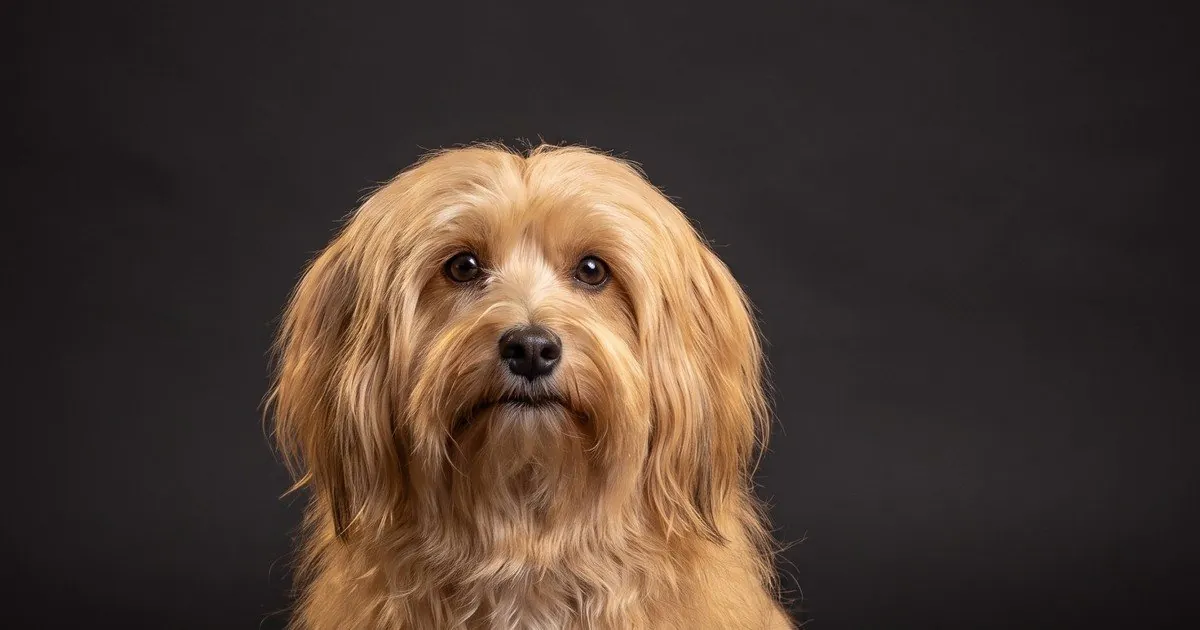
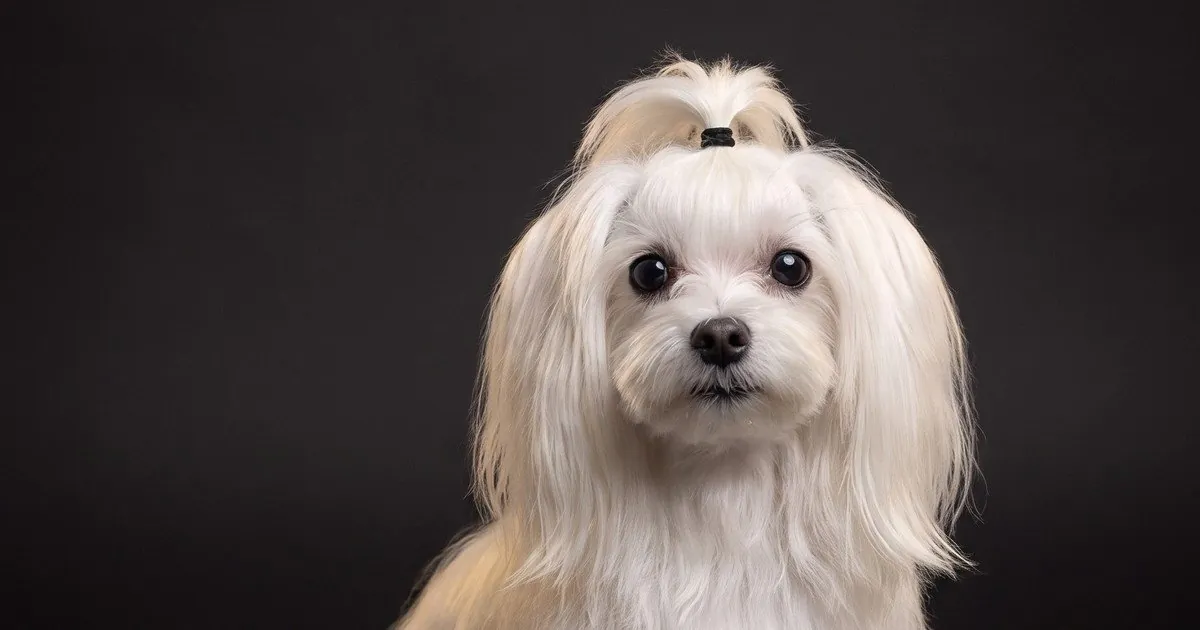
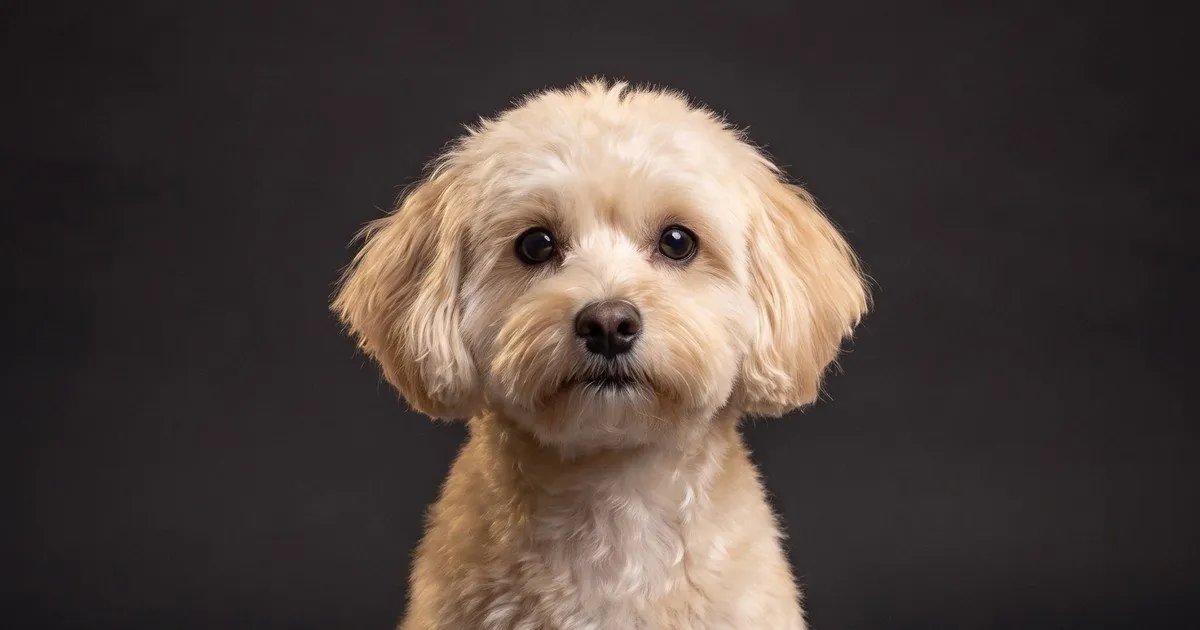
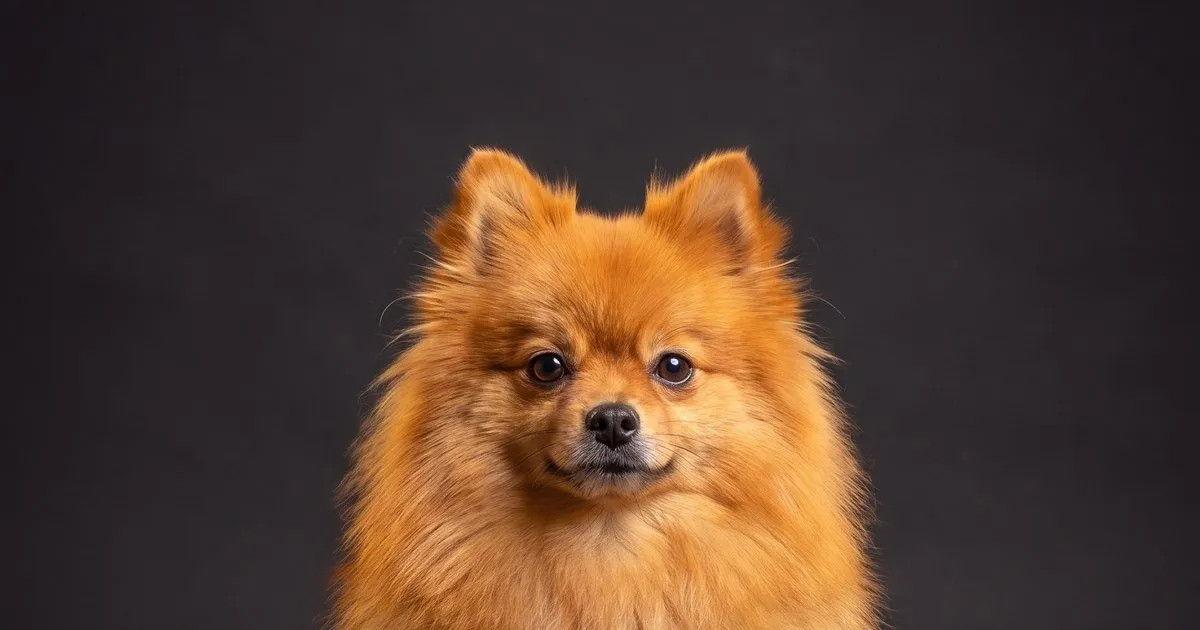
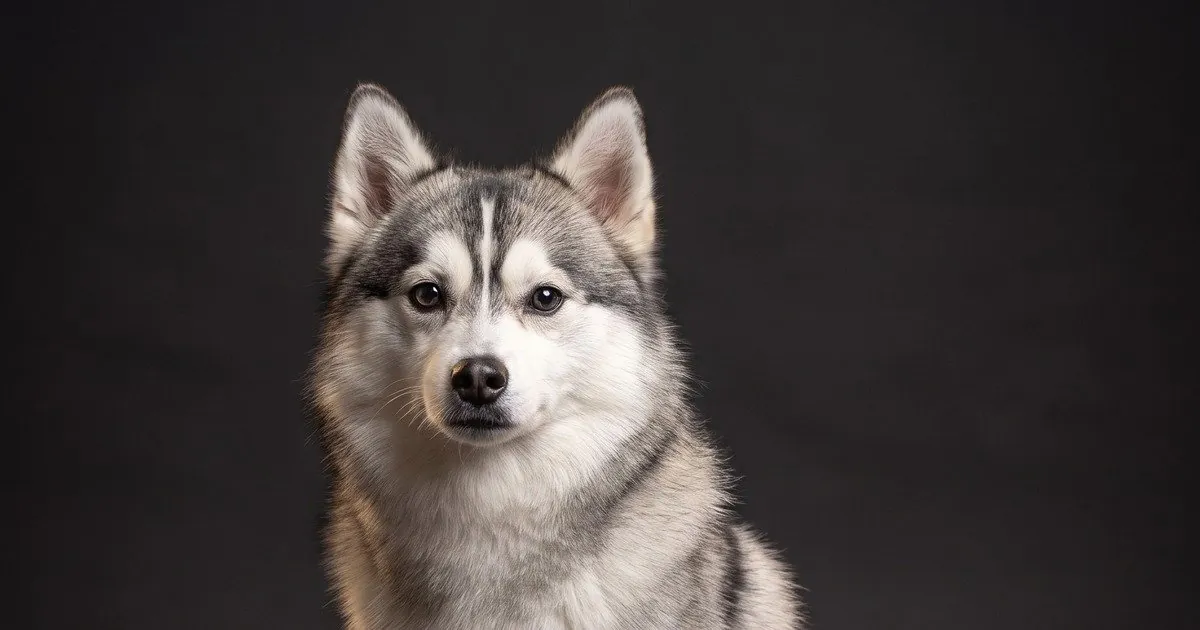
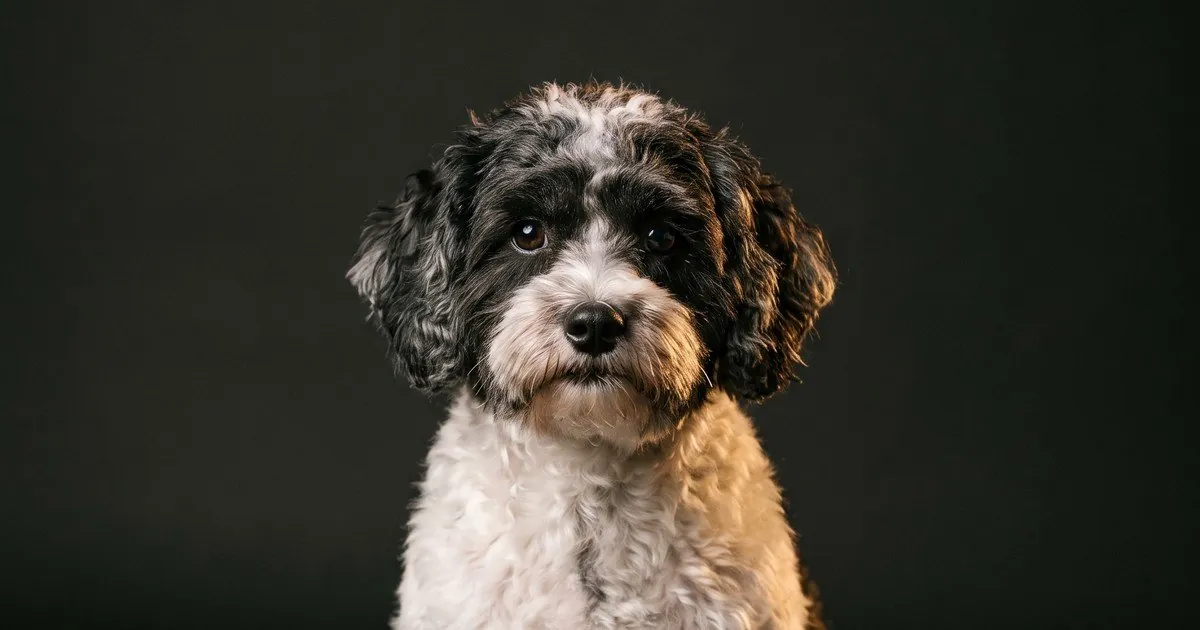
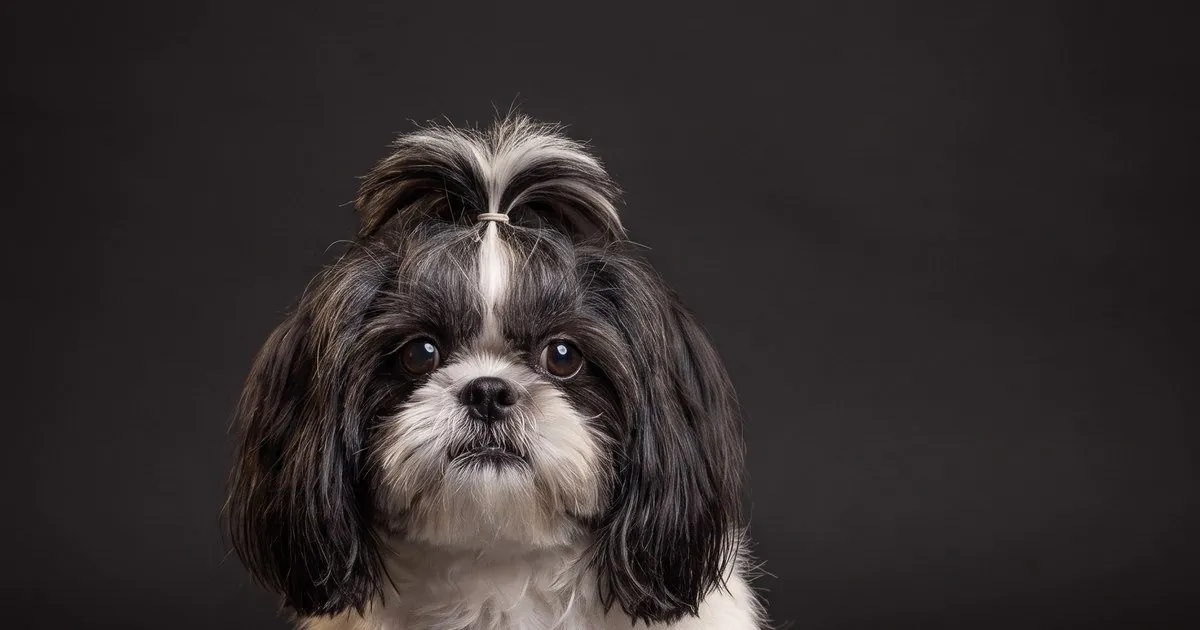
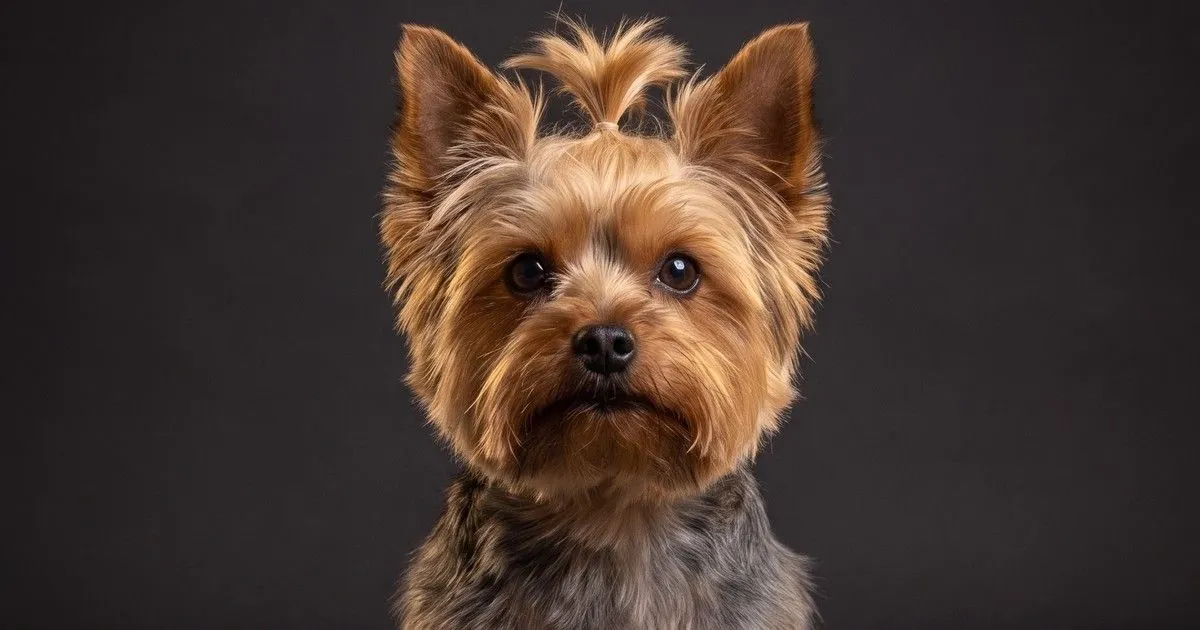
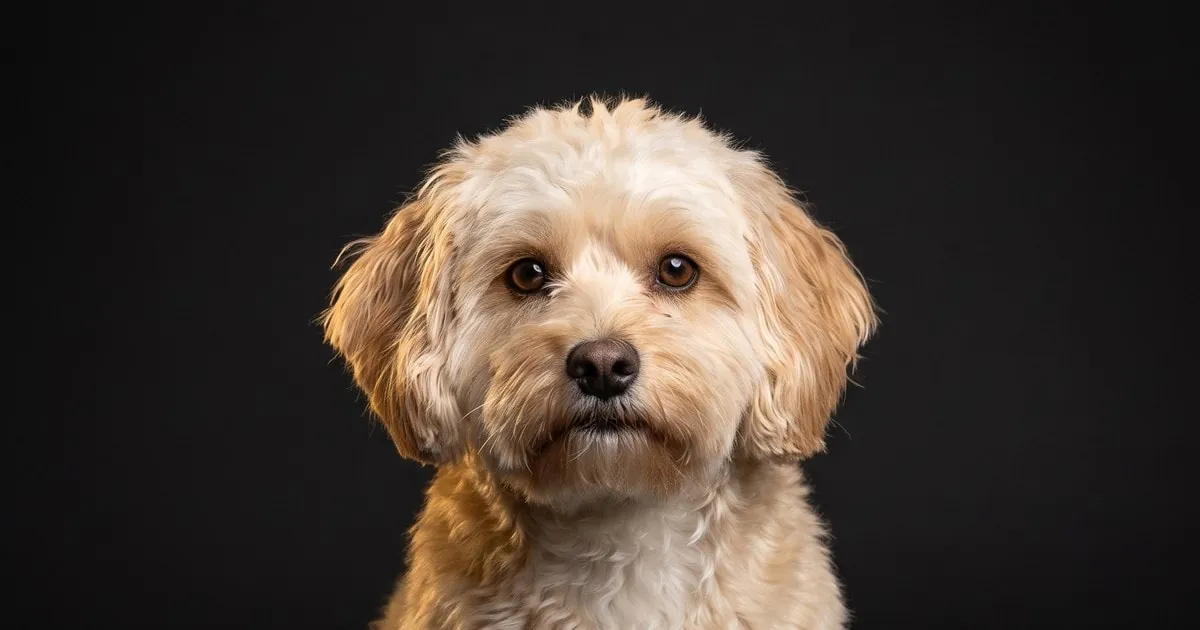
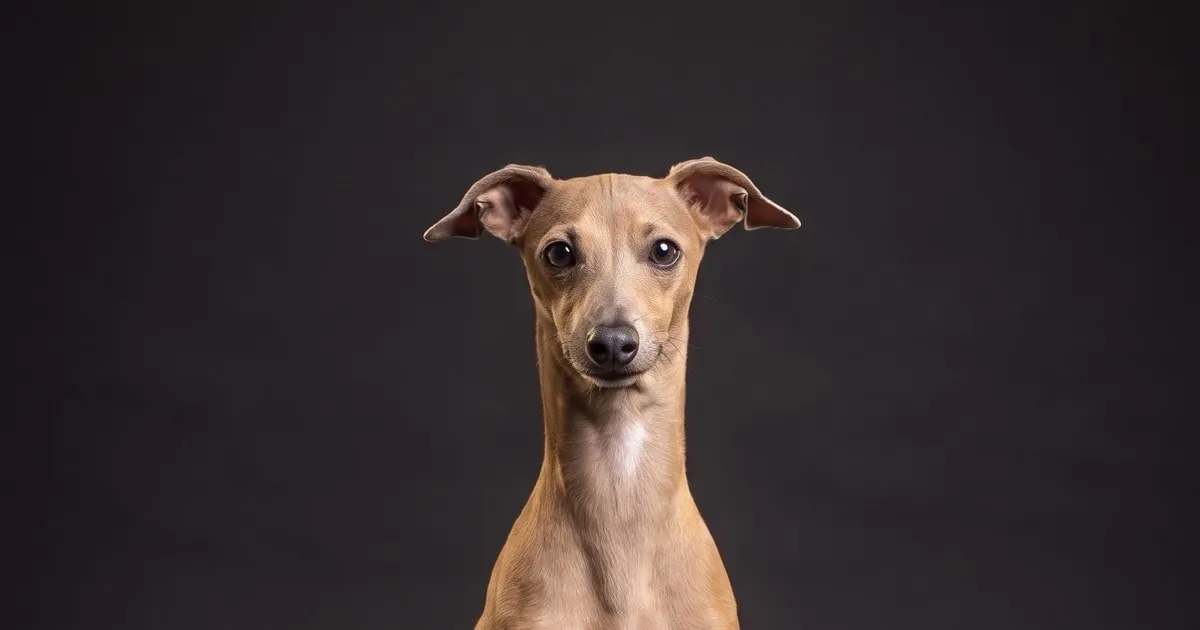
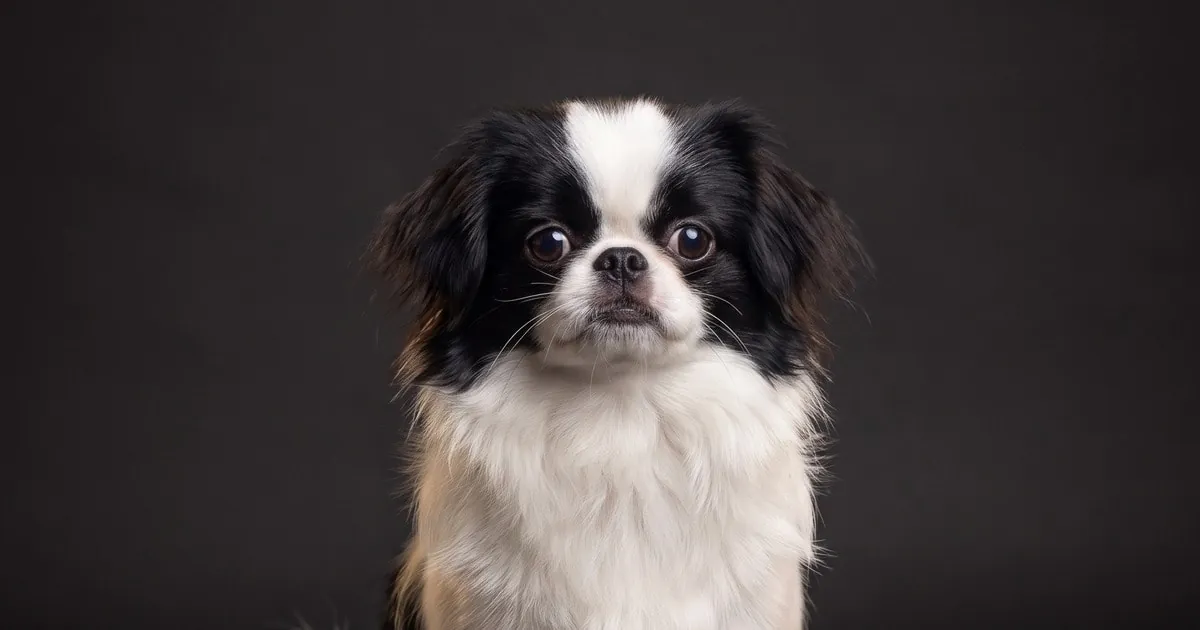
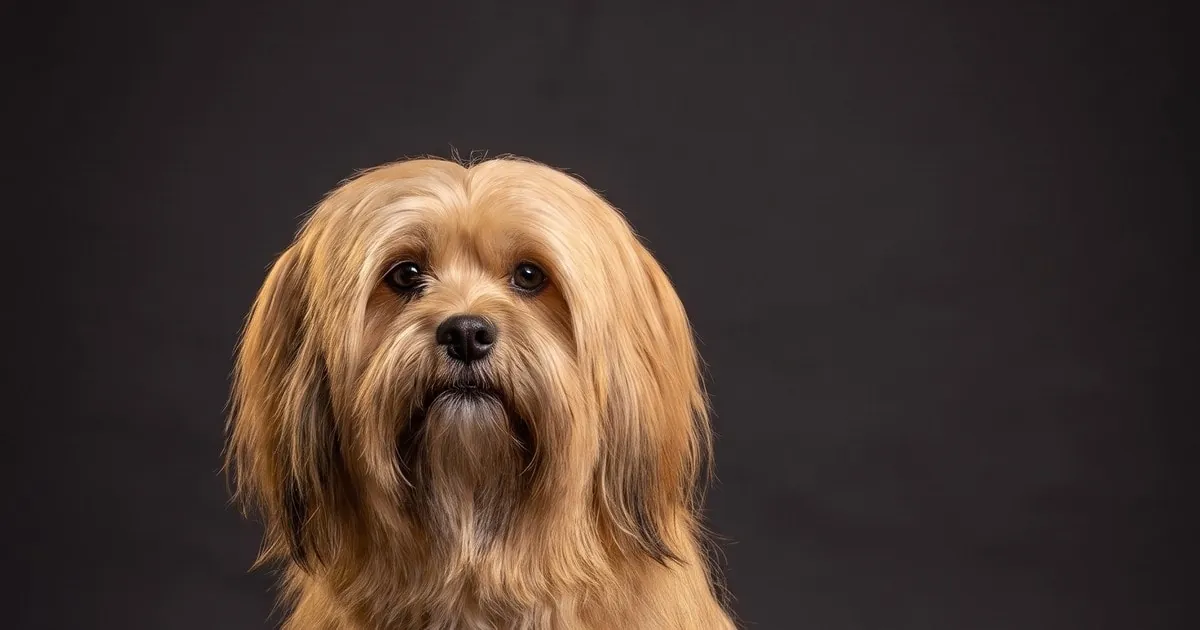
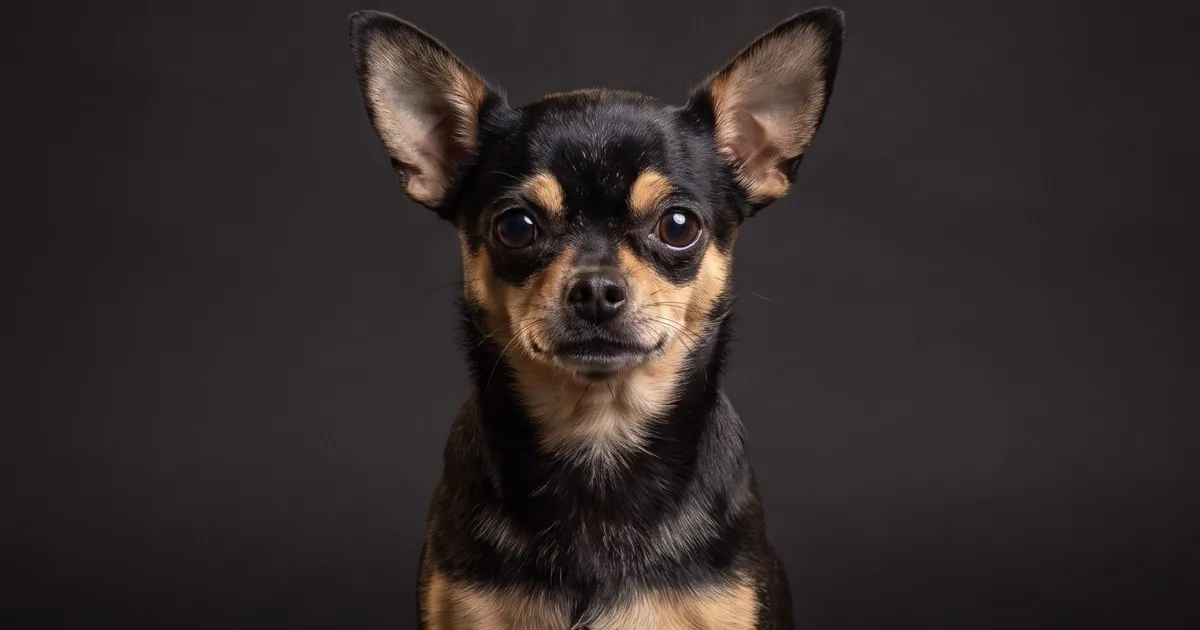
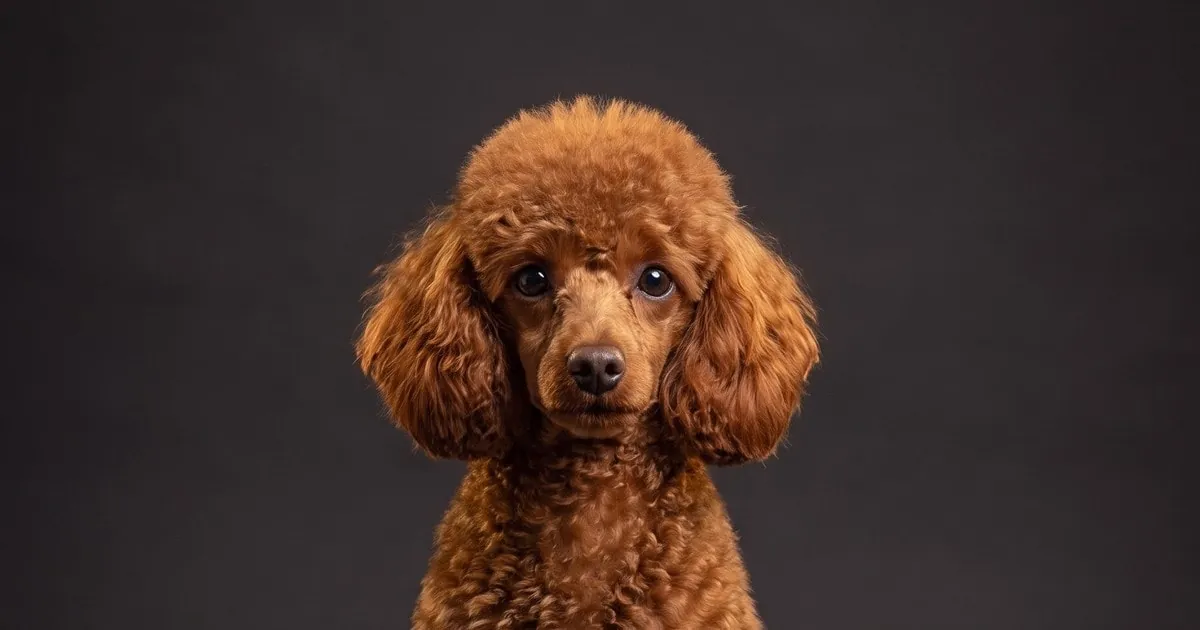
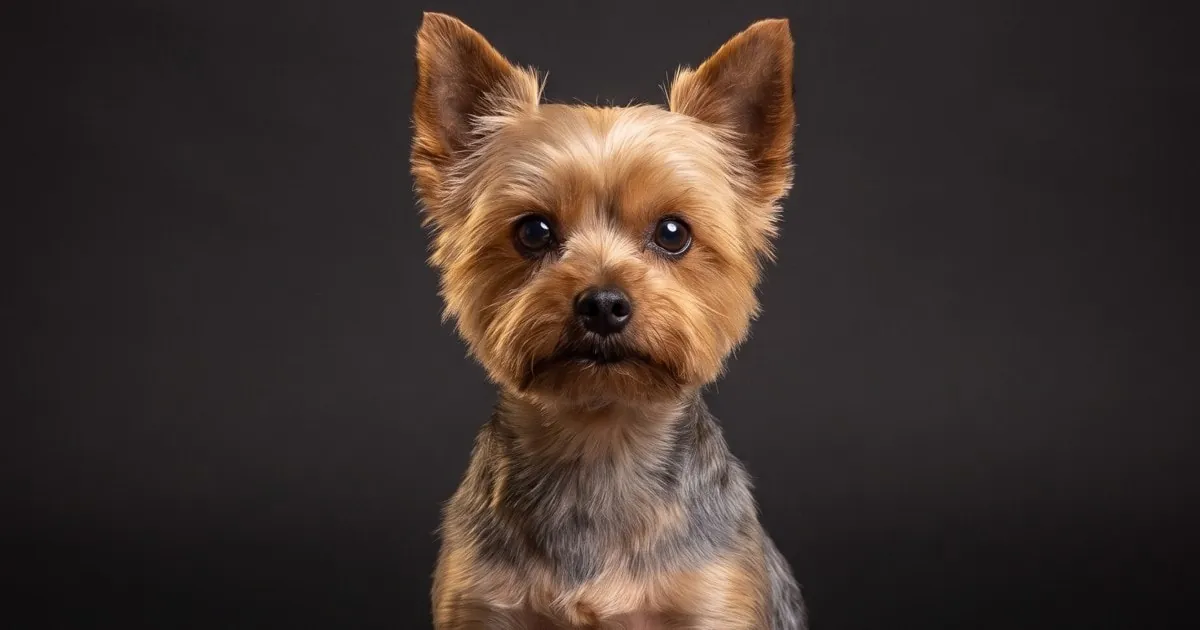
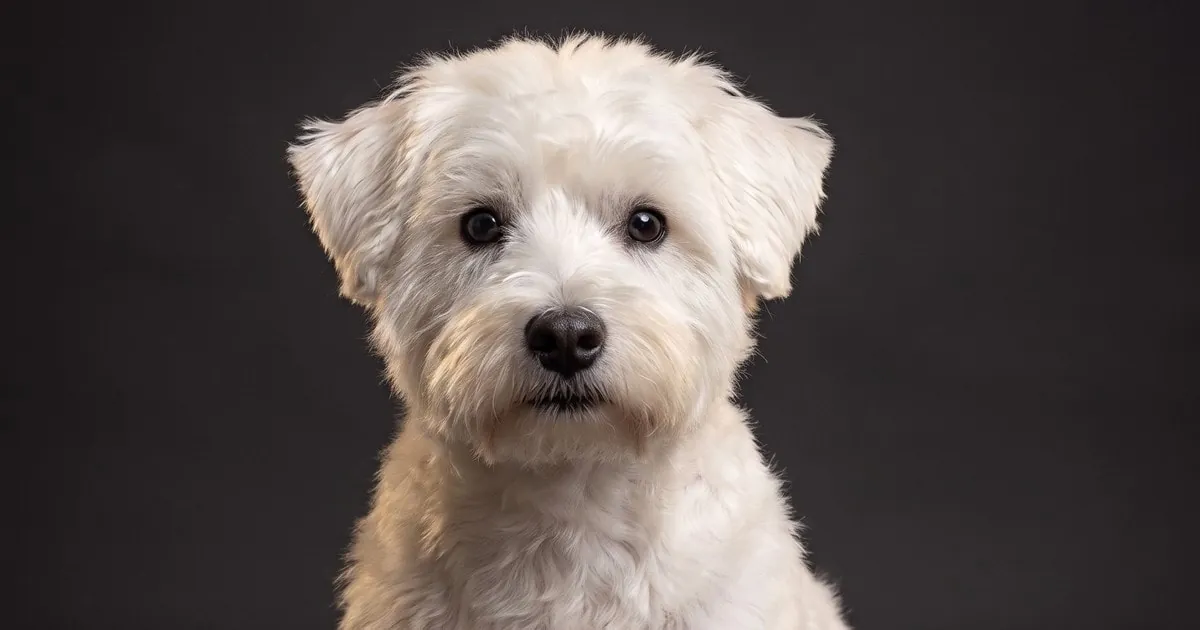
Some pets need their teeth watched more closely than others. Our breed health data, reviewed by our vets, lists dental disease among the top health risks for almost every small and toy dog breed, and for every cat breed we cover. Retained baby teeth and early gum disease show up in small dogs from the first year.
If your dog is one of these breeds, their breed guide shows what to expect at each age.
Their number one risk from the puppy months
Baby teeth that stay put and crowded mouths come first, then gum disease through adulthood.
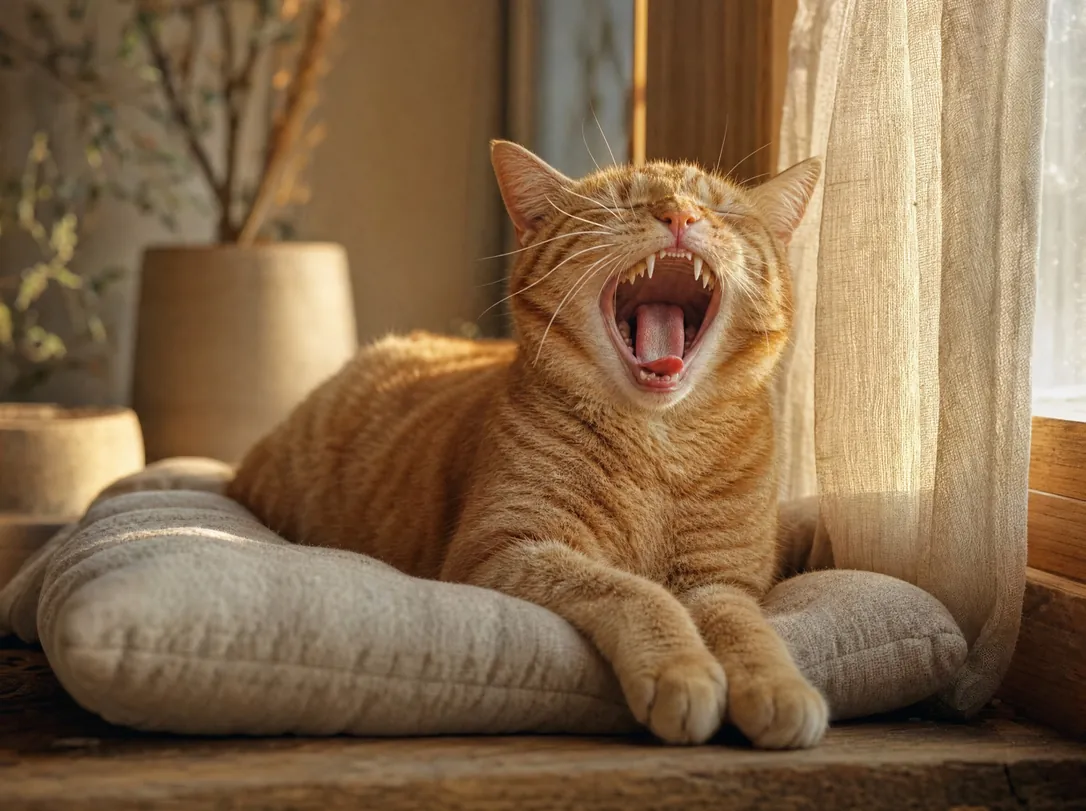
Cats are experts at hiding pain, and their most common dental problem hides too. In tooth resorption, the body slowly breaks down a tooth from the inside. It affects an estimated 20 to 60 per cent of cats, and close to three quarters of cats aged five and over.
It starts below the gumline, so it is found on the X-ray, not by looking. A cat with it may still eat normally, but tilt their head or chew on one side.
An affected tooth cannot be repaired, so it is removed and the pain goes with it.
Gum disease: Why it matters
By the age of three, most dogs and cats already have some gum disease (periodontitis): over 80 per cent of dogs and 70 per cent of cats. It is easy to miss, because it starts below the gumline, and because pets are very good at hiding pain.
Untreated, it can stop being a mouth problem. Gum disease has been linked to damage in the heart, liver and kidneys.
Bad breath is not a personality trait. It is often the first sign.
At home: Between visits
Brushing is the single most useful thing you can do at home, and daily is the goal. Use a toothpaste made for pets, never your own. Start with a few seconds on the front teeth, make it part of the same moment every day, and build up from there. Cats can learn it too, if you go slowly.
The VOHC seal
If brushing is not happening, dental chews, diets and water additives can help. Look for the VOHC seal on the packet. The Veterinary Oral Health Council gives it only to dog and cat products proven to reduce plaque or tartar.
The knee test
Skip anything hard enough to hurt if it hit your knee. Bones, antlers and very hard chews are a common cause of broken teeth.
Prices will be confirmed before we open. You get the quote on screen in the consultation room, before anything is agreed. If the X-rays change what is needed, we message you and agree it before we go ahead.
Does my pet really need a general anaesthetic?
Yes. A proper dental clean needs a general anaesthetic, because cleaning below the gumline, and the X-rays that show what is happening there, are not possible while a pet is awake.
What happens during a dog or cat dental cleaning?
It is a day visit, and it is the same for cats and dogs. After a physical examination and blood tests to check they are fit for the anaesthetic, your pet sleeps through the whole procedure, which covers full-mouth X-rays, a tooth-by-tooth chart, a clean above and below the gumline, and a polish, with a nurse beside them throughout. Only teeth that cannot be saved are removed, and they come home that evening. For cats the X-rays matter even more, because tooth resorption cannot be seen from the outside, and scaling a cat's teeth without X-rays would miss it.
Is bad breath in dogs and cats a sign of dental disease?
Usually, yes. It is often the first thing you notice, because the disease itself starts below the gumline. If the smell comes with red gums, tartar or a change in how they eat, book a dental evaluation.
Is the anaesthetic safe for an older pet?
Age is not a disease, and on its own it is not a reason to avoid treatment. No pet should live in pain because they are older. We run blood tests first, tailor the anaesthetic to your animal, and monitor continuously. An infected mouth is painful, and leaving it has risks too. Your vet will talk you through both.
How often does my pet need a dental evaluation?
Your pet has a dental evaluation at every routine visit. Whether a procedure is needed depends on the animal, and small breeds usually need one sooner and more often than large ones.
At what age should my pet have their first dental check?
We look at your pet's teeth from their very first visit. A full dental evaluation under anaesthetic is usually due by two to three years old. That procedure is at member rates; the awake evaluation is in the plan.
Can I brush my dog's or cat's teeth at home?
Yes, and it is the most useful thing you can do between visits. Use a pet toothpaste, start with a few seconds a day, and build up. If brushing is a battle, chews and diets with the VOHC seal help too.
Do I need a dog dentist, or can my vet do it?
Most veterinary dental services, from the evaluation and cleaning to removing a tooth, are done by a vet with the right training and equipment. A few treatments, such as a root canal to save a broken tooth, are done by a veterinary dental specialist, and we refer you if your pet needs one. The same goes for cats.