We’re hiring people who love them like we do. Join us careers@pawsandco.comSee open roles
UAE Government Licensed MOCCAE
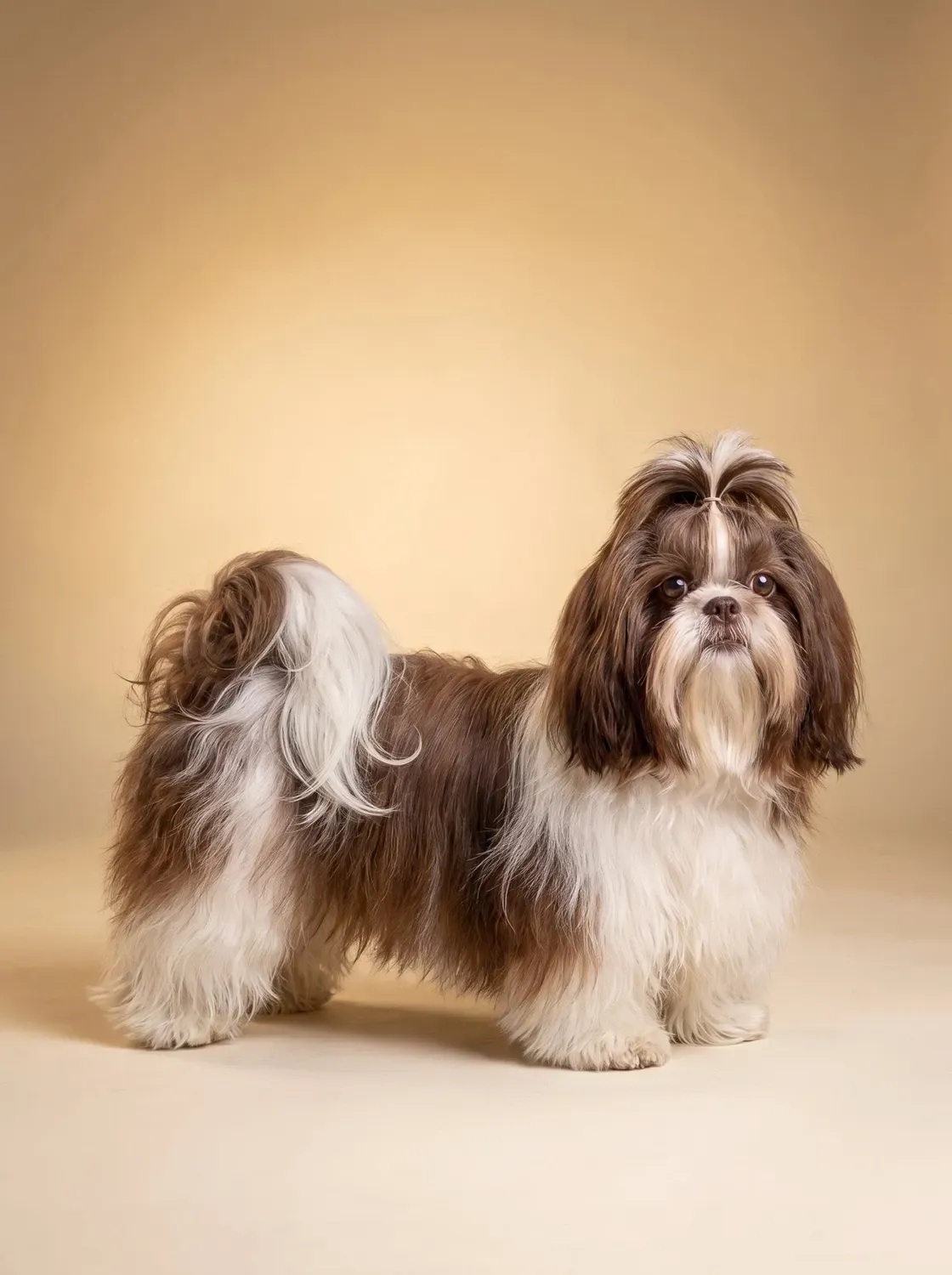
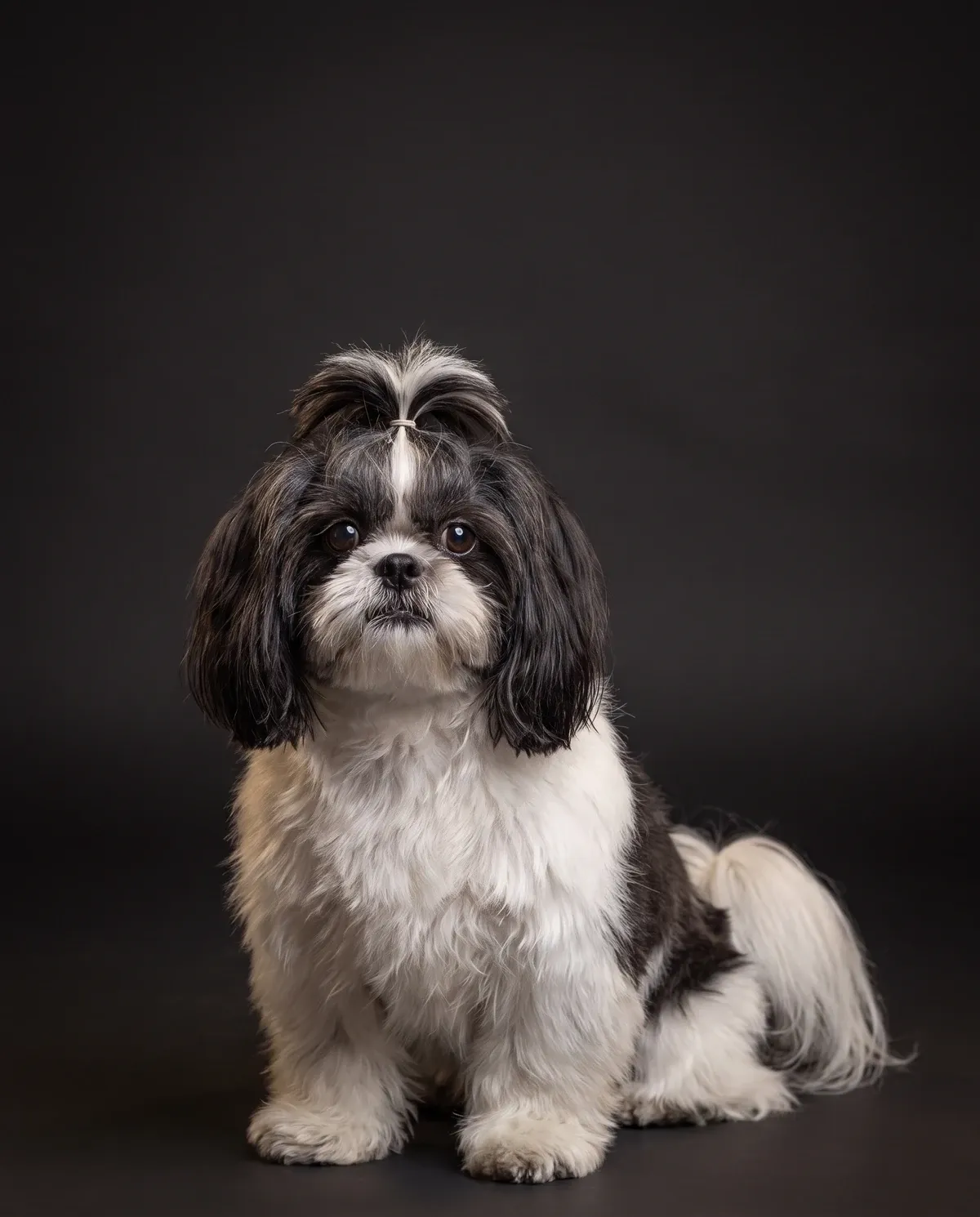
Shih Tzu in Dubai, studio portrait of a black and white adult with a tied topknot against a dark background

Breed guide  ·  Dogs

Shih Tzu

Her ancestors were a gift to an emperor. I brush her teeth every night.

Lifespan
10 to 18 years
Size
Small
Weight
4 to 7 kg
Shedding
Very low

Last updated 14 October 2026

Join the founding families. AED 1,999 of essential care for AED 199.

No payment now. We'll be in touch by email and WhatsApp as we open enrolment.

✓
Thank you.

We will be in touch soon to confirm.

Shih Tzu traits

What they brought with them.

Tap a card to see what is going on.

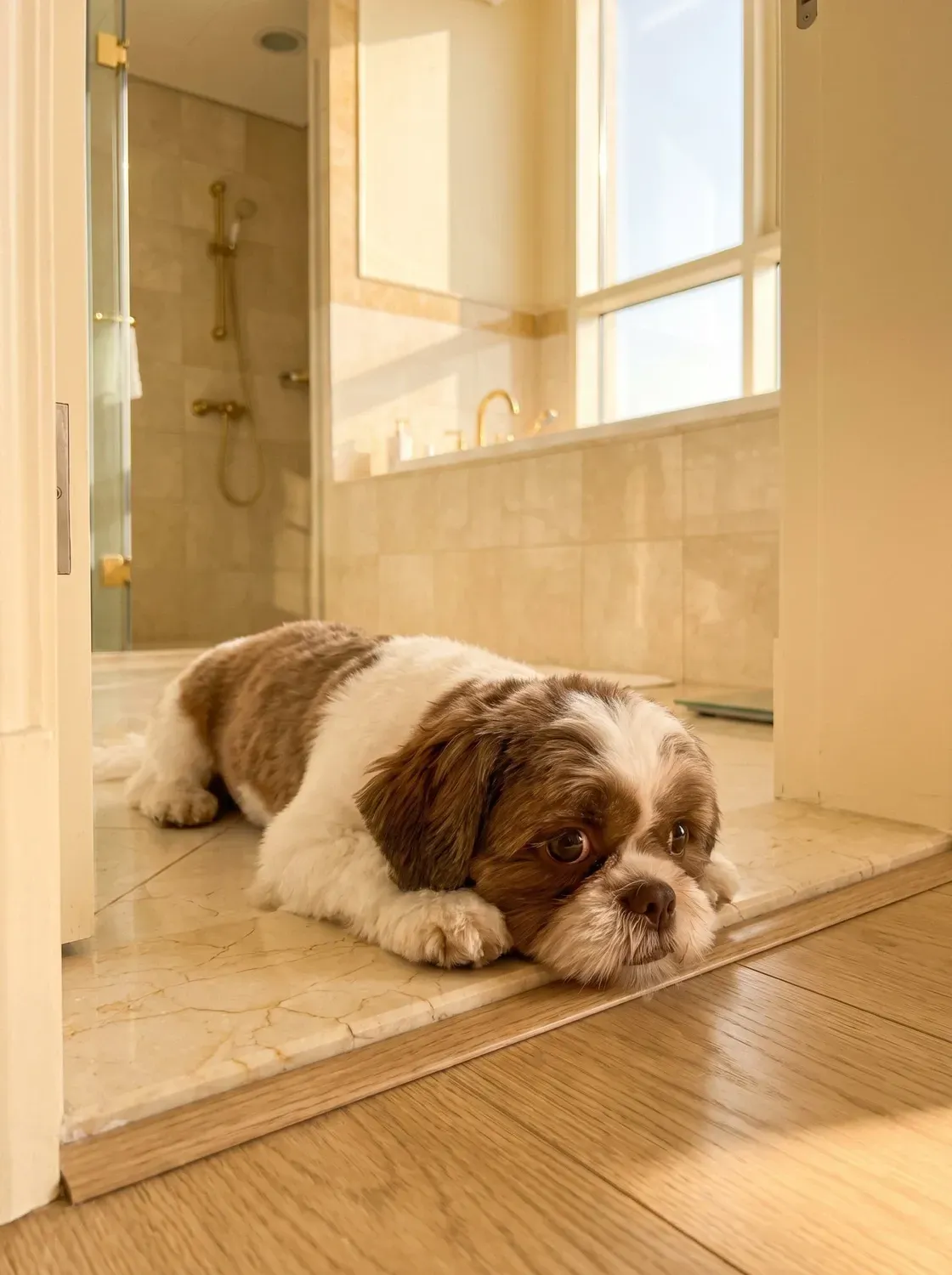
Shih Tzu, a liver and white adult lying in a bathroom doorway, chin on paws, keeping watch

At home

They follow you everywhere

Room to room all day, the bathroom included, and happiest when touching you.

What's going onShih Tzus were bred for company and nothing else, and they take it seriously. Wanting to be near you is normal. Distress when you leave is something else, and a reason to contact your vet.
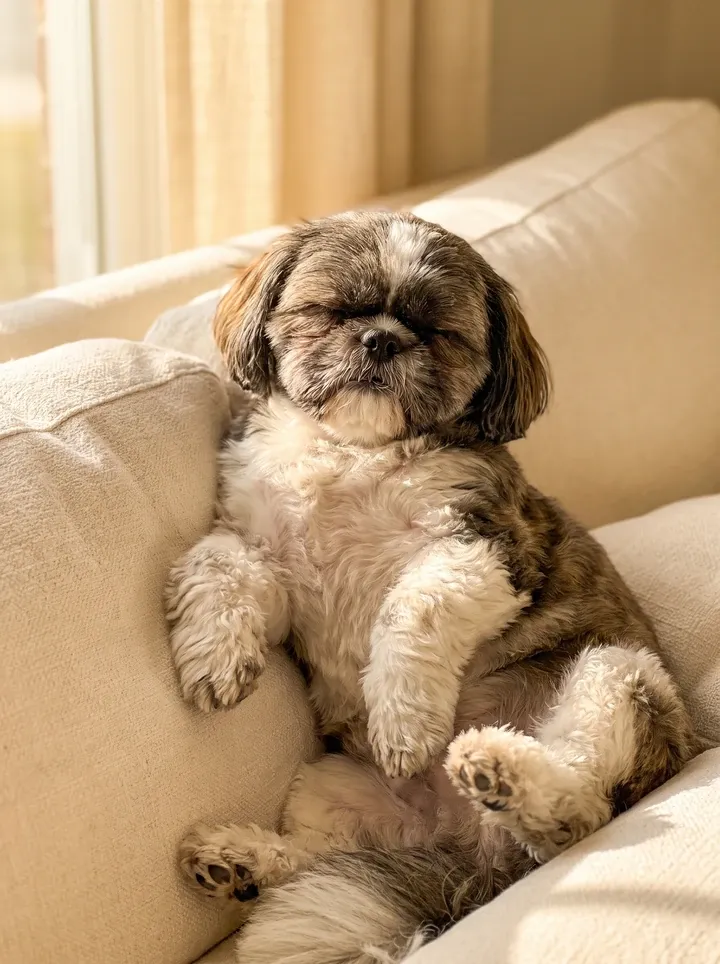
Shih Tzu, a brindle and white adult sitting propped up on a cream sofa, eyes half closed

At home

They sleep with their legs in the air

On their back, twisted, or half off the sofa.

What's going onIt is one of the best things about them. Loud snoring is the part to notice. If it is getting louder, film it and show your vet.

Shih Tzu, a black puppy running across a living room rug

At home

Zoomies round the living room

A sudden sprint round the living room, then flat out on the floor.

What's going onThe burst is normal. How long they take to get their breath back is what to watch.

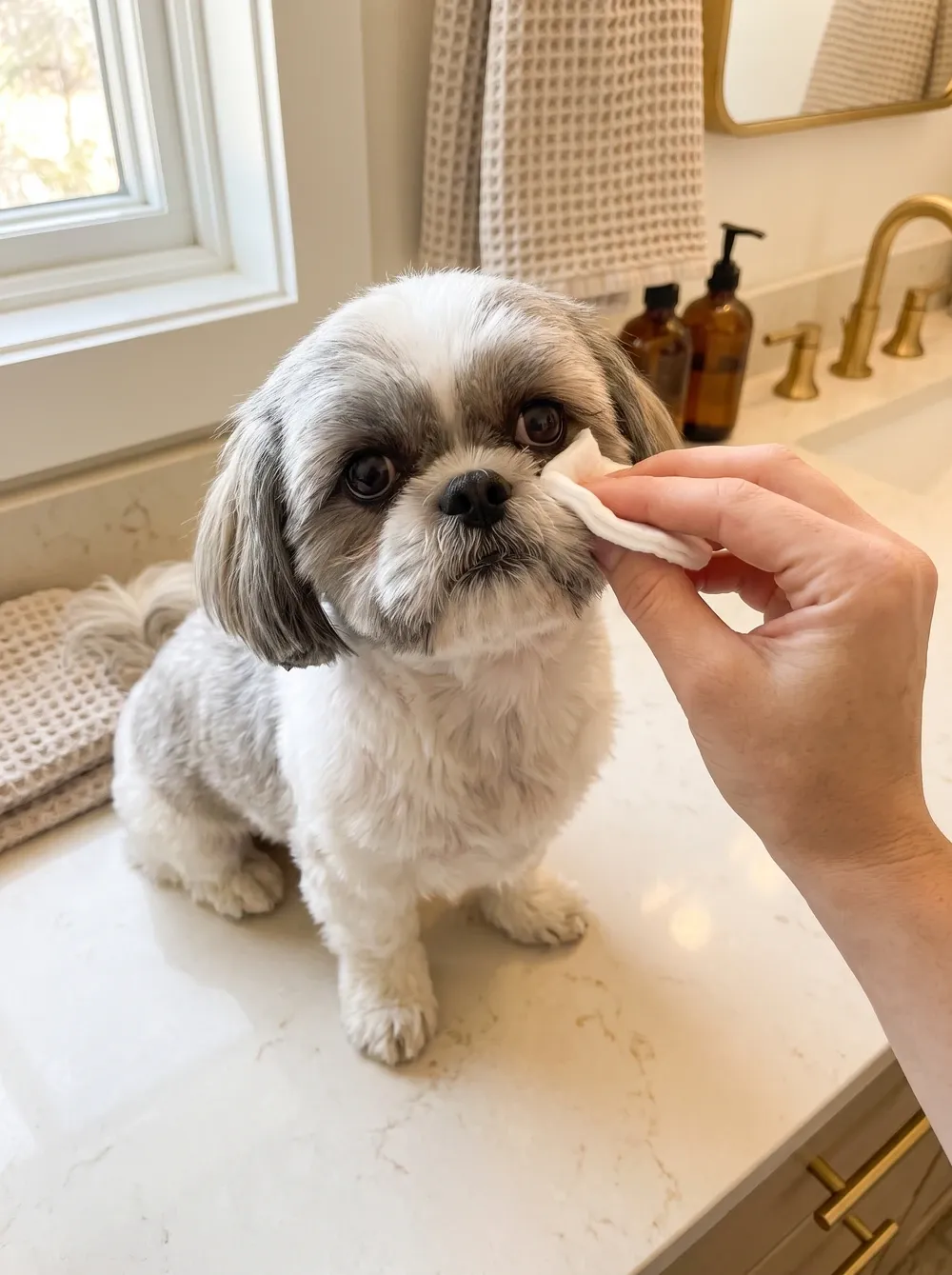
Shih Tzu, a pet parent gently wiping under a silver and white adult's eye with a cotton pad

At home

Why does my Shih Tzu have tear stains?

Wet, stained fur under the eyes that comes back however often you wipe it.

What's going onIt is common, and not only cosmetic. Hair rubbing the eye, or an eyelash growing the wrong way, can cause it. Keep the hair trimmed, and contact your vet the same day to have their eyes looked at.

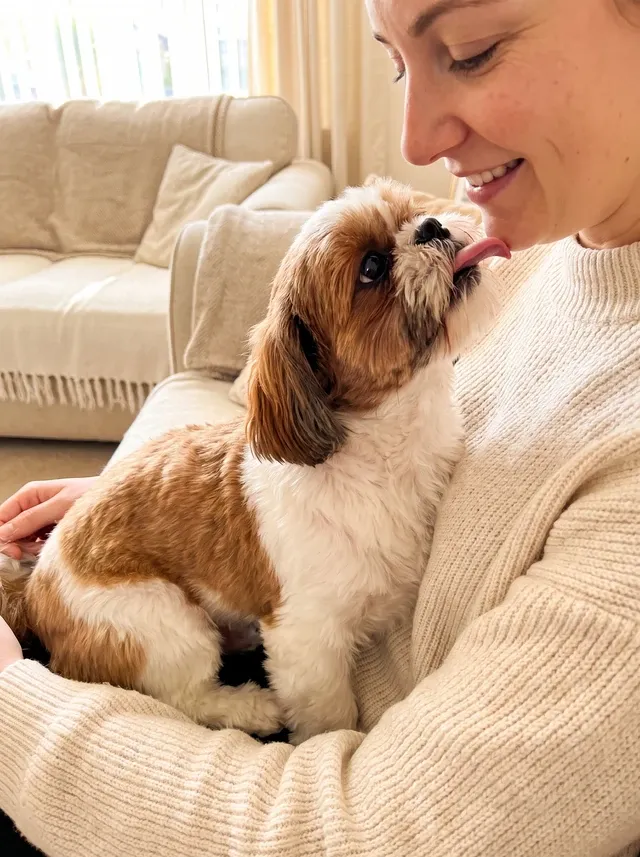
Shih Tzu, a red and white adult on a pet parent's lap, reaching up to lick the pet parent's chin

At home

Breath that could strip paint

A kiss you notice from across the sofa.

What's going onPet parents joke about it. In a Shih Tzu, bad breath is often their teeth, and teeth are where this breed most often runs into trouble.

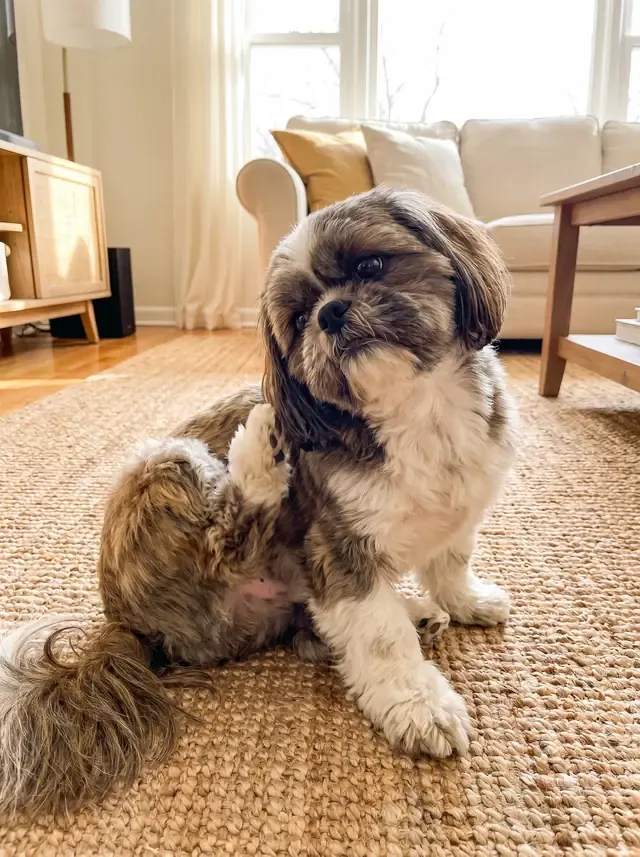
Shih Tzu, a brindle and white adult sitting on a jute rug, scratching behind one ear with a back paw

At home

Why does my Shih Tzu keep scratching their ears?

Head shaking and ear scratching that looks like a habit.

What's going onEar infections and allergies can start young in a Shih Tzu, so a monthly ear clean is part of the routine. Itching that keeps coming back is a reason to contact your vet the same day.

A Shih Tzu in Dubai

The bit nobody tells you.

Their day

Built for: A lap to sit on, and someone to keep company.

In Dubai: Company in a flat, and sometimes a long day alone.

Their face

Built for: A short face and a sweet expression.

In Dubai: A narrower airway, in a summer that runs from May to September.

Their coat

Built for: A floor-length coat for the show ring.

In Dubai: A long coat in the heat, with hair all around the eyes.

The tear stains, the breath and the snoring mostly come from that face.

So much of their care happens at home, in a few minutes a day: a toothbrush and a comb, with eye wipes and ear cleaning on a routine. The ten things below are how.

Your plan is built around their breed: the risks on a Shih Tzu's record at every age, and the care that goes with each one.

Join the founding families. AED 1,999 of essential care for AED 199.

Daily care for a Shih Tzu

Ten things that make their life better.

Many of them are free, and most matter at every age.

  1. Their airway is narrower than a longer-faced dog's, and they carry a long coat. Heat is the thing they handle worst.

    Every age, most of all puppies and from 7 years

    Free

    Why

    Their airway is narrower than a longer-faced dog's, and they carry a long coat. Heat is the thing they handle worst.

    What to do

    From May to September, walk before sunrise and after dark, and keep it short. When they stop, let them. Put the back of your hand on the pavement for five seconds. If you cannot keep it there, they cannot walk on it. Never leave them in the car.

  2. They play in bursts and will keep going past the point they should stop.

    Every age, most of all puppies and young dogs

    Free

    Why

    They play in bursts and will keep going past the point they should stop.

    What to do

    Short games indoors, then a rest. Stop before their breathing gets loud. In summer, keep play in the air conditioning.

  3. The breed's health record lists a mild form of Brachycephalic Airway Syndrome (flat-faced breathing difficulty) from puppyhood to young adulthood. Snoring is easy to find sweet and easy to miss.

    Every age, and again each year

    Free

    Why

    The breed's health record lists a mild form of Brachycephalic Airway Syndrome (flat-faced breathing difficulty) from puppyhood to young adulthood. Snoring is easy to find sweet and easy to miss.

    What to do

    One night, film two minutes of them asleep with the sound on. Watch for snoring, pauses in their breathing, or waking with a start, and show your vet. Film again once a year and compare.

  4. They will be brushed, combed, trimmed and have their teeth cleaned for life. A dog who is happy on the table makes all of it easier.

    Every age, starting in the first week

    Free

    Why

    They will be brushed, combed, trimmed and have their teeth cleaned for life. A dog who is happy on the table makes all of it easier.

    What to do

    A minute or two a day from the first week: touch their paws, lift their lip, hold their chin while you wipe their eyes, and reward them for staying still. Keep it short, and do it somewhere cool.

  5. Lying flat on cold tiles is how they get rid of heat.

    Every age, most of all puppies and from 7 years

    Free, or a small one-off cost

    Why

    Lying flat on cold tiles is how they get rid of heat.

    What to do

    Keep their room air-conditioned from May to September, with a tiled spot or a cooling mat and water in two places. If they always end up on the same cold patch of floor, put their bed next to it.

  6. A collar pulls on their throat, where their airway is already short.

    Every age, refitted as they grow

    A small one-off cost

    Why

    A collar pulls on their throat, where their airway is already short.

    What to do

    Use a harness that sits across their chest, and check the coat underneath it for knots. Keep a collar for their tag, and never clip the lead to it.

  7. A short face and a long coat that soaks through. They are not built to swim.

    Every age, most of all puppies and older dogs

    A small one-off cost

    Why

    A short face and a long coat that soaks through. They are not built to swim.

    What to do

    Keep them out of the pool area. Near water, put them in a dog life jacket with a handle and keep hold of it. After any soaking, dry their coat and their ears properly.

  8. Extra weight makes breathing harder, and from middle age it puts more strain on their back.

    Every age, most of all from 6 months to 7 years

    FreeIn your plan

    Why

    Extra weight makes breathing harder, and from middle age it puts more strain on their back.

    What to do

    Weigh them every month. Measure their meals and count treats as food. Feel for their ribs under the coat with your hands: you should find them easily.

  9. Dental disease is the biggest risk for a Shih Tzu. Eye problems and ear infections can start in puppyhood too.

    Every age

    A small monthly cost for toothpaste, eye wipes and ear cleanerIn your plan

    Why

    Dental disease is the biggest risk for a Shih Tzu. Eye problems and ear infections can start in puppyhood too.

    What to do

    Brush their teeth every night. Keep the hair trimmed away from their eyes, and clean around them with a vet eye wipe at least once a month. Clean their ears once a month with a vet ear cleaner. Squinting or a cloudy eye means contacting your vet the same day. A professional dental clean every 6 to 12 months and an ophthalmic evaluation (eye exam) every year are in your plan from six months to four years.

  10. From middle age the breed's health record lists Intervertebral Disc Disease (IVDD, a slipped disc in the back) and recommends ramps and no high jumps.

    Every age, most of all from 4 years

    A small one-off cost for a rampIn your plan

    Why

    From middle age the breed's health record lists Intervertebral Disc Disease (IVDD, a slipped disc in the back) and recommends ramps and no high jumps.

    What to do

    Put a ramp up to the sofa and bed, and lift them down. Carry them with one hand under the chest and one under the back end. If they suddenly will not jump, yelp when lifted, or walk hunched, contact your vet the same day. A spinal evaluation (a back exam) is in your plan from age four.

Three of these are in your plan. The rest you can do at home.

Join the founding families. AED 1,999 of essential care for AED 199.

Shih Tzu health by age

Their health, at every age.

In a Shih Tzu, a change in behaviour is often the first sign that something is wrong. Choose their age to see what to watch for, and the care that goes with it.

Shih Tzu, an older black dog with a greying muzzle resting on a soft cream bed

How old are they?

Their age

Shih Tzu Puppy health

the first six months

What to watch for

  1. Retained deciduous teeth, malocclusion (teeth that do not meet properly) or early dental crowding
  2. Congenital or early inherited ocular disease related to Eye Conditions (Corneal Ulcers, Distichiasis)
  3. Juvenile onset of skin allergies / atopic dermatitis (itchy allergic skin)
  4. Early or congenital expression of Brachycephalic Airway Syndrome (Mild, flat-faced breathing difficulty)
  5. Juvenile onset of ear infections

The care that goes with it

  1. Core vaccinations, microchip and Dubai Municipality registration
  2. Deworming, and flea and tick prevention
  3. Growth and nutritional evaluation, and early socialisation
  4. Dental disease screening, as a first baseline
  5. Early follow-up for any signs of corneal ulcers (sores on the surface of the eye) or distichiasis (extra eyelashes that rub the eye)
The full care detail
  • Core vaccination programme, microchipping and Dubai Municipality registration. Titre testing discussion where clinically appropriate; not a substitute for completing the core vaccine series
  • Deworming and external parasite prevention tailored to Dubai exposure
  • Body Condition Score (BCS, a check on whether they are the right weight), Muscle Condition Score (MCS, a check on their muscle), dental, growth and nutritional evaluation, and early socialisation
  • Baseline screening focused on Dental Disease
  • Early diagnostic follow-up for signs suggestive of Eye Conditions (Corneal Ulcers, Distichiasis)

Their age

Shih Tzu Juvenile health

6 months to 2 years

What to watch for

  1. Early periodontal disease (gum disease) and dental crowding
  2. Progression or first clinical detection of Eye Conditions (Corneal Ulcers, Distichiasis)
  3. Recurrent or persistent skin allergies / atopic dermatitis (itchy allergic skin)
  4. Young-dog presentation of Brachycephalic Airway Syndrome (Mild, flat-faced breathing difficulty)
  5. Recurrent or persistent ear infections

The care that goes with it

  1. Daily tooth brushing, and a professional dental clean every 6 to 12 months
  2. Monthly eye cleaning, and an annual ophthalmic evaluation (eye exam)
  3. Neutering or spaying, timed for a small breed
  4. A limited-ingredient or hydrolysed diet (a special diet for food allergies) if a food allergy is suspected
  5. Itchy skin that keeps coming back, properly investigated rather than treated again and again
The full care detail
  • Daily dental brushing from puppyhood; schedule professional dental cleanings every 6-12 months
  • Monthly eye cleaning with veterinary eye wipes; annual ophthalmic evaluation to detect corneal issues early
  • Neuter/spay timing discussion that accounts for small-breed growth and disease risk
  • Identify allergens early; transition to limited-ingredient or hydrolysed protein diet if food allergy suspected
  • Investigate recurrent signs rather than repeatedly treating presumed Skin Allergies / Atopic Dermatitis

Their age

Shih Tzu Young Adult health

2 to 4 years

What to watch for

  1. Dental Disease
  2. Eye Conditions (Corneal Ulcers, Distichiasis)
  3. Skin Allergies / Atopic Dermatitis (itchy allergic skin)
  4. Brachycephalic Airway Syndrome (Mild, flat-faced breathing difficulty)
  5. Ear Infections

The care that goes with it

  1. Daily tooth brushing, and a professional dental clean every 6 to 12 months
  2. Monthly eye cleaning, and an annual ophthalmic evaluation (eye exam)
  3. A limited-ingredient or hydrolysed diet (a special diet for food allergies) if a food allergy is suspected
  4. Facial hair kept trimmed away from the eyes
  5. Monthly ear cleaning with a vet ear cleaner
The full care detail
  • Daily dental brushing from puppyhood; schedule professional dental cleanings every 6-12 months
  • Monthly eye cleaning with veterinary eye wipes; annual ophthalmic evaluation to detect corneal issues early
  • Identify allergens early; transition to limited-ingredient or hydrolysed protein diet if food allergy suspected
  • Keep facial hair trimmed away from eyes to prevent corneal irritation and secondary ulceration
  • Monthly ear cleaning with veterinary-approved solution to prevent moisture-related ear infections

Their age

Shih Tzu Prime Adult health

4 to 7 years

What to watch for

  1. Dental Disease (Progressive)
  2. Intervertebral Disc Disease (IVDD, slipped disc in the back)
  3. Chronic Ear Infections
  4. Kidney Disease (Renal Dysplasia)
  5. Hypothyroidism

The care that goes with it

  1. Annual dental x-rays, and damaged teeth removed before infection spreads
  2. Spinal evaluation (a back exam), with ramps and no high jumps
  3. Annual thyroid panel (a thyroid blood test)
  4. Kidney function panel (a kidney blood and urine test) twice a year
  5. A lean, healthy weight, to protect their back
The full care detail
  • Annual dental X-rays to detect sub-gingival disease; extract compromised teeth before infection spreads
  • Spinal health evaluation; avoid high jumps and use ramps to reduce Intervertebral Disc Disease (IVDD) risk in the chondrodystrophic spine
  • Annual thyroid panel (T4) to detect hypothyroidism early; treatment is straightforward and effective
  • Bi-annual kidney function panel (BUN, creatinine, urine specific gravity) to monitor renal health
  • Maintain ideal body weight; obesity exacerbates IVDD and metabolic conditions significantly

Their age

Shih Tzu Senior health

7 to 10 years

What to watch for

  1. Kidney Disease (Chronic)
  2. Mitral Valve Disease (MVD, leaky heart valve)
  3. Arthritis
  4. Dental Disease (Tooth Loss)
  5. Cognitive Dysfunction Syndrome (dementia in older pets)

The care that goes with it

  1. A kidney-friendly senior diet, and blood and urine panels twice a year
  2. Annual echocardiogram (an ultrasound scan of the heart), and heart medication if a cardiologist advises it
  3. Omega-3 supplements and gentle physiotherapy for arthritis
  4. Cognitive enrichment: puzzle feeders and new scents
  5. Daily tooth care, even in older age
The full care detail
  • Transition to a renal-supportive senior diet; bi-annual blood and urine panels to track kidney progression
  • Annual echocardiogram to monitor Mitral Valve Disease (MVD); begin cardiac medication as directed by cardiologist
  • Introduce omega-3 supplementation and gentle physiotherapy to manage arthritis pain
  • Cognitive enrichment activities (puzzle feeders, new scents) to slow cognitive dysfunction progression
  • Maintain dental hygiene even in senior years; oral bacteria can worsen heart and kidney disease

Their age

Shih Tzu Geriatric health

10 years and over

What to watch for

  1. Chronic Kidney Disease (CKD, long-term kidney failure), Advanced
  2. Congestive Heart Failure
  3. Cognitive Dysfunction Syndrome (Advanced)
  4. Severe Arthritis
  5. Cancer

The care that goes with it

  1. Subcutaneous fluid therapy (fluids under the skin) at home, if prescribed, to support the kidneys
  2. A gentle daily routine and familiar surroundings
  3. Monthly vet visits to adjust their medicines as things change
  4. Quality-of-life assessment
  5. Palliative care (comfort care)
  6. End-of-life planning with your veterinary team
The full care detail
  • Subcutaneous fluid therapy at home (if prescribed) to support kidney function and hydration
  • Maintain gentle daily routine and familiar environment to reduce anxiety in cognitively impaired dogs
  • Monthly vet reviews to adjust multi-drug protocols as conditions evolve
  • Quality-of-life assessments
  • Tailored palliative and comfort-focused care plan
  • Compassionate end-of-life planning with your veterinary team

Breed predispositions indicate an increased risk rather than certainty of disease. What is right for them always comes from their own history and an evaluation.

Getting a Shih Tzu puppy in Dubai

Before they come home.

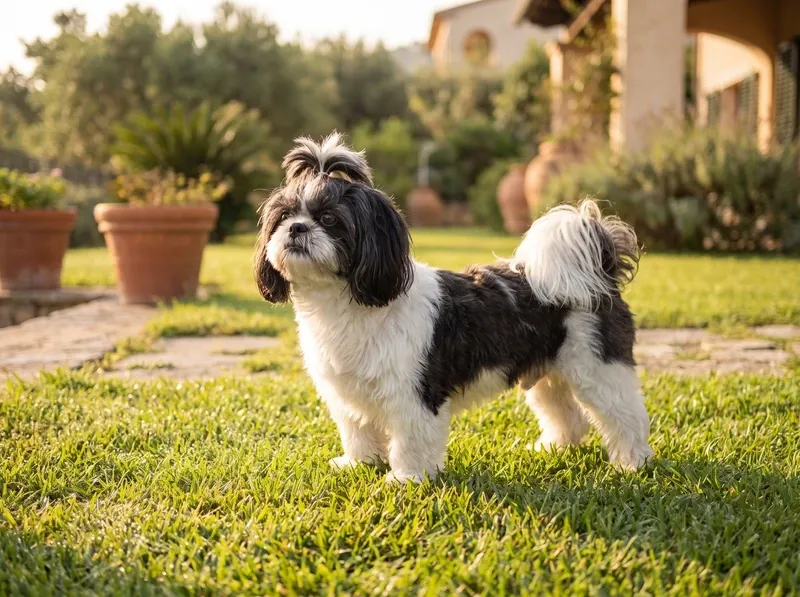
Shih Tzu, a black and white adult in a short puppy cut standing on a villa lawn

Show coat or puppy cut

One breed, two looks

Show Shih Tzus are kept in the full, floor-length coat. Most family Shih Tzus wear a shorter puppy cut or teddy bear cut, trimmed by a groomer. Under either one it is the same dog, with the same teeth and eyes to look after.

Shih Tzu, a gold and white adult lying on a stone-coloured cushion

Colours

Almost any colour you can picture

Gold, white, black, brown and every mix of them. The colour makes no difference to how they are cared for.

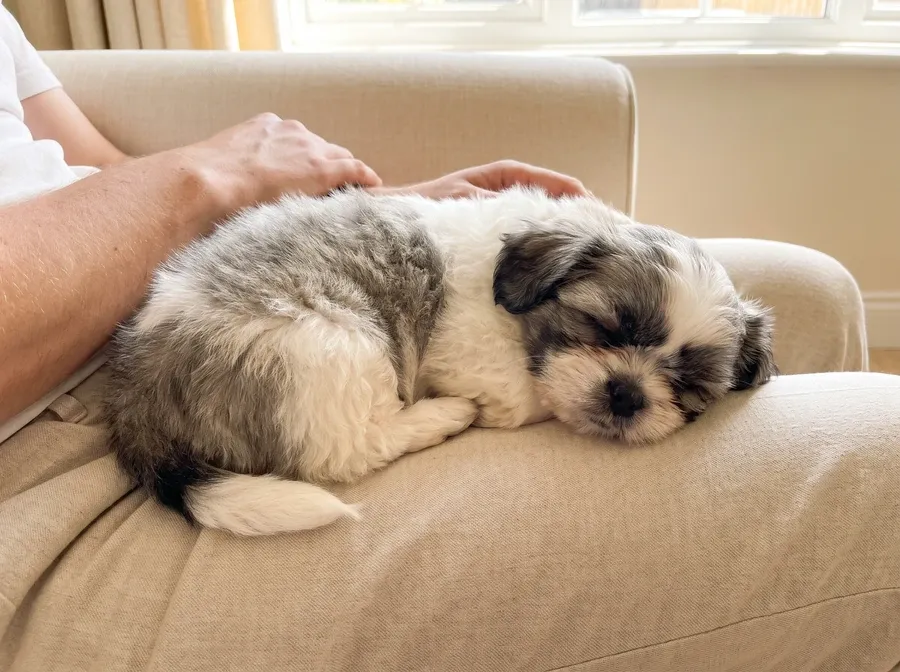
Shih Tzu, a grey and white puppy asleep in a pet parent's lap on the sofa

The first six months

Caring for a Shih Tzu puppy

Their full vaccination course, microchip and Dubai Municipality registration come first. Start the toothbrush in the first weeks, even on puppy teeth. You are teaching a habit they will need for life.

Puppy health, 0 to 6 months
Shih Tzu, a black and white puppy climbing a carpeted ramp beside a sofa in a cool, tiled living room

Getting the home ready

A ramp, a cool spot and a pool gate

Put a ramp or a step up to the sofa and bed, leave a tiled spot or a cooling mat in an air-conditioned room, and keep them out of the pool area.

Ten things that make their life better
Shih Tzu, a red and white mother lying on a blanket with two sleeping puppies curled close

Before you commit

Ask about the parents' teeth, eyes and breathing

Ask to meet both parents if you can, and look for open nostrils. Dental disease, eye problems and a narrowed airway are the first risks on a young Shih Tzu's record.

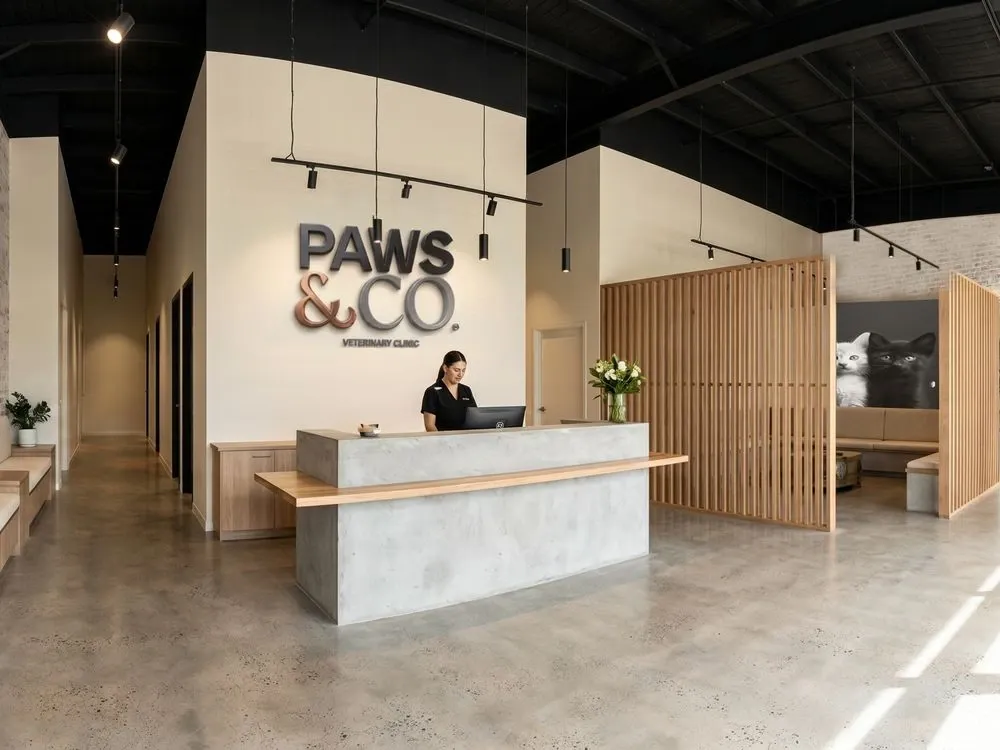
The reception of a Paws & Co clinic, with long cream benches and a stone reception desk

Before the clinics open

Join the founding families

AED 1,999 of essential care for AED 199. No payment now.

When to see a vet

When it is not behaviour.

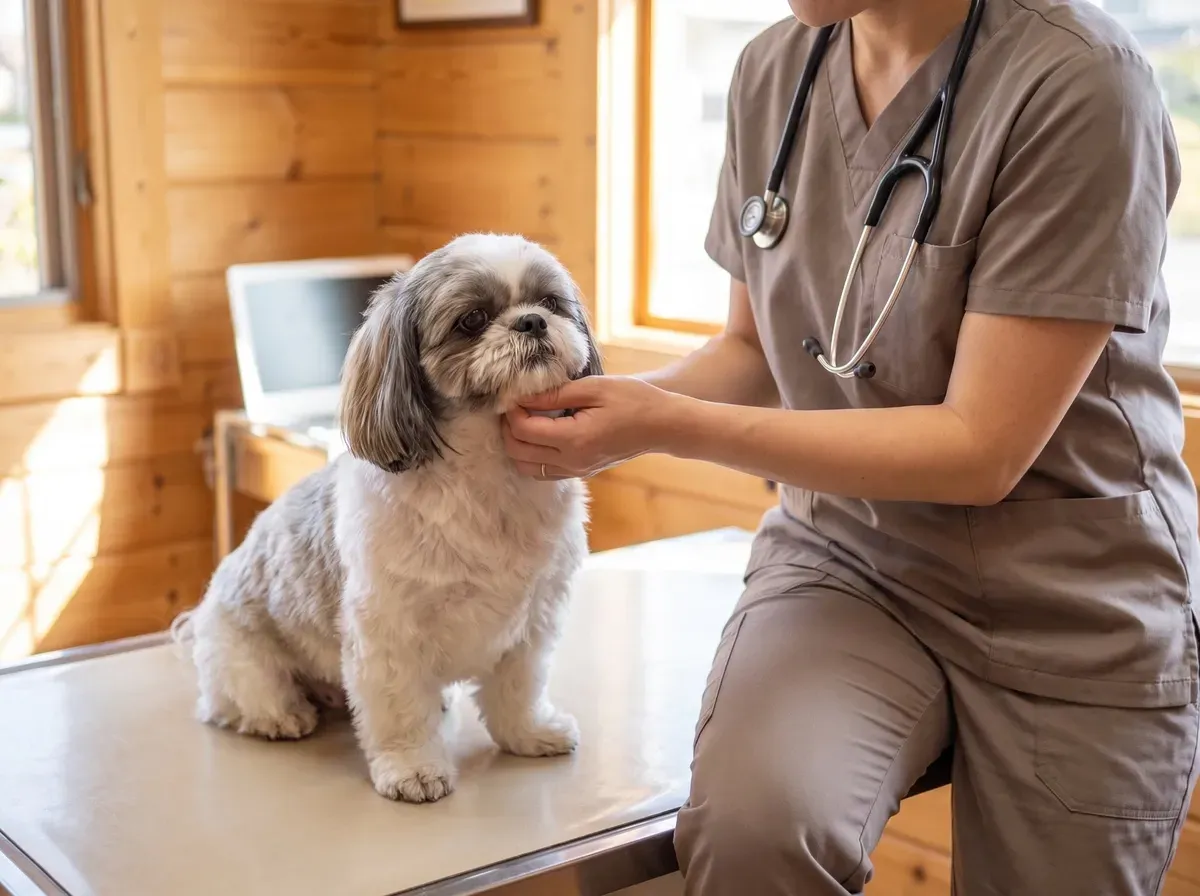
Shih Tzu, a calm grey and white adult on a clinic table as a vet in taupe scrubs gently cups the dog's chin

Some of this is not a training problem, and treating it like one wastes time your dog may not have. If they are distressed when you leave, if they growl or guard their food, their toys or you, if they are frightened on the lead, or if anything about them changes suddenly at any age, contact your vet the same day. A tip from a website, ours included, is not the answer. If it cannot wait, contact your nearest emergency vet now.

With a Shih Tzu, the small things are often health things. Bad breath can be their teeth. Tear stains and squinting can be their eyes. Scratching can be their ears or their skin. If their breathing turns loud and they cannot settle after time in the heat, get them somewhere cool and contact your vet now. Bloat (GDV, a twisted stomach) needs the same speed: a swollen, tight belly, retching with nothing coming up, sudden restlessness or drooling. It can happen in any dog, though it is most common in large, deep-chested breeds.

They won't thank you for the toothbrush. Keep going every night anyway.

Shih Tzu history

Before they were yours.

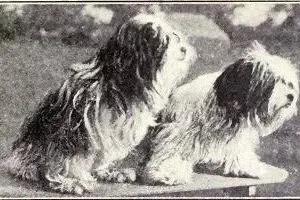
  1. Shih Tzu history, two long-coated Lhassa Terriers, the small dogs of Tibet, from Dogs of All Nations, 1915
    Two Lhassa Terriers, the long-coated small dogs of Tibet, from Dogs of All Nations, 1915.

    The beginning

    A family from Tibet

    The Shih Tzu's family comes from Tibet. The breed you know today was made later, from those small, long-coated dogs.

    What they still carryThe coat, and the wish to be close to you.

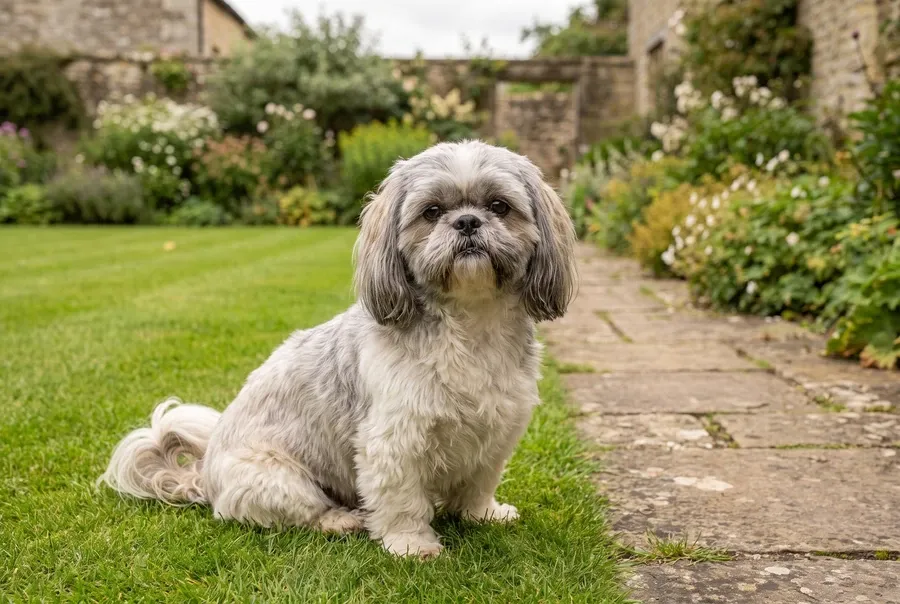
  2. Shih Tzu history, a grey and white adult sitting on the lawn of an English country garden

    The late 1920s to 1940

    Arrival in England

    The Shih Tzu reached England in the late 1920s, where the first dogs were classed with the Lhasa Apsos. The Shih Tzu Club of England was founded in 1934, and the Kennel Club recognised the breed in 1940.

    What they still carryA small founding family, and the same long coat and short face.

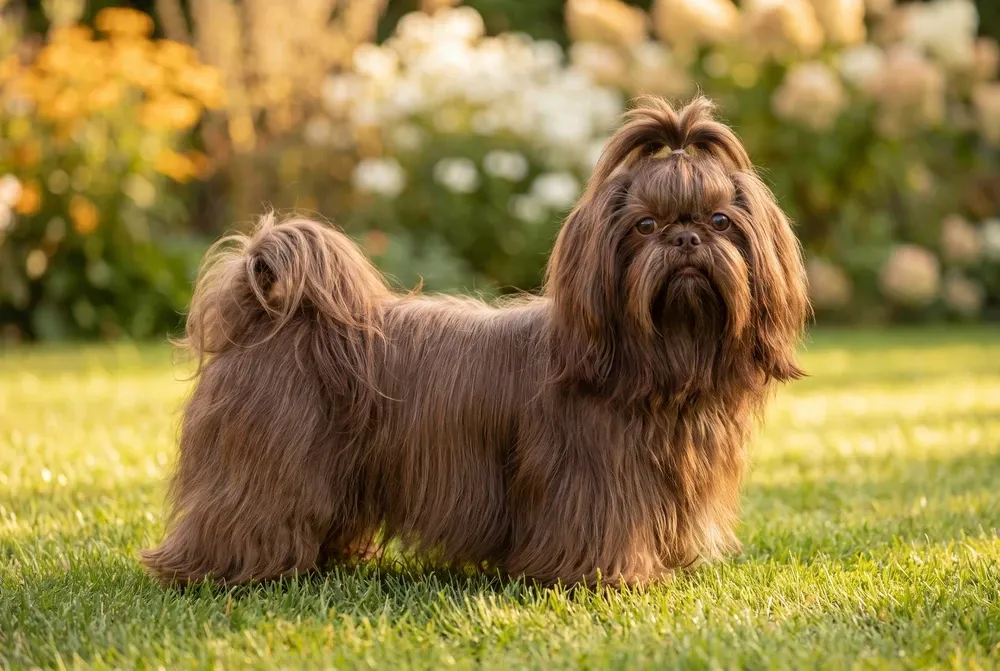
  3. Shih Tzu history, a liver adult in a floor-length show coat with a tied topknot, standing on a lawn

    1969 onwards

    The show coat and the short face

    The American Kennel Club recognised the Shih Tzu in 1969. Show breeding kept the face short and the coat long.

    What they still carryCrowded teeth in a short jaw, eyes with hair all around them, and a narrower airway.

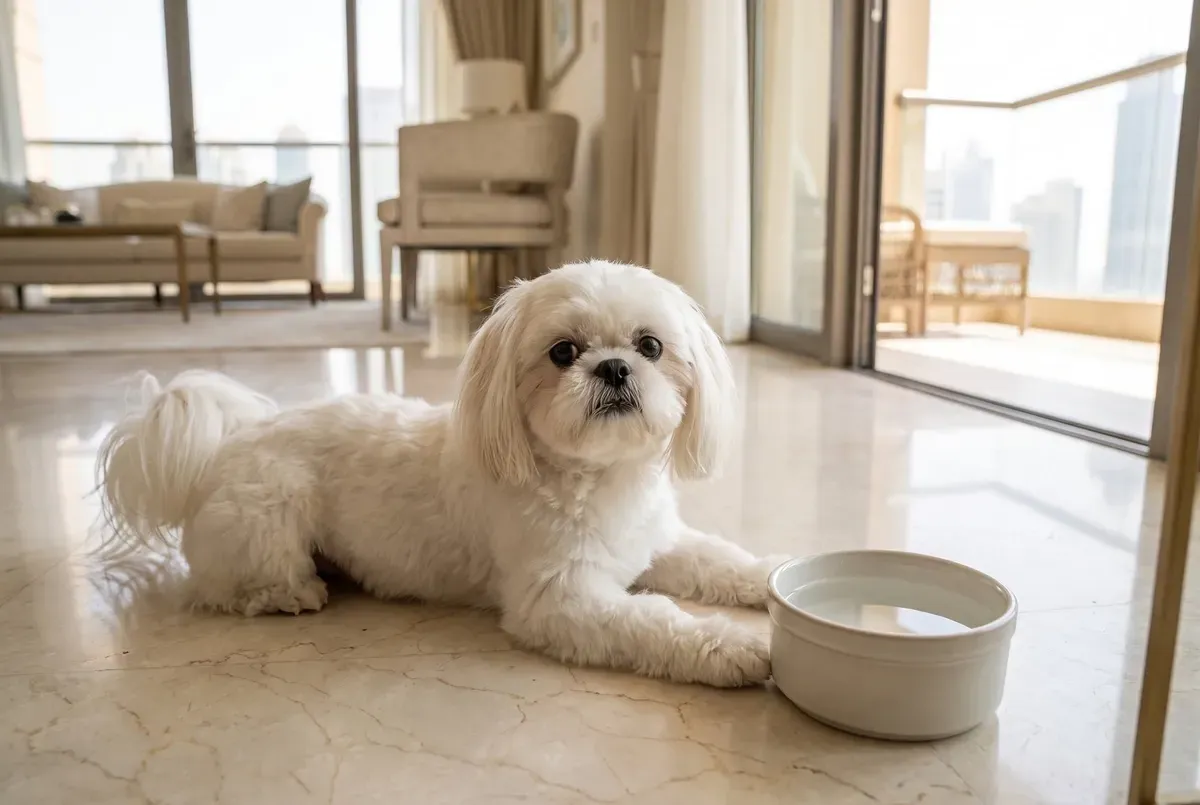
  4. Shih Tzu history, the breed today, a white adult lying on cool marble beside a water bowl in a Dubai flat

    Today

    In Dubai

    Here a Shih Tzu is company in a flat, which suits them well.

    What they still carryA long-coated, flat-faced dog in a city built for air conditioning.

Shih Tzu questions

The ones you type at midnight.

Most of these get asked late at night, by someone watching their dog and not sure what they are seeing.

Shih Tzu in Dubai, a cream adult asleep across a pet parent's leg on the sofa at night, city lights behind
What is the average Shih Tzu lifespan?

Shih Tzus usually live 10 to 18 years. In a large UK study of Shih Tzus seen by vets, the median was 12.7 years.

How big does a Shih Tzu get?

Adult Shih Tzus usually weigh 4 to 7 kg. They are a small breed, and sturdy for their size.

Do Shih Tzus shed?

Shih Tzus shed very little. That long coat still needs brushing every day to stay free of knots.

What is the best Shih Tzu haircut?

The best Shih Tzu haircut is any cut that keeps the hair out of their eyes. Their long coat needs regular professional grooming, and hair left touching the eye can rub its surface.

What is a Shih Tzu's temperament like?

Shih Tzus are gentle, playful and affectionate, and sociable with children and other pets. Long days alone are what they find hardest, because company is what they were bred for.

Why does my Shih Tzu have bad breath?

In a Shih Tzu, bad breath is often their teeth. A short jaw leaves the teeth crowded, and dental disease is the biggest risk for the breed, so brush every night.

Why does my Shih Tzu snore?

Shih Tzus snore because their short face leaves a narrower airway. Snoring that is getting louder, or noisy breathing when they are awake and resting, is worth showing your vet.

Can a Shih Tzu live in Dubai's heat?

Yes, a Shih Tzu can live well in Dubai with air conditioning and cool-hour walks. From May to September, walk before sunrise and after dark, and keep walks short.

Where does the Shih Tzu come from?

The Shih Tzu's family comes from Tibet. The breed reached England in the late 1920s, and the Kennel Club recognised it in 1940.

Worried about them? Contact your vet today.