The first evening
Sleepy, and a little wobbly
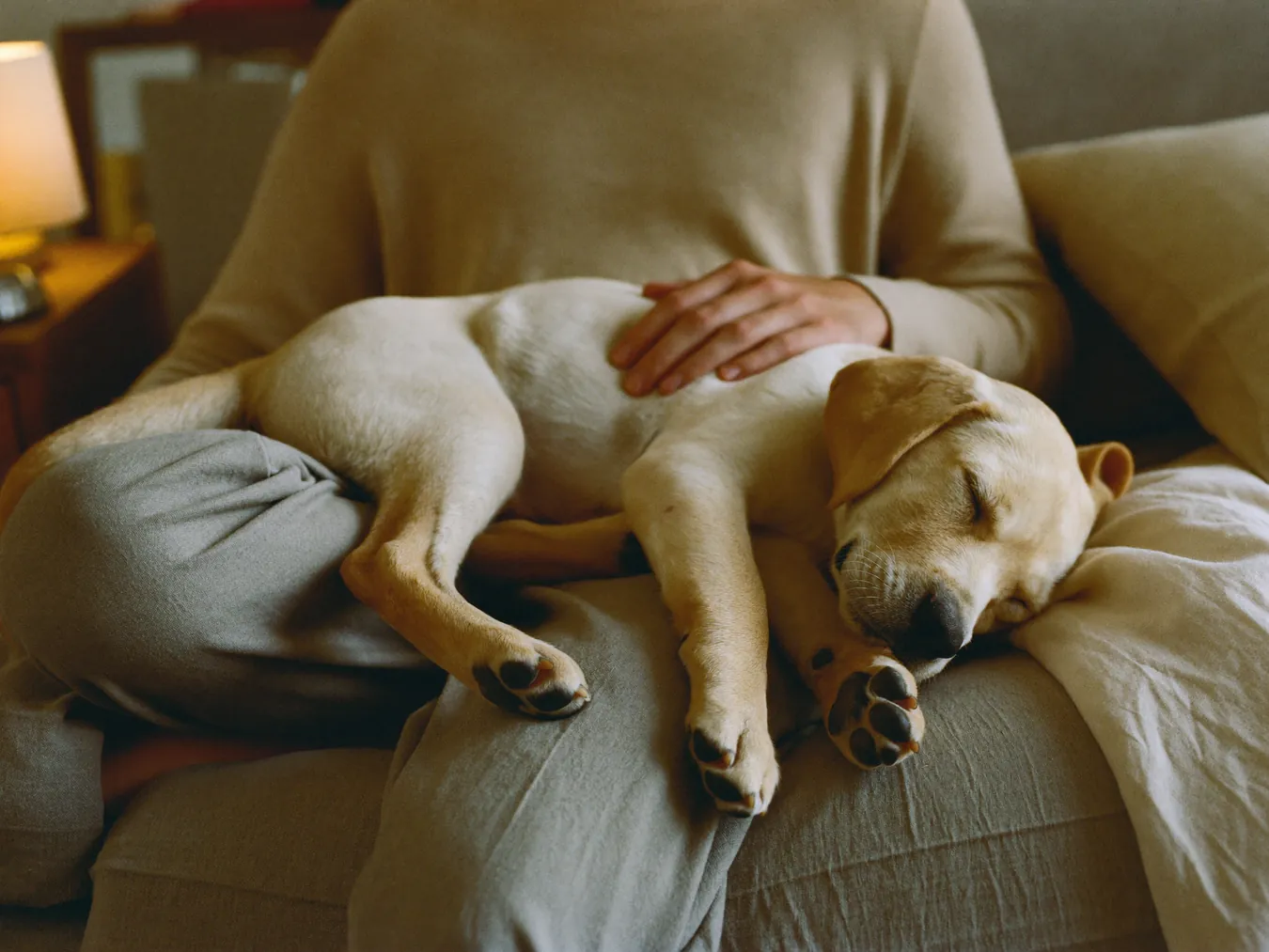
They will be sleepy and a little wobbly. Offer a small meal once they are properly awake, and a quiet, warm spot away from other pets and stairs.
We will be in touch soon to confirm.
Our Services
He won't leave his stitches alone.I know the vet who put them in.
We will be in touch soon to confirm.
Home / Our Services / Surgery
Pet surgery, including spay and neuter for dogs and cats, will be available at our Dubai clinics: Motor City from January 2027, and Hessa Street from mid-February 2027. Each clinic will have its own sterile surgical theatre.
Alongside neutering and spaying, our senior surgeons will lead soft tissue and orthopaedic surgery.
01
Our most common surgery
Most of our surgeries will be planned rather than urgent. The most common is the one most pet parents ask about first: neutering and spaying.
Neutering (spaying, in females) is a surgical operation, under general anaesthetic, that stops a cat having kittens or a dog having puppies. For a male (castration), the testicles are removed. For a female (spaying, or cat sterilisation), the ovaries, and usually the womb, are removed.
02
Led by our senior surgeons
Operations on the organs, skin and soft parts of the body, from removing a lump to surgery on the belly or chest.
03
Bones and joints
Bones and joints, including a torn knee ligament (cranial cruciate ligament disease), broken bones and a kneecap that slips out of place (patellar luxation). Also joint fusion (arthrodesis), for a joint that cannot be saved.
04
And when not to operate
If your pet needs a specialist we do not have, we will refer you.
If surgery is not the right answer for your pet, we will tell you, and explain why.
For dogs
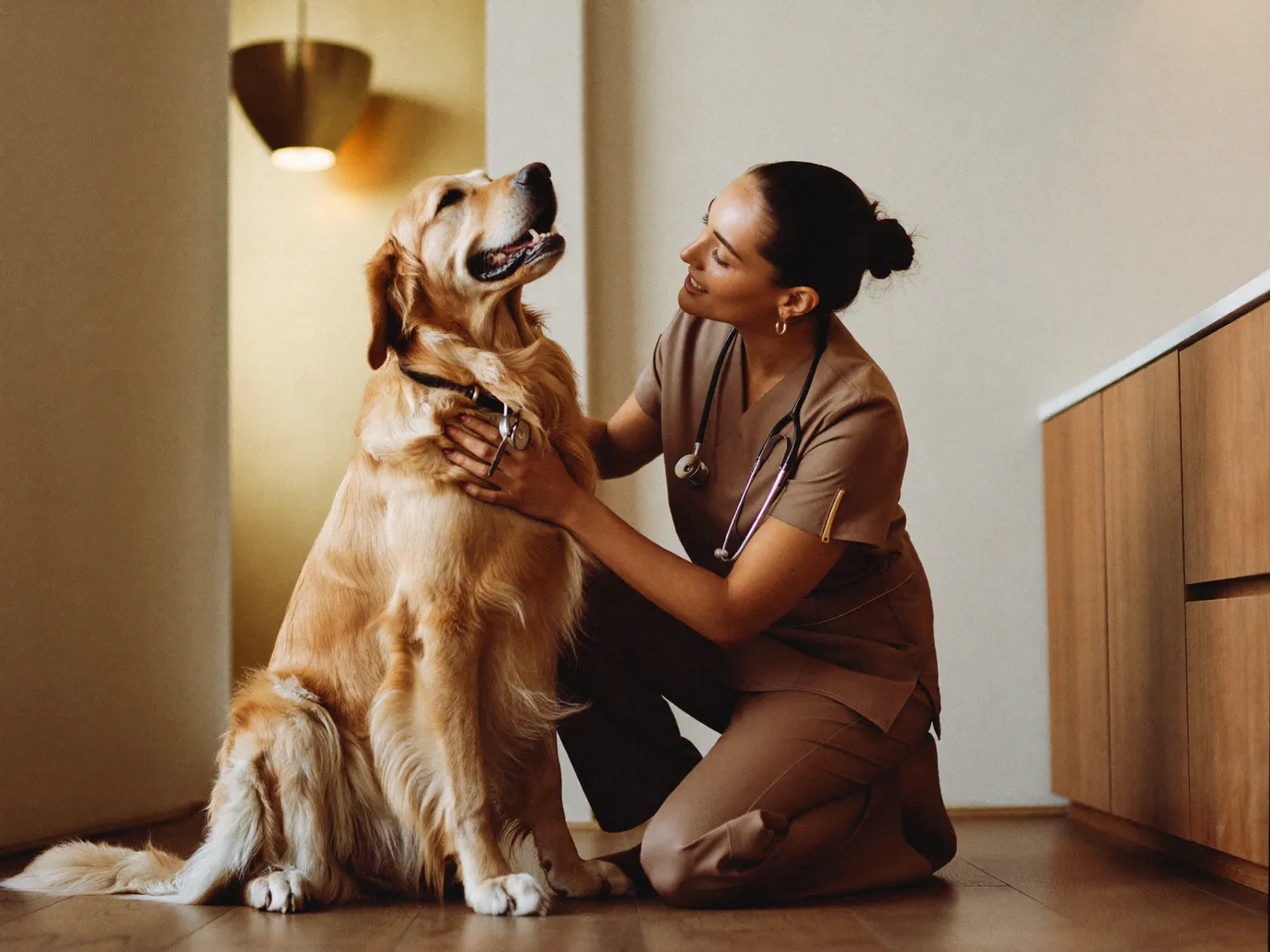
The right time to neuter or spay depends on your dog's breed and size. We talk it through with you when your dog is between six months and two years old. We plan it around your dog rather than a set age.
Timing matters more for some dogs. A University of California, Davis study looked at 35 breeds. For most of them, the age of neutering made no difference to joint disease or cancer. For some breeds, mostly larger ones, neutering before one year was linked to a higher risk of joint problems (hip or elbow dysplasia, or a cruciate ligament tear), and in a few breeds certain cancers. That is why we may suggest waiting for those breeds.
Flat-faced breeds
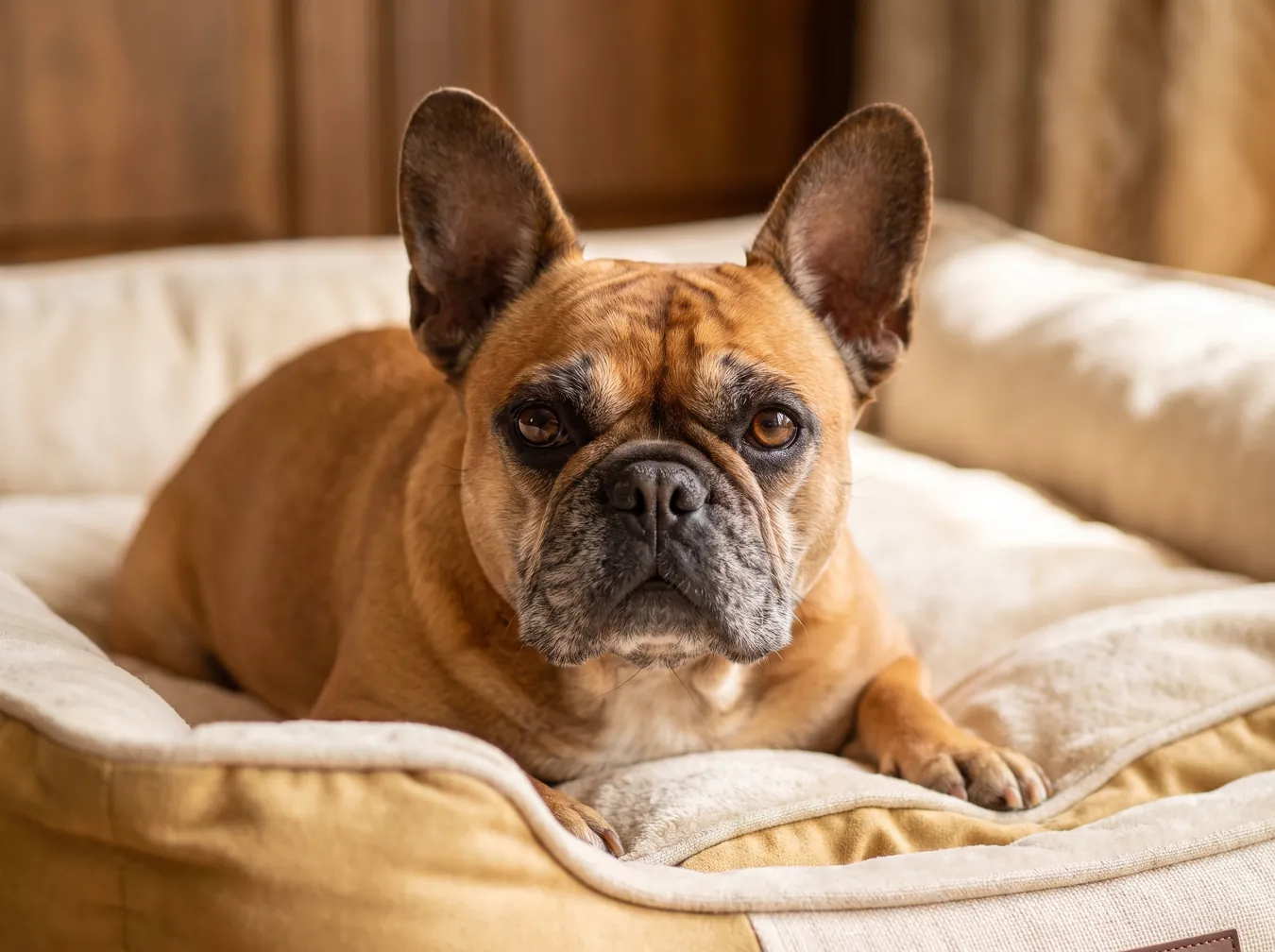
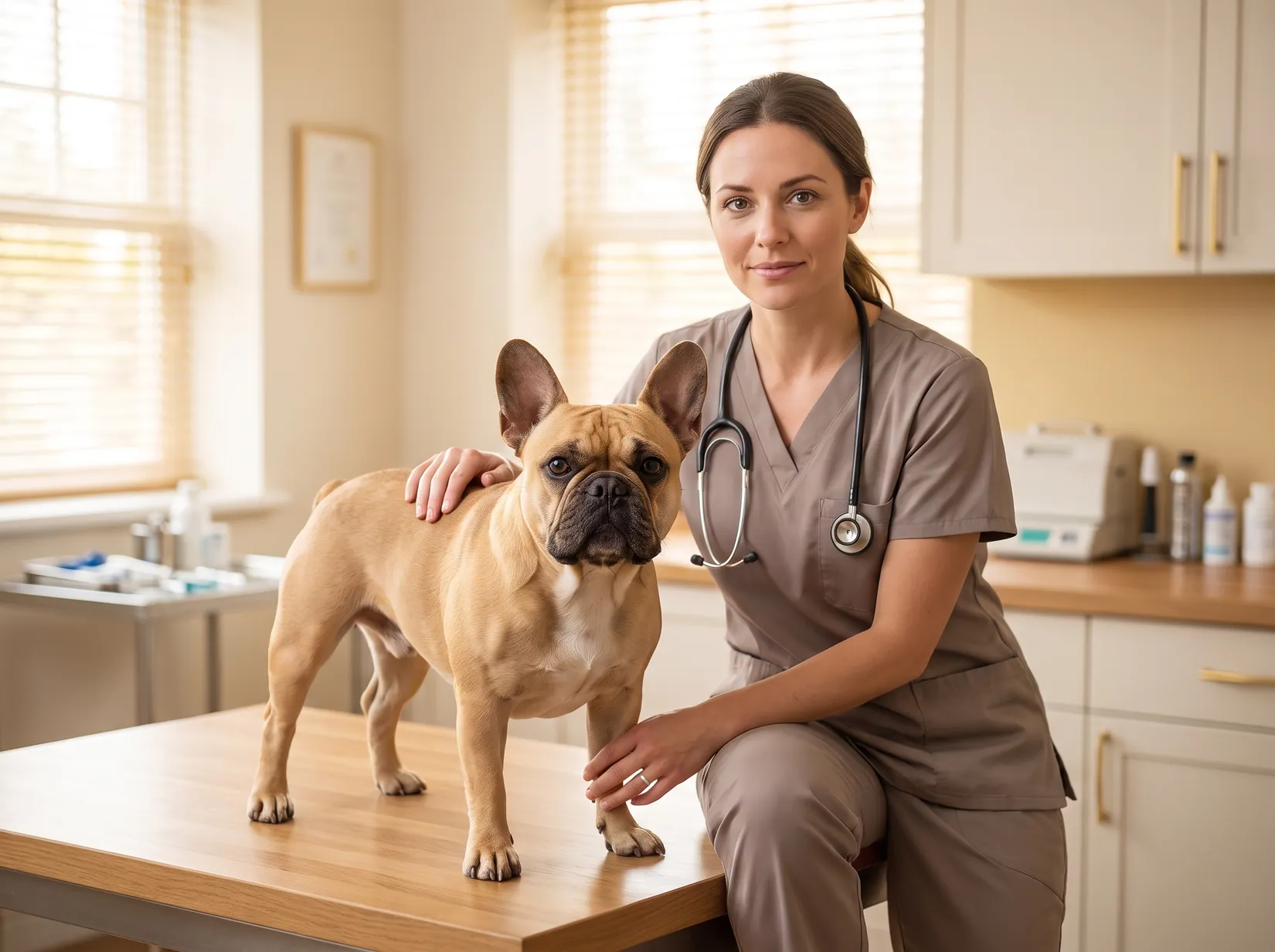
French Bulldogs and Pugs are screened for the breathing problems a short nose can bring (Brachycephalic Obstructive Airway Syndrome, BOAS), and most will benefit from corrective airway surgery. English Bulldogs may need airway surgery too, and any anaesthetic for them is planned around their breathing. Flat-faced cats such as Persians have their airway checked and their anaesthetic planned the same way.
For cats
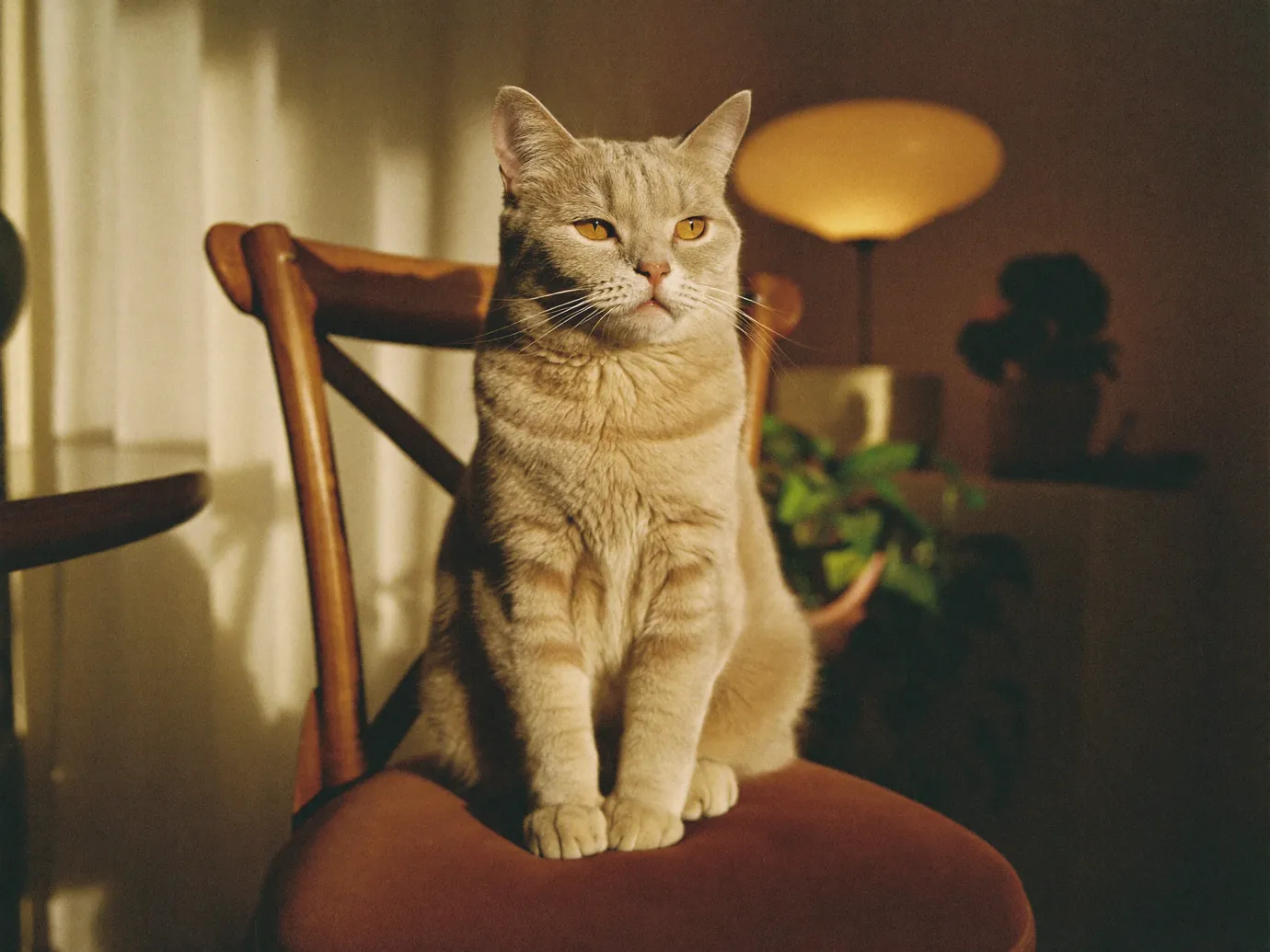
We neuter or spay cats from seven months old, and give you weight advice from the day of surgery.
Also for cats, on this page
For most pets, neutering or spaying brings real health benefits. For some dogs, when it is done matters too.
For females
Spaying ends heat cycles and removes the risk of pyometra, a serious infection of the womb. Vets call it an ovariohysterectomy, or an ovariectomy when only the ovaries are removed. It also lowers the risk of mammary (breast) cancer later in life. In cats, spaying in the first year greatly lowers that risk. In dogs, the research is less certain than people often think. In some larger female dogs, spaying can lead to leaking urine later on (urinary incontinence), and we talk this through with you.
For males
Neutering removes the risk of testicular cancer and lowers the risk of an enlarged prostate (benign prostatic hyperplasia). Prostate cancer is rare in dogs, but a little more common in neutered ones. Neutering often means less roaming and less urine marking too.
What it will not do
Your pet's personality stays their own. What fades is behaviour driven by hormones. In dogs, research on fear and aggression after neutering is mixed, so we go through it with you at the consultation. Many pets also get hungrier and need fewer calories afterwards, which is why weight advice starts on the day of surgery.
We start with a consultation, explain the plan and show you the quote on screen. Then a physical examination (a full check-up) and blood tests, so we can plan the safest anaesthetic for them. We grade their anaesthetic risk and you sign a consent form once you are happy with the plan.
If your dog is in season, or has just finished one, let us know. We wait two and a half to three months after a season before spaying. Let us know too if your pet is pregnant, or might be.
The night before, give their evening meal as normal, no later than 9 pm, then no breakfast on the day. Water is fine right up until you leave home. Very young puppies and kittens fast for less time, and we tell you exactly. Keep cats indoors overnight, so they cannot find a snack outside. On the day, give dogs a short walk before you arrive. If they take medication, ask us whether to give it that morning. If your pet is diabetic, we give you separate instructions.
A dedicated nurse will watch your pet's heart and breathing (heart rate and rhythm, respiration and oxygen saturation). That starts with the anaesthetic and carries on into recovery.
They will rest in a glass-fronted suite with soft bedding while they wake up. Most pets go home the same day. If we want to keep yours in for observation, we will tell you why.
Pain relief to go home with, clear instructions for the wound, and follow-up visits.
Choose a time to see what to do.

The first evening
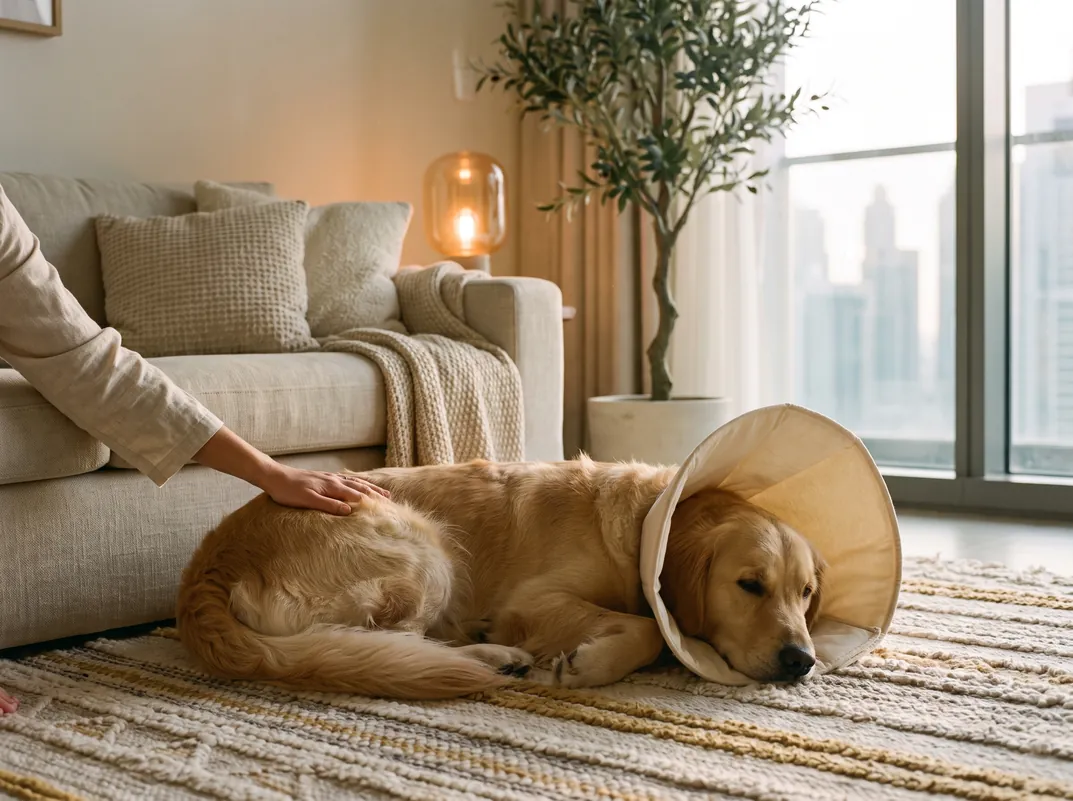
They will be sleepy and a little wobbly. Offer a small meal once they are properly awake, and a quiet, warm spot away from other pets and stairs.
The first few days
Keep things calm, and check the wound twice a day: a little redness at the edges is normal. Give the pain relief exactly as written, even if they seem fine. Never give them a human painkiller: some common ones are poisonous to pets, and paracetamol is especially dangerous for cats. For dogs, ibuprofen is one of the most dangerous.
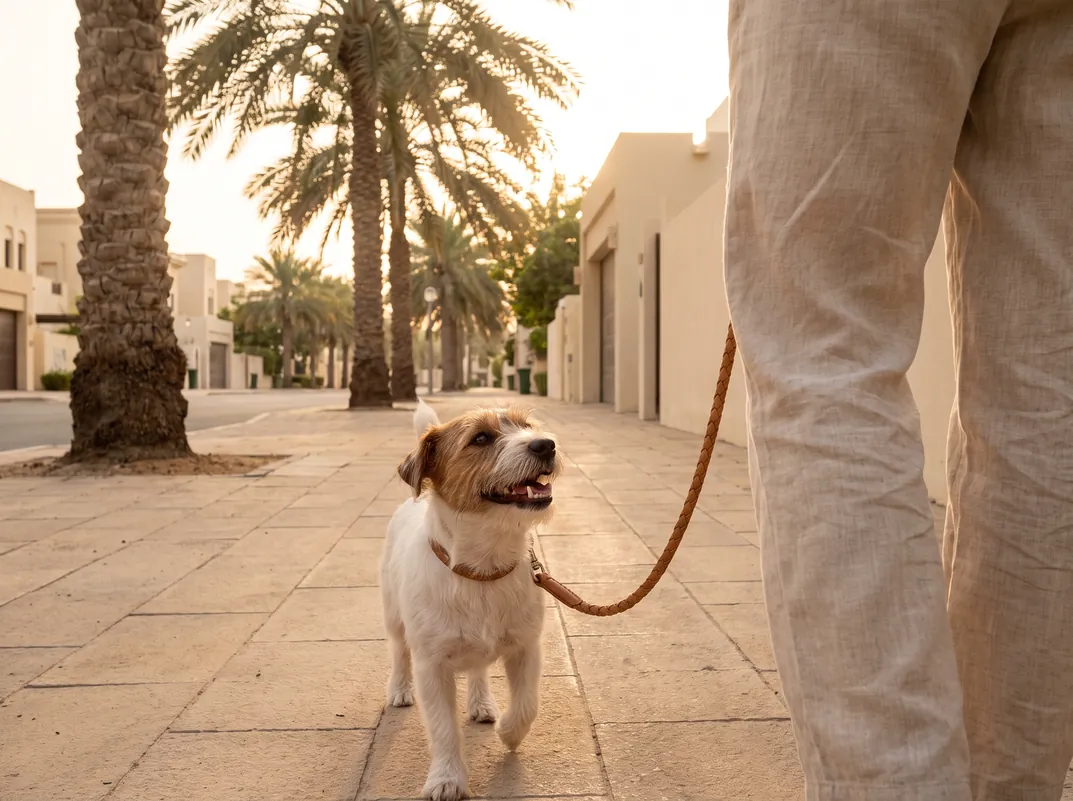
Dogs: lead walks only, early morning or evening in the hotter months.
Cats: keep them indoors, with no jumping or climbing. For the first few days, swap your cat's usual litter for shredded paper or a dust-free litter, so nothing gets into the wound.
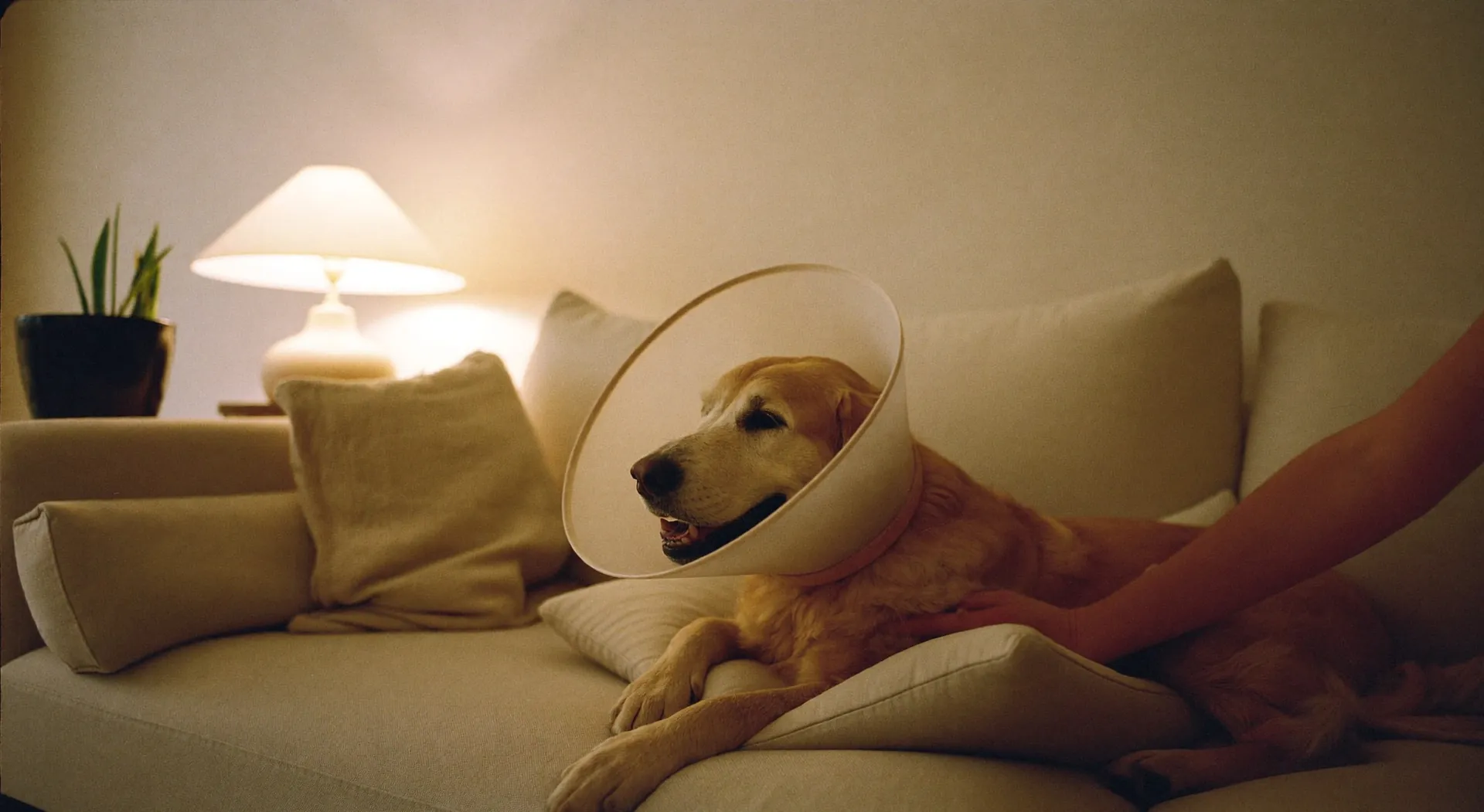
The cone (Elizabethan collar) stays on, day and night, until the wound has healed. Licking and chewing are a common cause of wound problems, and a cone is the simplest way to stop them. If your pet will not tolerate the cone, we can suggest a medical pet shirt instead (their own post-surgery onesie).
10 to 14 days
Keep the wound dry: no baths, no swimming. Most wounds heal in 10 to 14 days. Stitches under the skin dissolve on their own. Any on the outside come out at a check-up, and your vet will tell you when.
Dogs: walks stay on a lead and short until the wound has healed, with no running, jumping or rough play.
Cats: indoors until it has healed, and no rough play.
The conversation about when to neuter or spay is part of your pet's routine visits, in the plan.
The surgery itself is at member rates, not included. We would rather tell you that here than at the desk.
Prices will be confirmed before we open. Whatever your pet needs, you see the full quote on screen before anything is agreed.
Neutering (spaying, in females) is a surgical operation, under general anaesthetic, that stops a cat having kittens or a dog having puppies. For a male (castration), the testicles are removed. For a female (spaying, or cat sterilisation), the ovaries, and usually the womb, are removed.
For dogs, it depends on breed and size, and we talk it through with you when your dog is between six months and two years old. Cats can be neutered or spayed from seven months old, and we give you weight advice from the day of surgery.
For most healthy pets the risk is low, though no anaesthetic is risk-free. We run blood tests first, tailor the anaesthetic to your animal, and a dedicated nurse monitors them throughout. Flat-faced breeds have their anaesthetic planned around their breathing.
Most pets are back to their usual selves within a few days. The wound takes about 10 to 14 days to heal, and until it has, they need a cone (or a medical pet shirt), calm days and no baths.
Yes, but on a lead and kept short until the wound has healed, usually 10 to 14 days. No running, jumping or rough play until then.
No, their personality stays their own. Neutering mainly reduces hormone-led habits, such as roaming, urine marking and, for females, the restlessness of being in season. In dogs, research on fear and aggression afterwards is mixed, and we talk it through with you.
They can, because many get hungrier and need fewer calories afterwards. Weighing them regularly and adjusting their food from the day of surgery helps keep it in check, and it is part of the advice we give you.
This page is general advice. It cannot replace a vet seeing your pet. If you are worried, contact us or your nearest vet.