You have a puppy. Congratulations. The next 30 days are the most important of your new relationship. What you do now, the habits you build, the routines you set and the vet visits you make, shapes everything that follows. This is your new puppy checklist, week by week.
Before your puppy comes home
Prepare one room or area and puppy-proof it: remove electrical cords, secure cleaning products, pick up small objects that could be swallowed, block access to stairs, and set up a crate or pen. Buy food and water bowls, a collar and lead, an ID tag with your phone number, poo bags, food for their age (ask the breeder or shelter what they have been feeding), and a crate big enough for them as an adult.
Day 1: keep it calm
Your puppy has just left their mother, siblings and everything familiar. The car ride was stressful. Your home is full of new smells, sounds and faces. Let them explore one room at a time. Show them where their water, food, bed and toilet area are. Do not invite people over. Do not overwhelm them. Let them sleep.
Days 2 to 3: routine, feeding and toilet training
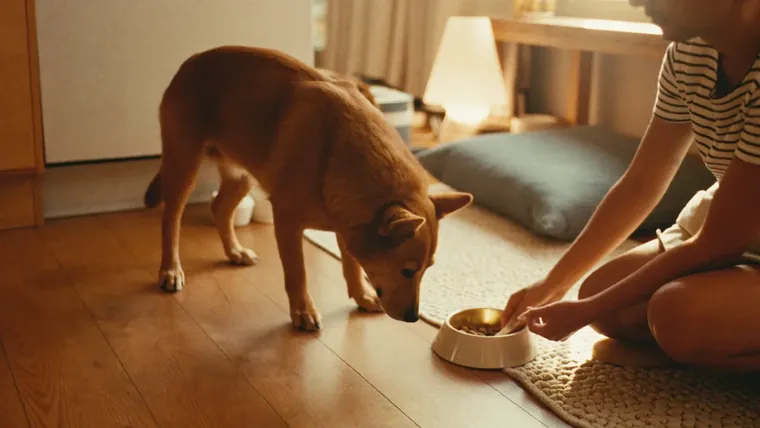
Puppies thrive on predictability. Feed at the same times each day: three to four meals for puppies under four months, reducing to two by six months. Take them outside for a toilet break straight after waking, eating and playing, and every one to two hours in between. Praise them warmly for going in the right place. Ignore accidents, and clean them up with an enzymatic cleaner so the scent does not draw them back. That is the whole of potty training: routine, praise and patience.
Days 3 to 7: your puppy's first vet visit
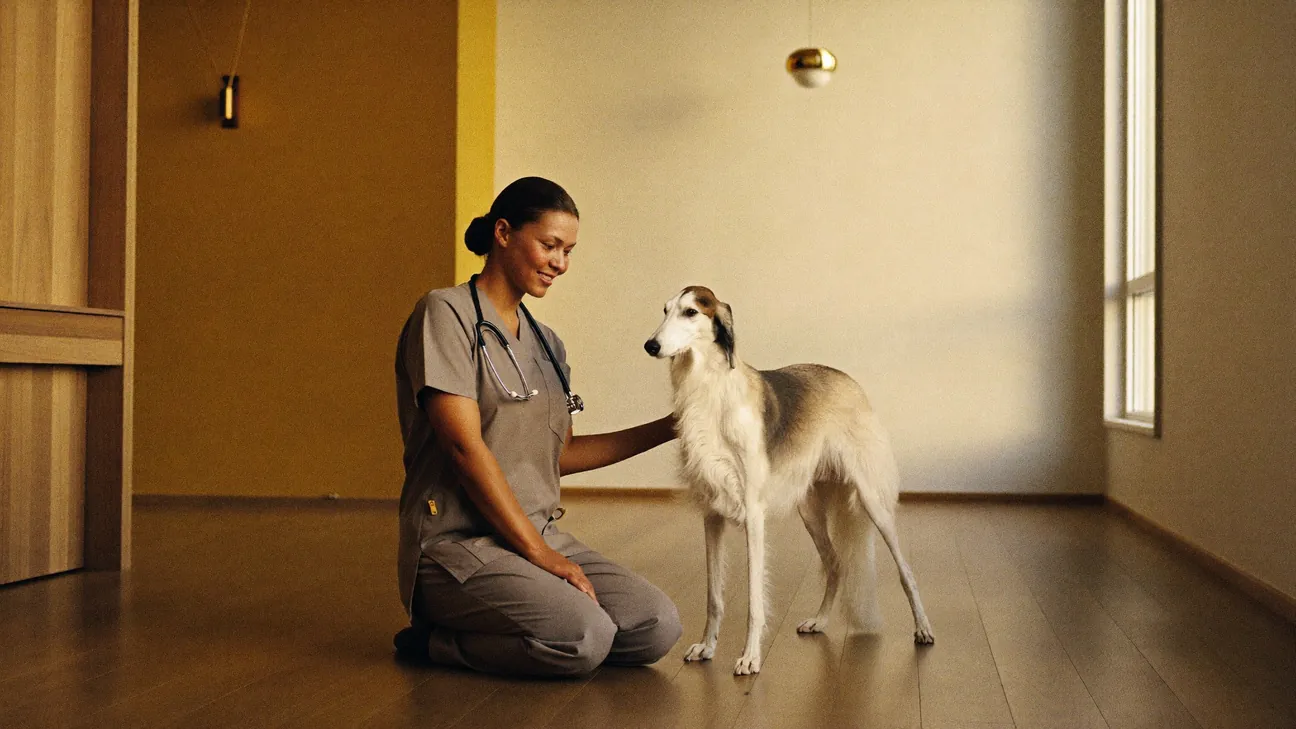
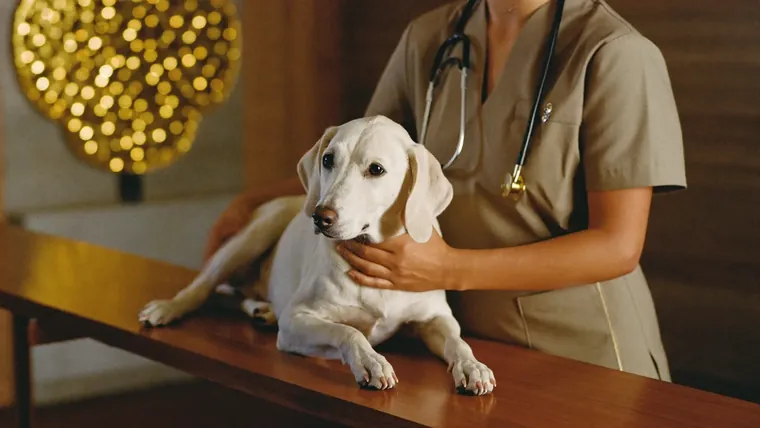
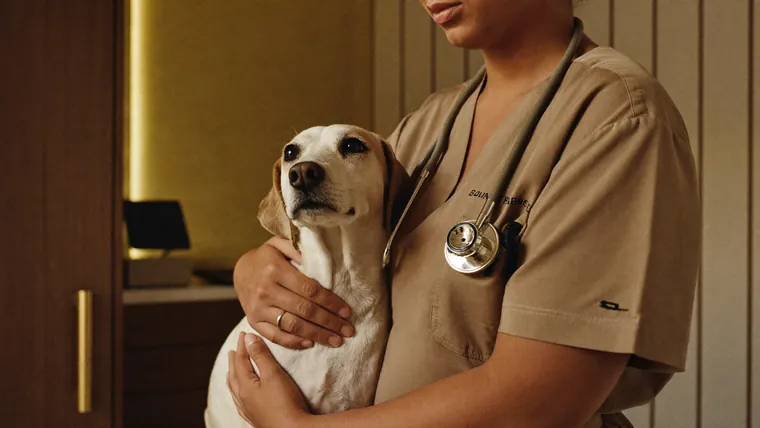
This visit matters most, and it is the first of four health checks in their first six months. Your vet will examine them nose to tail, check their vaccination record, look for anything they were born with, take a first look at their breed's risks, start or continue the vaccination course, and begin a parasite prevention plan. They will also talk you through the microchip and registering your puppy with Dubai Municipality, which the law requires for every dog. Bring any paperwork from the breeder, shelter or previous vet. Our guide to your first vet visit covers what to bring and what to ask, and the puppy vaccination schedule explains each vaccine and when it is due.
Week 2: puppy socialisation
The socialisation window for puppies closes at around 14 weeks. During this time, good experiences of different people, sounds, surfaces and places build a confident, well-adjusted adult dog. Until 7 to 10 days after their 12-week vaccines, keep their paws off the ground in public and keep them away from dogs you do not know. After that, walks and play dates with fully vaccinated dogs are fine, but stay away from dog parks, daycare and kennels until their titre test shows they are protected. Carry them to outdoor cafés, let them hear traffic from a safe distance, introduce them to people of different ages and appearances, and play recordings of thunder, fireworks and doorbells at low volume.
Weeks 2 to 3: basic puppy training
Sit, come and their name are the foundations. Use positive reinforcement only: treats, praise and play. Never punish a puppy for not understanding. Keep training sessions short (five minutes at most for young puppies) and always end on a good note. Everyone in the family needs to use the same words and rules.
Weeks 3 to 4: crate training and time alone
If you use a crate, make it a good place, never a punishment. Feed meals in the crate and leave treats inside. Start with short spells in the crate while you are home, then slowly make them longer. Begin short absences of five to fifteen minutes and build from there, so your puppy learns that time alone is normal and safe. Every breed brings its own energy and needs, and our dog breed guides cover what yours will need as they grow.
When to call the vet
Throughout the first month, watch their health closely. Vomiting or diarrhoea in a puppy needs a vet within a few hours, and straight away if there is blood, a swollen belly, they cannot keep water down or they seem flat. Lethargy, loss of appetite, coughing or a runny nose need a vet too. Puppies can go downhill quickly, so it is always better to ask early. If it cannot wait, our emergency page shows what to do right now.
The time you spend now on socialisation, training, routine and vet care shapes the next 10 to 15 years. Do not rush it, and do not skip steps. Your puppy is learning who you are and what their world looks like, so make the first month a kind one.