You have just brought a new pet home. Whether you adopted from a shelter, chose a breeder or took in a rescue, the next few weeks set the foundation for your whole life together. This guide is for new pet parents in Dubai, where the heat, the law and the way we live all shape what your dog or cat needs in their first year.
The first vet visit, in their first week home
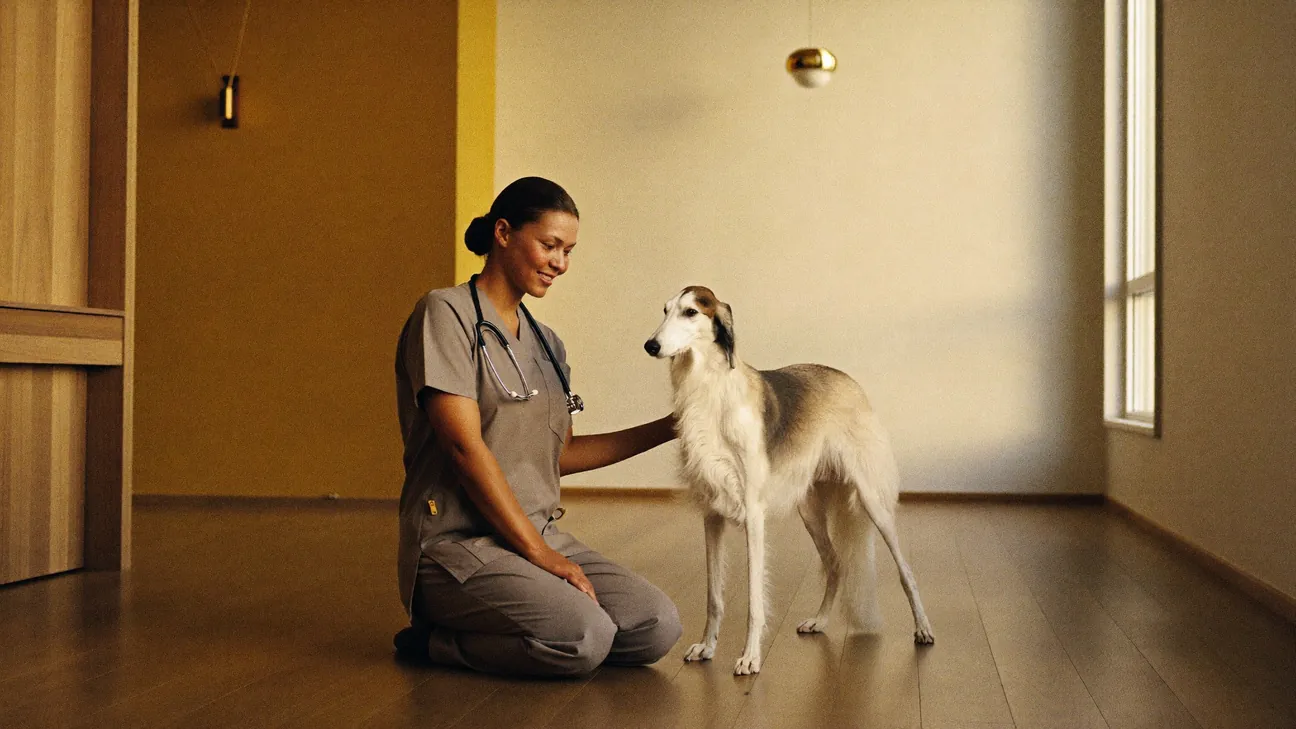
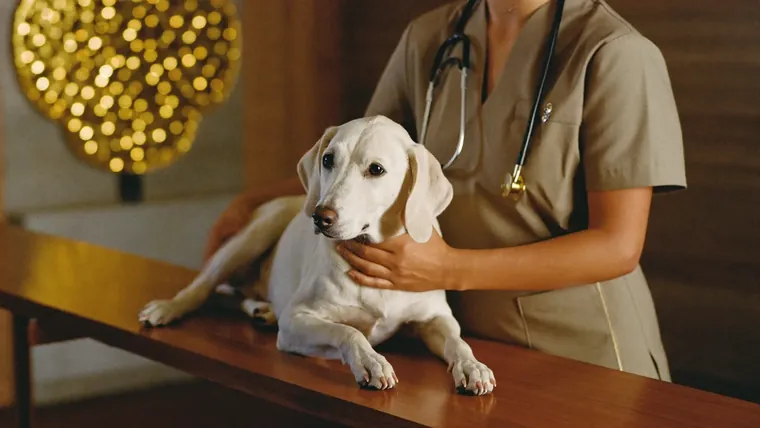
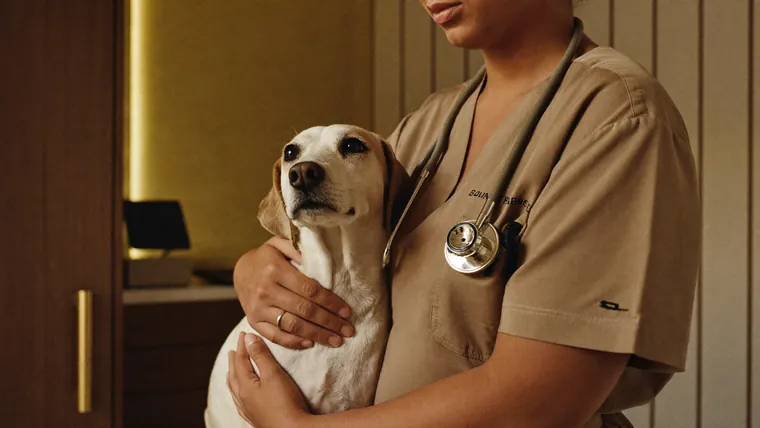
Take them for their first health check in their first week home, wherever they came from. It records a health baseline, picks up anything they arrived with and starts or continues their vaccinations. Bring every piece of paperwork you were given: the vaccination card, microchip details and any worming history from the shelter or breeder. Our guide to your first vet visit covers what to bring and what to ask. If they seem unwell before then, do not wait: vomiting or diarrhoea in a puppy, kitten, older or already unwell pet needs a vet within a few hours, and straight away if there is blood, a swollen belly, they cannot keep water down or they seem flat.
Vaccinations
Dubai law requires every dog and cat to be vaccinated, including against Rabies, and that means indoor cats too. Puppies and kittens need a course of vaccinations, not a single injection: at 8, 12 and 16 weeks, with Rabies given from 12 weeks, then a titre test (a small blood test) at 18 weeks to check the course has worked. After that, vaccines are repeated every year. Our puppy and kitten vaccination guides explain each vaccine.
Microchip and Dubai Municipality registration
Every dog and cat in Dubai must be microchipped and registered with Dubai Municipality, and wear their registration tag on their collar. The microchip is a tiny chip under the skin, and when it is scanned, the registration shows they are yours. Registration needs a valid Rabies vaccine and is renewed with it, usually once a year. If your pet is already chipped, make sure the registration is updated to you, because a chip that leads to an old owner cannot bring them home.
Living with the heat
The UAE summer changes the rules. Walk your dog only in the early morning, before 8am, or late in the evening, after 7pm. Keep fresh water down at all times, and make sure your pet always has a cool, air-conditioned space to rest in. Never leave a pet in a parked car, not even for a minute. Our guide to summer safety in the UAE heat covers the signs of heatstroke and what to do.
Food in the first weeks
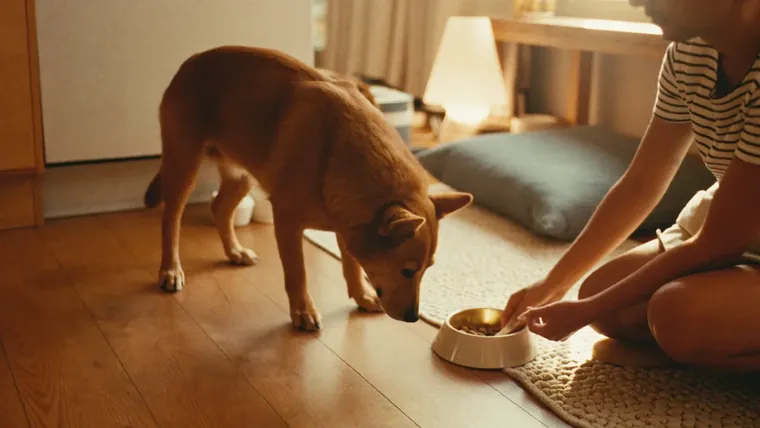
Keep their food the same while they settle, so ask the shelter or breeder what they have been eating. If you want to change it, do it gradually over several days, mixing a little more of the new food with the old each day. A sudden change can upset their stomach. Your vet can suggest the right food for your pet's breed, age and health, and our guide to what to feed goes further.
Socialisation
The socialisation window for puppies closes at around 14 weeks, and the sensitive period for kittens runs to around nine weeks. Gentle, positive experiences of different people, animals, sounds and places in that time build a confident adult and help prevent fear later in life. Keep your puppy's paws off the ground in public until 7 to 10 days after their 12-week vaccines, and away from dog parks, daycare and kennels until their titre test shows they are protected. Our checklists for the first 30 days with a puppy and the first 30 days with a kitten go week by week.
Insurance and predictable costs
Pet insurance is available in the UAE, but cover varies a great deal, so read every policy carefully. Look for cover for accidents, illness and long-term conditions, and check for waiting periods and exclusions, as some policies leave out conditions linked to a breed. Our dog and cat breed guides show what to look out for in yours. A Paws & Co plan will work differently: from the day our clinics open, every routine health check for your pet's life stage is in it, so you will never be asked to pay extra for the visit where nothing is wrong.
A vet who knows your pet
The most useful thing you can do in the first year is get to know your vet. Regular health checks, honest conversations and trust mean that when something does go wrong, you have someone who already knows your pet's history, temperament and what normal looks like for them. If something cannot wait, our emergency page shows what to do right now. strong>The first year sets up every year after it./strong>