You have a kitten. Congratulations. Kittens are not small dogs, and the first 30 days with one look very different. Cats are private, sensitive and territorial. They settle on their own terms, not yours. Get the first month right and you build a confident, affectionate cat. Rush it and you build a nervous one. This is your kitten care checklist, week by week.
Before your kitten comes home
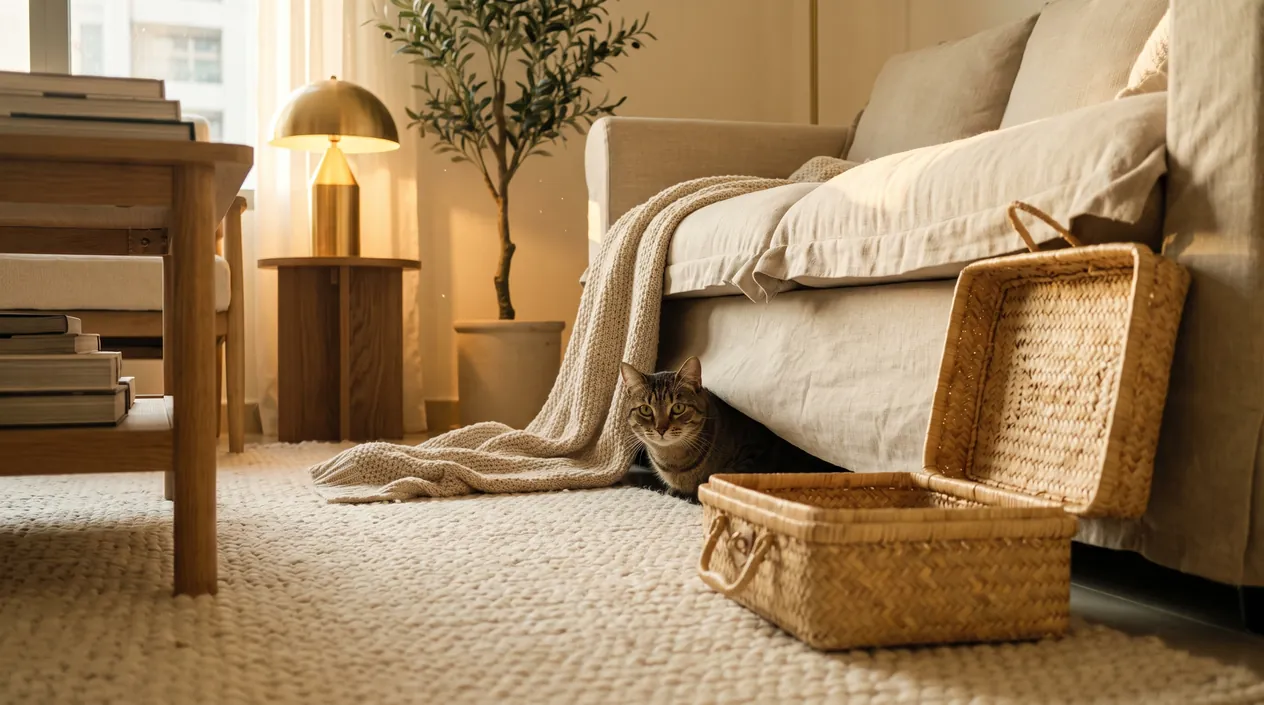
Prepare a single safe room. A spare bedroom or quiet bathroom is ideal. Set up a litter tray, food and water bowls placed well away from the tray, a cosy bed, a scratching post, and a few hiding spots such as a cardboard box on its side. Buy a sturdy carrier, kitten food (ideally the same brand they were already eating) and an ID tag. Cats need vertical space, so a low shelf or cat tree helps them feel secure.
Day 1: let them settle
Day 1 is about decompression. Your kitten has just lost their mother, littermates and every familiar scent. Carry them straight to the safe room and let them come out of the carrier in their own time. Do not pull them out. Sit quietly on the floor and let them explore. Show them the litter tray. Keep children and other pets away for now. The single biggest mistake new pet parents make is giving a kitten the run of the whole home on the first day. It overwhelms them.
Days 2 to 3: litter training and what to feed a kitten
Most kittens use a litter tray instinctively, especially if you place them in it after meals and naps. Use unscented litter and keep the tray scrupulously clean. Feed at the same times each day. Choose a complete kitten food, wet, dry or both, and keep fresh water down at all times. Kittens under four months need four small meals a day, reducing to two or three as they grow. Predictable food, a predictable tray and a predictable quiet space build trust quickly.
Days 3 to 7: your kitten's first vet visit
This is essential, and it is the first of four health checks in their first six months. Your vet will examine them nose to tail, confirm or begin the vaccination course, run a faecal examination (a poo sample check) and the FeLV test (feline leukaemia virus), start a parasite prevention plan, scan for or fit a microchip, and talk you through neutering and registering them with Dubai Municipality, which the law requires for every cat. Bring any paperwork from the breeder or shelter. Many rescued kittens in the UAE arrive with minor issues such as ear mites, fleas or a mild respiratory infection. These are common and very treatable. Our guide to your first vet visit covers what to bring and what to ask, and the kitten vaccination schedule explains each vaccine and when it is due.
Week 2: handling, play and how to train a kitten
The sensitive period for kittens runs to around nine weeks, but positive experience well beyond that still pays off. Handle your kitten softly every day. Touch their paws, ears and mouth so future grooming and vet visits are far less stressful. Introduce everyday household sounds at low levels. Leave the carrier out as an open, comfortable bed so it stops being a thing that only means a trip to the vet.
Play is not optional. Cats are hunters, and unspent prey drive becomes destructive or anxious behaviour. Use wand toys, balls and puzzle feeders to let your kitten stalk, pounce and catch. Never use your hands as toys. A kitten who learns to bite and scratch skin in play becomes a cat who does the same with adult strength. Redirect every time onto a toy.
Introducing your kitten to other pets
Introducing a kitten to resident pets takes patience, not a rushed face-to-face meeting. Keep them separated at first and swap scents by exchanging bedding. Feed both animals on opposite sides of a closed door so they associate each other with good things. Progress to visual contact through a barrier, then short supervised meetings. This can take days or weeks. Let the animals set the pace.
Weeks 3 to 4: scratching, climbing and time alone
Cats must scratch. Provide both vertical and horizontal scratching surfaces and reward their use, rather than punishing the sofa. Build short periods of alone time so your kitten learns that being by themselves is normal and safe. A bored kitten left alone all day with nothing to climb or hunt will find its own entertainment, usually your curtains. Every cat breed brings its own energy and coat care, and our cat breed guides cover what yours will need as they grow.
When to call the vet
Throughout the first month, watch their health closely. Vomiting or diarrhoea in a kitten needs a vet within a few hours, and straight away if there is blood, a swollen belly, they cannot keep water down or they seem flat. Sneezing with discharge, runny eyes, loss of appetite or lethargy need a call to your vet too. Kittens are small and can go downhill fast, so it is always better to ask early. If it cannot wait, our emergency page shows what to do right now. A calm first month gives your cat the best possible start to a long life with you.