You have adopted a pet. That is one of the kindest decisions a person can make, and the first thing you can do to honour it is book a vet visit. This first appointment is not a formality. It sets the health baseline for the rest of your pet's life, catches problems while they are small, and starts the record that every future vet will rely on.
When to book the first vet visit
Book a first health check in their first week home, whether they came from a breeder, a rescue or a shelter. If you have other animals at home, the sooner the better, so anything your new pet has brought with them is found before it can spread. A rescue or shelter will often have started their vaccinations, but your vet still needs to see them and start their own record.
If they seem unwell before then, do not wait for the appointment. A puppy, kitten, older or already unwell pet who is vomiting or has diarrhoea needs a vet within a few hours. Our emergency page shows the signs that cannot wait at all.
What to bring
Bring everything you were given. Their vaccination card, any paperwork from the shelter, rescue or breeder, and records from a previous vet, here or abroad. Write down what they have been eating and any medicines or supplements they take, and make a note of anything you have noticed at home, even small things. If you can, bring a fresh stool sample in a clean bag, so your vet can run a faecal examination (a poo sample check) for worms straight away. Bring cats in a carrier and dogs on a lead, and bring a written list of your questions so none get forgotten.
What happens at the first visit
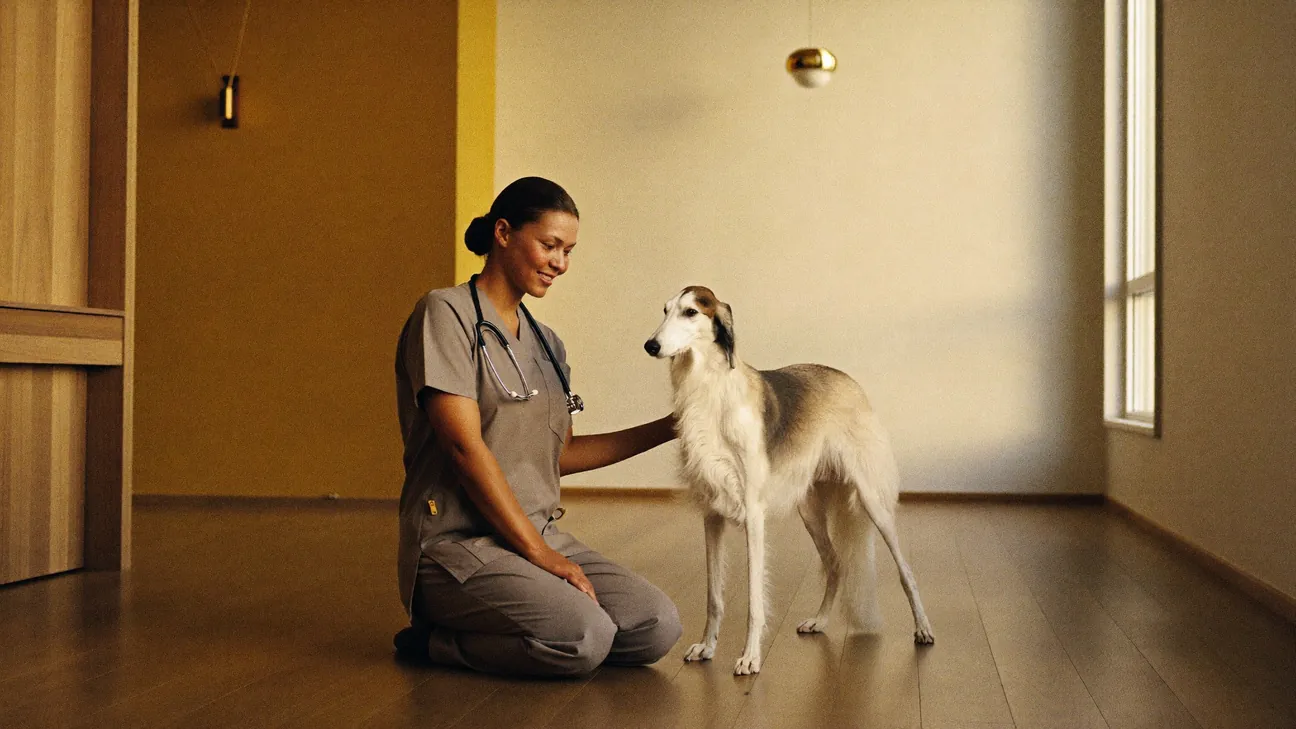
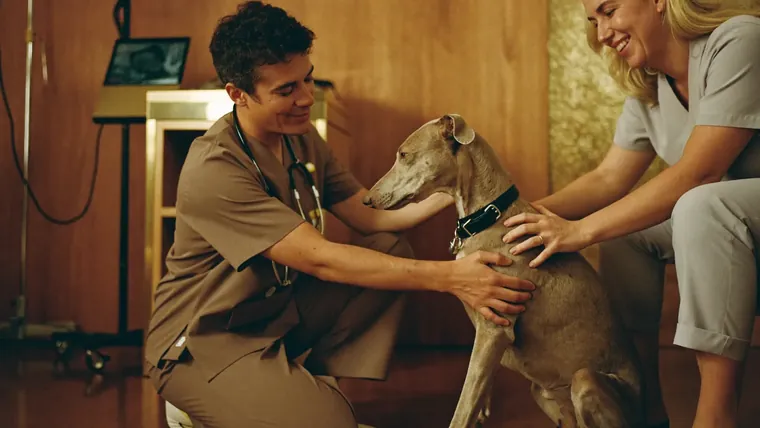
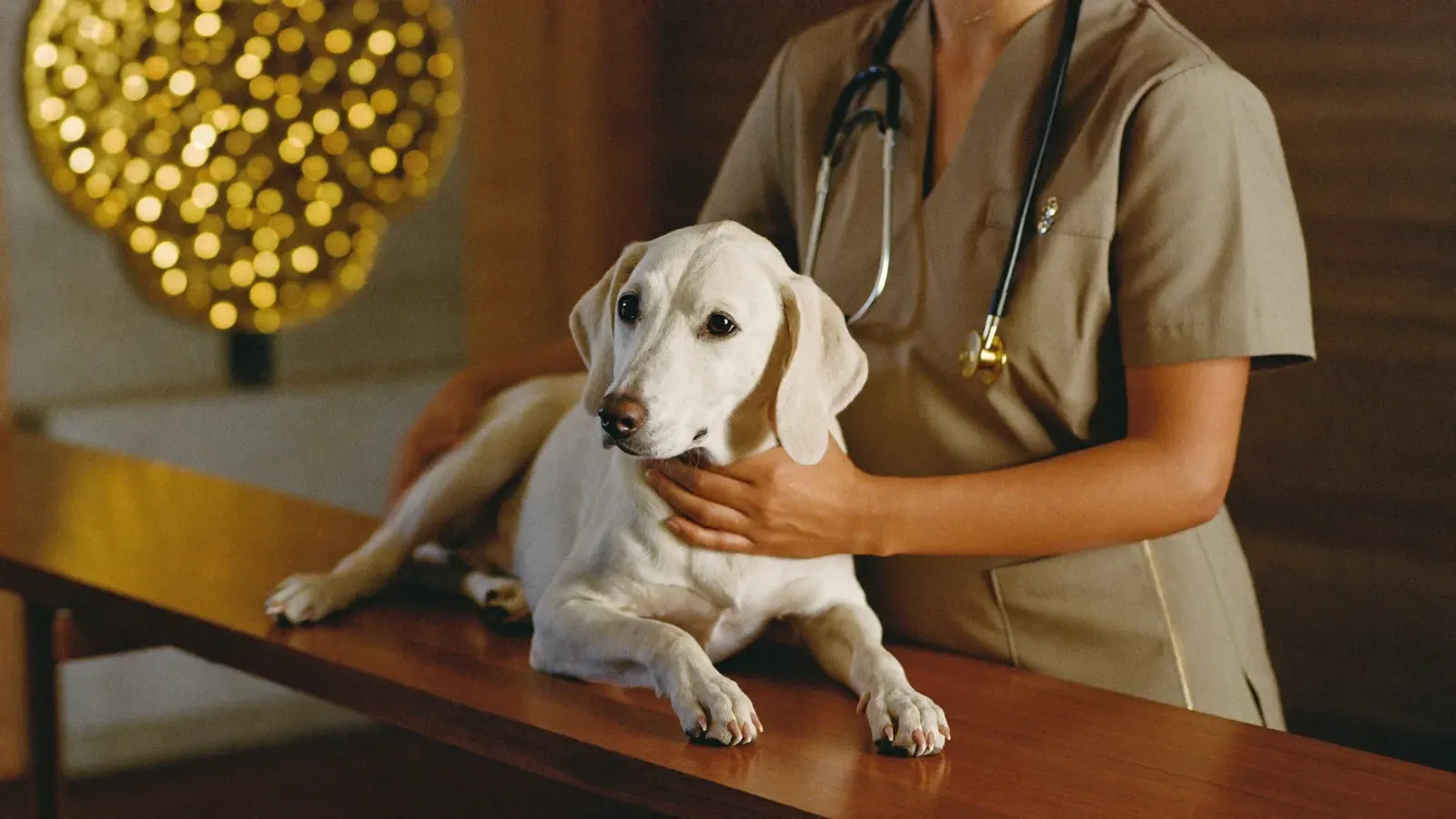
The visit is a full physical examination, nose to tail. Your vet will weigh your pet and check their body condition, listen to their heart and lungs, and look at their teeth, eyes, ears, skin and coat. They will feel their tummy and joints, and ask how they have been at home. They will scan for a microchip, check for fleas, ticks, ear mites and signs of worms, and start or pick up the vaccination course where the rescue or breeder left off. None of it should hurt, and a calm, gentle handler makes all the difference to a frightened animal.
Expect a few findings
Do not be alarmed by them. Newly adopted animals often arrive with something treatable: worms, fleas or ear mites, an ear infection, a mild respiratory infection, tartar on their teeth, a healing skin wound, or simply being underweight. Most of these clear up well with treatment, and finding them early is exactly why this visit matters. Your vet will explain what needs treating now and what can wait, and parasite prevention runs all year round from here.
Microchip and Dubai Municipality registration
This is also the moment to sort the legal essentials. Every dog and cat in Dubai must be microchipped and registered with Dubai Municipality, and wear their registration tag. Registration is done under the microchip number and needs a valid Rabies vaccine, given from 12 weeks old. If your pet is already chipped, ask your vet to check the registration is updated to you. A chip that leads to an old owner cannot bring them home. If they are new to you, bring an ownership transfer letter (NOC) from the previous owner.
Neutering and spaying
If your pet has not been neutered or spayed, ask about it now. For dogs, the right time depends on their breed and size, and is usually decided between six months and two years old. Cats can be neutered or spayed from seven months old.
Start a real relationship with your vet
Use the appointment to start a relationship, not a transaction. Ask how the clinic handles emergencies, what their fees look like, and how they will keep you informed. A good clinic answers plainly and never makes you feel rushed or talked down to. If you are still choosing a vet, this first visit tells you a great deal. Our guide to choosing a vet in Dubai covers what to look for.
Go gently
A newly adopted animal is in a strange place with a stranger handling them, and a little fear is normal. Speak softly, let them take treats if they will, and do not force anything. The calmer you are, the calmer they will be. A first visit that feels safe makes every future visit easier, which is better for their health for the rest of their life.
Get the baseline recorded, the legal boxes ticked and any early issues treated, and you give your new family member the strongest possible start. Our guides to the first 30 days with a puppy and the first 30 days with a kitten cover the rest of that first month. strong>You will both be calmer at the second visit./strong>