We’re hiring people who love them like we do. Join us careers@pawsandco.comSee open roles
UAE Government Licensed MOCCAE
Dachshund in Dubai, studio portrait of a smooth red adult sitting calmly against a dark background

Breed guide  ·  Dogs

Dachshund

He burrows under every blanket in the house. I've given him one of his own.

Lifespan
12 to 16 years
Size
Small
Weight
Up to 14.5 kg
Shedding
Light to moderate

Last updated 12 October 2026

Join the founding families. AED 1,999 of essential care for AED 199.

No payment now. We'll be in touch by email and WhatsApp as we open enrolment.

✓
Thank you.

We will be in touch soon to confirm.

Dachshund traits

What they brought with them.

Tap a card to see what is going on.

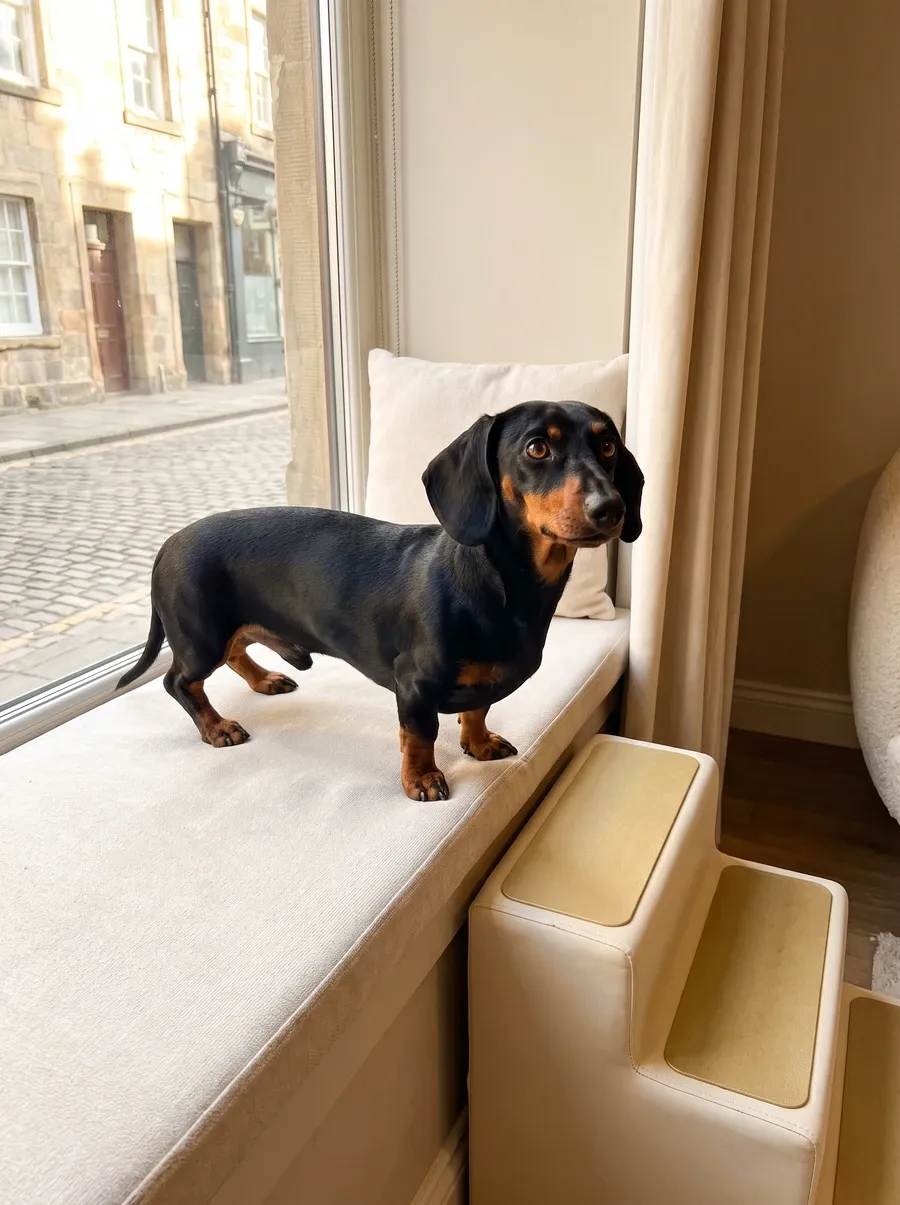
Dachshund, a black and tan adult on a window seat beside pet steps, watching the street outside

At home

Why Dachshunds bark so loudly

The door, the lift, the window: a bark far bigger than the dog behind it.

What's going onDachshunds had to bark underground so the hunter could find them. That is why the bark is so loud for their size. Reward quiet, and block the view that sets them off.

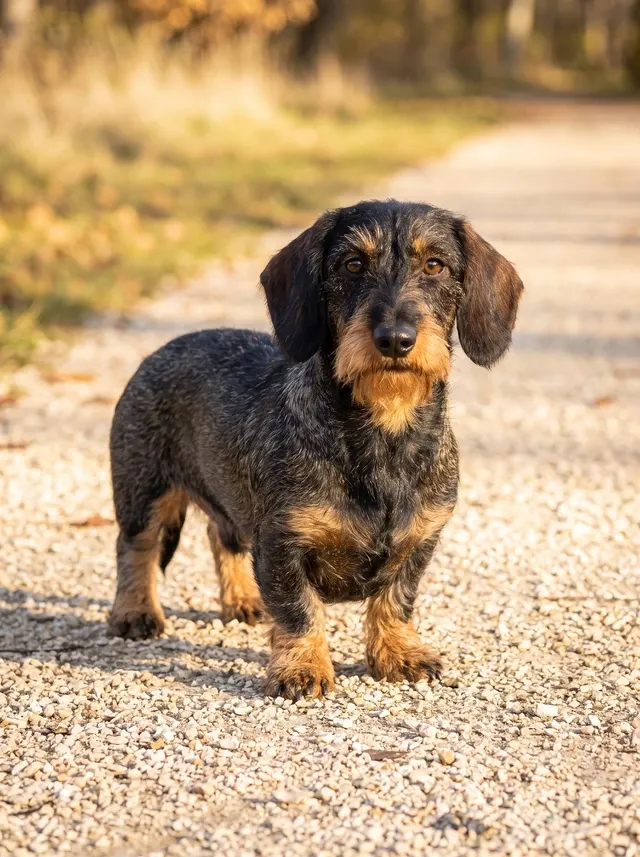
Dachshund, a wild boar wire-haired adult standing calmly on an empty sunlit park path

At home

Brave in a small body

Squaring up to a dog five times their size, and slow to warm to strangers.

What's going onThey were bred to face a badger alone. Many Dachshunds stand their ground with bigger dogs and with strangers. Let them choose when to say hello, and never push them into it.

Dachshund, a long-haired red adult peeking out from under a knitted blanket on a bed

At home

Under every blanket in the house

Burrowed into the bed, the cushions and the laundry, with just a nose showing.

What's going onThey burrow because they were bred to go to ground. Give them a blanket that is theirs, and the sofa cushions get a rest.

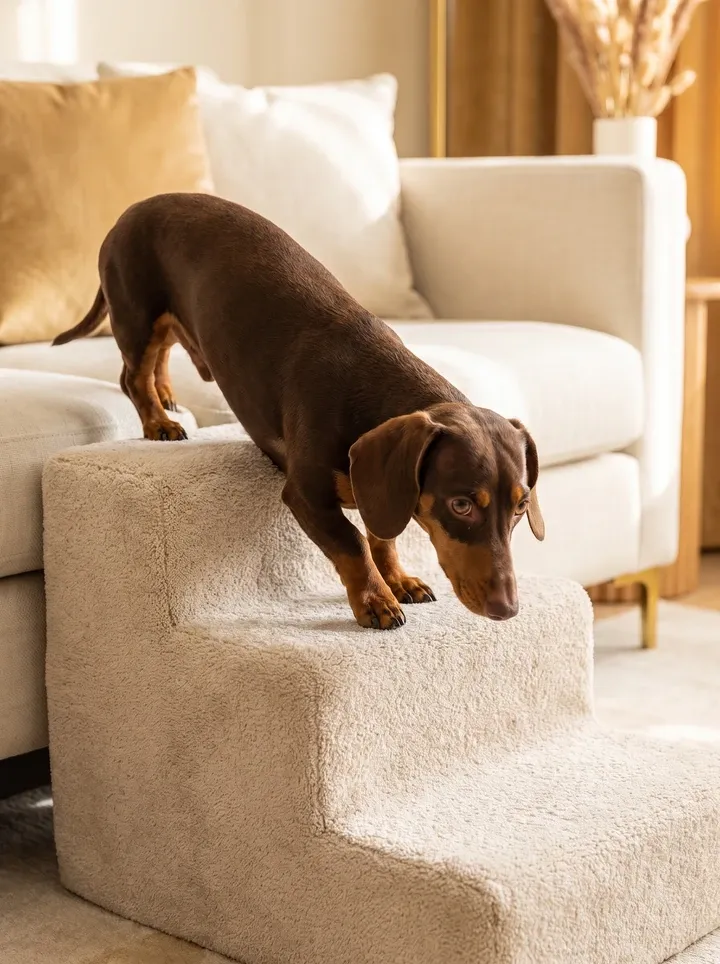
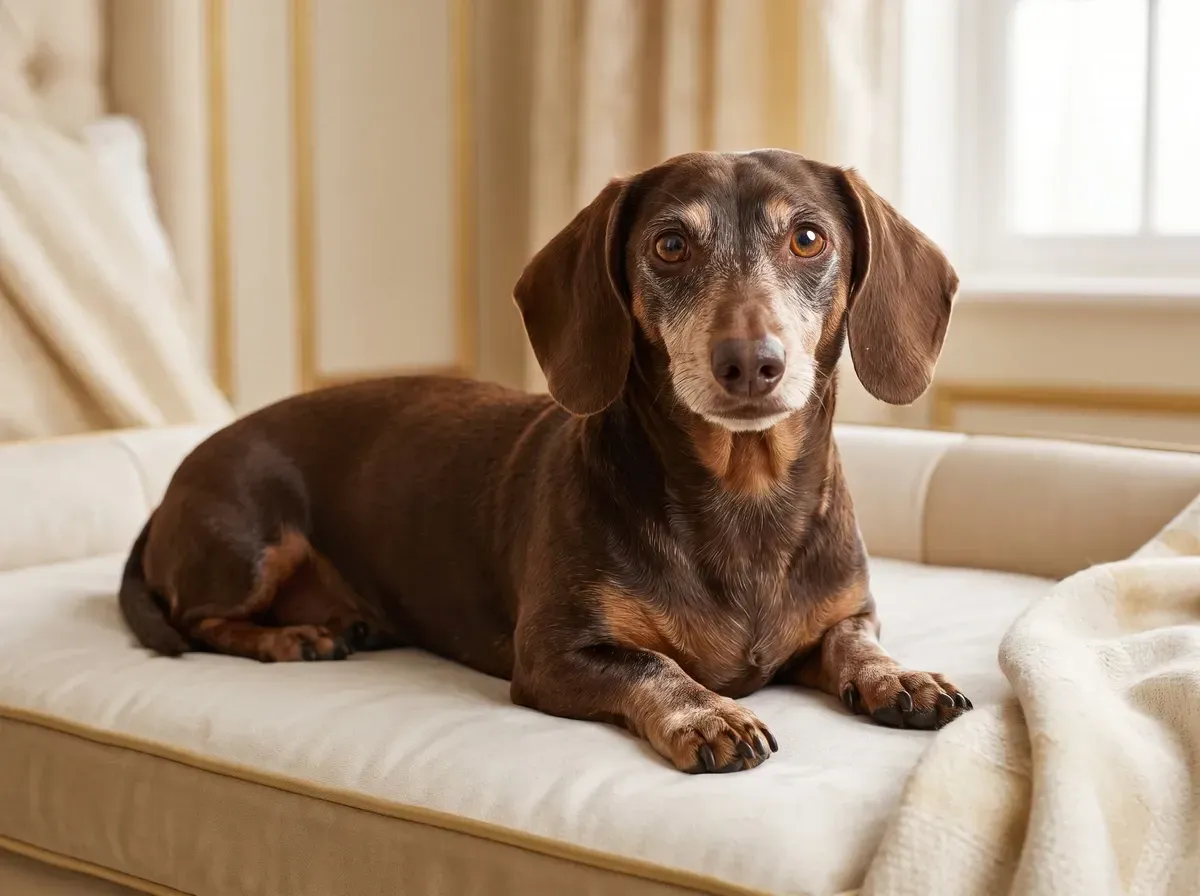
Dachshund, a chocolate and tan adult stepping carefully down pet steps from a cream sofa

At home

Up on the sofa in one leap

On in one jump, off in another, a hundred times a day.

What's going onSlipped discs are the biggest health risk for a Dachshund, at every age. A leap off the sofa or the bed is exactly the kind of jolt to avoid. Steps or a ramp, from the first day.

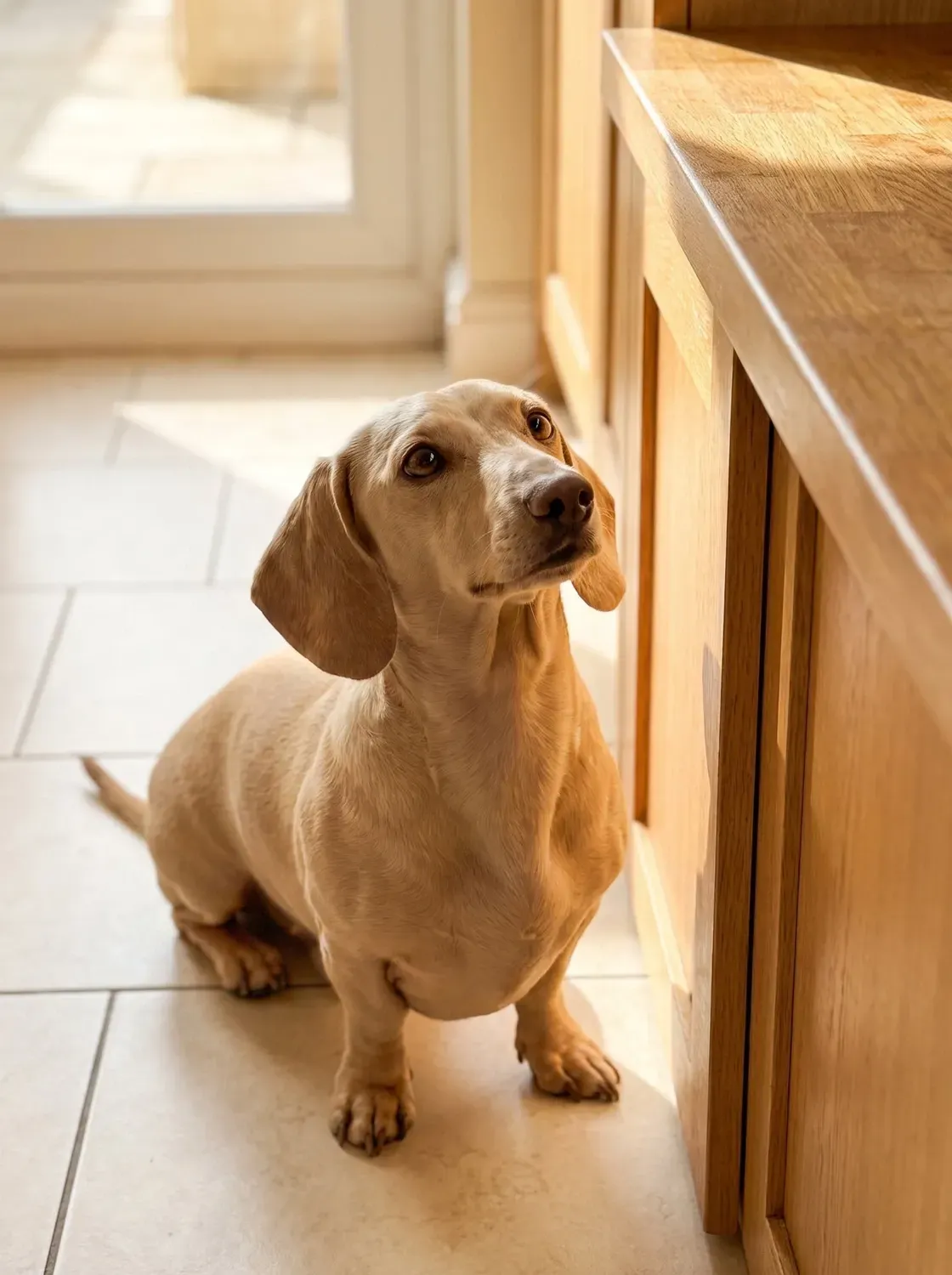
Dachshund, a cream adult sitting by a kitchen counter, looking up hopefully

At home

Always hungry, always looking

Their bowl finished in seconds, then a careful inspection of yours.

What's going onExtra weight is the biggest risk to their back that you can change. Weigh their food, count the treats, and feel for their ribs.

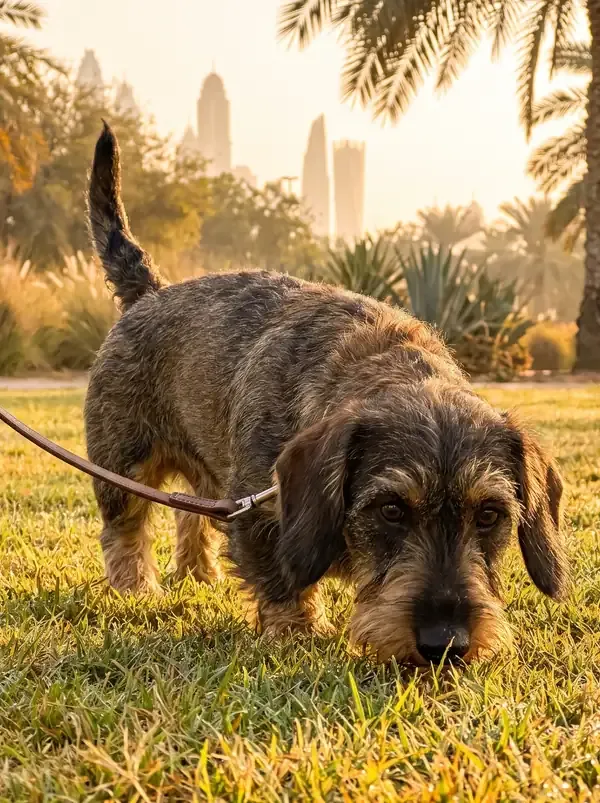
Dachshund in Dubai, a wire-haired adult on a lead, nose to the grass in a park at dawn, palms and towers behind

At home

Nose down, and suddenly deaf

Nose to the ground from the moment the lift doors open, and no idea what their name is.

What's going onThey were bred to follow a trail and not look up. Keep them on a lead anywhere that is not fenced, and train in short sessions paid with part of their dinner.

A Dachshund in Dubai

The bit nobody tells you.

Their ground

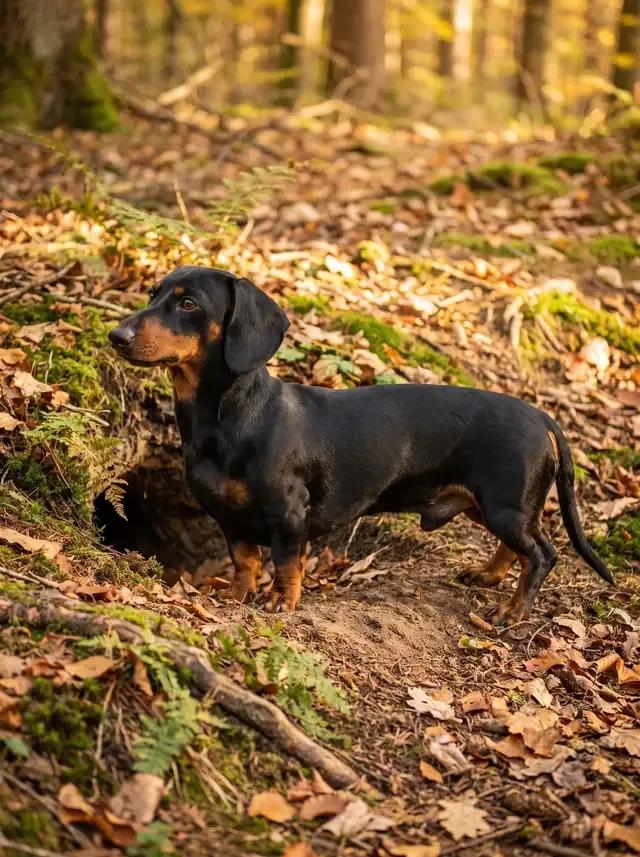
Built for: A German forest floor, nose down.

In Dubai: Marble floors and sofas.

Their work

Built for: Going down a tunnel to face a badger.

In Dubai: Bigger dogs and strangers, every day.

Their back

Built for: Crawling through tunnels.

In Dubai: Asked to jump.

The barking, the digging, the standoffs and their back mostly come from that gap.

You cannot give them a badger. You can protect their back and give their nose and their nerve a job, and the ten things below are how.

Your plan is built around their breed: the health risks for a Dachshund at every age, and the care that goes with each one.

Join the founding families. AED 1,999 of essential care for AED 199.

Daily care for a Dachshund

Ten things that make their life better.

Many of them are free, and most matter at every age.

  1. Intervertebral Disc Disease (IVDD, a slipped disc in the back) is the biggest health risk for a Dachshund, at every age.

    Every age

    Free to AED 500 for steps, a ramp and a harnessIn your plan

    Why

    Intervertebral Disc Disease (IVDD, a slipped disc in the back) is the biggest health risk for a Dachshund, at every age.

    What to do

    Steps or ramps to the sofa and bed from day one, or no furniture at all. Carry them down stairs, one hand under the chest and one under the back end. Harness, not collar. If they yelp, will not move or wobble on their back legs, contact your vet now. Your plan includes a spinal evaluation (a back check) every year from age two to four.

  2. Extra weight is the biggest risk to their back that you can change.

    Every age, monthly weigh-ins from 4 years

    Under AED 150, once, for kitchen scales and a bin with a lidIn your plan

    Why

    Extra weight is the biggest risk to their back that you can change.

    What to do

    Weigh their daily food on kitchen scales and take treats out of that amount. Use a bin with a lid they cannot open. You should feel their ribs easily. Tell anyone who feeds them: no extras. Monthly weigh-ins at the clinic are in your plan from age four.

  3. Once their nose is down they follow it, and they are small enough for a driver to miss.

    Every age

    Under AED 150 for a long lineIn your plan

    Why

    Once their nose is down they follow it, and they are small enough for a driver to miss.

    What to do

    Keep them on a lead or a long line anywhere that is not fenced. Check the garden for gaps, including under the gate, because they dig. Before anyone opens the front door, make sure someone has hold of them. Microchipping is in your plan at their puppy visits. Keep the chip registered to your current phone number.

  4. Searching and digging are what they were bred for. Without a place for them, they pick the sofa.

    Every age, most of all 6 months to 2 years

    Under AED 150

    Why

    Searching and digging are what they were bred for. Without a place for them, they pick the sofa.

    What to do

    Scatter part of their dinner in a snuffle mat or hide treats around the flat. Give them a blanket or a digging box that is theirs. Ten minutes of searching is worth a lot of walking.

  5. Their long ears can hold in damp, and gradual loss of sight can begin as early as puppyhood.

    Every age, eyes most of all up to 4 years

    FreeIn your plan

    Why

    Their long ears can hold in damp, and gradual loss of sight can begin as early as puppyhood.

    What to do

    Look and sniff inside their ear flaps once a week, and dry them after a bath. Notice if they start bumping into things in the dark, or stop wanting to go out at night.

  6. Their belly is close to the hot pavement, and small dogs heat up fast.

    Every age, most of all puppies

    Free

    Why

    Their belly is close to the hot pavement, and small dogs heat up fast.

    What to do

    From May to September, walk before sunrise and after dark. Put the back of your hand on the pavement for five seconds. If you cannot keep it there, they cannot walk on it. Carry water, and let them sniff and dawdle.

  7. They attach hard to their own people, and a long day alone brings out the barking.

    Every age, hardest from 6 months to 2 years

    Free, or the cost of a walker

    Why

    They attach hard to their own people, and a long day alone brings out the barking.

    What to do

    If you are out for more than a few hours, arrange a visit or a walker. Leave them a stuffed chew and a blanket to burrow in. Keep leaving and coming home calm. If they are distressed when you leave, contact your vet rather than trying to fix it at home.

  8. They were bred to stand their ground alone, so they may stand it against a bigger dog or a hand that grabs.

    Every age

    Free

    Why

    They were bred to stand their ground alone, so they may stand it against a bigger dog or a hand that grabs.

    What to do

    Ask guests to ignore them and drop a treat. Keep greetings with big dogs short and on your terms. Watch for the stiff body and the hard stare, and move them away. Never punish a growl.

  9. They will out-stubborn you if you try to force it, and they will work hard for food.

    Every age, easiest started young

    Free

    Why

    They will out-stubborn you if you try to force it, and they will work hard for food.

    What to do

    Two or three five-minute sessions a day, paid with part of their dinner. Teach "quiet", "leave it" and a sit at the door. Handle their paws, ears and back end for a second at a time, then treat.

  10. A small change in how they move is the first sign of trouble in their back.

    Every age, most of all from 7 years

    Free

    Why

    A small change in how they move is the first sign of trouble in their back.

    What to do

    Once a week, run your hands along their back from neck to tail and watch for a flinch. Feel their ribs, look at their teeth, and watch how they get up and take a step. From 4 years, weigh them once a month, and film anything odd about how they walk to show your vet.

Four of these are in your plan. The rest you can do at home.

Join the founding families. AED 1,999 of essential care for AED 199.

Dachshund health by age

Their health, at every age.

In a Dachshund, a change in how they move, jump or take the steps is often the first sign that something is wrong. Choose their age to see what to watch for, and the care that goes with it.

Dachshund, an older chocolate and tan dog with a greying face resting on a low padded bed

How old are they?

Their age

Dachshund Puppy health

the first six months

What to watch for

  1. Early or congenital expression of Intervertebral Disc Disease (IVDD, slipped disc in the back)
  2. Retained deciduous teeth, malocclusion (teeth that do not meet properly) or early dental crowding
  3. Excess growth rate and early adiposity
  4. Developmental or early clinical signs of Patellar Luxation (PL, slipping kneecap)
  5. Congenital or early inherited ocular disease related to Progressive Retinal Atrophy (PRA, gradual loss of sight)

The care that goes with it

  1. Core vaccinations, microchip and Dubai Municipality registration
  2. Deworming, and flea and tick prevention
  3. Growth and nutritional evaluation, and early socialisation
  4. Intervertebral Disc Disease (IVDD, a slipped disc in the back) screening, as a baseline
  5. Early follow-up for any signs of dental disease
The full care detail
  • Core vaccination programme, microchipping and Dubai Municipality registration. Titre testing discussion where clinically appropriate; not a substitute for completing the core vaccine series
  • Deworming and external parasite prevention tailored to Dubai exposure
  • Body Condition Score (BCS, a check on whether they are the right weight), Muscle Condition Score (MCS, a check on their muscle), dental, growth and nutritional evaluation, and early socialisation
  • Baseline screening focused on Intervertebral Disc Disease (IVDD)
  • Early diagnostic follow-up for signs suggestive of Dental Disease

Their age

Dachshund Juvenile health

6 months to 2 years

What to watch for

  1. Young-dog presentation of Intervertebral Disc Disease (IVDD, slipped disc in the back)
  2. Early periodontal disease (gum disease) and dental crowding
  3. Obesity and poor body condition
  4. Emerging Patellar Luxation (PL, slipping kneecap) with exercise intolerance or lameness
  5. Progression or first clinical detection of Progressive Retinal Atrophy (PRA, gradual loss of sight)

The care that goes with it

  1. No jumping from furniture: ramps and steps to protect the long spine
  2. A lean, healthy weight, the biggest thing you can change to protect their spine
  3. Neutering or spaying, timed for a small breed
  4. Daily tooth brushing, and a professional dental clean every 6 to 12 months
  5. Finding the cause of any limping that keeps coming back
The full care detail
  • Prevent jumping from furniture; install ramps and steps to protect the elongated spine from Intervertebral Disc Disease (IVDD)
  • Maintain strict healthy weight, obesity is the single greatest modifiable risk factor for IVDD in Dachshunds
  • Neuter/spay timing discussion that accounts for small-breed growth and disease risk
  • Daily dental brushing; professional dental cleaning every 6-12 months
  • Investigate recurrent signs of lameness

Their age

Dachshund Young Adult health

2 to 4 years

What to watch for

  1. Intervertebral Disc Disease (IVDD, slipped disc in the back)
  2. Dental Disease
  3. Obesity
  4. Patellar Luxation (PL, slipping kneecap)
  5. Progressive Retinal Atrophy (PRA, gradual loss of sight)

The care that goes with it

  1. No jumping from furniture: ramps and steps to protect the long spine
  2. A lean, healthy weight, the biggest thing you can change to protect their spine
  3. Daily tooth brushing, and a professional dental clean every 6 to 12 months
  4. Annual spinal evaluation, and knowing the early warning signs of IVDD: yelping, or not wanting to move
  5. Annual ophthalmic evaluation (eye exam) to find PRA early, most of all in long-haired Dachshunds
The full care detail
  • Prevent jumping from furniture; install ramps and steps to protect the elongated spine from Intervertebral Disc Disease (IVDD)
  • Maintain strict healthy weight, obesity is the single greatest modifiable risk factor for IVDD in Dachshunds
  • Daily dental brushing; professional dental cleaning every 6-12 months
  • Annual spinal evaluation; educate owner on early IVDD warning signs (yelping, reluctance to move)
  • Annual ophthalmic evaluation to detect Progressive Retinal Atrophy (PRA) early in longhaired variety

Their age

Dachshund Prime Adult health

4 to 7 years

What to watch for

  1. Intervertebral Disc Disease (IVDD), Progressive, Potential Paralysis
  2. Dental Disease (Advanced)
  3. Obesity (Worsening)
  4. Hyperadrenocorticism (HAC, too much cortisol hormone), also called Cushing's Disease
  5. Urinary Stones

The care that goes with it

  1. An MRI (a detailed scan) at the first sign of IVDD, because surgery within 24 to 48 hours gives the best recovery
  2. A measured, low-calorie diet, and monthly weigh-ins at the clinic
  3. Cortisol testing (hormone blood tests) once a year if signs of Cushing's appear, such as a pot belly or hair loss
  4. Urinalysis (a urine test) once a year, and a prescription diet if stones are found
  5. Hydrotherapy, to recover from IVDD and keep the spine healthy
The full care detail
  • MRI at first sign of Intervertebral Disc Disease (IVDD) symptoms; surgical decompression within 24-48 hours maximises recovery
  • Strict low-calorie diet and measured feeding; monthly weigh-ins at the clinic
  • Annual cortisol testing (LDDS or ACTH stimulation) if Cushing's signs are present (pot belly, hair loss)
  • Urinalysis annually; prescription urinary diet if calcium oxalate stones are detected
  • Hydrotherapy for post-IVDD rehabilitation and ongoing spinal health maintenance

Their age

Dachshund Senior health

7 to 10 years

What to watch for

  1. Intervertebral Disc Disease (IVDD), Chronic / Recurrent
  2. Cushing's Disease
  3. Heart Disease
  4. Kidney Disease
  5. Arthritis

The care that goes with it

  1. Ongoing spinal care: physiotherapy, acupuncture and hydrotherapy
  2. Cushing's treatment with medication, and regular cortisol monitoring
  3. Annual echocardiogram (an ultrasound scan of the heart) from age 7
  4. Renal panel (a kidney blood test) twice a year, and a senior or kidney-friendly diet
  5. Joint supplements and gentle, low-impact exercise that spares the spine
The full care detail
  • Ongoing spinal management: physiotherapy, acupuncture, and hydrotherapy for Intervertebral Disc Disease (IVDD) maintenance
  • Cushing's disease management: Trilostane therapy with regular cortisol monitoring
  • Annual echocardiogram from age 7; cardiac medication when indicated
  • Bi-annual renal panel; transition to senior/renal-supportive diet as needed
  • Joint supplements and gentle, low-impact exercise to manage arthritis without spinal stress

Their age

Dachshund Geriatric health

10 years and over

What to watch for

  1. Intervertebral Disc Disease (IVDD), Severe, with Degenerative Myelopathy (DM, progressive weakness in the back legs)
  2. Cushing's Disease (Advanced)
  3. Congestive Heart Failure
  4. Chronic Kidney Disease (CKD, long-term kidney failure)
  5. Cancer

The care that goes with it

  1. Mobility support: a wheelchair cart, slings and physiotherapy if the back legs stop working
  2. Monthly vet visits to manage several conditions and adjust medication
  3. Help with bladder and bowels if nerve damage affects them
  4. Quality-of-life assessments
  5. Palliative care (comfort care), and end-of-life planning with your vet team
The full care detail
  • Mobility support: wheelchair cart, slings, and physiotherapy for dogs with hind limb paralysis
  • Monthly vet reviews to manage multi-system disease and adjust medications
  • Bladder and bowel management support for dogs with neurological incontinence
  • Quality-of-life assessments
  • Tailored palliative and comfort-focused care plan
  • Compassionate end-of-life planning with your veterinary team

Breed predispositions indicate an increased risk rather than certainty of disease. What is right for them always comes from their own history and an evaluation.

Getting a Dachshund puppy in Dubai

Before they come home.

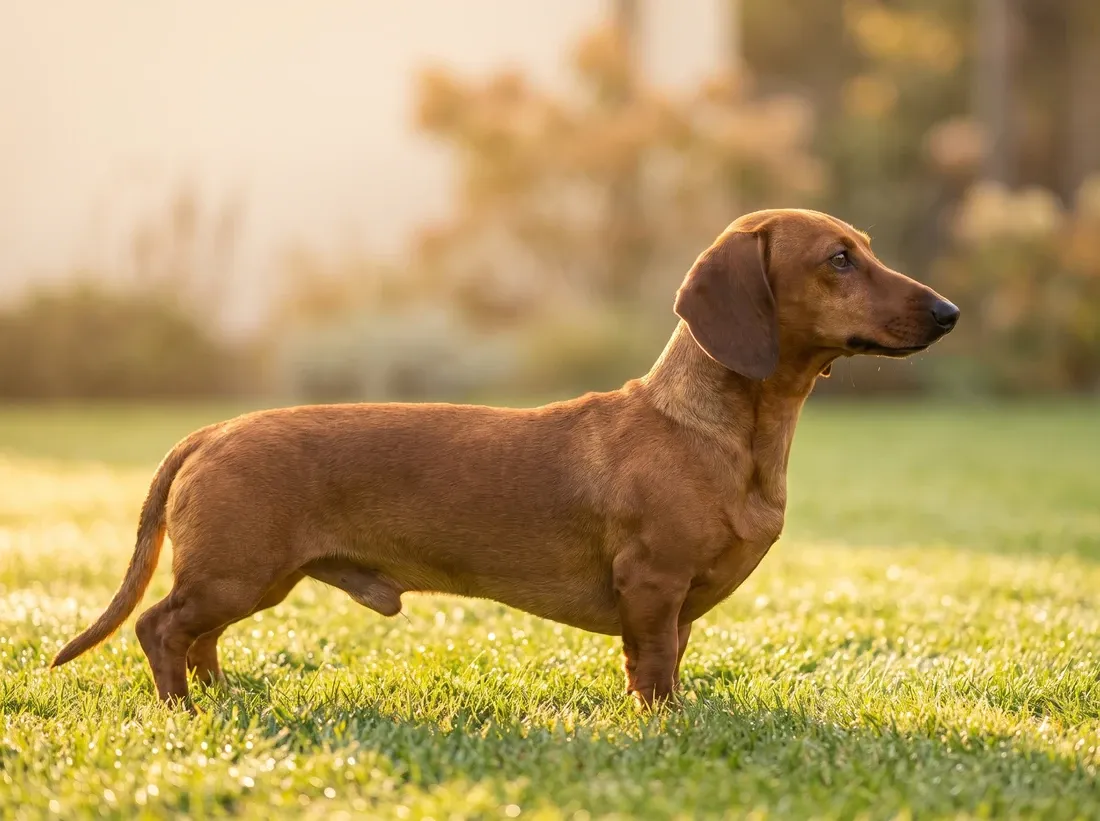
Dachshund, a smooth red adult standing side-on on a lawn, showing the long, low build

Sizes and coats

Standard or miniature, smooth, wire or long

Dachshunds come in two sizes: standards weigh 7 to 14.5 kg, and miniatures 5 kg or less. Each comes in three coats, smooth, wire-haired and long-haired. Whatever the size or coat, their back needs the same care.

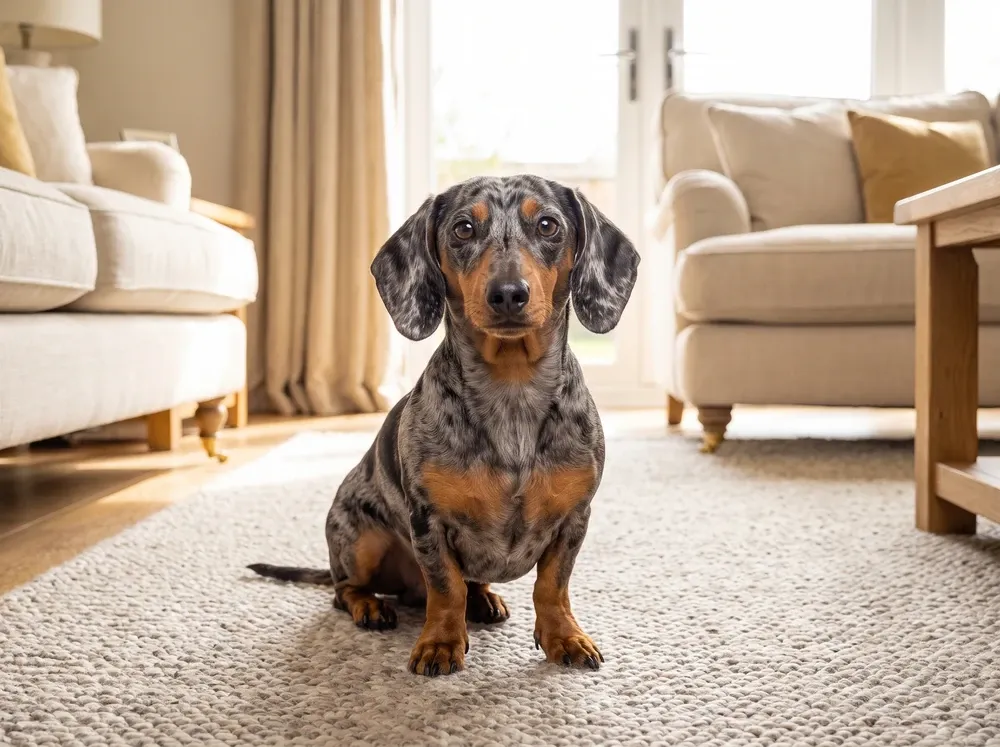
Dachshund, a silver dapple adult with tan points sitting on a woven rug in a bright room

Colours

Red, cream, black and tan, and dapple

Dachshunds come in warm reds and creams, wheaten and wild boar, or black, chocolate, blue or fawn with tan or cream markings. Dapple, a marbled coat, is a much-loved pattern too.

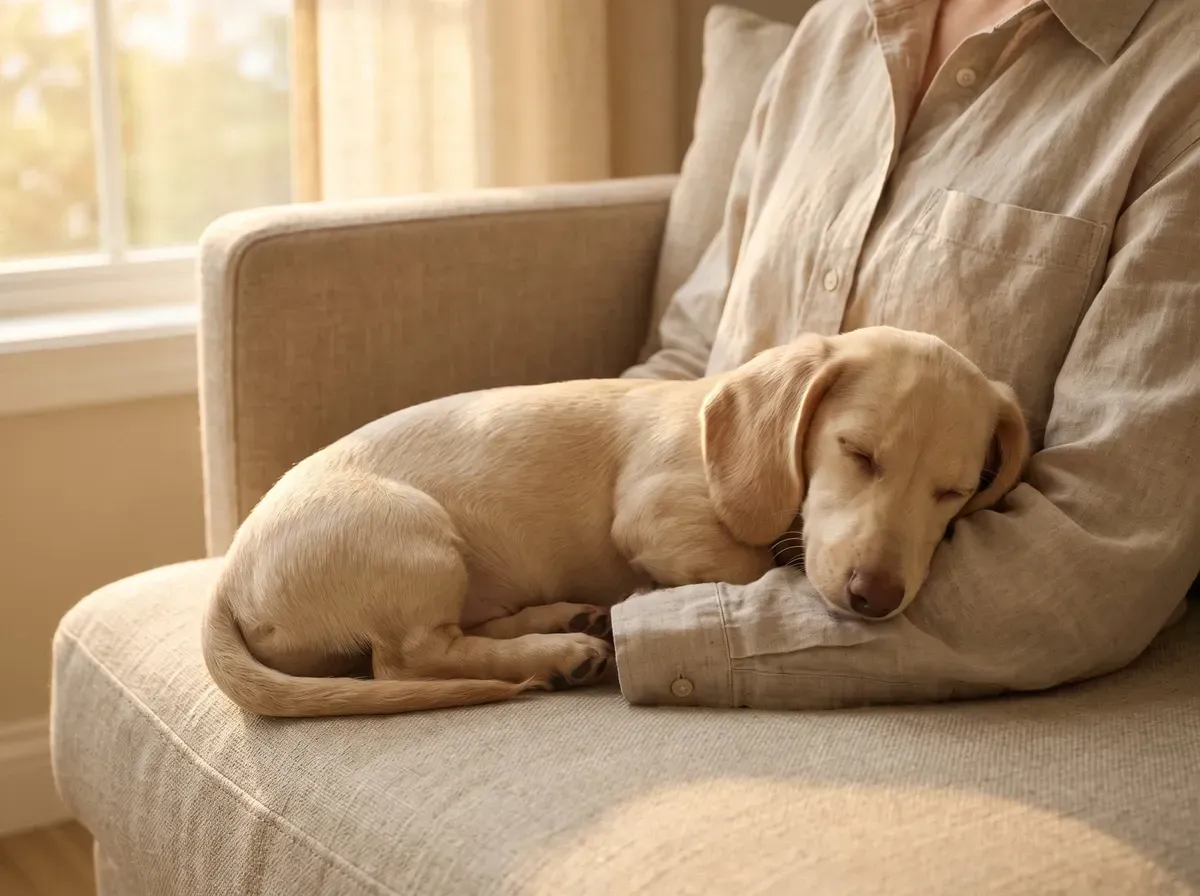
Dachshund, a cream puppy asleep in a pet parent's lap on the sofa

The first six months

Caring for a Dachshund puppy

Their full vaccination course, microchip and Dubai Municipality registration come first. Start the habits that protect their back now: no jumping off furniture, and carry them down the stairs.

Puppy health, 0 to 6 months
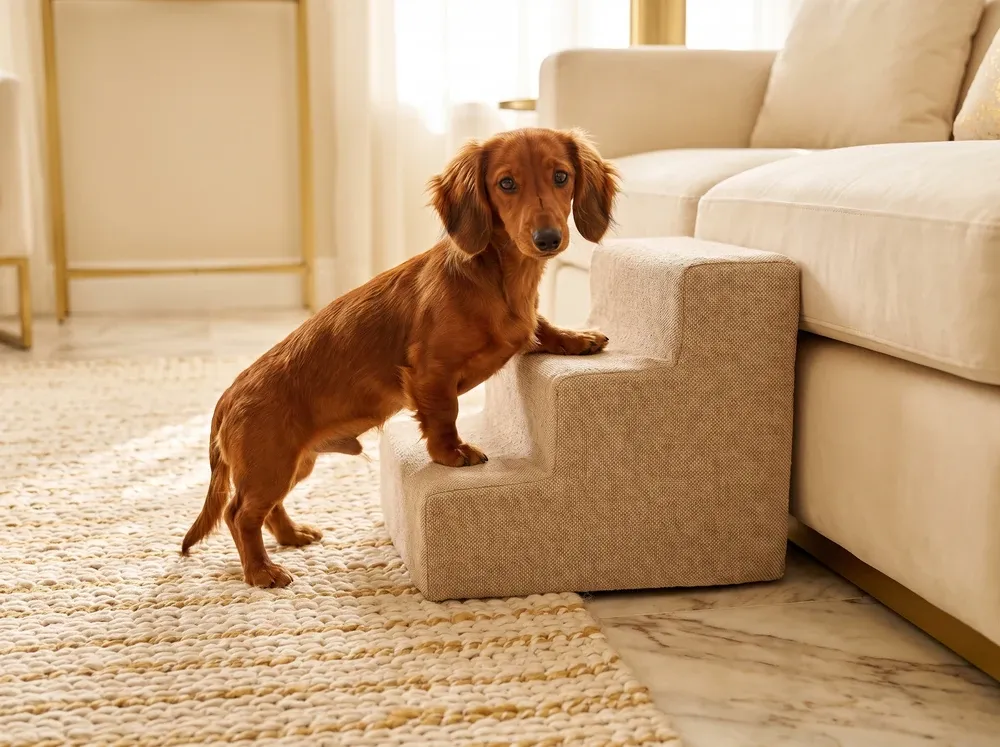
Dachshund, a long-haired red puppy climbing carpeted pet steps up to a cream sofa

Getting the flat ready

Steps to the sofa, rugs on the marble

Put steps or a ramp up to the sofa and bed before they arrive, and rugs where they run on marble. Give them a blanket of their own to burrow into.

Ten things that make their life better
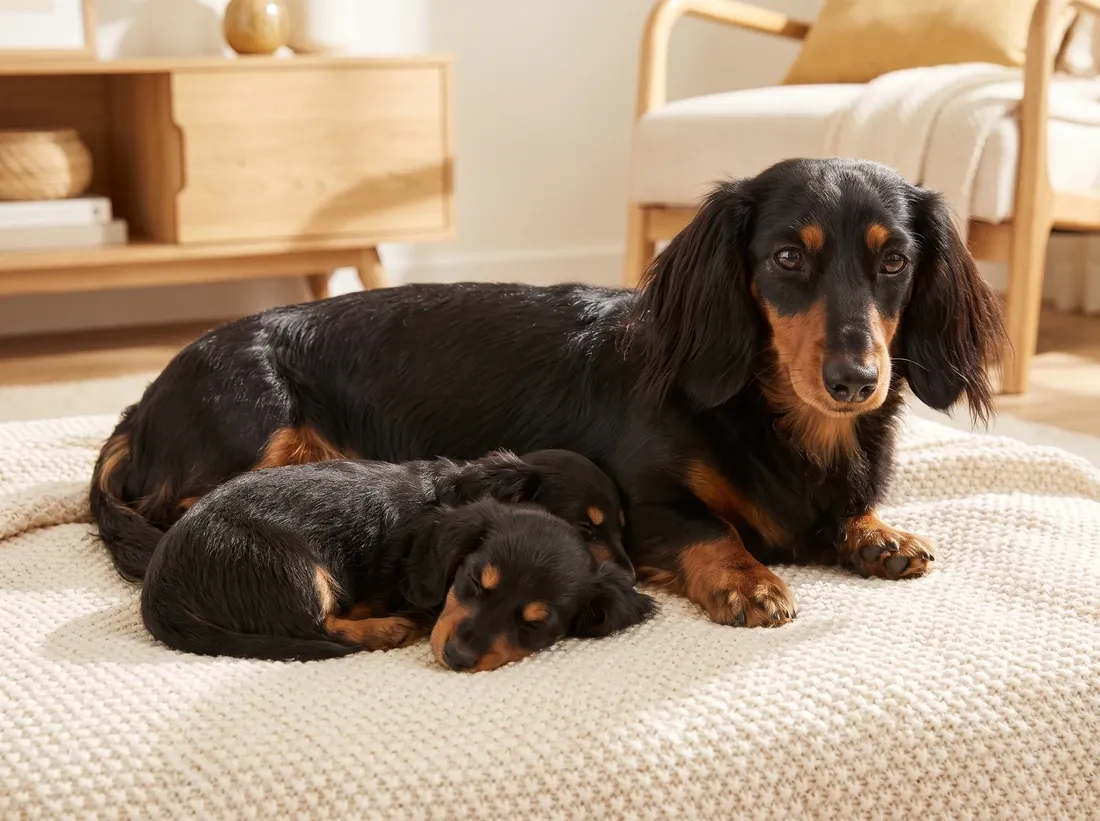
Dachshund, a long-haired black and tan mother resting on a blanket with a sleeping puppy

Before you commit

Ask about the parents

Ask the breeder whether either parent has had back trouble, and whether both parents are dapple. The Kennel Club does not register puppies from two dapple parents, because of the risk to their sight and hearing.

The reception of a Paws & Co clinic, with long cream benches and a stone reception desk

Before the clinics open

Join the founding families

AED 1,999 of essential care for AED 199. No payment now.

When to see a vet

When it is not behaviour.

Dachshund, a wire-haired adult standing on a table as a vet in taupe scrubs supports the dog's back

Some of this is not a training problem, and treating it like one wastes time your dog may not have. If they are distressed when you leave, if they growl or guard their food, their toys or you, if they are frightened on the lead, or if anything about them changes suddenly at any age, contact your vet the same day. A tip from a website, ours included, is not the answer. If it cannot wait, contact your nearest emergency vet now.

With a Dachshund, their back comes first. A yelp when you pick them up, a hunched walk, trembling, refusing the steps, or wobbling on their back legs can be a disc, and fast treatment gives the best chance of recovery. Contact your vet now. A sudden new snap when you touch them can also be pain rather than temper. Bumping into things at night, at any age, or a new pot belly later in life, is worth telling your vet. Bloat (GDV, a twisted stomach) can happen in any dog, though it is most common in large, deep-chested breeds. A swollen, tight belly, retching with nothing coming up, sudden restlessness or drooling is an emergency: contact your vet now.

They'll keep burrowing. If they stop climbing the steps to their blanket, or cry when you lift them, contact your vet now.

Dachshund history

Before they were yours.

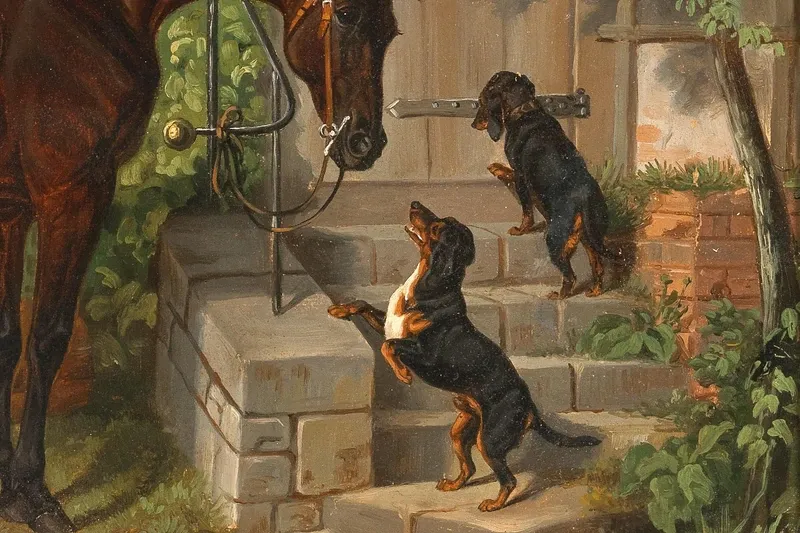
  1. Dachshund history, a painting of two small dogs on stone steps beside a saddled horse, 1850
    Albrecht Adam, A saddled bay horse and curious dachshunds, 1850.

    1700s to 1800s

    The badger dog

    "Dachs" is German for badger. German foresters bred these short-legged hounds to follow a badger into its tunnel, face it in the dark, and bark so the hunter could dig down to them.

    What they still carryThe bark, the digging and the nerve.

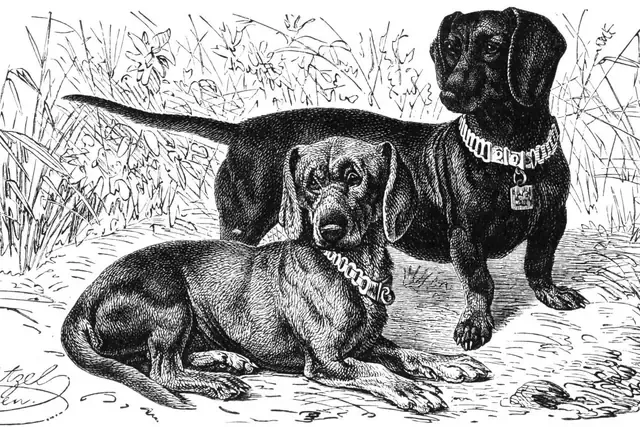
  2. Dachshund history, an engraving of two smooth-haired dogs in long grass, Brehms Tierleben
    Dachshunds drawn by Gustav Mützel for Brehms Tierleben.

    1885 to 1888

    Recognised

    The American Kennel Club recognised the Dachshund in 1885, and the German Dachshund Club was founded in 1888. The breed settled into standard and miniature sizes, with smooth, wire and long coats.

    What they still carryThe Dachshund you know, in several sizes and coats.

  3. Dachshund history, two smooth dogs sitting side by side in a garden, Hungary, 1908
    Two Dachshunds in a garden, 1908. Photo: Fortepan, Hungary.

    The 20th century

    The family dog

    The Dachshund became one of the best-known breeds in the world, kept for company, and many show lines grew longer and lower.

    What they still carryA badger dog's nerve, bark and back, in a family home.

  4. Dachshund history, the breed today, a wire-haired adult curled in a blanket on a sofa, the Dubai skyline behind

    Today

    In Dubai

    In the UAE a Dachshund lives on marble floors, beside sofas they were never built to jump off.

    What they still carryA body built to go underground, which is why their back comes first.

Dachshund questions

The ones you type at midnight.

Most of these get asked late at night, by someone watching their dog and not sure what they are seeing.

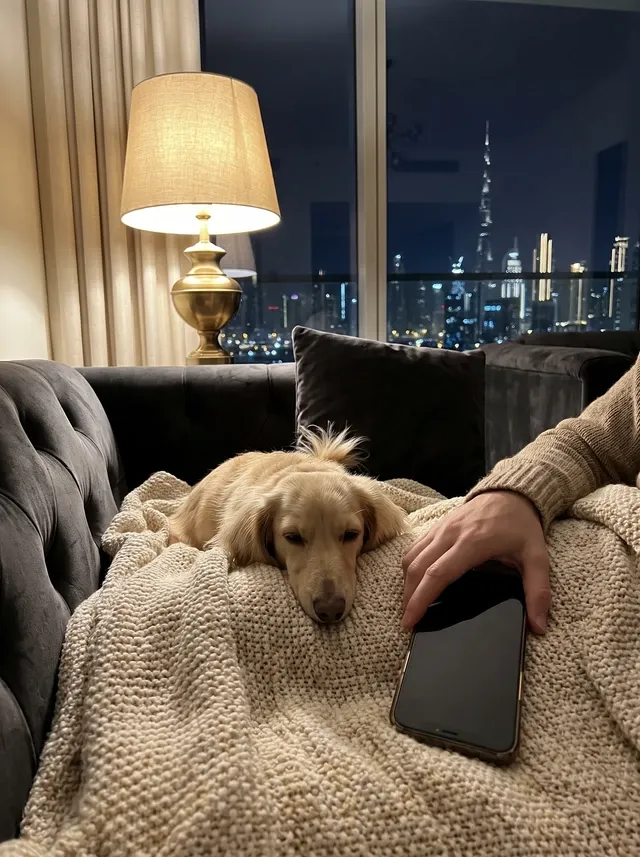
Dachshund in Dubai, a long-haired cream adult dozing under a blanket beside a pet parent at night, the skyline behind
How long do Dachshunds live?

Dachshunds usually live 12 to 16 years. In a large UK study, half of Standard Dachshunds lived past 13, and half of Miniatures reached 14.

How big do miniature and standard Dachshunds get?

Standard Dachshunds weigh 7 to 14.5 kg, and miniature Dachshunds 5 kg or less.

Why is a Dachshund called a sausage dog?

The Dachshund is affectionately known as the sausage dog for their long body and short legs. The name Dachshund itself means badger dog in German.

Do Dachshunds have back problems?

Yes. Intervertebral Disc Disease (IVDD), a slipped disc in the back, is the Dachshund's most significant health concern. Keep them lean, and stop them jumping off furniture.

Do Dachshunds shed?

Dachshunds shed lightly to moderately, depending on the coat. A smooth coat needs only a weekly brush.

What colours do Dachshunds come in?

Dachshunds come in red, cream, wheaten and wild boar, or black, chocolate, blue or fawn with tan or cream markings. Dapple, a marbled pattern, is popular too.

Why does my Dachshund bark so much?

Dachshunds were bred to bark underground so the hunter could find them, so the bark is loud for their size. Reward quiet, and block the view that sets them off.

Why does my Dachshund burrow under blankets?

Dachshunds burrow because they were bred to go to ground after badgers. Give them a blanket of their own, and the sofa cushions get a rest.

Can a Dachshund live in Dubai?

Yes, a Dachshund can live happily in Dubai: their size suits a flat, and their character fills it. Walk them before sunrise and after dark from May to September, and protect their back at home.

Breeds like the Dachshund

If the Dachshund suits you, so might these.

Worried about them? Contact your vet today.