We’re hiring people who love them like we do. Join us careers@pawsandco.comSee open roles
UAE Government Licensed MOCCAE
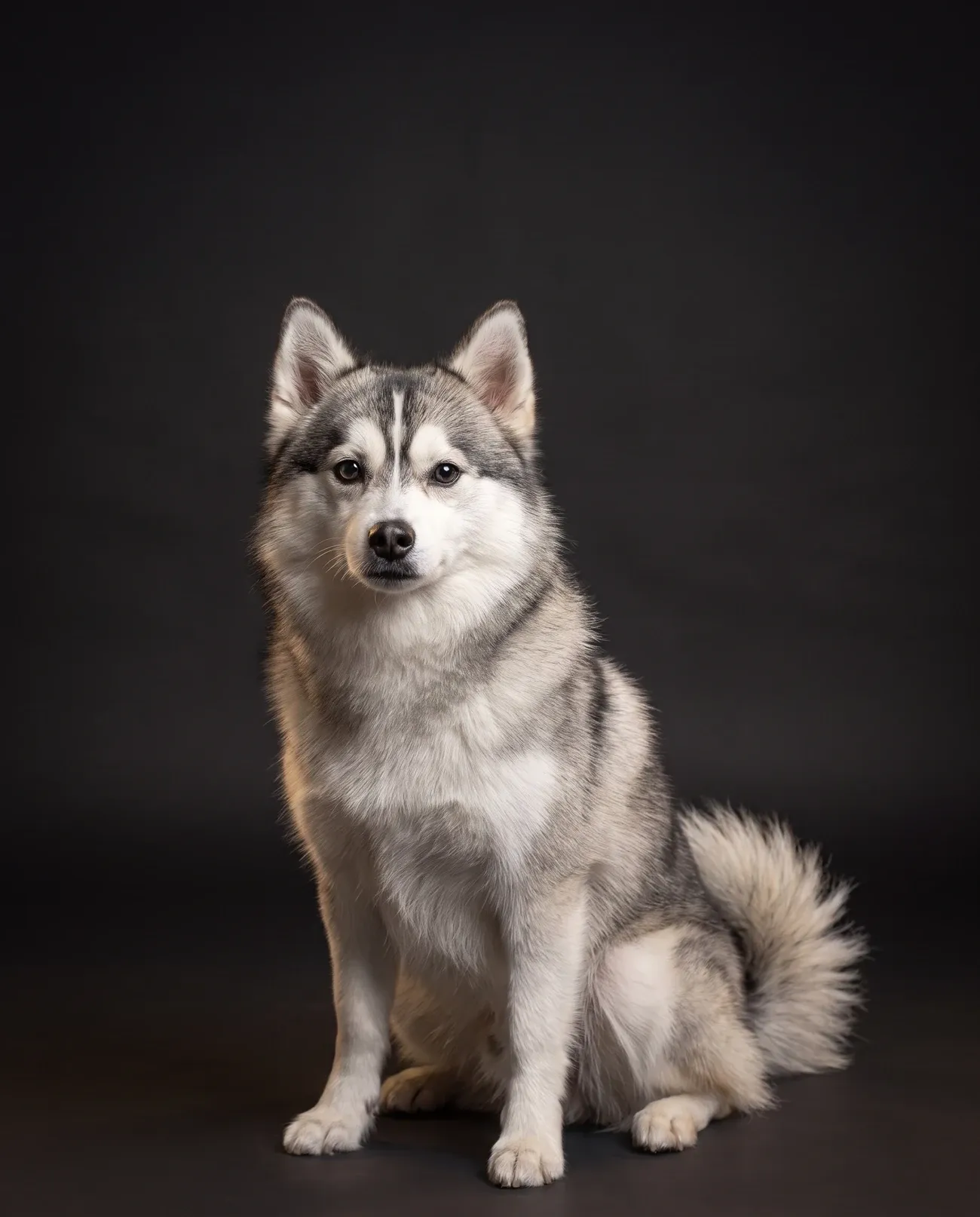
Pomsky in Dubai, studio portrait of a grey and white adult sitting calmly against a dark background

Breed guide  ·  Dogs

Pomsky

Some mornings he's a Husky, some mornings a Pomeranian. I walk whichever one wakes up.

Lifespan
12 to 15 years
Size
Medium
Weight
Varies widely
Shedding
Seasonal, heavy in a moult

Last updated 12 October 2026

Join the founding families. AED 1,999 of essential care for AED 199.

No payment now. We'll be in touch by email and WhatsApp as we open enrolment.

✓
Thank you.

We will be in touch soon to confirm.

Pomsky traits

What they brought with them.

Tap a card to see what is going on.

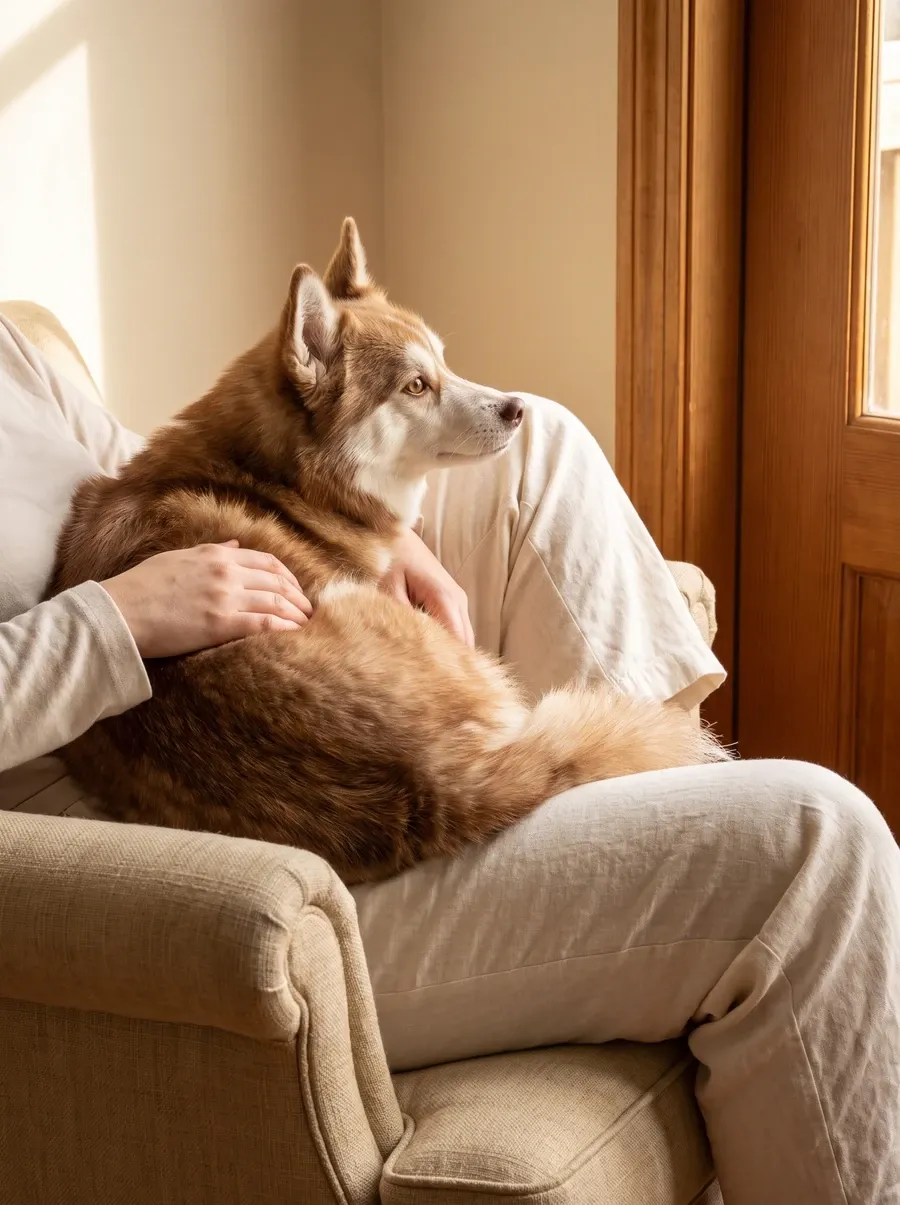
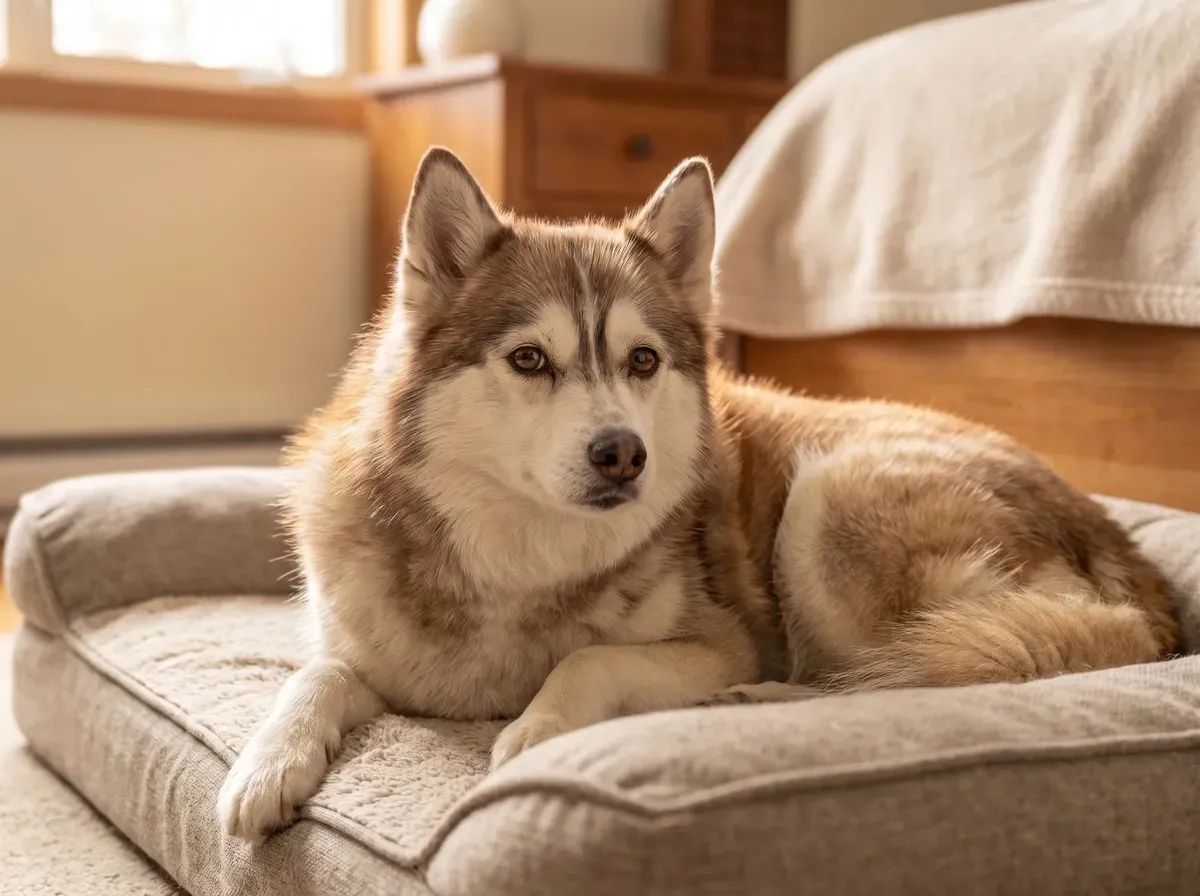
Pomsky, a red and white adult curled on a pet parent's lap in a linen armchair, ears up

At home

Is my Pomsky more Husky or Pomeranian?

Racing round the flat and howling one hour, asking to be picked up the next.

What's going onRunning, howling and slipping out of the door is the Husky. Barking at the door, squaring up to big dogs and asking to be carried is the Pomeranian. Many Pomskies switch between the two in an afternoon, so plan for both.

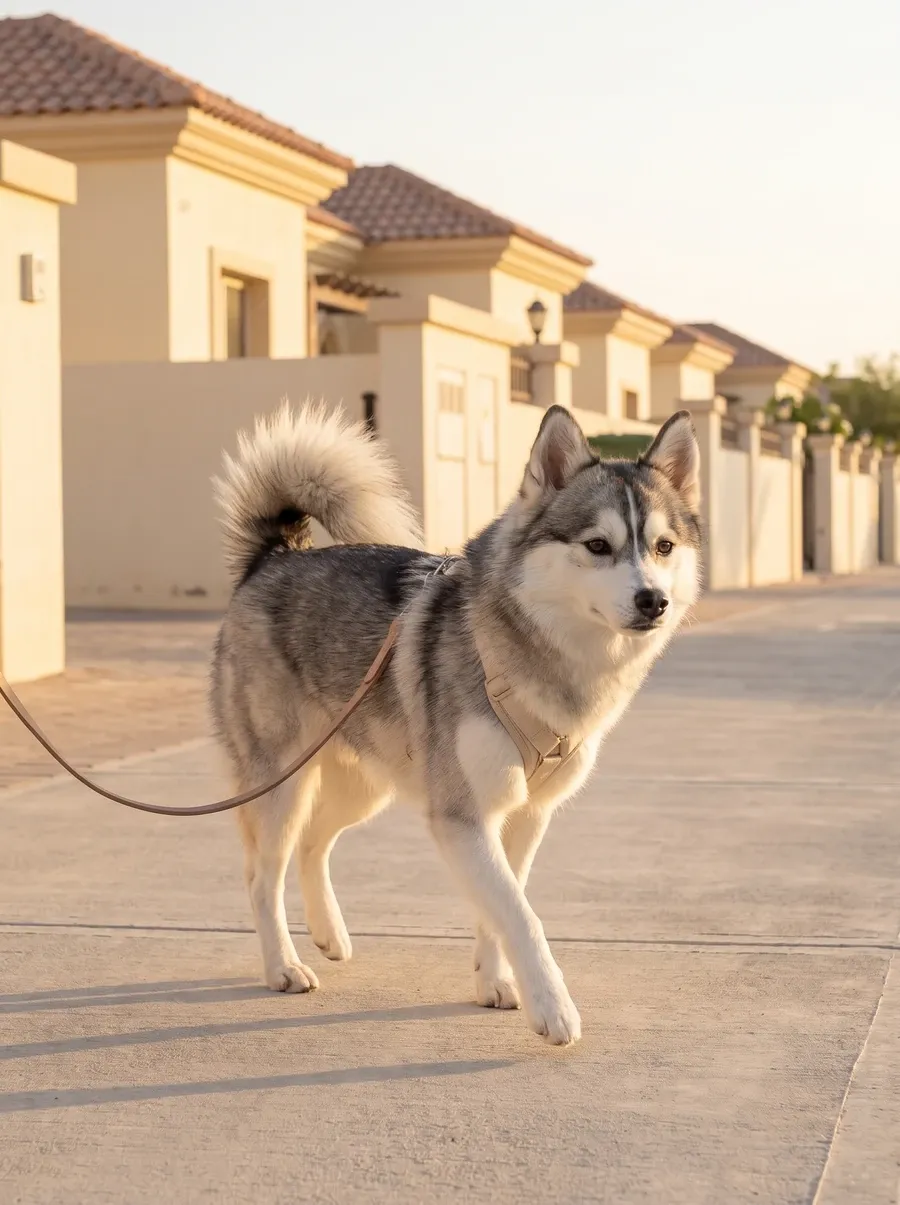
Pomsky, a grey and white adult on a lead, trotting past cream villas at dawn

At home

Why does my Pomsky cough when pulling on the lead?

A honking cough when they get excited or strain towards another dog.

What's going onA weak windpipe comes down from the Pomeranian side, and it is on their health record from puppy to young adult. Walk them on a harness, so the lead never presses on their throat, and tell your vet about a cough that keeps coming back.

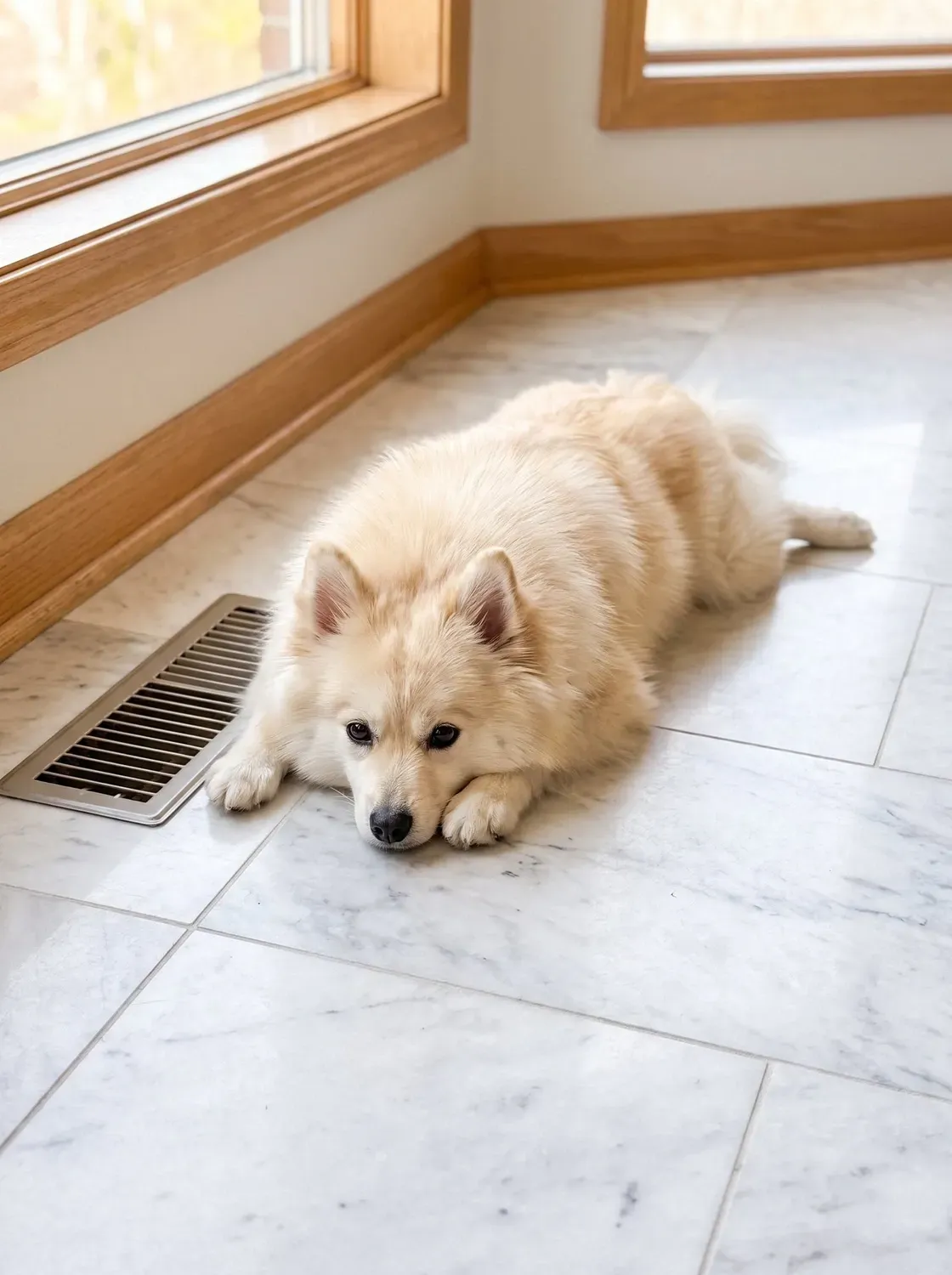
Pomsky, a cream adult lying flat on cool marble tiles beside an air-conditioning vent

At home

Why does my Pomsky lie on the cold floor?

Flat on the marble, across the air-conditioning vent, or in the shower tray.

What's going onTheir double coat comes from two Arctic breeds, so a Dubai summer is the hardest thing they face. Keep them in air conditioning by day, walk them in the dark hours, and never clip or shave the undercoat.

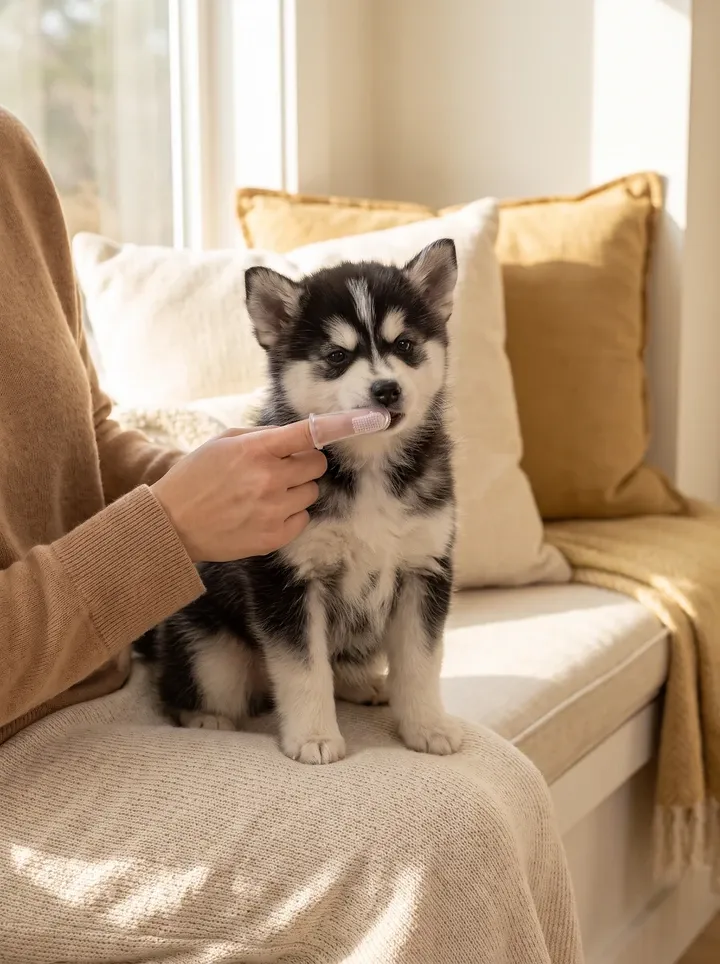
Pomsky, a black and white puppy having teeth brushed with a finger brush on a window seat

At home

Why does my Pomsky puppy have two rows of teeth?

A baby tooth still in place next to the adult one coming through.

What's going onRetained puppy teeth, crowding and gum disease come from the Pomeranian side, and they are the first health risk from puppyhood onwards. A minute of tooth brushing a day, from the day they come home, is the habit that matters most.

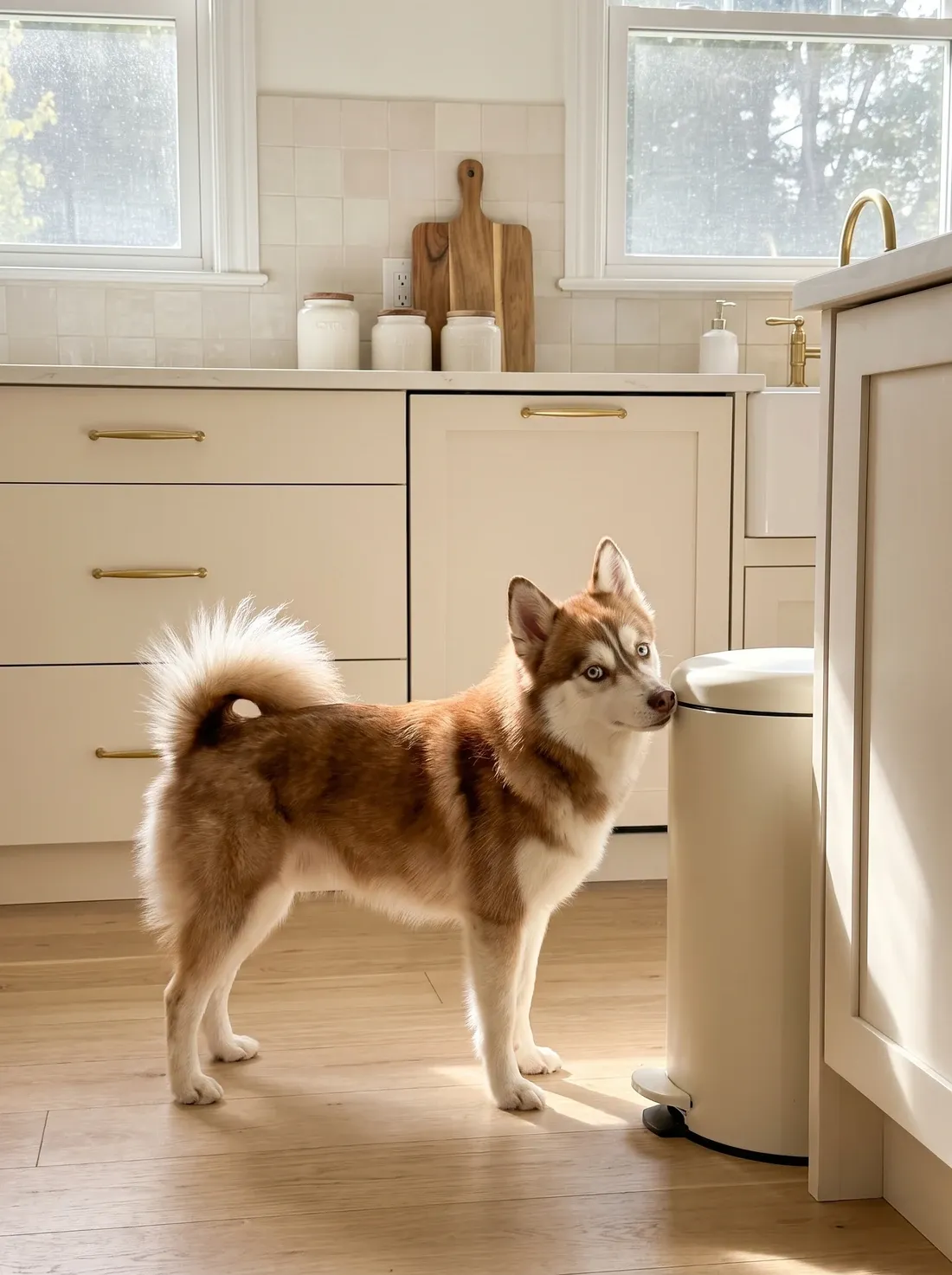
Pomsky, a red and white adult nosing at the lid of a kitchen pedal bin

At home

Why does my Pomsky keep escaping?

The bin open, the door nosed wide, and the dog already halfway down the corridor.

What's going onPomskies are clever and nosy, and the Husky side loves an escape. As puppies they are small enough to find gaps you have not noticed. Check the gate, the balcony and the bin at their height, and keep a second door between them and the street.

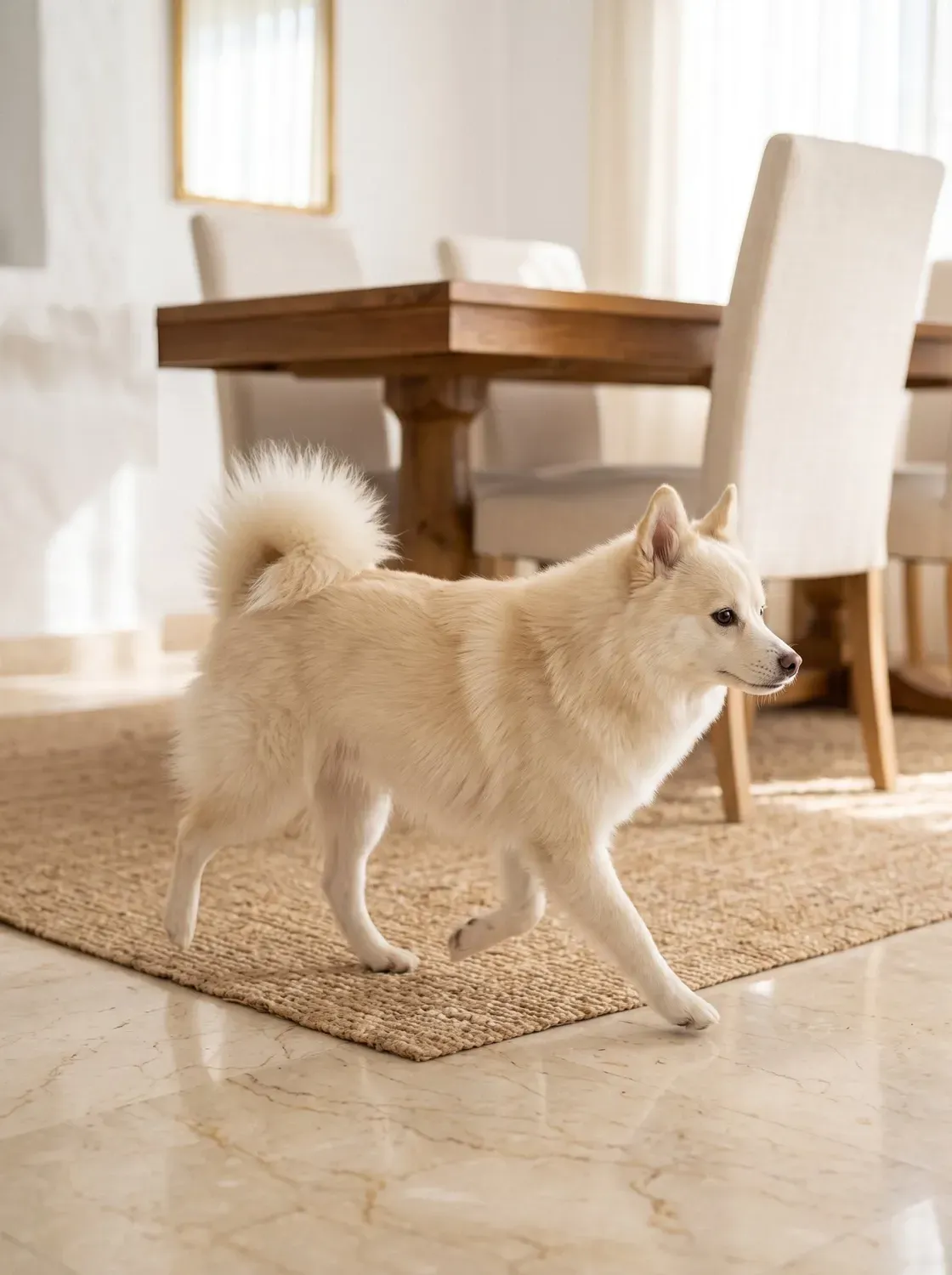
Pomsky, a cream adult trotting across a jute rug in a bright dining room

At home

Why does my Pomsky skip on a back leg?

A few hopping steps on three legs, then off again as if nothing happened.

What's going onThat can be a kneecap slipping. Patellar Luxation (a slipping kneecap) is on their record from puppy to prime adult. Keep them lean, put rugs down on marble, and lift them off the sofa while they are growing rather than letting them jump.

A Pomsky in Dubai

The bit nobody tells you.

The Husky side

Built for: Running for hours through snow, and deciding things for itself.

In Dubai: A 45 degree summer.

The Pomeranian side

Built for: Sitting close to a person and sounding the alarm.

In Dubai: A flat, with neighbours close by.

The coat

Built for: The Arctic.

In Dubai: Worn through a Gulf summer.

The barking, the escapes and the mood swings mostly come from those two sides and that climate.

You cannot choose which parent turns up. You can plan for both, and the ten things below are how.

Your plan is built around their breed: the risks on a Pomsky's record at every age, and the care that goes with each one.

Join the founding families. AED 1,999 of essential care for AED 199.

Daily care for a Pomsky

Ten things that make their life better.

Many of them are free, and most matter at every age.

  1. Their coat comes from two Arctic breeds, and in a Dubai summer heat can turn to heat stroke fast.

    Every age, most of all puppies and from 7 years

    Free

    Why

    Their coat comes from two Arctic breeds, and in a Dubai summer heat can turn to heat stroke fast.

    What to do

    Keep them in air conditioning through the day, with a tiled floor to lie on. From May to September, walk before sunrise and after dark, and check the pavement with the back of your hand first. If they pant hard, drool thickly or wobble, move them into shade or air conditioning straight away, wet their coat and skin with cool water, not ice-cold, and contact your vet now. Keep cooling them on the way, with the air conditioning on in the car.

  2. The Husky side decides whether a cue is worth it. The Pomeranian side decides whether you are.

    Every age, most of all 6 months to 2 years

    Free

    Why

    The Husky side decides whether a cue is worth it. The Pomeranian side decides whether you are.

    What to do

    Three five-minute sessions a day, paid with food or the thing they want right now, like the door opening. Stop while they are keen. If they ignore a cue, do not repeat it. Make it easier and try again.

  3. The Husky side howls and talks. The Pomeranian side barks at the door.

    Every age, loudest from 6 months to 2 years

    Free

    Why

    The Husky side howls and talks. The Pomeranian side barks at the door.

    What to do

    A howl usually asks for something: a walk, company. A sharp bark at the door is an alarm. Meet the need before it builds. For the alarm, thank them, call them away and reward the quiet. Long howling while you are out can be distress, so contact your vet.

  4. A weak windpipe, eye conditions and itchy allergic skin are all on their record.

    Every age

    FreeIn your plan

    Why

    A weak windpipe, eye conditions and itchy allergic skin are all on their record.

    What to do

    Once a week, as you brush, look at their skin, eyes and teeth. A honking cough, cloudy eyes, or scratching and licking their paws are all worth telling your vet about. Weigh them once a month.

  5. Dental disease is their first health risk from puppyhood onwards, and both parent breeds can object to being held.

    Every age, starting the day they come home

    Under AED 50 for a toothbrush and dog toothpasteIn your plan

    Why

    Dental disease is their first health risk from puppyhood onwards, and both parent breeds can object to being held.

    What to do

    Brush their teeth every day. Touch their paws, ears and mouth for a few seconds, then give a treat. Build it up slowly, and stop before they struggle. A dental evaluation (teeth and gum check) is in your plan at their puppy visits, and dental cleaning from six months to four years.

  6. Their double coat needs serious grooming, and a matted undercoat holds heat against the skin.

    Every age, more as the adult coat comes in

    Under AED 200, once

    Why

    Their double coat needs serious grooming, and a matted undercoat holds heat against the skin.

    What to do

    Brush them through to the skin several times a week, and every day in a moult. Do not clip or shave the undercoat. De-shed and de-mat with the right tools, and keep up the brushing and bathing, so the coat stays clear and skin problems are easier to spot.

  7. The Husky side loves an escape, and a Pomsky puppy fits through gaps you would not notice.

    Every age, most of all puppies and young dogs

    Under AED 300 for a gate

    Why

    The Husky side loves an escape, and a Pomsky puppy fits through gaps you would not notice.

    What to do

    Check under the gate, between the balcony rails and around the front door. A baby gate inside the front door means a delivery never becomes an escape.

  8. A weak windpipe is on their record, and the Husky side may not come back when called.

    Every age, for life

    Under AED 150

    Why

    A weak windpipe is on their record, and the Husky side may not come back when called.

    What to do

    Walk them on a harness, never a collar. Use a long line in open spaces, and keep them on it near cats.

  9. Both parents are clever, and a bored Pomsky finds their own jobs, usually in the bin.

    Every age, most of all 6 months to 2 years

    Under AED 150

    Why

    Both parents are clever, and a bored Pomsky finds their own jobs, usually in the bin.

    What to do

    Scatter part of their food, hide treats for them to sniff out, and give them a puzzle feeder. Short games, many times a day.

  10. Patellar Luxation (a slipping kneecap) is on their record from puppy to prime adult, and arthritis as a senior.

    Every age, most of all while growing and from 7 years

    Free to AED 500 for rugsIn your plan

    Why

    Patellar Luxation (a slipping kneecap) is on their record from puppy to prime adult, and arthritis as a senior.

    What to do

    Keep them lean. Put rugs down on marble, and lift them off the sofa and the bed while they grow. If they skip on a back leg, tell your vet. An orthopaedic evaluation (a joint and bone exam) is in your plan from six months to four years.

Three of these are in your plan. The rest you can do at home.

Join the founding families. AED 1,999 of essential care for AED 199.

Pomsky health by age

Their health, at every age.

In a Pomsky, a cough, a skip or a change in appetite is often the first sign that something is wrong. Choose their age to see what to watch for, and the care that goes with it.

Pomsky, an older grey and white dog resting on a padded bed, eyes bright

How old are they?

Their age

Pomsky Puppy health

the first six months

What to watch for

  1. Retained deciduous teeth, malocclusion (teeth that do not meet properly) or early dental crowding
  2. Developmental or early clinical signs of Patellar Luxation (PL, slipping kneecap)
  3. Juvenile onset of allergies / atopic dermatitis (itchy allergic skin)
  4. Congenital or early inherited ocular disease related to Eye Conditions (Cataracts, Corneal Dystrophy)
  5. Early or congenital expression of Collapsed Trachea (a weak windpipe)

The care that goes with it

  1. Core vaccinations, microchip and Dubai Municipality registration
  2. Deworming, and flea and tick prevention
  3. Dental, growth and nutritional evaluation, and early socialisation
  4. Dental disease screening, as a first baseline
  5. Early follow-up for any signs of Patellar Luxation (PL, slipping kneecap)
The full care detail
  • Core vaccination programme, microchipping and Dubai Municipality registration. Titre testing discussion where clinically appropriate; not a substitute for completing the core vaccine series
  • Deworming and external parasite prevention tailored to Dubai exposure
  • Body Condition Score (BCS, a check on whether they are the right weight), Muscle Condition Score (MCS, a check on their muscle), dental, growth and nutritional evaluation, and early socialisation
  • Baseline screening focused on Dental Disease
  • Early diagnostic follow-up for signs suggestive of Patellar Luxation (PL)

Their age

Pomsky Juvenile health

6 months to 2 years

What to watch for

  1. Early periodontal disease (gum disease) and dental crowding
  2. Emerging Patellar Luxation (PL, slipping kneecap) with exercise intolerance or lameness
  3. Recurrent or persistent allergies / atopic dermatitis (itchy allergic skin)
  4. Progression or first clinical detection of Eye Conditions (Cataracts, Corneal Dystrophy)
  5. Young-dog presentation of Collapsed Trachea (a weak windpipe)

The care that goes with it

  1. Dental cleaning
  2. Orthopaedic evaluation (joint and bone exam)
  3. Neutering or spaying, timed for a medium breed
  4. Allergy testing
  5. Itchy skin that keeps coming back properly investigated, rather than treated again and again
The full care detail
  • Dental cleaning
  • Orthopaedic evaluation
  • Neuter/spay timing discussion that accounts for medium-breed growth and disease risk
  • Allergy testing
  • Investigate recurrent signs rather than repeatedly treating presumed Allergies / Atopic Dermatitis

Their age

Pomsky Young Adult health

2 to 4 years

What to watch for

  1. Dental Disease
  2. Patellar Luxation (PL, slipping kneecap)
  3. Allergies / Atopic Dermatitis (itchy allergic skin)
  4. Eye Conditions (Cataracts, Corneal Dystrophy)
  5. Collapsed Trachea (a weak windpipe)

The care that goes with it

  1. Dental cleaning
  2. Orthopaedic evaluation (joint and bone exam)
  3. Allergy testing
  4. Ophthalmic evaluation (eye exam)
  5. Tracheal evaluation (a windpipe check)
The full care detail
  • Dental cleaning
  • Orthopaedic evaluation
  • Allergy testing
  • Ophthalmic evaluation
  • Tracheal evaluation

Their age

Pomsky Prime Adult health

4 to 7 years

What to watch for

  1. Dental Disease
  2. Eye Conditions (progressive)
  3. Hypothyroidism (an underactive thyroid)
  4. Allergies (chronic)
  5. Patellar Luxation (PL, slipping kneecap)

The care that goes with it

  1. Dental x-rays and cleaning
  2. Ophthalmic evaluation (eye exam)
  3. Thyroid function testing (a thyroid blood test)
  4. Dermatology management for long-term allergies
  5. Joint monitoring
The full care detail
  • Dental X-rays and cleaning
  • Ophthalmic evaluation
  • Thyroid function testing
  • Dermatology management
  • Joint monitoring

Their age

Pomsky Senior health

7 to 10 years

What to watch for

  1. Dental Disease (advanced)
  2. Arthritis
  3. Heart Disease
  4. Eye Conditions
  5. Kidney Disease

The care that goes with it

  1. Advanced dental care
  2. Pain management and joint supplements
  3. Cardiac evaluation (heart check)
  4. Ophthalmic care (eye care)
  5. Renal function monitoring (regular kidney blood tests)
The full care detail
  • Advanced dental care
  • Pain management and joint supplements
  • Cardiac evaluation
  • Ophthalmic care
  • Renal function monitoring

Their age

Pomsky Geriatric health

10 years and over

What to watch for

  1. Dental Disease
  2. Arthritis
  3. Heart Disease
  4. Chronic Kidney Disease (CKD, long-term kidney failure)
  5. Cognitive Dysfunction (dementia in older pets)

The care that goes with it

  1. Ongoing dental management
  2. Pain control and mobility support
  3. Cardiac monitoring (the heart, followed over time)
  4. Renal support therapy (care for the kidneys)
  5. Cognitive enrichment (games that keep their mind busy)
  6. Quality-of-life assessment
  7. Palliative care (comfort care)
  8. End-of-life planning with your veterinary team
The full care detail
  • Ongoing dental management
  • Pain control and mobility support
  • Cardiac monitoring
  • Renal support therapy
  • Cognitive enrichment
  • Quality-of-life assessments
  • Tailored palliative and comfort-focused care plan
  • Compassionate end-of-life planning with your veterinary team

Breed predispositions indicate an increased risk rather than certainty of disease. What is right for them always comes from their own history and an evaluation.

Getting a Pomsky puppy in Dubai

Before they come home.

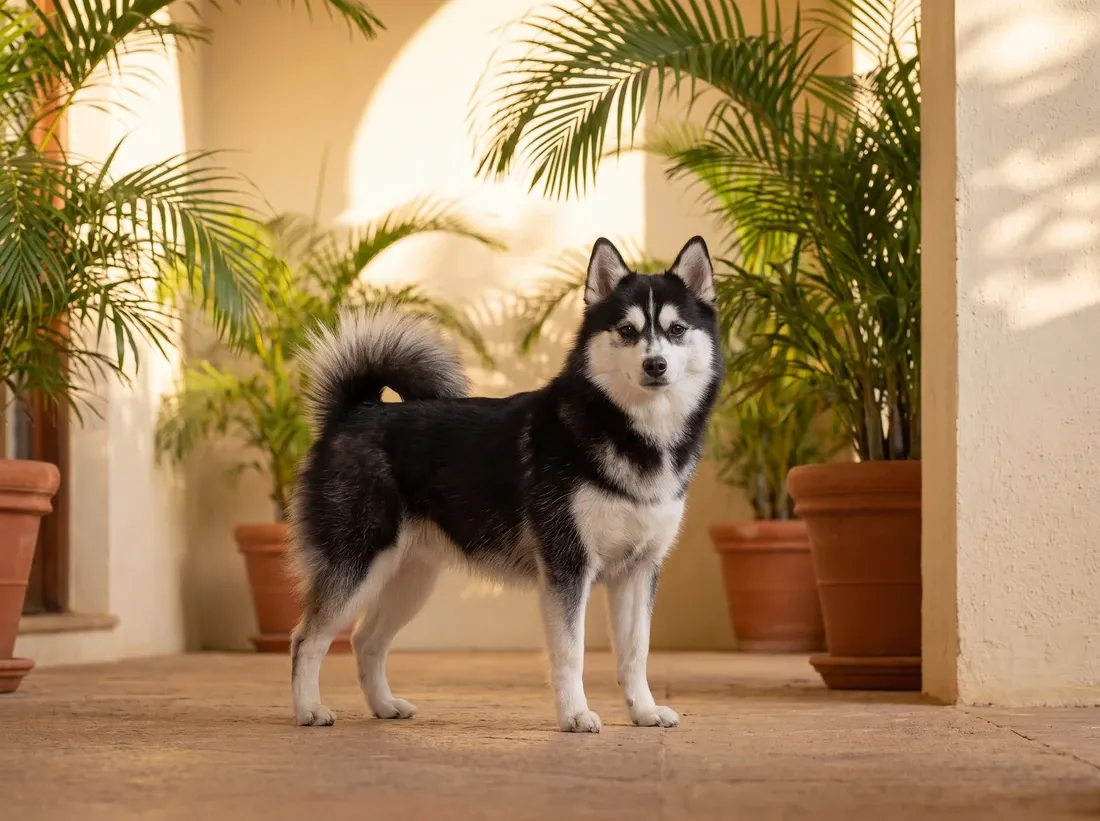
Pomsky, a black and white adult standing in a sunny courtyard among potted palms

First cross, or Pomsky to Pomsky

Mini Pomsky, toy Pomsky and what the names mean

Some Pomsky puppies are first crosses, with a Pomeranian and a Husky for parents. Others come from two Pomsky parents, so the mix of the two breeds varies. You may see mini or toy Pomsky in adverts, but there is no standard behind either name, and nobody can promise an adult size.

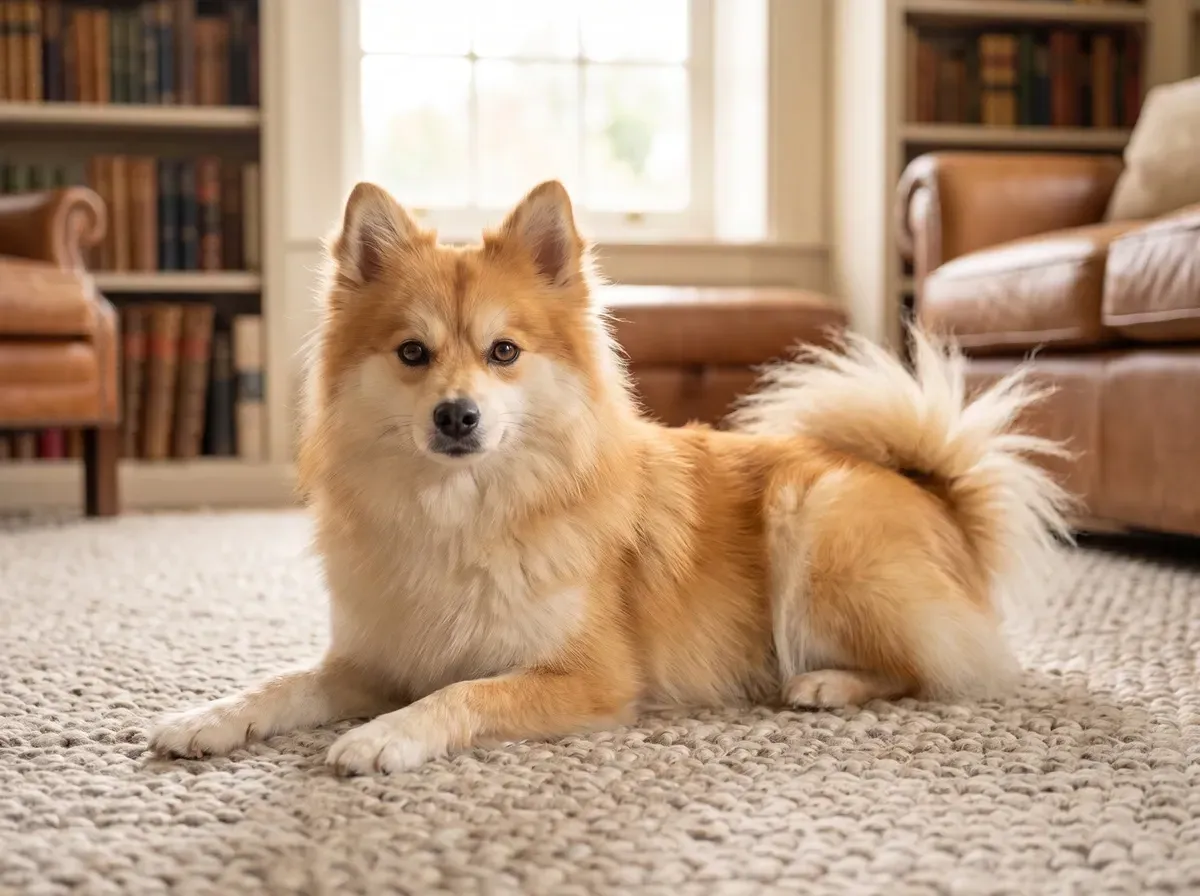
Pomsky, an orange adult lying on a woven rug in a quiet study

Colours

Husky markings, or Pomeranian shades

Grey, black, red or sable with the Husky's white markings and mask, or the Pomeranian's warm orange, cream and everything in between. Many have blue eyes, or one of each.

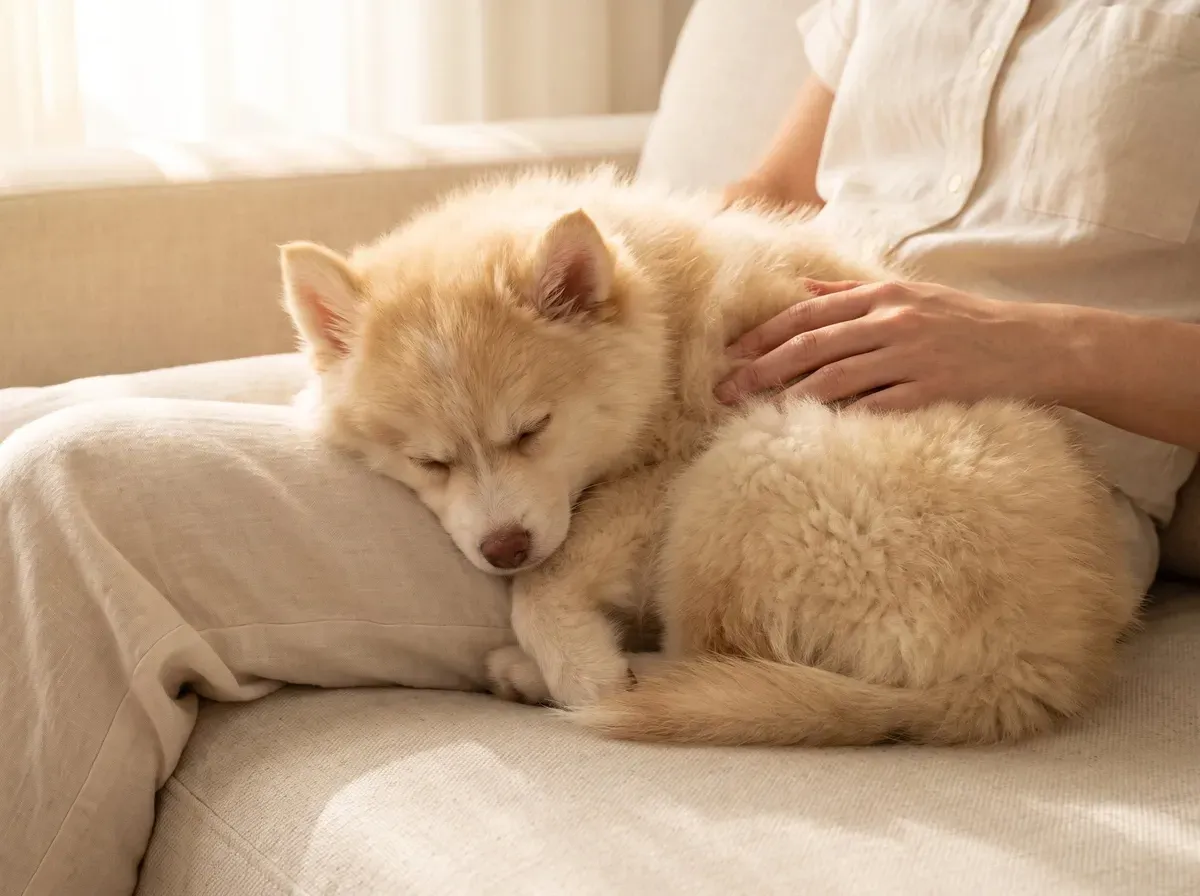
Pomsky, a cream puppy asleep in a pet parent's lap on the sofa

The first six months

Caring for a Pomsky puppy

Their full vaccination course, microchip and Dubai Municipality registration come first. Start brushing their teeth the day they come home, and keep their time outside short in summer, because puppies overheat quickly.

Puppy health, 0 to 6 months
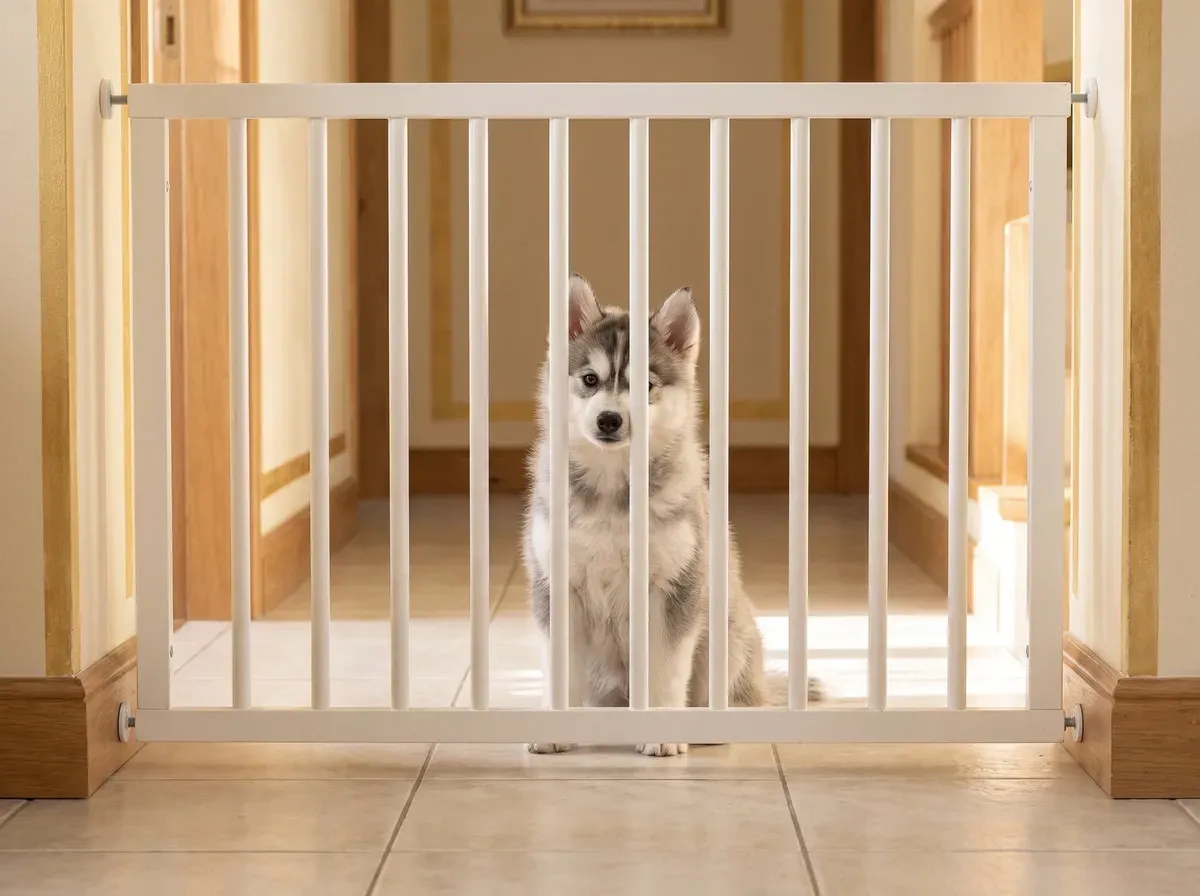
Pomsky, a grey and white puppy sitting behind a baby gate in a tiled hallway

Getting the home ready

Cool floors, and no gaps at puppy height

Give them a tiled floor in an air-conditioned room. Check under the gate and between the balcony rails at puppy height, put a baby gate inside the front door, and keep them off jumps from the sofa.

Ten things that make their life better
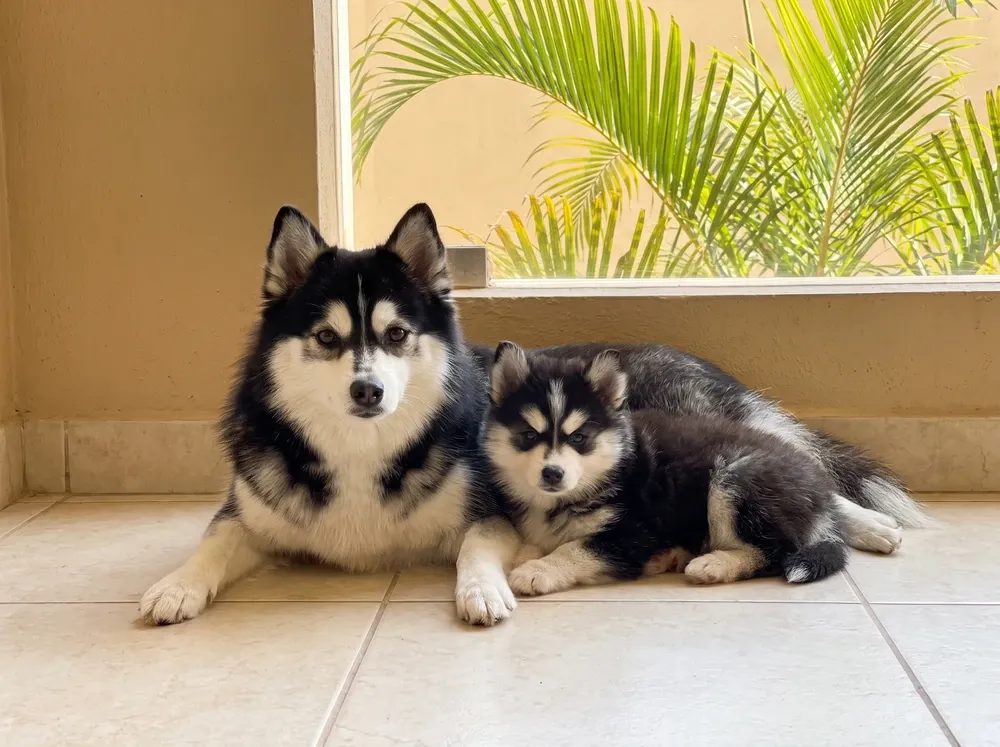
Pomsky, a black and white mother lying on cool tiles with a puppy, palm fronds beyond the window

Before you commit

Ask about both parents

Ask the breeder about both parents' size and health, including their eyes, knees and teeth, and whether the puppy is a first cross. Plan for the dog the puppy becomes, not a promised adult weight.

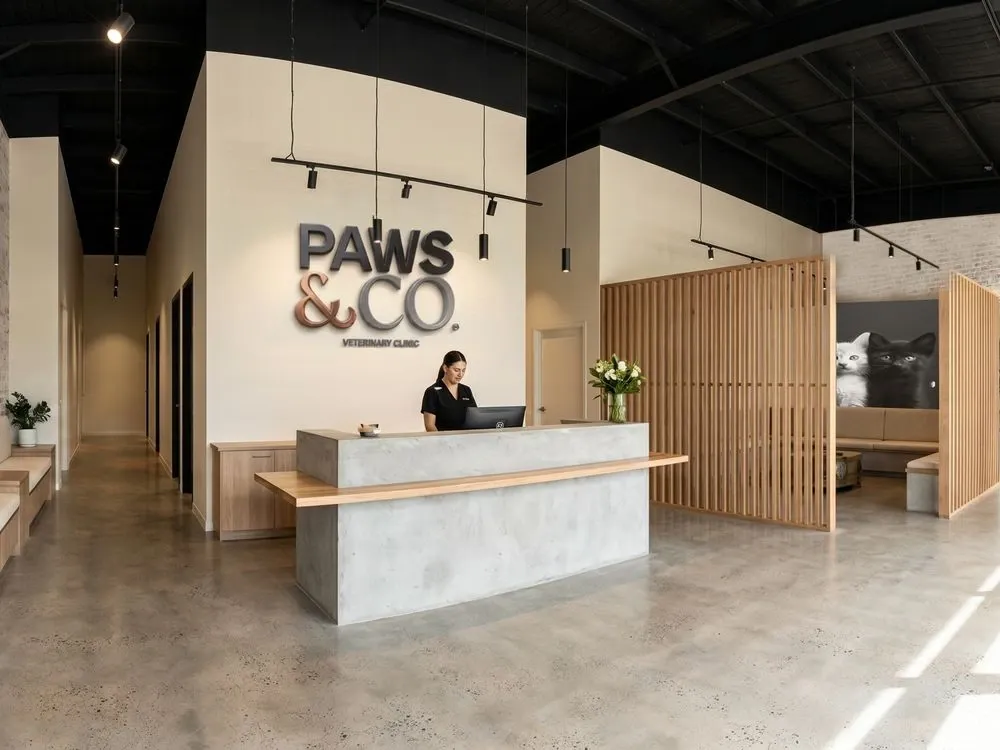
The reception of a Paws & Co clinic, with long cream benches and a stone reception desk

Before the clinics open

Join the founding families

AED 1,999 of essential care for AED 199. No payment now.

When to see a vet

When it is not behaviour.

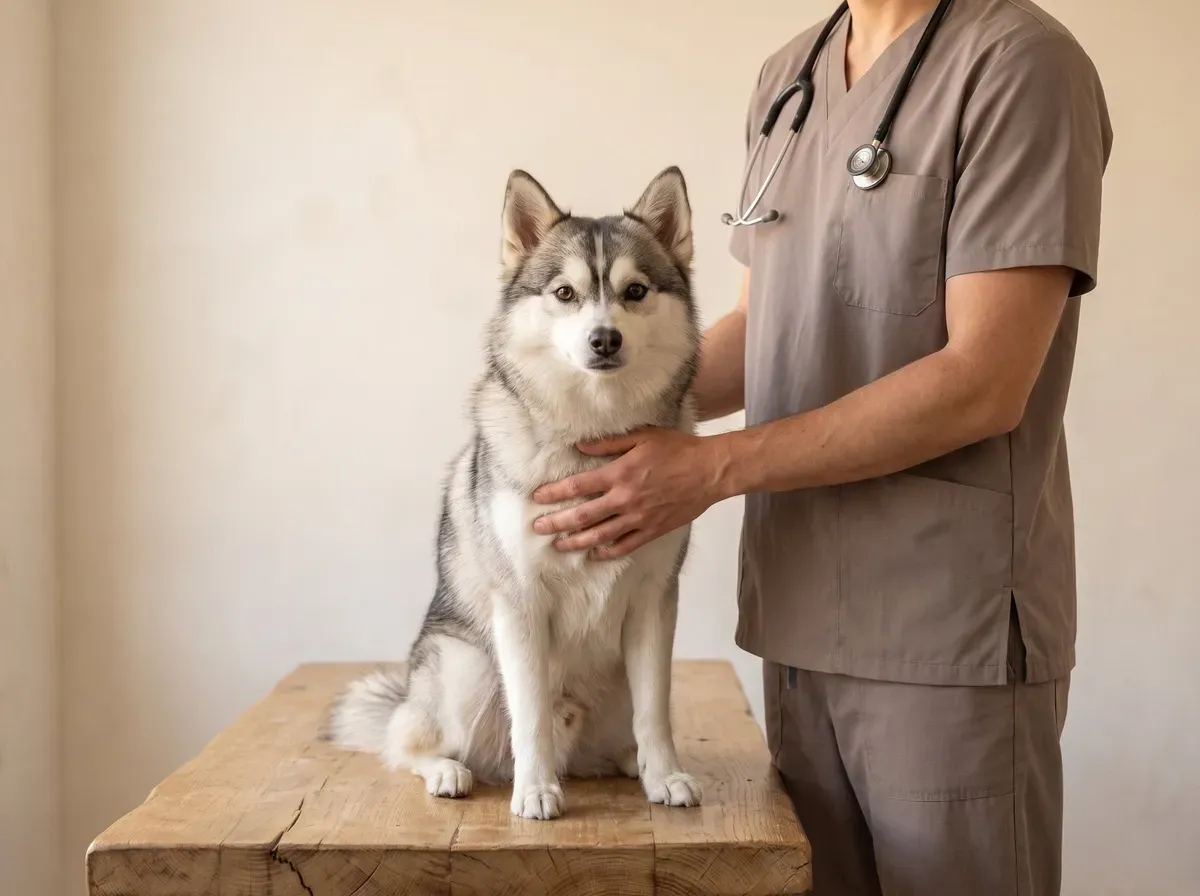
Pomsky, a grey and white adult on a timber table, a vet in taupe scrubs with a hand on the dog's chest

Some of this is not a training problem, and treating it like one wastes time your dog may not have. If they are distressed when you leave, if they growl or guard their food, their toys or you, if they are frightened on the lead, or if anything about them changes suddenly at any age, contact your vet the same day. A tip from a website, ours included, is not the answer. If it cannot wait, contact your nearest emergency vet now.

With a Pomsky, listen to their breathing and watch their back legs. A honking cough, especially when they are excited or pulling, can be their windpipe. Skipping for a few steps on a back leg can be a kneecap slipping. Pawing at their mouth or dropping food can be their teeth. Scratching and licking their paws can be allergies. Bloat (GDV, a twisted stomach) can happen in any dog, though it is most common in large, deep-chested breeds. A swollen, tight belly, retching with nothing coming up, sudden restlessness or drooling is an emergency: contact your vet now. It is easy to put the rest down to character, and that can cost months.

Whichever one wakes up, they'll want their walk. If they don't, call your vet.
Pomsky history

Before they were yours.

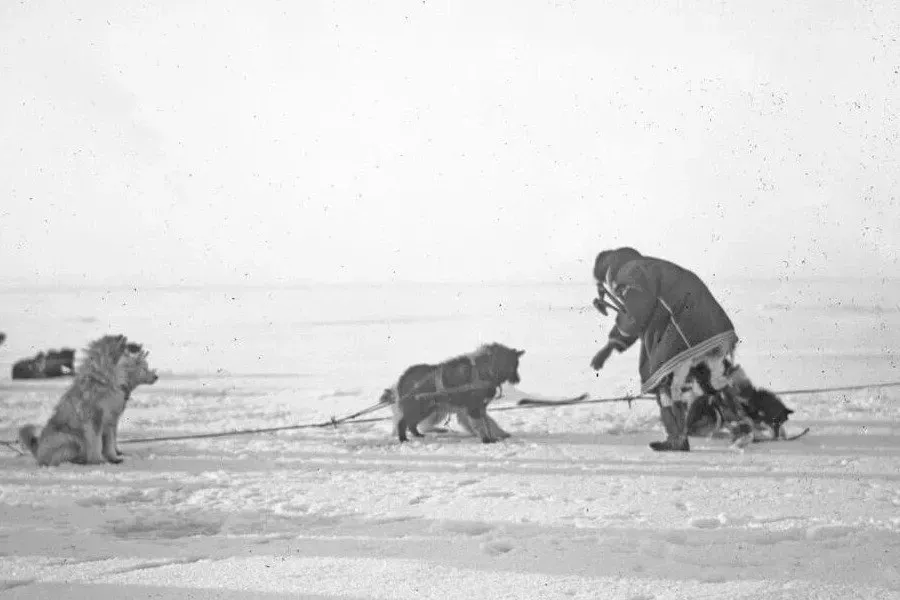
  1. Pomsky history, a Chukchi man feeding sled dogs on the snow, north-east Siberia, 1901
    A Chukchi man feeding his sled dogs, north-east Siberia. Photo: Waldemar Bogoras, 1901.

    Before 1900

    The Husky side

    Half of every Pomsky goes back to the sled dogs of north-east Siberia, bred by the Chukchi people to pull light sleds a long way on very little food.

    What they still carryThe urge to run, the howl, the escapes and, often, the blue eyes.

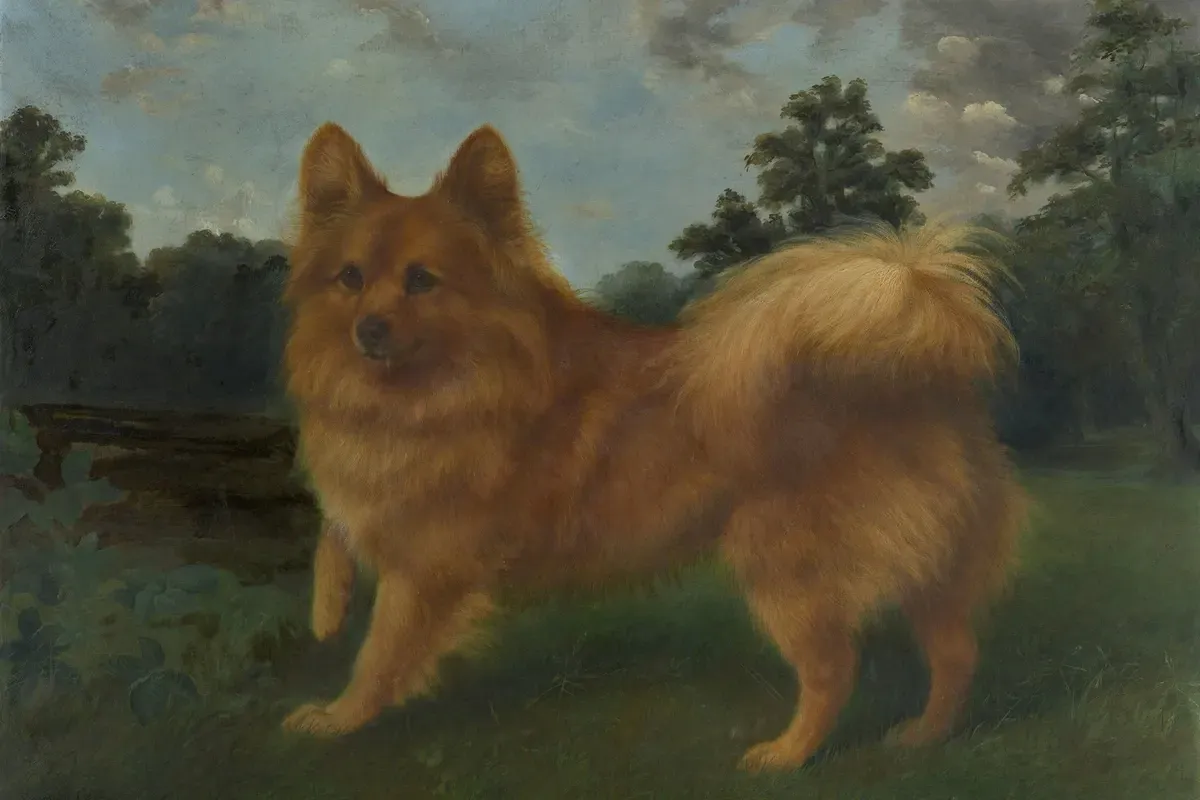
  2. Pomsky history, Marco, Queen Victoria's small orange Pomeranian, in a painting by Reuben Cole, 1890
    Marco, the Pomeranian Queen Victoria brought from Florence, by Reuben Cole, 1890. Royal Collection.

    1870 to 1900

    The Pomeranian side

    The Pomeranian comes from larger northern spitz dogs. After Queen Victoria brought a small one home from Florence in 1888, breeders chose smaller and smaller dogs.

    What they still carryA smaller frame than a Husky, the bark at the door and the confidence with big dogs.

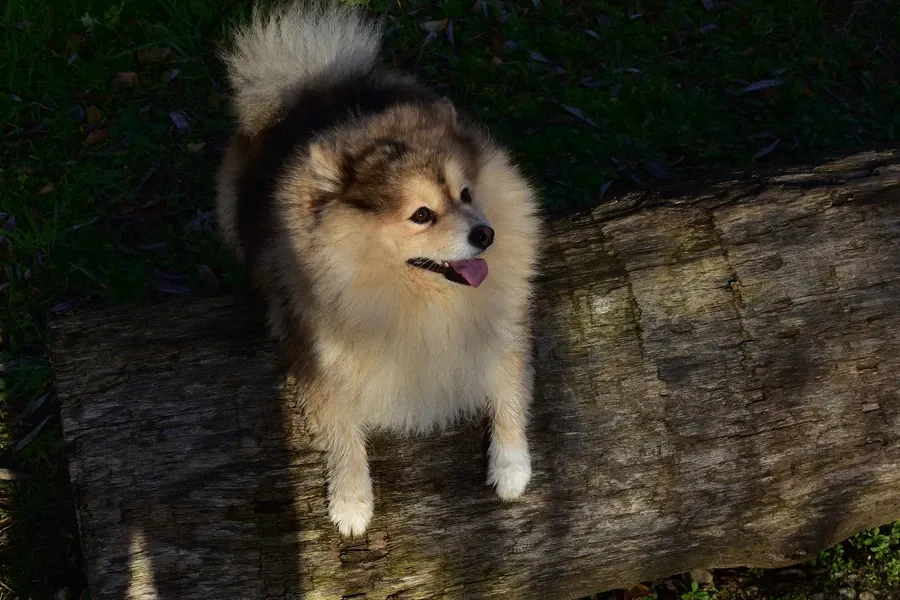
  3. Pomsky history, a fluffy black, white and tan dog standing on a fallen log, Gentbrugge, Belgium, 2019
    A Pomsky in Gentbrugge, Belgium, 2019. Photo: Paul Hermans, CC BY-SA 4.0, via Wikimedia Commons

    Around 2012

    The first Pomsky litters

    The first recorded Pomsky litters were born in the United States around 2012. There was no breed standard then, and there still is not.

    What they still carrySize, coat and temperament that vary a great deal, even within one litter.

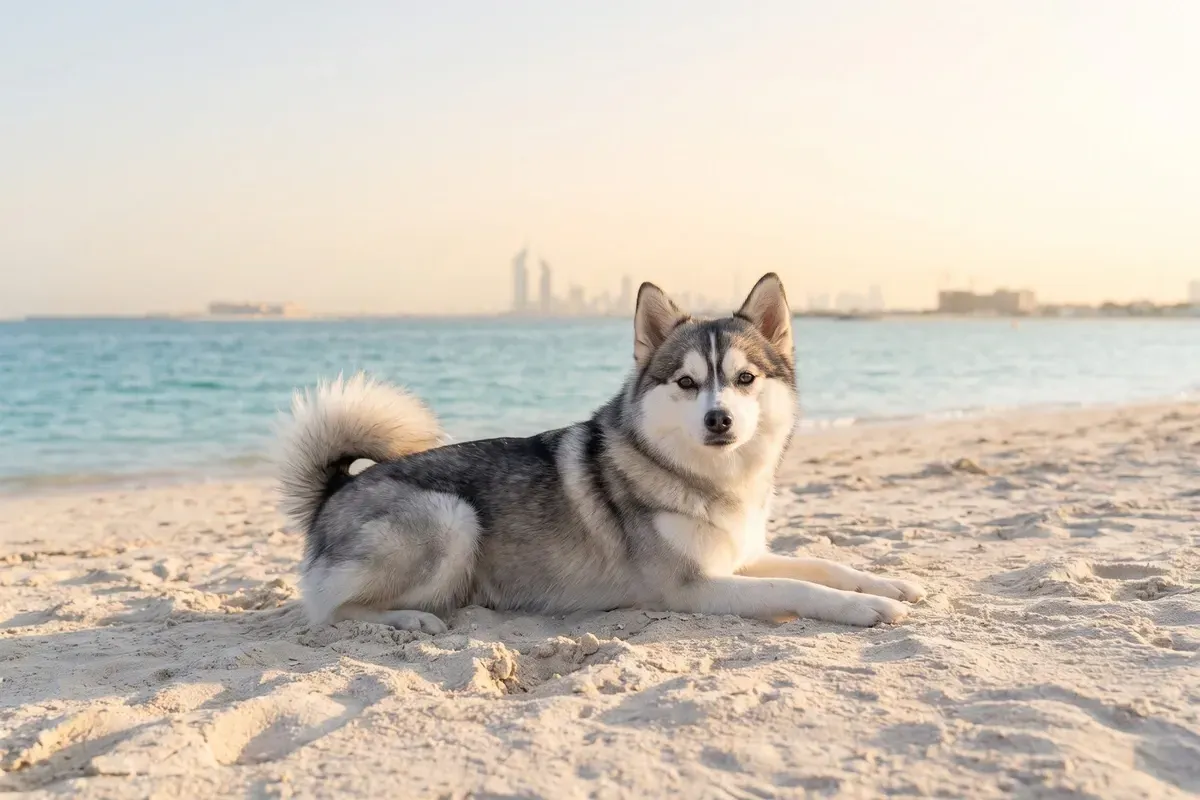
  4. Pomsky history, the breed today, a grey and white adult lying on a Dubai beach in the morning, the sea behind

    Today

    In Dubai

    No major kennel club recognises the Pomsky. Some are first crosses, and some are Pomsky bred to Pomsky.

    What they still carryA sled dog's coat and drive in a smaller dog than a Husky, through a 45 degree summer.

Pomsky questions

The ones you type at midnight.

Most of these get asked late at night, by someone watching their dog and not sure what they are seeing.

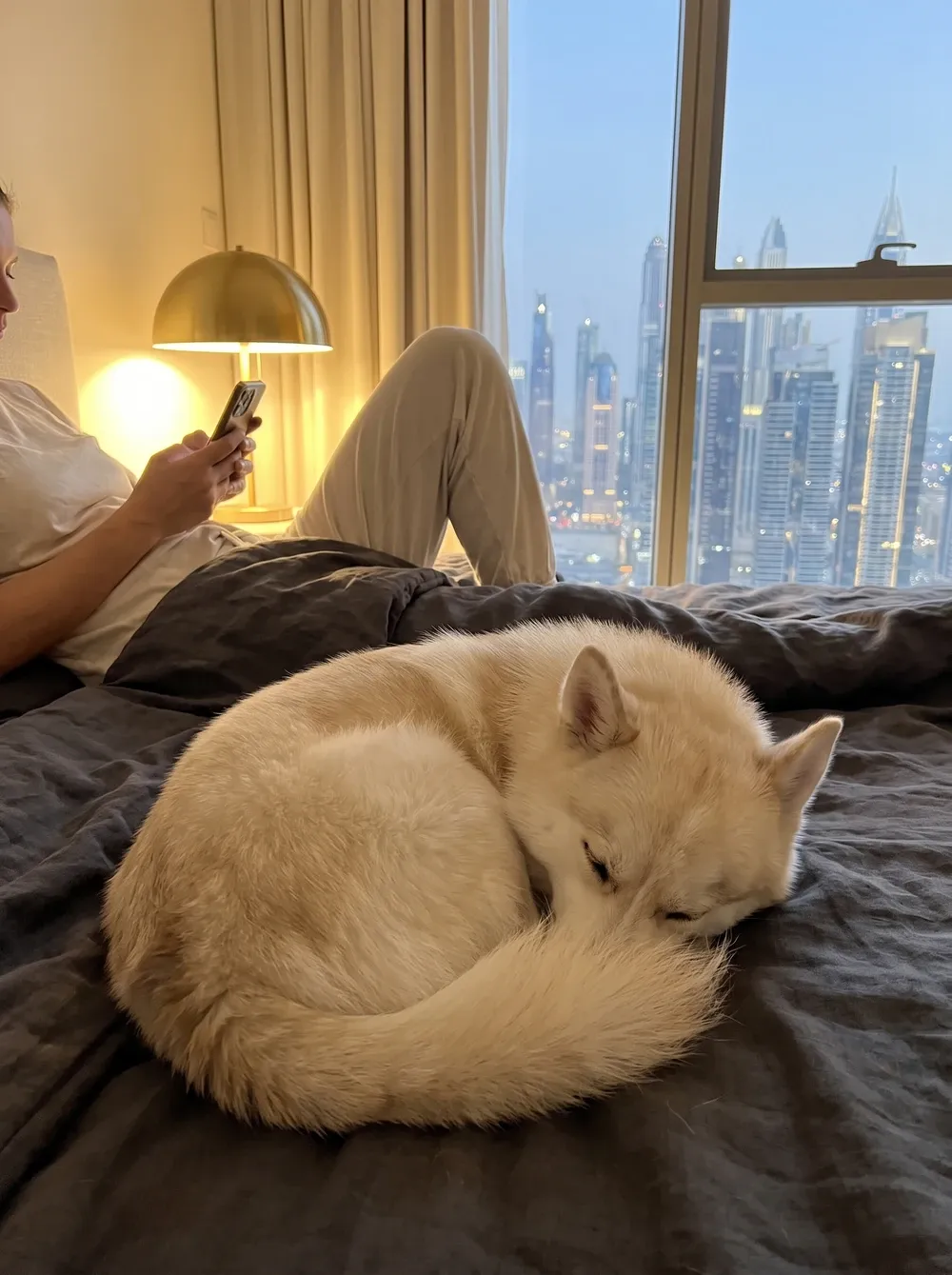
Pomsky in Dubai, a cream adult asleep on a dark duvet as a pet parent checks a phone at night, towers beyond
What is a Pomsky, the Pomeranian Husky mix?

A Pomsky is a Pomeranian crossed with a Siberian Husky, and one of the youngest crosses there is. The first litters were bred in the United States around 2012.

How big is a full grown Pomsky?

A full grown Pomsky lands somewhere between their two parent breeds, and nobody can promise where. A Pomeranian weighs 1.4 to 3.2 kg and a Siberian Husky 16 to 27 kg, and an adult Pomsky can differ even from a littermate.

What is the Pomsky lifespan?

Pomskies usually live 12 to 15 years. Daily tooth brushing, a lean weight and their eye and knee evaluations are a big part of keeping those years good.

Do Pomskies shed a lot?

Yes. A Pomsky's thick double coat comes from two spitz parents, and it drops undercoat in big seasonal moults, and some all year. Brush them several times a week, and every day through a moult.

Can a Pomsky live in Dubai?

Yes, a Pomsky can live in Dubai with real care, because the heat is the hardest thing they face here. Keep them in air conditioning by day, and walk before sunrise and after dark from May to September.

Should I shave my Pomsky in summer?

No, never shave or clip a Pomsky's undercoat. Dead undercoat left in holds heat and mats against the skin, and skin problems are easier to spot when the coat is kept clear. De-shed and de-mat with the right tools, brush the double coat out down to the skin, bathe them, and let the air conditioning and cool-hour walks do the cooling.

What health problems can a Pomsky inherit?

A Pomsky can inherit health problems from both sides. The Pomeranian side brings dental disease, a weak windpipe and slipping kneecaps, and can bring low blood sugar in young puppies. The Husky side brings eye conditions, and can bring Hip Dysplasia (a poorly fitting hip joint).

Is a Pomsky good with cats?

A Pomsky may chase cats, especially when the Husky side shows, because the chase was never bred out of sled dogs. Keep them on a lead where cats live, and introduce small pets at home with care.

Worried about them? Contact your vet today.