Some of this is not a training problem, and treating it like one wastes time your dog may not have. If they are distressed when you leave, if they growl or guard their food, their toys or you, if they are frightened on the lead, or if anything about them changes suddenly at any age, contact your vet the same day. A tip from a website, ours included, is not the answer. If it cannot wait, contact your nearest emergency vet now.
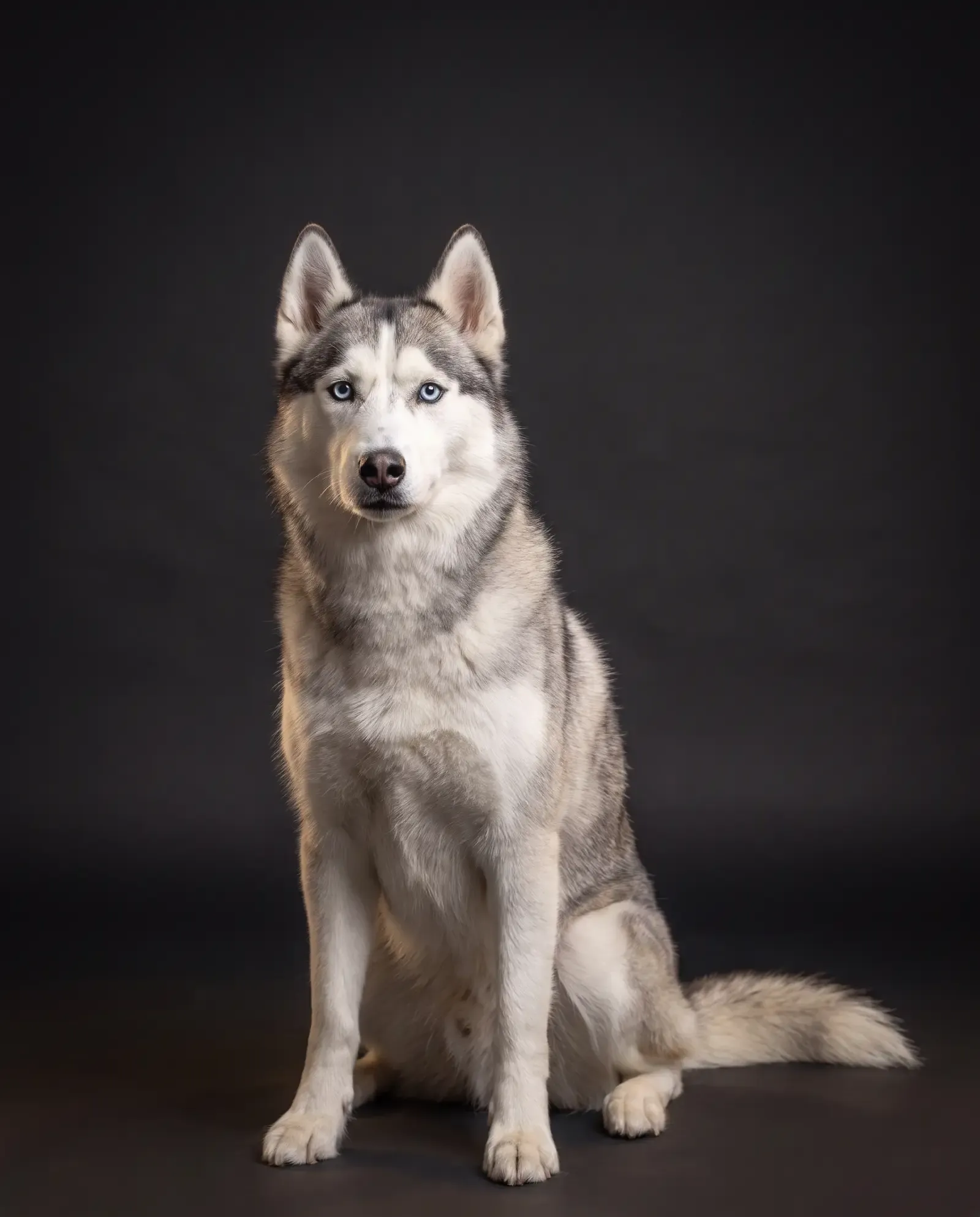
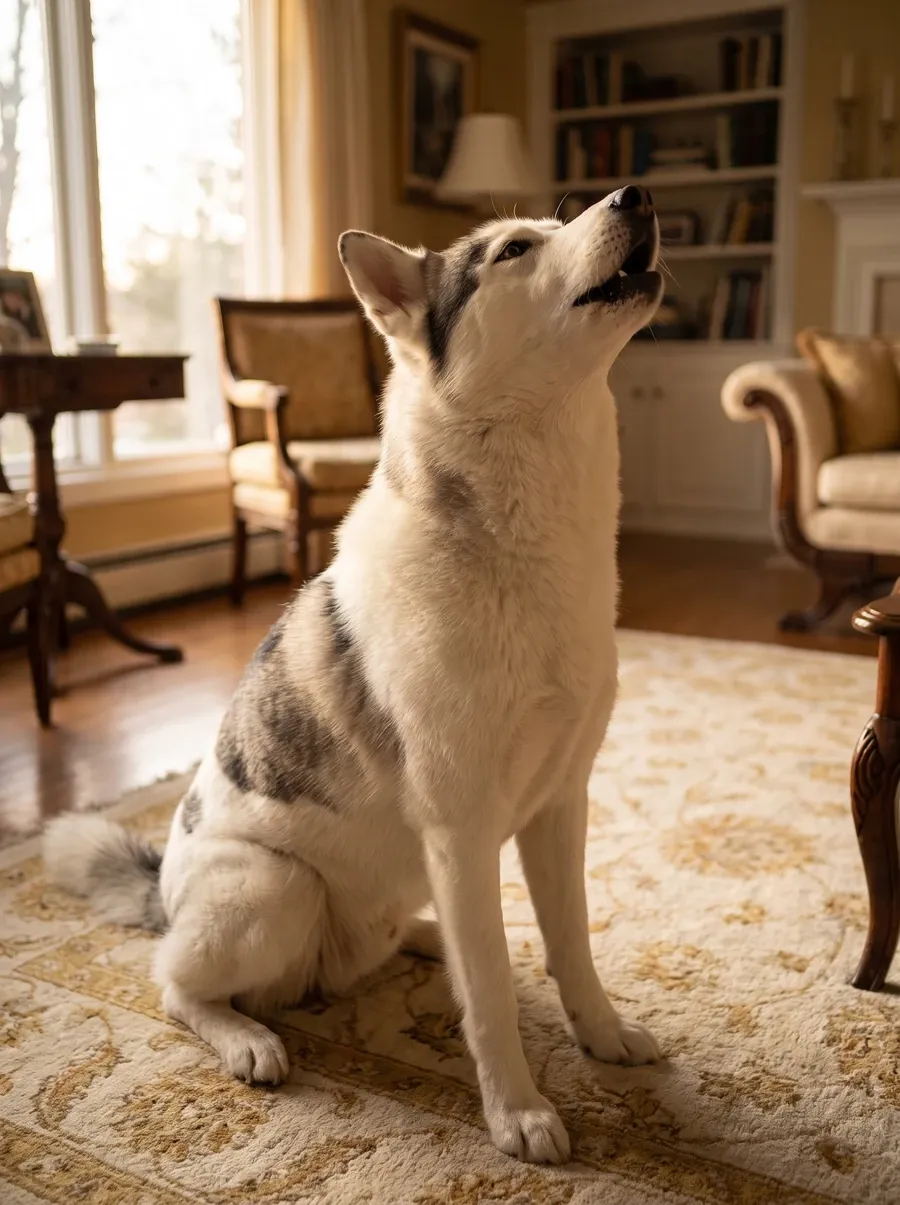
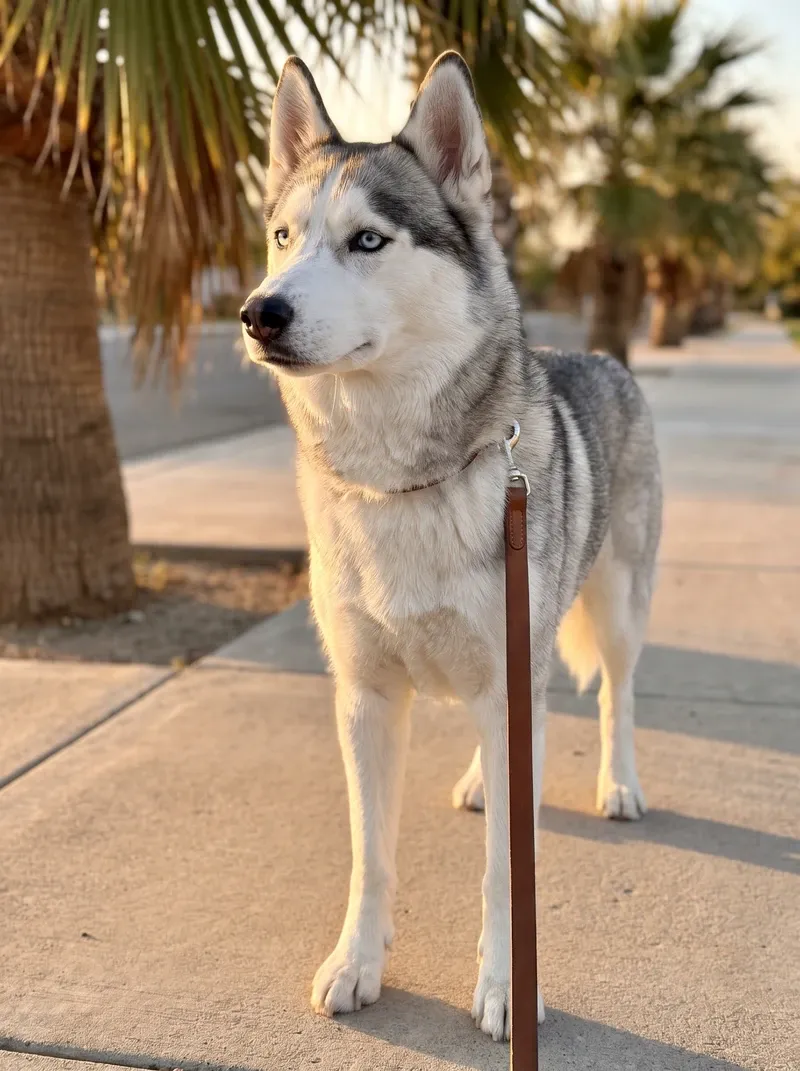
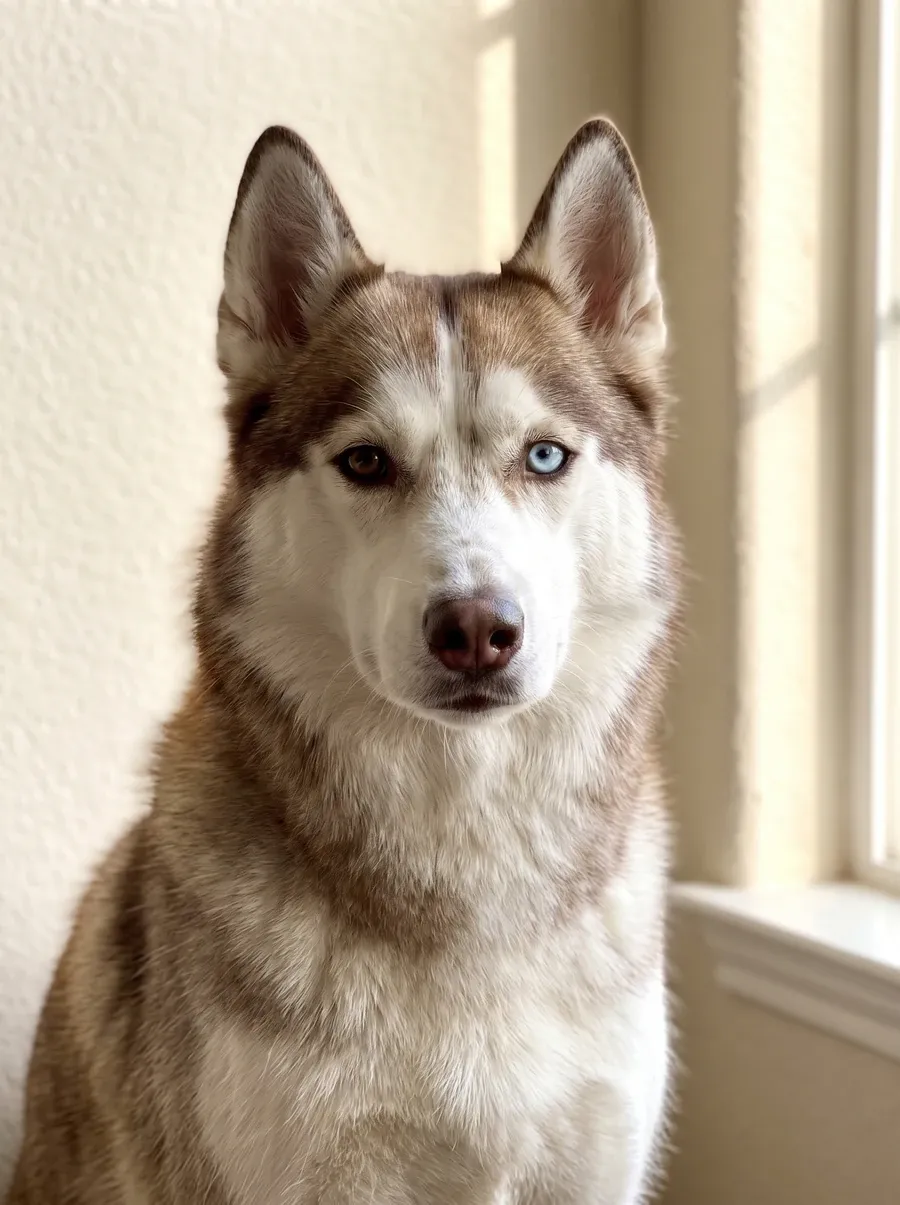
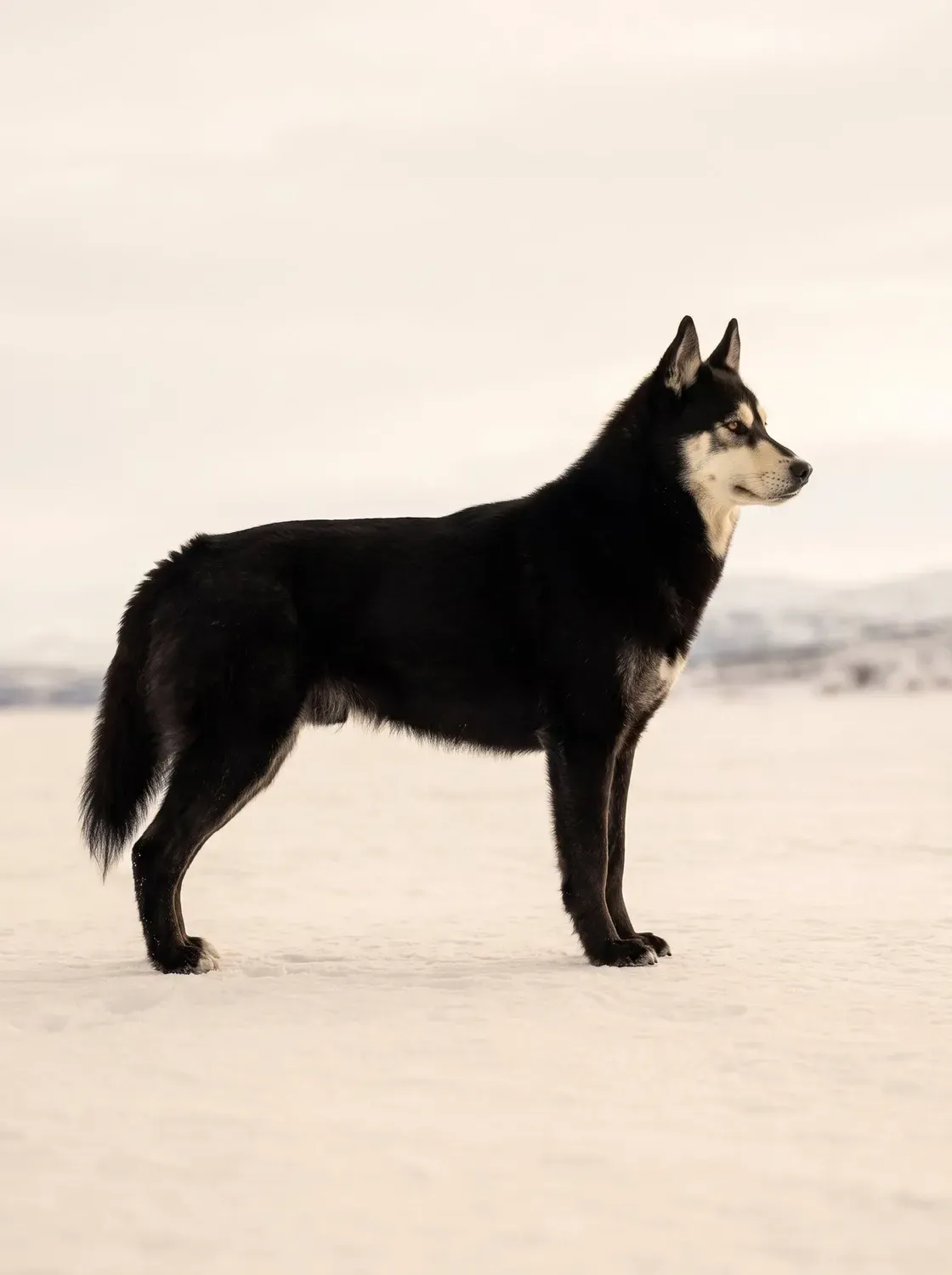
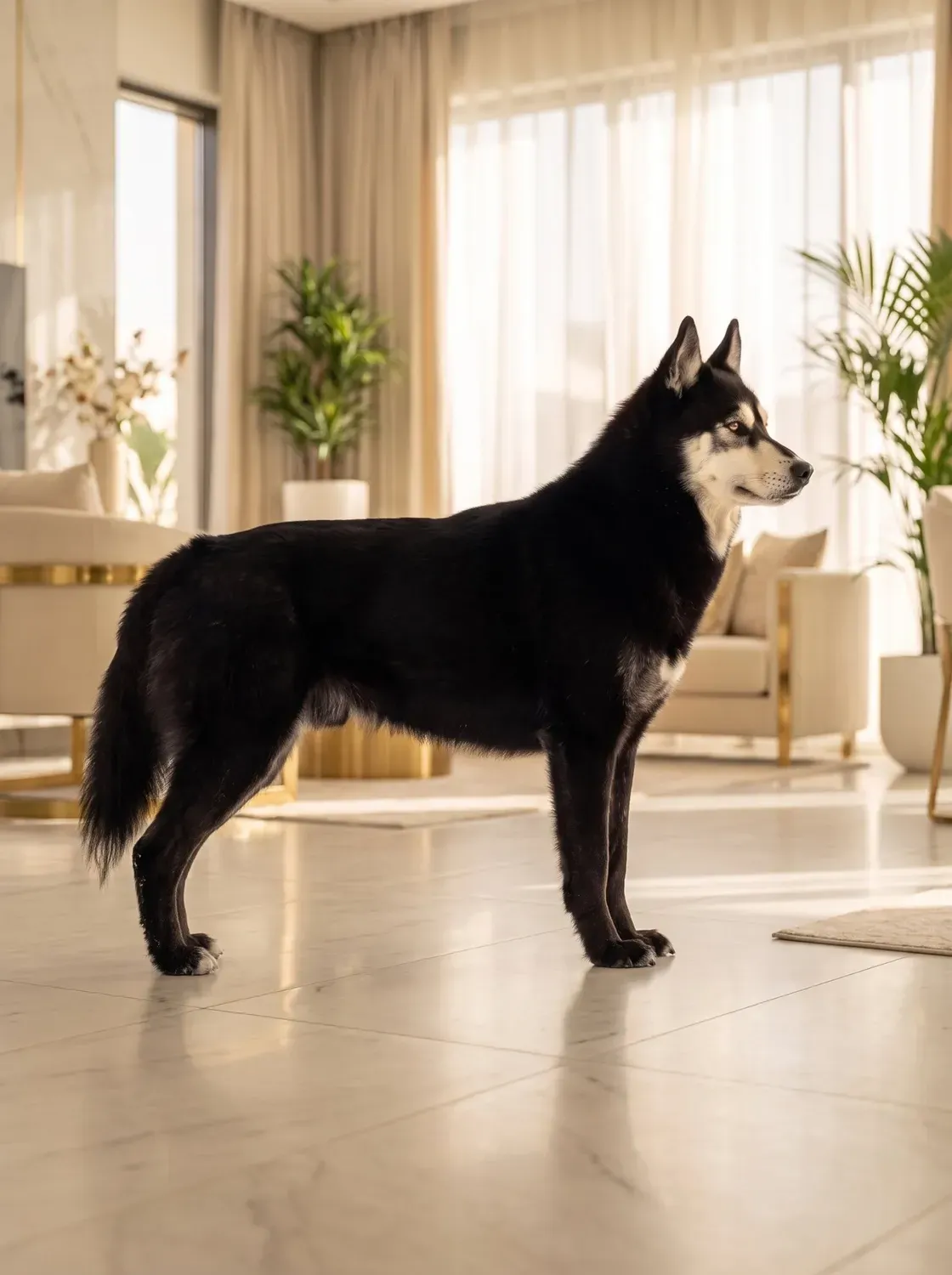
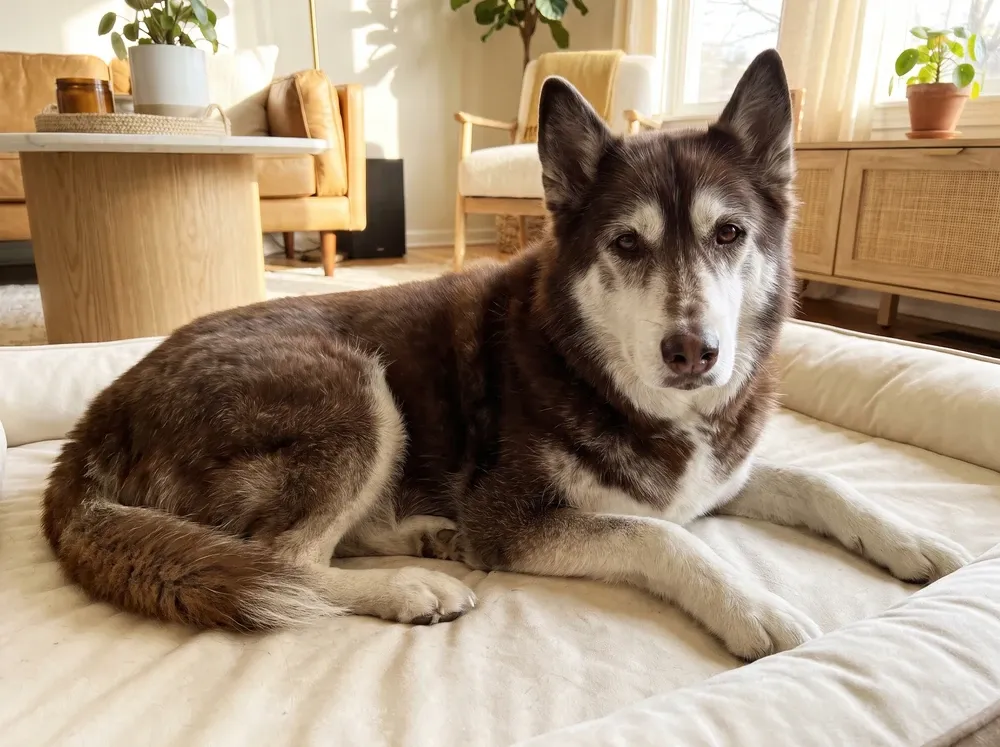
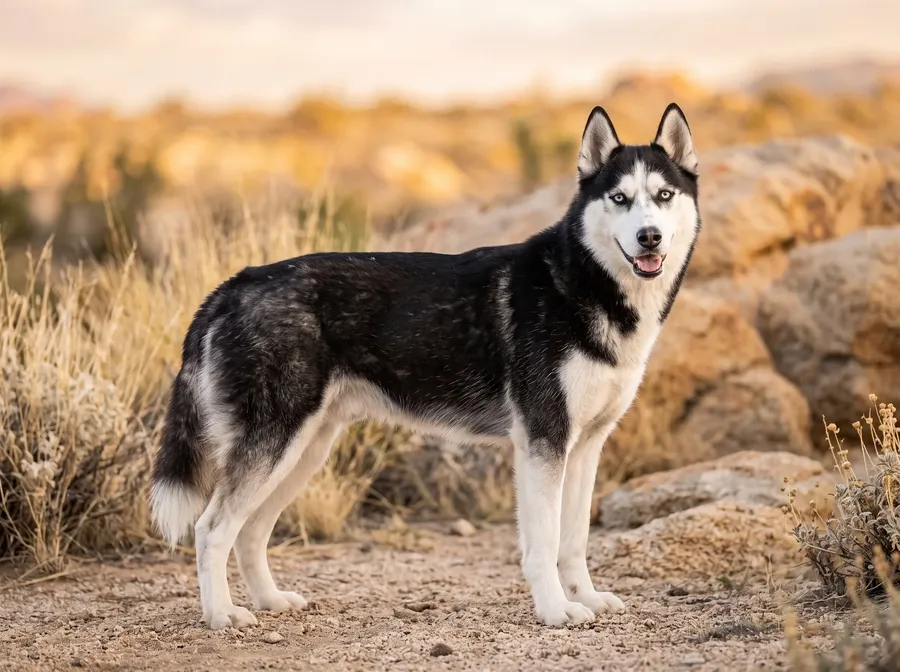
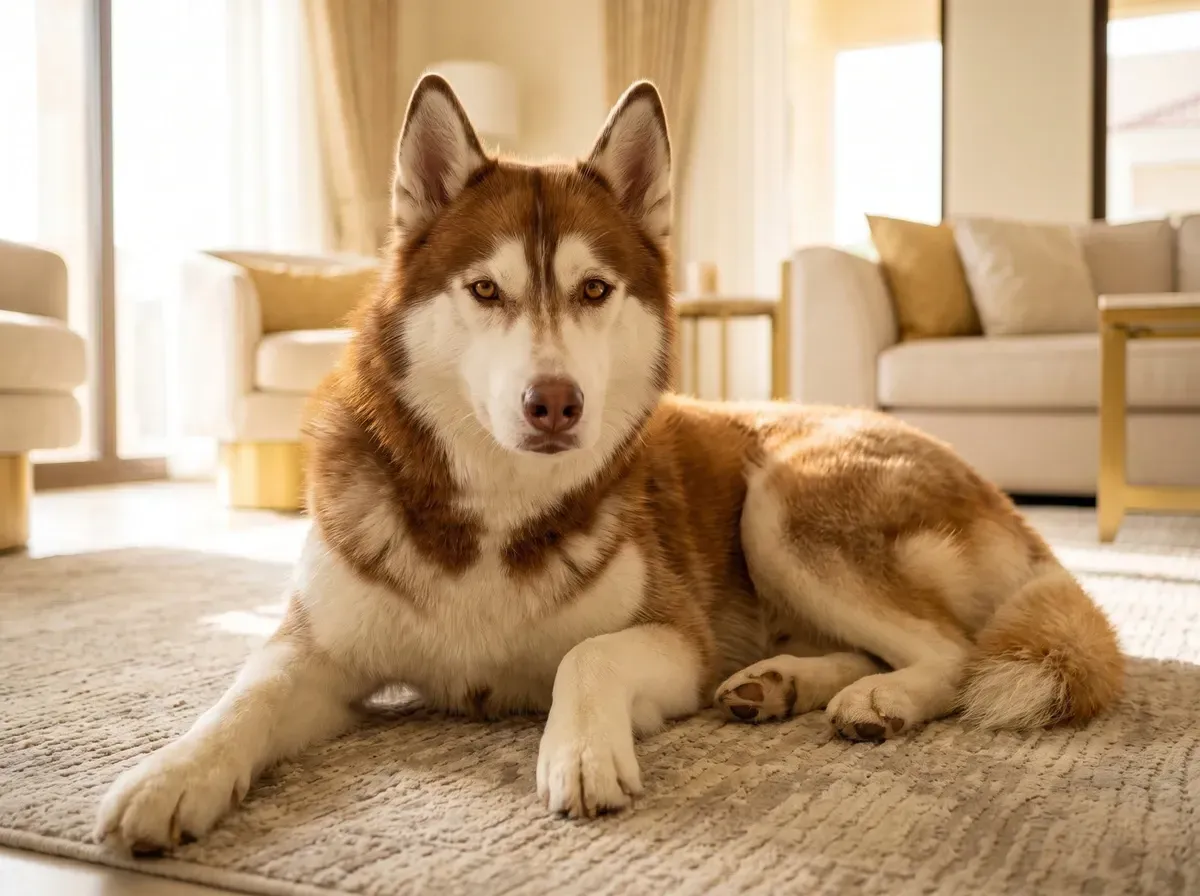
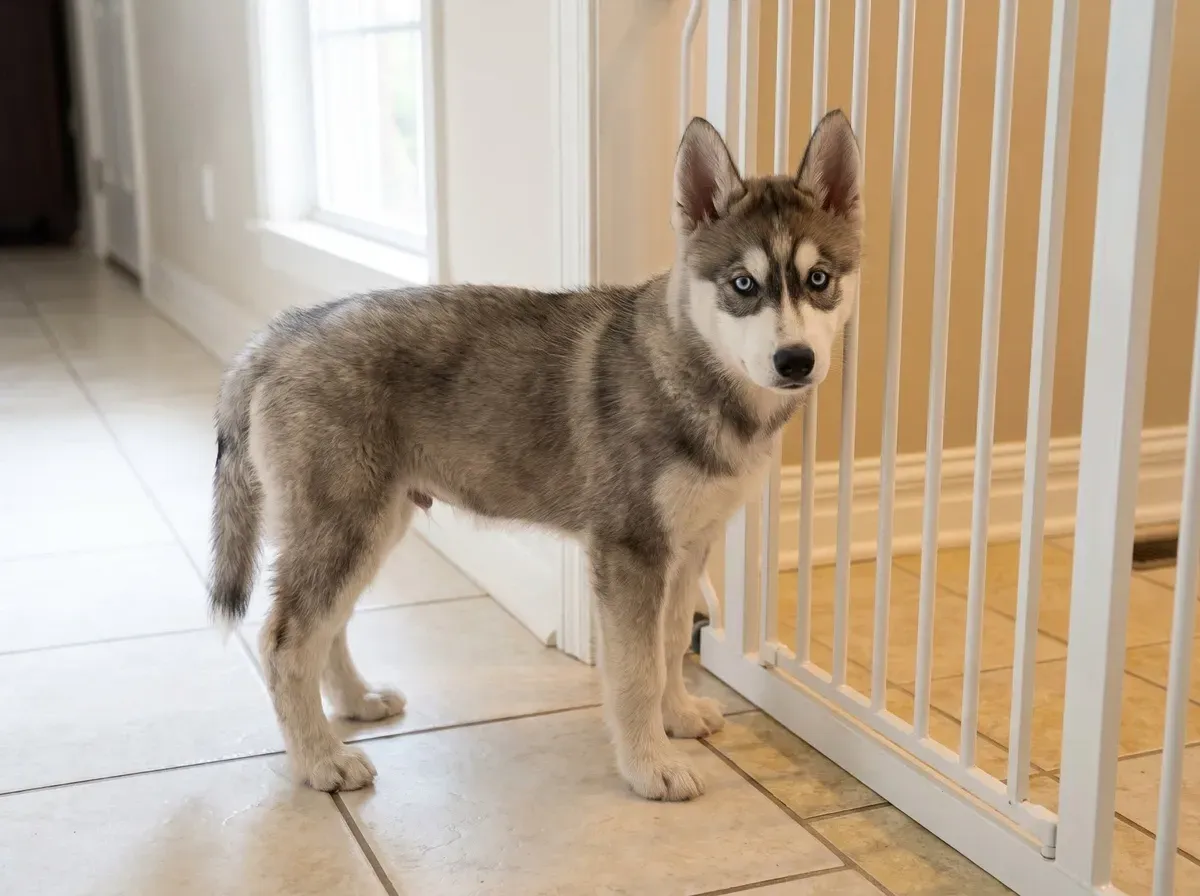
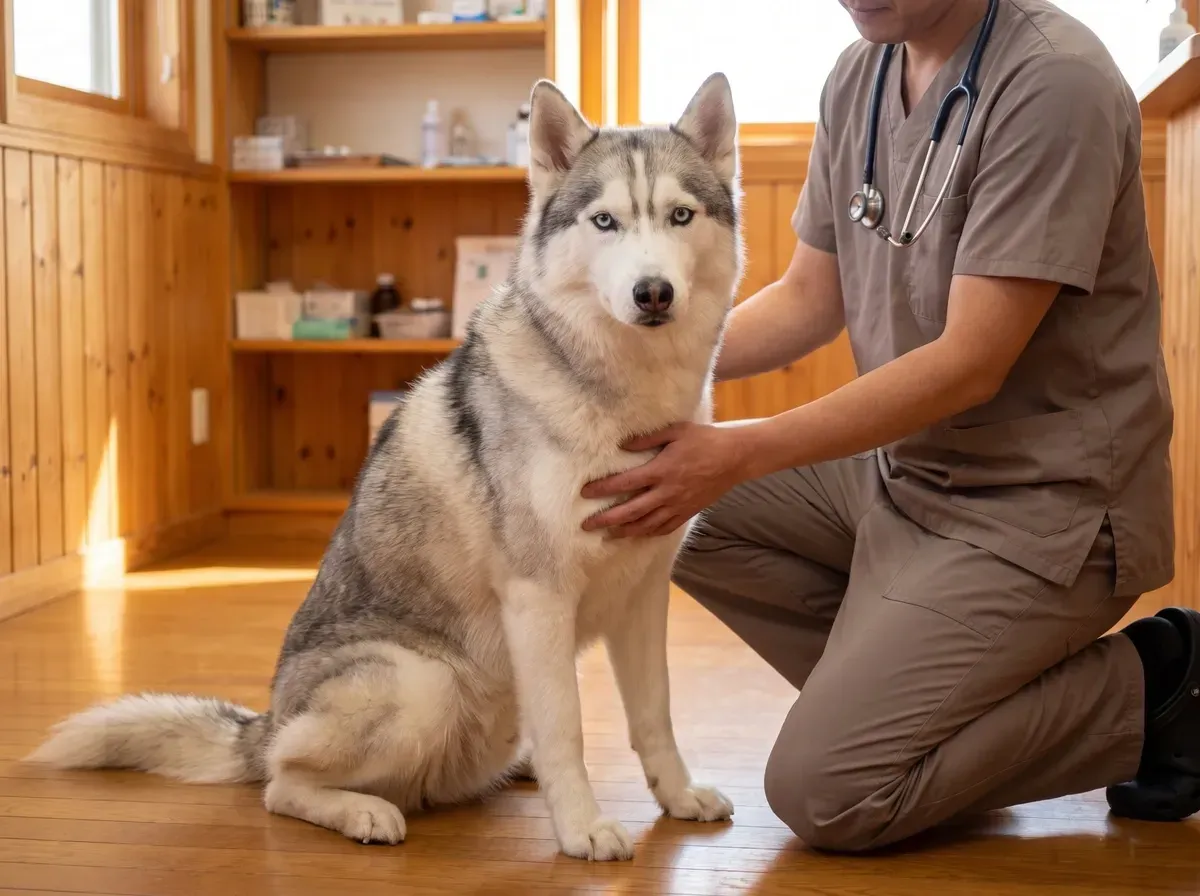
With a Husky, watch their energy, their eyes and their coat. A Husky who stops pulling on the lead, sleeps more and puts on weight may have an underactive thyroid, not a calm new personality. Bumping into furniture in the evening can be their eyes. Crusting around the lips and eyes can be their skin and their zinc. In an older Husky, pacing or howling at night can be the start of cognitive decline. Bloat (GDV, a twisted stomach) is most common in large, deep-chested dogs, so skip walks and hard play shortly before and after meals. A swollen, tight belly, retching with nothing coming up, sudden restlessness or drooling is an emergency: contact your vet now. Any of it is worth a call to your vet, even if it looks like age or mood.
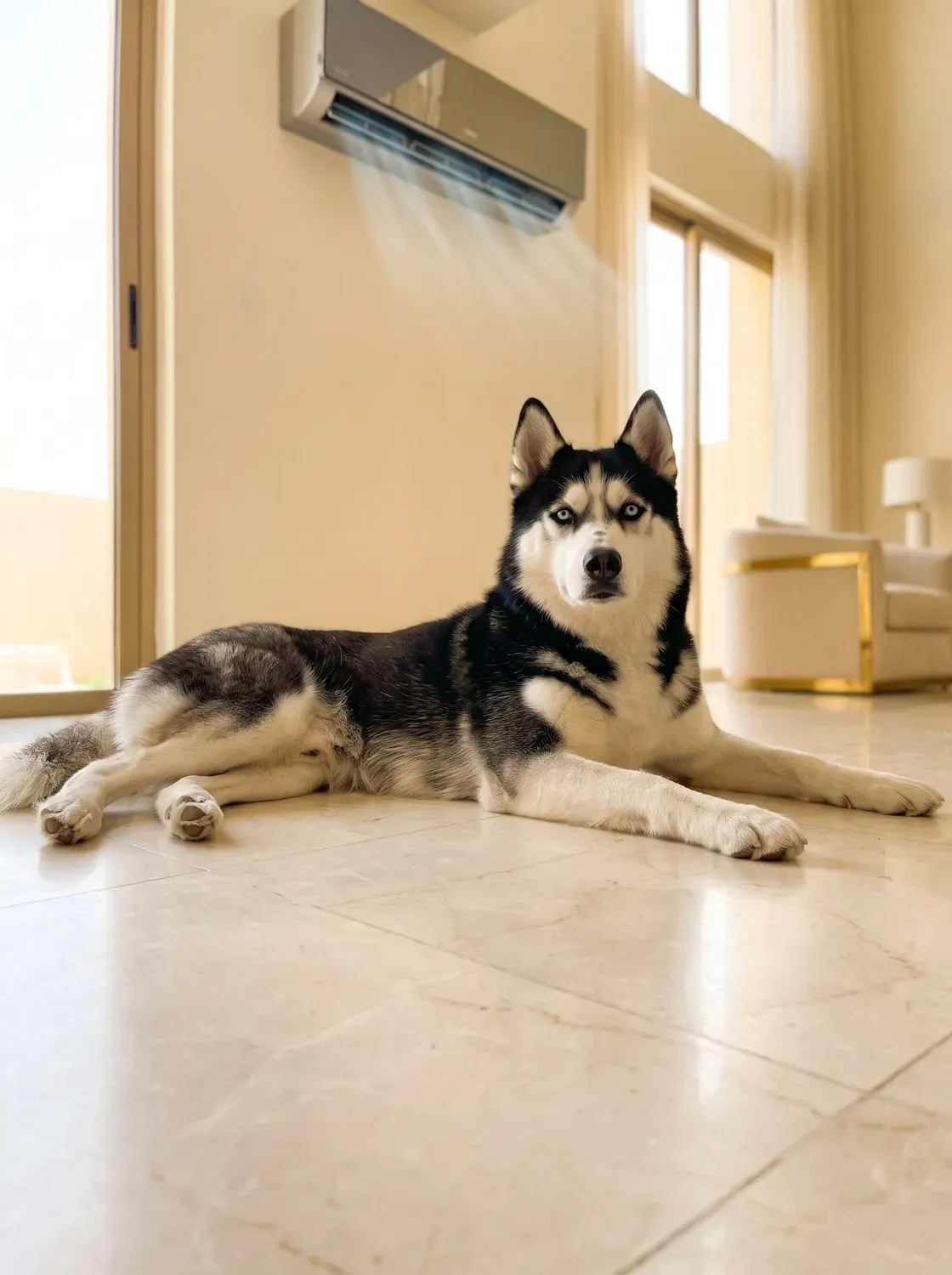
They'll keep the vent. If they're still panting hard on it, call your vet straight away.