Birds are among the most intelligent and rewarding animals you can keep. They are also among the most demanding, and the most misunderstood. Before you bring one home in Dubai, know two things: many birds live for decades, and some species are protected by law.
A bird can be with you for decades
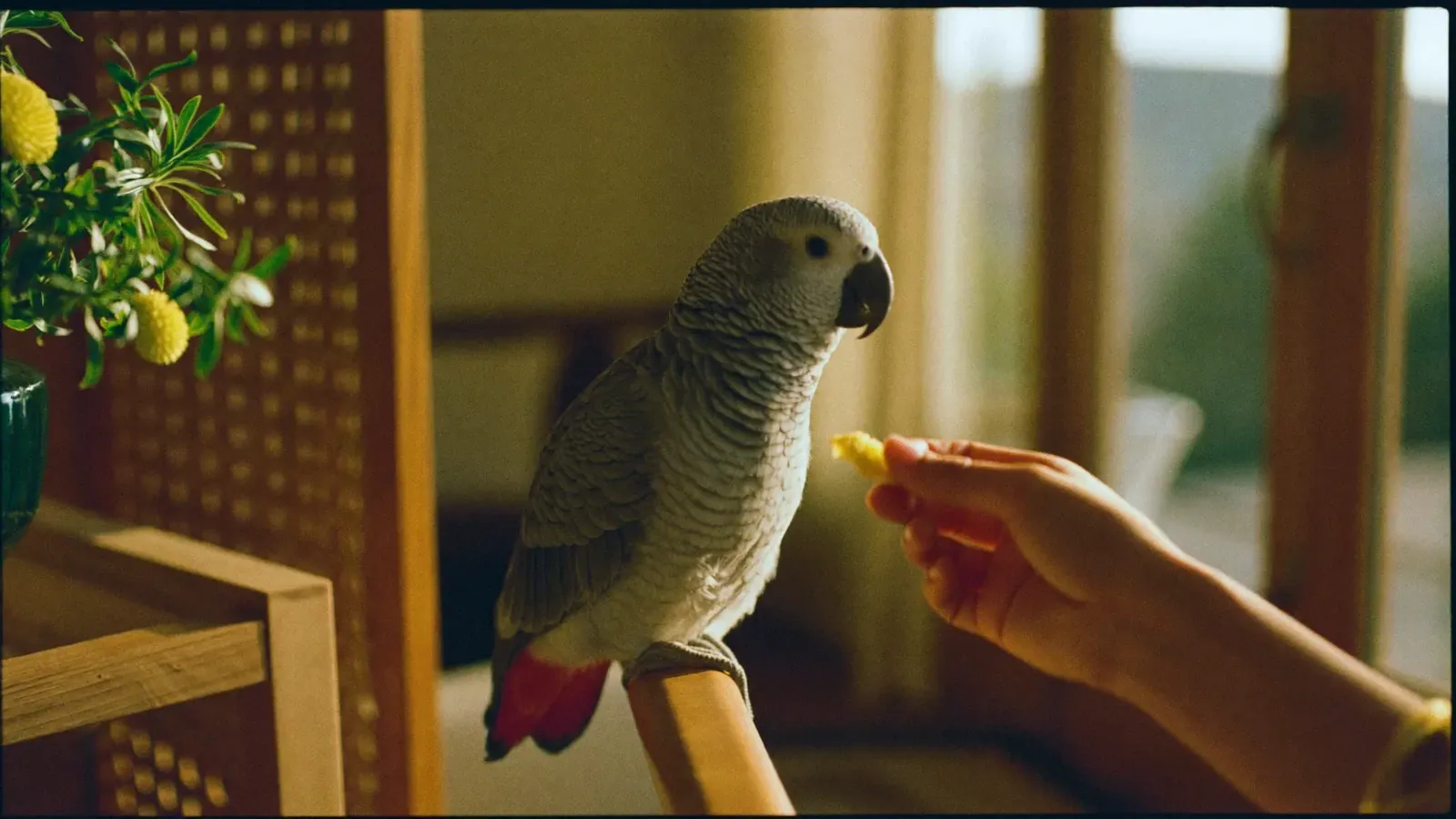
Lifespan is the first thing to take in. Small birds such as budgerigars and canaries live for years, and the larger parrots, African greys, Amazons and macaws, can live for decades and often outlive their owners. Large parrots are highly intelligent, emotionally complex and form deep attachments. Taking one on means daily time and attention for the rest of their life, not an ornament for the living room.
Choosing the right bird
If you are keeping a bird for the first time, the gentler starting points are budgerigars, cockatiels, lovebirds, canaries and finches. They are smaller and more forgiving of beginner mistakes, though they still need proper care. The large parrots, greys, macaws, cockatoos and Amazons, are best left to experienced keepers who understand how intense they can be. Falcons sit in a category of their own in the UAE, tied to heritage and falconry, with their own falcon passport issued by the Ministry of Climate Change and Environment (MOCCAE). Our new pet parent guide covers the wider first-year basics.
Permits and paperwork
Permits matter for birds in a way they do not for cats and dogs. Many parrots are covered by CITES, the international convention on trade in endangered species. Bringing a live bird into the UAE needs an import permit from MOCCAE, and a CITES-listed species also needs a MOCCAE CITES import certificate, backed by a CITES export certificate from the country it comes from. MOCCAE also registers ownership of CITES-listed species. Rules change, so check with MOCCAE before you buy or import a bird. Our guide to pet regulations in Dubai covers the wider rules.
Never buy a bird that cannot be documented as captive-bred. A bird without papers may have been taken from the wild, and you cannot know where it has been or what it carries. If a seller cannot produce the paperwork, walk away.
The cage is their home
Housing is where it most often goes wrong. Buy the largest cage you have room for. Your bird must be able to spread their wings fully and move between perches without their tail touching the bars, and the bar spacing must suit the species so a head cannot get trapped. Place the cage against a wall so they feel secure, out of direct sun, away from kitchen fumes and clear of air-conditioning draughts.
Heat and power cuts
Heat is a real danger in this climate. Never put a cage where the sun moves across it during the day, and never leave a bird in a room where the air conditioning might fail while you are out. In summer, a power cut in a closed-up apartment can quickly become dangerous for a bird, so plan for it before it happens. Our summer safety guide covers keeping a home cool through the UAE summer.
What to feed, and what never to feed
A seed-only diet is a common cause of malnutrition and early death in pet birds. Seeds are fatty treats, not a balanced meal. Most species do best on a formulated pellet base with fresh vegetables and suitable fruit, and an avian vet can tell you the right balance for yours. Several everyday foods are toxic to birds, including avocado, chocolate, caffeine, alcohol and anything salty or sugary. Fumes from overheated non-stick pans can kill a bird quickly, so keep the cage well away from the kitchen.
Company is a need, not a luxury
Birds are flock animals. A parrot left alone without enough to do can scream, pull out their own feathers and develop lasting behaviour problems. Give them a rotation of foraging toys, time out of the cage in a safe room, and real interaction every day. If your life cannot offer hours of attention, choose a species with more modest social needs, or think again about keeping a bird at all.
Find an avian vet before you need one
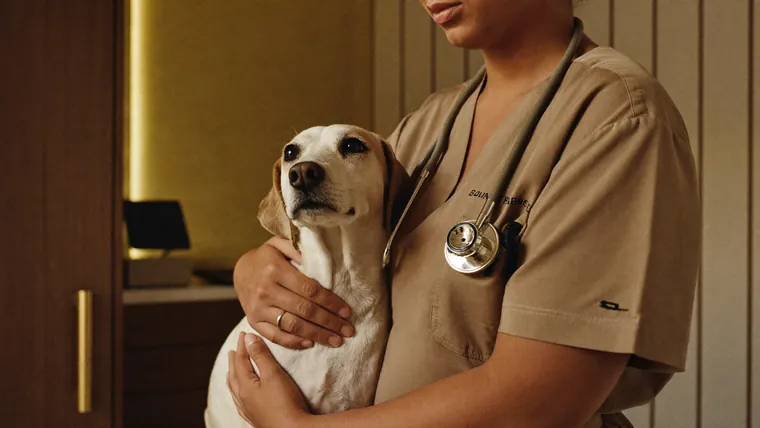
Avian medicine is a speciality. Birds hide illness by instinct, because in the wild a sick bird is a target, so by the time a bird looks unwell they are often seriously ill. Fluffed-up feathers, a change in droppings, sitting on the cage floor or laboured breathing all mean an urgent visit to an avian vet. Our clinics will open for dogs and cats, so find a vet who sees birds before you bring one home, and book regular check-ups even when your bird seems perfectly well.
A well-kept bird is clever, full of character and bonded to you for life. Source ethically, from a reputable breeder or a rescue, never from a stall selling undocumented birds, and get the species, the paperwork and the daily care right. strong>They will repay you with decades of company, and opinions on everything./strong>