Most vets are good people doing difficult work. Not every clinic keeps the standards your pet deserves, though, and the signs are usually there if you know where to look. Here are the red flags worth noticing, and what good looks like instead. If you are still choosing a vet, start with our guide to choosing a vet in Dubai.
No price until afterwards
If a clinic cannot or will not tell you what something costs before they do it, take note. "It depends" is a fair answer, as long as it comes with a range and an explanation of what it depends on. A good clinic gives you a quote for the treatment and agrees it with you before anything goes ahead, and checks with you again if the plan changes partway through.
Tests without a reason
Sometimes an examination alone cannot explain what is wrong, and tests are the right next step. What matters is the reason. A good vet tells you what each test is for, what it might show and what it costs, before it happens. If you are handed a long list of tests with no explanation, ask why. A vet who answers with fear or authority rather than reasons is not giving you what you need to decide.
Questions that get brushed aside
You have every right to understand what is happening to your pet: the diagnosis, the options, and what to expect. After a health check, a good vet goes through what they found and shows you anything worth seeing. Before an operation, they examine your pet, run blood tests to plan the anaesthetic, explain the risk, and ask you to sign a consent form only once you are happy with the plan. Jargon with no translation, impatience, or a sigh when you ask again are all signs the conversation is not working.
Rough handling
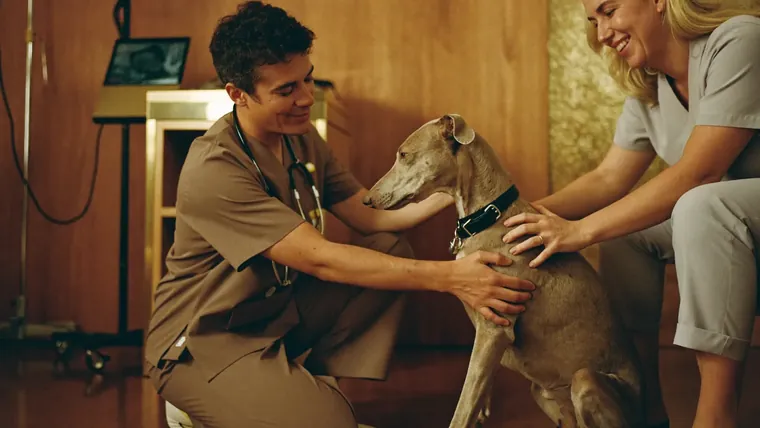
This is the one to act on. Some restraint is part of veterinary care, and some procedures are uncomfortable. But there is a world of difference between firm, gentle handling and rough, rushed handling. Some nerves at the vet are normal. If your pet is terrified every single visit, and nobody tries a gentler, lower-stress approach, the clinic may be part of the problem.
A clinic that does not look after itself
Look at the waiting area, the consultation room and the floor. You should not see hair, dirt or anything left behind by the last patient. Equipment should look cared for. The clinic should smell clean and fresh. Our guide to what to look for in a vet clinic goes further.
Silence after you leave
After surgery, your pet should go home with pain relief, clear instructions for the wound and a follow-up visit. After a new diagnosis or a new medicine, a good clinic checks in. If you walk out of the door and hear nothing until the next appointment, ask who to call if you have a question.
More selling than your pet needs
Clinics sell food, supplements and accessories, and some of them help. The question is whether a recommendation comes with a clear reason for your pet. If every visit ends with a bag of products and no explanation of why your animal needs them, ask. The advice should be about your pet, not the shelf.
Push-back on a second opinion
A confident vet is comfortable with a second opinion, and will refer you to a specialist when your pet needs one they cannot offer. If asking for another view is met with defensiveness, or you are talked out of it, that tells you something. A second opinion is for decisions that can wait a day. If your pet needs help now, our emergency page shows what to do.
A different face every visit
Vets and nurses move on, as people do everywhere. But if the team seems to change every time you visit, nobody gets to know your pet: their history, their quirks, what normal looks like for them.
Trust is earned through skill, plain answers, honest prices and real care for your animal. If any of those are missing, it is fine to look elsewhere. You know your pet better than anyone in the building. strong>Trust that, even when they are hiding under the chair./strong>