At home
Why is my Birman so quiet?
Hardly a sound all day, and no fuss at the vet's either.
What's going onBirmans are calm and soft-voiced. They will not cry to tell you something hurts, so watch for the day they stop jumping onto the bed.
We will be in touch soon to confirm.
Breed guide · Cats
He wears four white gloves and never complains. I weigh him every month anyway.
Last updated 12 October 2026
We will be in touch soon to confirm.
What they brought with them.
Tap a card to see what is going on.
At home
Hardly a sound all day, and no fuss at the vet's either.
What's going onBirmans are calm and soft-voiced. They will not cry to tell you something hurts, so watch for the day they stop jumping onto the bed.
At home
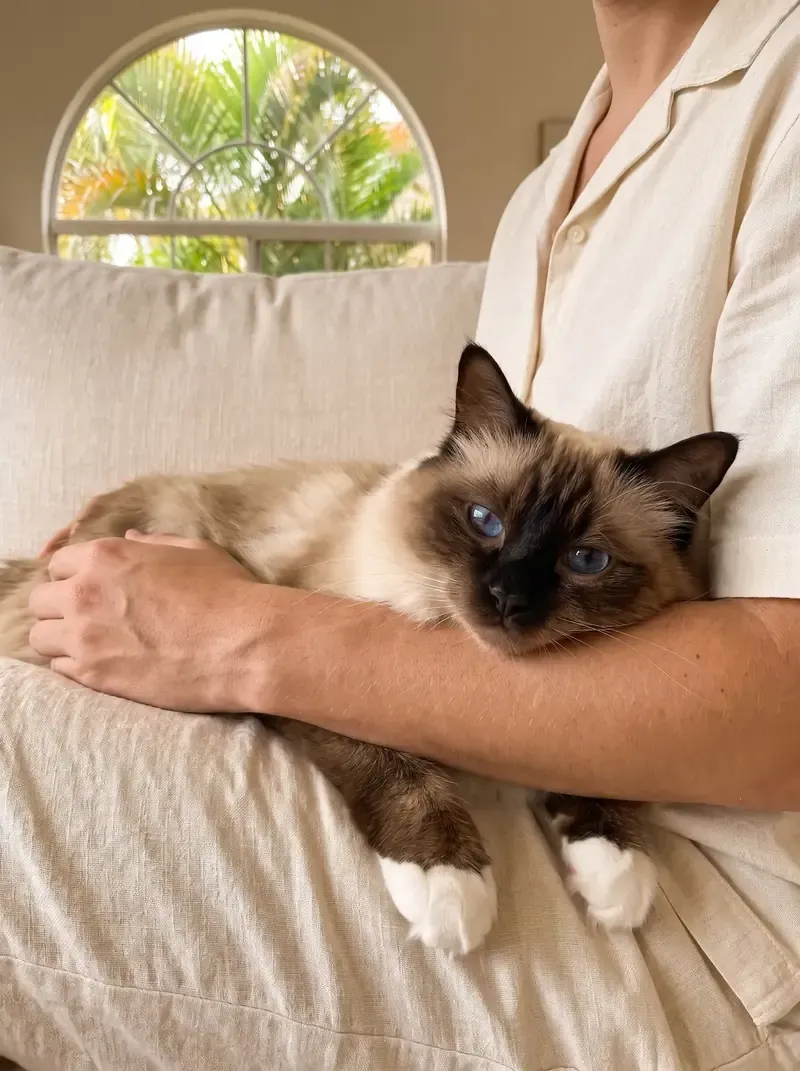
Picked up, carried round the flat, lifted onto laps, and never a wriggle.
What's going onBirmans were bred to be easy to hold, and many never struggle. Put them down when the tail flicks or the ears turn, not when they wriggle.
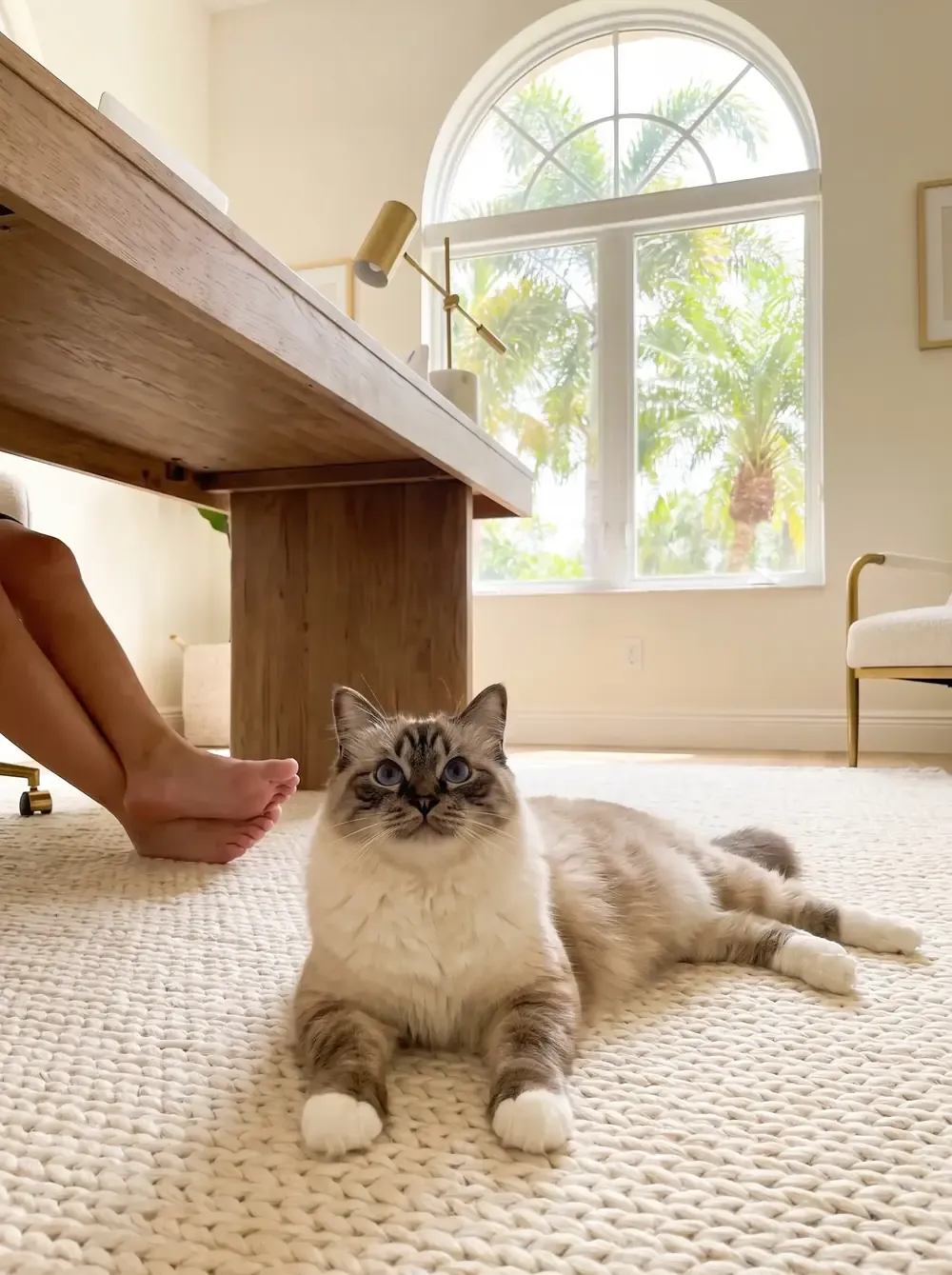
At home
Always in the room you are in, close by but never insisting.
What's going onThey like to be near you without demanding it. They still need company, and a long day alone is harder on them than it looks.
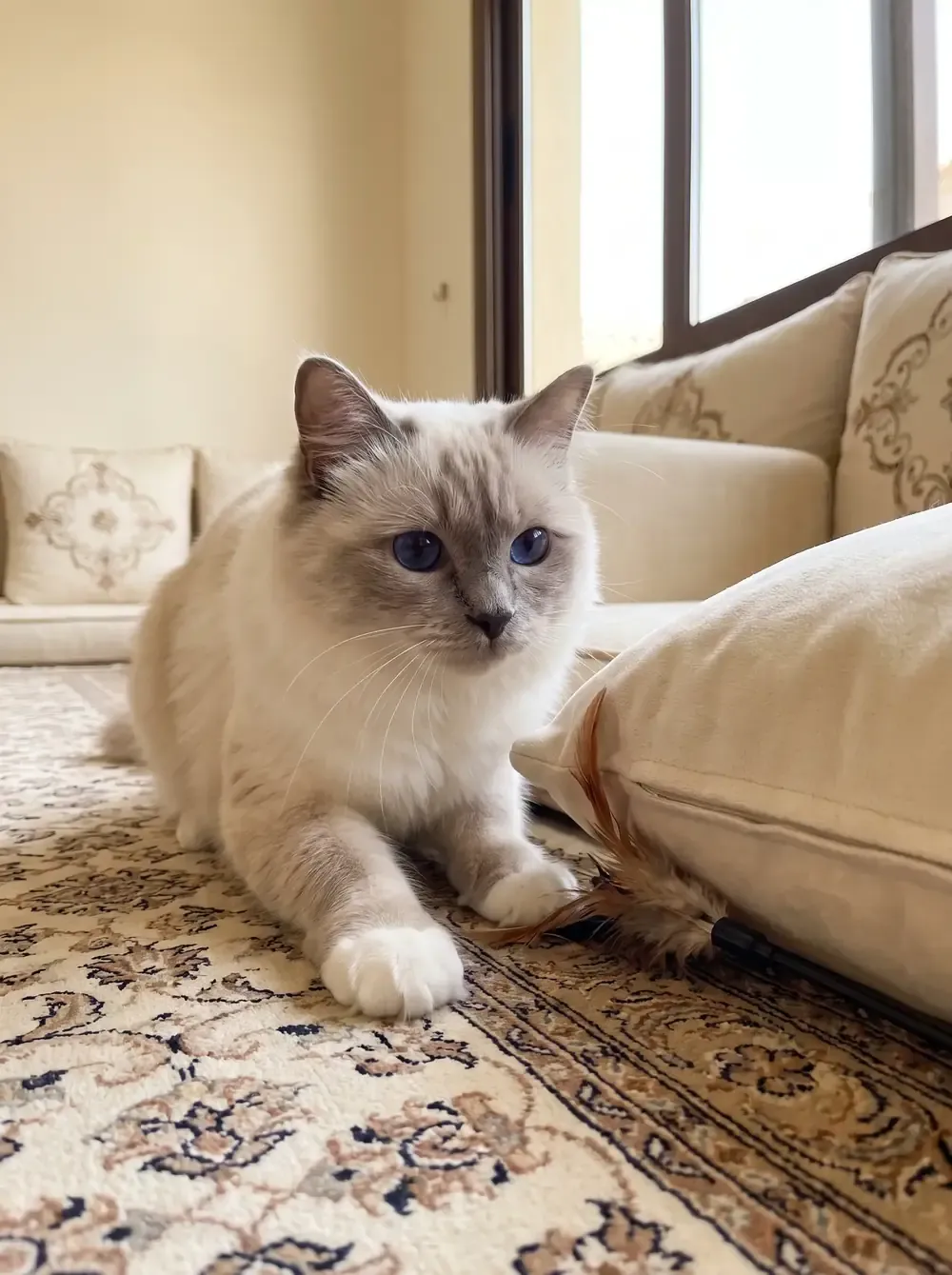
At home
Too serene to bother with a ball, until a feather moves behind a cushion.
What's going onUnder the calm is a hunter. Drag a feather slowly behind a cushion and watch. Five minutes before meals, ending with food, keeps them moving.
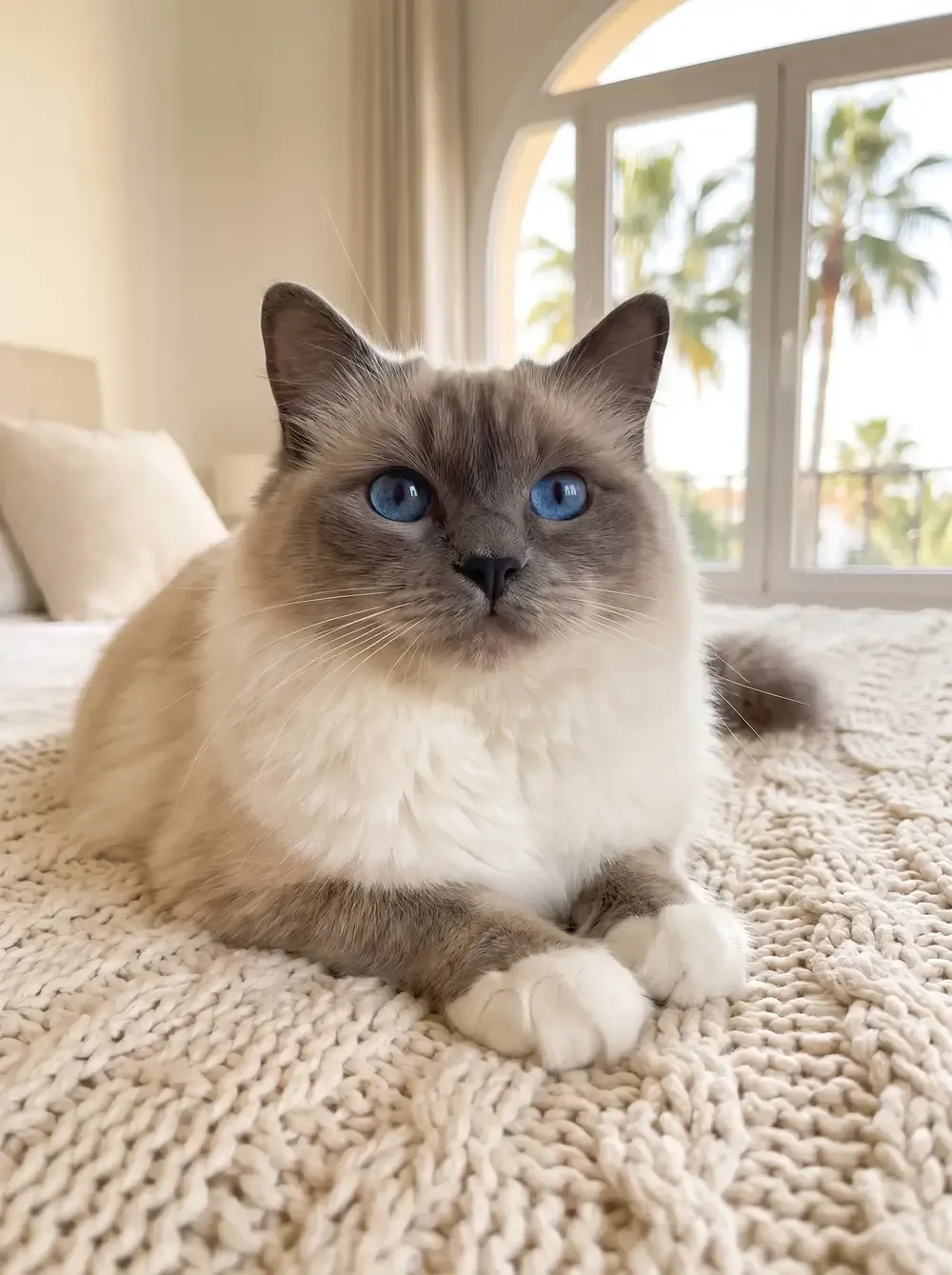
At home
A squint, a weepy eye, or a paw rubbing at their face.
What's going onCorneal Dermoid (a patch of skin tissue, sometimes with hairs, growing on the surface of the eye) is on their health record from kittenhood. It irritates the eye, so a squint or a weepy eye is worth telling your vet about, even if they seem fine.
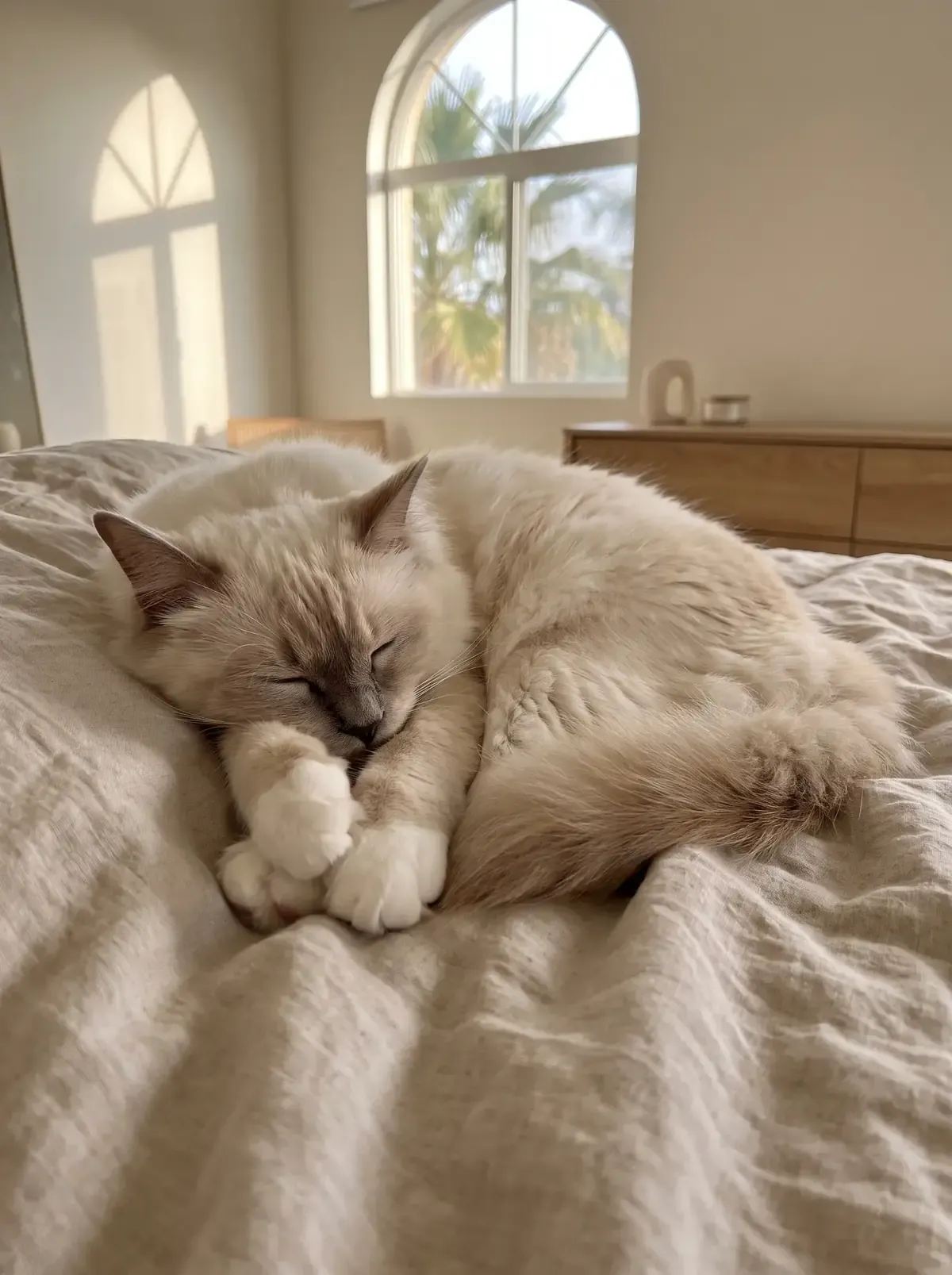
At home
Fast asleep in the afternoon, their side rising and falling.
What's going onHypertrophic Cardiomyopathy (HCM, a thickened heart muscle) is a known risk for Birmans at every stage. Fast or shallow breathing while resting should be discussed with your vet immediately, within the same day.
The bit nobody tells you.
Their nature
Built for: Bred to be easy to handle.
In Dubai: Fits into a busy home without asking for much.
Their voice
Built for: Quieter than many cats.
In Dubai: Easy to miss in a busy household.
Their pain
Built for: Hidden, as every cat hides it.
In Dubai: Rarely a sound, even with something wrong.
When they are unwell, that quiet is the problem.
So you go looking. Their weight once a month, written down, will show you a change months before they do. The ten things below are how.
Your plan is built around what a Birman is prone to at every age, starting with their heart, and the care that goes with each one.
Join the founding families. AED 1,999 of essential care for AED 199.
Ten things that make their life better.
They rarely make a sound, so the signs are in their face.
Every age, most of all from 7 years
Why
They rarely make a sound, so the signs are in their face.
What to do
Learn their relaxed face first, while everything is normal. Then watch for narrowed eyes, flattened ears, a tight muzzle and a low head. If you see them and cannot find a reason, call your vet.
They will rarely wriggle, so you have to stop before they need to.
Every age
Why
They will rarely wriggle, so you have to stop before they need to.
What to do
One hand under the chest, one under the back legs. Keep holds short, and put them down when the tail flicks. Ask children to sit on the floor and let them come over. From 11 years, lift less and let them climb onto your lap instead.
The serene cat still hunts, and a hunt that ends in food is good for their weight and their mood.
Every age, most of all 7 months to 2 years
Why
The serene cat still hunts, and a hunt that ends in food is good for their weight and their mood.
What to do
Drag a wand toy slowly along the floor and behind a cushion, five minutes twice a day before meals. Let them catch it, then feed them. Keep your hands out of the game.
Obesity is a risk for Birmans in their mature years, and a calm indoor cat gains weight slowly and quietly.
Every age, most of all from 7 years
Why
Obesity is a risk for Birmans in their mature years, and a calm indoor cat gains weight slowly and quietly.
What to do
Weigh their daily food and split it into small meals, some in a puzzle feeder. Treats come out of the day's amount. Ask your vet to reset their portion from the day they are neutered.
The silky coat resists matting but still tangles, and brushing time is a good moment to check their eyes.
Every age, start as a kitten
Why
The silky coat resists matting but still tangles, and brushing time is a good moment to check their eyes.
What to do
Once or twice a week, with a wide-toothed comb and then a soft brush: behind the ears, under the front legs and the belly. Work a knot out gently, never pull. Note any lump you find. While they are on your lap, look at both eyes for squinting, weeping or anything on the surface. As they age and groom less, do more of the brushing for them.
Hypertrophic Cardiomyopathy (HCM, a thickened heart muscle) can be silent in a Birman, and faster breathing at rest may be the first sign you see.
Every age
Why
Hypertrophic Cardiomyopathy (HCM, a thickened heart muscle) can be silent in a Birman, and faster breathing at rest may be the first sign you see.
What to do
Fast or shallow breathing while resting should be discussed with your vet immediately, within the same day. If they breathe with their mouth open at rest, contact your vet now. Cardiac auscultation (listening to the heart) is in your plan from their kitten months, and echocardiography (an ultrasound scan of the heart) from their junior years.
Kidney disease is a risk from their mature years, and the tray and the water bowl show it first.
Every age, most of all from 7 years
Why
Kidney disease is a risk from their mature years, and the tray and the water bowl show it first.
What to do
Scoop daily and notice the number and size of the clumps, and their stools. Give some wet food every day, and set out a few wide, shallow water bowls away from their food and tray. A male cat straining, crying or going in and out of the tray with little or nothing coming out may have a blocked bladder. That is an emergency: contact your vet now. If a female cat is straining, contact your vet the same day. If they drink more or the clumps get bigger, call your vet. A baseline urinalysis (a urine test) is in your plan in their junior years, so their normal is on record.
They will sit still for anything, so stillness does not tell you they are relaxed.
Every age, start as a kitten
Why
They will sit still for anything, so stillness does not tell you they are relaxed.
What to do
Leave the carrier out, door open, with a blanket inside. Once a week, touch their paws, ears and mouth for a second, then give a treat. Watch their face, and stop before they stiffen.
Dental disease is a risk from their junior years, and they will keep eating with a sore mouth.
Every age, start as a kitten
Why
Dental disease is a risk from their junior years, and they will keep eating with a sore mouth.
What to do
Lift their lip and look at the teeth and gums. Brush a few seconds at a time with cat toothpaste. Notice if they drop food, chew on one side or leave their dry food, and tell your vet. A dental evaluation (teeth and gum check) is in your plan every year from their junior years.
In a cat who never complains, a written record is how you spot a slow change.
Every age
Why
In a cat who never complains, a written record is how you spot a slow change.
What to do
Stand on the scales holding them, then without them, and write down the difference. Note where they sleep and whether they still jump up. Call your vet about any steady loss or gain.
Three of these are in your plan. The rest you can do at home.
Join the founding families. AED 1,999 of essential care for AED 199.
Their health, at every age.
How old are they?
Their age
the first six months
What to watch for
The care that goes with it
Their age
7 months to 2 years
What to watch for
The care that goes with it
Their age
2 to 6 years
What to watch for
The care that goes with it
Their age
7 to 10 years
What to watch for
The care that goes with it
Their age
11 to 14 years
What to watch for
The care that goes with it
Their age
15 years and over
What to watch for
The care that goes with it
Breed predispositions indicate an increased risk rather than certainty of disease. What is right for them always comes from their own history and an evaluation.
Before they come home.
Types of Birman cats
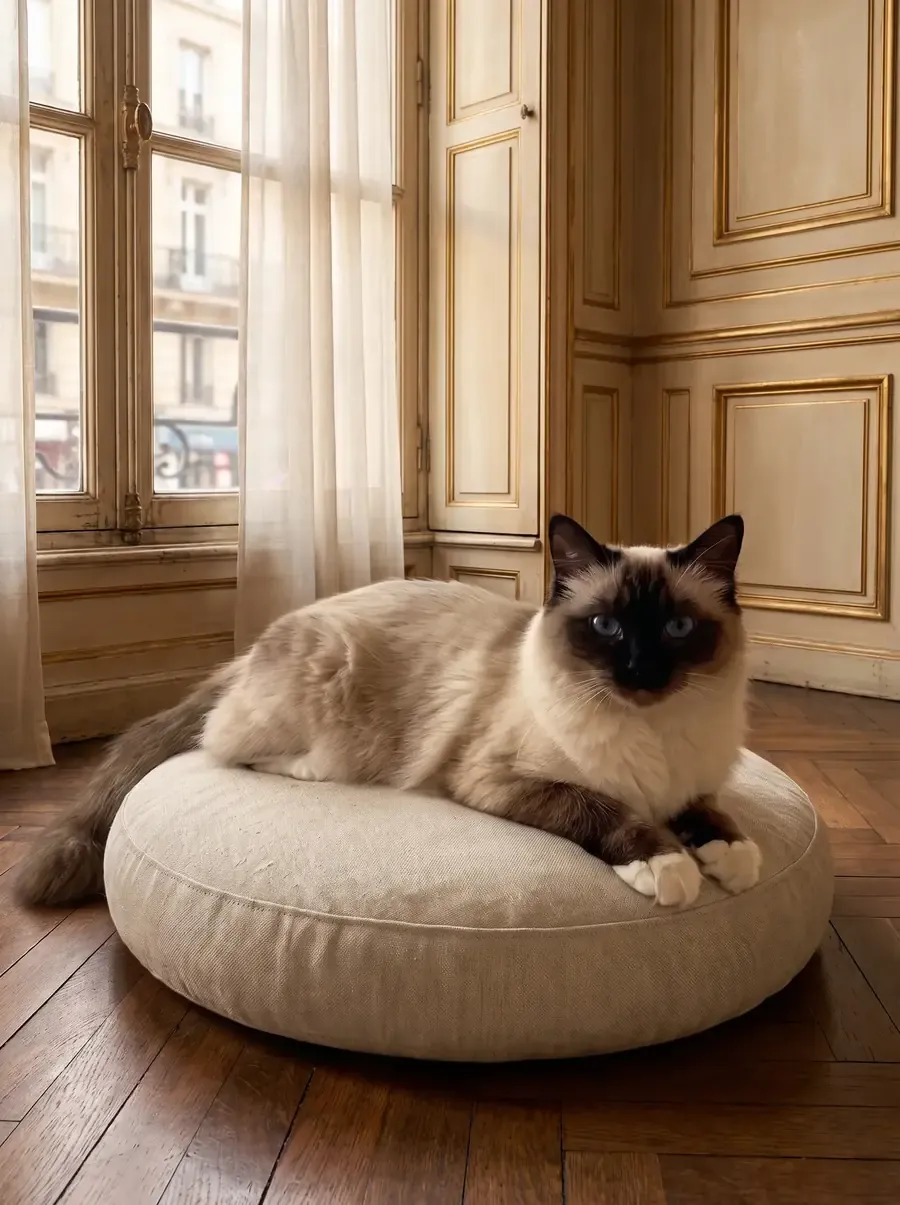
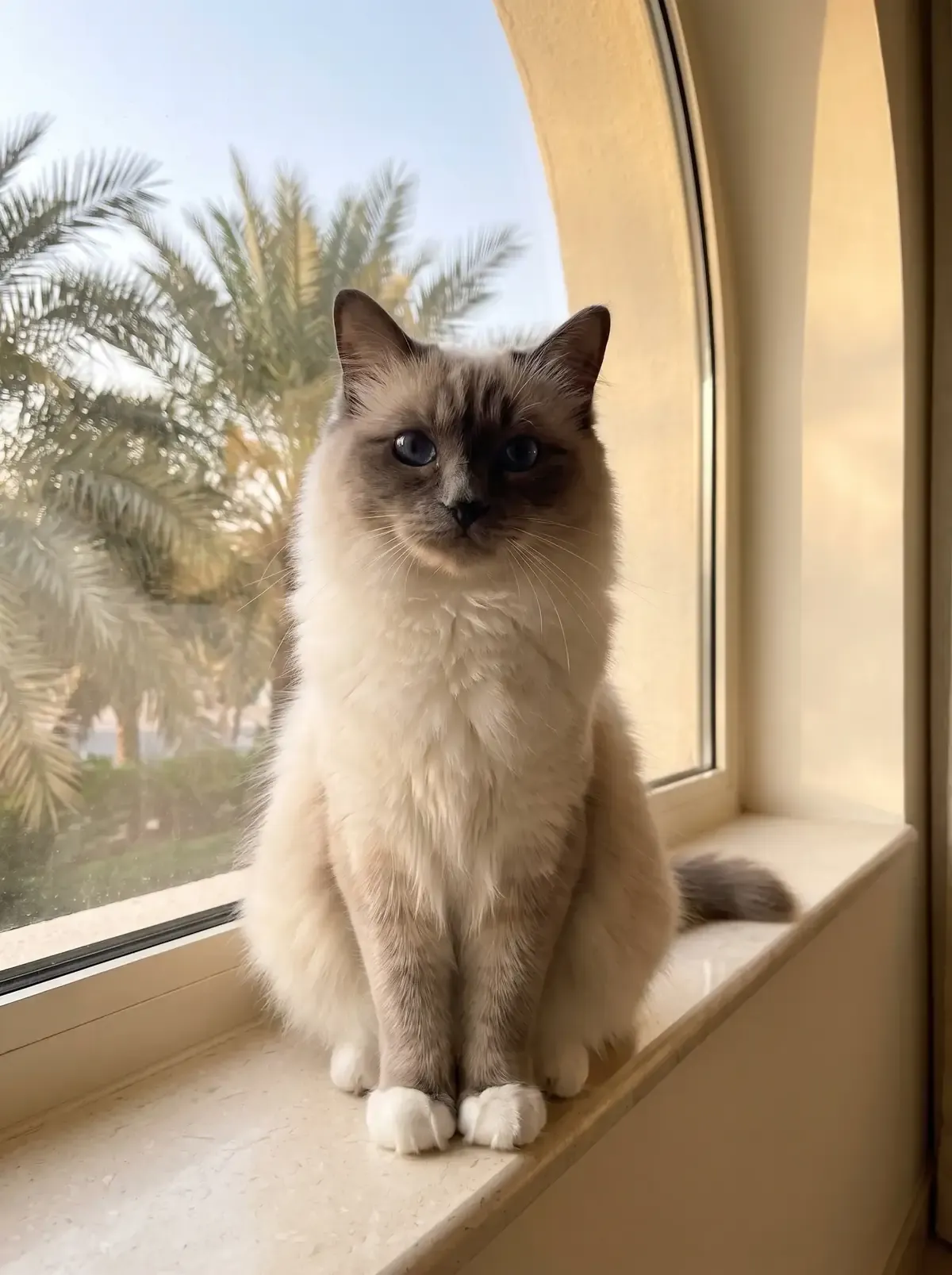
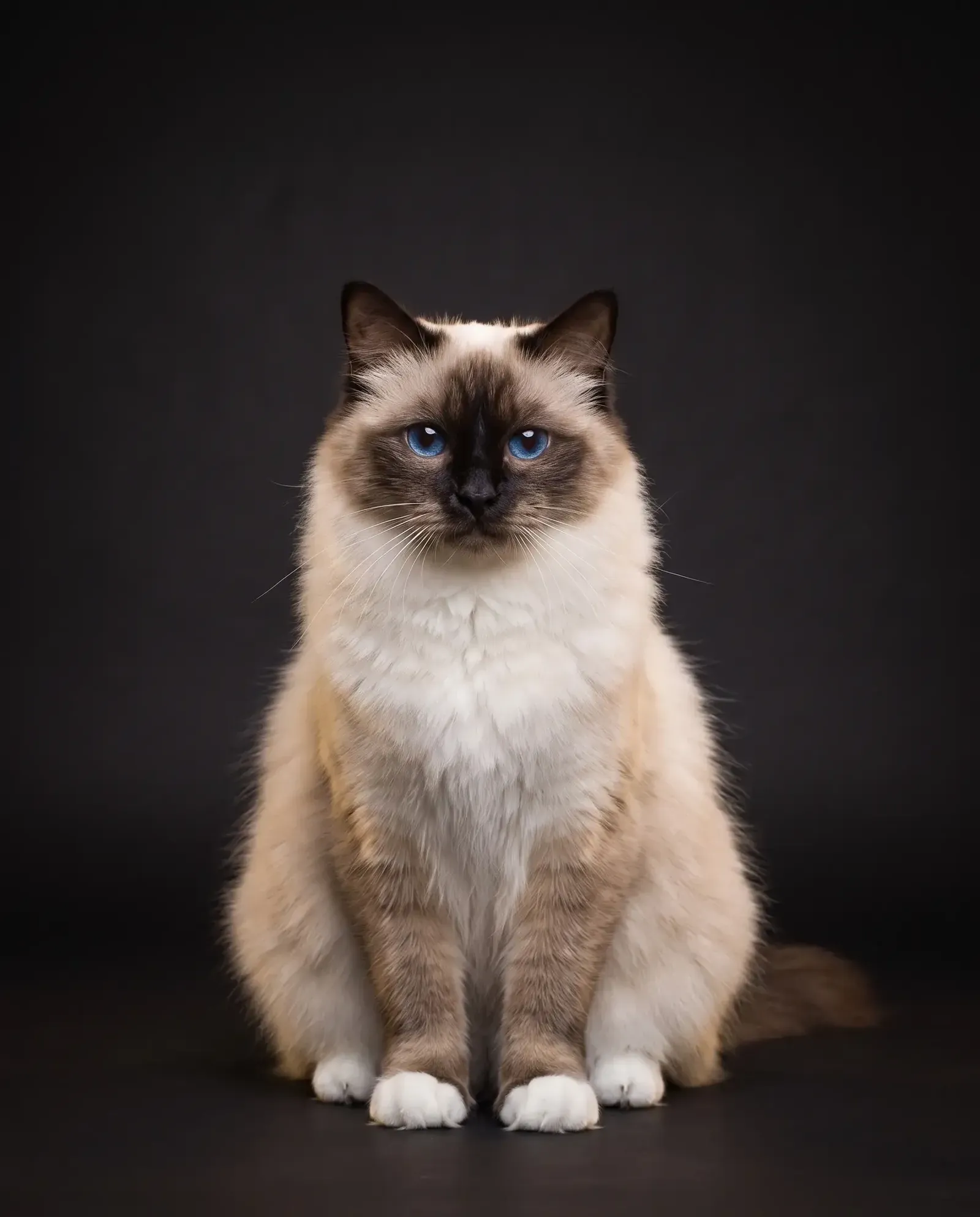
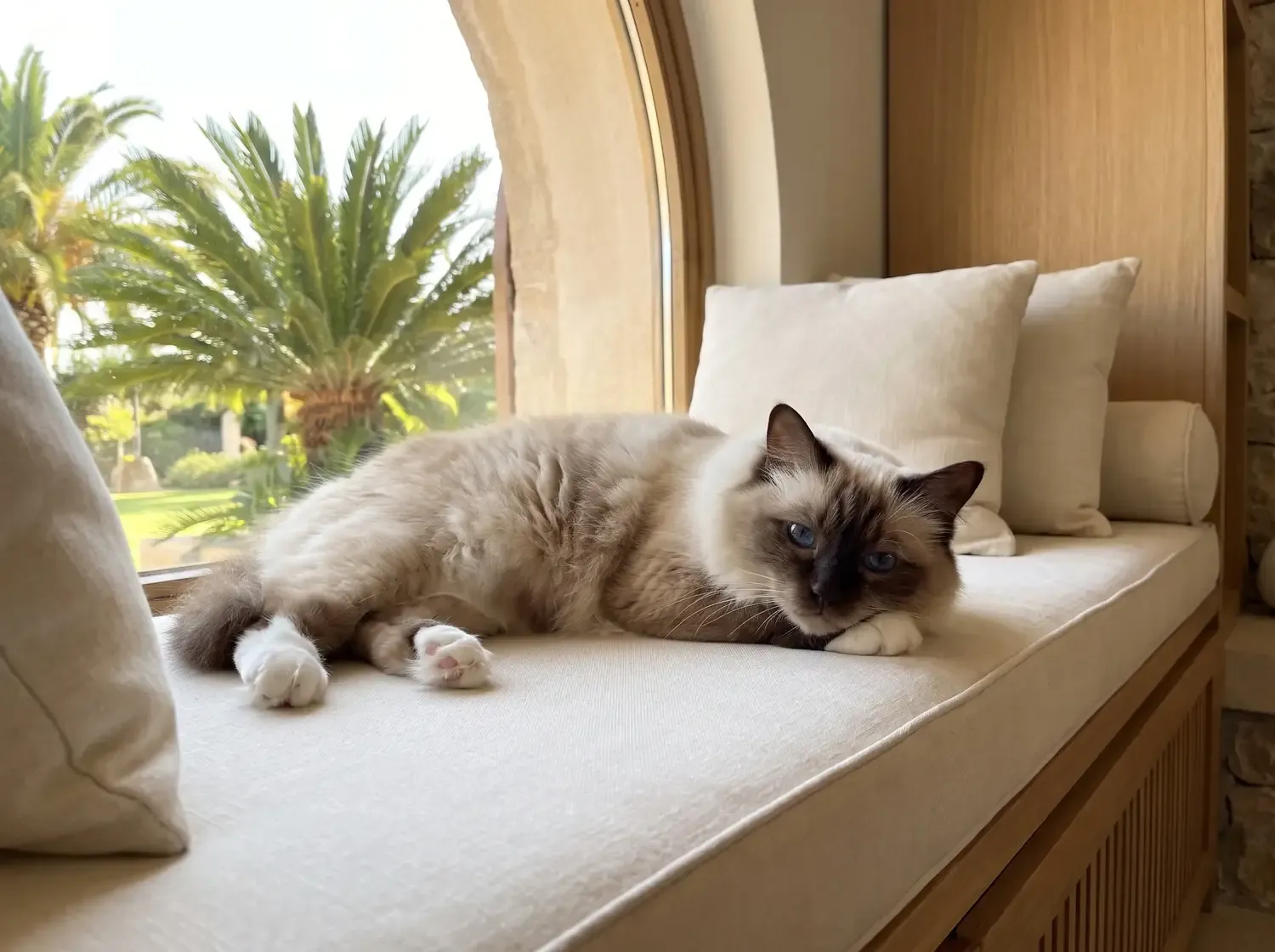
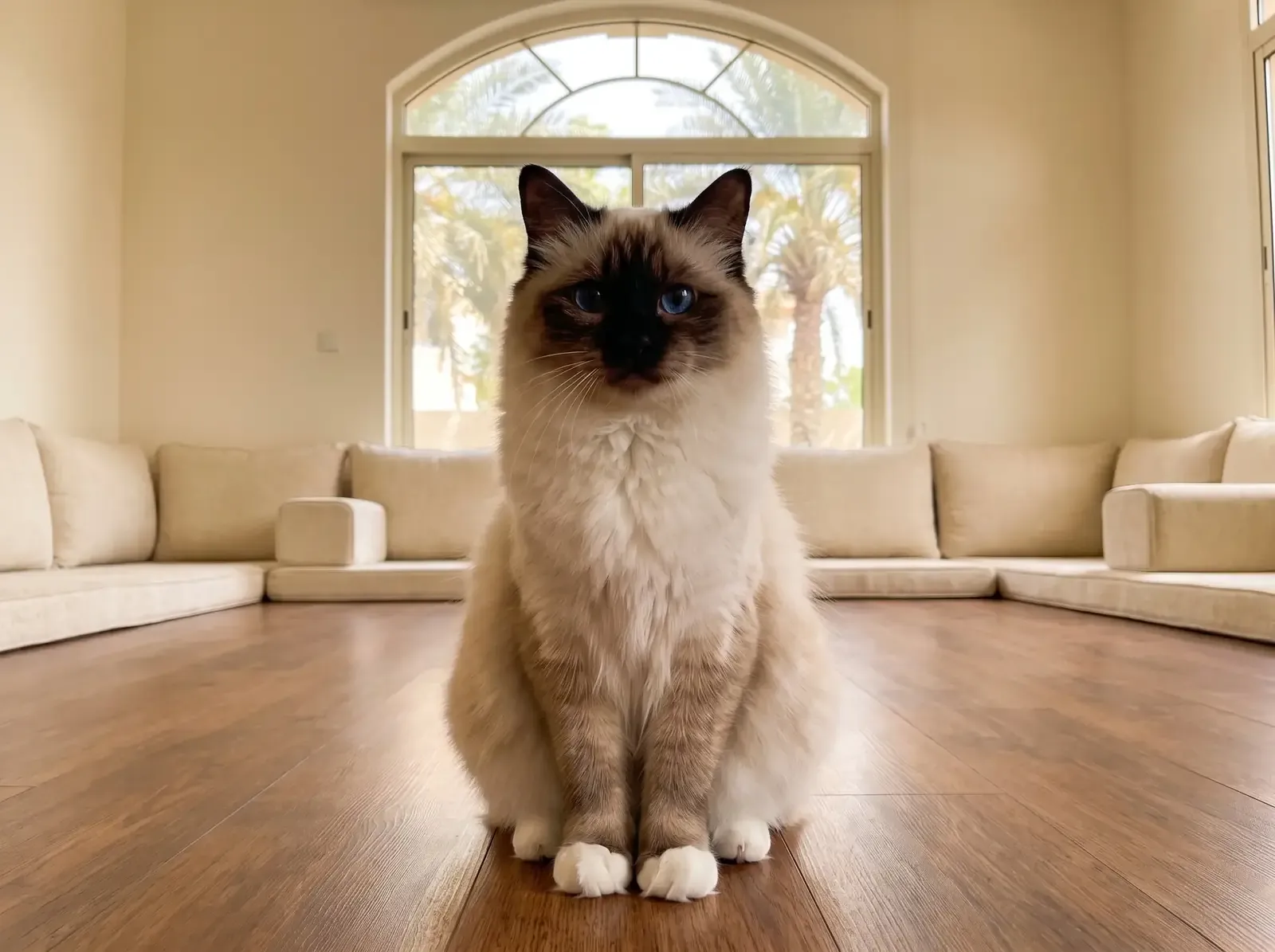
Every Birman shares the same look: a pale body, darker points on the face, ears, legs and tail, deep blue eyes and four white gloves. What differs is the points themselves: a solid colour, soft tabby stripes, or the patched tortie pattern.
Colours
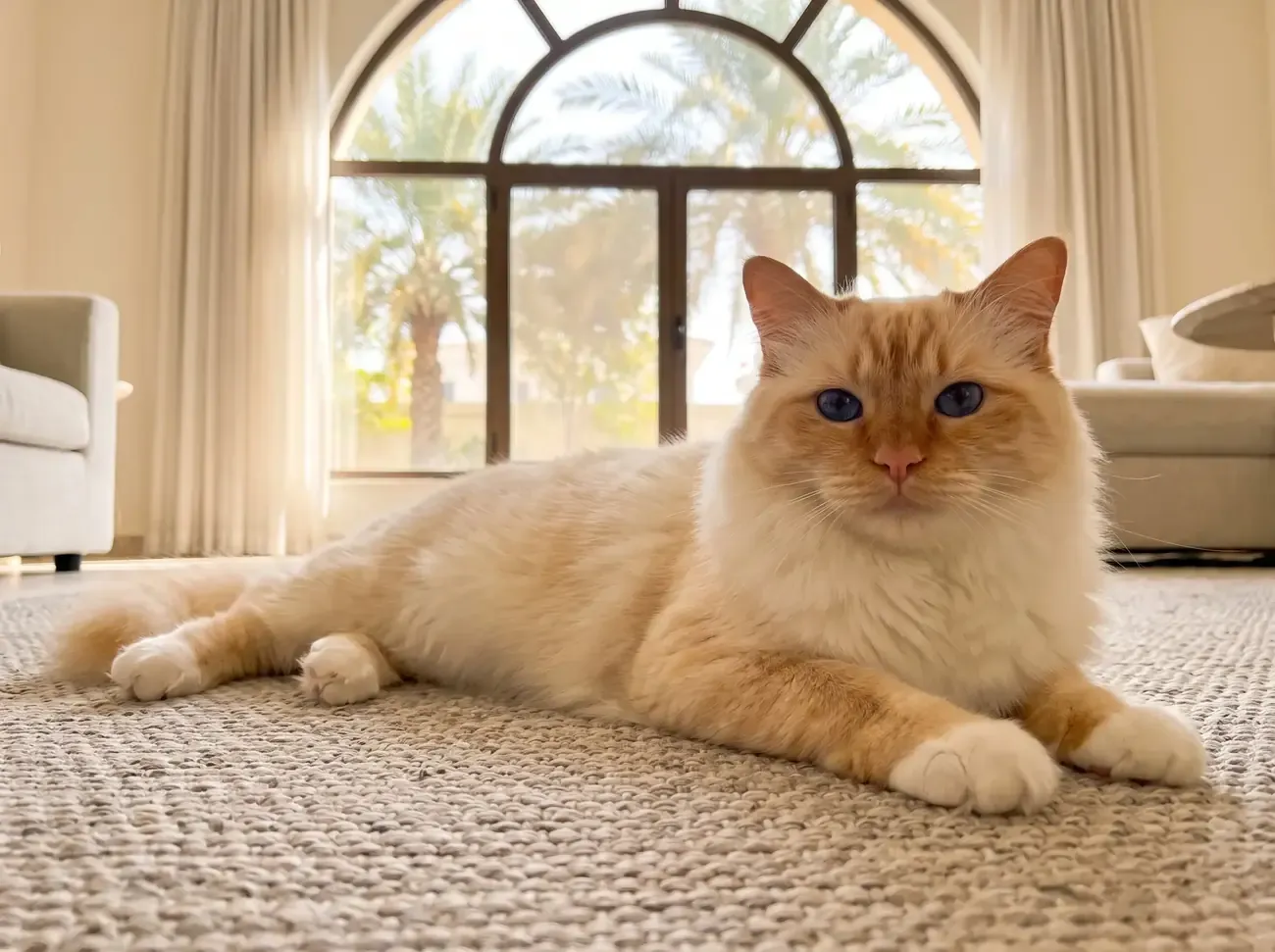
Seal points are the darkest and best known. Blue, chocolate, lilac, red and cream points soften the same look, so the same gentle cat comes in many shades.
The first six months
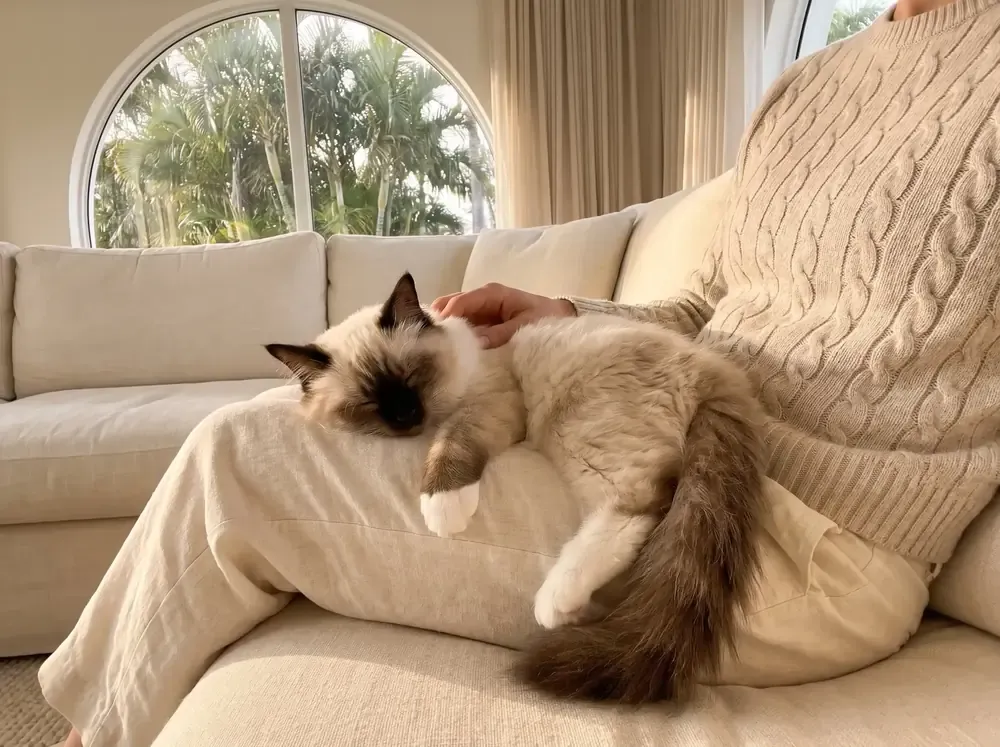
Their vaccinations, microchip and Dubai Municipality registration come first, and the vet listens to their chest from the very first visit. Start the carrier, the comb and short, gentle holds now, while it is all new.
Kitten health, 0 to 6 months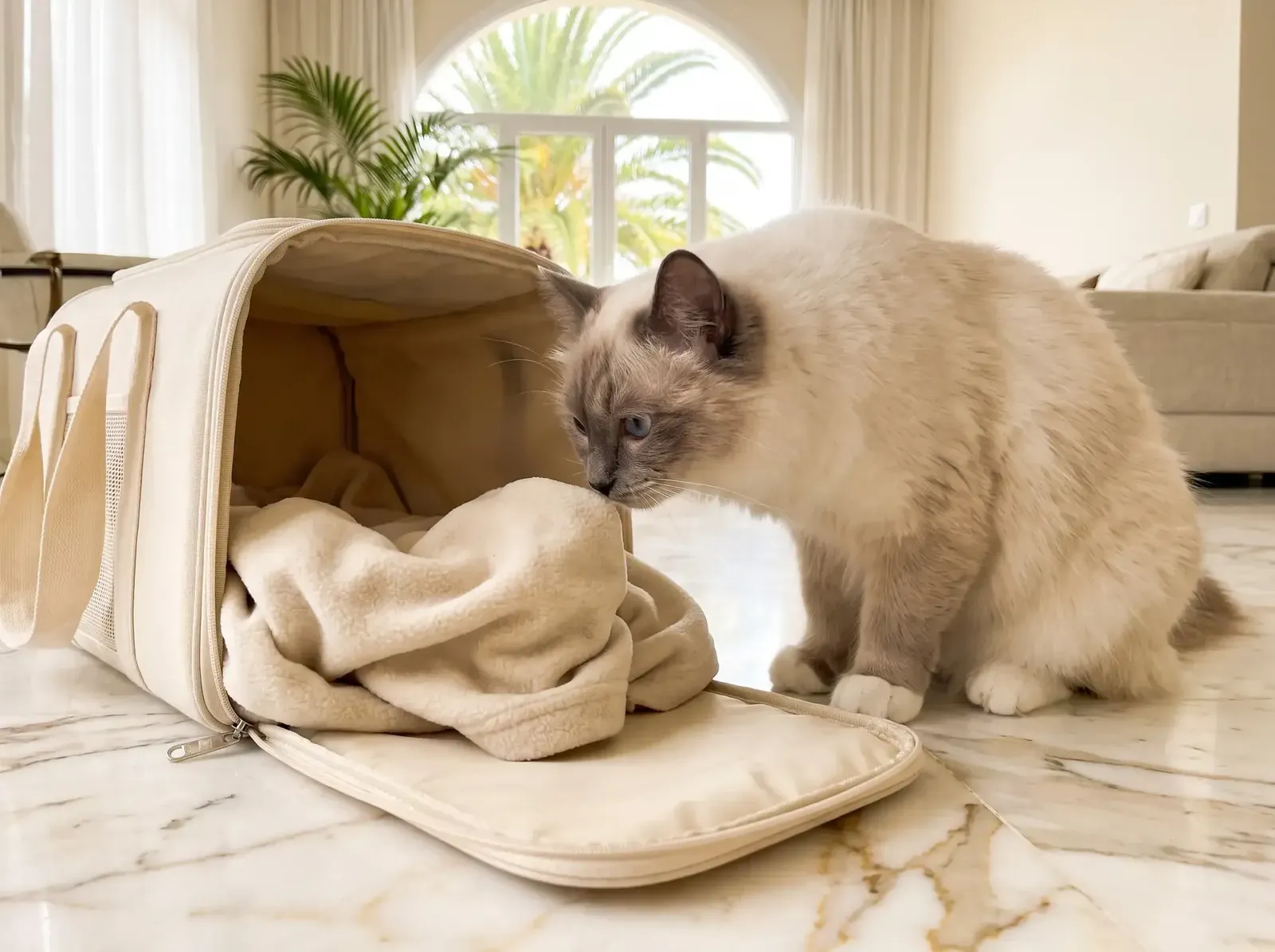
Getting the home ready
Birmans are content as indoor cats, and the coat copes well with air conditioning. Leave the carrier out with a blanket in it, set a few wide water bowls away from their food, and plan their days so they have company.
Ten things that make their life better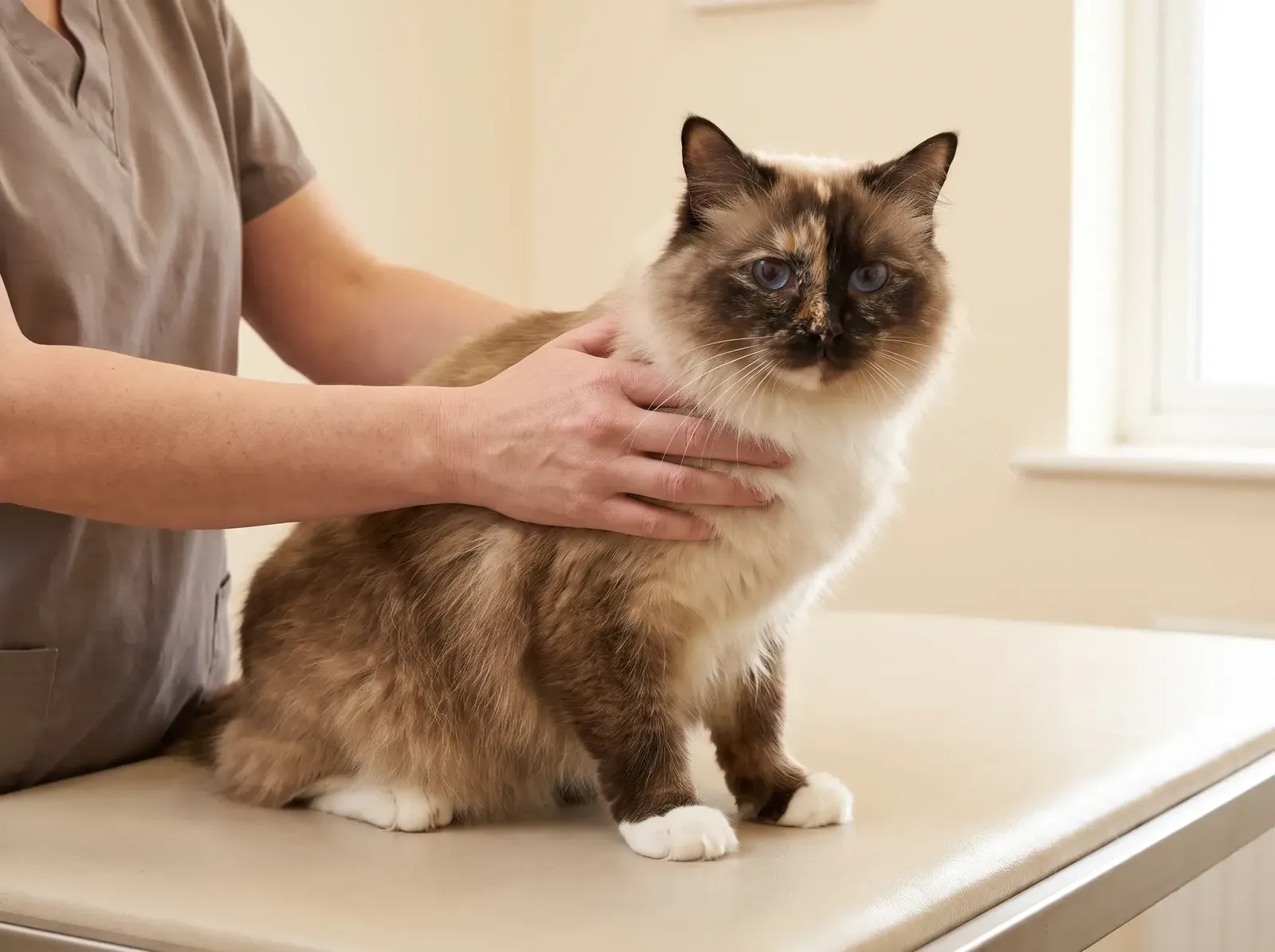
Before you commit
Hypertrophic Cardiomyopathy (HCM, a thickened heart muscle) is the first risk for a Birman, from kittenhood. Their vet listens to the chest from the first visit, with a first heart scan in their junior years, so plan for those visits from the start. If you are choosing a kitten, look at the coat and eyes of the whole litter: Corneal Dermoid and Congenital Hypotrichosis (kittens born with little or no coat) both show early.

Before the clinics open
AED 1,999 of essential care for AED 199. No payment now.
If it's a kitten: First 30 days with a new kitten · Kitten vaccinations in the UAE
When it is not behaviour.
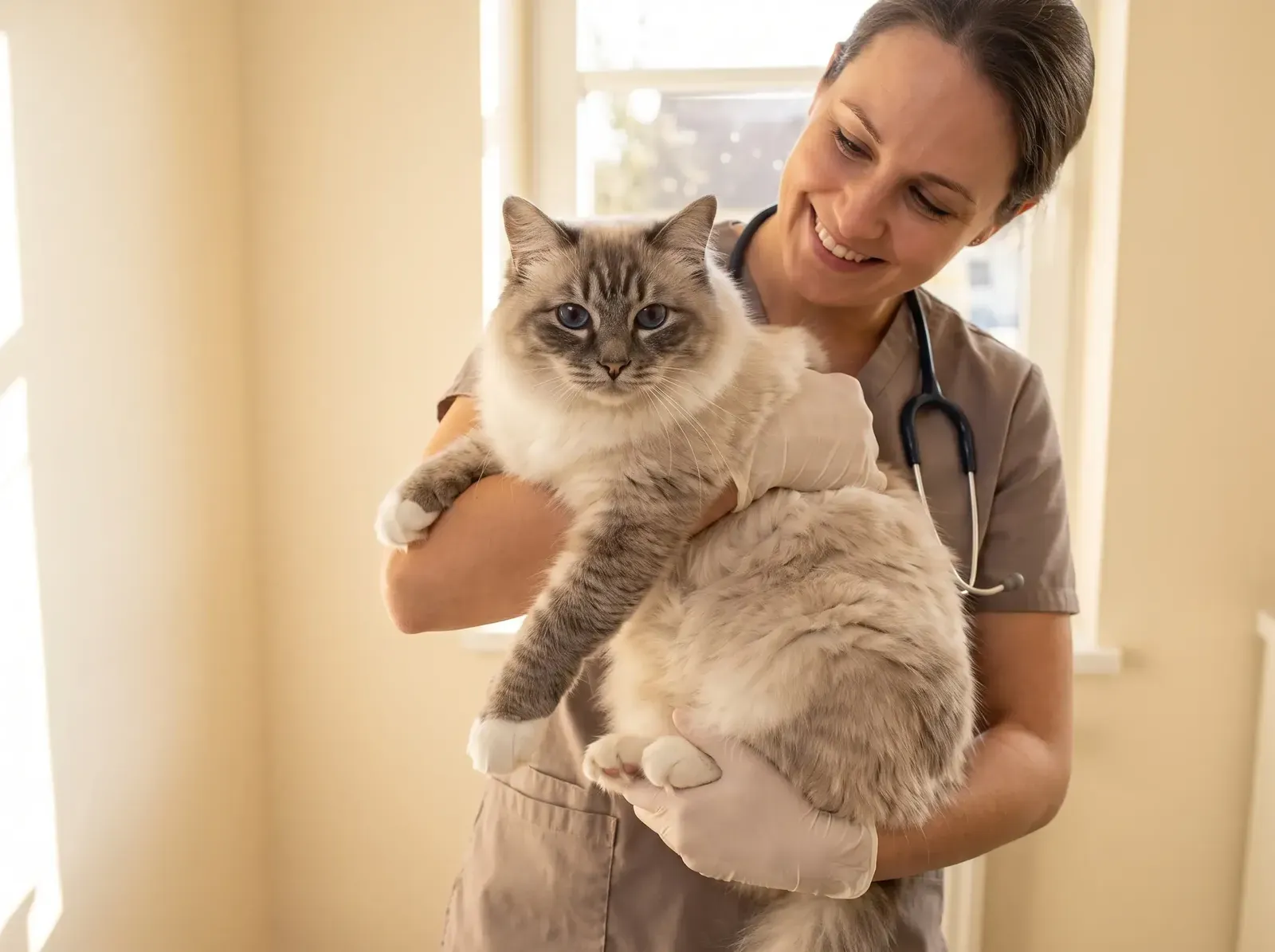
He'll keep his gloves white and his complaints to himself. Keep weighing him.
Before they were yours.
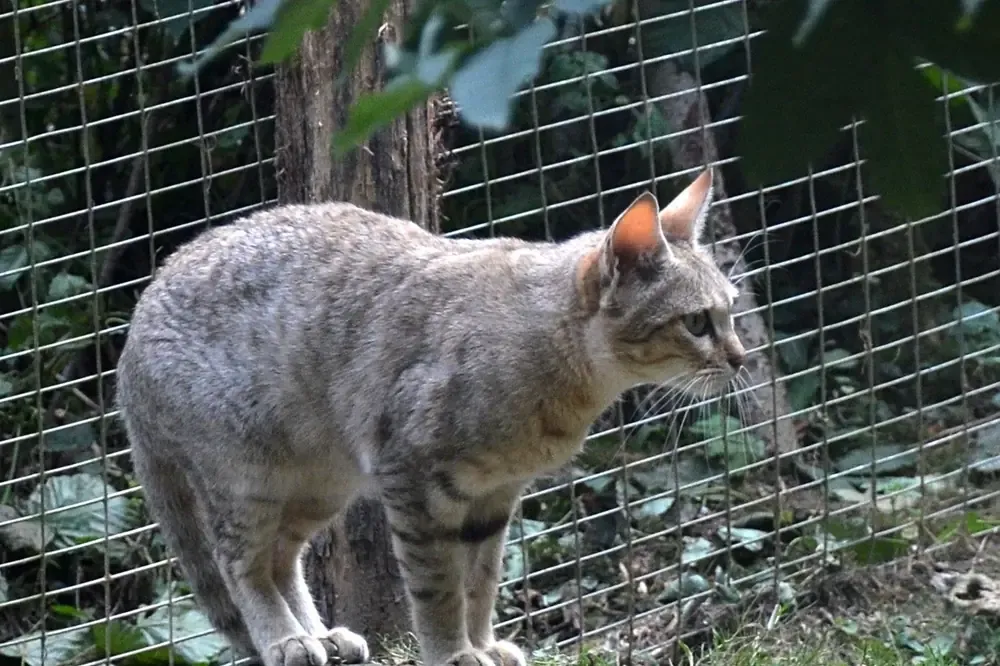
About 10,000 years ago
Every Birman descends from the African wildcat, which began living around the first farming villages of the Near East.
What they still carryThe whole hunter, including the habit of hiding pain.
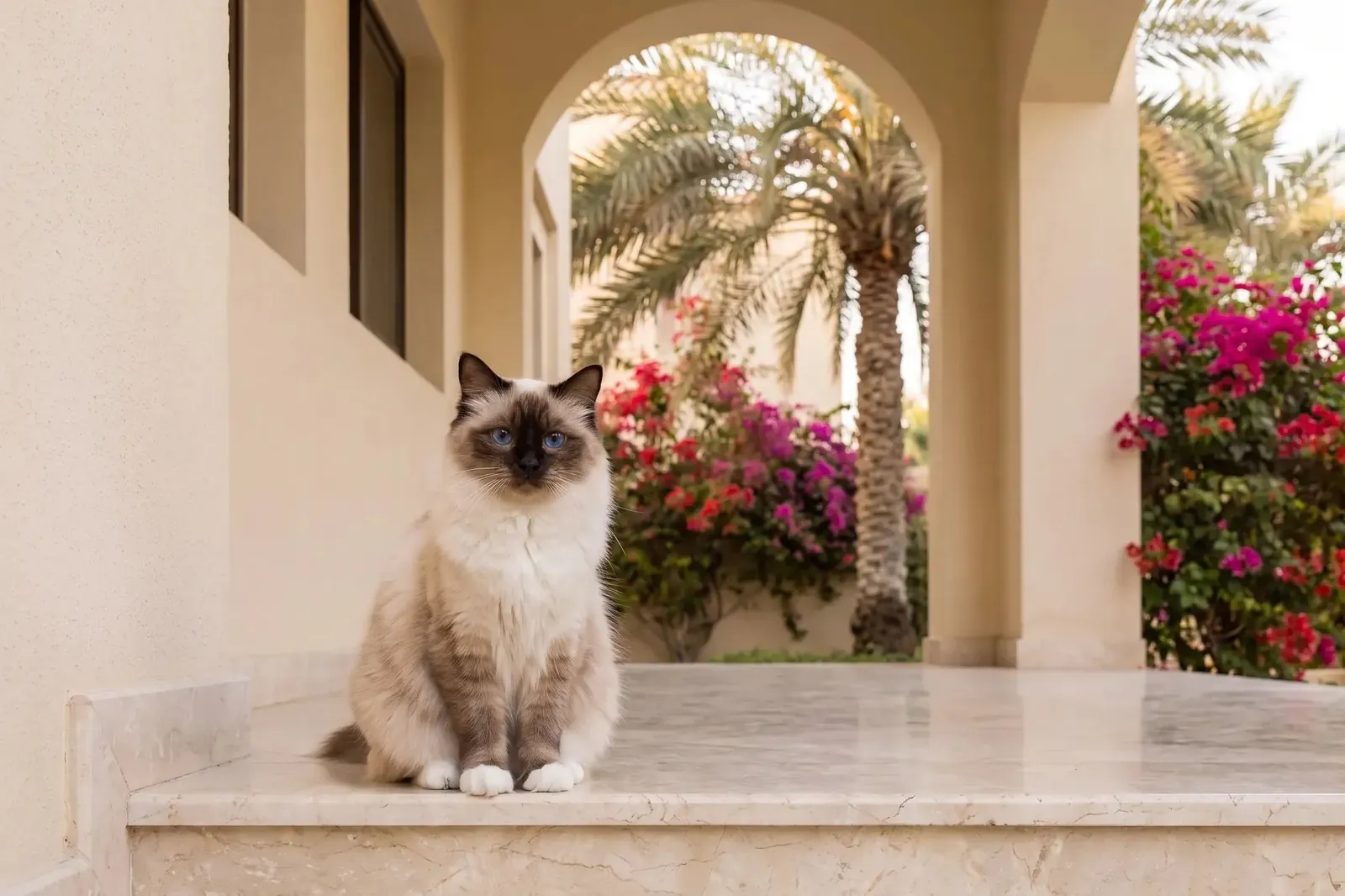
A legend
The breed's other name, the Sacred Cat of Burma, comes with a legend about temple cats in Burma. It is a lovely story, and only a story.
What they still carryThe name, and a story still told with every kitten.
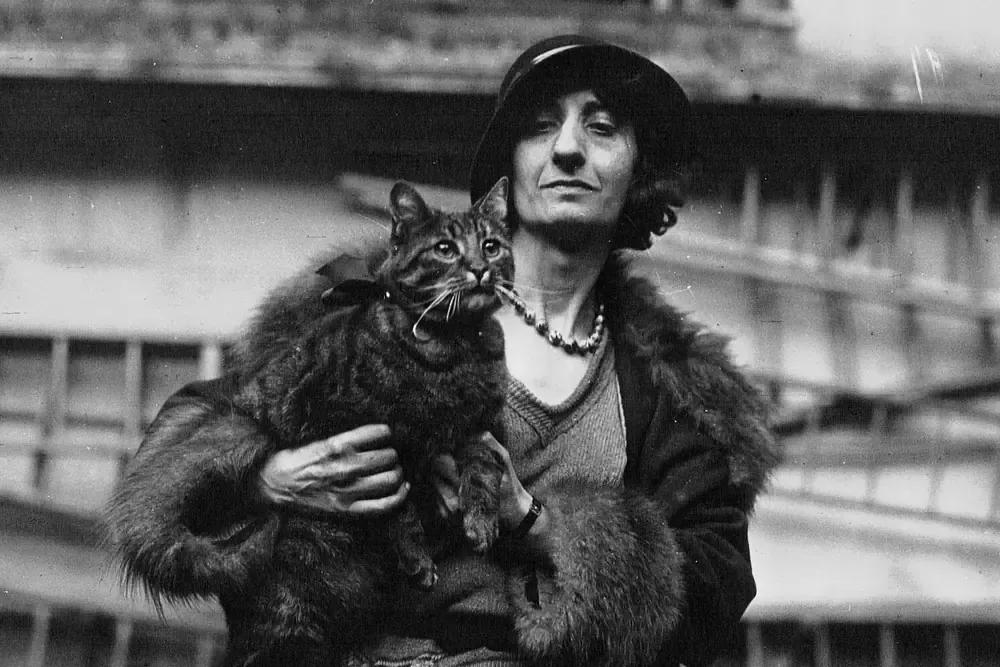
1925
The Birman was established in France and recognised there in 1925, with its pointed coat, deep blue eyes and four white gloves.
What they still carryThe look, and a gentle, even temper.
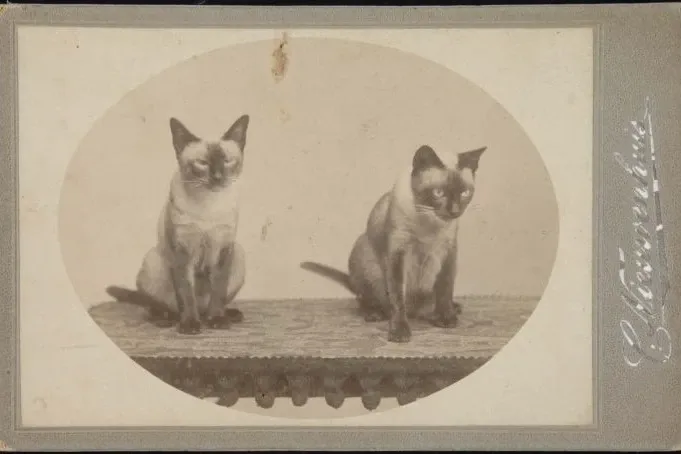
1939 to 1945
The Second World War nearly ended the breed. Breeders rebuilt it from a handful of survivors, with Persian and Siamese crosses.
What they still carryA breed rebuilt from very few cats, one reason some health conditions run in the breed.
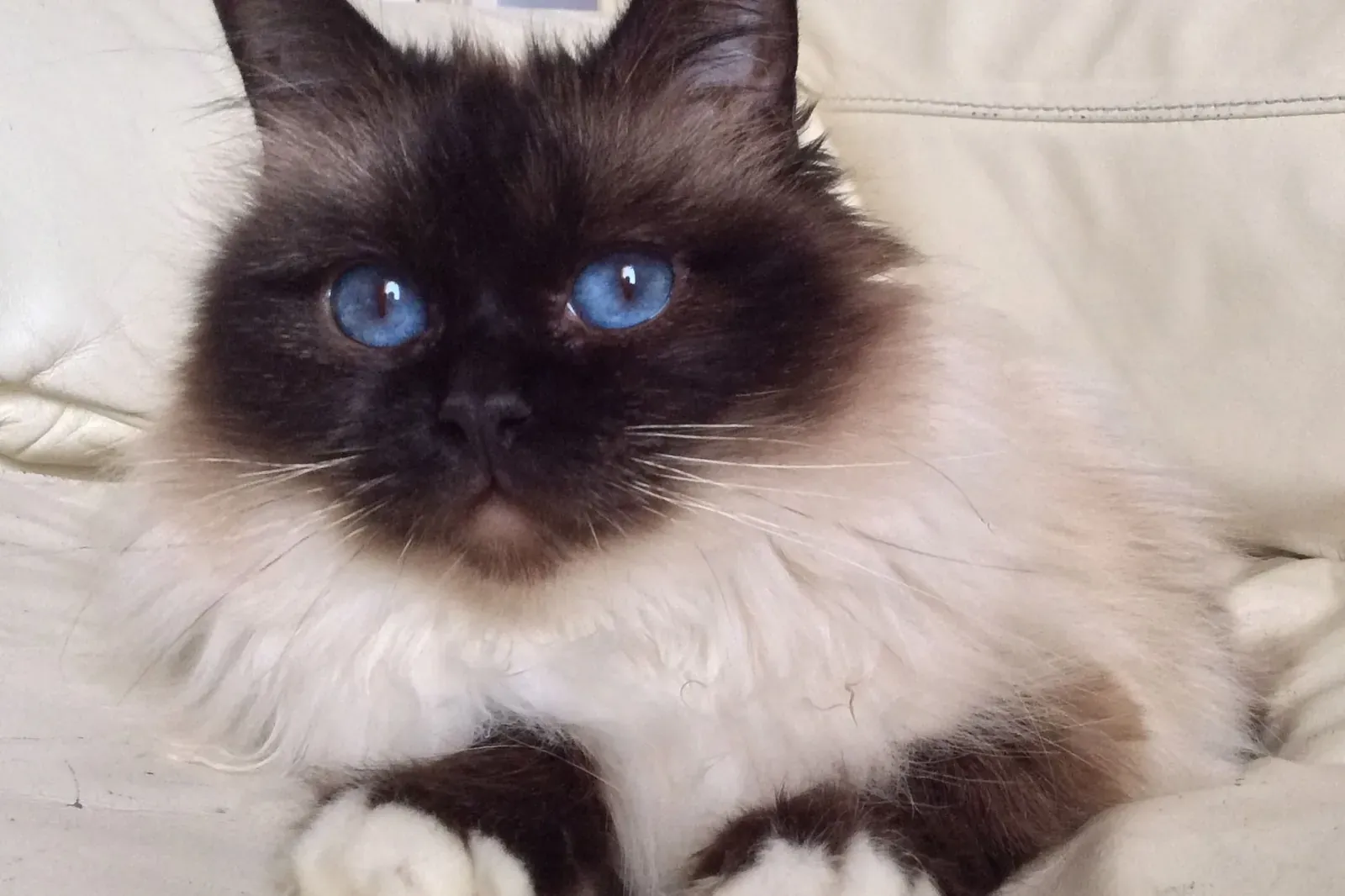
1966 and 1967
The Governing Council of the Cat Fancy recognised the Birman in 1966, and the Cat Fanciers' Association followed in 1967.
What they still carryThe gentle nature people have kept them for ever since.
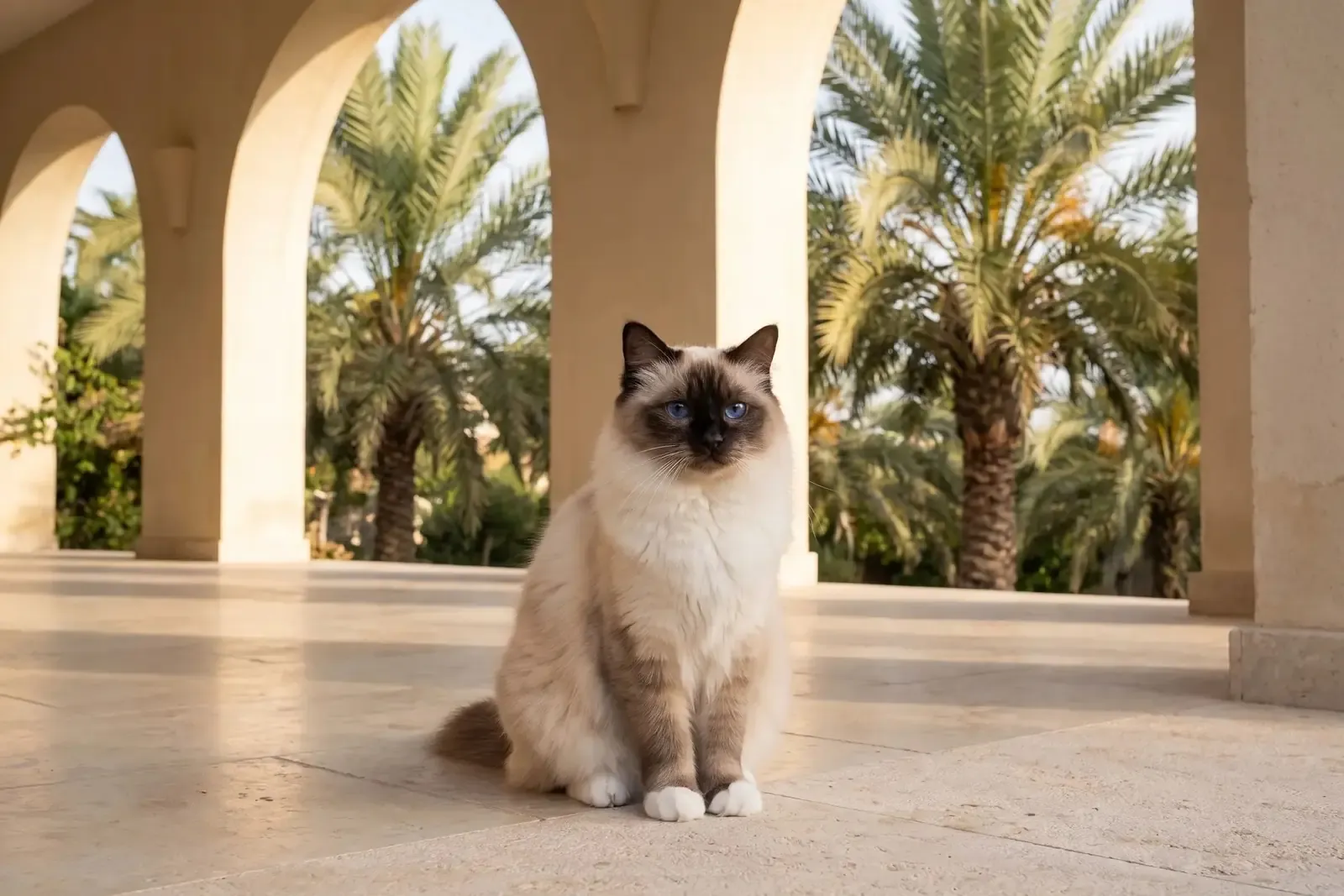
Today
A familiar pedigree cat in UAE homes, often living indoors for life.
What they still carryA calm, sociable, soft-voiced cat who seldom complains.
The ones you type at midnight.
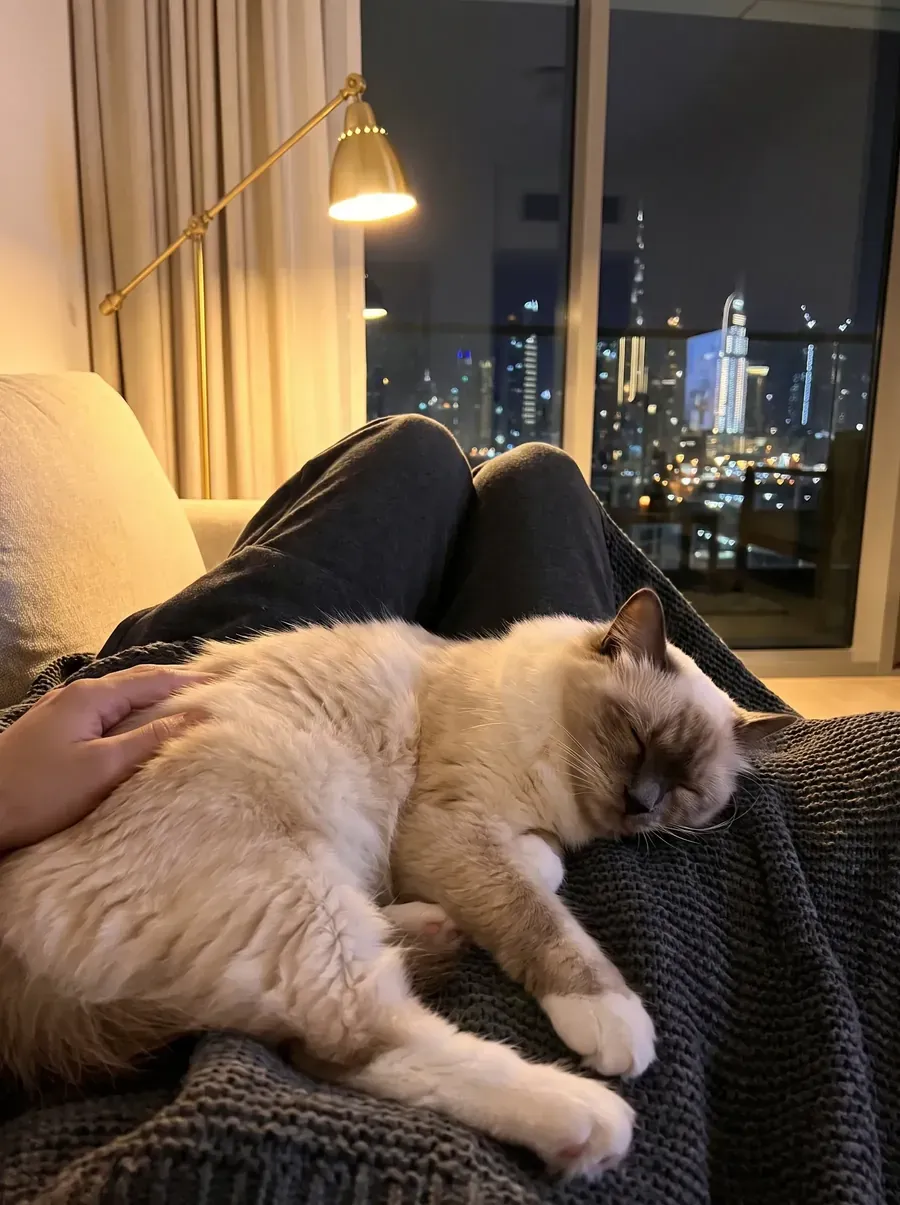
If the Birman suits you, so might these.
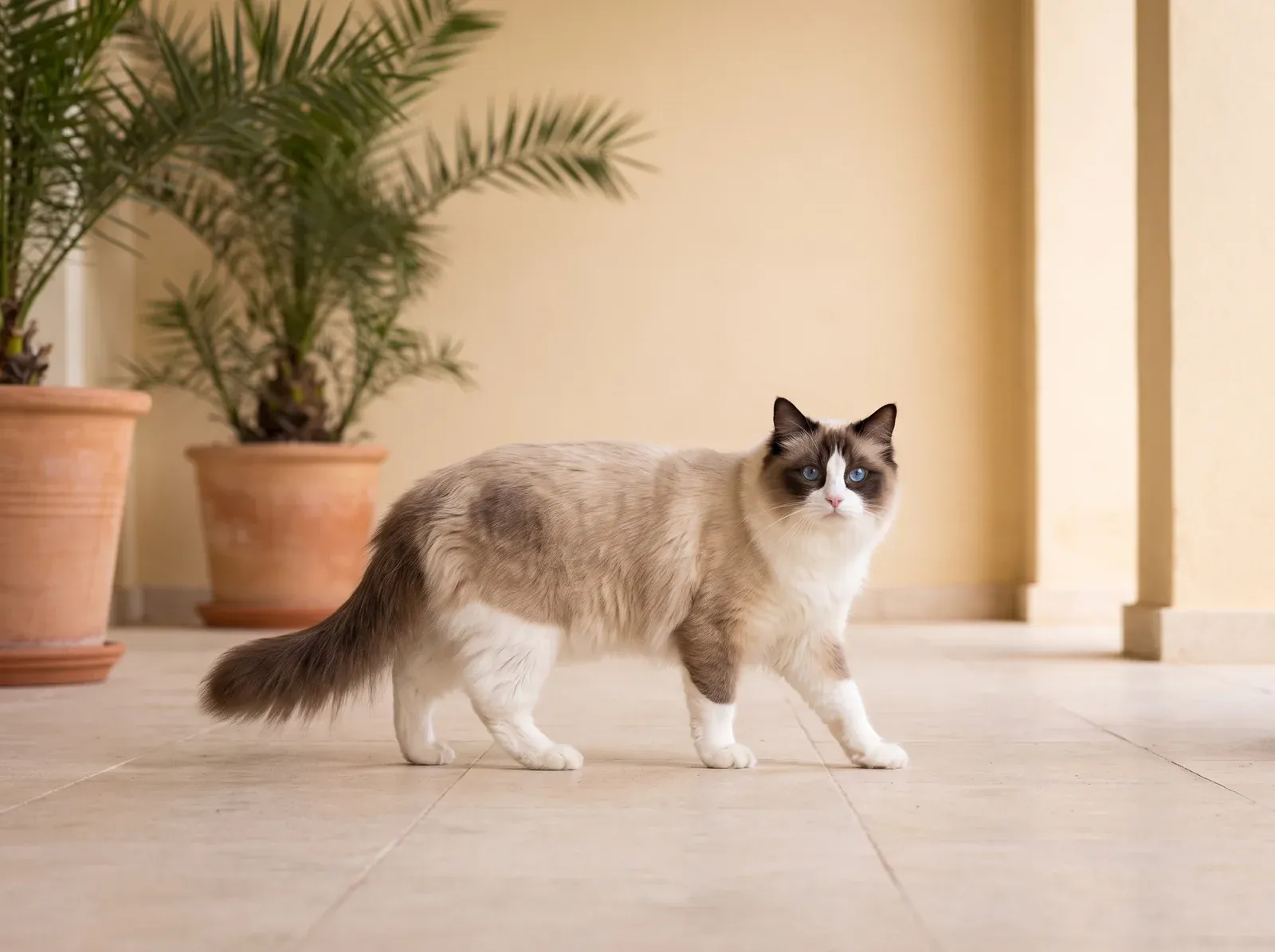 RagdollThe same kind of cat: another calm, blue-eyed colourpoint who is happy to be held, bigger, with a coat that wants two or three brushes a week
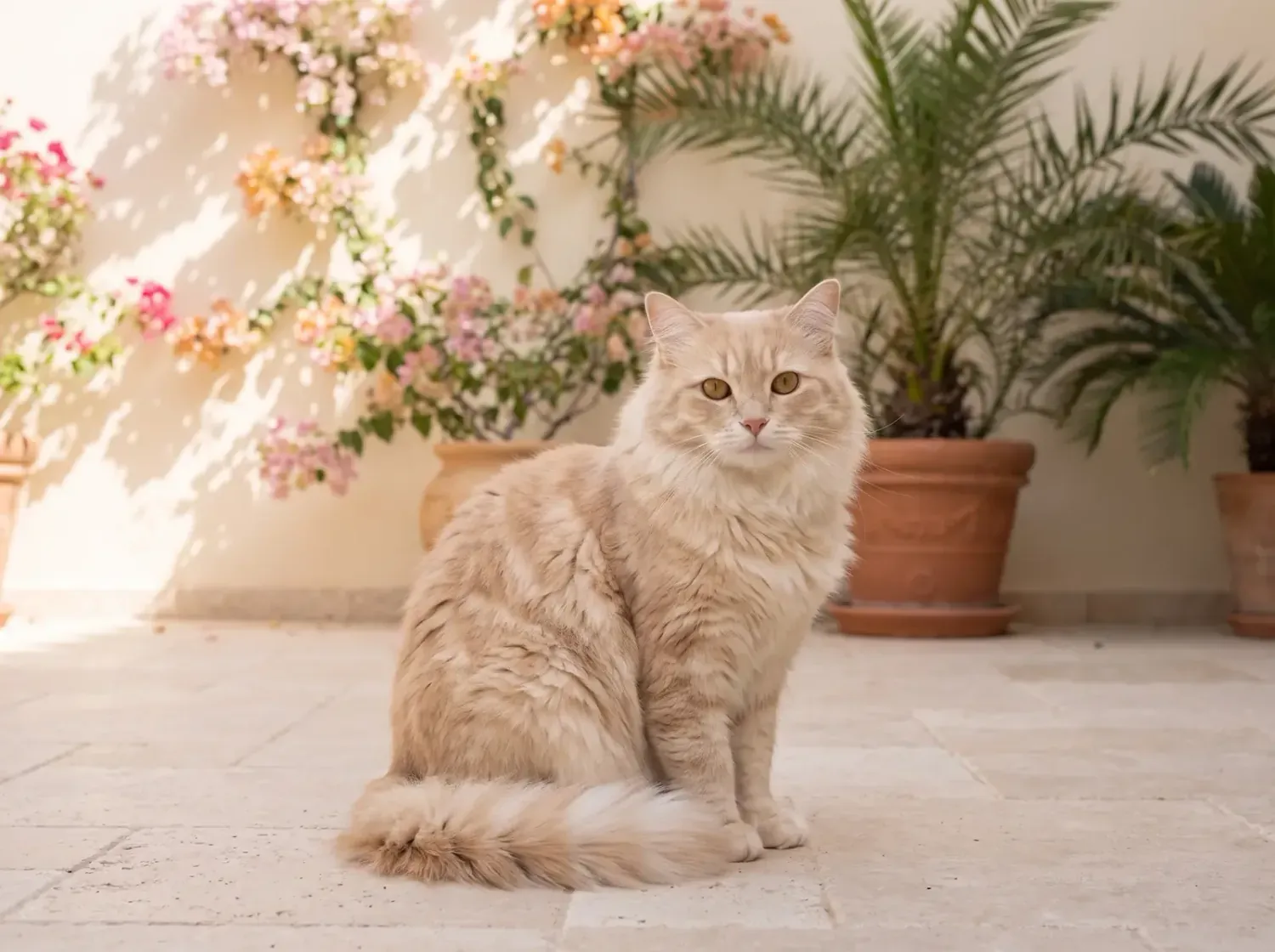 RagamuffinThe same kind of cat: bred for the same gentle temperament, in a bigger, plusher body and almost every colour
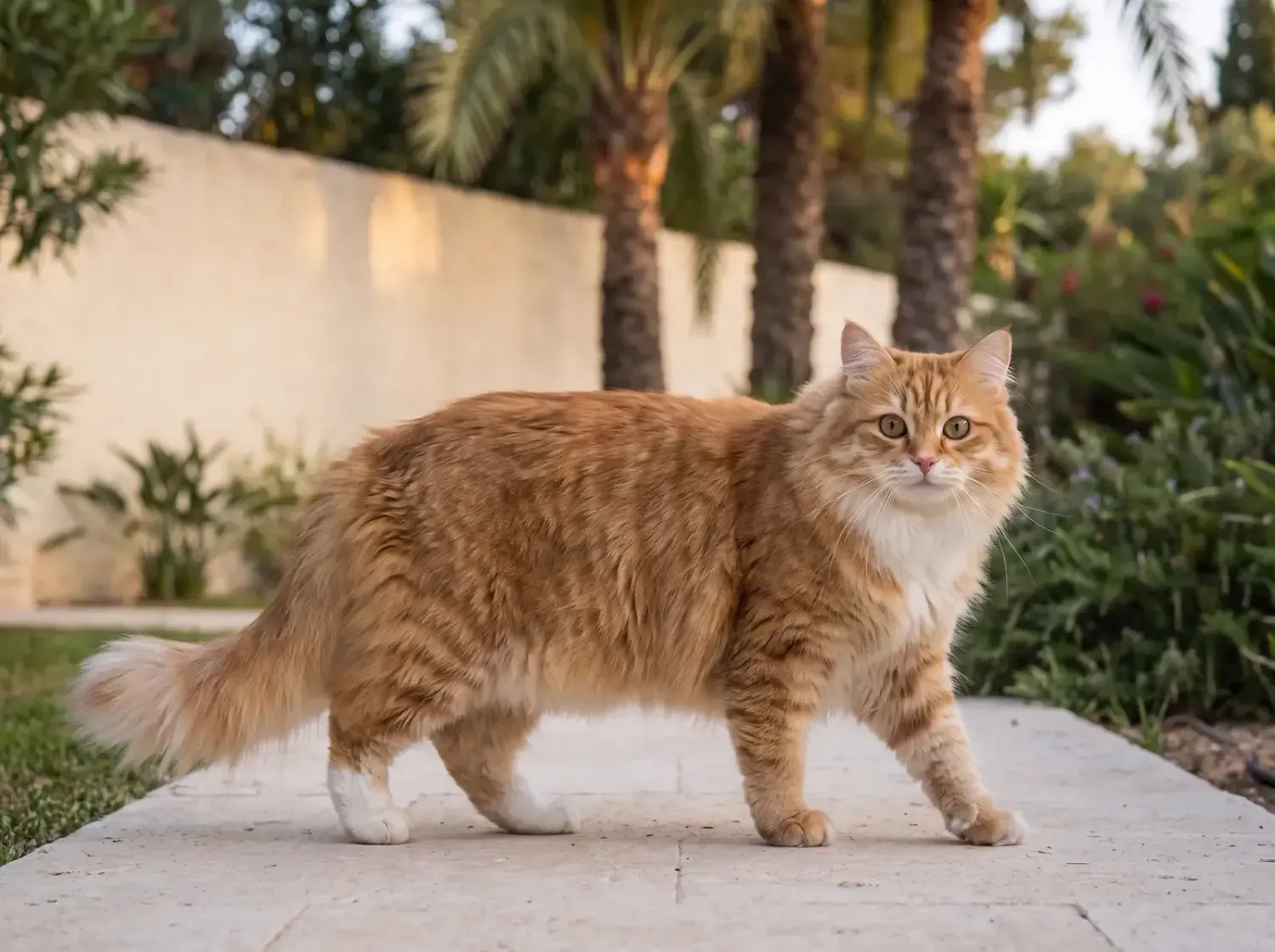 SiberianThe same love of company and soft voice, in a big forest cat with more play and a heavier coat
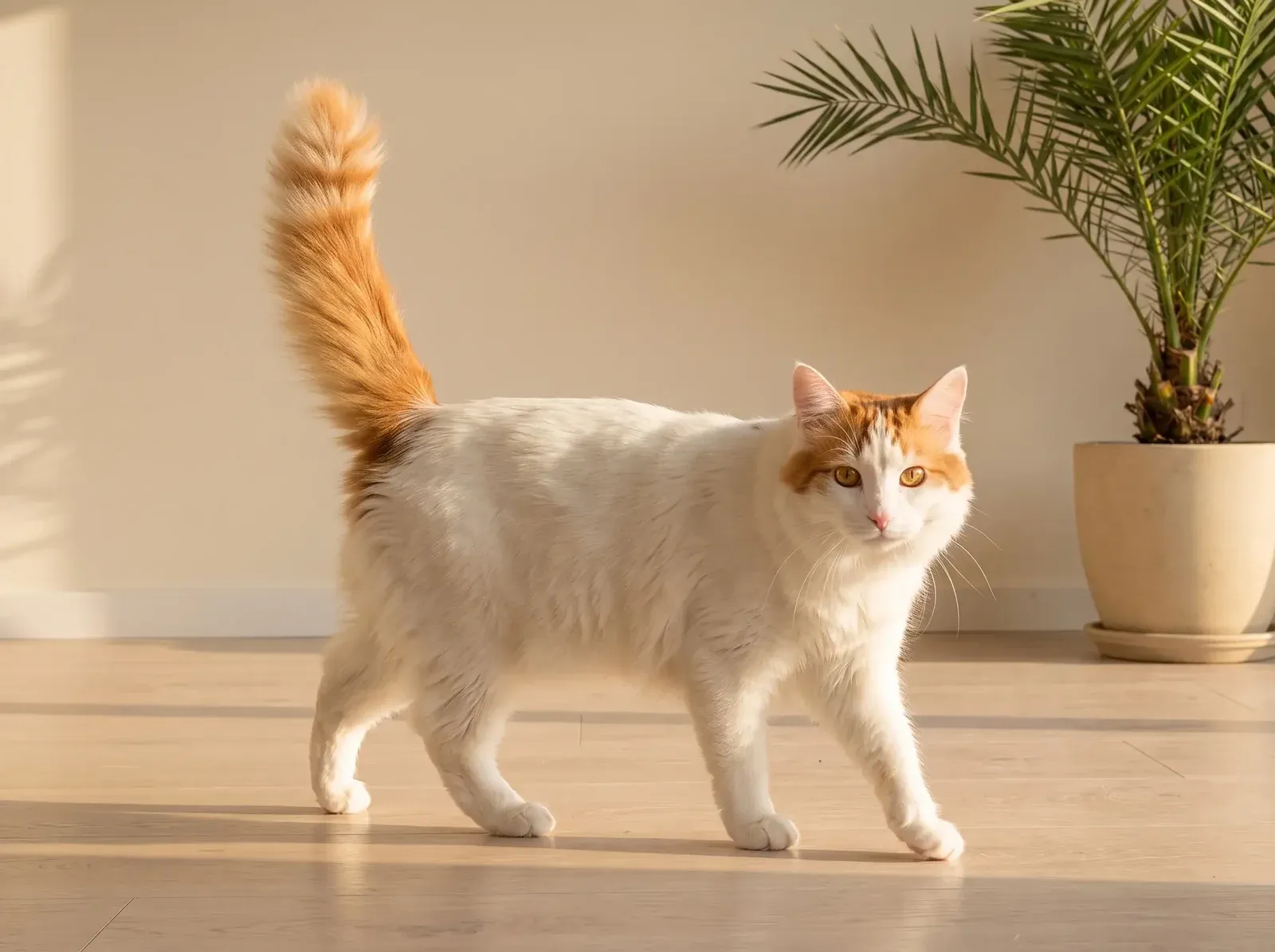 Turkish VanA similar size and the same weekly brush, in a busy, playful cat from Turkey with colour on the head and tail