We’re hiring people who love them like we do. Join us careers@pawsandco.comSee open roles
UAE Government Licensed MOCCAE
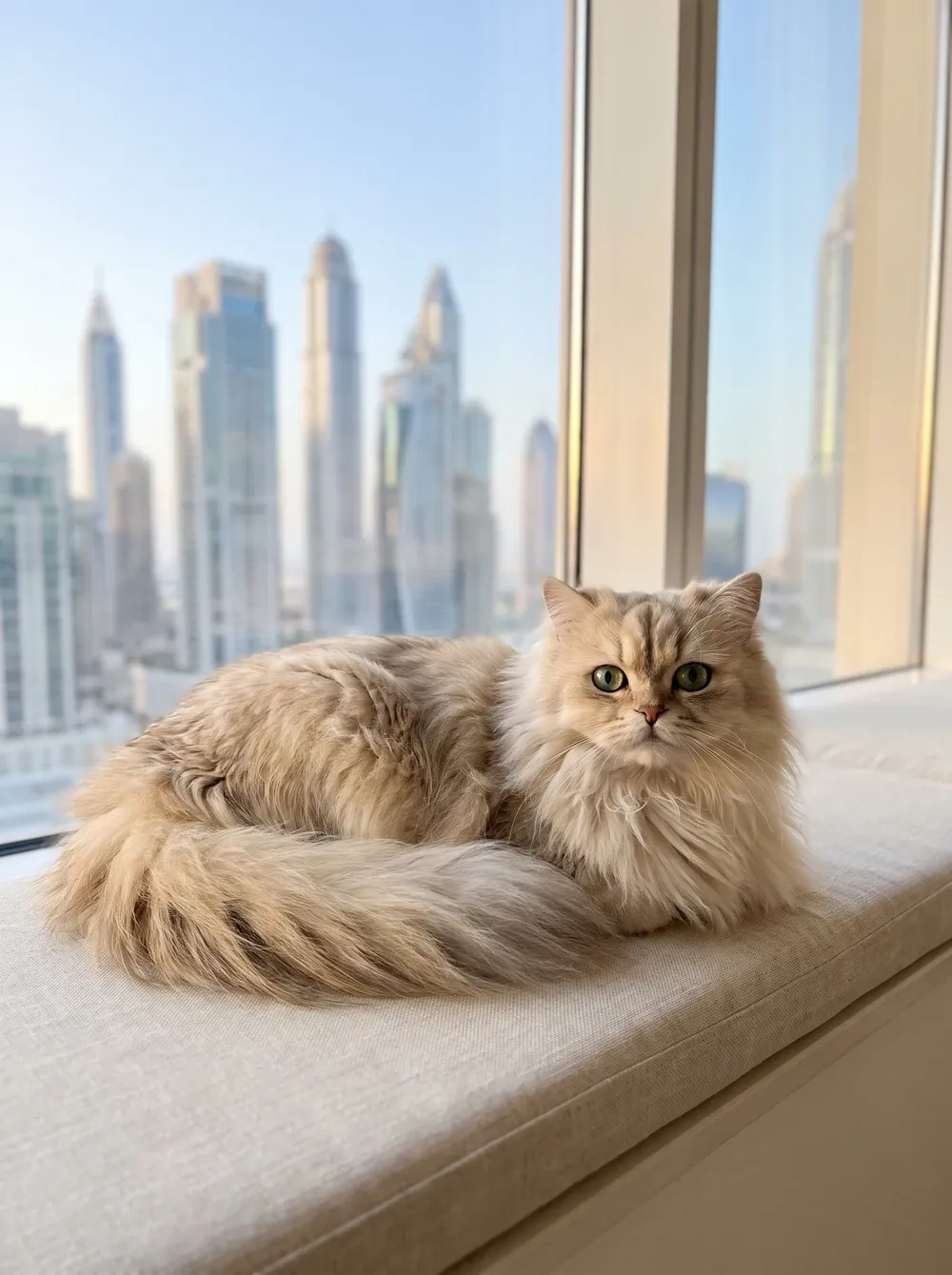
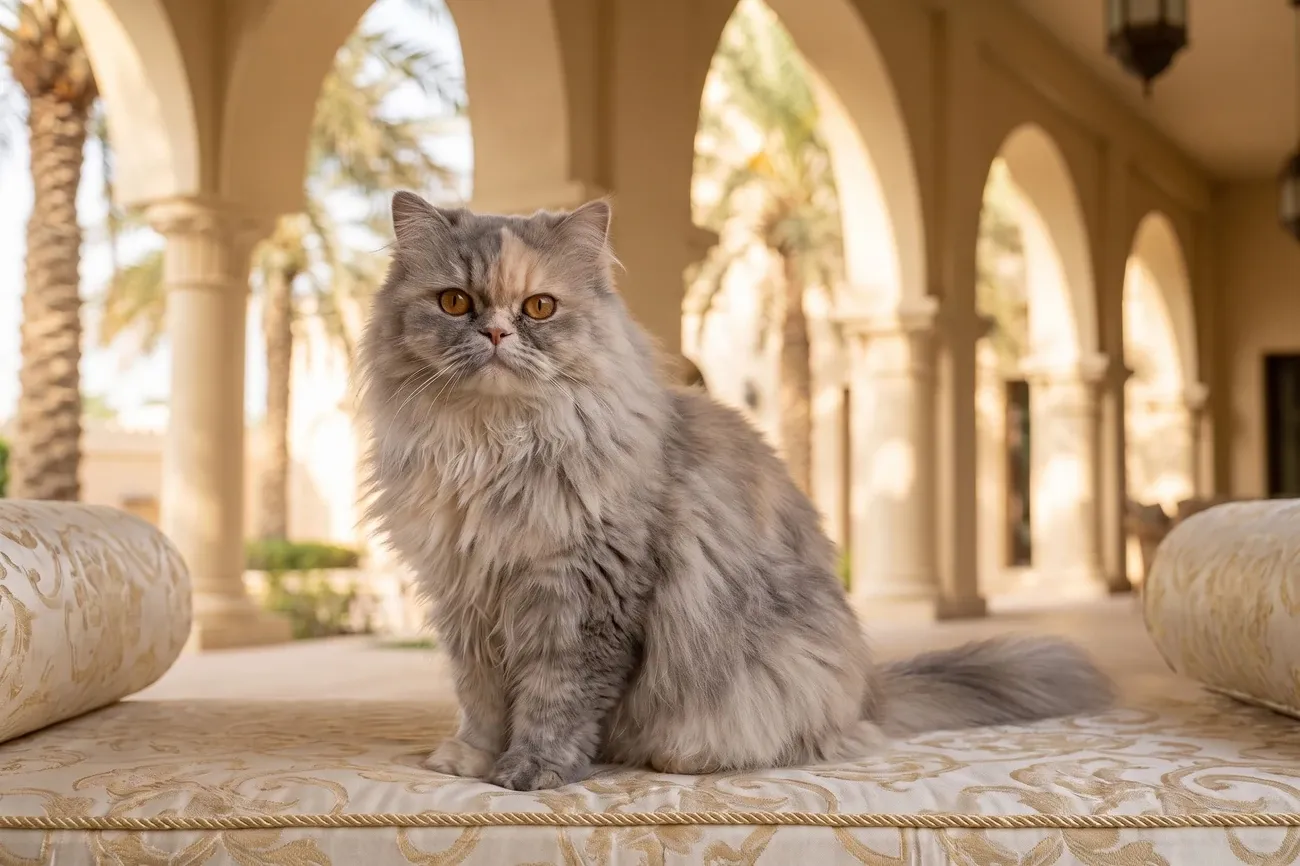
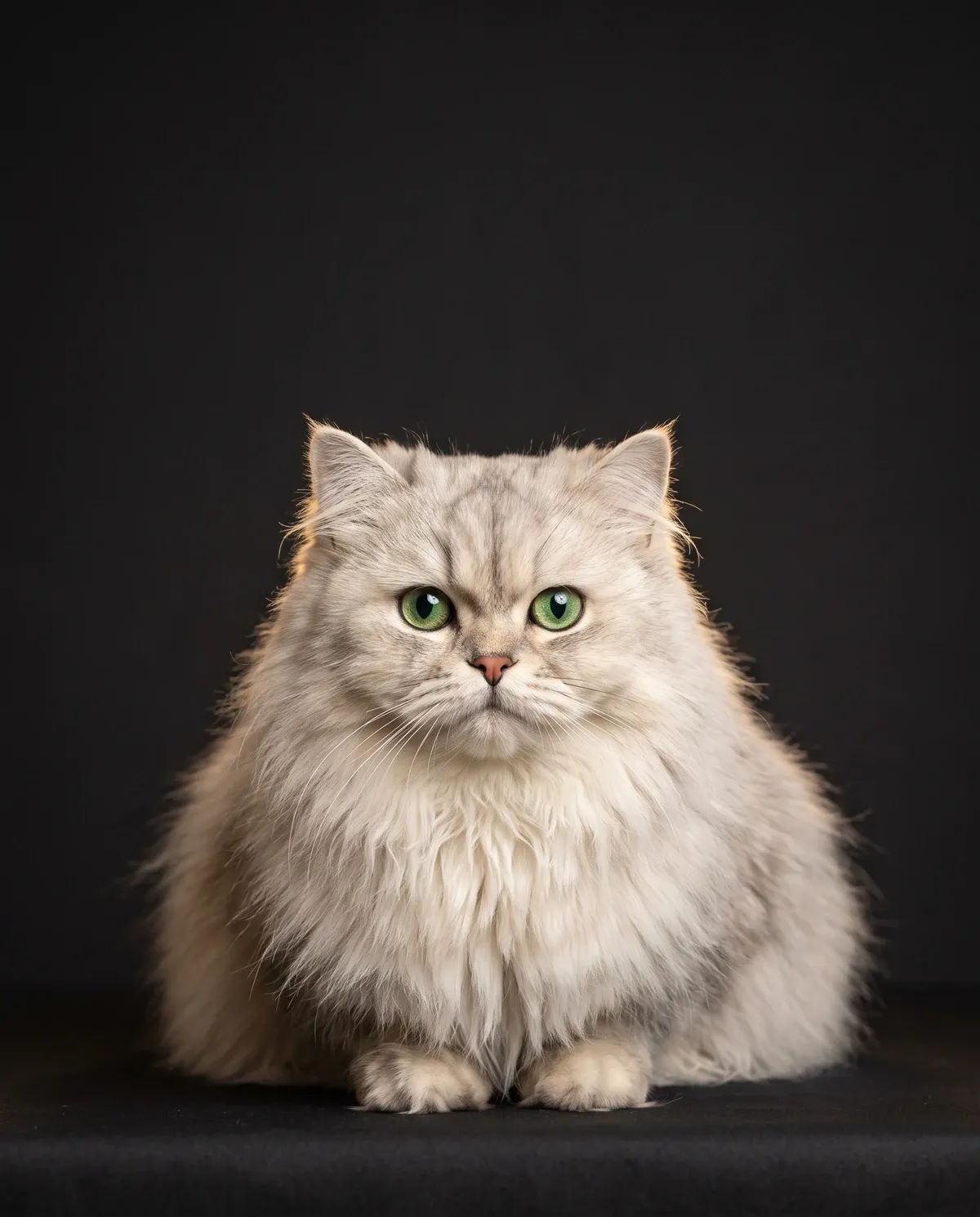
Persian in Dubai, studio portrait of a calm silver chinchilla adult sitting

Breed guide · Cats

Persian

She looks unimpressed by everything I do. I still wipe her eyes every morning.

Lifespan
12 to 16 years
Size
Medium
Weight
Females 2.7 to 5.4 kg, males heavier
Grooming
A comb every day

Last updated 12 October 2026

Join the founding families. AED 1,999 of essential care for AED 199.

No payment now. We'll be in touch by email and WhatsApp as we open enrolment.

✓
Thank you.

We will be in touch soon to confirm.

Persian traits

What they brought with them.

Tap a card to see what is going on.

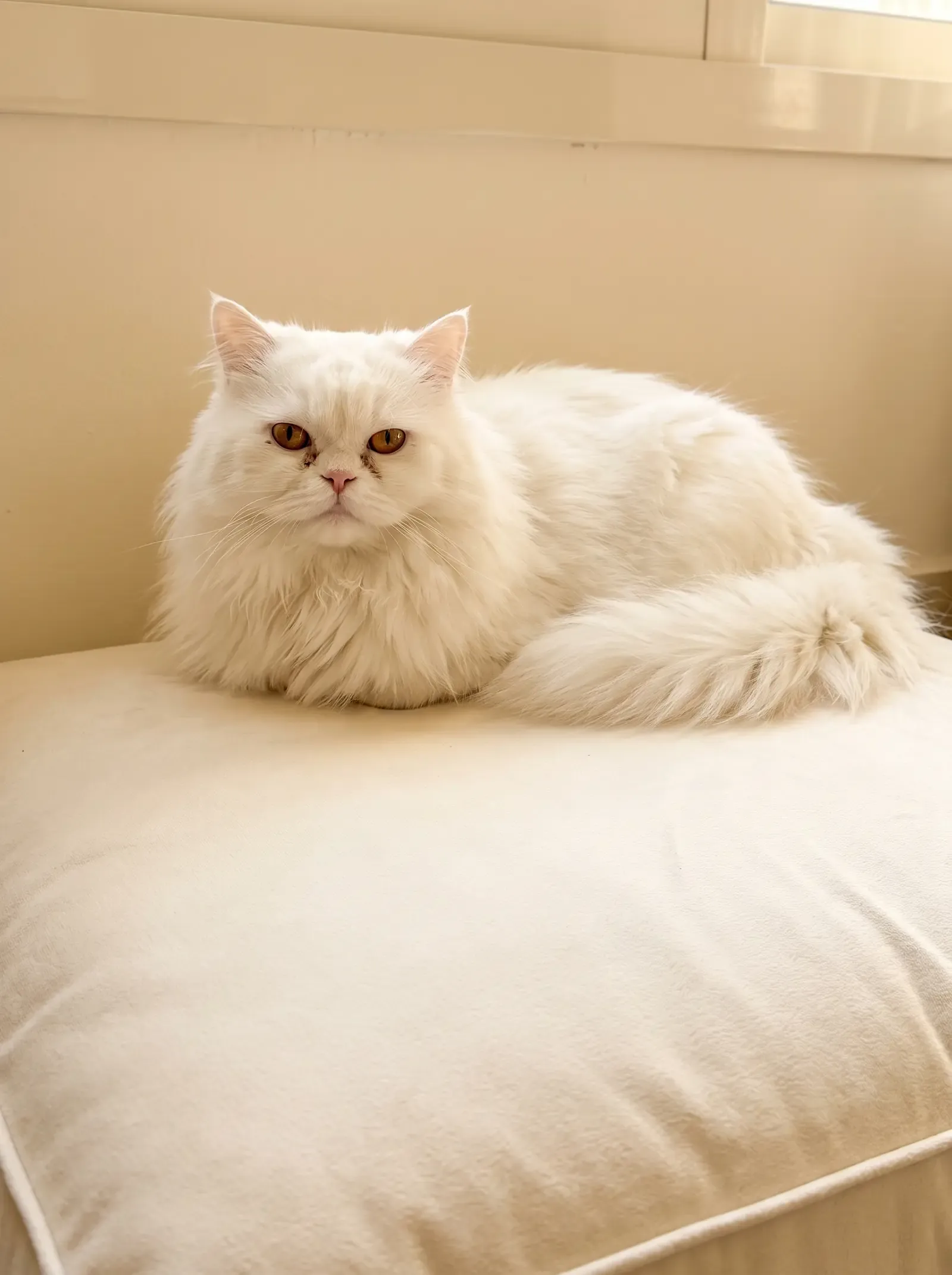
Persian, a white cat with faint tear marks resting on a cream floor cushion

At home

Their eyes run all day

Tears down the side of the nose, and a brown stain in the fold under the eyes.

What's going onTheir flat face squeezed the tear ducts, so tears spill instead of draining. A daily wipe with a damp pad keeps the skin clean. If you see a squint or a cloudy eye, contact your vet the same day.
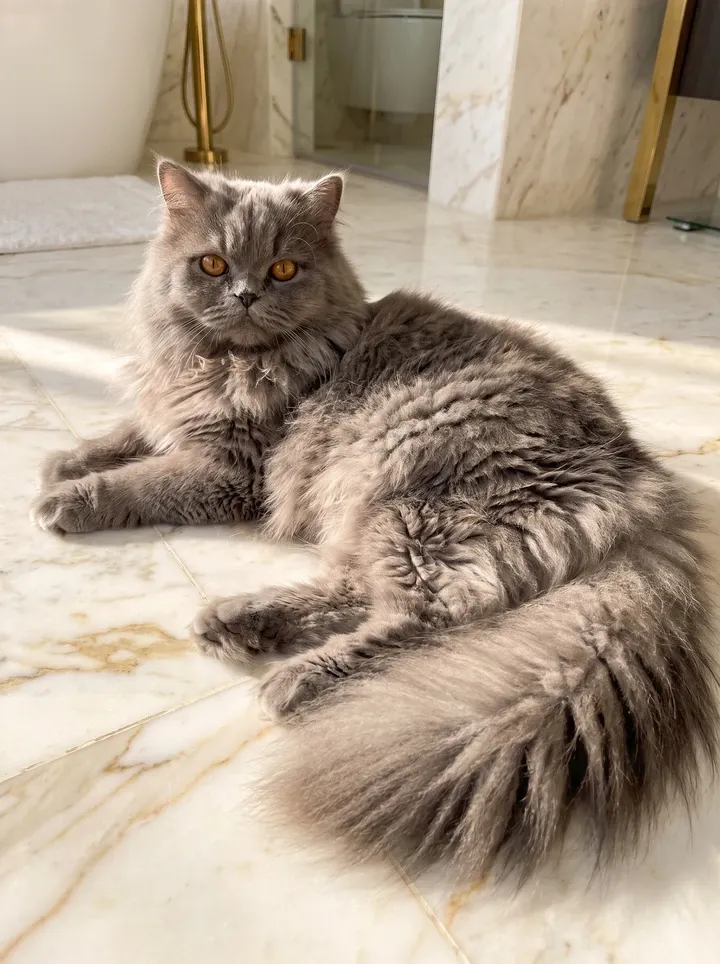
Persian, a blue cat stretched out on cool marble bathroom tiles

At home

They lie on the bathroom tiles

Flat out on the cold floor, or refusing to leave the coolest room in the flat.

What's going onA flat face and a thick coat make cooling down hard work, and the cold floor is how they cope. Keep the air conditioning on while they are home alone, from spring to autumn.

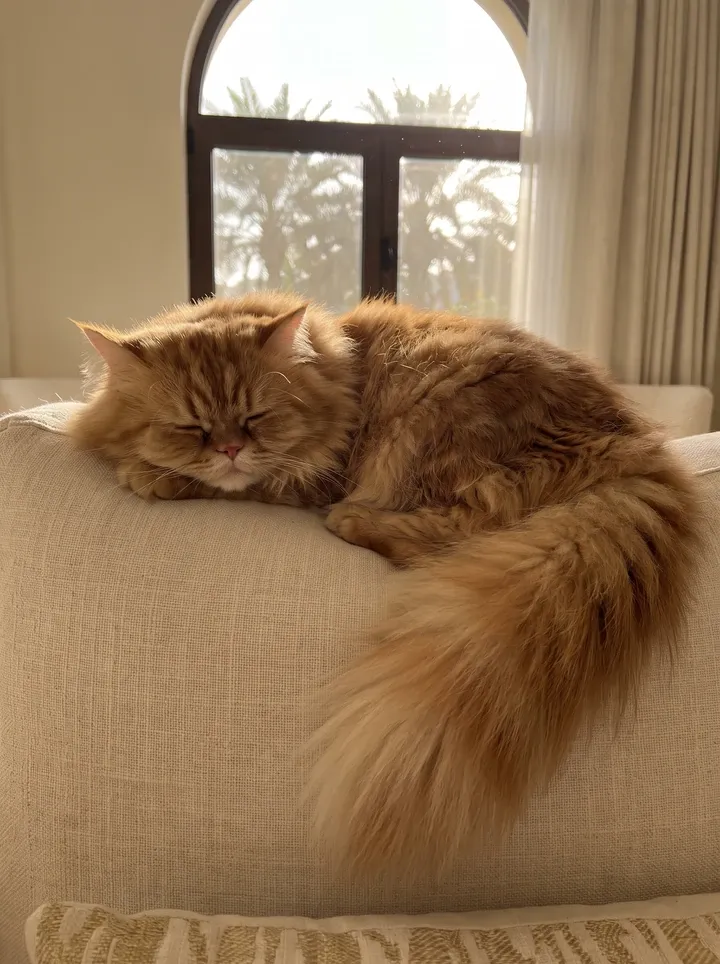
Persian in Dubai, a red tabby cat asleep on a sofa, palms through an arched window

At home

They never complain

Sleeps most of the day, plays for a minute, then stops. Lets you brush and carry them.

What's going onPersians were chosen for sitting still, and they still do. That makes pain easy to miss. Notice when they stop jumping onto the sofa, or groom less.

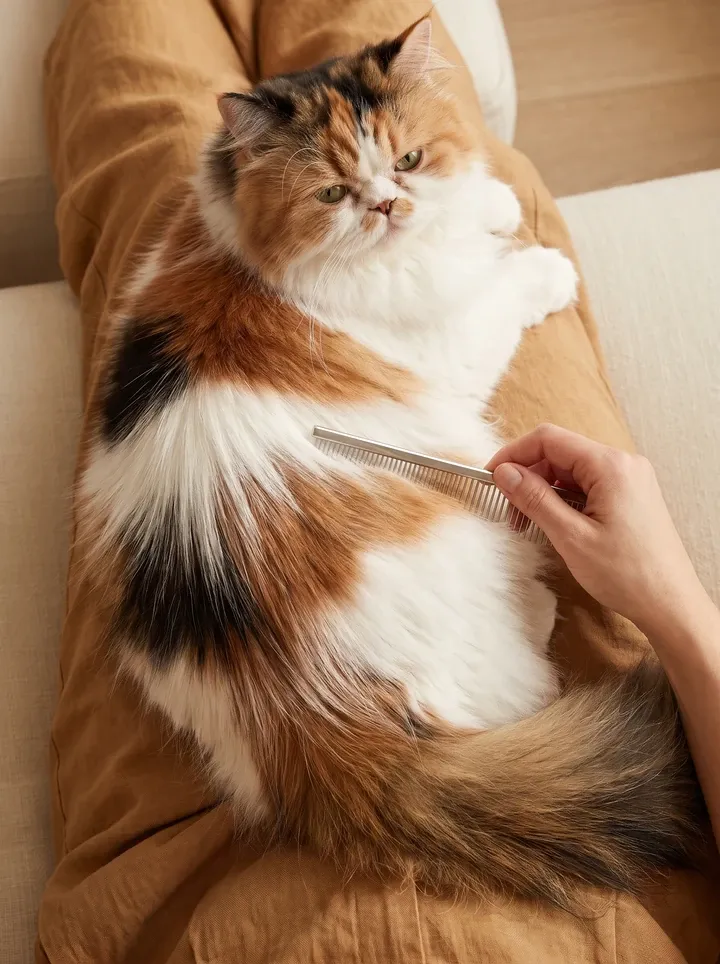
Persian, a calico cat lying on a lap while a metal comb runs through the coat

At home

Mats appear overnight

A knot behind the ear one day, a felted patch under the leg a few days later.

What's going onTheir coat was bred far longer than any cat can groom alone. Comb right down to the skin every day, and keep the fur around their bottom short.

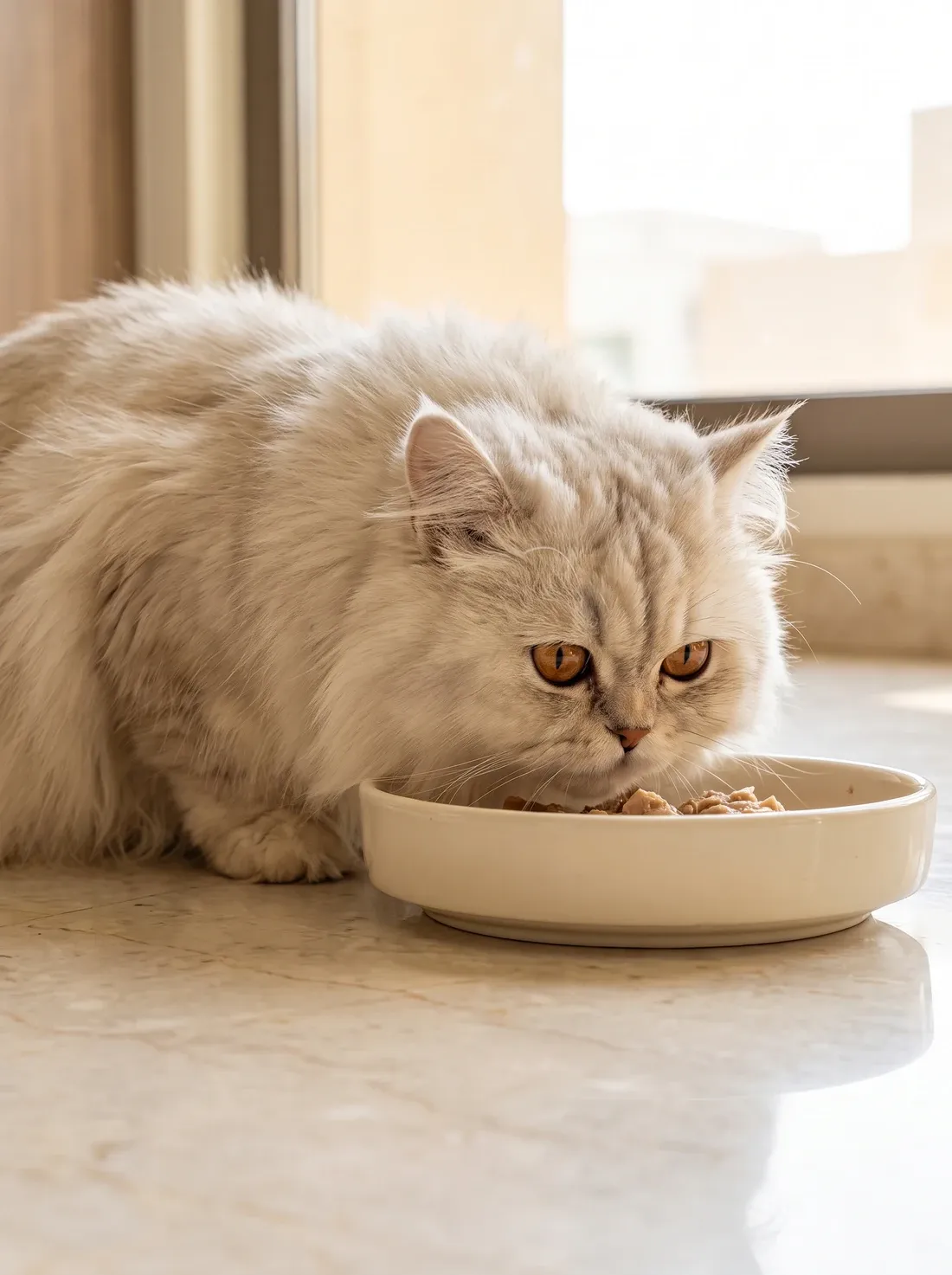
Persian, a cream cat eating from a wide, shallow dish on a marble kitchen floor

At home

They push their food around the bowl

Kibble dropped on the floor, the wet food finished and the dry food left.

What's going onA short face makes food physically harder to pick up, and crowded teeth trap more of it. A wide, flat dish helps. Dropping food or chewing on one side can mean a sore mouth.

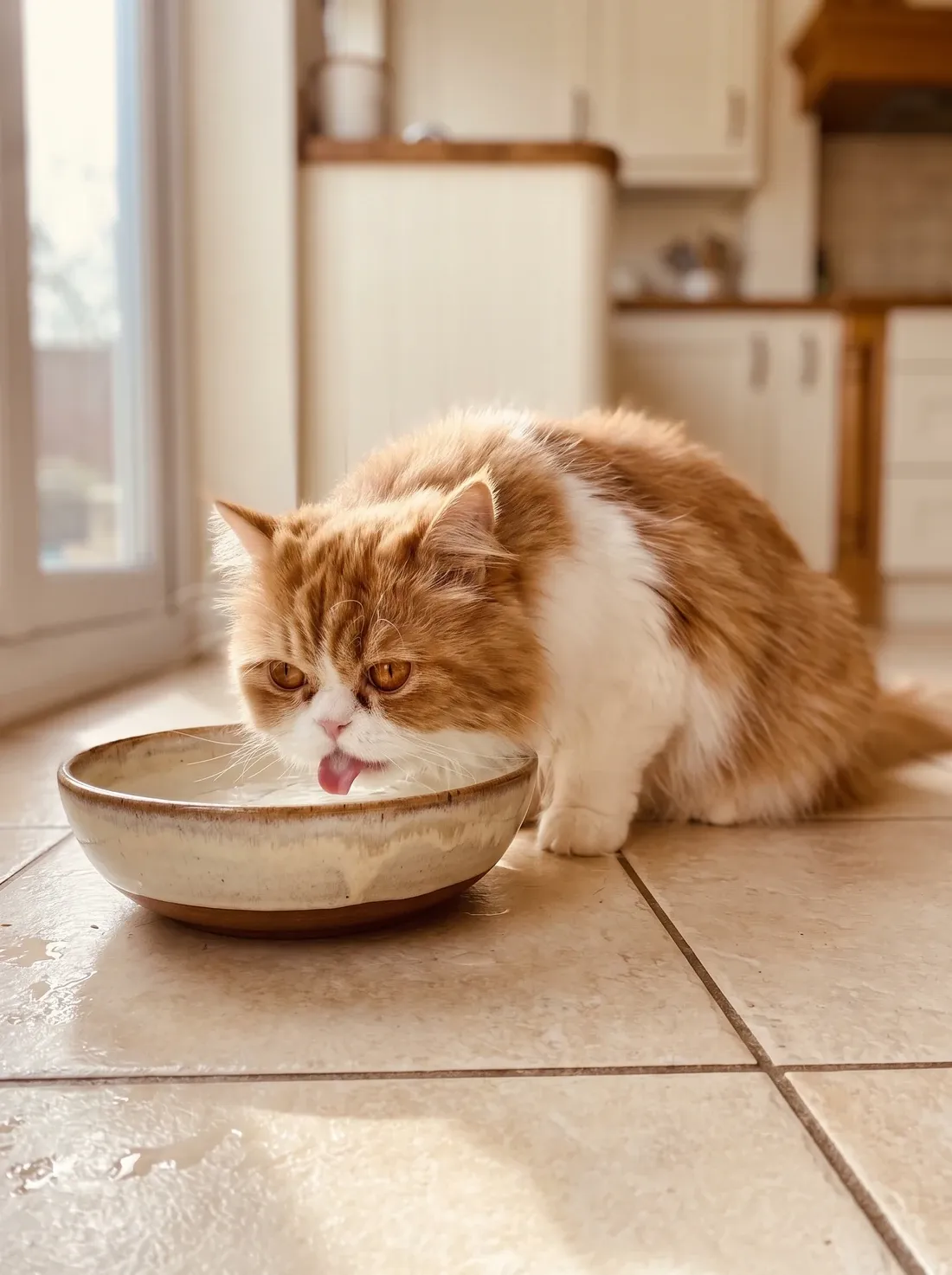
Persian, a red and white cat drinking from a wide bowl on a tiled kitchen floor

At home

They drink more than they used to

The water bowl empties faster, and the clumps in the tray get bigger.

What's going onPolycystic Kidney Disease (PKD, cysts in the kidneys) runs in Persians and stays quiet for years. Drinking more, or bigger clumps in the tray, is worth telling your vet about.

A Persian in Dubai

The bit nobody tells you.

Their look

Built for: A face and a coat, bred for the show bench.

In Dubai: Eyes that do not drain, and a coat that mats if you miss a day.

The heat

Built for: Nothing. Nobody bred them for heat.

In Dubai: A Dubai summer a street cat would sleep through. Their body struggles with it.

Pain

Built for: A calm cat who sat still to be groomed and shown.

In Dubai: A cat who will not tell you when something hurts.

They need your help with their face and their coat every day.

Ten minutes a day with a damp pad and a comb is when you are most likely to spot a new squint, or a sore patch under a mat. The ten things below are how.

Your plan is built around what a Persian is prone to at every age, from their kidneys and eyes to their teeth, and the care that goes with each one.

Join the founding families. AED 1,999 of essential care for AED 199.

Daily care for a Persian

Ten things that make their life better.

Many of them are free, and most matter at every age.

  1. Their tear ducts drain badly, so tears sit on the skin and stain it, and a damp fold can get sore.

    Every age, start as a kitten

    The cost of cotton padsIn your plan

    Why

    Their tear ducts drain badly, so tears sit on the skin and stain it, and a damp fold can get sore.

    What to do

    Once a day, use a soft pad dampened in cool boiled water. Wipe from the inner corner of each eye down along the nose, with a fresh pad for each eye, then dry the fold under the eyes. Look as you go: are both eyes open the same amount, clear and bright? A brachycephalic airway and tear-duct evaluation (a breathing and tear-duct exam, given their flat face) is in your plan as a kitten, and eye and tear-duct care in their junior and prime adult years.

  2. Their eyes sit further forward and are more exposed, and an injury to the surface of the eye can get worse quickly.

    Every age, most of all kittens after rough play and older cats

    Free

    Why

    Their eyes sit further forward and are more exposed, and an injury to the surface of the eye can get worse quickly.

    What to do

    If they squint, keep one eye shut, paw at their face, or you see a cloudy or blue patch on the eye, contact your vet the same day. Do not wait to see if it clears.

  3. Their face and their coat both make cooling down harder, and heat is what their body handles worst.

    Every age, most of all kittens and older cats

    Free

    Why

    Their face and their coat both make cooling down harder, and heat is what their body handles worst.

    What to do

    Air conditioning on while they are home alone, from spring to autumn. Never on a balcony or in a parked car. Cool the car before they get in, and keep the carrier out of the sun. If they breathe with their mouth open, cool them with a damp towel and contact your vet now.

  4. Their coat mats in days, and mats pull at the skin.

    Every age, most of all 7 months to 6 years

    The cost of a metal combIn your plan

    Why

    Their coat mats in days, and mats pull at the skin.

    What to do

    A wide-toothed metal comb, then a finer one, behind the ears, under the legs and along the belly. Five minutes, with a treat at the end. Keep the fur around their bottom short and clean. Never cut a mat out with scissors: the skin sits right under it. In their junior and prime adult years, your vet sets a daily coat grooming plan for them, as part of your plan.

  5. They will not ask to play the way a louder cat does, but they are still a hunter, and a short hunt keeps their weight steady.

    Every age, slower and lower from 7 years

    Under AED 30

    Why

    They will not ask to play the way a louder cat does, but they are still a hunter, and a short hunt keeps their weight steady.

    What to do

    A wand toy moved slowly along the floor, away from them and behind furniture. Two or three minutes, twice a day, in the coolest room. Let them catch it, then give them a small meal or a treat. Stop if their breathing gets louder.

  6. Their face makes eating awkward, and a quiet cat gains weight without anyone noticing. Extra weight also makes breathing and cooling harder.

    Every age, portions reset after neutering

    Free

    Why

    Their face makes eating awkward, and a quiet cat gains weight without anyone noticing. Extra weight also makes breathing and cooling harder.

    What to do

    Feed from a wide, shallow dish, so they can reach their food without pushing their face into it. Weigh their daily food and split it into small meals. Once a month, weigh yourself holding them, then without them, and note the difference.

  7. Polycystic Kidney Disease (PKD, cysts in the kidneys) is the first risk on their health record, and it is silent for years.

    Every age, start wet food as a kitten

    FreeIn your plan

    Why

    Polycystic Kidney Disease (PKD, cysts in the kidneys) is the first risk on their health record, and it is silent for years.

    What to do

    Some wet food every day. Two or three wide water bowls around the flat, away from their food and their tray, washed daily. Notice if they start drinking more, or the clumps in their tray get bigger, and tell your vet. A PKD renal ultrasound (a scan of the kidneys) is in your plan as a kitten, a junior and a prime adult.

  8. Bladder trouble shows in the tray first, and long fur holds on to litter and faeces.

    Every age, most of all 7 months to 6 years

    From about AED 35 a tray

    Why

    Bladder trouble shows in the tray first, and long fur holds on to litter and faeces.

    What to do

    Scoop daily in a low-sided tray with unscented litter, kept in the same quiet place. Watch for them going in and out often, straining, crying or passing blood. A male cat straining, crying or going in and out of the tray with little or nothing coming out may have a blocked bladder. That is an emergency: contact your vet now. If a female cat is straining, contact your vet the same day.

  9. Their teeth are crowded into a short jaw, trapped food means gum disease, and cats keep eating with sore teeth.

    Every age, start as a kitten

    Under AED 30 for a toothbrush and pasteIn your plan

    Why

    Their teeth are crowded into a short jaw, trapped food means gum disease, and cats keep eating with sore teeth.

    What to do

    Lift their lip gently and look at their teeth and gums. Start brushing as a kitten, a few seconds at a time, with cat toothpaste. Tell your vet if they drop food, chew on one side or go off hard food. An annual dental evaluation (teeth and gum check) is in your plan from their junior years.

  10. Their health depends on being handled: eyes wiped, coat combed, mouth looked at. A calm cat on the table is also easier to examine properly.

    Every age, start as a kitten

    Free

    Why

    Their health depends on being handled: eyes wiped, coat combed, mouth looked at. A calm cat on the table is also easier to examine properly.

    What to do

    Leave the carrier out, door open, with a blanket inside, so it is somewhere they sleep. Every day, touch their face, paws and belly for a few seconds, then give them a treat. On the day of a visit, cover the carrier with a towel and carry it level.

Four of these are in your plan. The rest you can do at home.

Join the founding families. AED 1,999 of essential care for AED 199.

Persian health by age

Their health, at every age.

In a cat, a change in behaviour is often the first sign that something is wrong. Choose their age to see what to watch for, and the care that goes with it.

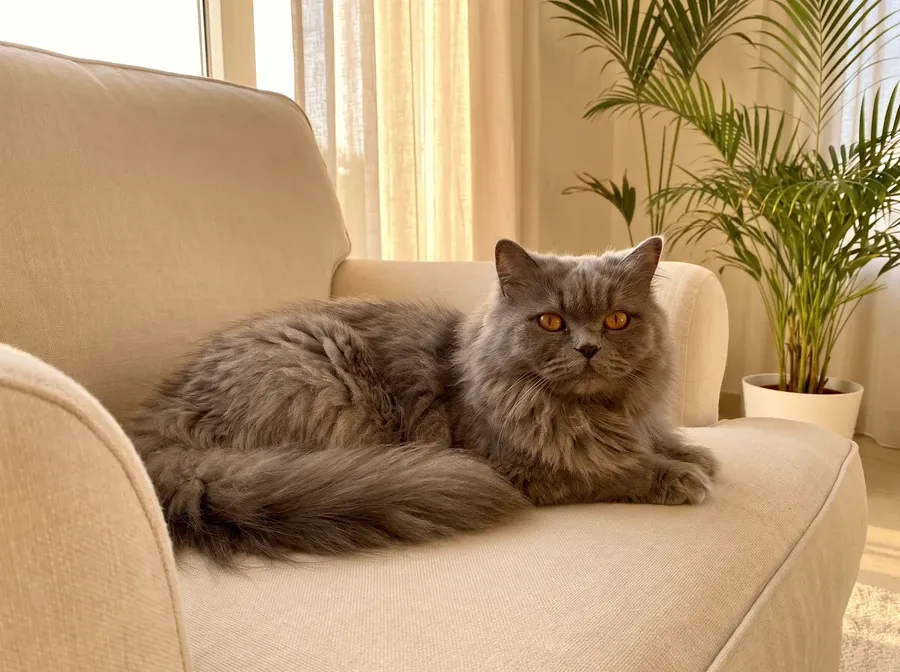
Persian, an older blue cat resting on a cream linen armchair, eyes bright

How old are they?

Their age

Persian Kitten health

the first six months

What to watch for

  1. Polycystic Kidney Disease (PKD, cysts in the kidneys)
  2. Brachycephalic airway and ocular disease (breathing and eye trouble from a flat face)
  3. Congenital defect screening (heart murmur, cleft palate, umbilical hernia)
  4. Gastrointestinal and external parasites
  5. Gastrointestinal and upper respiratory infectious disease

The care that goes with it

  1. Core vaccinations, microchip and Dubai Municipality registration
  2. Deworming, and flea and tick prevention
  3. Growth and nutritional evaluation, and early socialisation
  4. PKD renal ultrasound (a scan of the kidneys)
  5. Brachycephalic airway and tear-duct evaluation (breathing and tear ducts, given their flat face)
The full care detail
  • Core vaccination programme, microchipping and Dubai Municipality registration. Titre testing discussion where clinically appropriate; not a substitute for completing the core vaccine series
  • Deworming and external parasite prevention tailored to Dubai exposure
  • Body Condition Score (BCS, a check on whether they are the right weight), Muscle Condition Score (MCS, a check on their muscle), dental, growth and nutritional evaluation, and early socialisation
  • Polycystic Kidney Disease (PKD, cysts in the kidneys) renal ultrasound
  • Brachycephalic airway and tear-duct evaluation

Their age

Persian Junior health

7 months to 2 years

What to watch for

  1. Polycystic Kidney Disease (PKD, cysts in the kidneys)
  2. Brachycephalic airway and ocular disease (breathing and eye trouble from a flat face)
  3. Early presentation of Dental and periodontal disease (gum disease)
  4. Early presentation of Coat matting and dermatological issues (skin problems)
  5. Early presentation of Feline Lower Urinary Tract Disease (FLUTD, bladder and urinary problems)

The care that goes with it

  1. Neutering or spaying, with weight-management counselling
  2. Core vaccinations completed, and parasite control all year
  3. Annual dental evaluation, and brushing at home
  4. PKD renal ultrasound, with baseline bloods, renal panel (kidney blood tests) and urinalysis (a urine test)
  5. A daily coat grooming plan, and eye and tear-duct care
  6. FeLV and FIV status testing (two viruses cats pass to each other)
The full care detail
  • Neutering or spaying, with weight-management counselling from the day of surgery
  • Completion of the core vaccination programme and year-round parasite control
  • Annual dental evaluation and a home dental-care routine started young
  • Baseline weight, Body Condition Score (BCS, a check on whether they are the right weight) and urinalysis to set the adult reference point
  • Baseline blood work, and Feline Leukaemia Virus (FeLV, the feline leukaemia virus) and Feline Immunodeficiency Virus (FIV, the feline virus equivalent to HIV) status testing
  • Polycystic Kidney Disease (PKD, cysts in the kidneys) renal ultrasound
  • Daily coat grooming plan
  • Ocular and tear-duct care
  • Baseline renal panel and urinalysis

Their age

Persian Prime Adult health

2 to 6 years

What to watch for

  1. Polycystic Kidney Disease (PKD, cysts in the kidneys)
  2. Brachycephalic airway and ocular disease (breathing and eye trouble from a flat face)
  3. Dental and periodontal disease (gum disease)
  4. Coat matting and dermatological issues (skin problems)
  5. Feline Lower Urinary Tract Disease (FLUTD, bladder and urinary problems)

The care that goes with it

  1. Annual dental evaluation, and brushing at home
  2. Neutering or spaying, if not done yet
  3. Core vaccinations, parasite control, and diet and body condition scoring
  4. PKD renal ultrasound, renal panel (kidney blood tests) and urinalysis (a urine test)
  5. A daily coat grooming plan, and eye and tear-duct care
  6. Cardiac auscultation (listening to the heart) and baseline echocardiography (an ultrasound scan of the heart)
The full care detail
  • Annual dental evaluation and home dental care
  • Neutering or spaying, with weight-management counselling from the day of surgery, where it was not done at the Junior stage
  • Core vaccination and parasite control
  • Diet and body condition scoring
  • Baseline weight and urinalysis
  • Feline Leukaemia Virus (FeLV, the feline leukaemia virus) and Feline Immunodeficiency Virus (FIV, the feline virus equivalent to HIV) status testing
  • Polycystic Kidney Disease (PKD, cysts in the kidneys) renal ultrasound
  • Daily coat grooming plan
  • Ocular and tear-duct care
  • Baseline renal panel and urinalysis
  • Cardiac auscultation and baseline echocardiography

Their age

Persian Mature Adult health

7 to 10 years

What to watch for

  1. Polycystic Kidney Disease (PKD, cysts in the kidneys)
  2. Chronic Kidney Disease (CKD, long-term kidney failure)
  3. Dental disease
  4. Hypertrophic Cardiomyopathy (HCM, a thickened heart muscle)
  5. Brachycephalic ocular disease (eye trouble from a flat face)

The care that goes with it

  1. Renal panel (kidney blood tests) and urinalysis, with imaging
  2. Periodic cardiac auscultation (listening to the heart) and echocardiography
  3. Blood pressure measurement
  4. Dental scaling (a clean), as needed
  5. Weight and coat management
The full care detail
  • Renal panel and urinalysis with imaging
  • Periodic cardiac auscultation and echocardiography
  • Blood pressure measurement
  • Dental scaling as indicated
  • Weight and coat management

Their age

Persian Senior health

11 to 14 years

What to watch for

  1. Chronic Kidney Disease (CKD, long-term kidney failure)
  2. Hypertrophic Cardiomyopathy (HCM, a thickened heart muscle)
  3. Dental disease
  4. Neoplasia (cancer and tumours)
  5. Systemic hypertension (high blood pressure)

The care that goes with it

  1. Bloods, renal panel (kidney blood tests) and urinalysis, twice a year
  2. Thyroid hormone screening
  3. Blood pressure measurement
  4. Echocardiography (an ultrasound scan of the heart) and cardiac monitoring
  5. Joint and mobility evaluation (joint and movement exam)
  6. Dental evaluation under anaesthesia
  7. Neoplasia screening (for cancer)
The full care detail
  • Twice-yearly bloods, renal panel and urinalysis
  • Thyroid hormone screening
  • Blood pressure measurements
  • Echocardiography and cardiac monitoring
  • Joint and mobility evaluation
  • Dental evaluation under anaesthesia
  • Neoplasia screening

Their age

Persian Geriatric health

15 years and over

What to watch for

  1. Chronic Kidney Disease (CKD, long-term kidney failure)
  2. Hypertrophic Cardiomyopathy (HCM, a thickened heart muscle)
  3. Neoplasia (cancer and tumours)
  4. Systemic hypertension (high blood pressure)
  5. Osteoarthritis (worn, painful joints)

The care that goes with it

  1. Physical examination twice a year, with weight, muscle, teeth and mobility
  2. Bloods, urinalysis (a urine test) and thyroid testing
  3. Neoplasia screening (for cancer), and any weight loss or lumps looked into
  4. Nutrition, hydration and grooming support
  5. Quality-of-life assessment, comfort care and end-of-life planning
  6. Echocardiography and blood pressure monitoring
The full care detail
  • Biannual physical examination including weight trend, Body Condition Score (BCS, a check on whether they are the right weight) and Muscle Condition Score (MCS, a check on their muscle), and dental and mobility evaluation
  • Complete Blood Count (CBC), biochemistry including renal parameters where appropriate, urinalysis including Urine Specific Gravity (USG), and total T4 according to age and risk
  • Neoplasia evaluation including lymph nodes, oral cavity, skin and subcutaneous tissues, and abdominal palpation. Investigate unexplained weight loss, appetite change, masses or lymphadenopathy
  • Nutrition, hydration and grooming support
  • Quality-of-life assessments, a tailored palliative and comfort-focused care plan, and compassionate end-of-life planning with your veterinary team, available earlier should it become clinically evident
  • Ongoing echocardiographic surveillance and blood pressure monitoring

Breed predispositions indicate an increased risk rather than certainty of disease. What is right for them always comes from their own history and an evaluation.

Getting a Persian in Dubai

Before they come home.

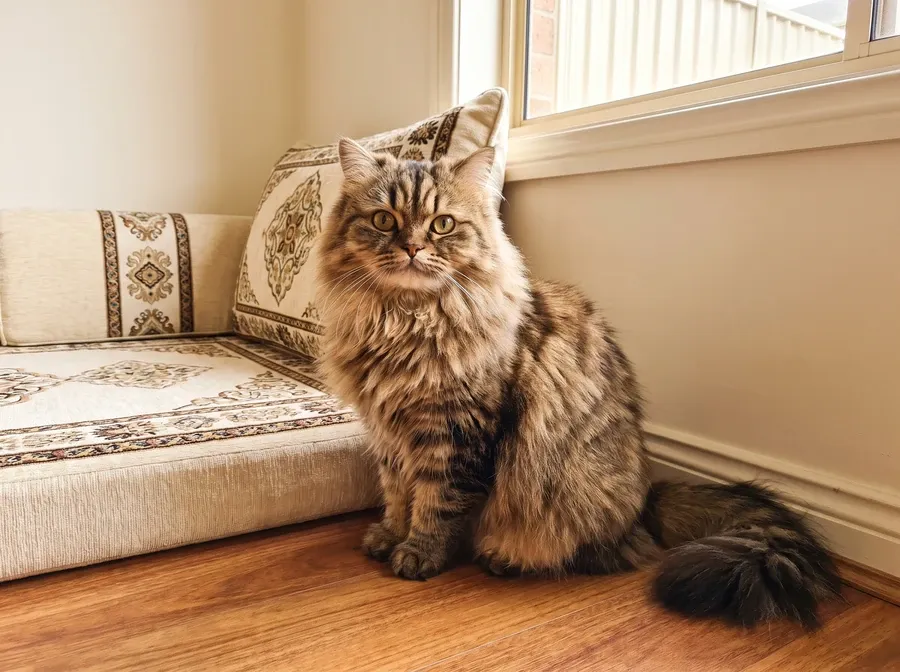
Persian, a brown tabby doll face cat sitting on a timber floor by a floor cushion

Show type or doll face

Doll face or flat face

Show lines have the very flat face that judges rewarded through the twentieth century. The longer-faced type, often called doll face, dropped out of the show ring. The flatter the face, the more the tear ducts, airway and teeth are pushed out of place. If yours already has the flatter face, the daily wipe and comb matter even more.

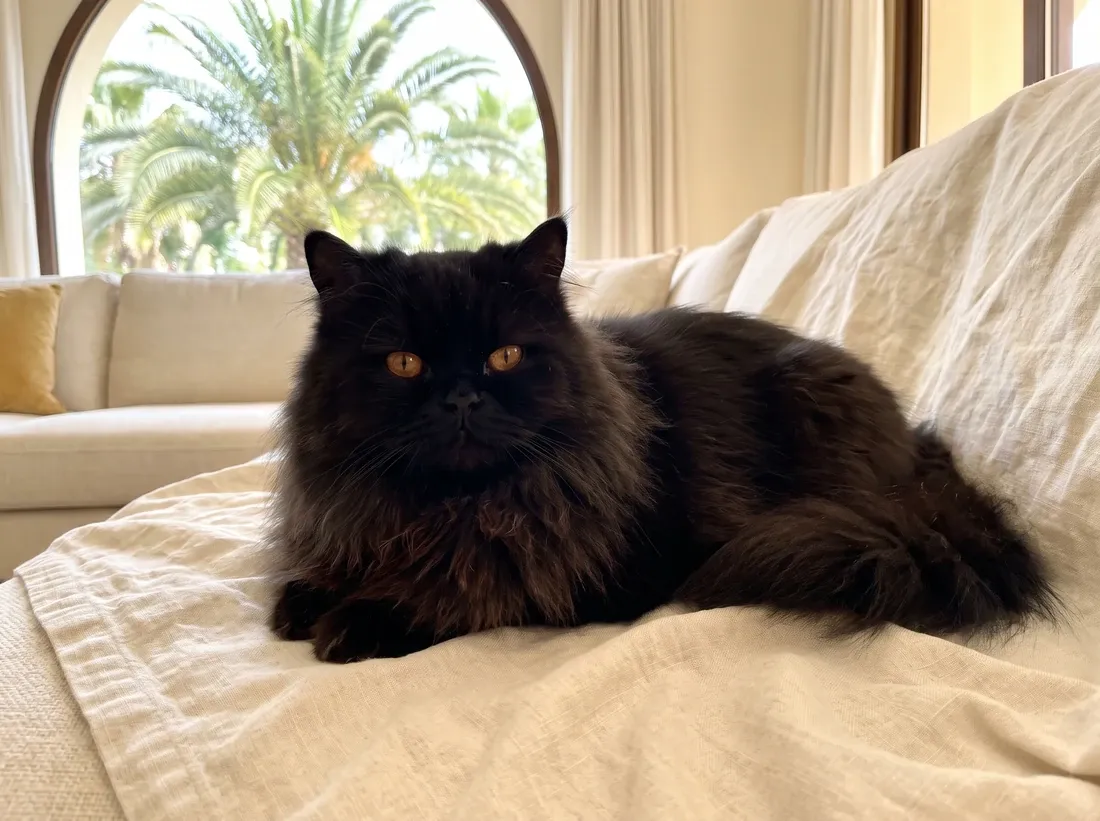
Persian in Dubai, a black cat lying on a linen throw, palms through an arched window

Colours

From silver chinchilla to solid black

Almost every colour between, tabby and tortoiseshell included. Whatever the colour, the coat needs the same comb every day.

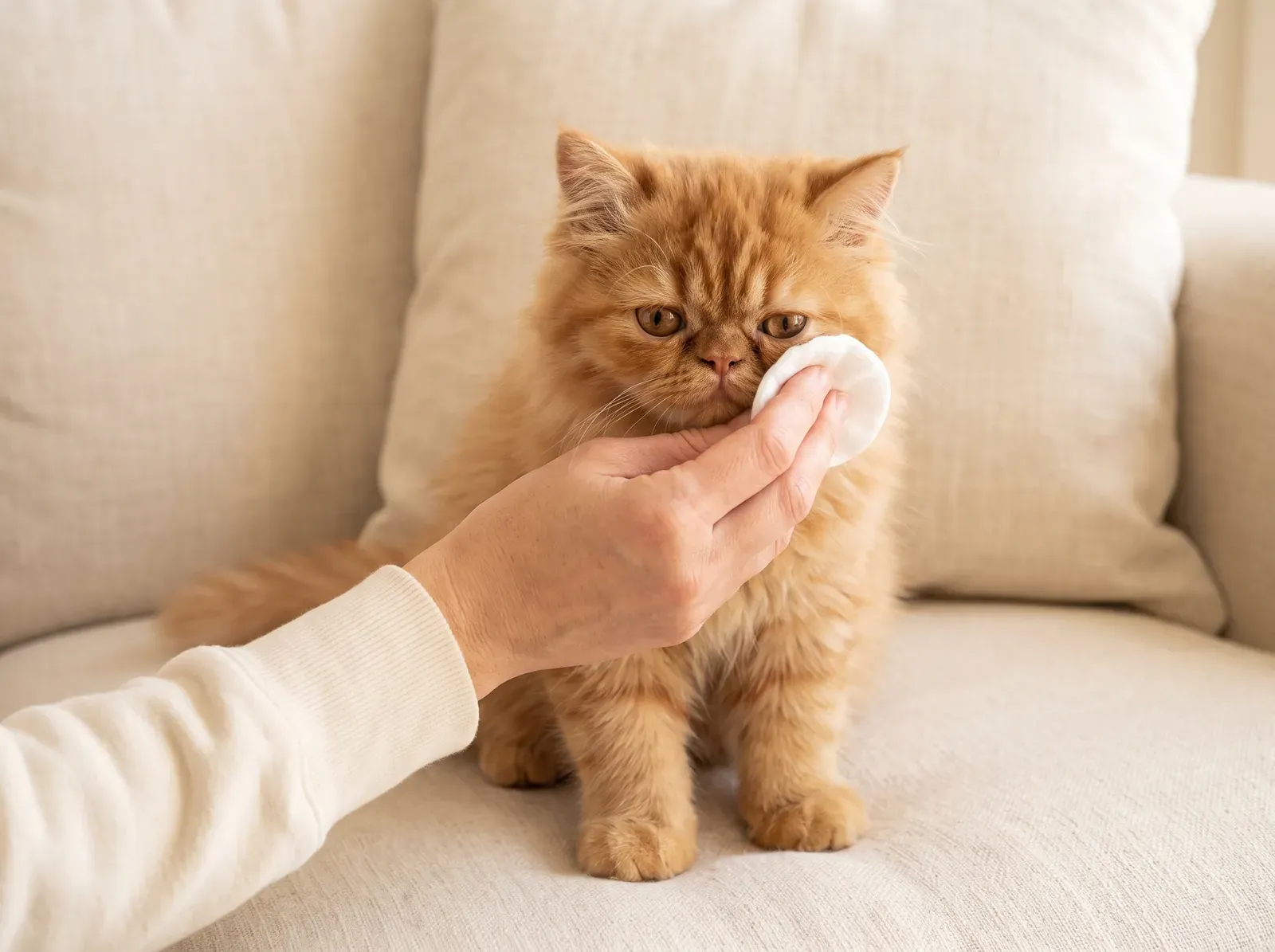
Persian, a red kitten having its eye wiped gently with a cotton pad

The first months

Start the wipe and the comb now

A few seconds a day with a damp pad, then the comb, then a treat. A kitten who learns it now is an adult who lets you, and their face and coat will need you every day of their life.

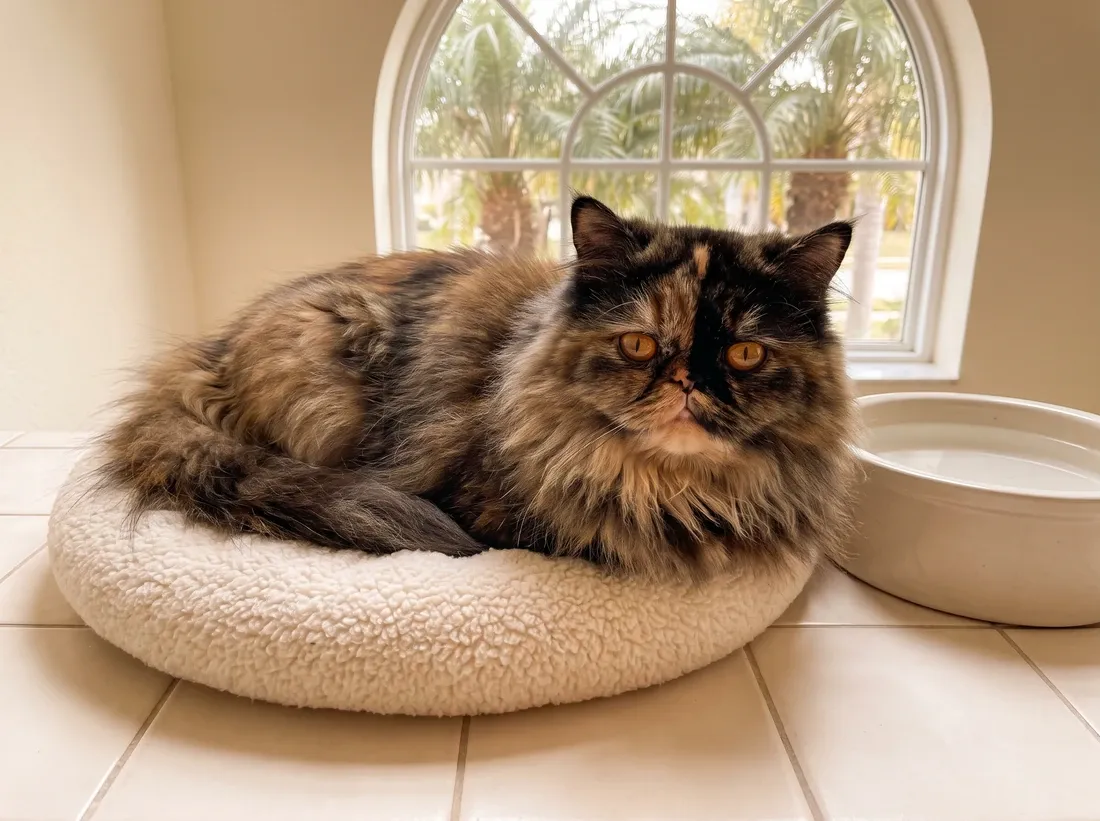
Persian in Dubai, a tortoiseshell cat in a cat bed by a water bowl, palms outside

Getting the home ready

Cool, calm and set up to stay

Air conditioning that stays on while you are out, a wide, flat dish, and a low-sided tray with unscented litter. Give them somewhere low to hide as well as somewhere to climb, then keep it all where it is. Change stresses them more than it looks.

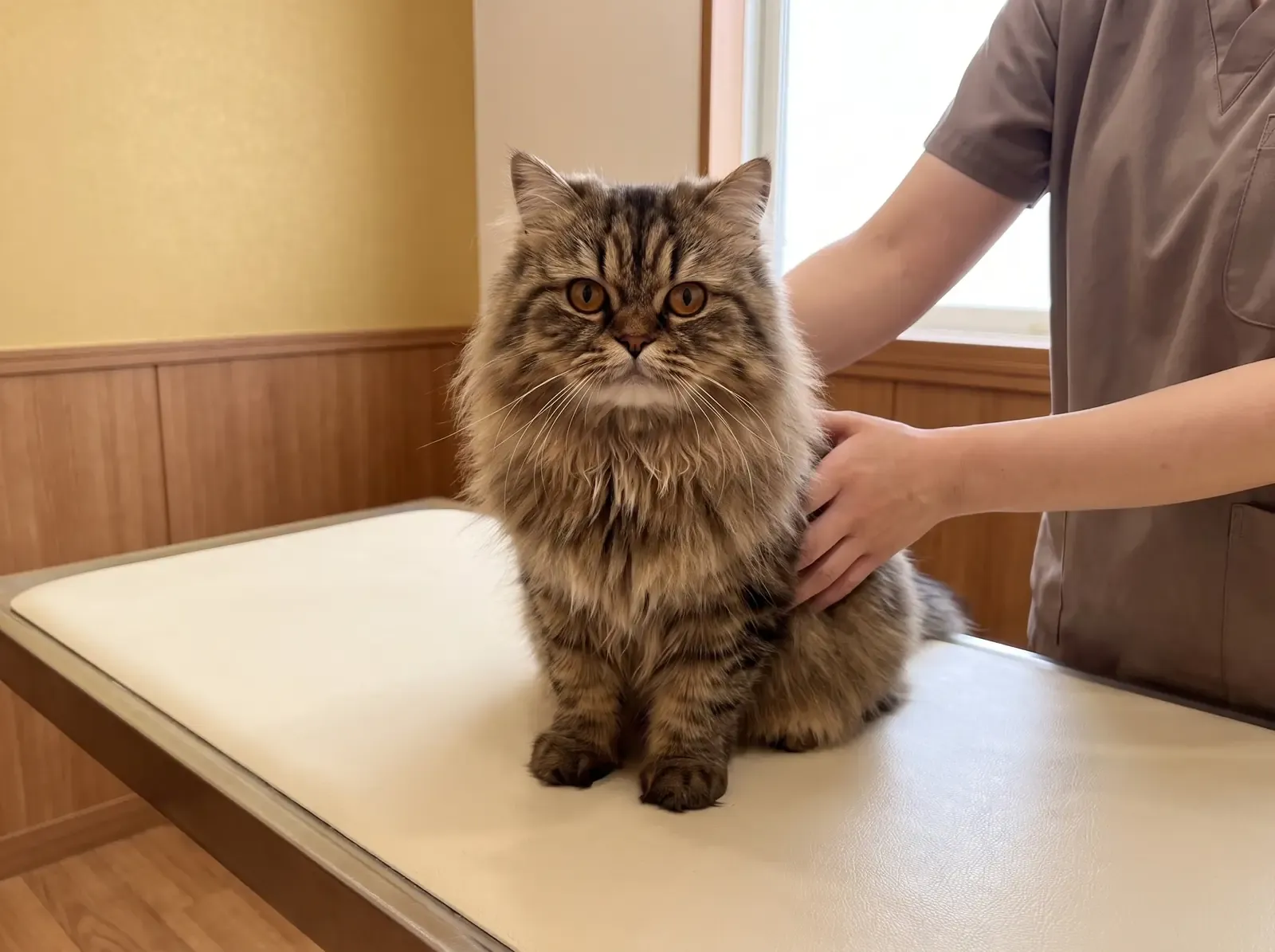
Persian, a brown tabby cat sitting on a consultation table, steadied by a vet's hands

Before you commit

Ask about the parents' kidneys

Polycystic Kidney Disease (PKD, cysts in the kidneys) runs in Persians and stays quiet for years, so a breeder should be able to tell you how both parents have been, their kidneys most of all.

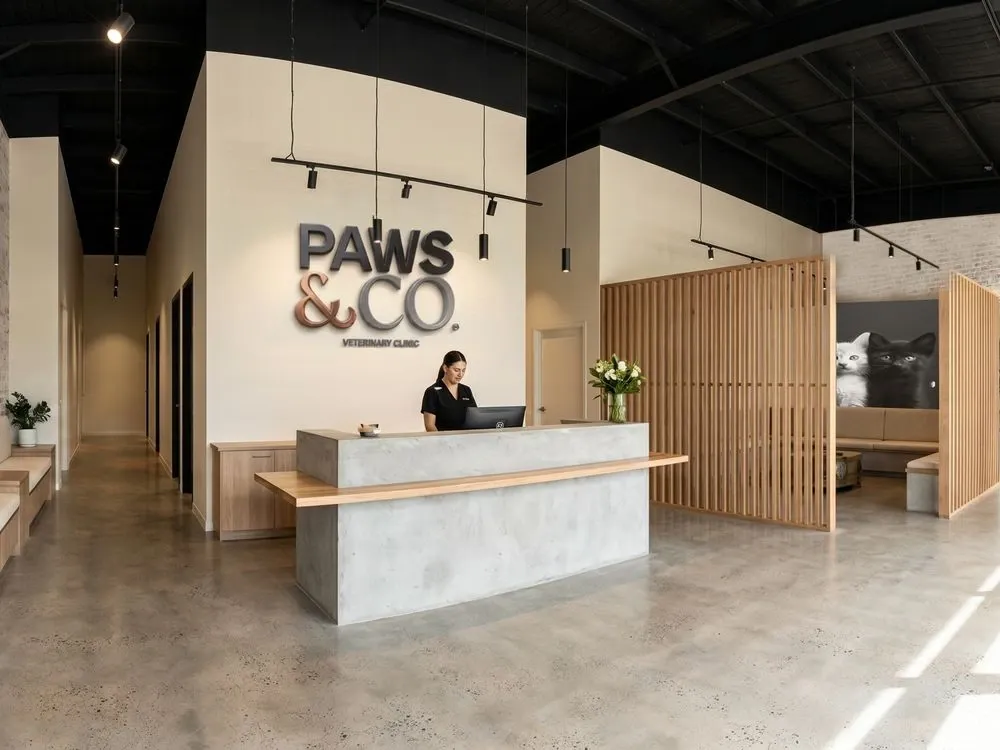
The reception of a Paws & Co clinic, with long cream benches and a stone reception desk

Before the clinics open

Join the founding families

AED 1,999 of essential care for AED 199. No payment now.

When to see a vet

When it is not behaviour.

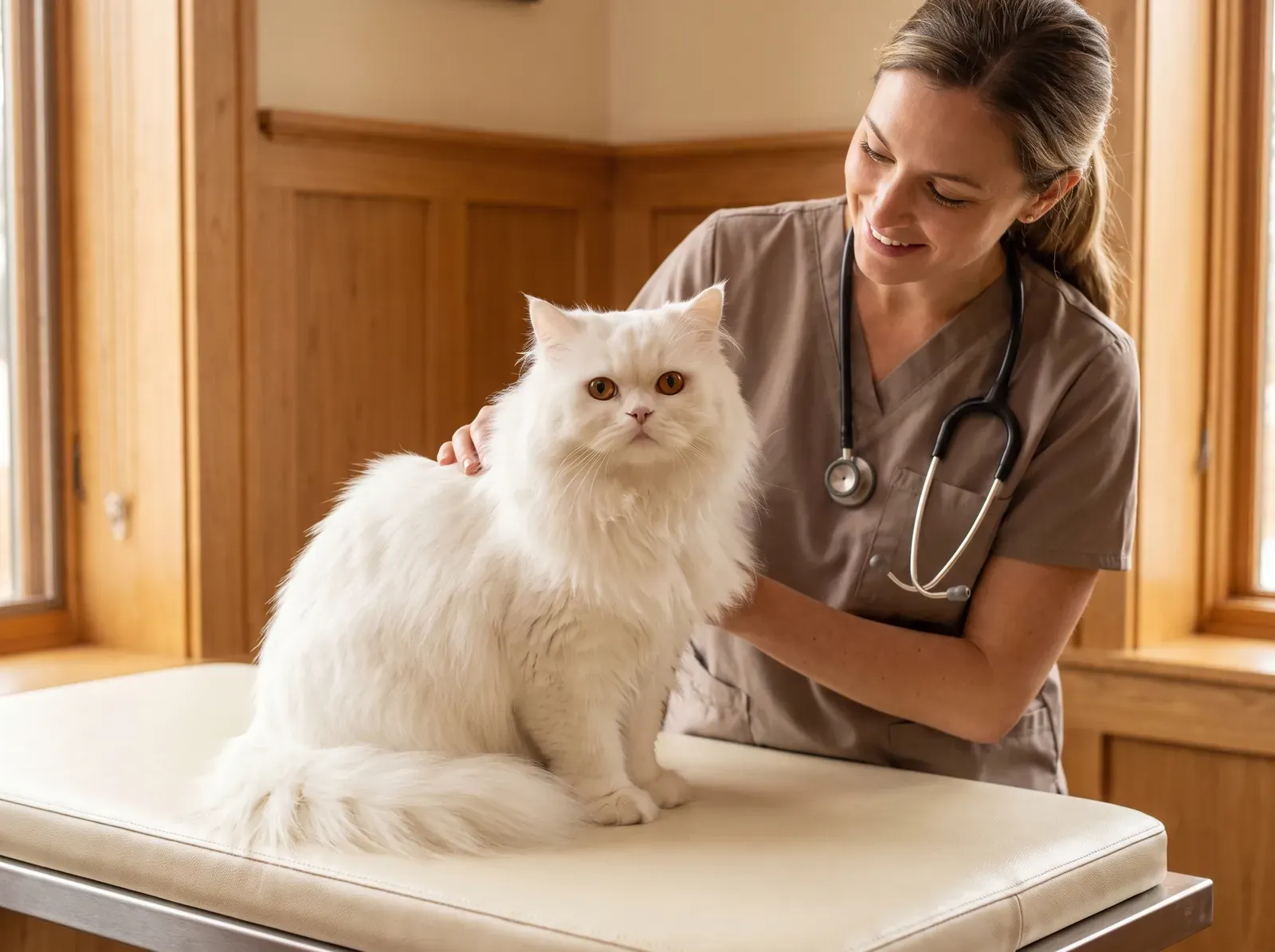
Persian, a white cat on a padded table, a vet in taupe scrubs resting a hand on their back

Some of this is not a behaviour problem, and treating it like one wastes time your cat may not have. If they cry or soil the house when you are away, if they hiss, swat or bite when handled, if they are terrified of visitors or the carrier to the point of panic, or if anything about them changes suddenly at any age, contact your vet the same day. A tip from a website, ours included, is not the answer. If it cannot wait, contact your nearest emergency vet now.

With a Persian, watch their face, their breathing and their water bowl. A weeping eye that changes, or drinking more than usual, is not them being a Persian. Fast or shallow breathing while resting should be discussed with your vet immediately, within the same day. Breathing with their mouth open is an emergency: contact your vet now. A cat this quiet can be unwell for weeks before it shows, so a small change is worth a call.

She'll still look unimpressed. Keep the pads by the kettle, and call your vet when her eyes change.

Persian history

Before they were yours.

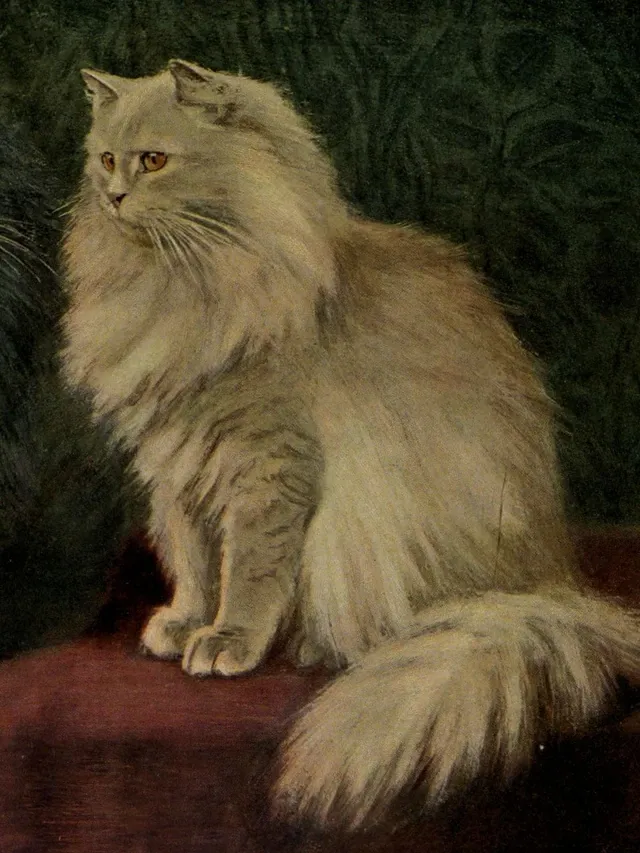
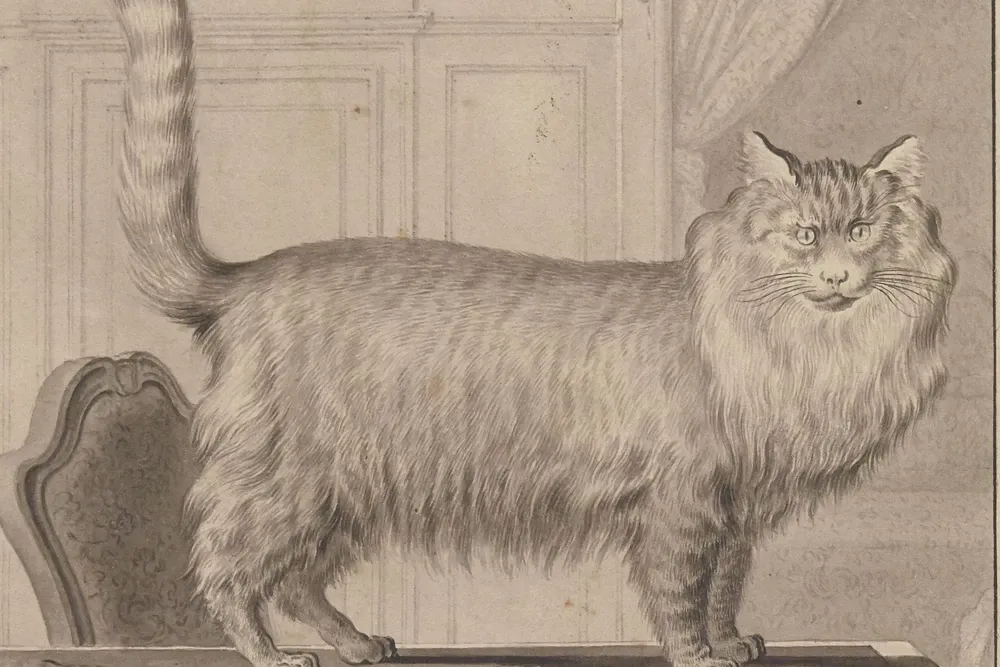
  1. Persian history, a long-haired cat drawn standing on a table, France, 1755
    A long-haired cat drawn by Jacques de Sève for Buffon's natural history, France, 1755. Public domain (cropped).

    The 1600s

    From the Persian world to Europe

    Long-haired cats came to Europe from the Persian world, carried by travellers as a curiosity.

    What they still carryThe coat. Nothing in this period touched the face.

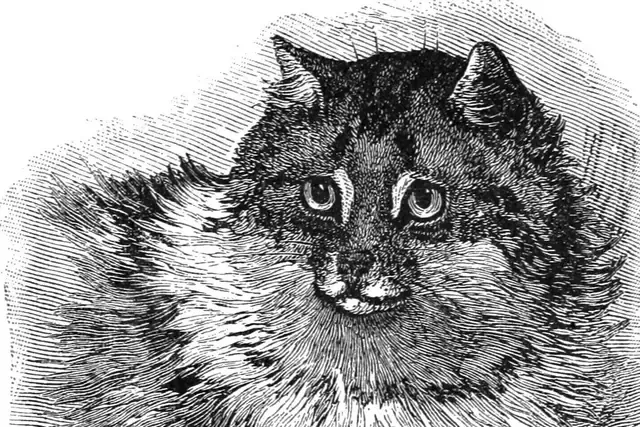
  2. Persian history, an engraving of a long-haired cat shown at the Crystal Palace cat show, London, 1886
    A Persian from the Crystal Palace cat show of 1886, engraved for Popular Science Monthly, 1890. Public domain (cropped).

    1871

    The first cat show

    At Crystal Palace in London, long-haired cats drew the crowds. From then on Persians were judged, and bred, on how they looked. The name stuck, though DNA now places them closer to European cats than to cats from Iran.

    What they still carryA calm cat who sits still to be admired.

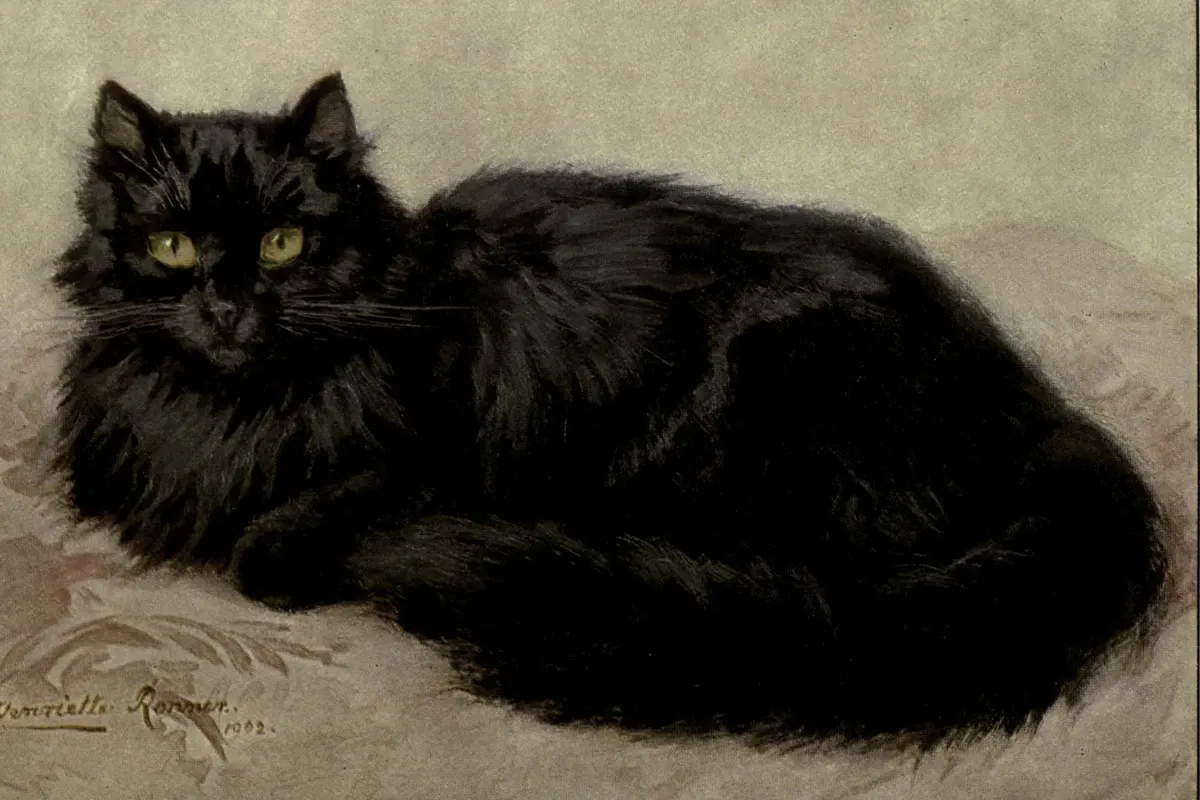
  3. Persian history, a black long-haired cat lying on a cushion, painted by Henriette Ronner, 1902
    A black Persian painted by Henriette Ronner, from Frances Simpson's The Book of the Cat, 1903. Public domain (cropped).

    The 20th century

    The face gets flatter

    Judges rewarded a shorter nose, and breeders gave them one. Scans of Persian skulls show what that moved: tear ducts that drain badly, a narrower airway and crowded teeth.

    What they still carryThe face on their health record.

  4. Persian history, the breed today, a blue-cream cat on a shaded terrace bench under palms, Dubai, 2026
    A Persian today.

    2004

    The kidney gene

    Researchers found the gene behind Polycystic Kidney Disease in Persians. It is dominant, so a cat with one copy has the disease.

    What they still carryThe first risk on their health record, from kittenhood.

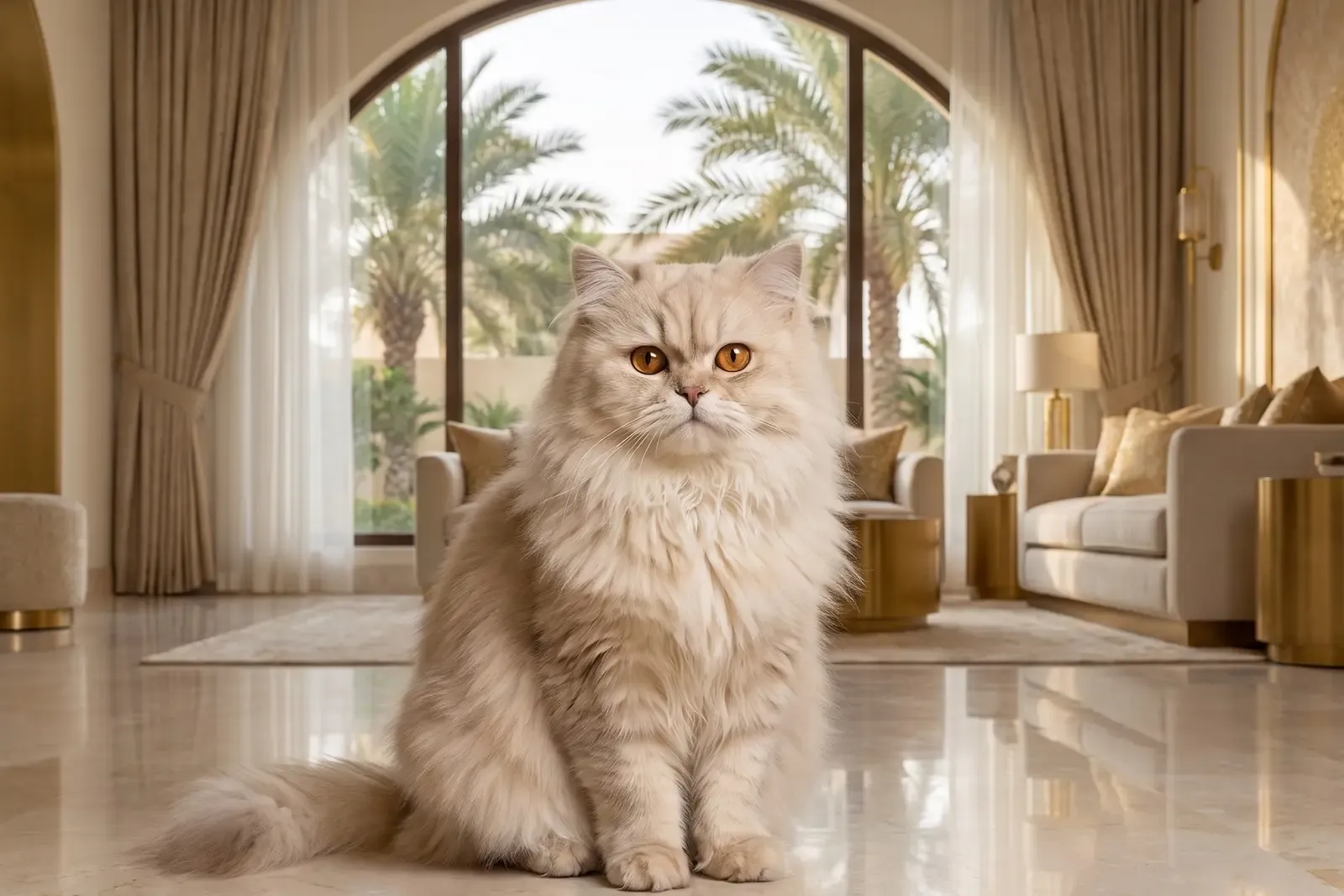
  5. Persian history, the breed today, a cream cat on a marble floor by an arched window, Dubai, 2026
    A Persian today, in Dubai.

    Today

    Indoors in Dubai

    A very common pedigree in the UAE, living indoors in air conditioning, which suits them well.

    What they still carryA calm, long-coated, flat-faced cat whose comfort depends on you every day.

Persian questions

The ones you type at midnight.

Most of these get asked late at night, by someone watching their cat and not sure what they are seeing.

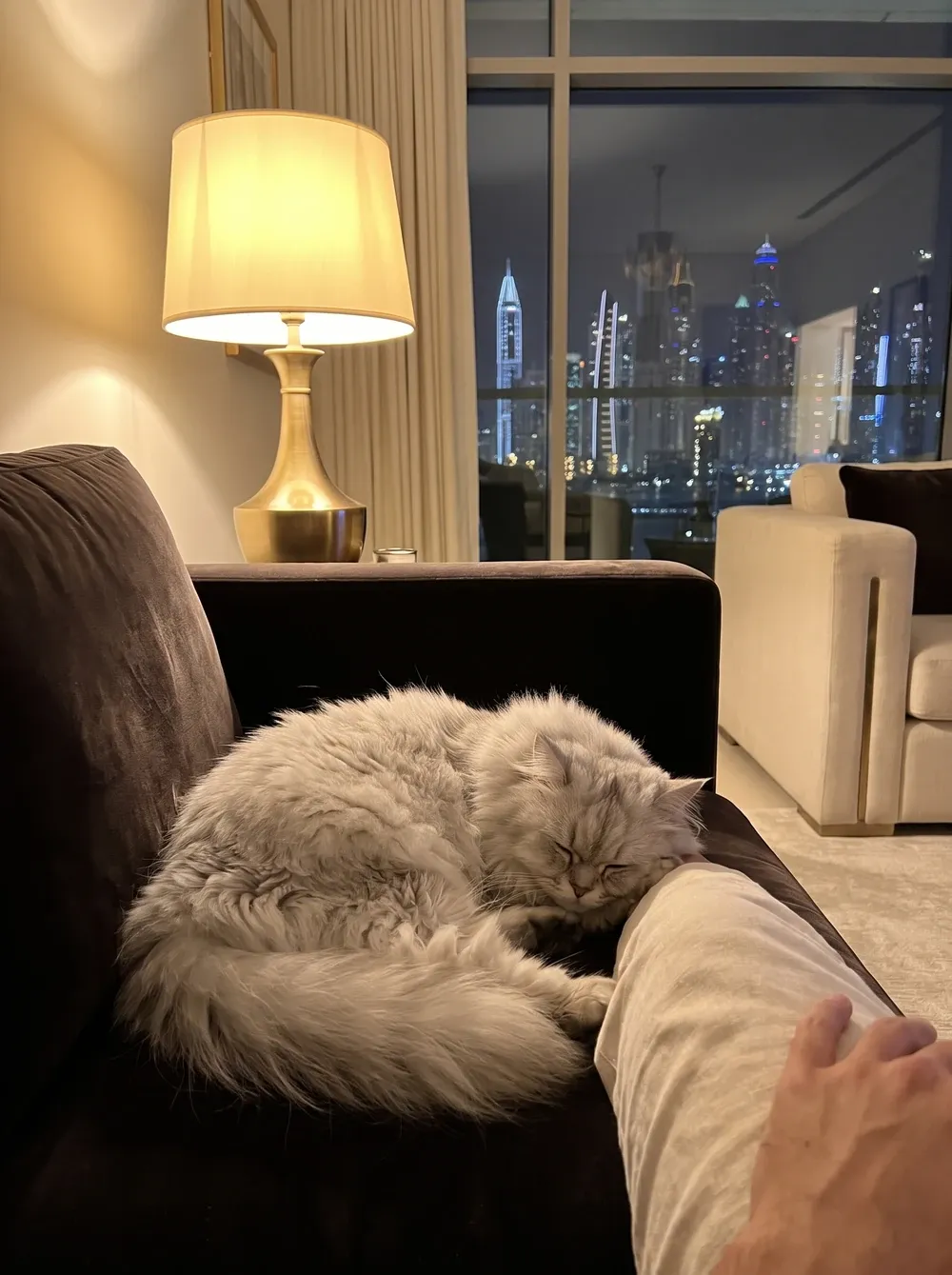
Persian in Dubai, a silver chinchilla cat asleep on a dark sofa at night, the lit skyline behind
How long do Persian cats live?

Persian cats usually live 12 to 16 years. In a study of Persians seen by vets in the UK, the median was 13.5 years.

How big do Persian cats get?

Persian cats are medium-sized and stocky, with short legs. Females usually weigh 2.7 to 5.4 kg, and males more than 5.4 kg.

How often should I groom a Persian cat?

A Persian cat needs combing every day, right down to the skin, with a metal comb. Mats form in days behind the ears, under the legs and on the belly, and they pull at the skin.

Do Persian cats shed a lot?

Yes, Persian cats shed heavily. That long coat needs combing every day, and your vacuum will get plenty of use.

Why do Persian cats have watery eyes?

A Persian's flat face squeezes the tear ducts, so tears spill down the nose instead of draining. A daily wipe keeps the skin clean. If you see a squint or a cloudy eye, contact your vet the same day.
What is a chinchilla Persian?

A chinchilla is a silver Persian, not a separate breed. The silver coats also include smoke, shaded silver, golden and cameo.

What is a doll face Persian cat?

A doll face Persian is the longer-faced type that dropped out of the show ring as judges rewarded flatter faces. A longer face leaves more room for the tear ducts, the airway and the teeth.

Can a Persian cat live in Dubai's heat?

Yes, a Persian cat does well indoors in air conditioning. Their flat face and thick coat make heat hard work, so keep the flat cool while you are out, and keep them off the balcony and out of parked cars.

What health problems do Persian cats have?

Persian cats are prone to Polycystic Kidney Disease (PKD, cysts in the kidneys), eye and breathing trouble from their flat face, and dental disease. Later in life, kidney disease and Hypertrophic Cardiomyopathy (HCM, a thickened heart muscle) are the ones to watch.

Worried about them? Contact your vet today.