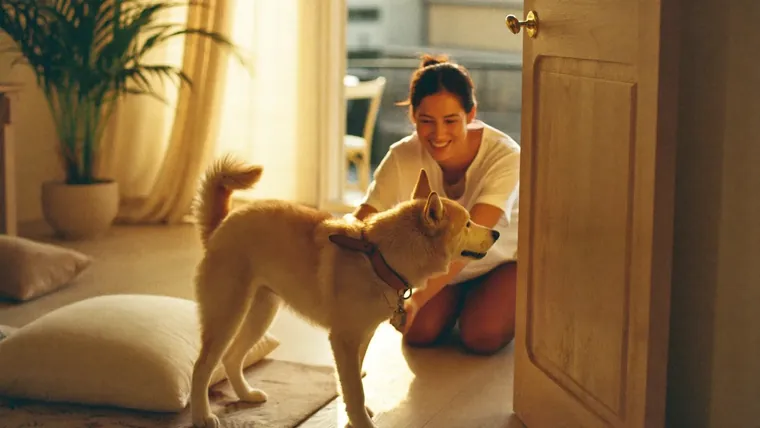
In the UAE, grooming is part of your pet's health care, not just their looks. Heat, humidity, sand and air conditioning are hard on skin, coat, ears and paws in ways pet parents in cooler climates rarely see.
How often to groom your dog
Every dog needs regular grooming, but how often, and what kind, depends on their coat and lifestyle. Short-coated breeds like Labradors and Beagles need a bath every four to six weeks (every two to three in summer), a brush every week, and a professional groom every eight to twelve weeks for nails, ears and a deshed. Curly coats like Poodles need a professional groom every four to six weeks and brushing every day or two in between, because they mat easily in the humidity.
Double-coated breeds like Huskies and Golden Retrievers need a regular deshed to take out the loose undercoat. Never shave a double-coated dog: the undercoat protects them from heat as well as cold, and shaving can damage the coat for good. Our dog grooming page sets out how often each coat type needs a groom, and the breed-by-breed grooming guide goes further.
Grooming your cat
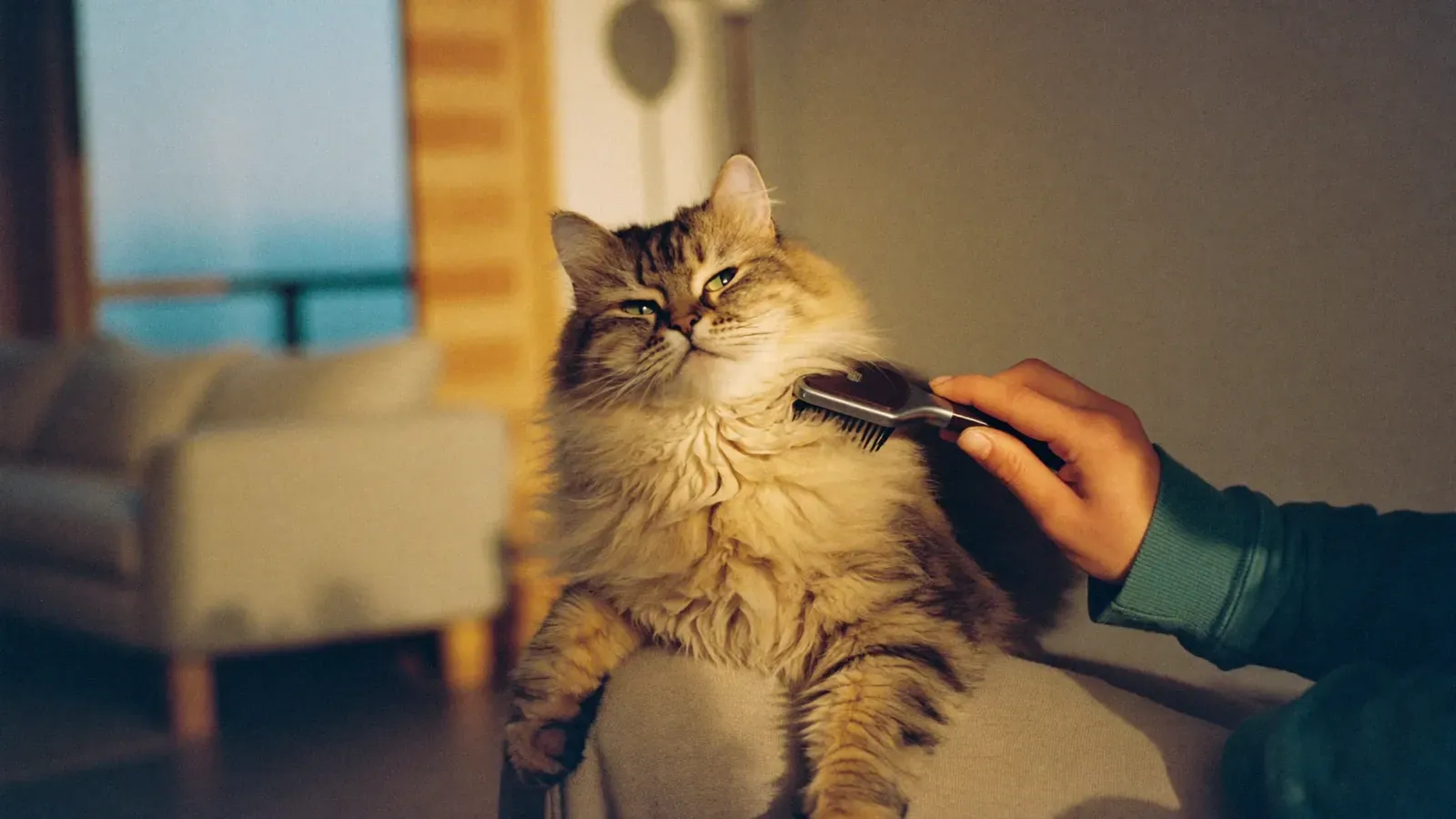
Cat grooming matters just as much, and is easy to forget. Long-haired cats such as Persians and Maine Coons need brushing every day to stop matting, with a professional groom every four to eight weeks. Short-haired cats benefit from a brush every week, which cuts down hairballs and lets you check their skin. Most cats do not need bathing unless there is a medical reason. Our cat grooming page covers each coat type.
Ear care in the heat
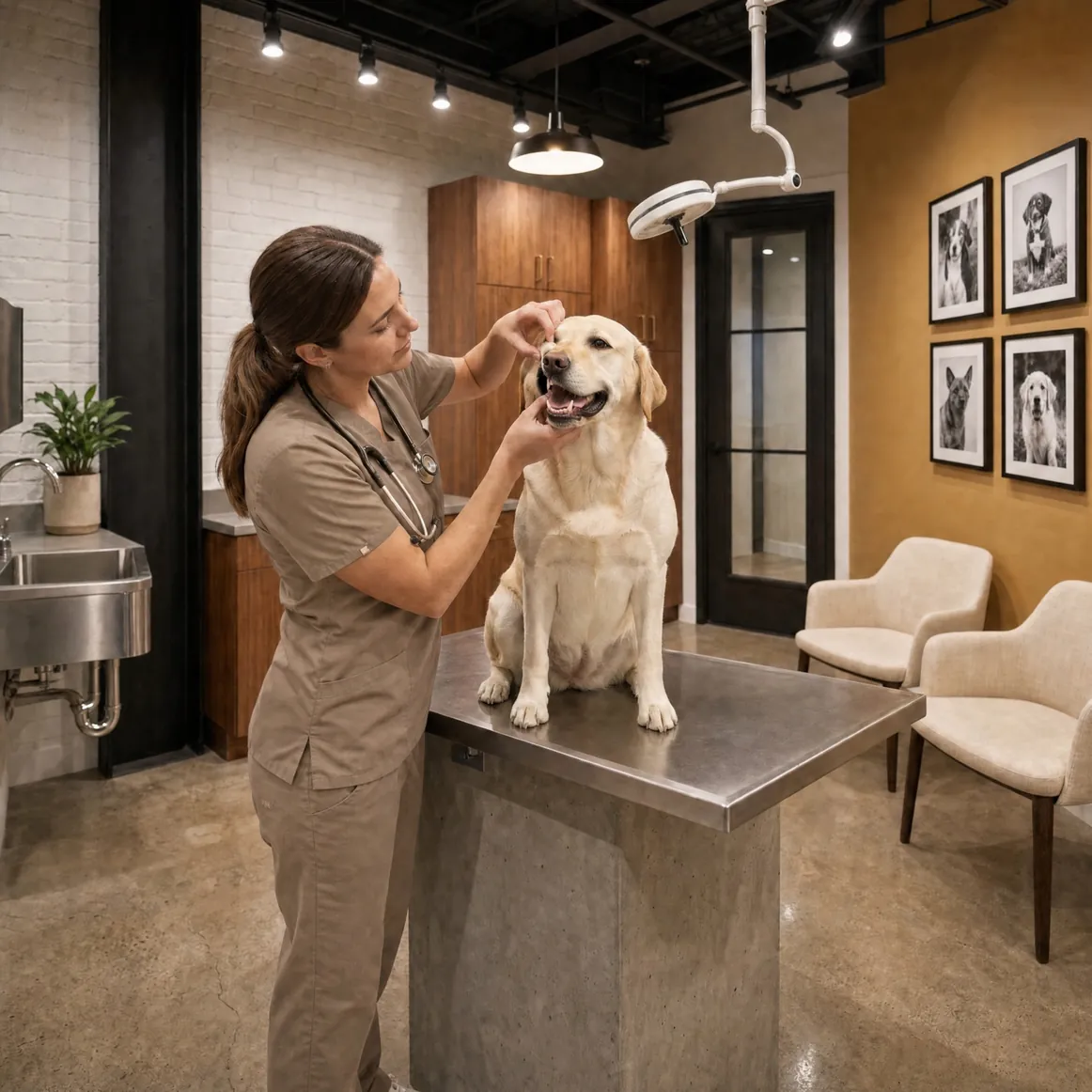
Heat, humidity and swimming (for water-loving breeds) make ideal conditions for ear infections. Check ears every week for redness, a smell or discharge, dry them well after a swim, and contact your vet if you see any of these. Breeds with floppy ears, such as Cocker Spaniels and Basset Hounds, are especially prone.
Paw care all year round
In summer, pavement temperatures can pass 70 degrees Celsius. Press the back of your hand on the pavement for seven seconds: if it is too hot for you, it is too hot for their paws. A dog who lifts a paw or starts limping on a walk may be telling you the same thing. In winter, sand and dry air can crack paw pads. Check paws after every walk, and use a paw balm to keep pads supple. Our summer coat care guide has more on getting through the hottest months.
Teeth between dental visits
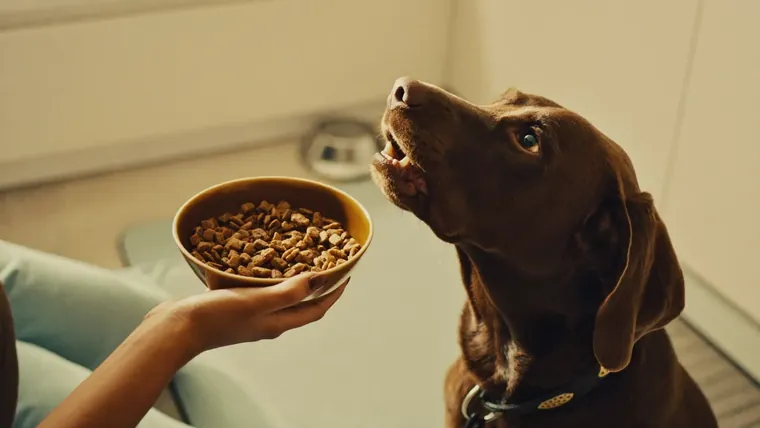
Looking after teeth at home is simple, and easy to let slip. Daily brushing is the goal, with a toothpaste made for pets. Never use your own: it is not made to be swallowed, and some brands contain xylitol, which is toxic to dogs. If brushing is a battle, chews and diets with the Veterinary Oral Health Council (VOHC) seal help, but they do not replace brushing. Our dental care page explains what happens at a dental visit.
Choosing a groomer
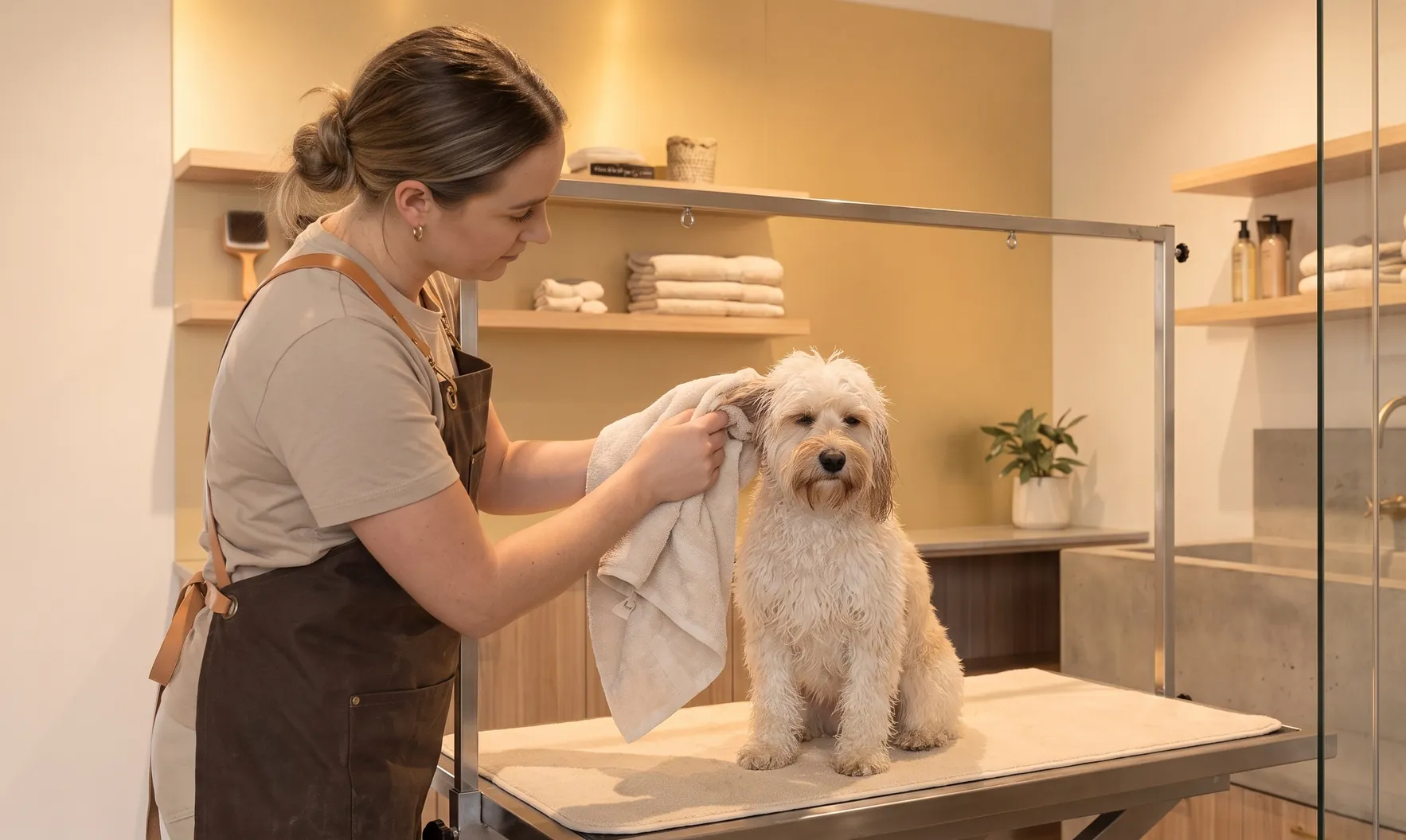
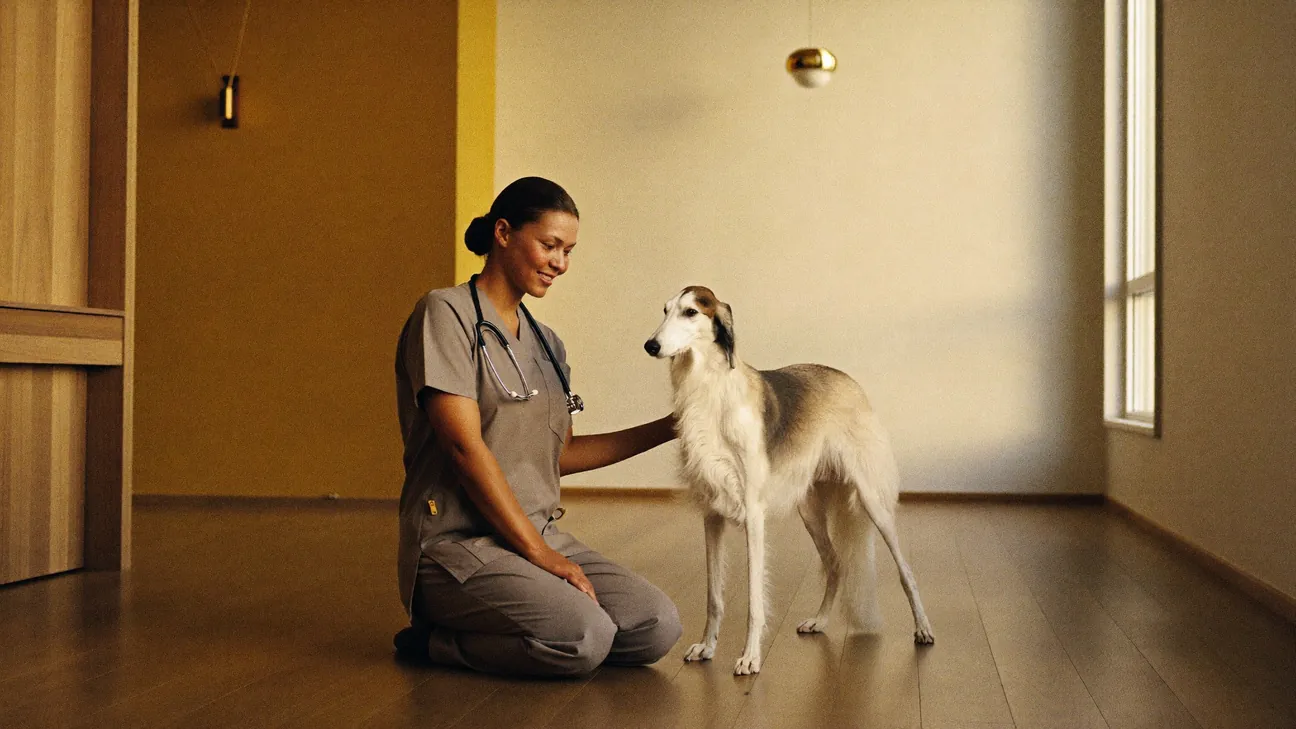
Professional grooming should feel safe and comfortable for your pet. A good groomer never rushes, handles your animal gently, and flags any skin problems, lumps or anything unusual they notice during the session. Grooming is often where health problems are first spotted. Our grooming salon will open at the Motor City clinic, with a health evaluation before every groom.