Oriental Shorthair questions
The ones you type at midnight.
Most of these get asked late at night, by someone watching their cat and not sure what they are seeing.
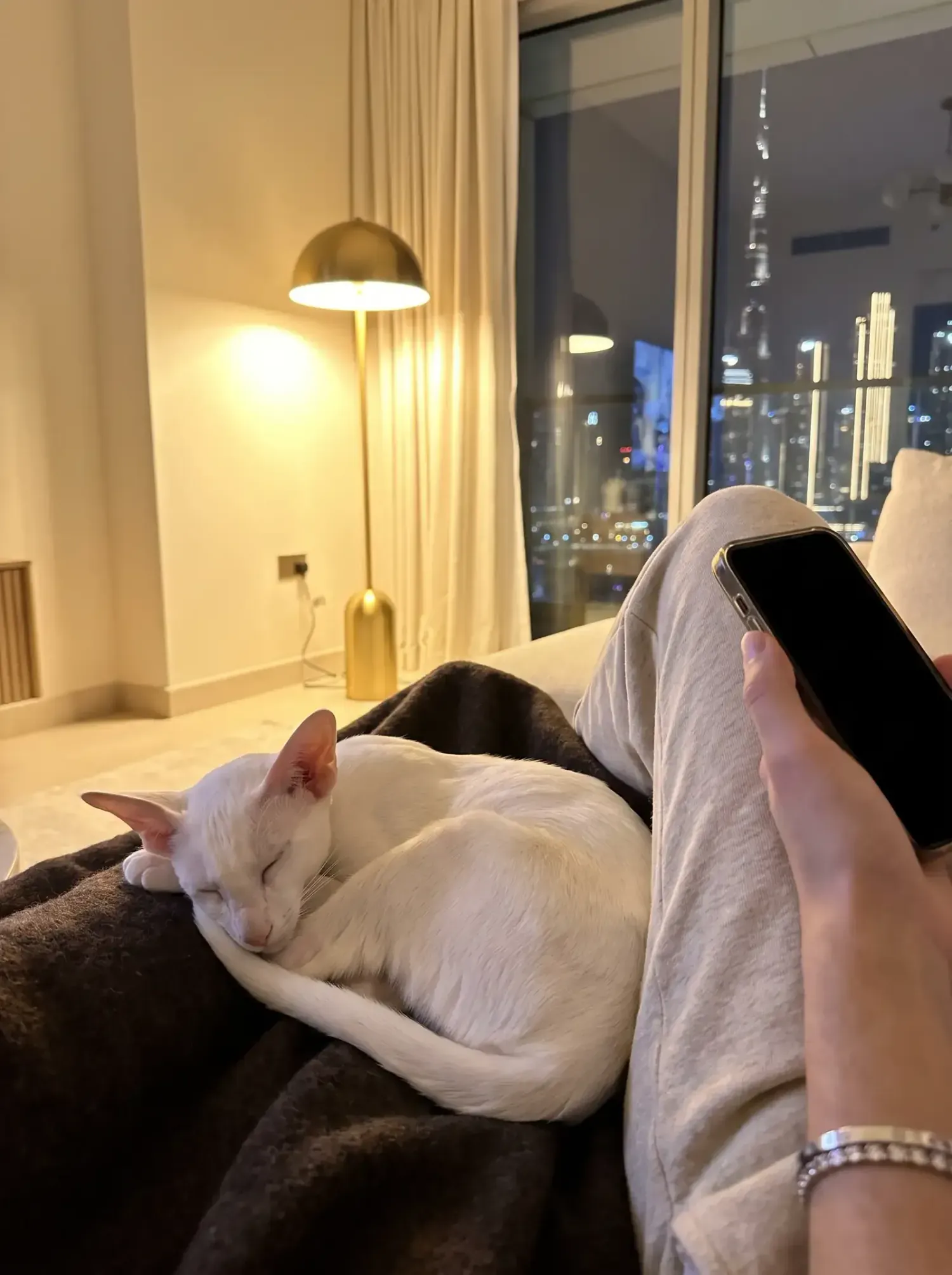
What is an Oriental Shorthair cat?
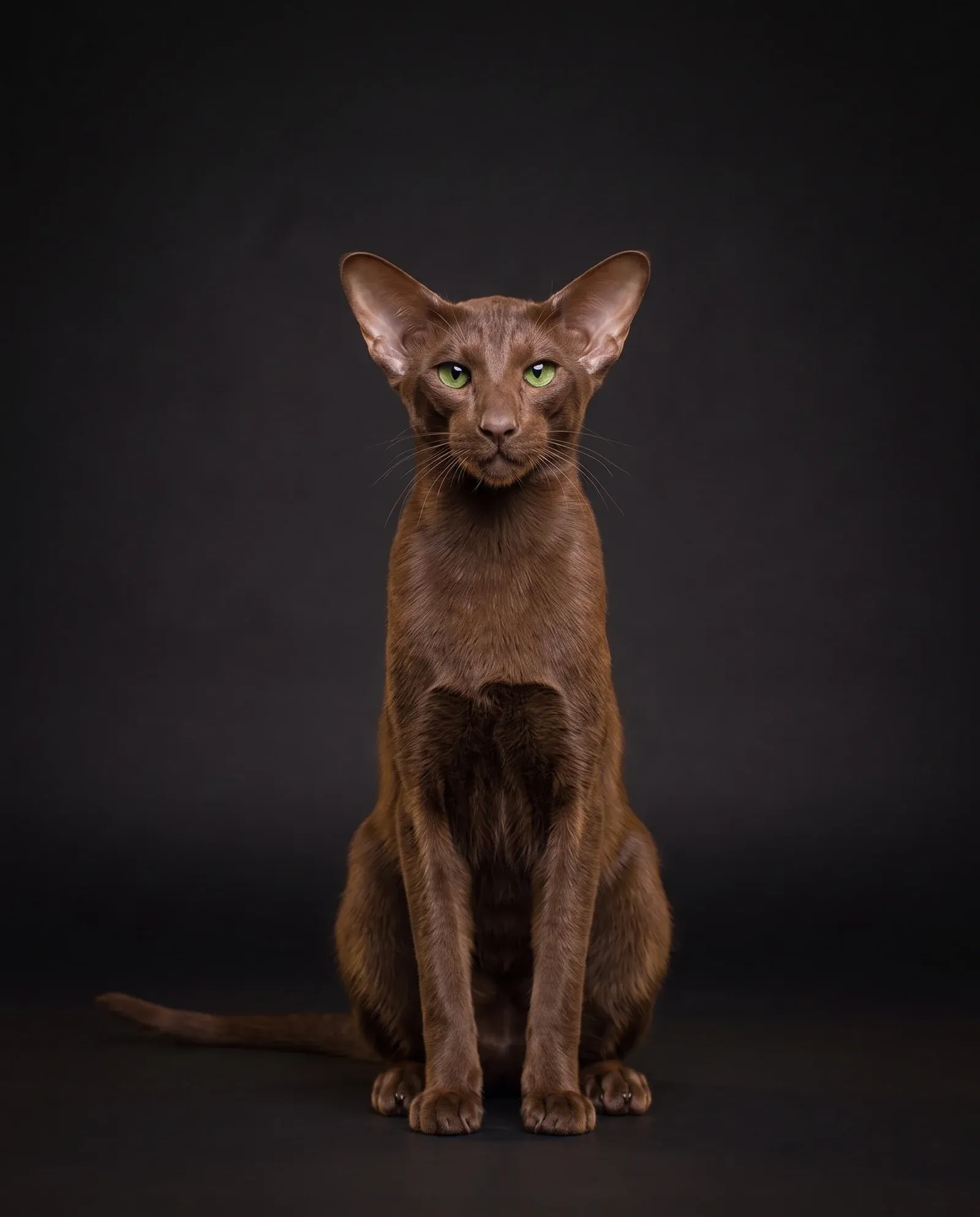
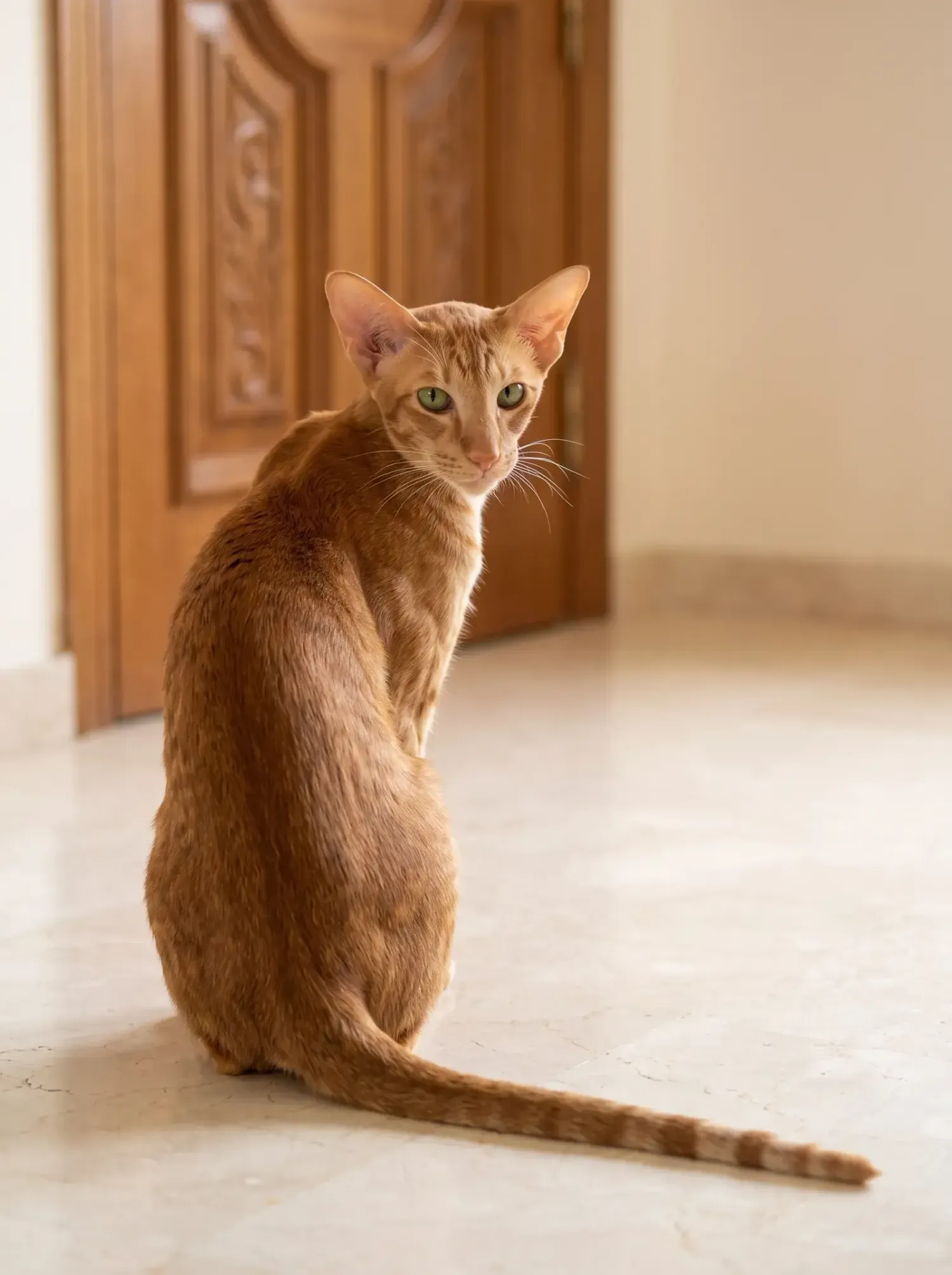
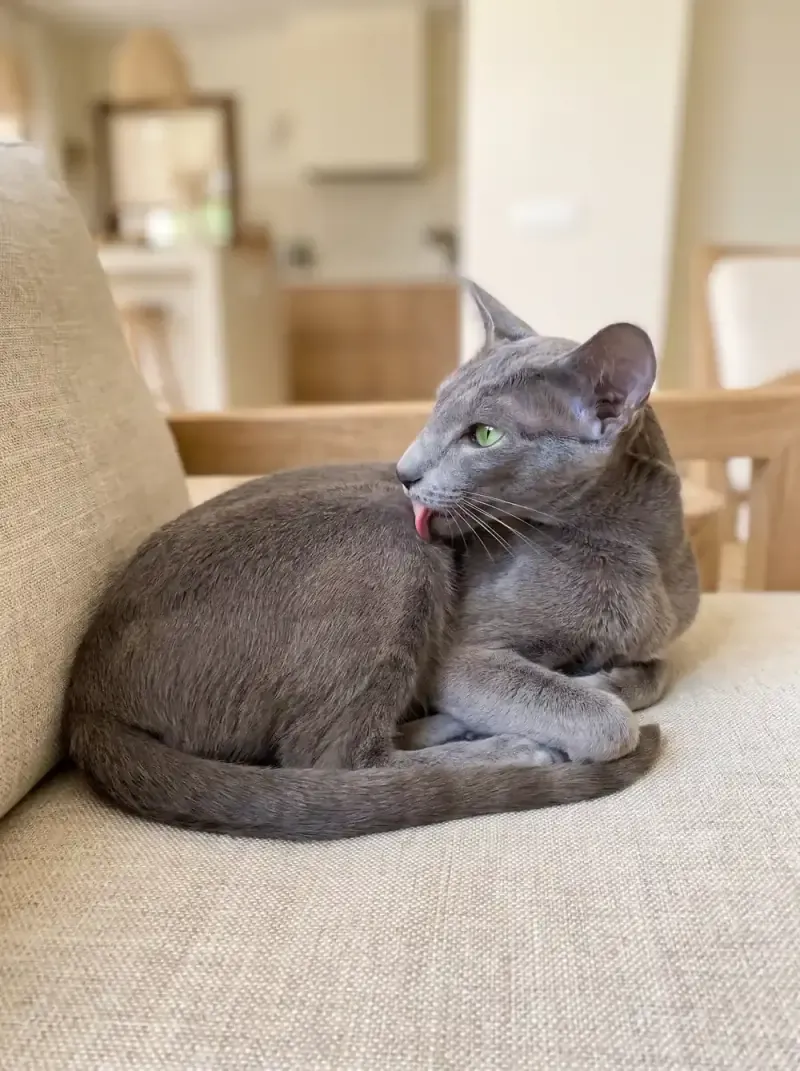
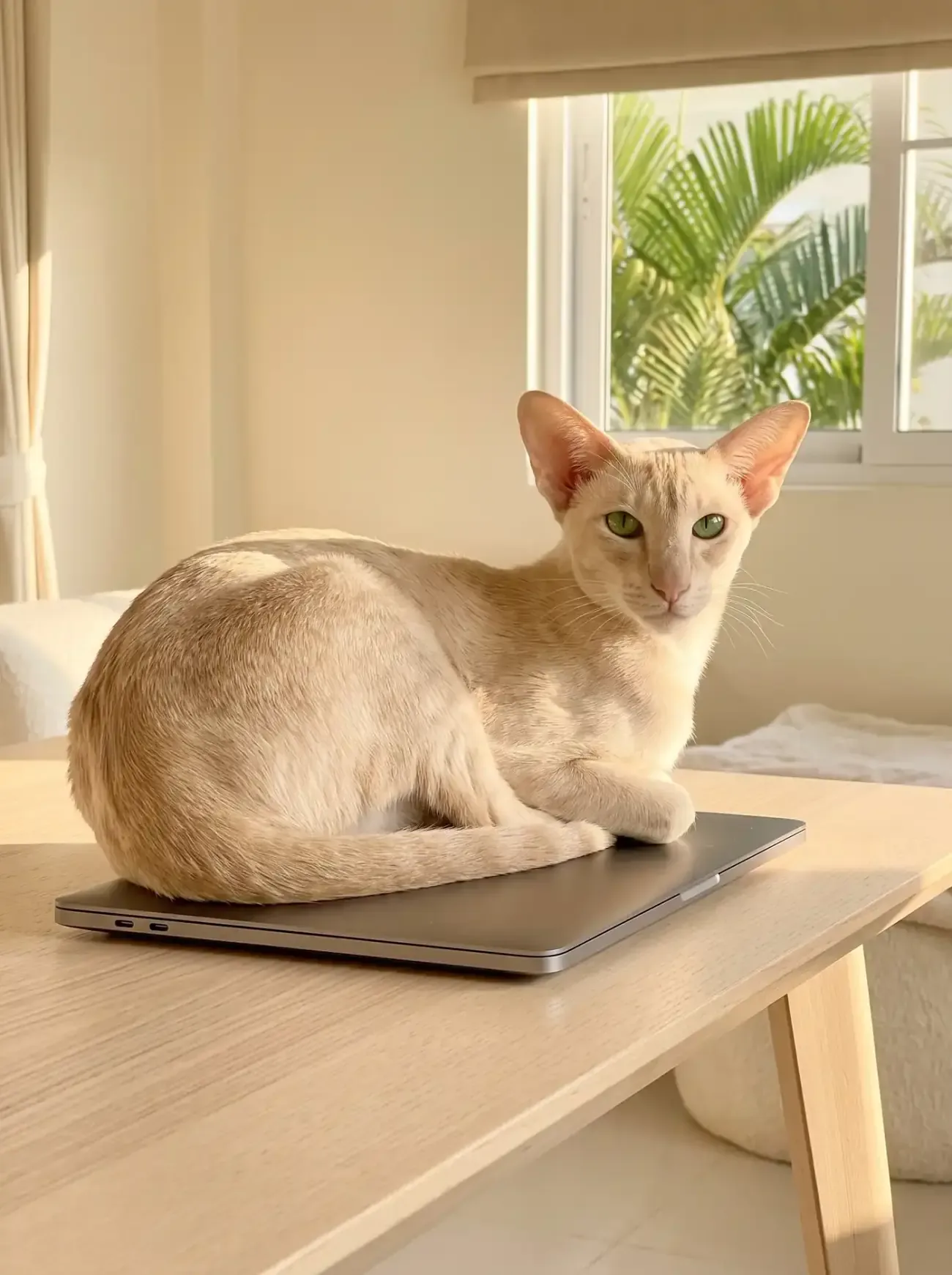
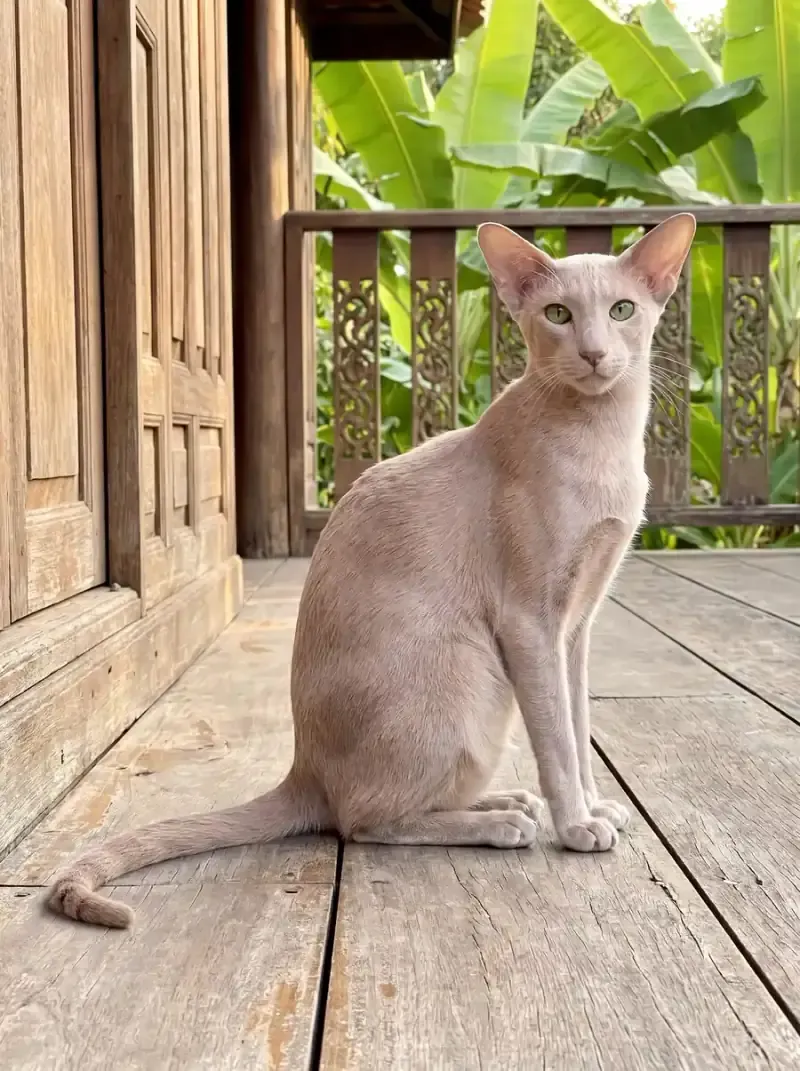
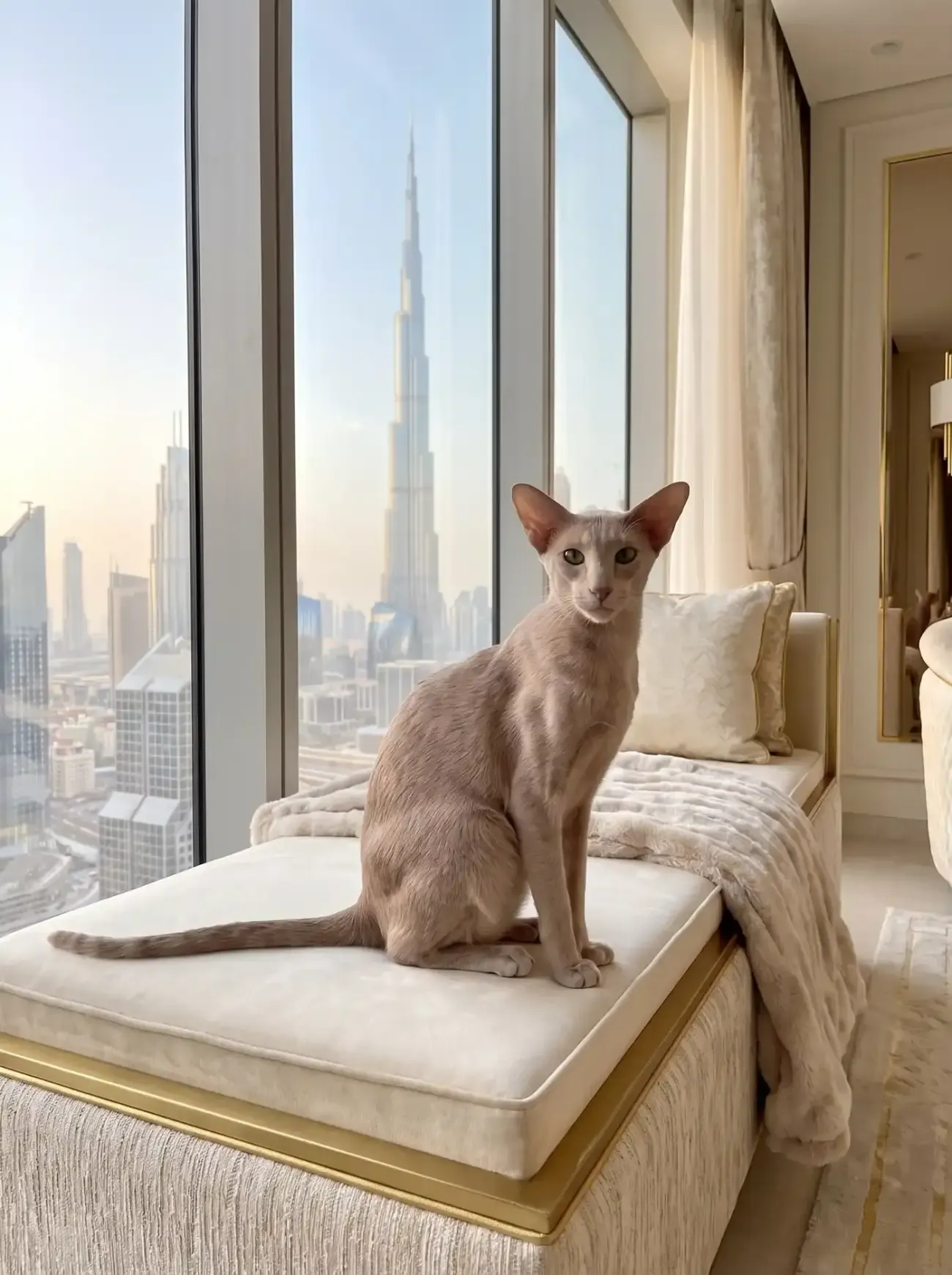
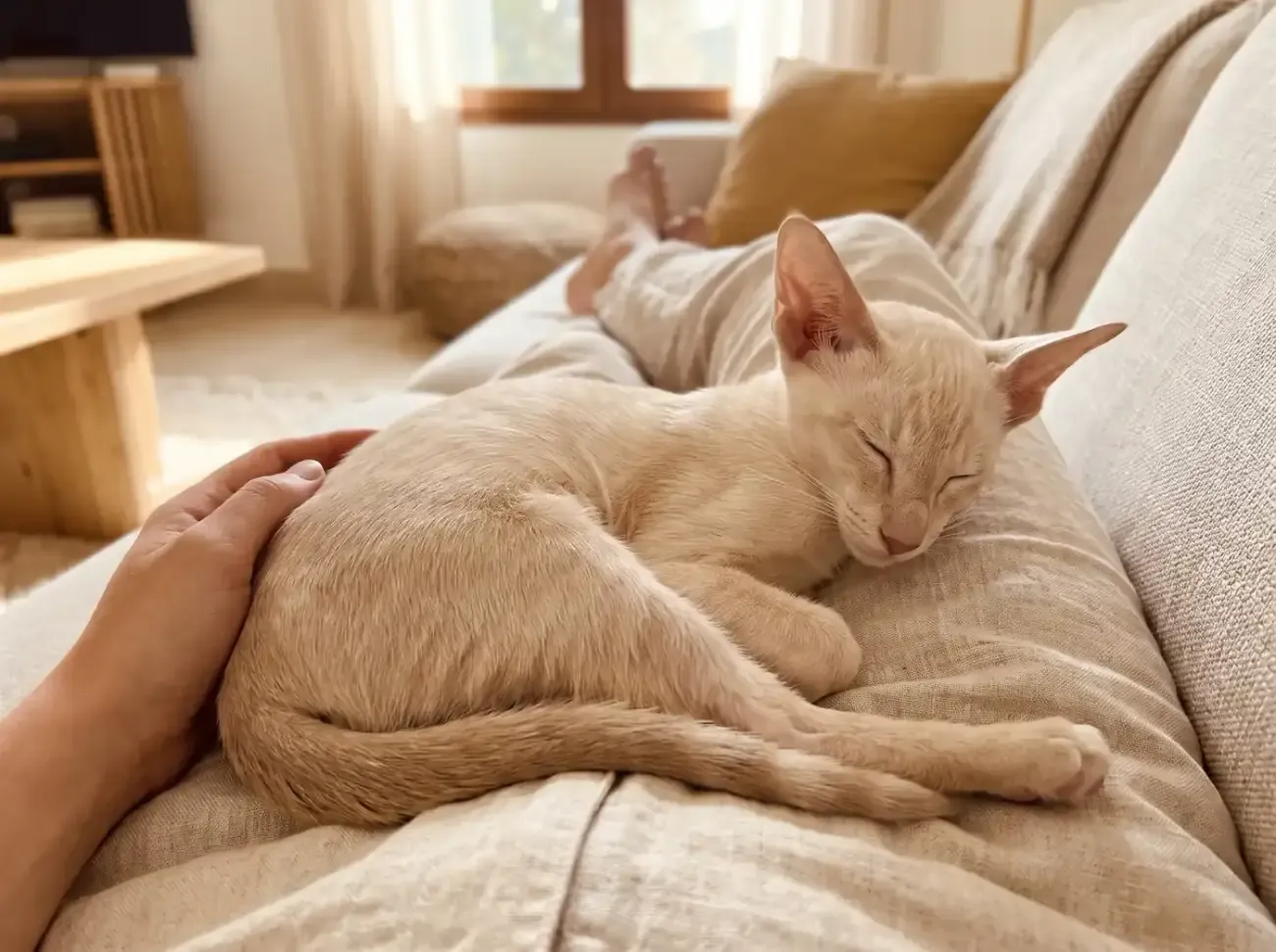
An Oriental Shorthair is a Siamese in a different coat, in solid colours and patterns rather than points. Orientals have the same long, slender body, wedge-shaped head and large ears, and they are clever, chatty and devoted to their people.
How big do Oriental Shorthair cats get?
An Oriental Shorthair is slender and fine-boned, and adults usually weigh 3.6 to 6.4 kg.
How long do Oriental Shorthair cats live?
Oriental Shorthairs usually live 12 to 15 years.
Why does my Oriental Shorthair cat meow so much?
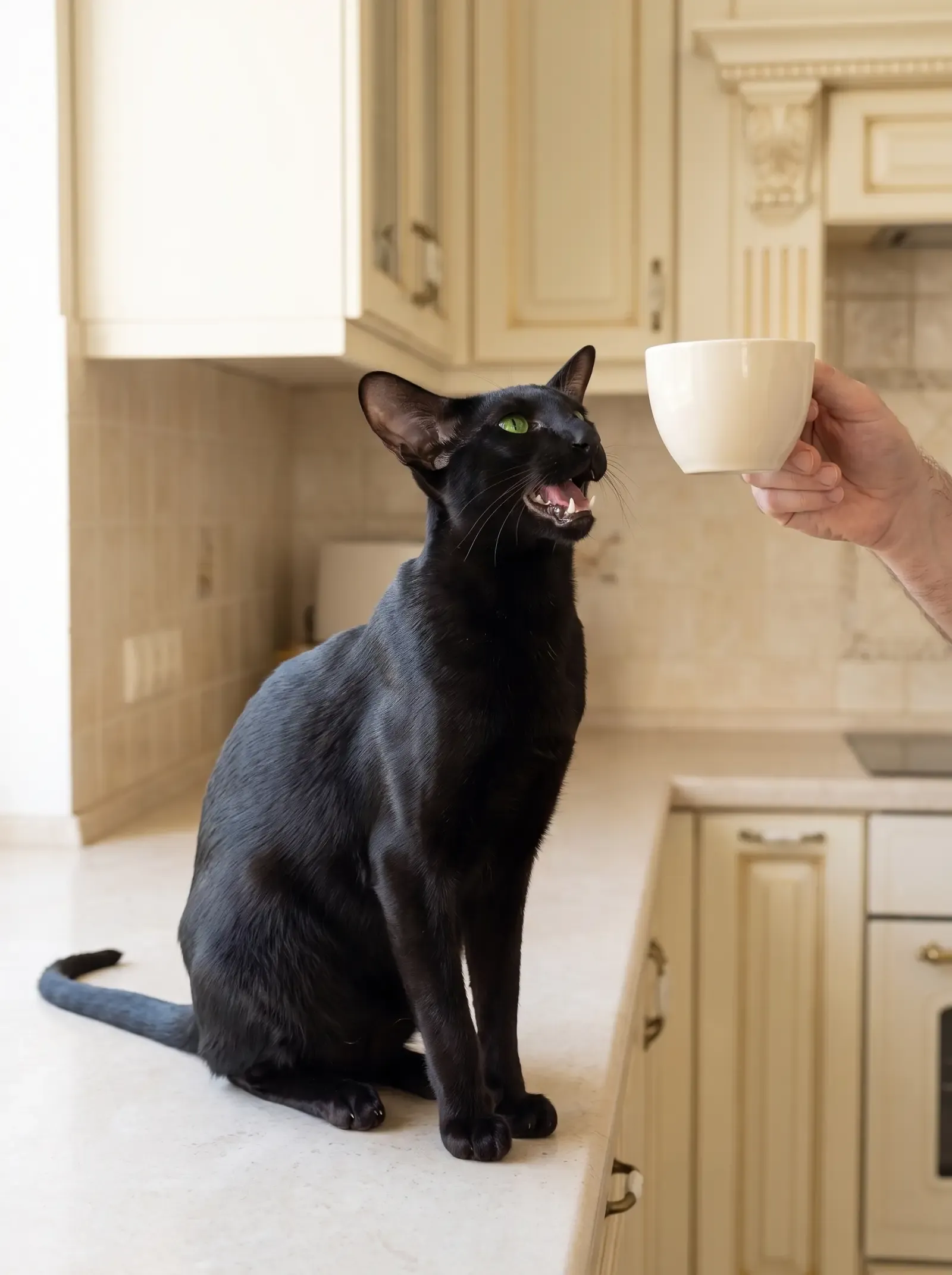
An Oriental Shorthair talks to keep in touch with you, and the breed is, if anything, chattier than the Siamese. Answer them in the day, let an automatic feeder do breakfast so you are not getting up for the 5am yowl, and learn their normal voice, because a change in it matters.
Do Oriental Shorthairs shed?
Oriental Shorthairs shed lightly. Their fine, silky coat needs only a gentle weekly comb.
What colours do Oriental Shorthair cats come in?
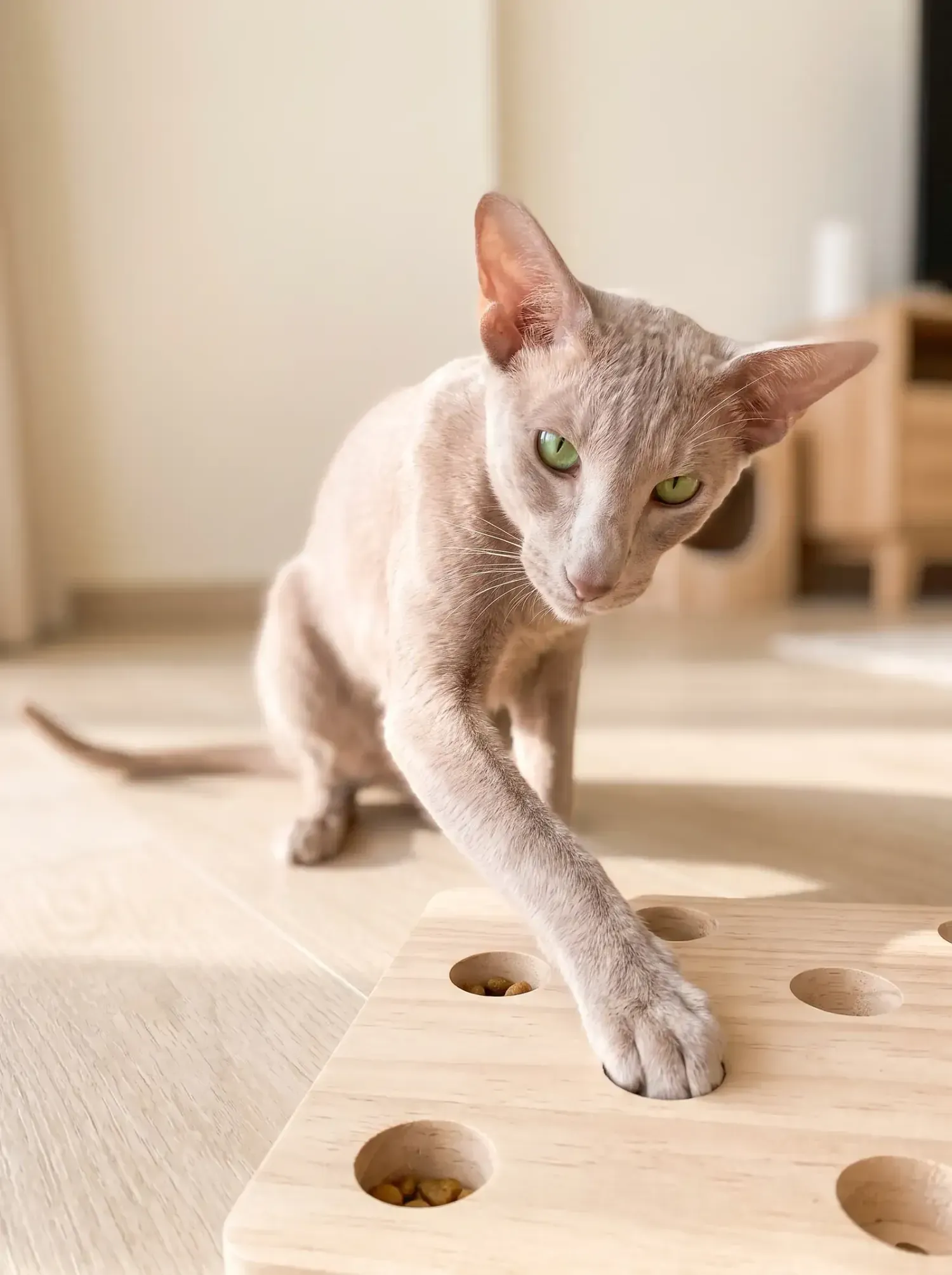
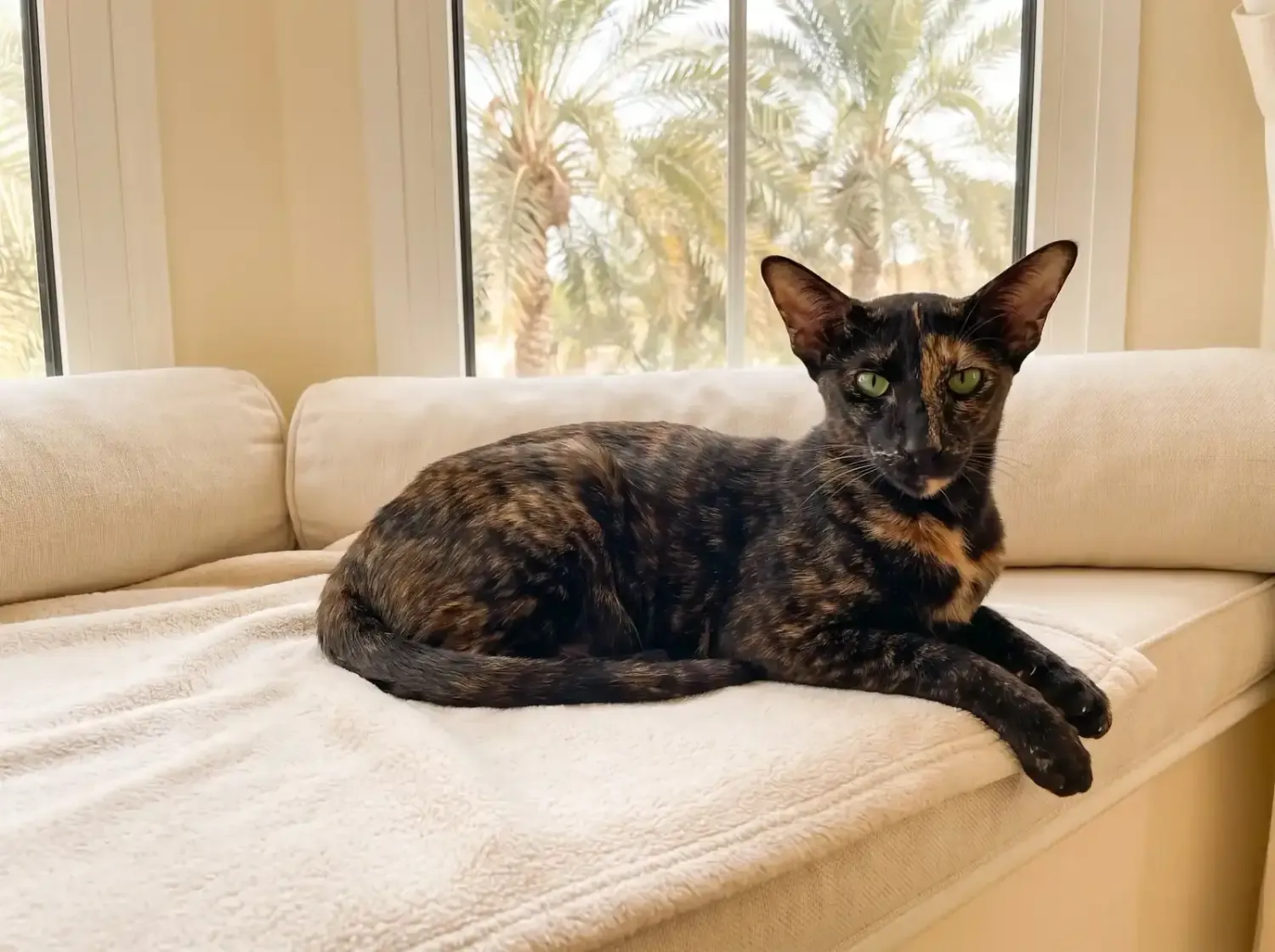
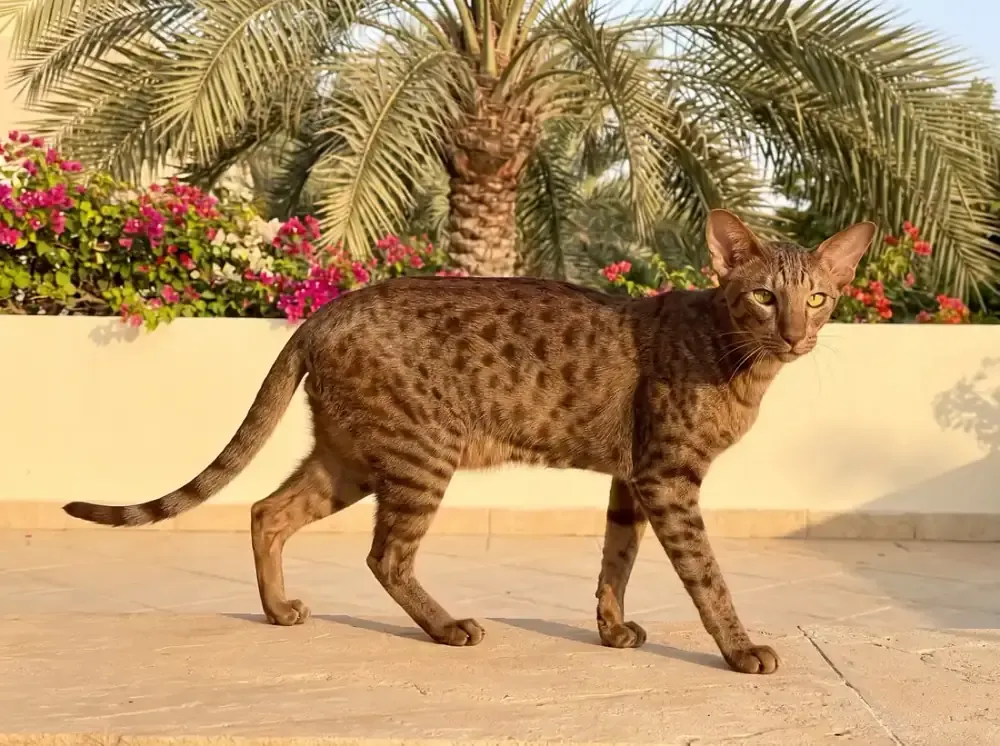
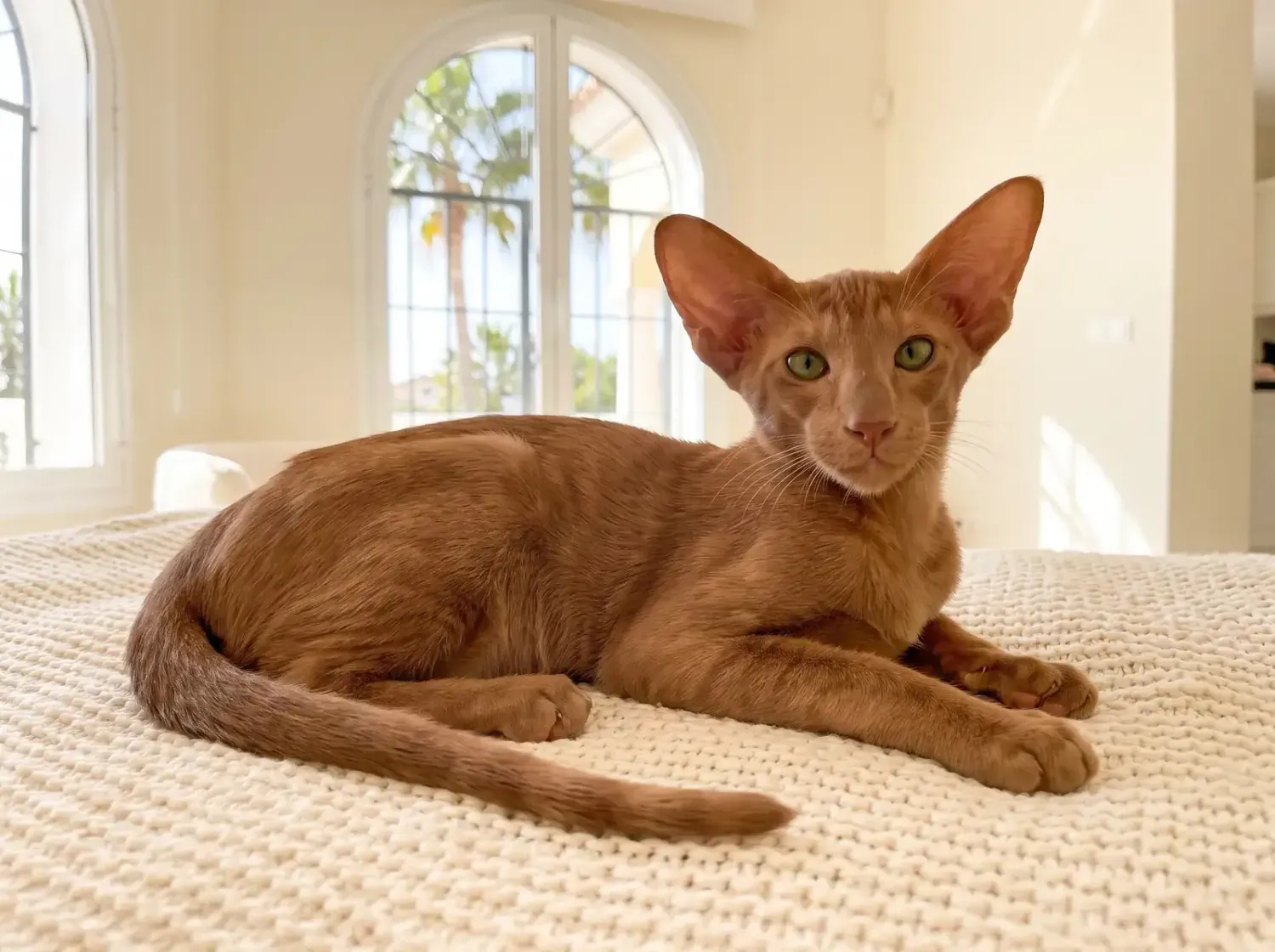
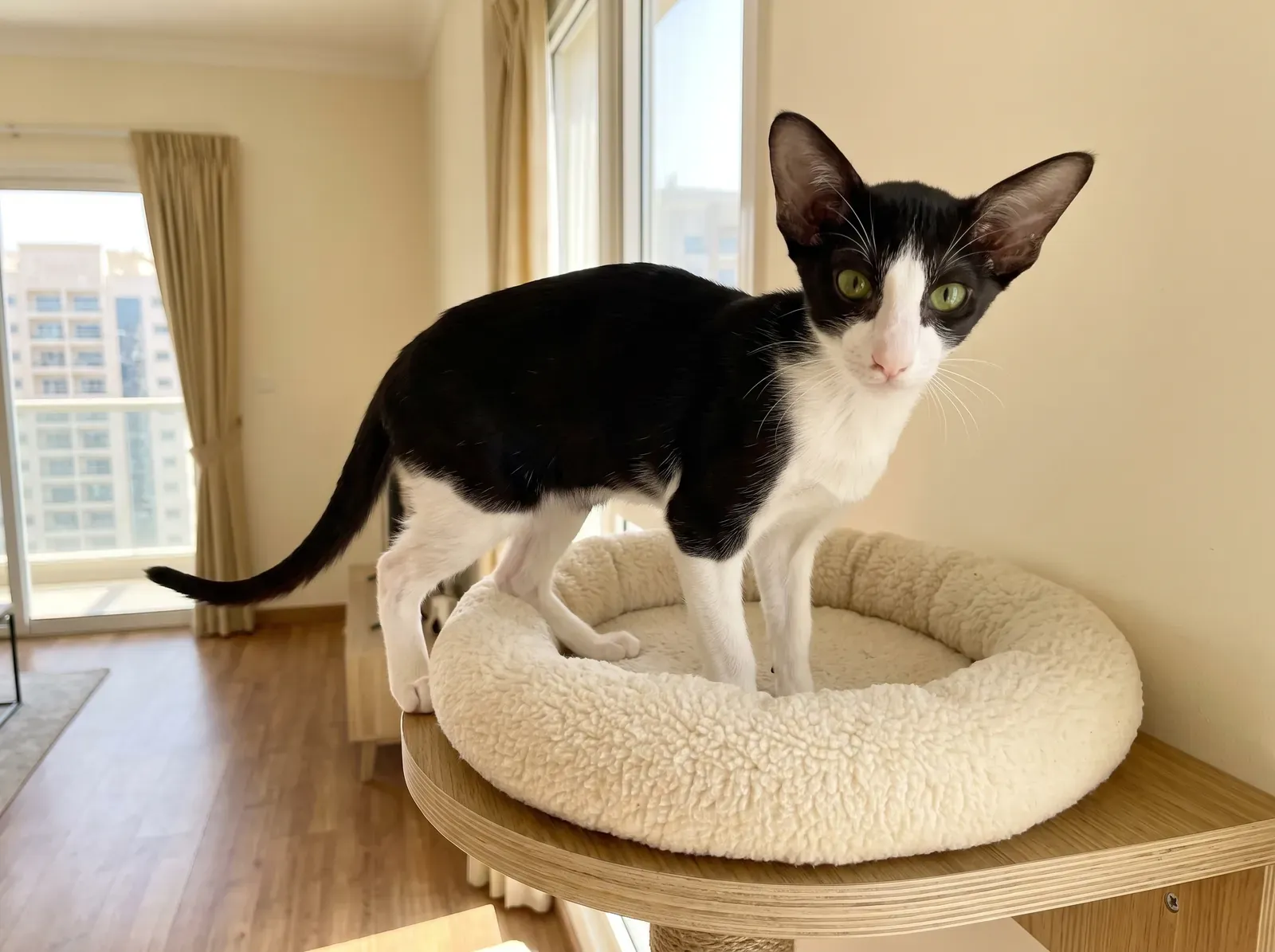
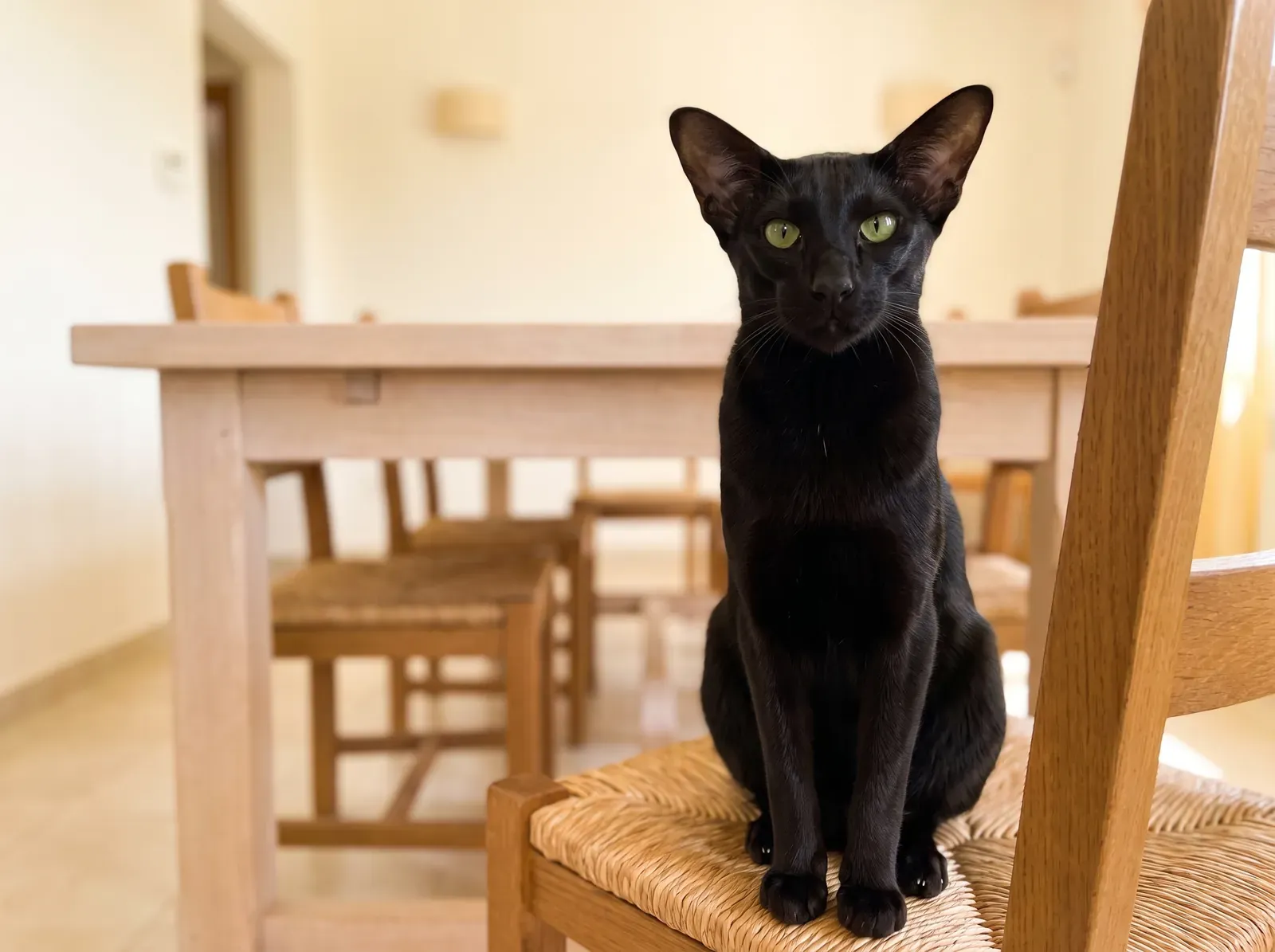
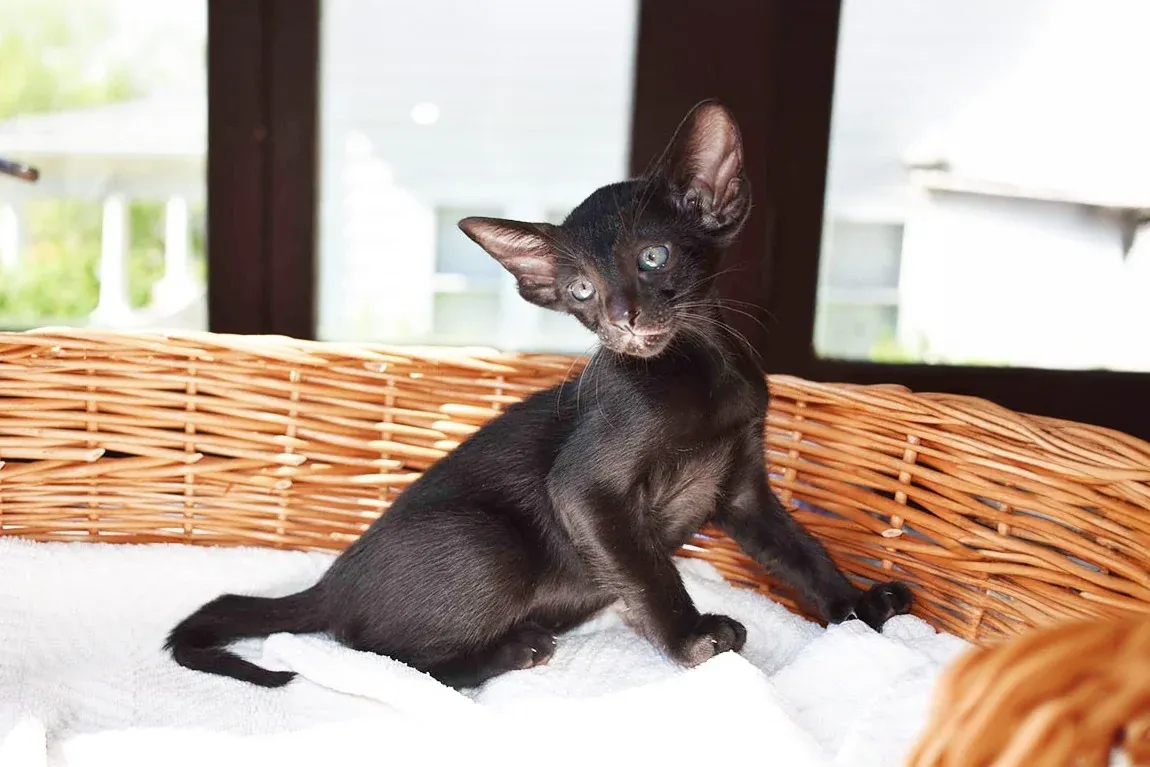
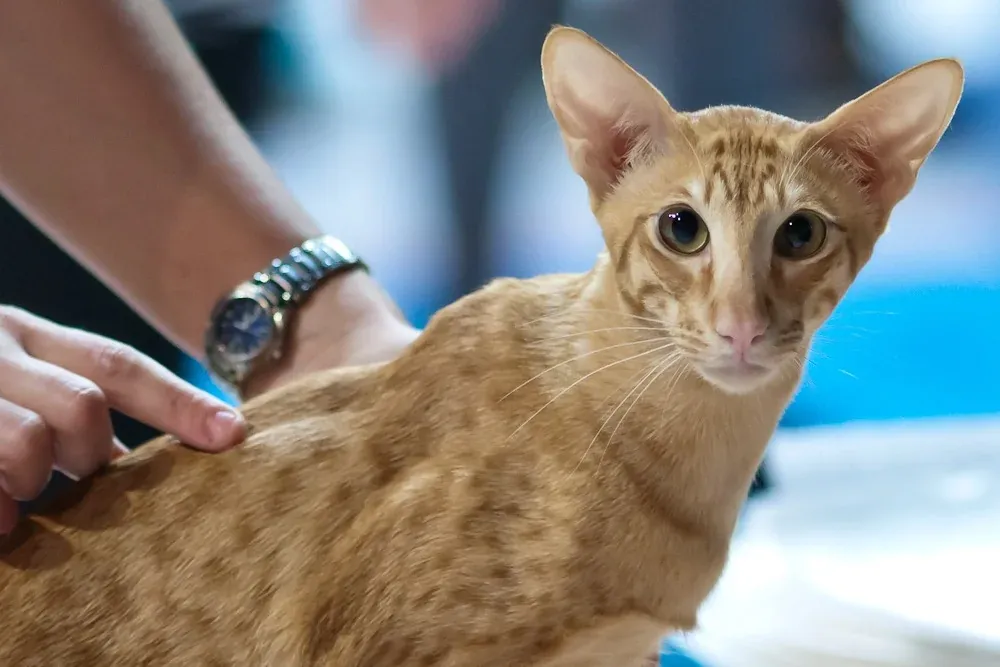
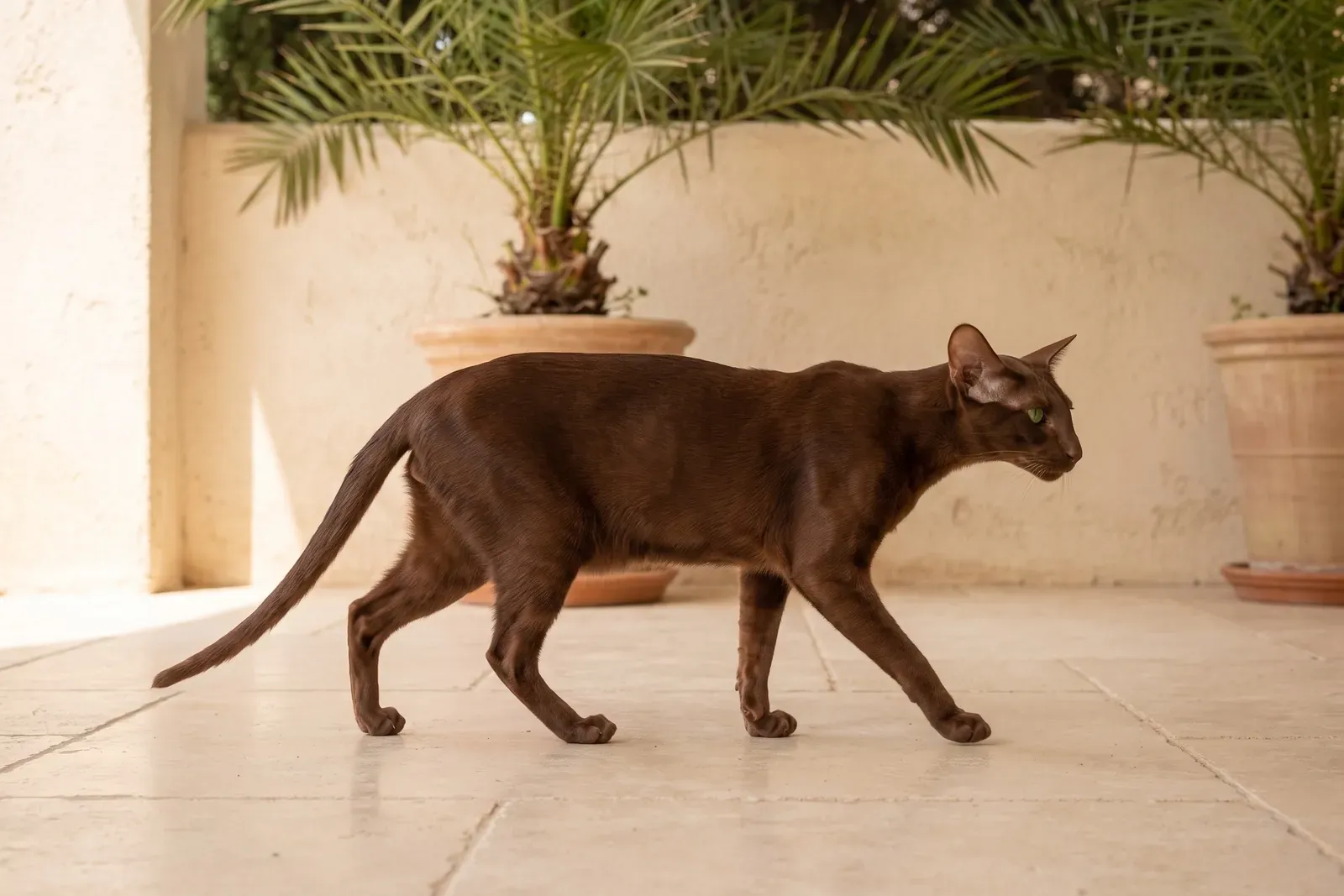
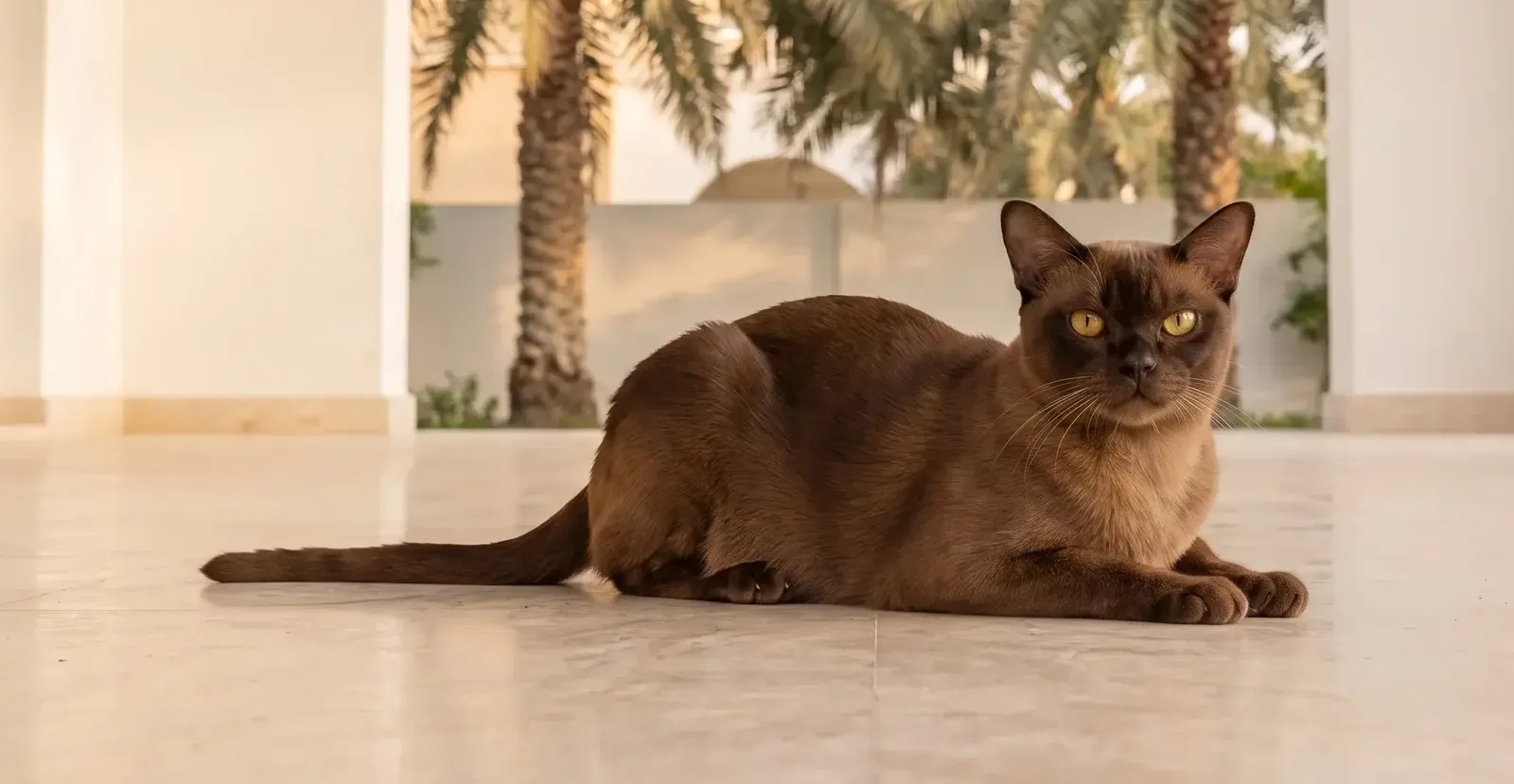
Oriental Shorthairs come in many colours and patterns. Solid colours include black, Havana (chocolate brown), lilac, cinnamon, fawn, caramel, red, cream and apricot, and there are tabby, tortie, smoke and bicolour Orientals too.
Can an Oriental Shorthair cat be left alone?
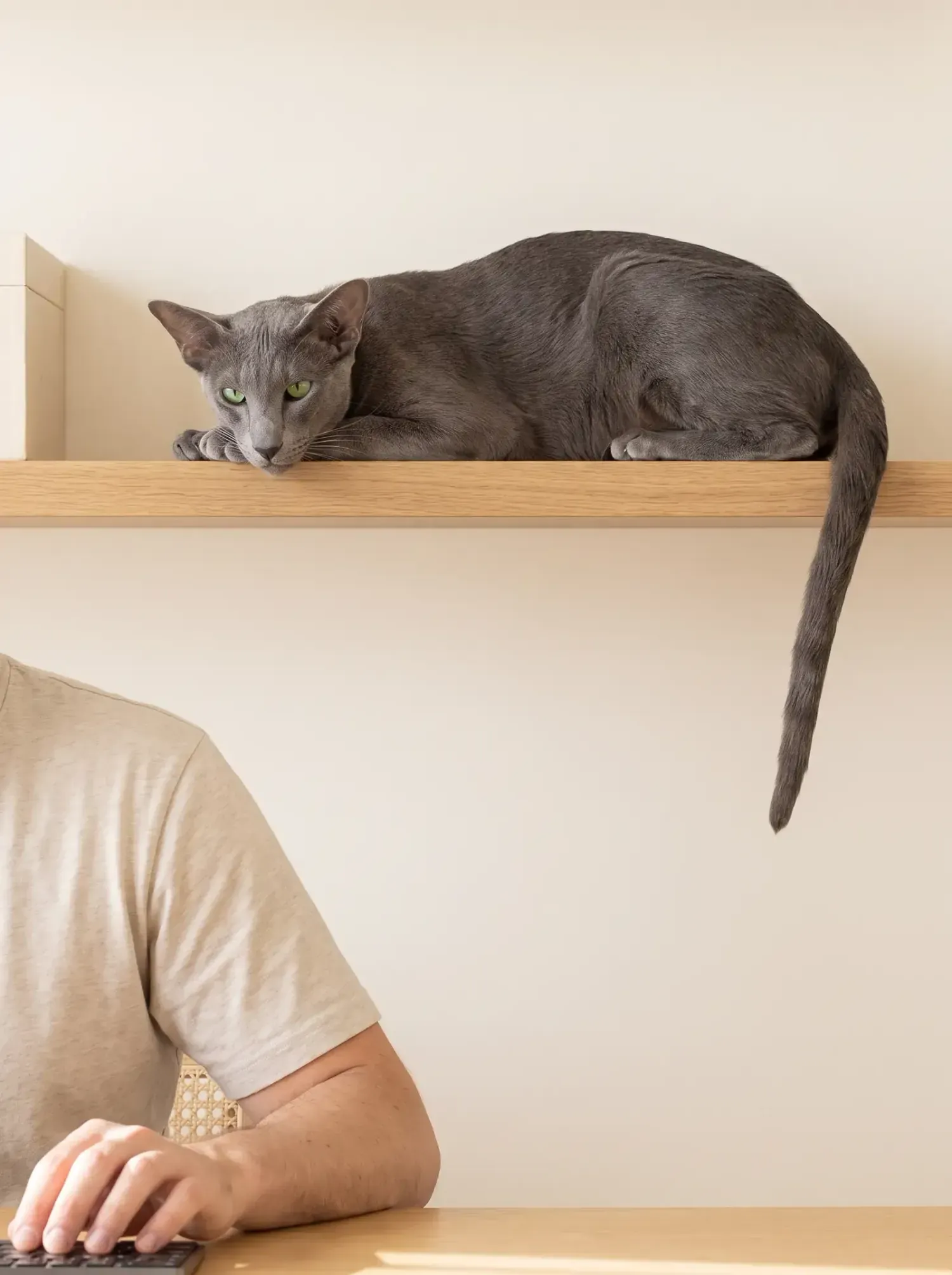
An Oriental Shorthair can manage short, regular absences, but long days alone are hard on many of them. Arrange a visitor or a cat sitter for long days and travel, and do not rely on an automatic feeder for days away.
What should I know before getting an Oriental Shorthair kitten?
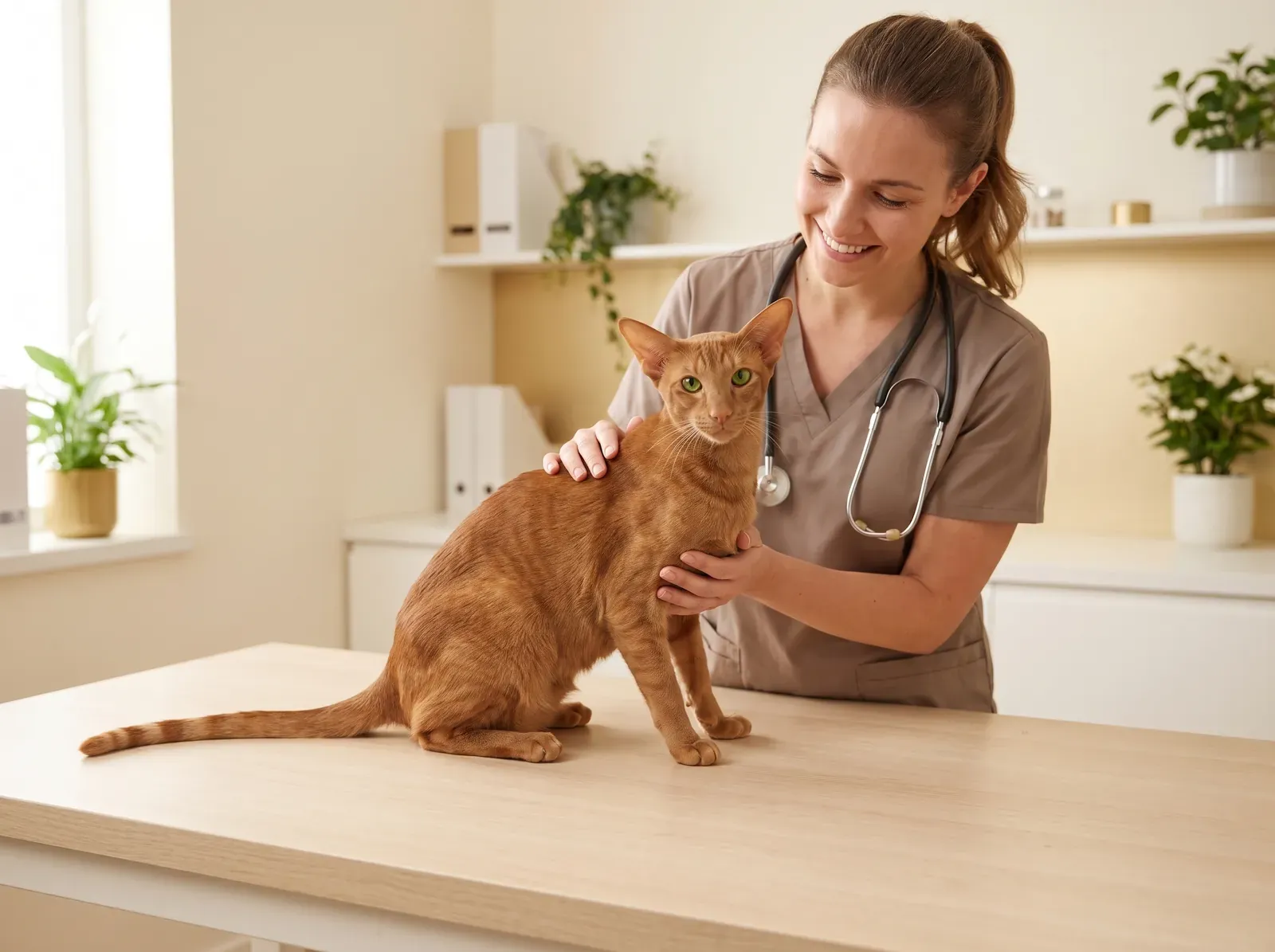
An Oriental Shorthair kitten needs company, play and a routine from the first week. A vet looks at their eyes at the kitten visits, and it helps to start looking in their mouth while the adult teeth come through.
What health problems do Oriental Shorthair cats have?
Oriental Shorthairs share many of the Siamese health risks, starting with dental disease, feline asthma and gradual loss of sight. That last one is Progressive Retinal Atrophy (PRA). Later, their kidneys, thyroid and heart need watching, and amyloidosis can affect them too.