At home
Why won't my Borzoi come when called?
You call. They look at you, consider it, and then decide.
What's going onBorzois were bred to make their own decisions at full gallop. Patience and a good reward get you further than asking twice.
We will be in touch soon to confirm.
Breed guide · Dogs
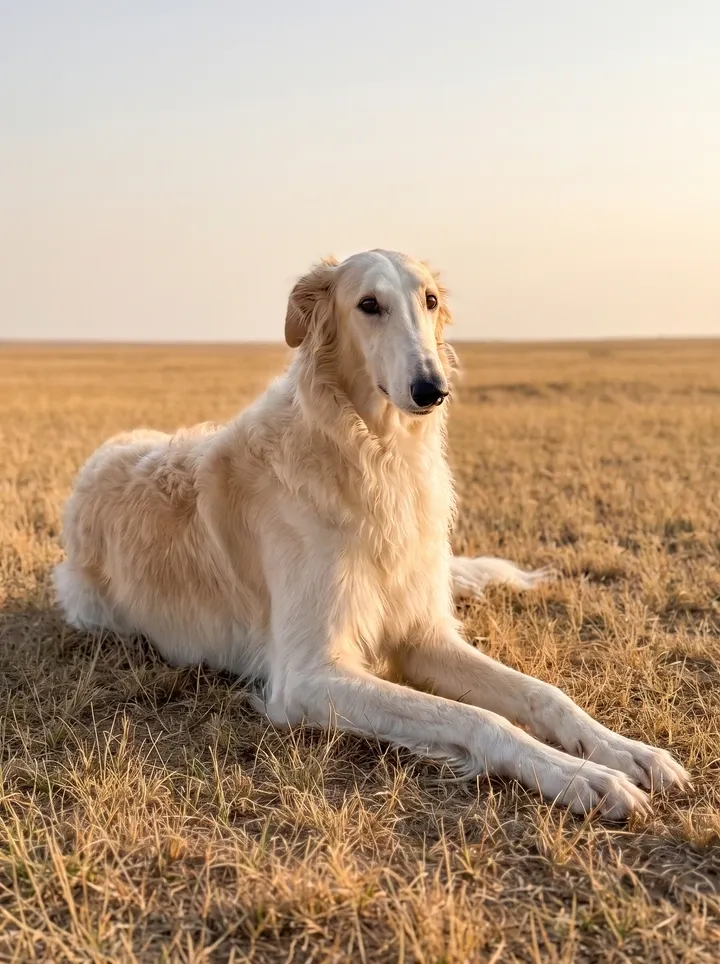
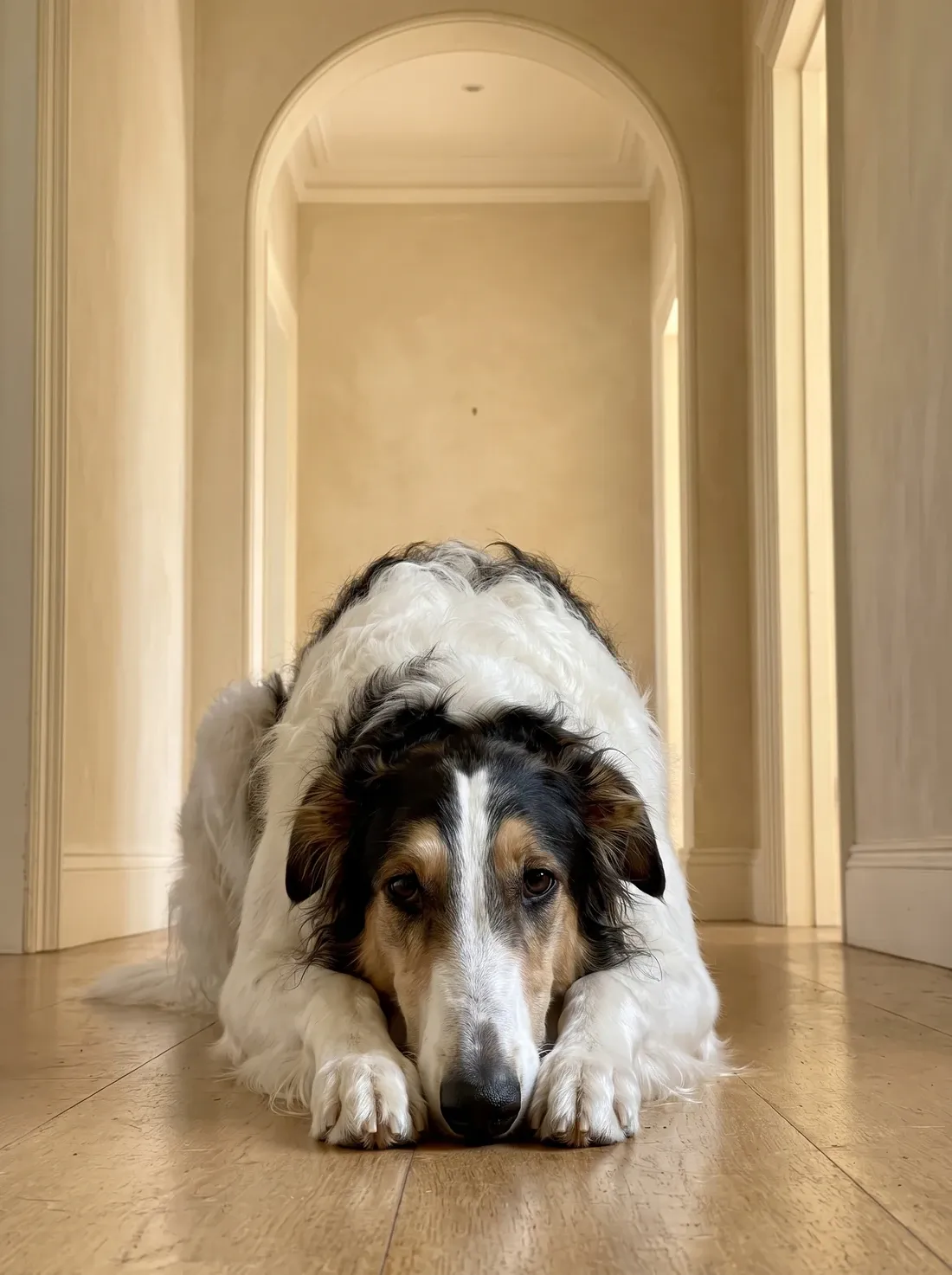
She lies flat on the kitchen tiles from May. I walk her at five in the morning.
Last updated 12 October 2026
We will be in touch soon to confirm.
What they brought with them.
Tap a card to see what is going on.
At home
You call. They look at you, consider it, and then decide.
What's going onBorzois were bred to make their own decisions at full gallop. Patience and a good reward get you further than asking twice.
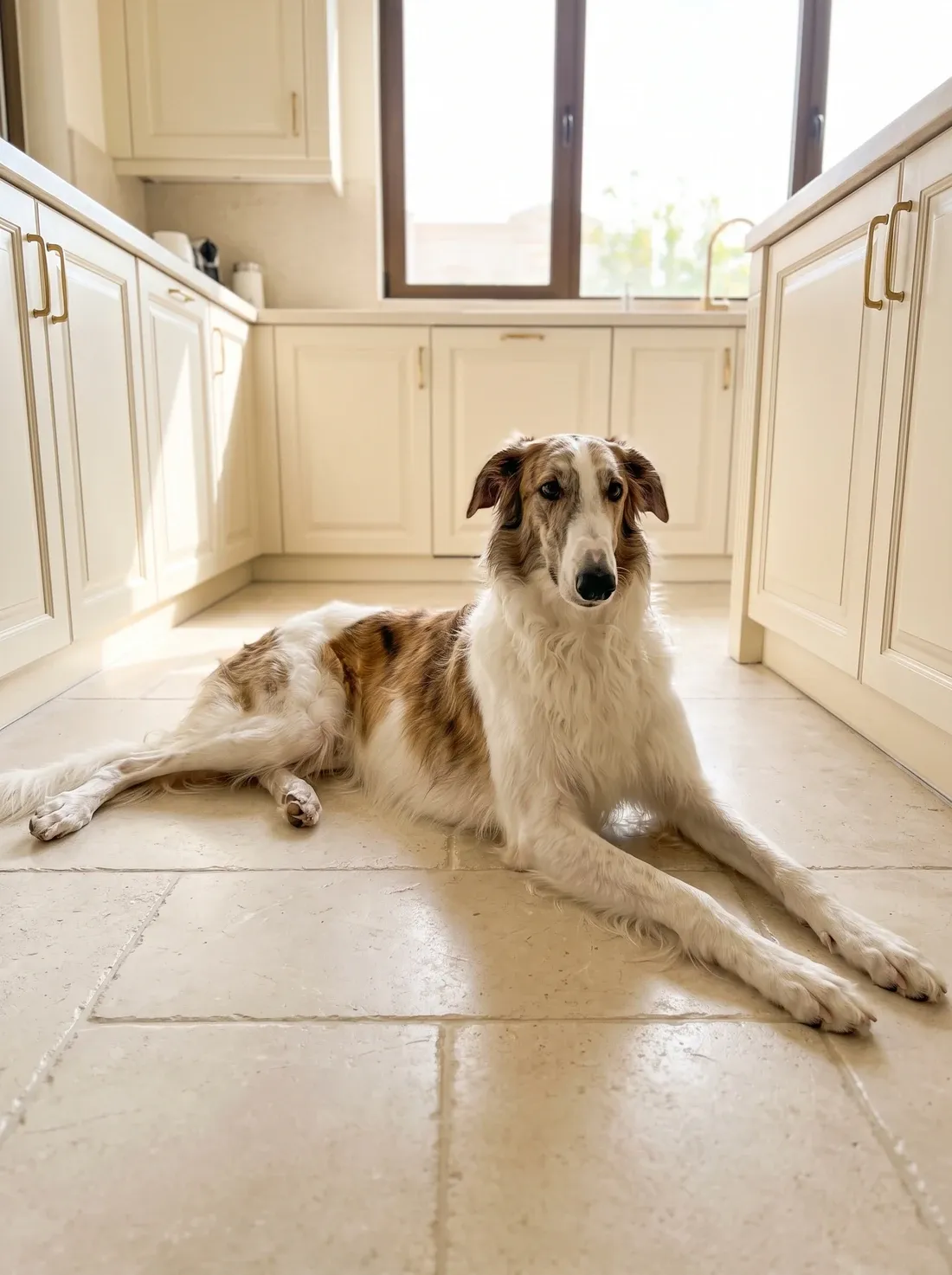
At home
A long, silky coat, and a dog flat out on the kitchen tiles from May.
What's going onThat coat was bred for Russian winters. Here it needs regular grooming so it does not mat and trap heat, and they need shade, water and walks only in the cool hours.
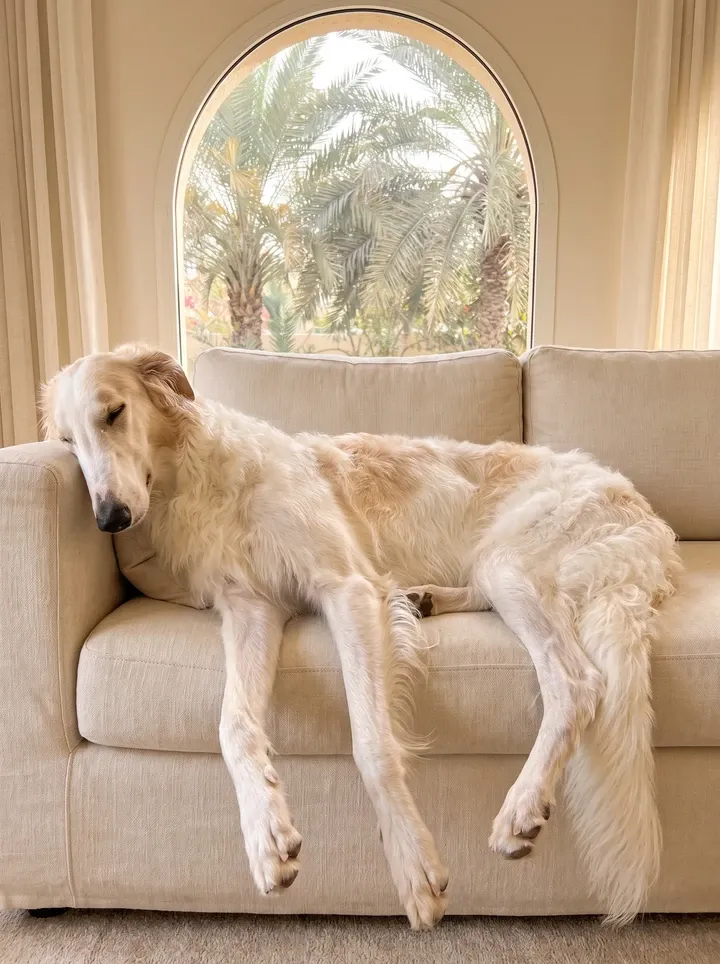
At home
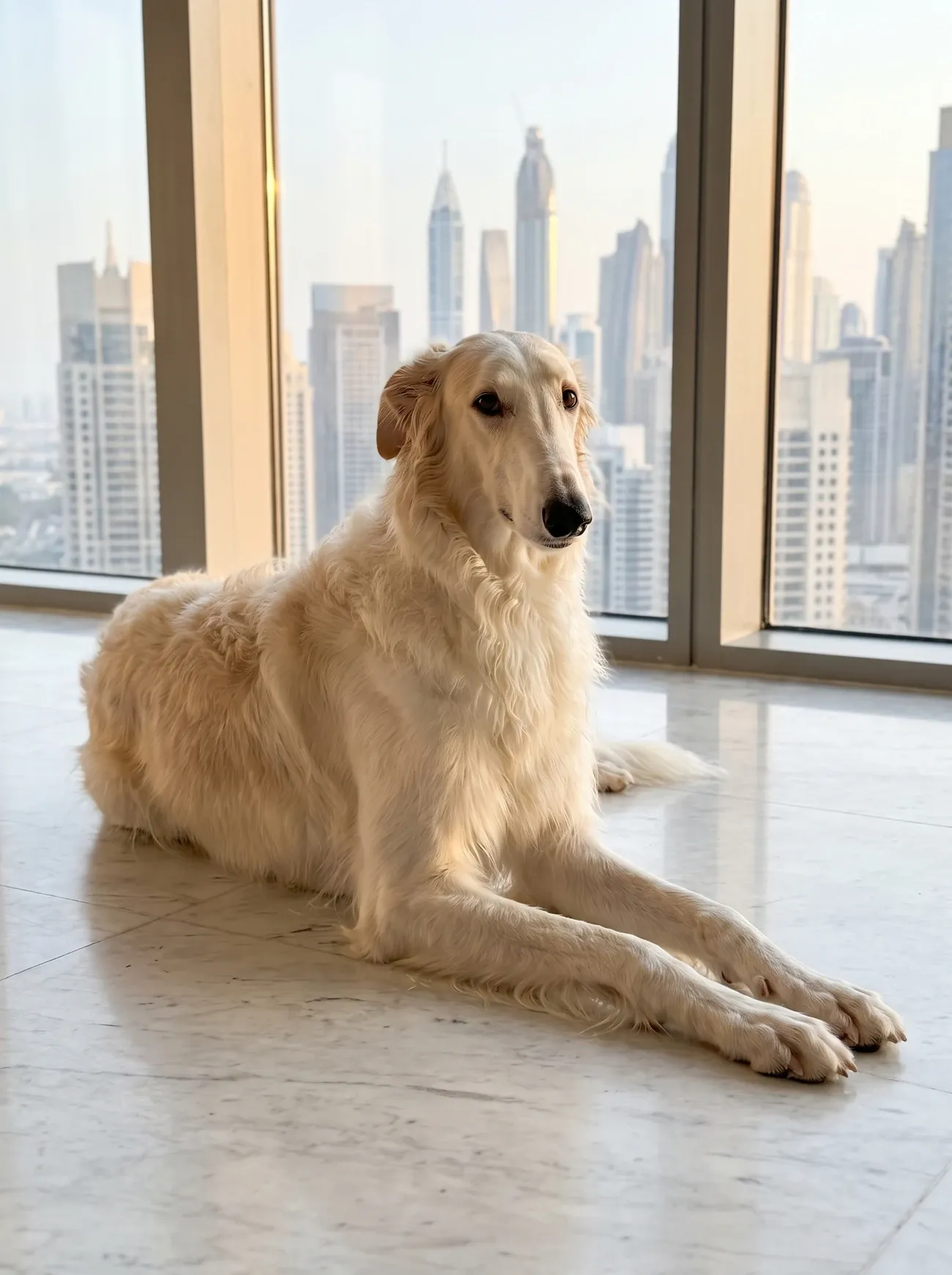
Indoors they drape themselves over the furniture and sleep.
What's going onOutside, one movement at the edge of their sight and they are gone. The chase starts with the eyes, before your voice has registered, so the lead stays on.
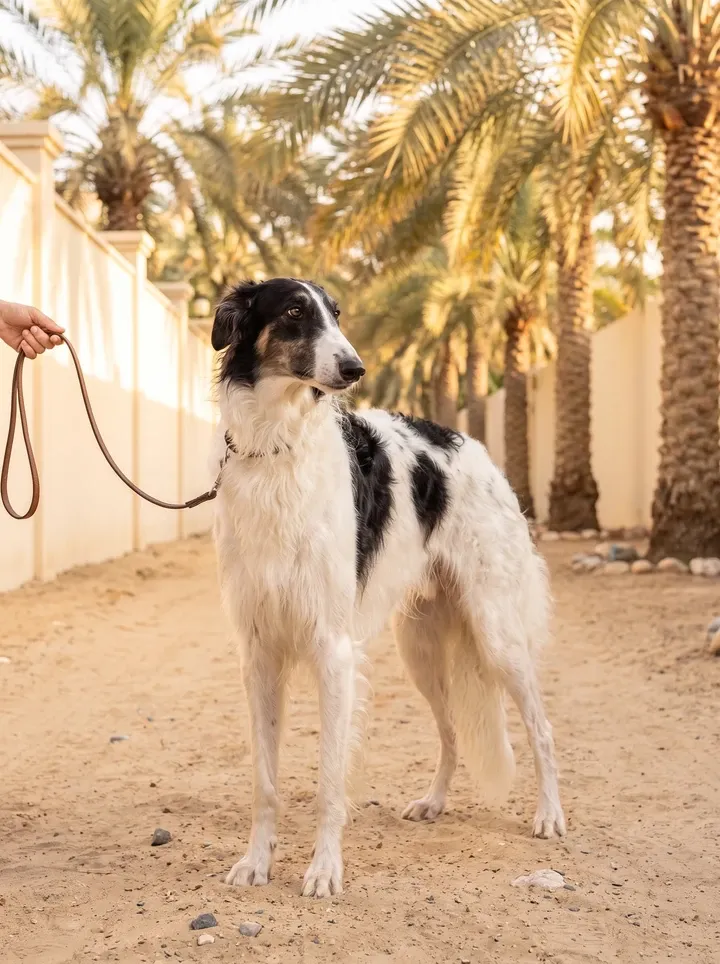
At home
Calm for an hour, then a cat crosses the far end of the car park and they are off.
What's going onTheir ancestors caught wolves and held them. A chase with a Borzoi can end in a grab, and they are big enough to hurt a small dog badly. Muzzle training early makes every walk simpler.
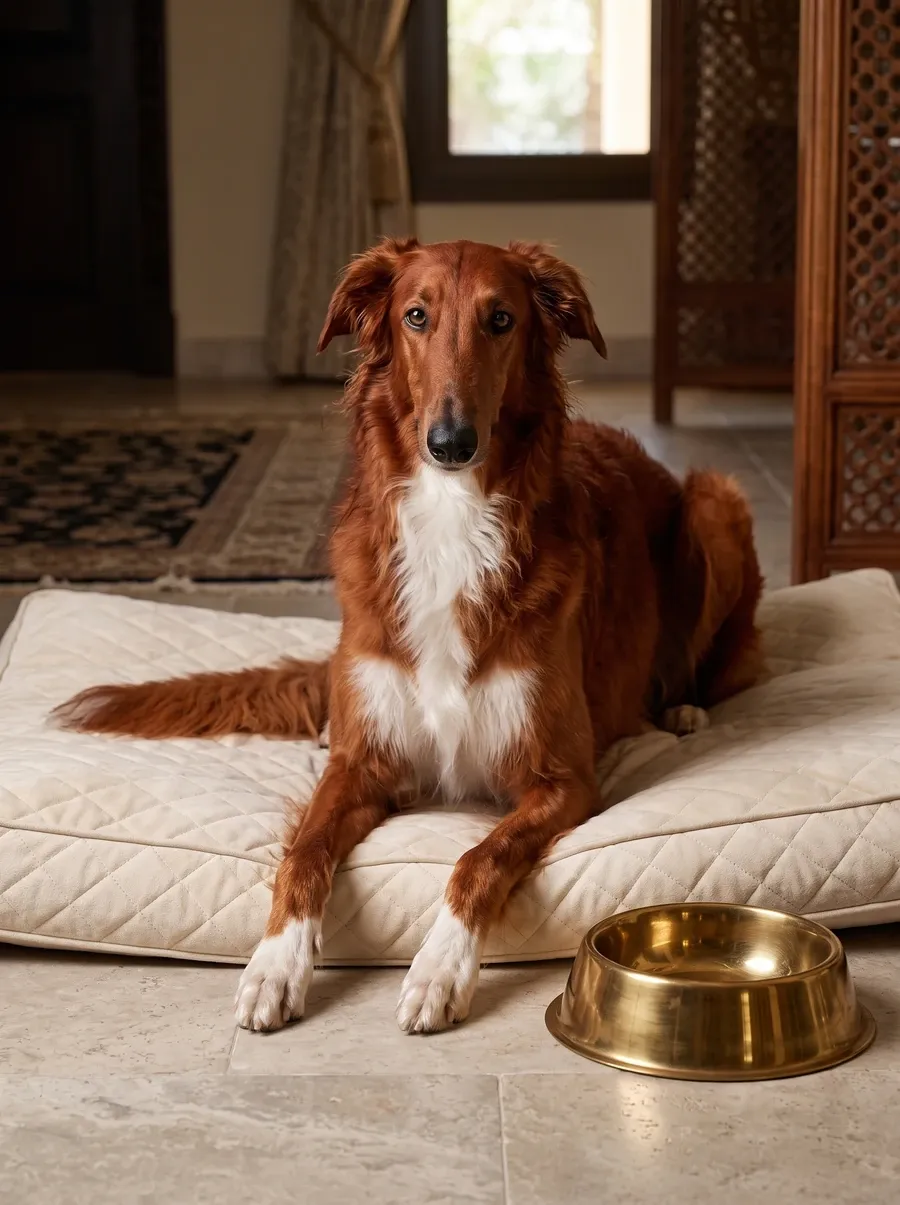
At home
Dinner, then straight off to play. That is the moment to slow them down.
What's going onBloat, when the stomach fills and can twist, is on their health record from the teenage months. Keep them quiet before and after meals, and treat a swollen belly as an emergency.
At home
A raised voice, and they quietly walk out of the room.
What's going onA Borzoi does not argue. Push them and they withdraw, and it takes a while for them to come back. Calm, quiet handling gets you much further.
The bit nobody tells you.
Their country
Built for: The Russian steppe, in the cold.
In Dubai: A summer that is the opposite of what their coat was made for.
Their running
Built for: Running down a wolf, with a rider behind.
In Dubai: Almost nowhere to run off the lead.
Their chase
Built for: A wolf to catch.
In Dubai: Nothing to catch.
Most of what is hard about a Borzoi in Dubai sits in that gap.
You cannot give them the steppe. You can keep them cool, safe and calm, and give that chase somewhere to go. The ten things below are how.
Your plan is built around their breed: the risks on a Borzoi's record at every age, and the care that goes with each one.
Join the founding families. AED 1,999 of essential care for AED 199.
Ten things that make their life better.
A chase needs an ending, or they are left wound up rather than tired.
Every age, gently while growing and in old age
Why
A chase needs an ending, or they are left wound up rather than tired.
What to do
Use a flirt pole on grass or sand, in the cool of the morning. Three to five minutes, twice a week. Let them catch it at least twice. Keep it low and slow while they are growing.
They are built to sprint, and a long walk in the heat does more harm than good.
Every age
Why
They are built to sprint, and a long walk in the heat does more harm than good.
What to do
Two walks of twenty to thirty minutes in the cool hours, with time to sniff and stand. Let them choose the pace for half of each.
A large dog at full speed is a danger on a road, and to anything small they catch.
Every age
Why
A large dog at full speed is a danger on a road, and to anything small they catch.
What to do
Use a martingale collar, which tightens just enough that they cannot back out, or a fitted harness. Keep them on a lead or a 10 to 15 metre line unless the space is fully fenced. Train the recall anyway.
A large, bony dog on a hard floor gets sore joints and pressure sores, and their hips are already at risk.
Every age, most of all from 7 years
Why
A large, bony dog on a hard floor gets sore joints and pressure sores, and their hips are already at risk.
What to do
A thick orthopaedic bed long enough to stretch out on, in the room where you sit. Rugs where they turn on tiles.
They hunt by watching, and a view counts as work.
Every age, most of all from 7 years
Why
They hunt by watching, and a view counts as work.
What to do
A window with a view of the street, and a minute on each walk to stand and look.
Their coat was made for snow, and matted fur traps heat against the skin.
Every age, most of all puppies and from 7 years
Why
Their coat was made for snow, and matted fur traps heat against the skin.
What to do
Brush them through two or three times a week, down to the skin. From May to September, walk before sunrise and after dark, and put the back of your hand on the pavement for five seconds first. Shade and water on every walk.
Each chase makes the next one faster, and a chase with a Borzoi can end in a grab.
Every age, easiest before 2 years
Why
Each chase makes the next one faster, and a chase with a Borzoi can end in a grab.
What to do
Introduce cats and small dogs slowly, over weeks, on a lead and muzzled. Never let a chase happen. Start muzzle training while they are small, calmly and with treats.
They are sensitive, and pressure makes them withdraw.
Every age, most of all the first two years
Why
They are sensitive, and pressure makes them withdraw.
What to do
Reward what you like. Say a cue once, then wait. Keep sessions short. No shouting, no jerking the lead, and nothing that hurts or frightens.
Bloat (Gastric Dilatation-Volvulus, GDV, a twisted stomach) is on their health record from the teenage months.
From 6 months, for life
Why
Bloat (Gastric Dilatation-Volvulus, GDV, a twisted stomach) is on their health record from the teenage months.
What to do
Split their food into two meals rather than one. Keep them calm before and after each: no running, no rough play. A swollen belly, retching with nothing coming up, or pacing after a meal is an emergency: contact your vet now.
Cardiomyopathy (a disease of the heart muscle) is on their health record from puppyhood, and they will not complain.
Every age, most of all from 7 years
Why
Cardiomyopathy (a disease of the heart muscle) is on their health record from puppyhood, and they will not complain.
What to do
Once a week, run your hands over their ribs, hips and legs, and part the coat to look at the skin.
Two of these are in your plan. The rest you can do at home.
Join the founding families. AED 1,999 of essential care for AED 199.
Their health, at every age.
How old are they?
Their age
the first six months
What to watch for
The care that goes with it
Their age
6 months to 2 years
What to watch for
The care that goes with it
Their age
2 to 4 years
What to watch for
The care that goes with it
Their age
4 to 7 years
What to watch for
The care that goes with it
Their age
7 to 10 years
What to watch for
The care that goes with it
Their age
10 years and over
What to watch for
The care that goes with it
Breed predispositions indicate an increased risk rather than certainty of disease. What is right for them always comes from their own history and an evaluation.
Before they come home.
Show or hunting Borzoi
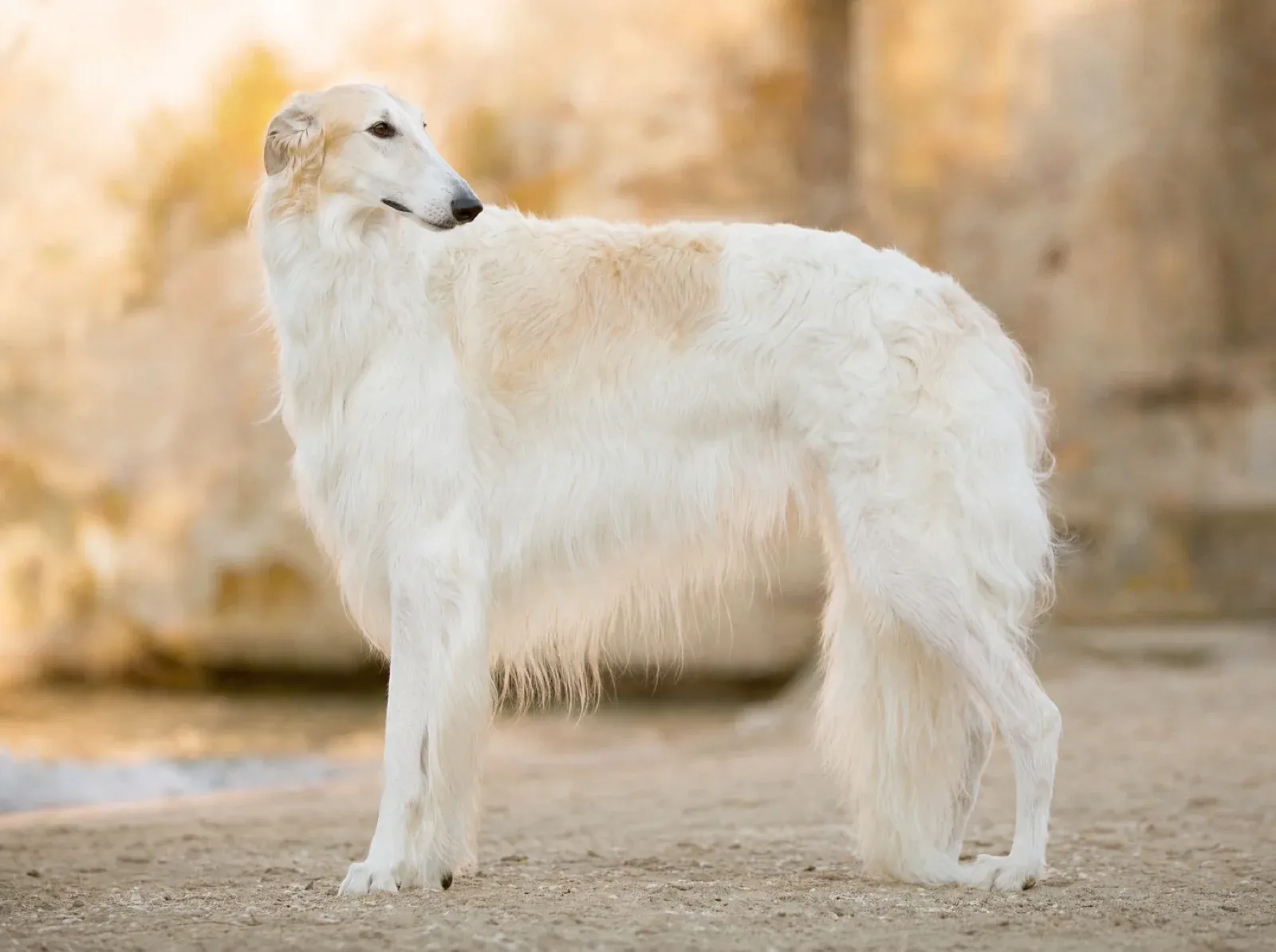
Most Borzois outside Russia come from show lines, bred in Britain and America for their elegance and coat, and these lines carried the breed on after the 1917 revolution scattered the Russian kennels. Hunting lines survived in Russia, kept for the chase. Both share the same eye for movement, so ask the breeder which line you are meeting, and how the parents live.
Colours
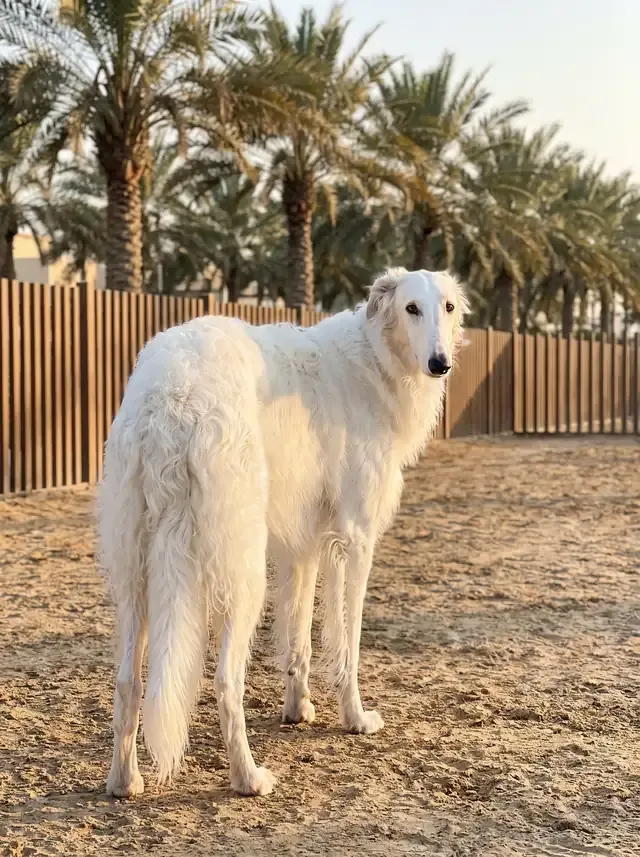
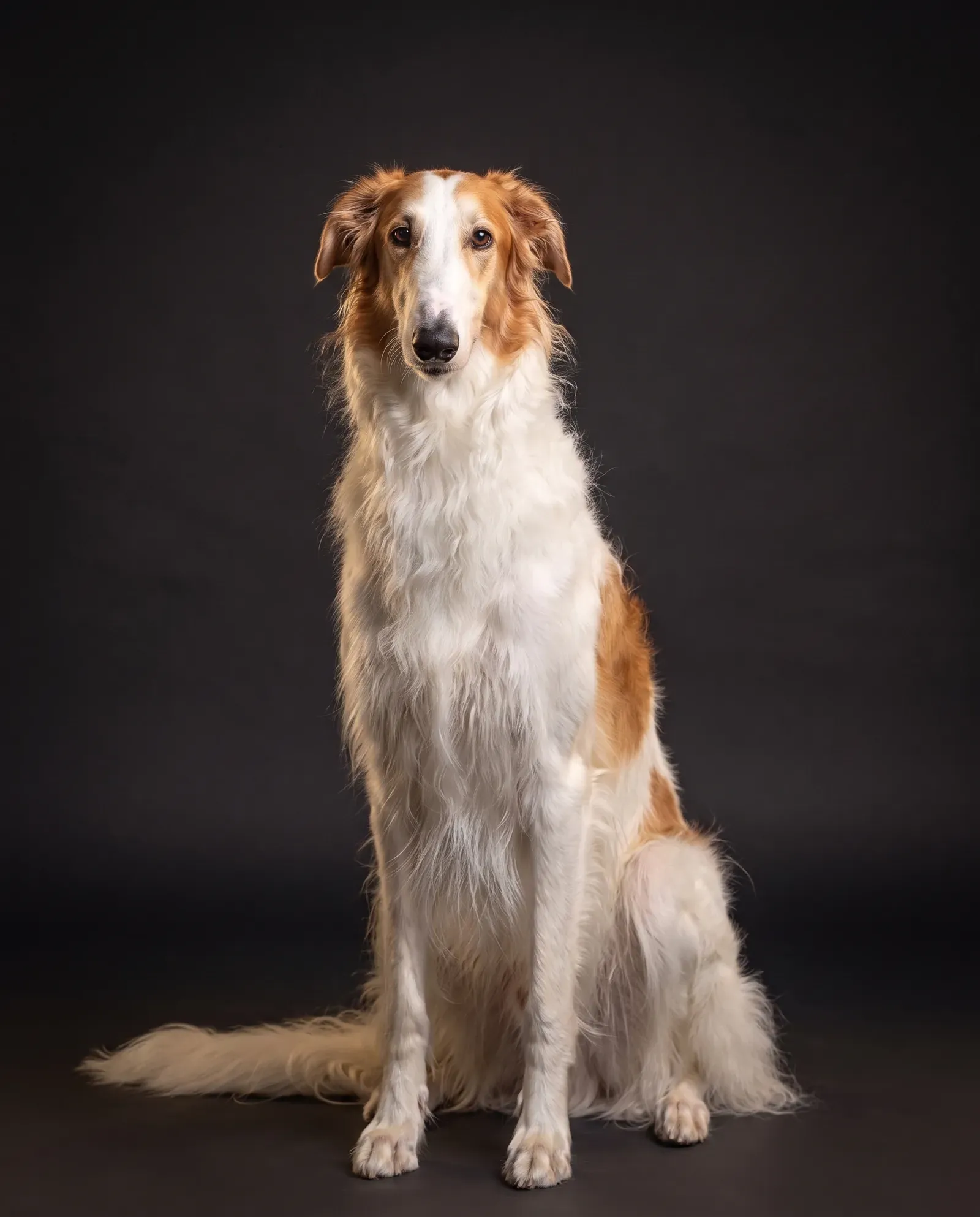
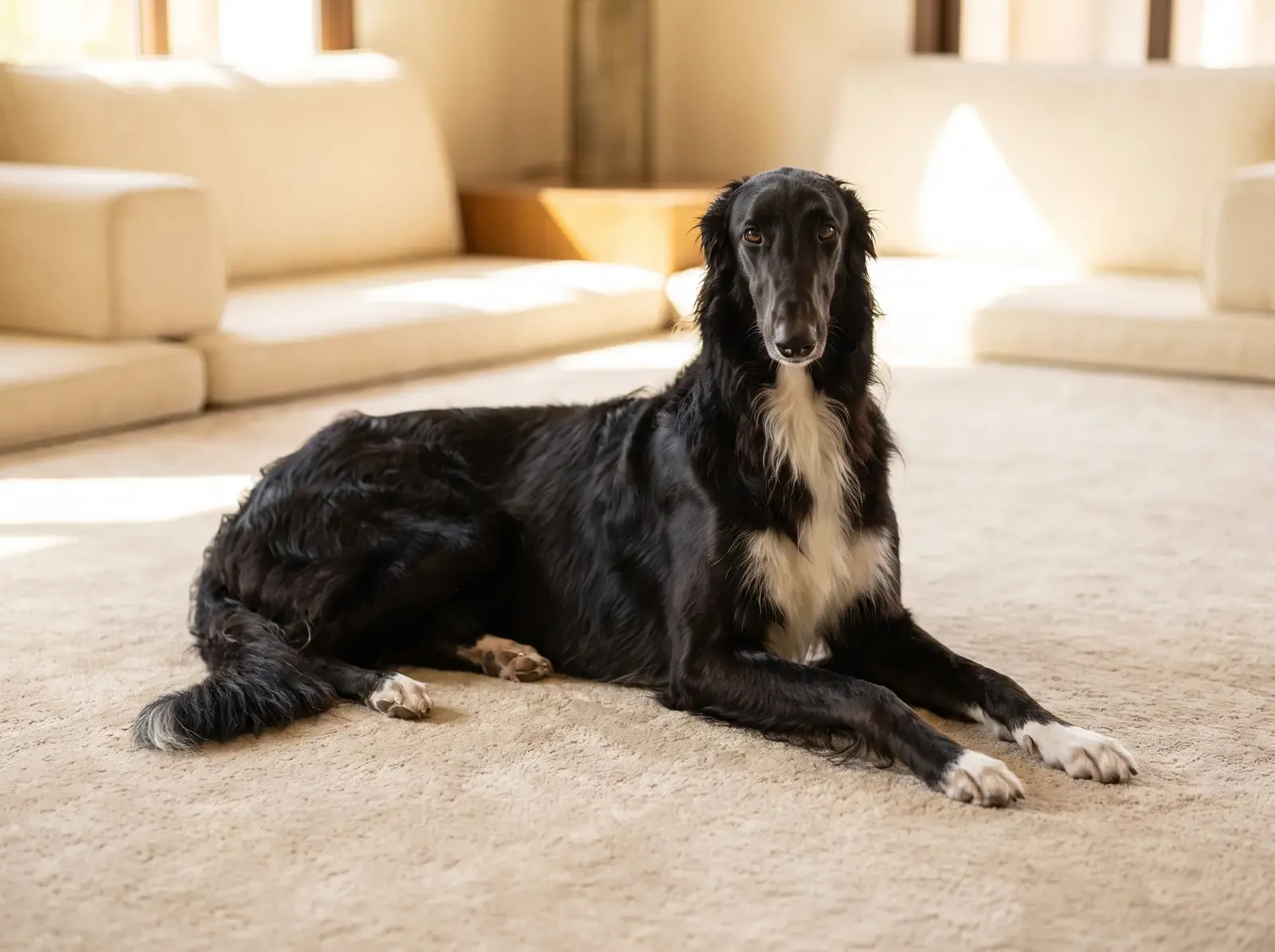
A Borzoi can wear any colour or mix of colours, so no two look quite alike. Choose the dog, and let the coat be the surprise.
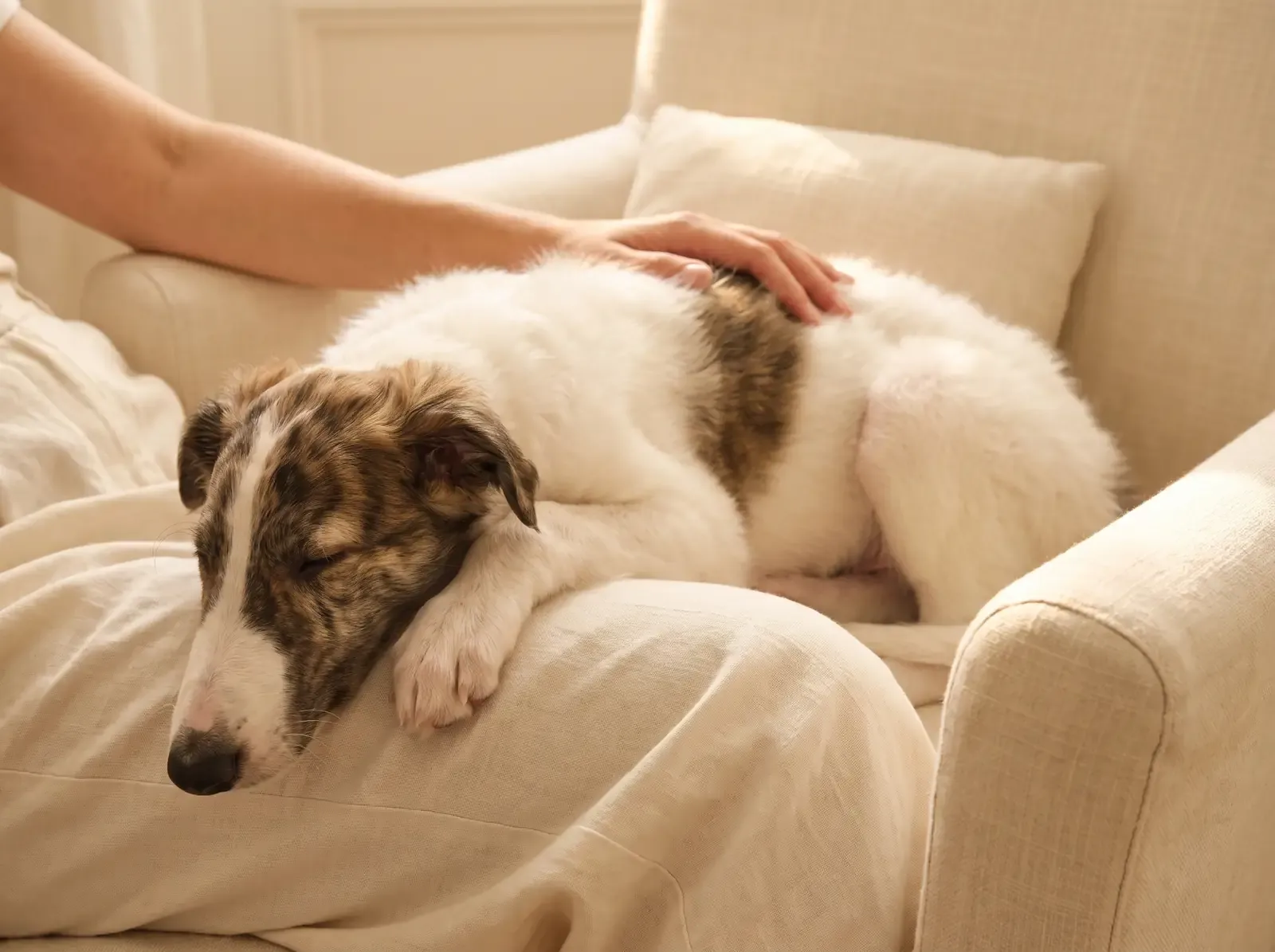
The first six months
Their full vaccination course, microchip and Dubai Municipality registration come first, with hip screening and a follow-up on their heart. Slow, steady growth is what their hips want: short play, no forced running, and no jumping out of the car.
Puppy health, 0 to 6 months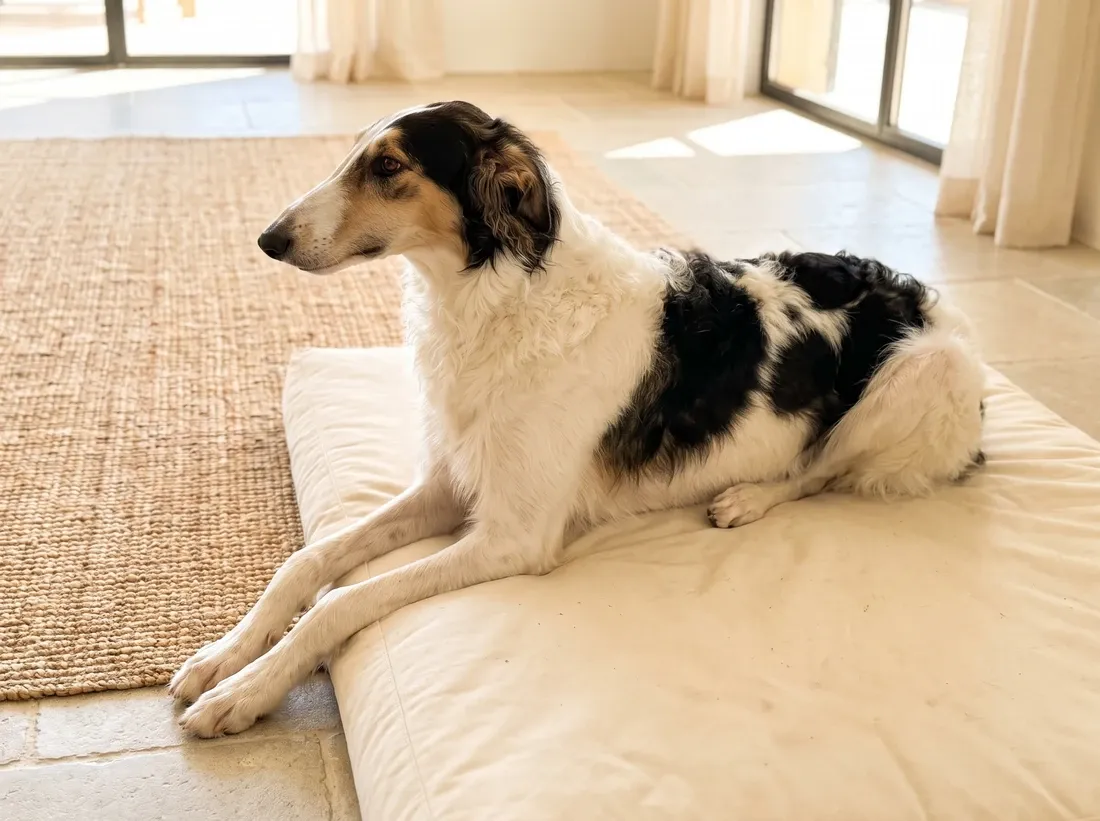
Getting the home ready
Give them a long, padded bed in the room where you sit, rugs where they turn on tiles, and a cool spot out of the sun. Fence any outdoor space fully before they are ever off the lead in it.
Ten things that make their life better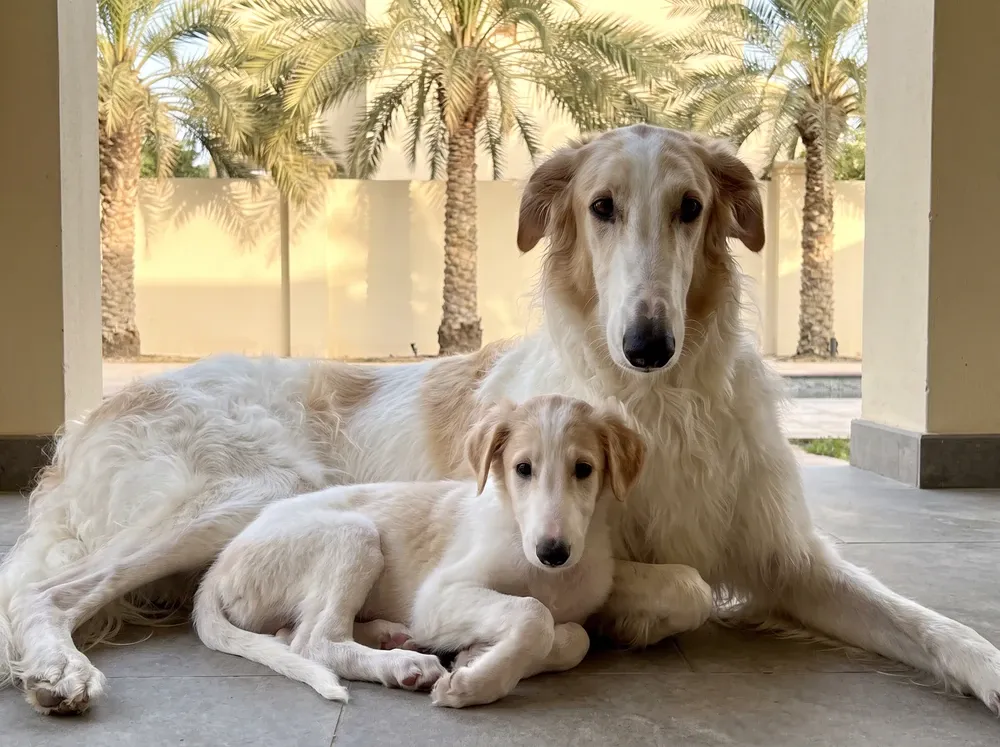
Before you commit
Ask the breeder for both parents' hip results and any heart and eye results. Hip Dysplasia, Cardiomyopathy (a disease of the heart muscle) and Progressive Retinal Atrophy (PRA, gradual loss of sight) are on a Borzoi's record from puppyhood.

Before the clinics open
AED 1,999 of essential care for AED 199. No payment now.
For a new puppy: First 30 days with a new puppy · Puppy vaccinations in the UAE · Heatstroke in dogs
When it is not behaviour.
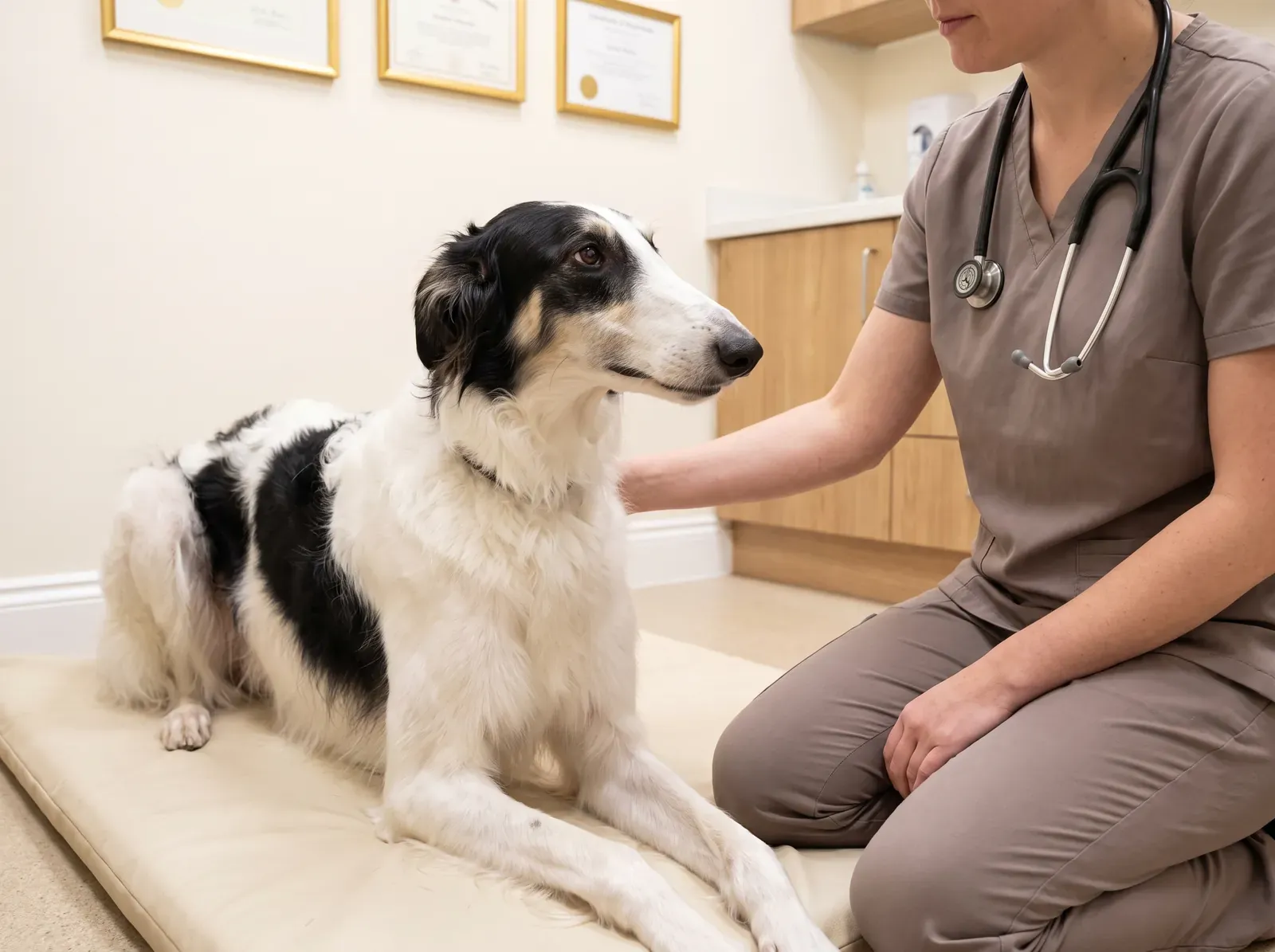
She'll stay on the tiles until October. If her belly swells after dinner, contact your vet now.
Before they were yours.
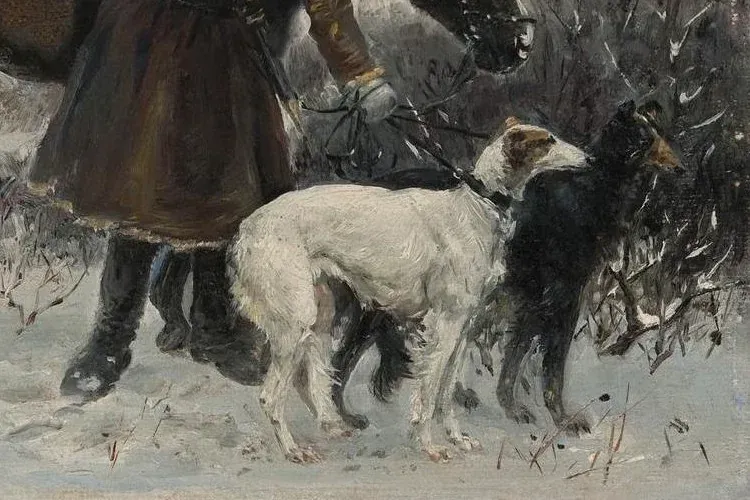
The Russian estates
The Borzoi was the hunting hound of the Russian estates. Noble families kept them in large kennels and hunted wolf, fox and hare on horseback across open country.
What they still carryA chase set off by movement, and calm the rest of the time.
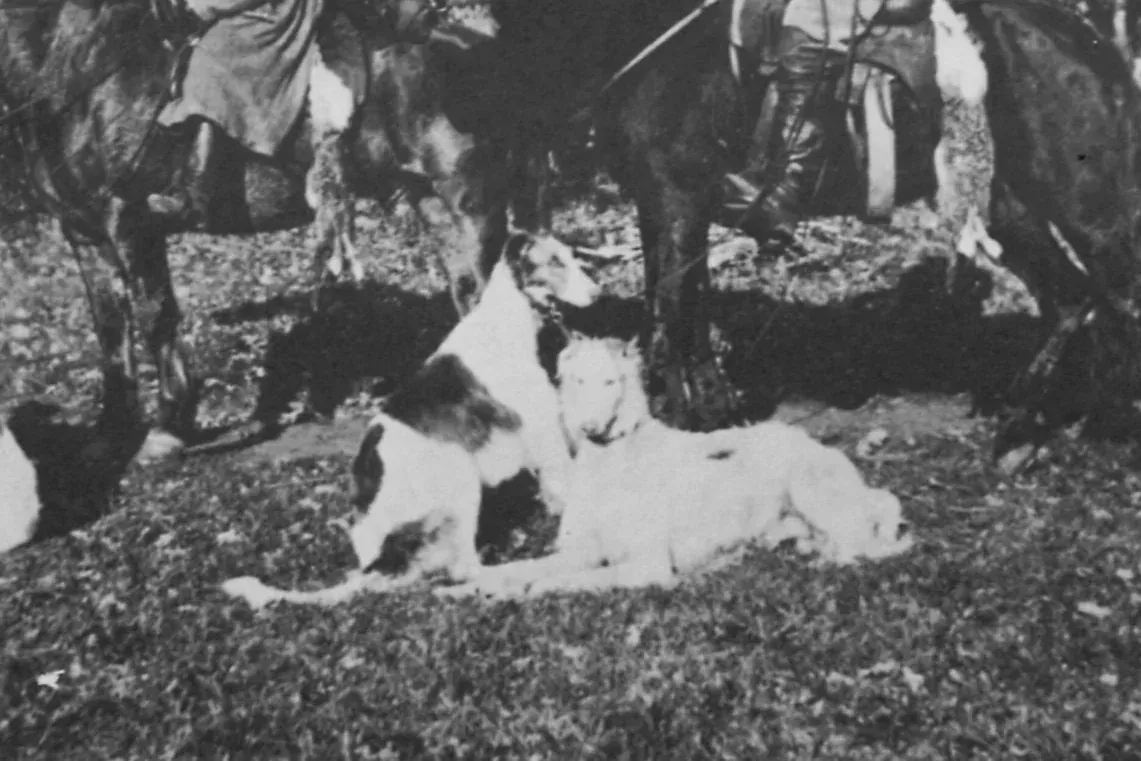
Late 1800s
At great kennels such as the Grand Duke Nicholas Nikolaevich's at Perchino, hounds were let go in pairs or threes, matched for size, to catch a wolf and hold it until the huntsman rode up.
What they still carryA dog that holds on to what they catch.
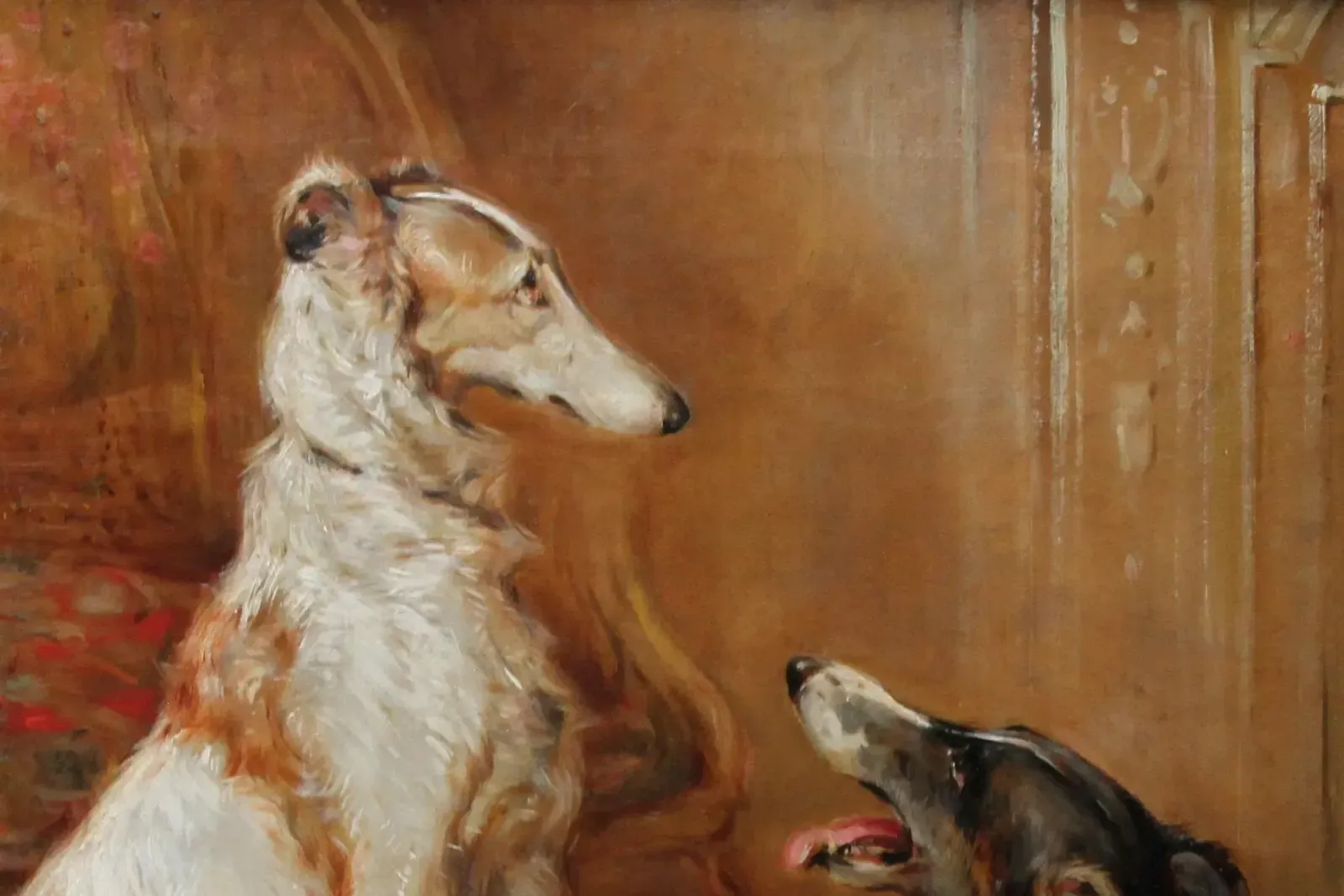
1891
Dogs sent to Britain and America became show dogs. The American Kennel Club recognised the breed in 1891, under the name Russian Wolfhound.
What they still carryThe elegant show lines most Borzois come from today.
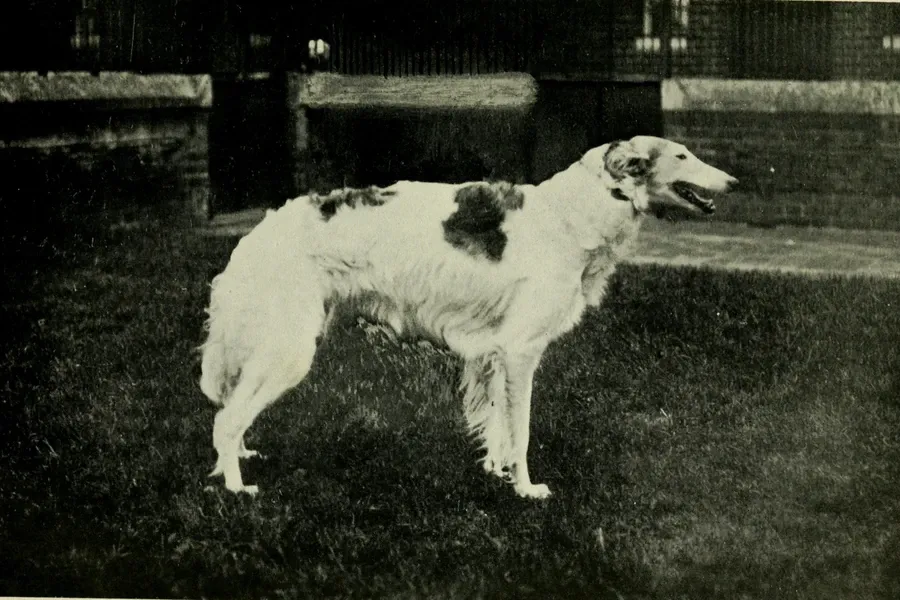
After 1917
After the 1917 revolution most of the Russian kennels were lost, and the breed survived largely through dogs that had already gone abroad.
What they still carryA small family of dogs, rebuilt in the West.
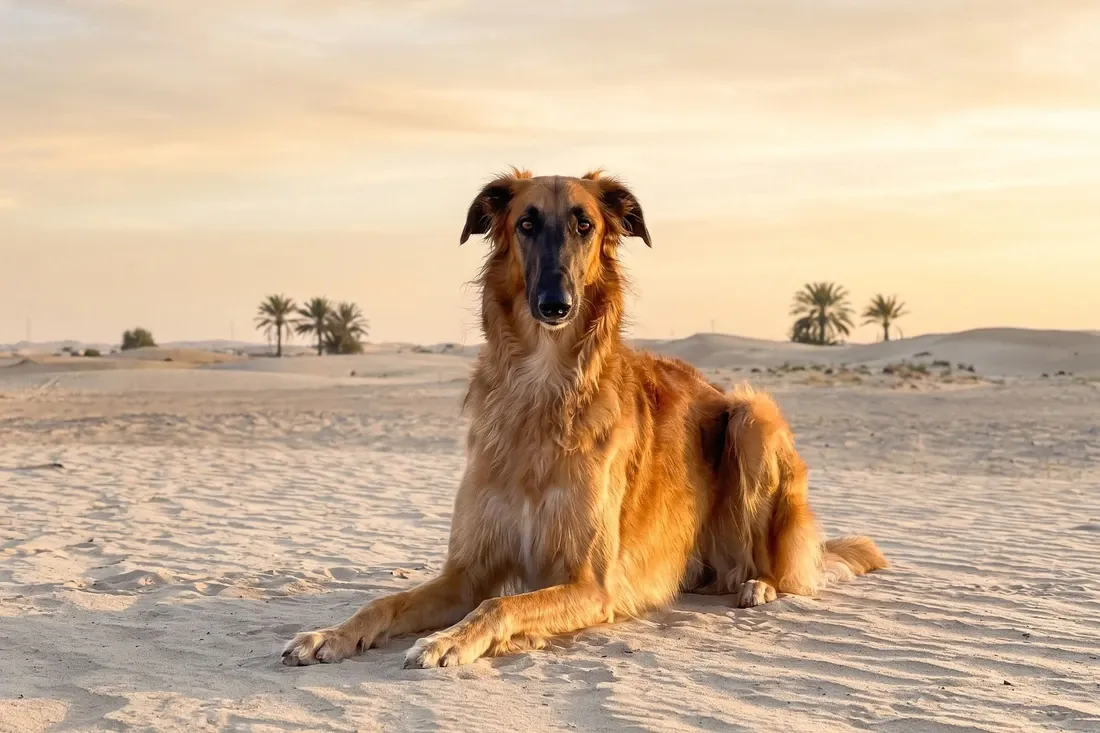
Today
A Borzoi is a rare dog here: a large, quiet hound, living in the Gulf.
What they still carryA coat made for Russian winters, through 45°C summers.
The ones you type at midnight.
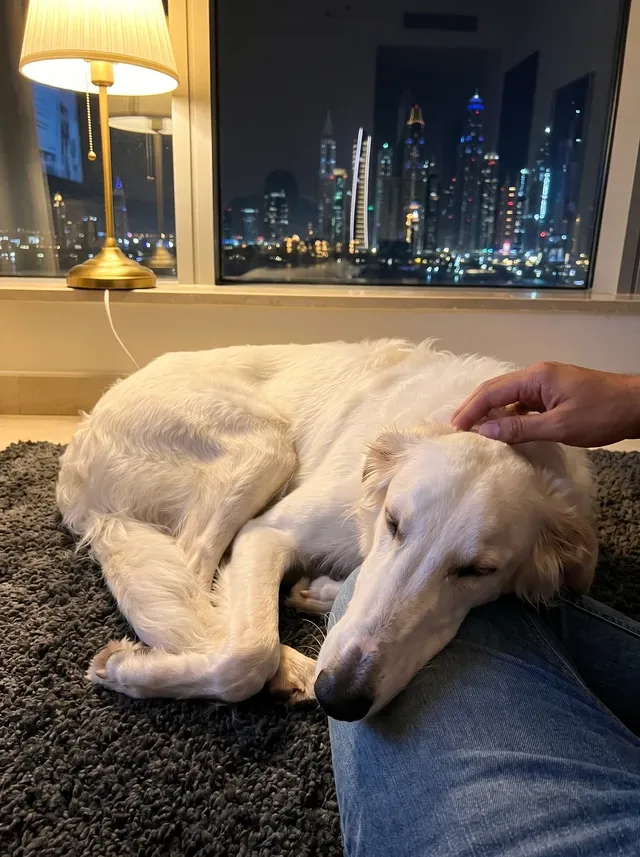
If the Borzoi suits you, so might these.
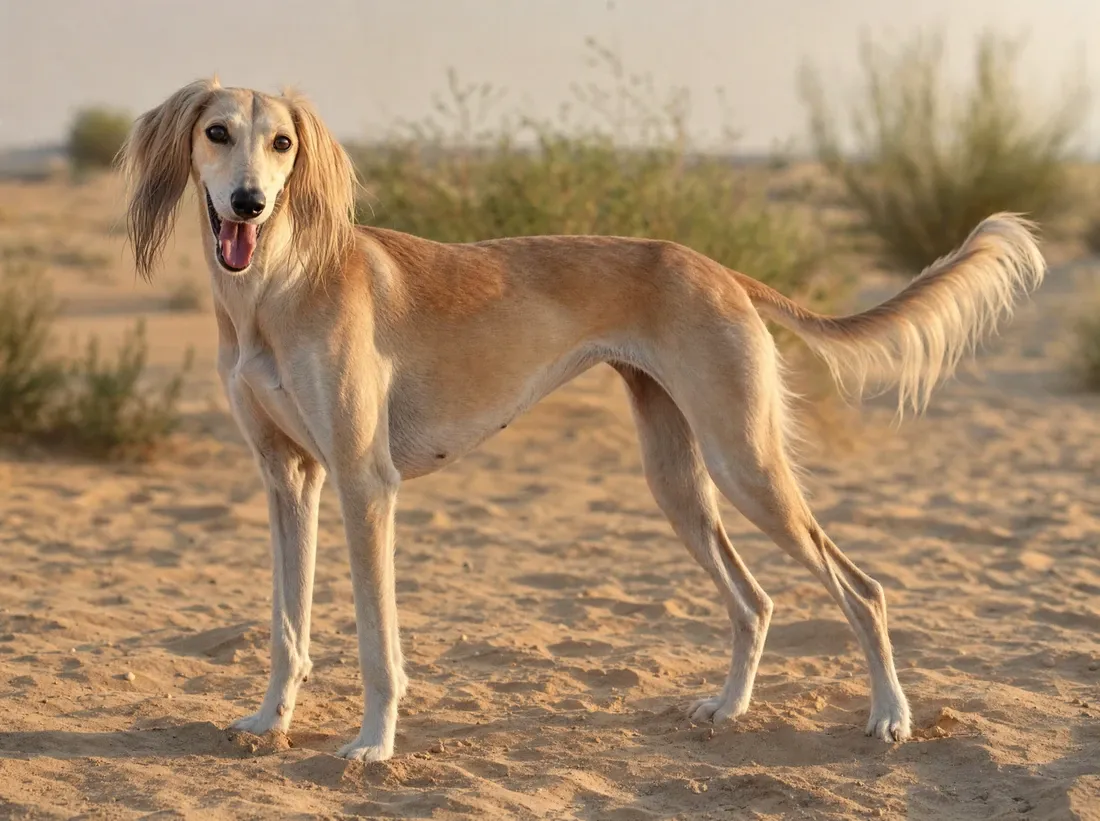 SalukiThe same kind of sighthound, lighter, from the Arab world, and far better suited to the heat.
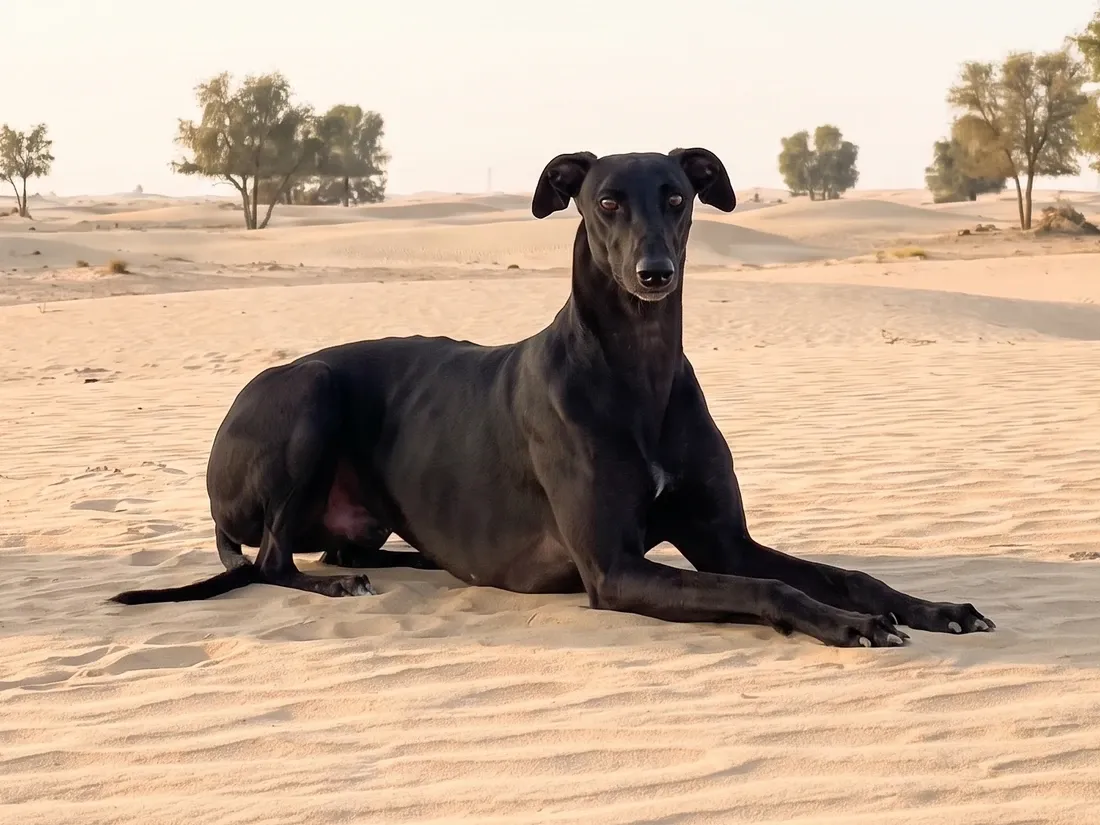 GreyhoundAnother sighthound built for speed, a little smaller, in a short, smooth coat with almost no grooming.
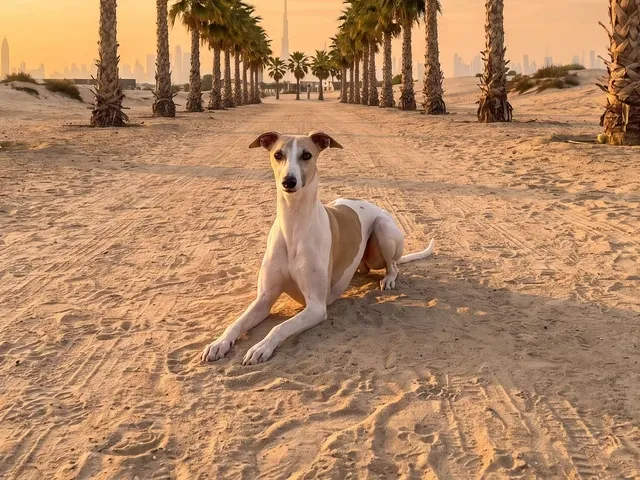 WhippetThe same calm, quiet manner at home and the same burst of speed outside, in a much smaller, short-coated hound.
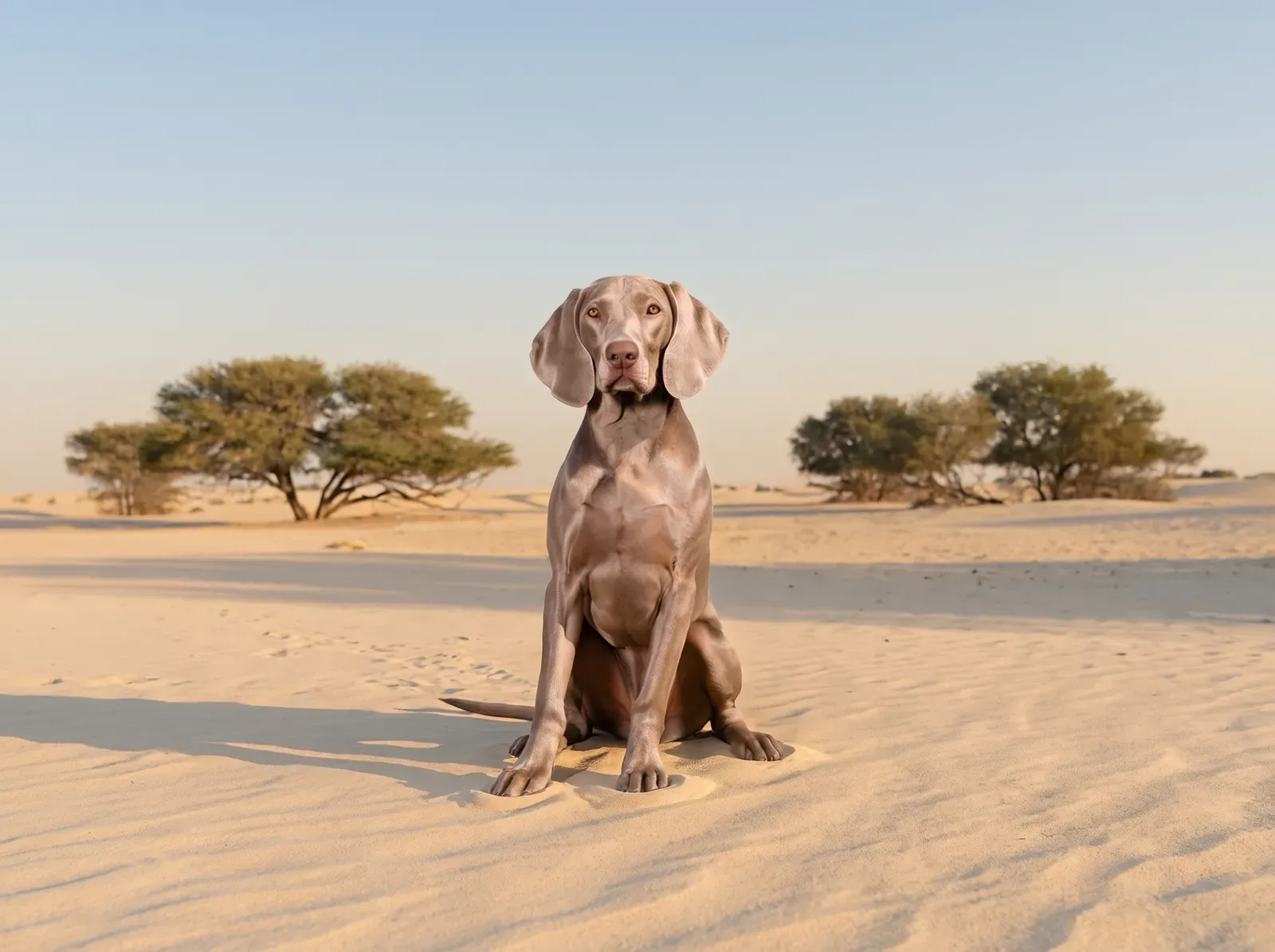 WeimaranerA similar large size and the same shedding, in a short-coated hunting dog with more energy, who does not like being left alone.