We’re hiring people who love them like we do. Join us careers@pawsandco.comSee open roles
UAE Government MOCCAE Licensed
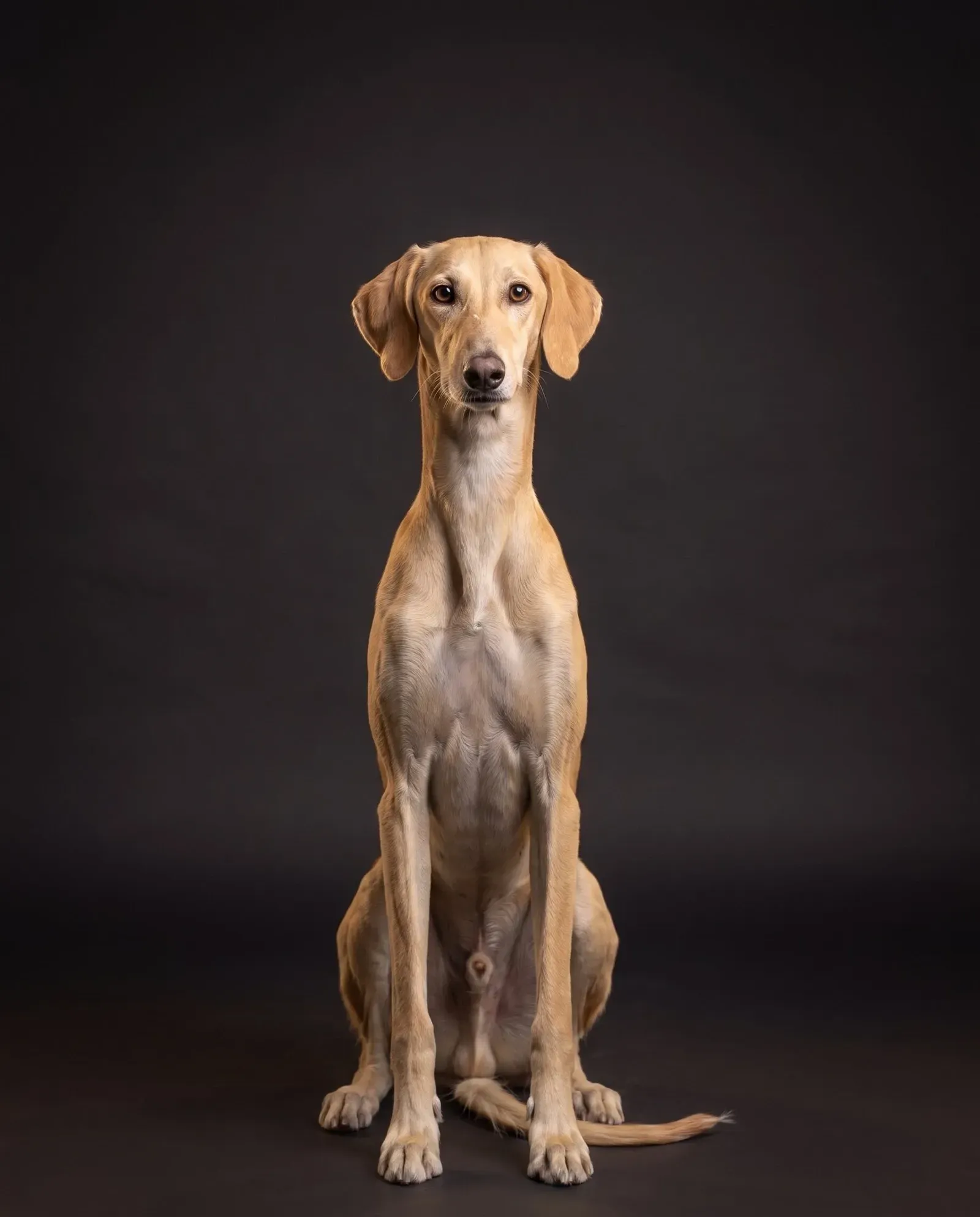
Saluki in Dubai, studio portrait of a smooth-coated sandy adult sitting against a dark background

Breed guide  ·  Dogs

Saluki

He curls up so small you'd miss him on the sofa. I check the cushions before I sit down.

Lifespan
12 to 14 years
Size
Large
Weight
18 to 29.5 kg
Shedding
Light to moderate

Last updated 12 October 2026

Join the founding families. AED 1,999 of essential care for AED 199.

No payment now. We'll be in touch by email and WhatsApp as we open enrolment.

✓
Thank you.

We will be in touch soon to confirm.

Saluki traits

What they brought with them.

Tap a card to see what is going on.

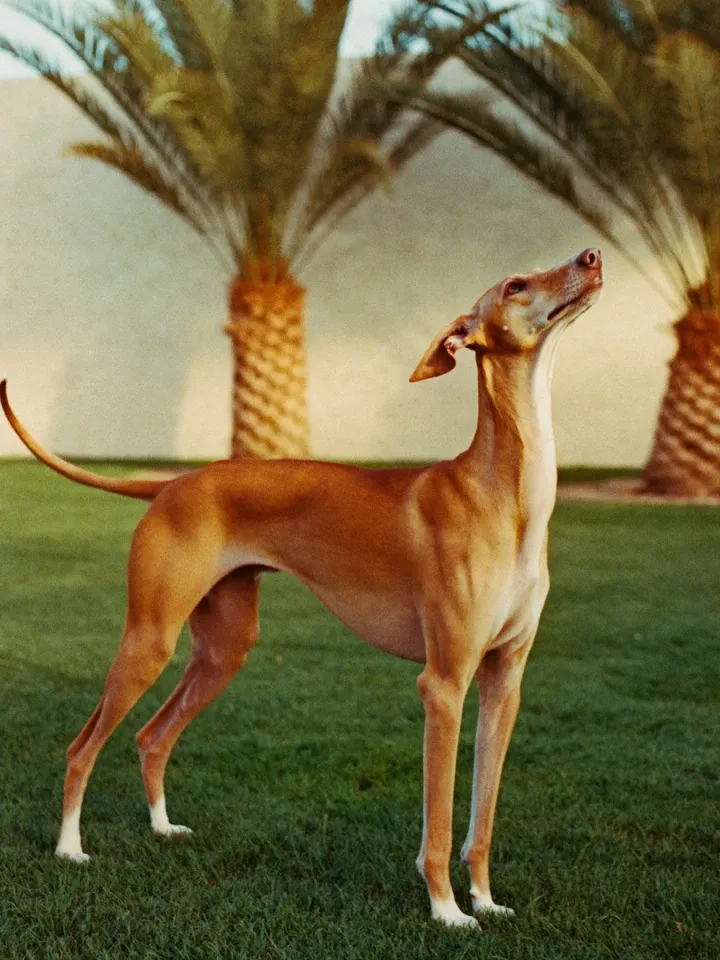
Saluki in Dubai, a red adult standing on a villa lawn under date palms, looking up

At home

They hear you. They're deciding.

You call, they look at you, and they come when they are ready.

What's going onSalukis were chosen for working out of the hunter's sight and making their own decisions. When something moves, the chase starts before your voice registers.

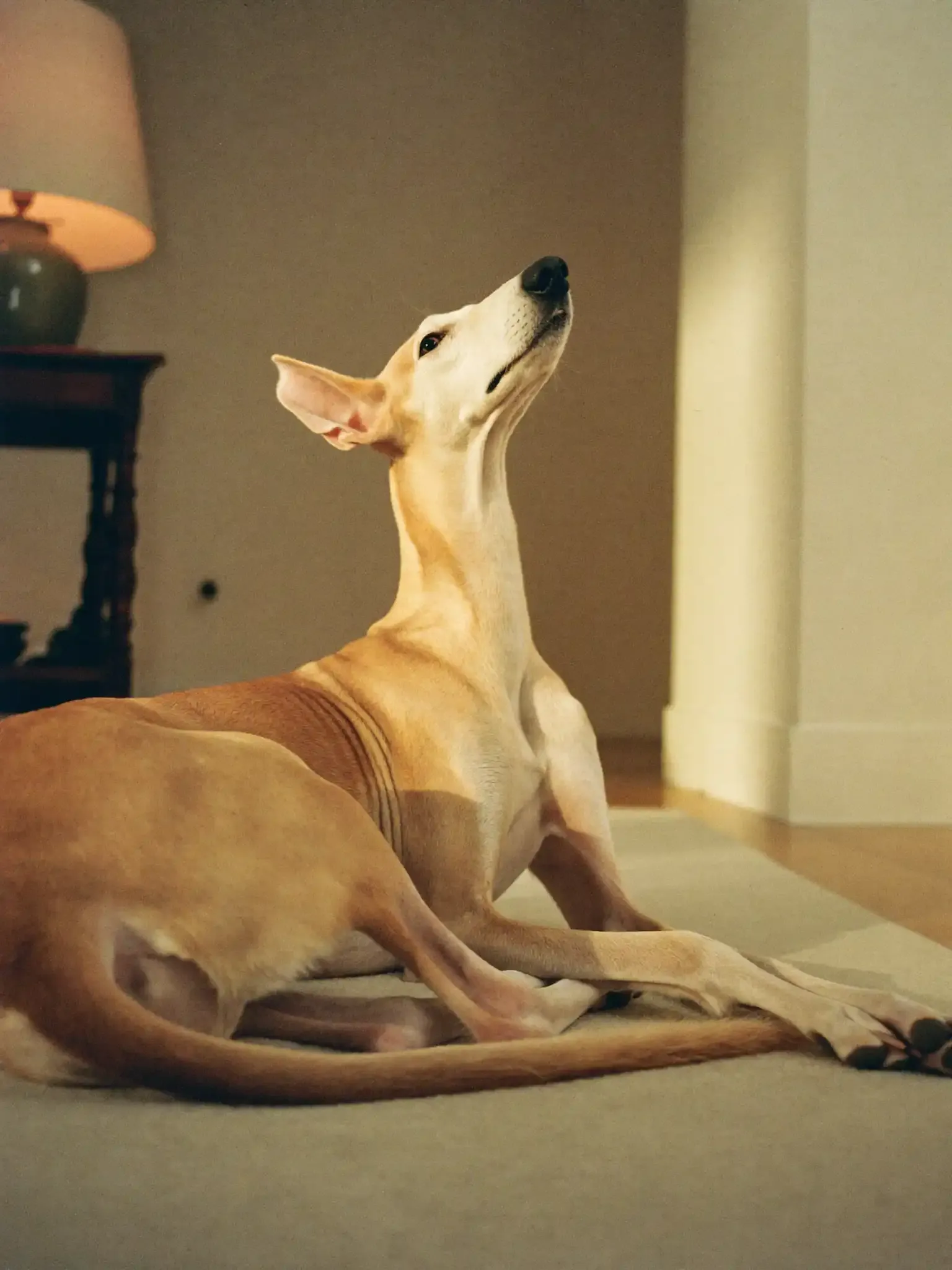
Saluki, a fawn adult lying calmly on a rug in a flat's hallway

At home

The quiet one

Not a bark at the door, even when the delivery arrives.

What's going onBarking spoiled the hunt, so it was bred out. They won't bark when something is wrong either, so watch for pacing, panting and not settling.

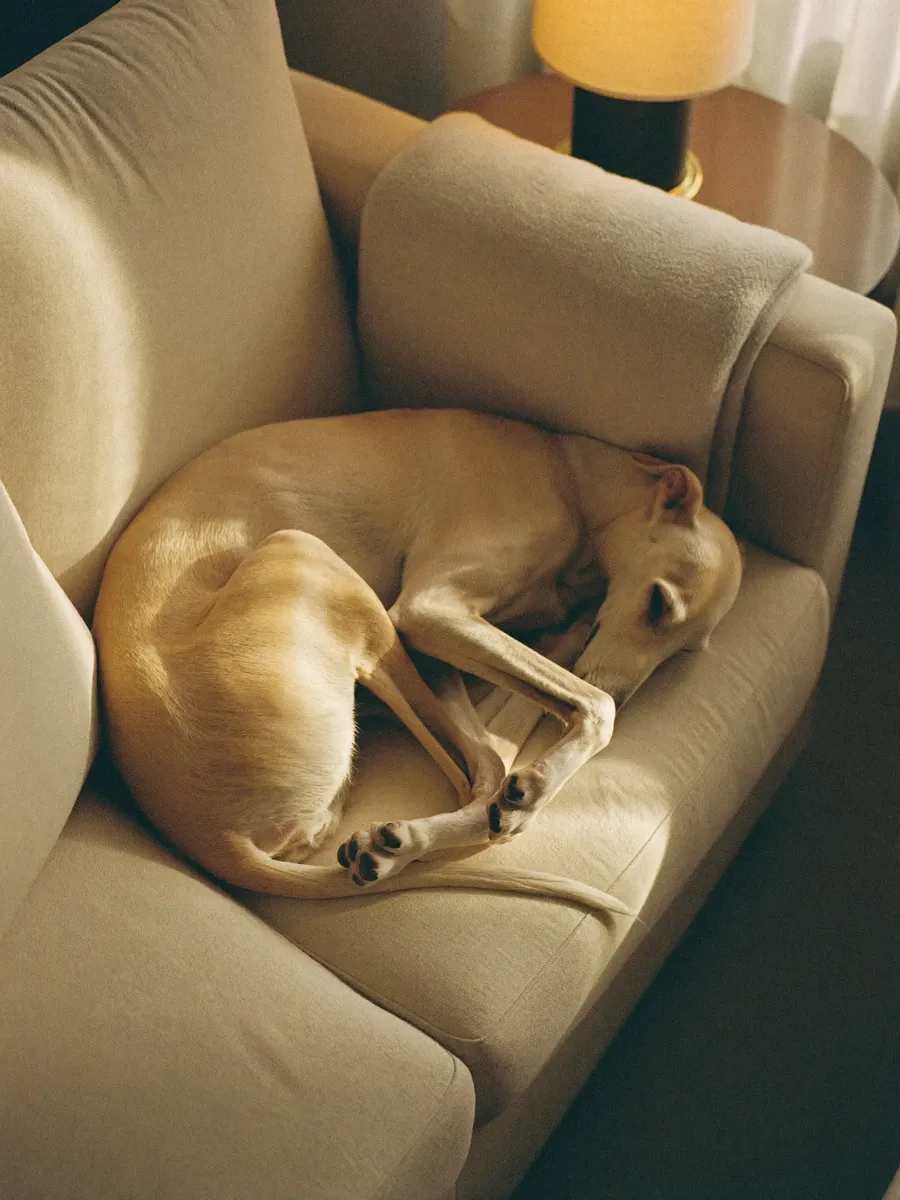
Saluki, a cream adult curled up asleep on a linen sofa

At home

Asleep all day, then off like a shot

Curled up for hours, then a few minutes at full speed.

What's going onSalukis are sprinters. Everything goes into a short burst, and the rest of the day is recovery. Sleeping 16 to 18 hours a day is normal, and puppies need more.

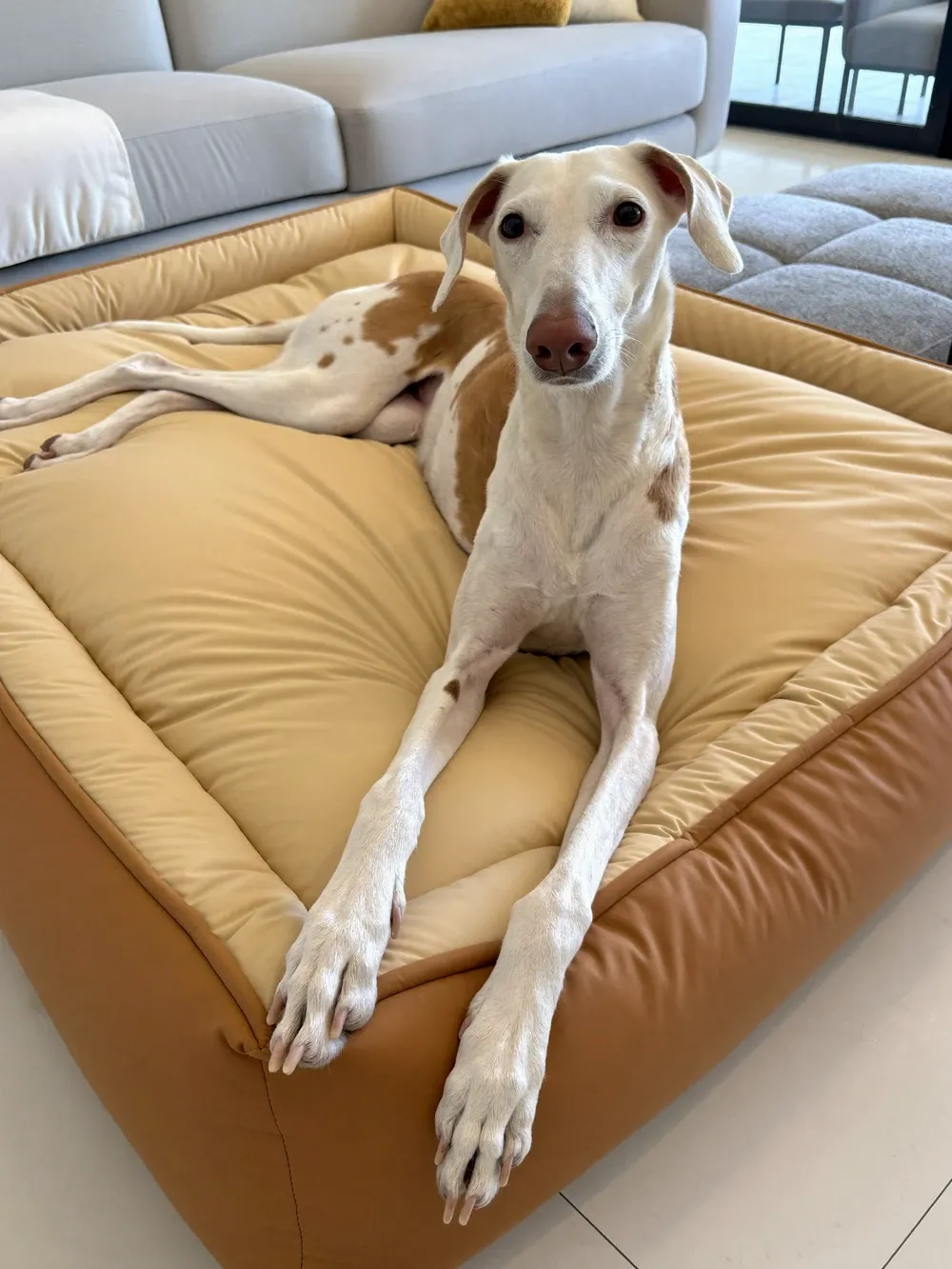
Saluki, a white and fawn adult stretched out on a raised padded dog bed in a bright living room

At home

On the sofa for a reason

They always find the highest, softest, warmest spot in the house.

What's going onThin skin, a lean, bony frame and no undercoat. A hard floor gives them pressure calluses. Give them a better bed and they will use it.

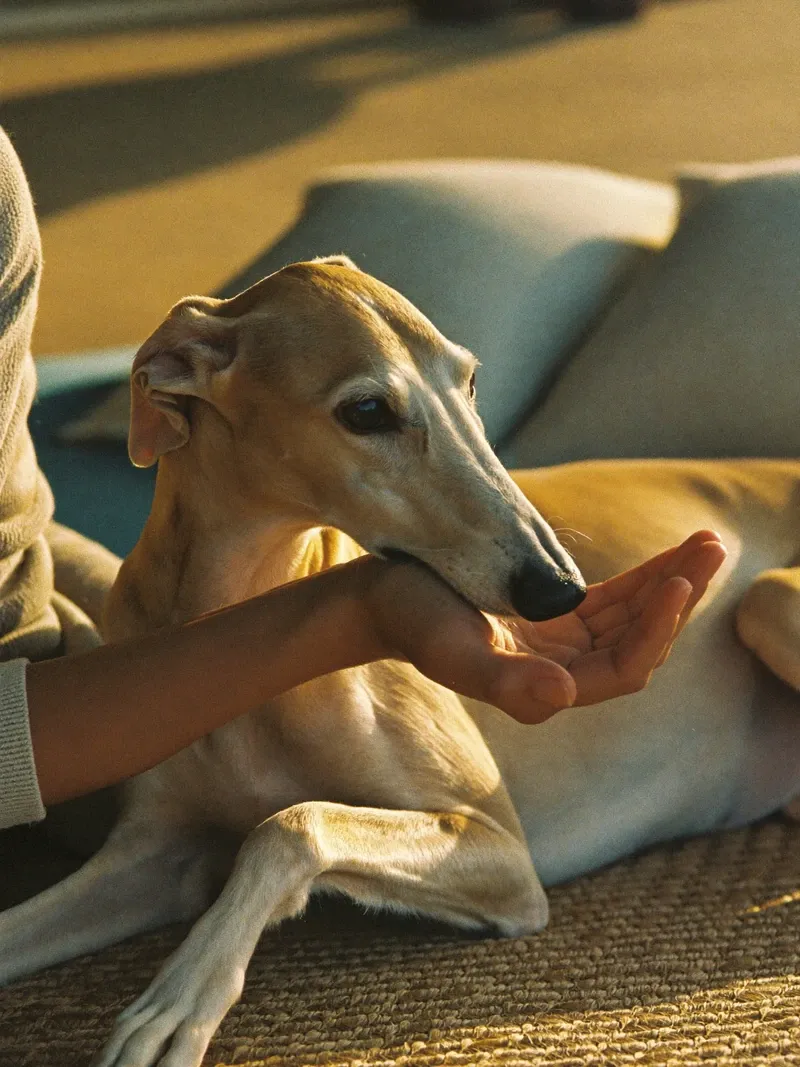
Saluki, a fawn adult resting the dog's chin in a pet parent's hand

At home

They go quiet when you raise your voice

One sharp word and they walk away, and take a long time to come back.

What's going onThey were never bred to argue. Push them and they shut down, and harsh handling costs more with a Saluki than with almost any other breed.

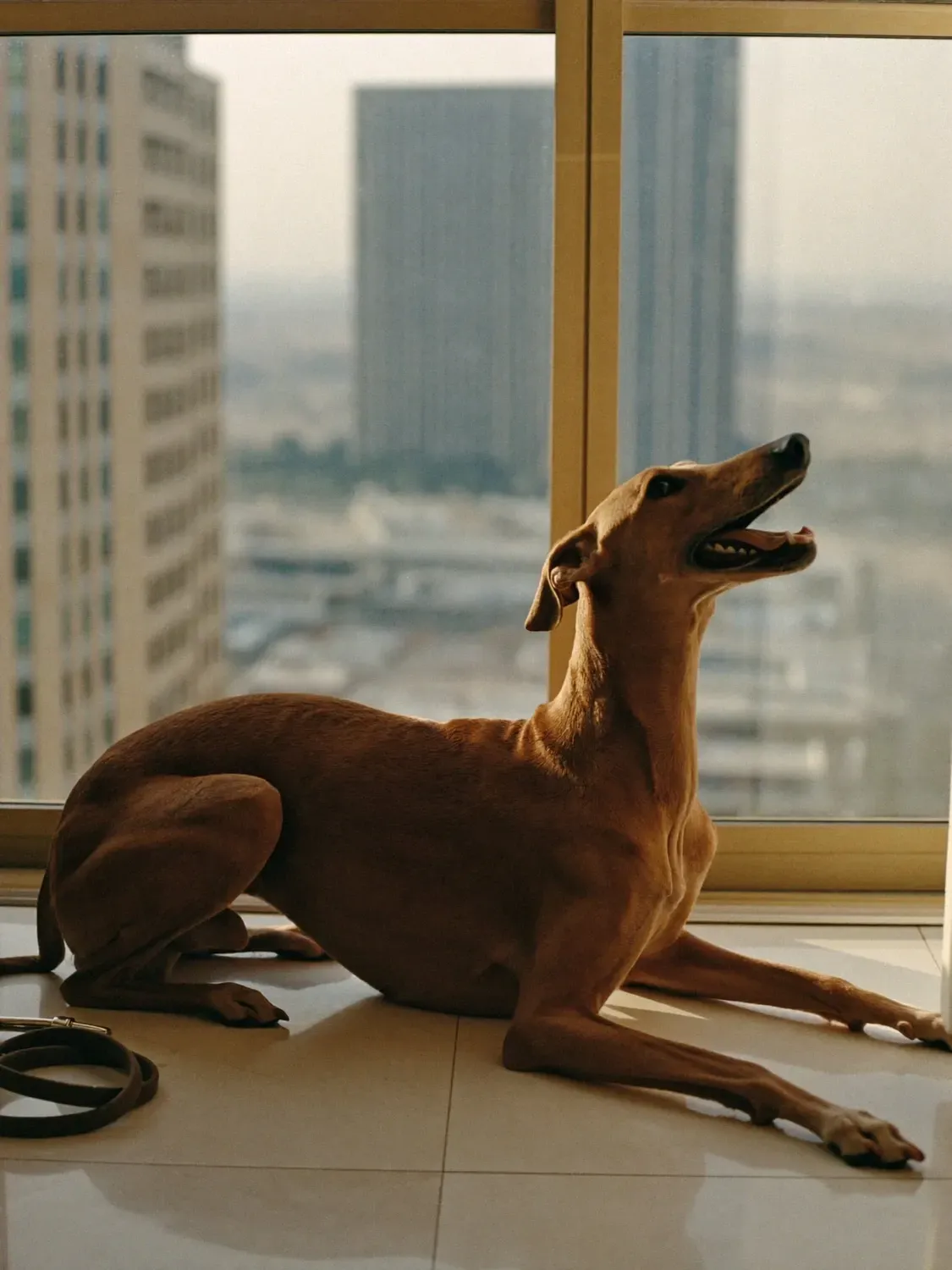
Saluki in Dubai, a black and tan adult tucked under a blanket on a sofa, towers outside the window

At home

Built for the desert, cold in your living room

Fine in the heat outside, shivering under the air conditioning an hour later.

What's going onA short coat, no undercoat and bare skin on the belly. Sunscreen when you go out, a blanket when you come back in.

A Saluki in Dubai

The bit nobody tells you.

Their run

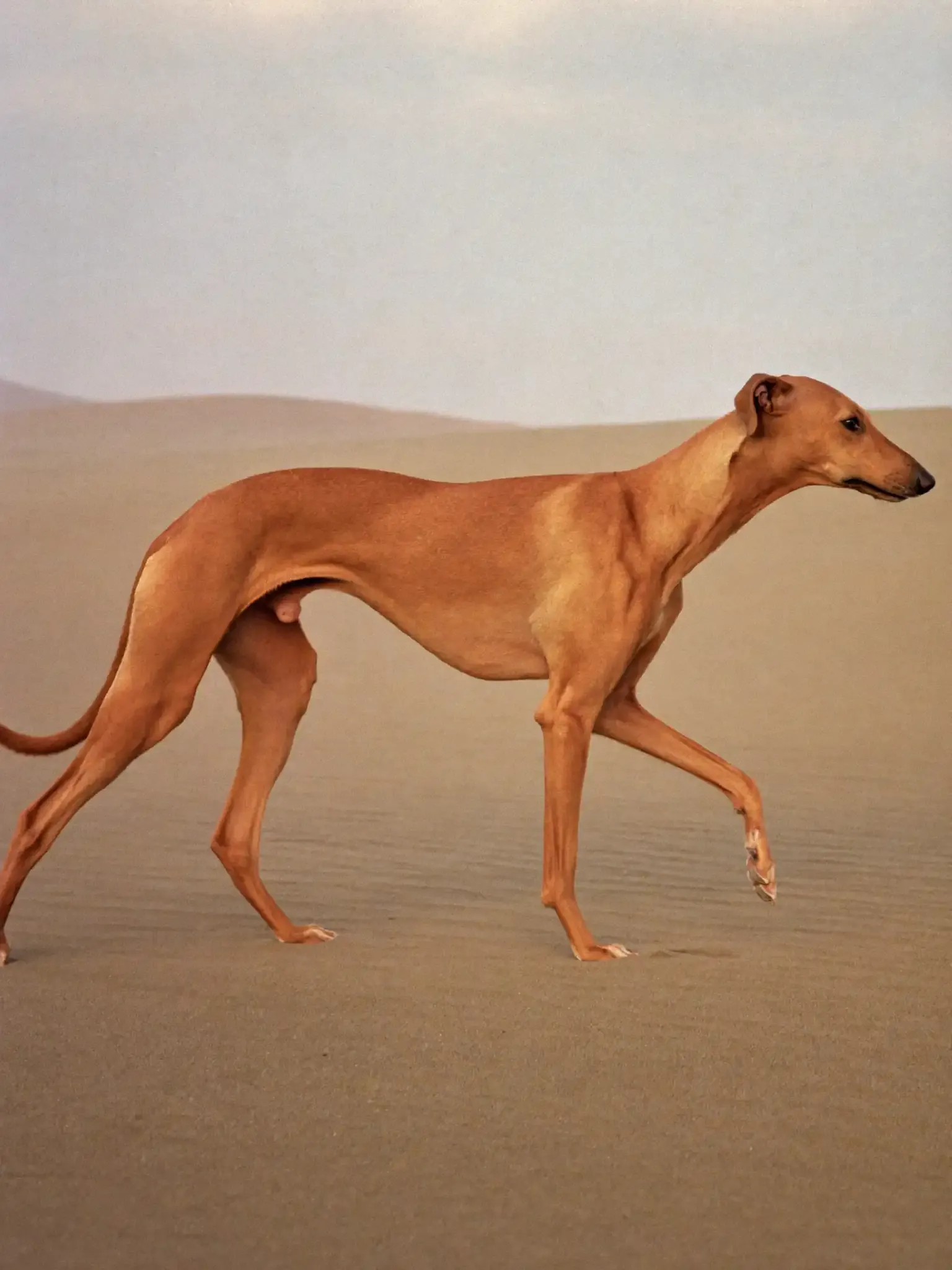
Built for: Flat out across open desert, at 65 to 70 km/h.

In Dubai: Few open spaces where it is safe to let them run.

Their ground

Built for: Sand and gravel, under a desert sun.

In Dubai: Marble floors, and pavement too hot to walk on for five months.

Their day

Built for: Out of the hunter's sight, choosing their own moment.

In Dubai: Often a flat or a villa, and a lead outside.

Most of what pet parents find difficult comes from that gap.

A flat will never be open desert. You can still give that drive somewhere to go, and the ten things below are how.

Your plan is built around their breed: the risks on a Saluki's record at every age, and the care that goes with each one.

Join the founding families. AED 1,999 of essential care for AED 199.

Daily care for a Saluki

Ten things that make their life better.

Many of them are free, and most matter at every age.

  1. They reach 65 to 70 km/h. When something moves, no training reliably wins the next two seconds.

    Every age, for life

    Free

    Why

    They reach 65 to 70 km/h. When something moves, no training reliably wins the next two seconds.

    What to do

    Use a 10 to 15 metre long line whenever they are outside and the space is not fully fenced, for life. Keep practising the recall every day, because it can buy you a few seconds. Never rely on it near a road.

  2. Hot pavement and sun hurt their thin belly skin, and the air conditioning leaves them cold, often on the same day.

    Every age, most of all puppies and from 7 years

    Under AED 150 a year

    Why

    Hot pavement and sun hurt their thin belly skin, and the air conditioning leaves them cold, often on the same day.

    What to do

    From May to September, walk before sunrise and after dark. Put the back of your hand on the pavement for five seconds. If you cannot keep it there, they cannot walk on it. Put dog-safe sunscreen on their nose, ear tips and belly. Indoors, give them a blanket.

  3. Every chase they get away with makes the next one faster, and Dubai has a lot of street cats.

    Every age, start as a puppy

    Free to AED 200

    Why

    Every chase they get away with makes the next one faster, and Dubai has a lot of street cats.

    What to do

    Introduce them to cats and small dogs slowly, over weeks, and always on a lead. Never let a chase happen, even in play. Teach them to wear a muzzle while they are young, calmly and with treats, so it is just another piece of kit.

  4. In a flat with a doorbell, a lift and deliveries, they rarely have too little going on. They usually have too little sleep.

    Every age, most of all puppies and teenagers

    Free

    Why

    In a flat with a doorbell, a lift and deliveries, they rarely have too little going on. They usually have too little sleep.

    What to do

    They need 16 to 18 hours of rest, more as a puppy, somewhere quiet and dark they can take themselves off to. Let them sleep through the cuddle and the photo. Both can wait. If they are restless at night, look at their day first.

  5. A Saluki rarely shows you when something hurts.

    Every age, most of all from 7 years

    Free

    Why

    A Saluki rarely shows you when something hurts.

    What to do

    Once a week, run your hands over their ribs, spine, hips, belly, elbows and feet, so you know what their normal feels like.

  6. A chase needs an ending. Without a catch they are wound up, not tired, which is also why fetch bores them.

    Every age, shorter for puppies and seniors

    Under AED 100, once

    Why

    A chase needs an ending. Without a catch they are wound up, not tired, which is also why fetch bores them.

    What to do

    Use a flirt pole: a lure on a line on a pole. Three to five minutes, twice a week. Let them catch it at least twice each time, and stop while they still want more.

  7. Twenty minutes of stopping, looking and sniffing does more for them than five kilometres at your side.

    Every age

    Free

    Why

    Twenty minutes of stopping, looking and sniffing does more for them than five kilometres at your side.

    What to do

    Let them choose the route and the pace for half the walk. Deciding where to go tires them more than the distance does.

  8. They will find one anyway, so you might as well choose it.

    Every age, orthopaedic from 7 years

    AED 200 to 900

    Why

    They will find one anyway, so you might as well choose it.

    What to do

    A raised, padded bed in the room where the family sits, not a crate in the corner. Thick enough that you cannot feel the base through it. If they are on the sofa regardless, put a blanket down and make the sofa theirs.

  9. Snuffle mats are made for dogs that hunt by nose. A Saluki hunts by sight.

    Every age, most of all from 7 years

    Free

    Why

    Snuffle mats are made for dogs that hunt by nose. A Saluki hunts by sight.

    What to do

    A raised spot by a window where they can watch the street. On walks, let them stop and stare into the distance for a minute without hurrying them on.

  10. Pressure makes them shut down, and it takes them a long time to come back.

    Every age

    Free

    Why

    Pressure makes them shut down, and it takes them a long time to come back.

    What to do

    Reward the thing you liked, straight away. Say a cue once. Stop each session while it is still going well. No shouting, no jerking the lead, and no collars or tools that hurt or frighten them.

All of these you can do at home.

Join the founding families. AED 1,999 of essential care for AED 199.

Saluki health by age

Their health, at every age.

In a Saluki, a change in behaviour is often the first sign that something is wrong. Choose their age to see what to watch for, and the care that goes with it.

Saluki, an older fawn dog with a greying muzzle resting on a round bed in a sunny home

How old are they?

Their age

Saluki Puppy health

the first six months

What to watch for

  1. Congenital murmur or early cardiac abnormality related to Dilated Cardiomyopathy (DCM, an enlarged, weakened heart)
  2. Congenital or early inherited ocular disease related to Progressive Retinal Atrophy (PRA, gradual loss of sight)
  3. Genetic predisposition to Hypothyroidism, no clinical disease expected at this stage
  4. Retained deciduous teeth, malocclusion (teeth that do not meet properly) or early dental crowding
  5. Juvenile onset of skin sensitivity / allergies

The care that goes with it

  1. Core vaccinations, microchip and Dubai Municipality registration
  2. Deworming, and flea and tick prevention
  3. Growth and nutritional evaluation, and early socialisation
  4. Dilated Cardiomyopathy (DCM, an enlarged, weakened heart) screening
  5. Early follow-up for any signs of Progressive Retinal Atrophy (PRA, gradual loss of sight)
The full care detail
  • Core vaccination programme, microchipping and Dubai Municipality registration. Titre testing discussion where clinically appropriate; not a substitute for completing the core vaccine series
  • Deworming and external parasite prevention tailored to Dubai exposure
  • Body Condition Score (BCS, a check on whether they are the right weight), Muscle Condition Score (MCS, a check on their muscle), dental, growth and nutritional evaluation, and early socialisation
  • Baseline screening focused on Dilated Cardiomyopathy (DCM)
  • Early diagnostic follow-up for signs suggestive of Progressive Retinal Atrophy (PRA)

Their age

Saluki Juvenile health

6 months to 2 years

What to watch for

  1. Early clinical or screening evidence of Dilated Cardiomyopathy (DCM)
  2. Progression or first clinical detection of Progressive Retinal Atrophy (PRA)
  3. Genetic predisposition to Hypothyroidism, monitoring only
  4. Early periodontal disease (gum disease) and dental crowding
  5. Recurrent or persistent skin sensitivity / allergies

The care that goes with it

  1. An echocardiogram (an ultrasound scan of the heart) at age 2, then cardiac monitoring every year
  2. Annual ophthalmic evaluation (eye exam) from age 1
  3. Neutering or spaying, timed for a large breed
  4. Annual thyroid panel (a blood test for thyroid hormone) from age 2, and treatment if needed
  5. If the same signs keep coming back, finding the real cause rather than repeating the thyroid treatment
The full care detail
  • Baseline echocardiogram at age 2 to detect early Dilated Cardiomyopathy (DCM); annual cardiac monitoring thereafter
  • Annual ophthalmic evaluation for Progressive Retinal Atrophy (PRA) from age 1
  • Neuter/spay timing discussion that accounts for large-breed growth and disease risk
  • Annual thyroid panel (T4) from age 2; levothyroxine if hypothyroidism is confirmed
  • Investigate recurrent signs rather than repeatedly treating presumed Hypothyroidism

Their age

Saluki Young Adult health

2 to 4 years

What to watch for

  1. Dilated Cardiomyopathy (DCM)
  2. Progressive Retinal Atrophy (PRA)
  3. Genetic predisposition to Hypothyroidism
  4. Dental Disease
  5. Skin Sensitivity / Allergies

The care that goes with it

  1. An echocardiogram (an ultrasound scan of the heart) at age 2, then cardiac monitoring every year
  2. Annual ophthalmic evaluation (eye exam)
  3. Annual thyroid panel (a blood test for thyroid hormone)
  4. Daily tooth brushing, and a professional dental clean every 6 to 12 months
  5. Dog-safe sunscreen on thin, exposed skin
The full care detail
  • Baseline echocardiogram at age 2 to detect early Dilated Cardiomyopathy (DCM); annual cardiac monitoring thereafter
  • Annual ophthalmic evaluation for Progressive Retinal Atrophy (PRA) from age 1
  • Annual thyroid panel (T4) from age 2; levothyroxine if hypothyroidism is confirmed
  • Daily dental brushing; professional dental cleaning every 6-12 months
  • Protect thin skin from sunburn and abrasions; use dog-safe sunscreen on exposed areas in UAE

Their age

Saluki Prime Adult health

4 to 7 years

What to watch for

  1. Dilated Cardiomyopathy (DCM), Progressive
  2. Hypothyroidism
  3. Eye Conditions (Progressive)
  4. Dental Disease (Advanced)
  5. Allergic Skin Disease

The care that goes with it

  1. An echocardiogram twice a year, and heart medication when a cardiologist advises it
  2. Thyroid monitoring every year, with the dose adjusted as needed
  3. Annual ophthalmic evaluation (eye exam)
  4. Annual dental x-rays, and a professional dental clean every 6 to 12 months
  5. Allergy management: finding the triggers, then diet or medication
The full care detail
  • Bi-annual echocardiogram; begin cardiac medication when indicated by cardiologist
  • Ongoing thyroid management: annual T4 monitoring; adjust levothyroxine dose as needed
  • Annual ophthalmic evaluation; monitor for progressive Progressive Retinal Atrophy (PRA) development
  • Annual dental X-rays; professional dental cleaning every 6-12 months
  • Allergy management: identify triggers and manage with appropriate diet or medication

Their age

Saluki Senior health

7 to 10 years

What to watch for

  1. Dilated Cardiomyopathy (DCM), Advanced
  2. Kidney Disease
  3. Arthritis
  4. Cancer
  5. Cognitive Dysfunction Syndrome (dementia in older pets)

The care that goes with it

  1. Heart medication if their vet advises it
  2. Renal panel (a kidney blood test) twice a year, and a senior diet
  3. Joint supplements and gentle, regular exercise
  4. Annual physical examination with the lymph glands felt, for early cancer detection
  5. Cognitive enrichment (games that keep their mind busy) and a steady daily routine
The full care detail
  • Full cardiac medication protocol; monitor respiratory rate at home for early heart failure signs
  • Bi-annual renal panel; transition to senior diet with controlled phosphorus and sodium
  • Joint supplements and gentle, regular exercise to manage arthritis
  • Annual full physical examination with lymph node palpation for cancer screening
  • Cognitive enrichment and consistent daily routine to slow cognitive dysfunction progression

Their age

Saluki Geriatric health

10 years and over

What to watch for

  1. Congestive Heart Failure
  2. Chronic Kidney Disease (CKD, long-term kidney failure)
  3. Cancer (Advanced)
  4. Severe Arthritis
  5. Cognitive Dysfunction Syndrome (Advanced)

The care that goes with it

  1. Kidney medication if needed, reviewed regularly
  2. Pain relief and physiotherapy for arthritis
  3. Orthopaedic bedding, ramps and non-slip floors
  4. Quality-of-life assessments
  5. Palliative care (comfort care), and end-of-life planning with your vet team
The full care detail
  • Renal management with regular medication adjustments
  • Pain management for arthritis: NSAIDs, gabapentin, and physiotherapy
  • Orthopaedic bedding, ramps, and non-slip surfaces to support mobility safely
  • Quality-of-life assessments
  • Tailored palliative and comfort-focused care plan
  • Compassionate end-of-life planning with your veterinary team

Breed predispositions indicate an increased risk rather than certainty of disease. What is right for them always comes from their own history and an evaluation.

Getting a Saluki puppy in Dubai

Before they come home.

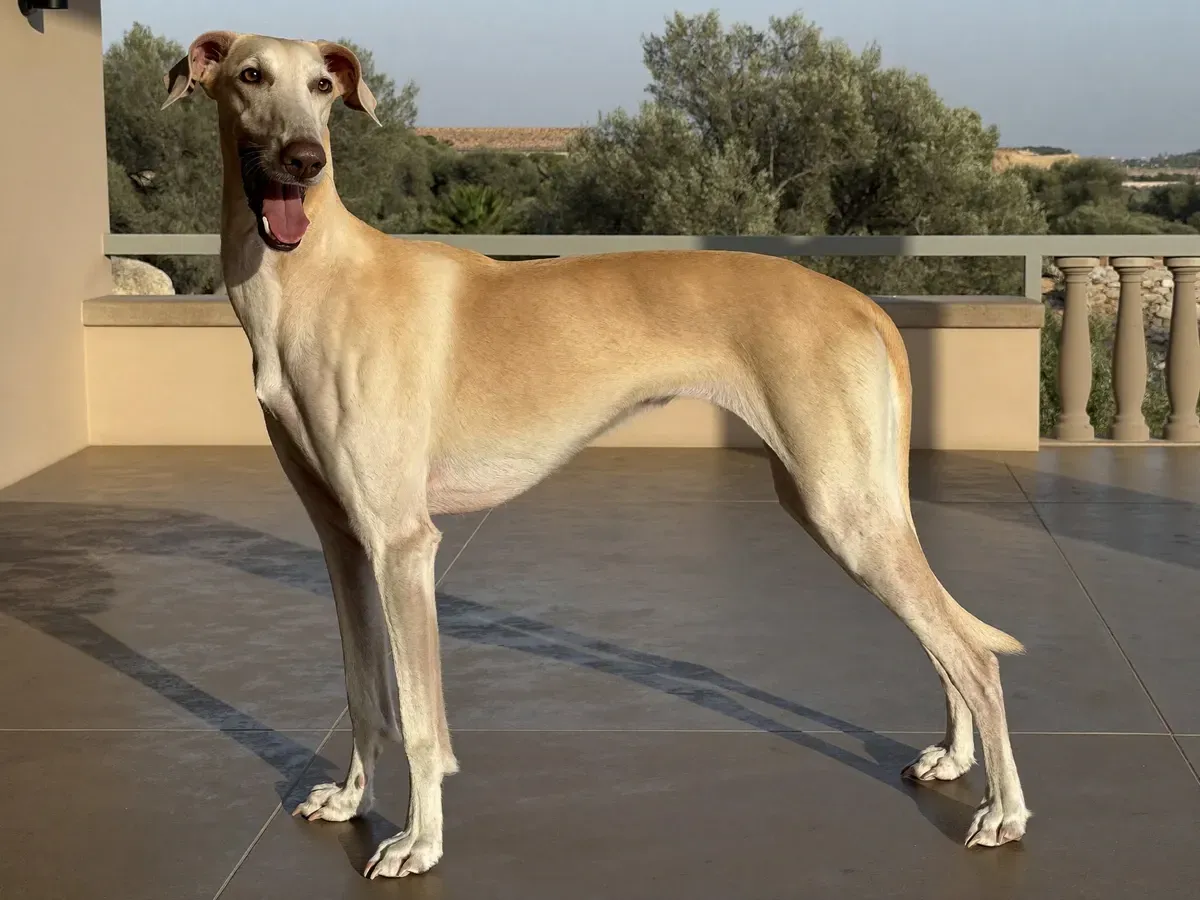
Saluki, a smooth-coated cream adult standing on a shaded villa terrace

Feathered or smooth

Desert-bred or show line

Desert-bred Salukis come from hounds still bred in the region to hunt and run, often with smooth ears and a short coat. Show lines are bred for the show ring, usually finer, with silky feathering on the ears and tail. Most Salukis in the UAE are desert-bred or a mix of both.

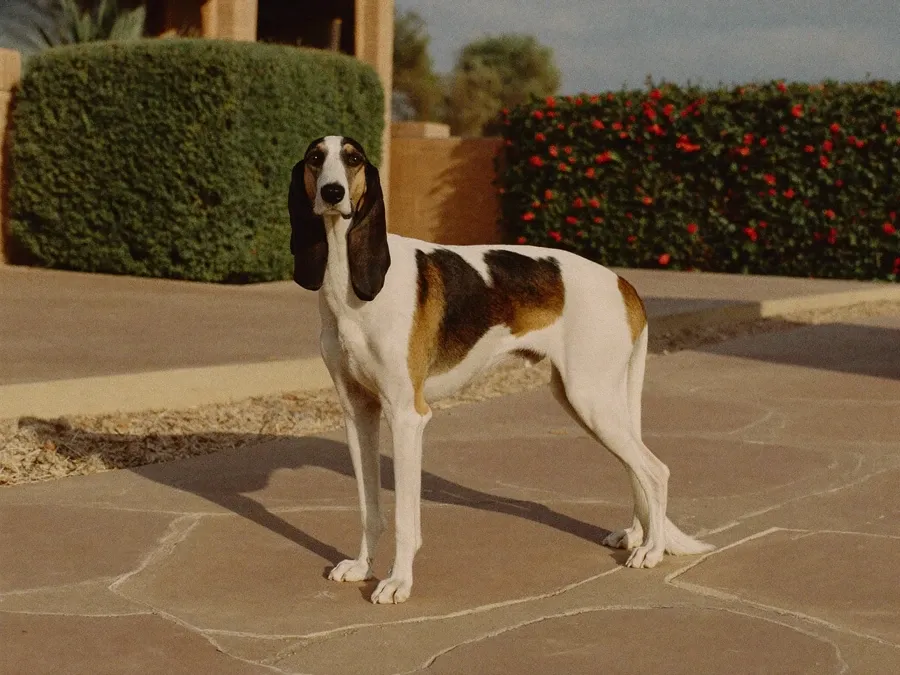
Saluki, a tricolour adult, white with black and tan patches, standing on a garden path

Colours

Every colour of the desert

Salukis come in white, cream, fawn, golden and red, grizzle, tricolour, and black and tan. In the UAE you will meet every one of them.

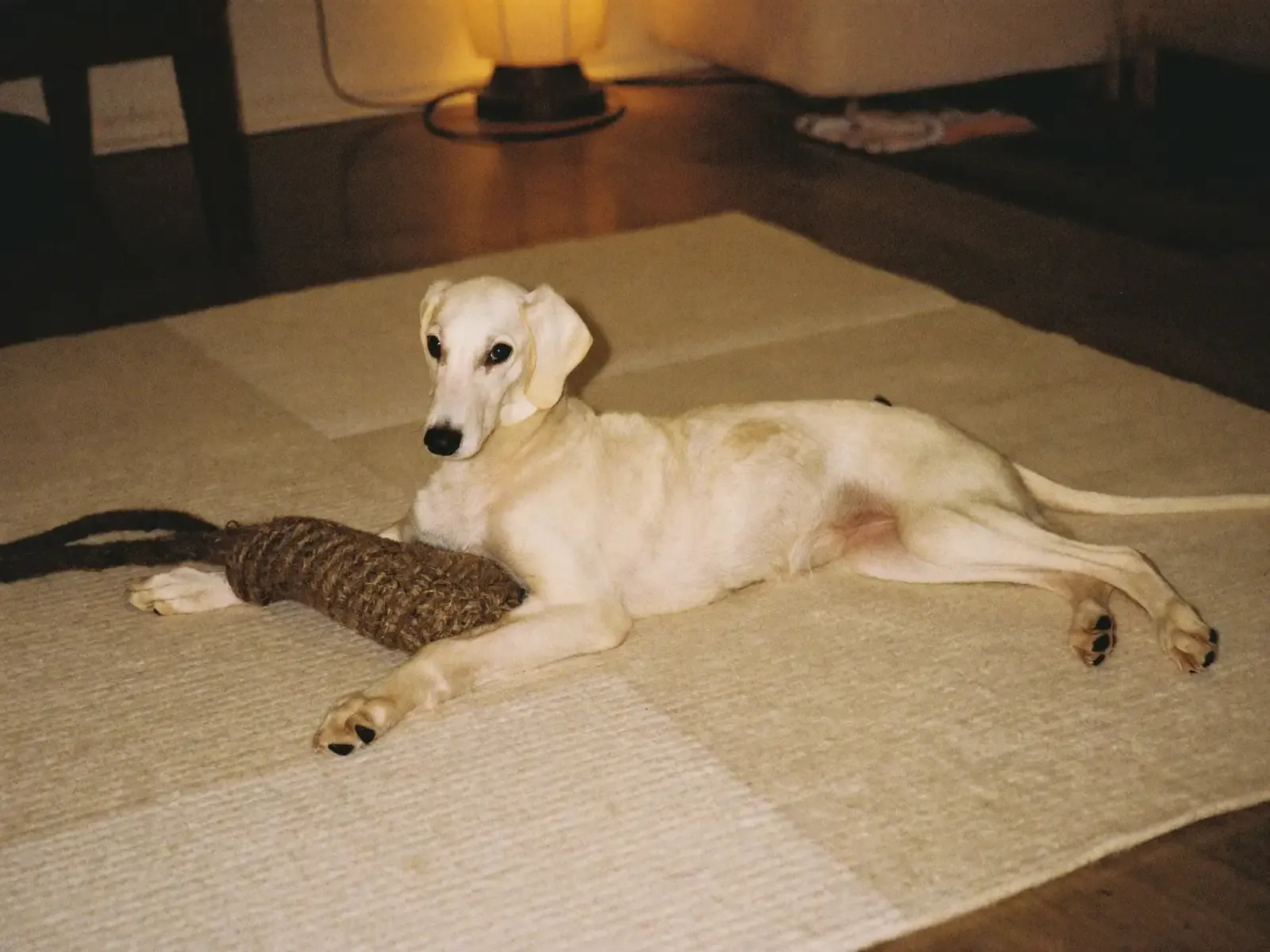
Saluki, a white puppy lying on a rug beside a rope toy at home

The first six months

Caring for a Saluki puppy

Their full vaccination course, microchip and Dubai Municipality registration come first. Puppies need 18 to 20 hours of sleep, so protect their rest as carefully as their play.

Puppy health, 0 to 6 months
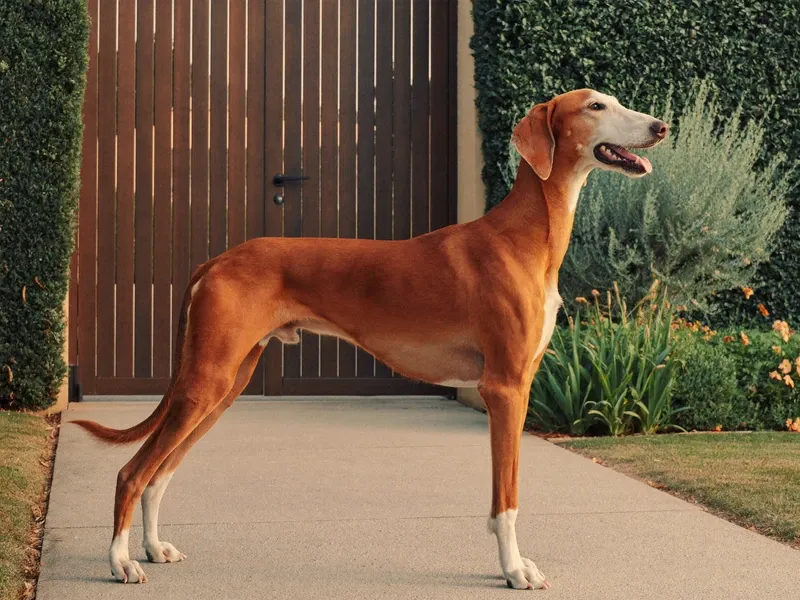
Saluki, a red adult standing beside a closed wooden garden gate

Getting the home ready

A soft bed, and a closed gate

Give them a raised, padded bed in the room where you sit, and check every gate and door. A Saluki that gets out can be a kilometre away before you reach the gate.

Ten things that make their life better
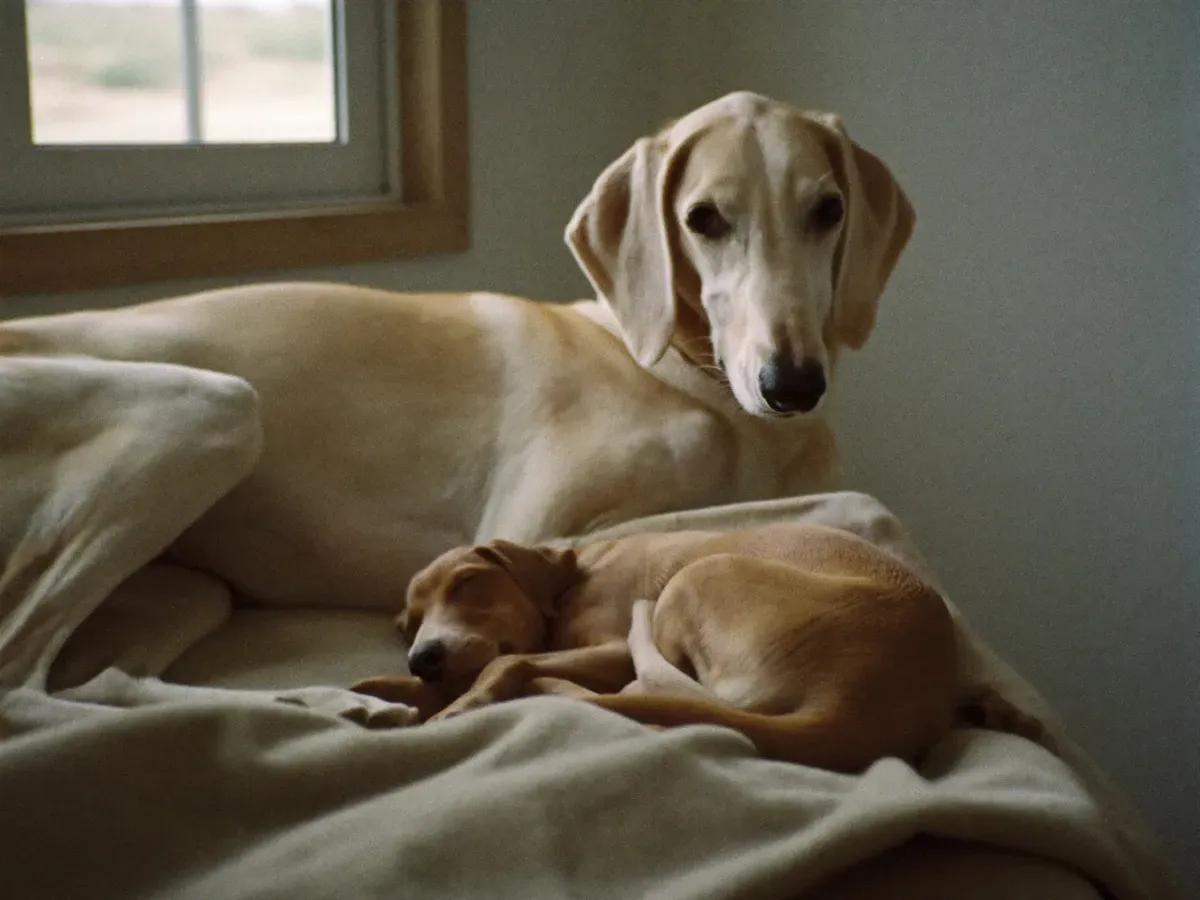
Saluki, a cream mother watching over a sleeping puppy on a blanket

Before you commit

Ask about the parents' hearts and eyes

Ask the breeder whether both parents have had their hearts and eyes evaluated. Heart disease and gradual loss of sight are the first two risks on a young Saluki's record.

The reception of a Paws & Co clinic, with long cream benches and a stone reception desk

Before the clinics open

Join the founding families

AED 1,999 of essential care for AED 199. No payment now.

When to see a vet

When it is not behaviour.

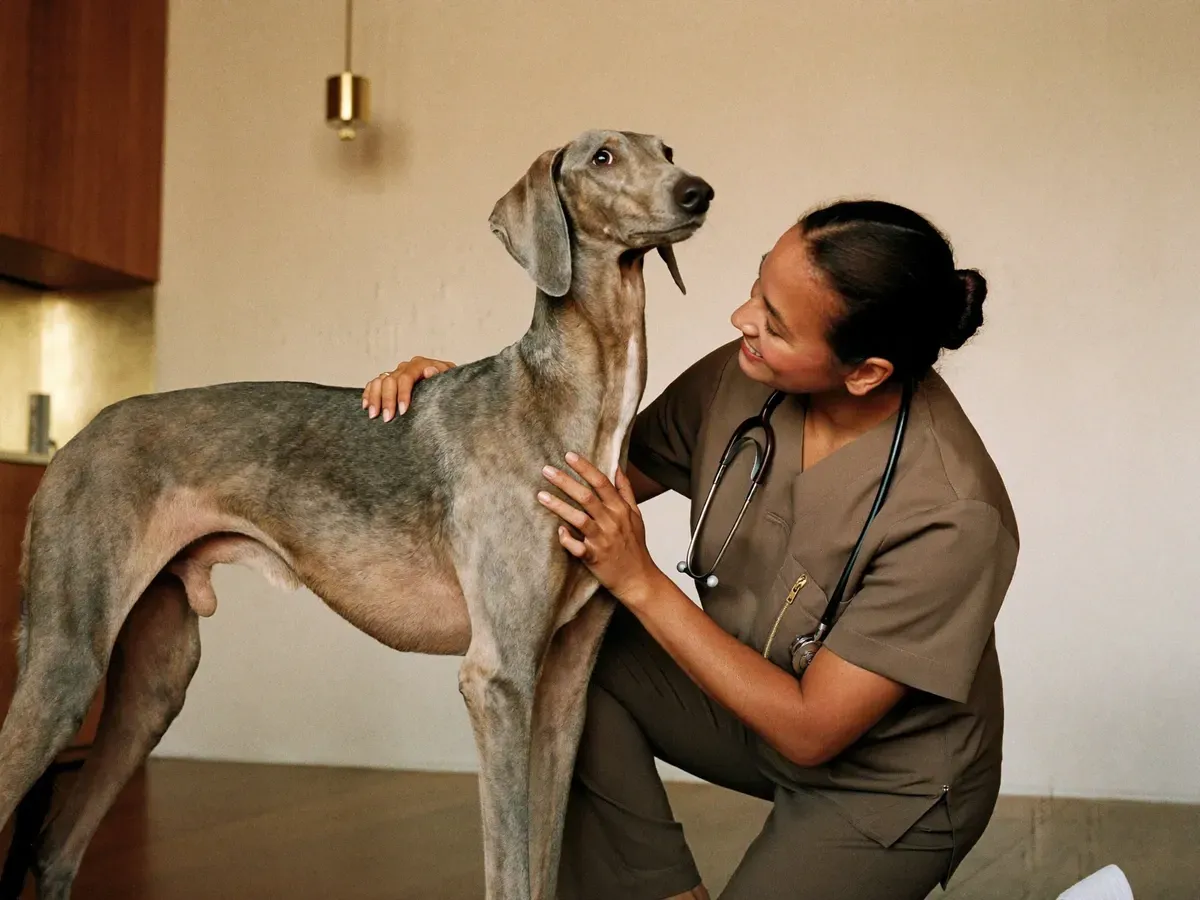
Saluki, a grizzle adult standing as a vet in taupe scrubs kneels alongside, a hand on the dog's chest

Some of this is not a training problem, and treating it like one wastes time your dog may not have. If they are distressed when you leave, if they growl or guard their food, their toys or you, if they are frightened on the lead, or if anything about them changes suddenly at any age, contact your vet the same day. A tip from a website, ours included, is not the answer. If it cannot wait, contact your nearest emergency vet now.

With a Saluki, watch for change. Failing sight, an underactive thyroid and a weakening heart all show up in how they behave before they show up anywhere else: bumping into furniture at dusk, hesitating on stairs they have always taken, going quiet, breathing faster while they sleep, losing interest in the run they used to love. Bloat (GDV, a twisted stomach) is most common in large, deep-chested dogs, so skip walks and hard play shortly before and after meals. A swollen, tight belly, retching with nothing coming up, sudden restlessness or drooling is an emergency: contact your vet now. The other changes are easy to put down to age, which is why they are worth raising early.

They'll keep your side of the bed warm. If they stop wanting to leave it for their run, tell your vet.
Saluki history

Before they were yours.

  1. Saluki history, slender hounds on a relief of King Intef, ancient Egypt, Egyptian Museum, Cairo
    Hounds on a relief of King Intef, ancient Egypt. Egyptian Museum, Cairo.

    Thousands of years ago

    One of the oldest breeds

    The Saluki is one of the oldest dog breeds there is, with its roots in the Fertile Crescent.

    What they still carryThe chase, and the willingness to leave you to do it.

  2. Saluki history, a rock carving of a mounted hunter with a falcon and a hound, Golpayegan, Iran
    A rock carving of a hunter with a falcon and a hound, Golpayegan, Iran. Photo: Netbios, CC BY-SA 3.0.

    For centuries

    Hunting with the Bedouin

    Much prized by the Bedouin, Salukis coursed gazelle, hare and fox across sand and gravel, often alongside hooded falcons.

    What they still carrySpeed, stamina in the heat, and a dog that decides for themselves.

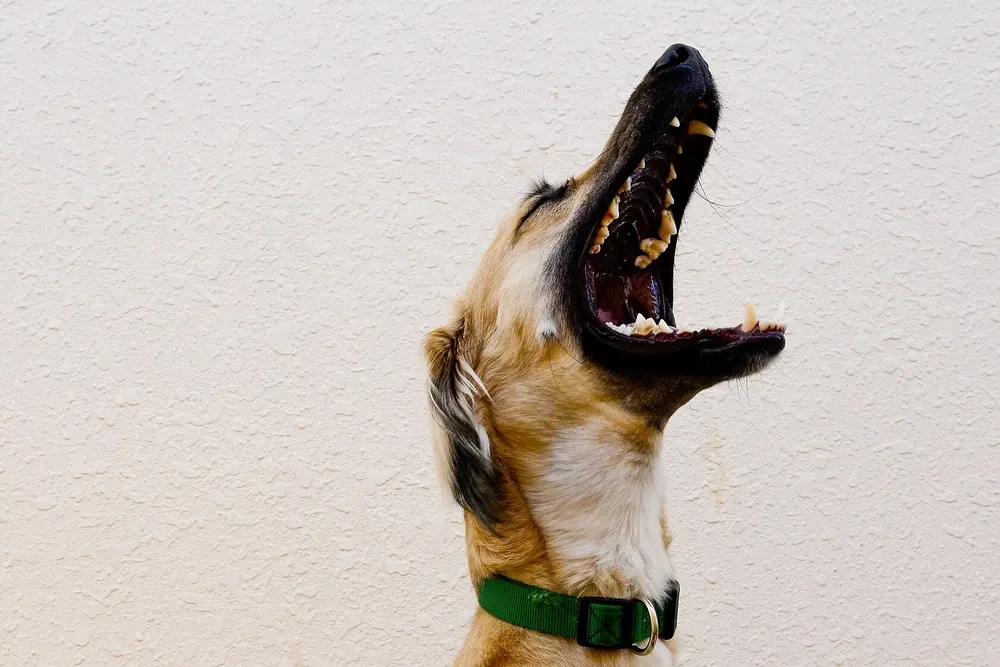
  3. Saluki history, a feathered adult yawning with head tipped back, Qatar, 2019
    A feathered Saluki in Qatar. Photo: TheHeroAntagon1st, CC BY-SA 4.0.

    Across the Arab world

    El Hor, the noble one

    The Saluki is revered across the Arab world as El Hor, the noble one.

    What they still carryDevoted to their own family, and not much interested in anyone else.

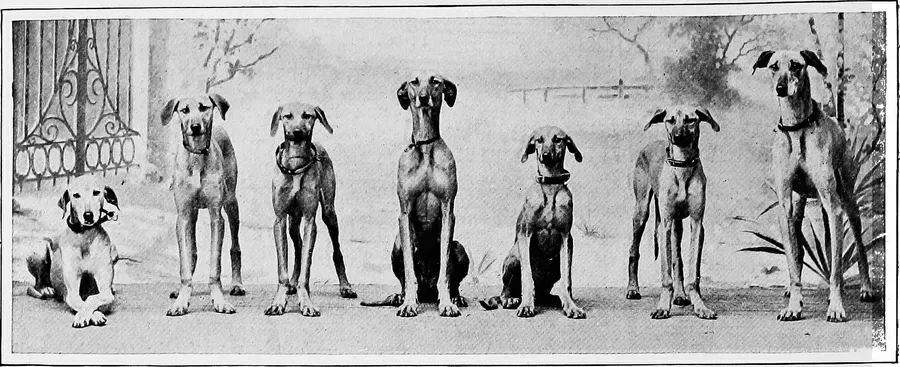
  4. Saluki history, a row of dogs photographed for The New Book of the Dog, 1907
    Salukis in The New Book of the Dog, 1907.

    The 1920s

    A show breed in the West

    Travellers and officers brought hounds to Britain, and in 1927 the breed standard was approved in America.

    What they still carryDesert-bred lines and show lines, built and behaving differently.

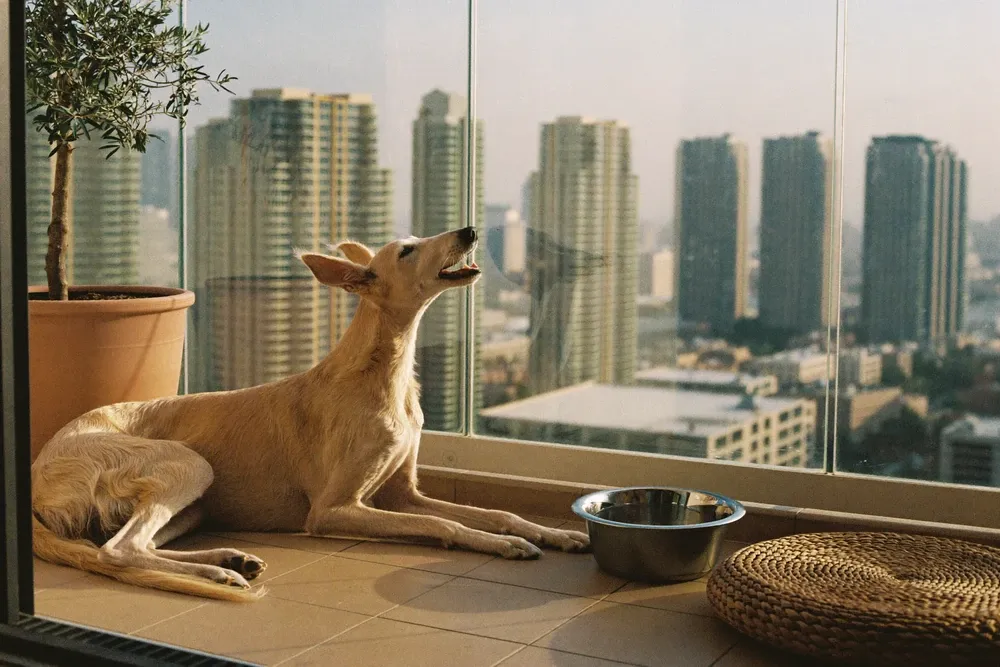
  5. Saluki history, the breed today, a fawn adult lying on a Dubai balcony beside a water bowl

    Today

    In the UAE

    Many Salukis in the UAE live as family dogs, in flats and villas.

    What they still carryA dog built to run out of sight at 65 to 70 km/h, now living on marble floors through 45°C summers.

Saluki questions

The ones you type at midnight.

Most of these get asked late at night, by someone watching their dog and not sure what they are seeing.

Saluki in Dubai, asleep on the sofa beside a pet parent reading a tablet at night, the skyline behind
How long do Salukis live?

A Saluki's lifespan is usually 12 to 14 years. In a UK study of more than 400 Salukis, half lived past 13.

How fast is a Saluki?

A Saluki can reach 65 to 70 km/h. They were bred for speed and endurance, to run down quarry over deep sand and rocky ground.

Is a Saluki a good family dog?

Yes, with their own family. Salukis are gentle, sensitive and devoted to the people they know, and can be aloof with strangers.

Are Salukis good with cats?

Not often. Salukis have a strong instinct to chase anything that moves, so introduce a cat slowly, over weeks, and never let a chase happen, even in play.

Can a Saluki be off the lead?

Only somewhere fully fenced. When something moves, a Saluki is gone before your voice registers, so use a long line outdoors and keep training the recall.

How big do Salukis get?

Adult Salukis usually weigh 18 to 29.5 kg. Males stand 58 to 71 cm at the shoulder, and females can be considerably smaller.

Do Salukis shed?

Lightly to moderately. A weekly brush is plenty, feathered ears and tail included.

What colours do Salukis come in?

Salukis come in many colours: white, cream, fawn, golden and red, grizzle, tricolour, and black and tan.

Worried about them? Contact your vet today.

Back to the top