We’re hiring people who love them like we do. Join us careers@pawsandco.comSee open roles
UAE Government Licensed MOCCAE
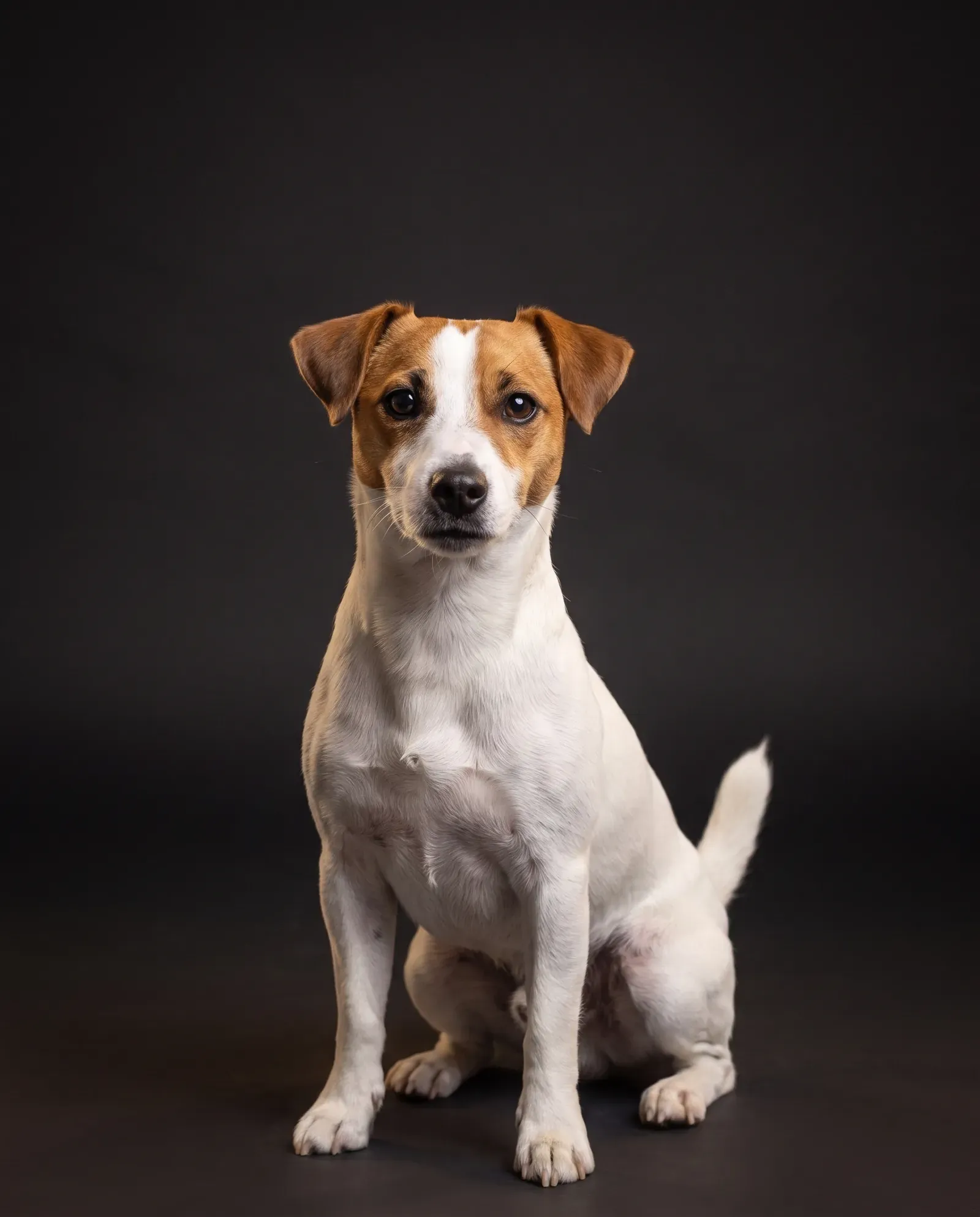
Jack Russell Terrier in Dubai, studio portrait of a white and tan adult sitting alert

Breed guide  ·  Dogs

Jack Russell Terrier

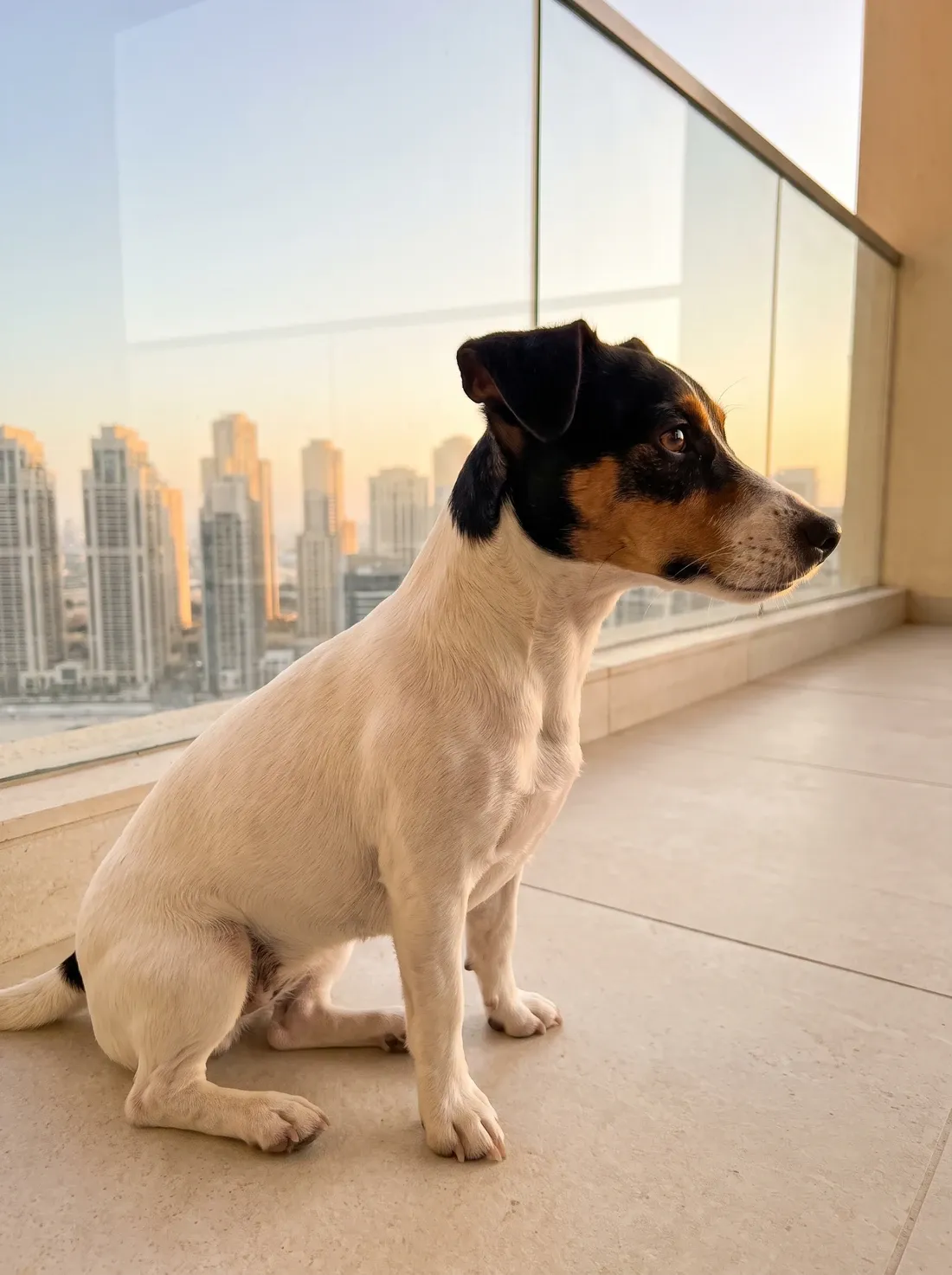
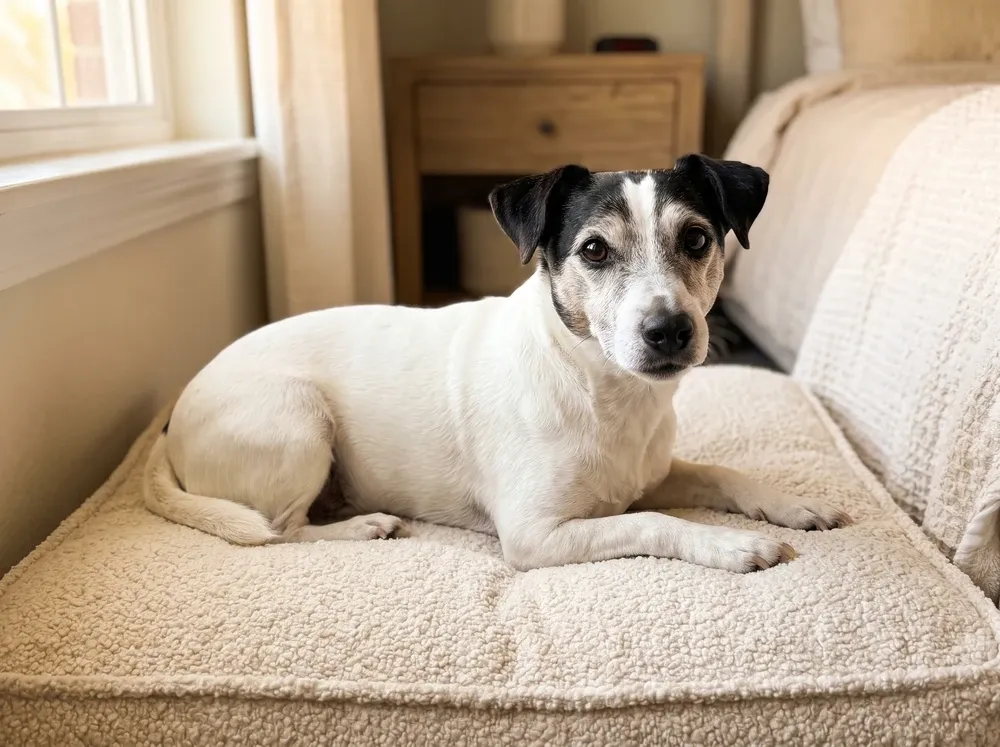
He watches the car park for cats from the back of the sofa. I've put a cushion there for him.

Lifespan
13 to 16 years
Size
Small
Weight
4 to 7 kg
Shedding
Moderate

Last updated 14 October 2026

Join the founding families. AED 1,999 of essential care for AED 199.

No payment now. We'll be in touch by email and WhatsApp as we open enrolment.

✓
Thank you.

We will be in touch soon to confirm.

Jack Russell traits

What they brought with them.

Tap a card to see what is going on.

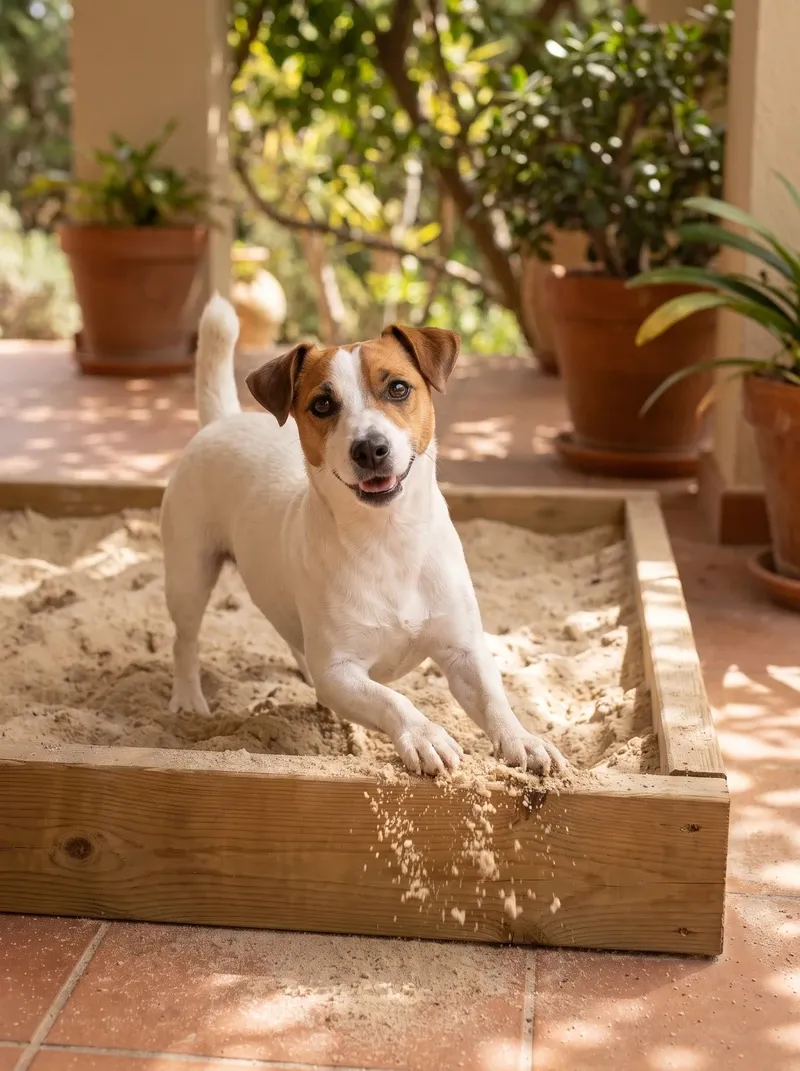
Jack Russell Terrier, a white and tan adult digging in a timber sandpit on a shaded terrace

At home

Why does my Jack Russell dig?

Holes in the garden, sand flying at the beach, and a cushion dug flat before every nap.

What's going onTerrier comes from the Latin for earth. They were bred to dig towards an animal underground and dig back out. Give them one place where digging is allowed, and bury something there for them to find.

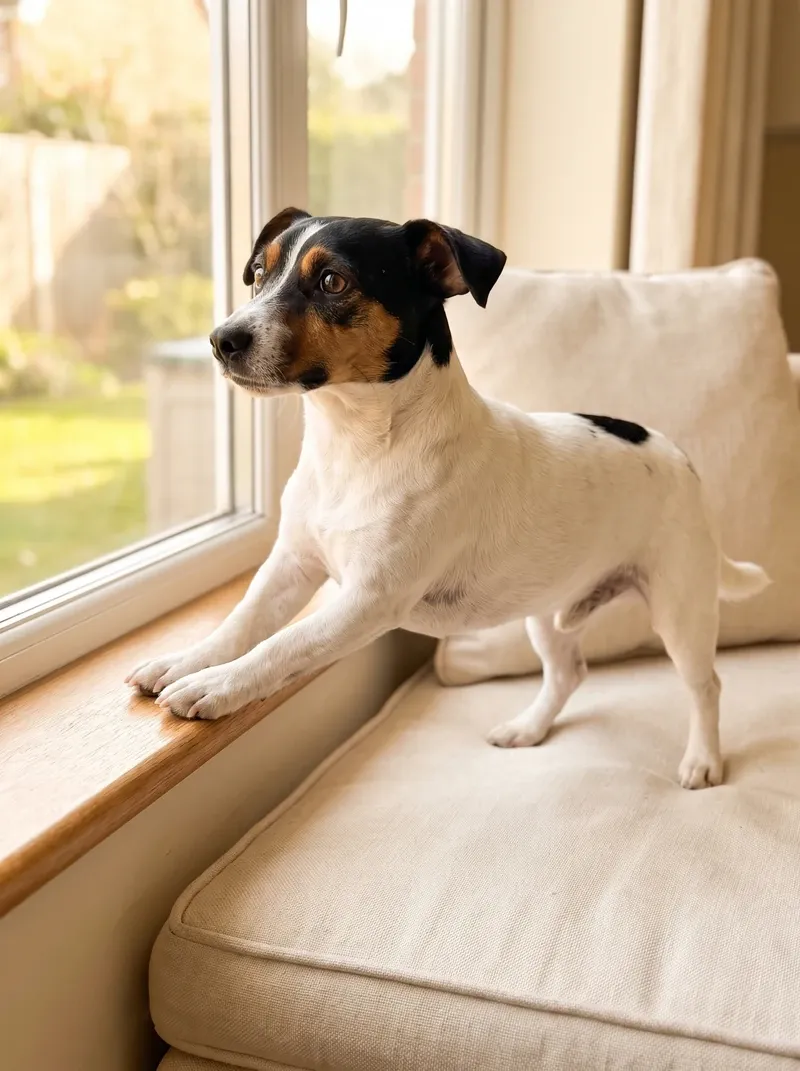
Jack Russell Terrier, a tricolour adult on a window seat, front paws on the sill, watching outside

At home

Why does my Jack Russell chase cats?

Frozen at the window, fixed on the cats in the car park below.

What's going onThey were bred to go after small animals and not stop. Training will not take the urge away, only give you a say in it. Keep them on a lead wherever there are cats, and give them a toy to chase at home every day instead.

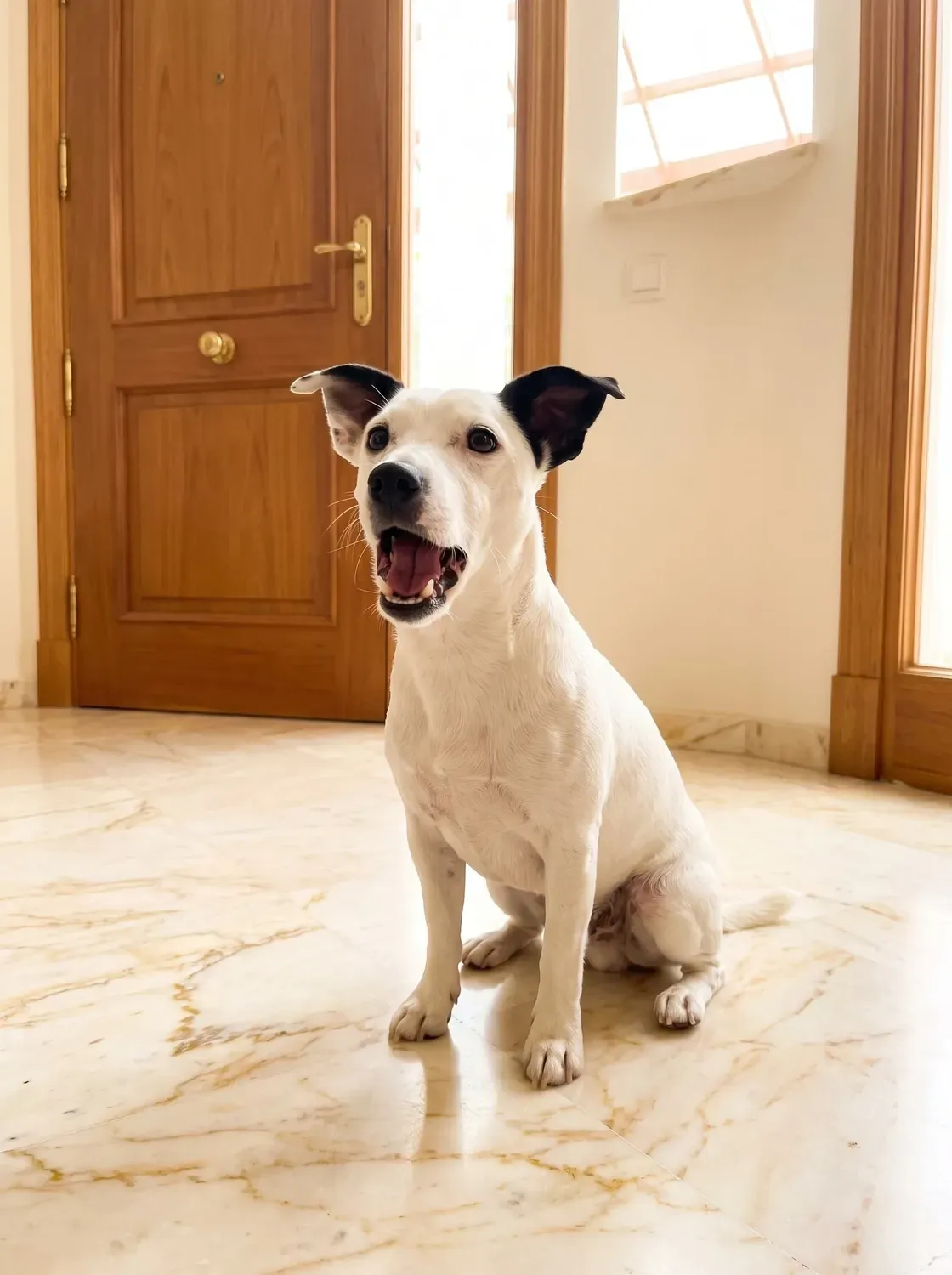
Jack Russell Terrier, a white adult with black ears sitting on a marble floor by the front door, barking

At home

Why does my Jack Russell bark so much?

The door, the lift, the delivery driver, the bird on the railing.

What's going onA terrier underground barked so the hunt could hear where to dig, and the loudest dogs were kept. Shouting back sounds like joining in. Let them bark twice, thank them, and call them away.

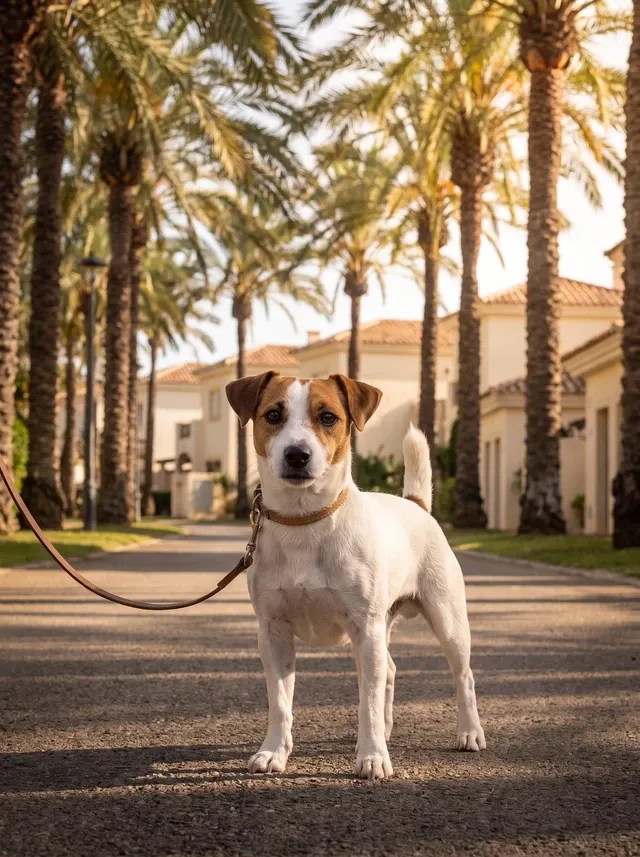
Jack Russell Terrier in Dubai, a white and tan adult on a lead on a palm-lined path between villas

At home

Three times their size, and they don't care

Squaring up to a dog three times their size in the park.

What's going onThey were bred to face a fox in the dark and stay. They do not judge size, and they do not always walk away. Keep greetings with strange dogs short, and choose a few calm dogs they can call friends.

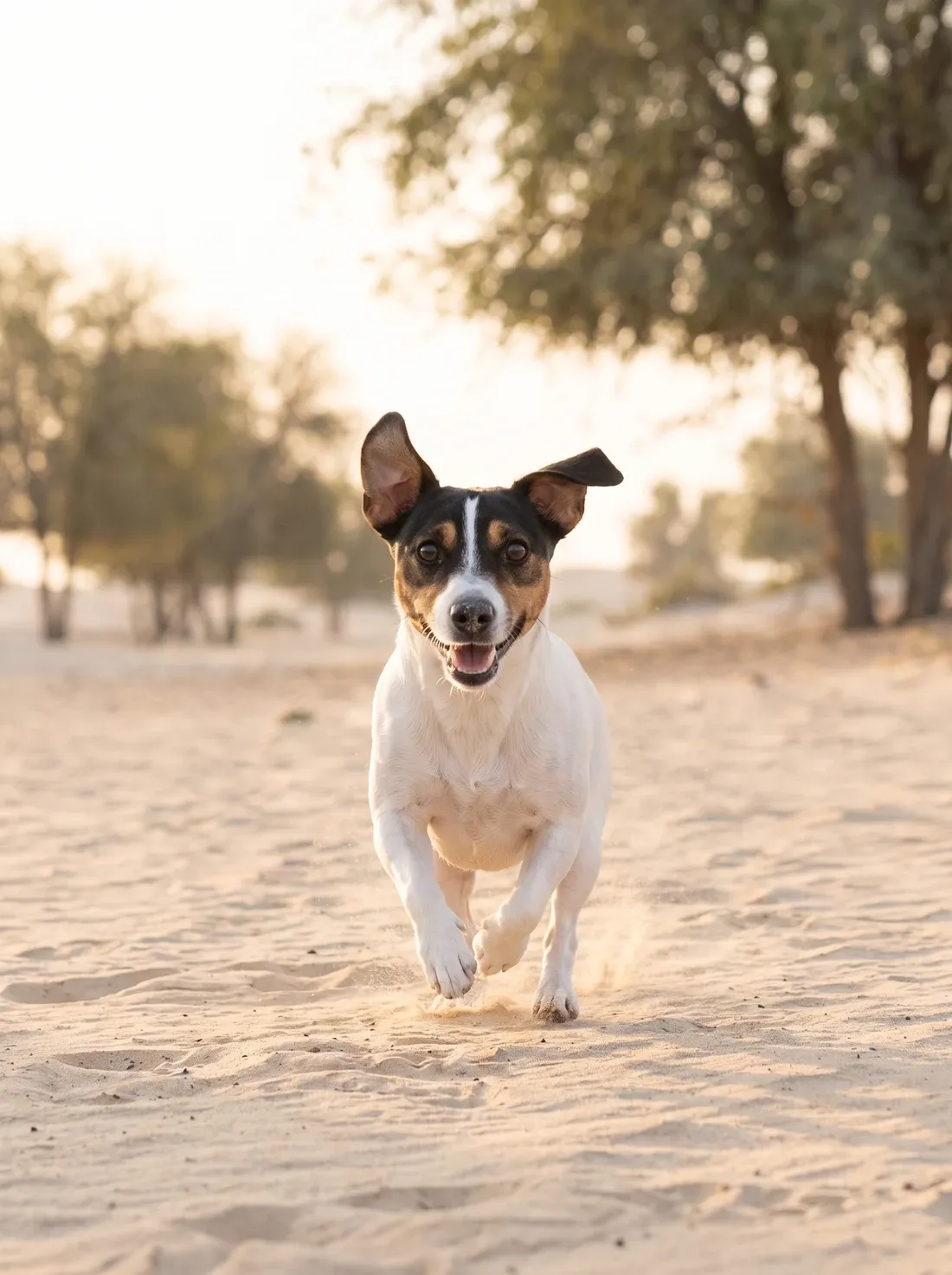
Jack Russell Terrier in Dubai, a tricolour adult running across pale desert sand at sunrise, ears flying

At home

They run all day

A long walk, a game in the flat, and still looking at you for more.

What's going onA Jack Russell was built to keep up with horses through a day's hunting. A short walk round the block leaves most of that engine running. They need a proper walk in the cool hours and a job for their head.

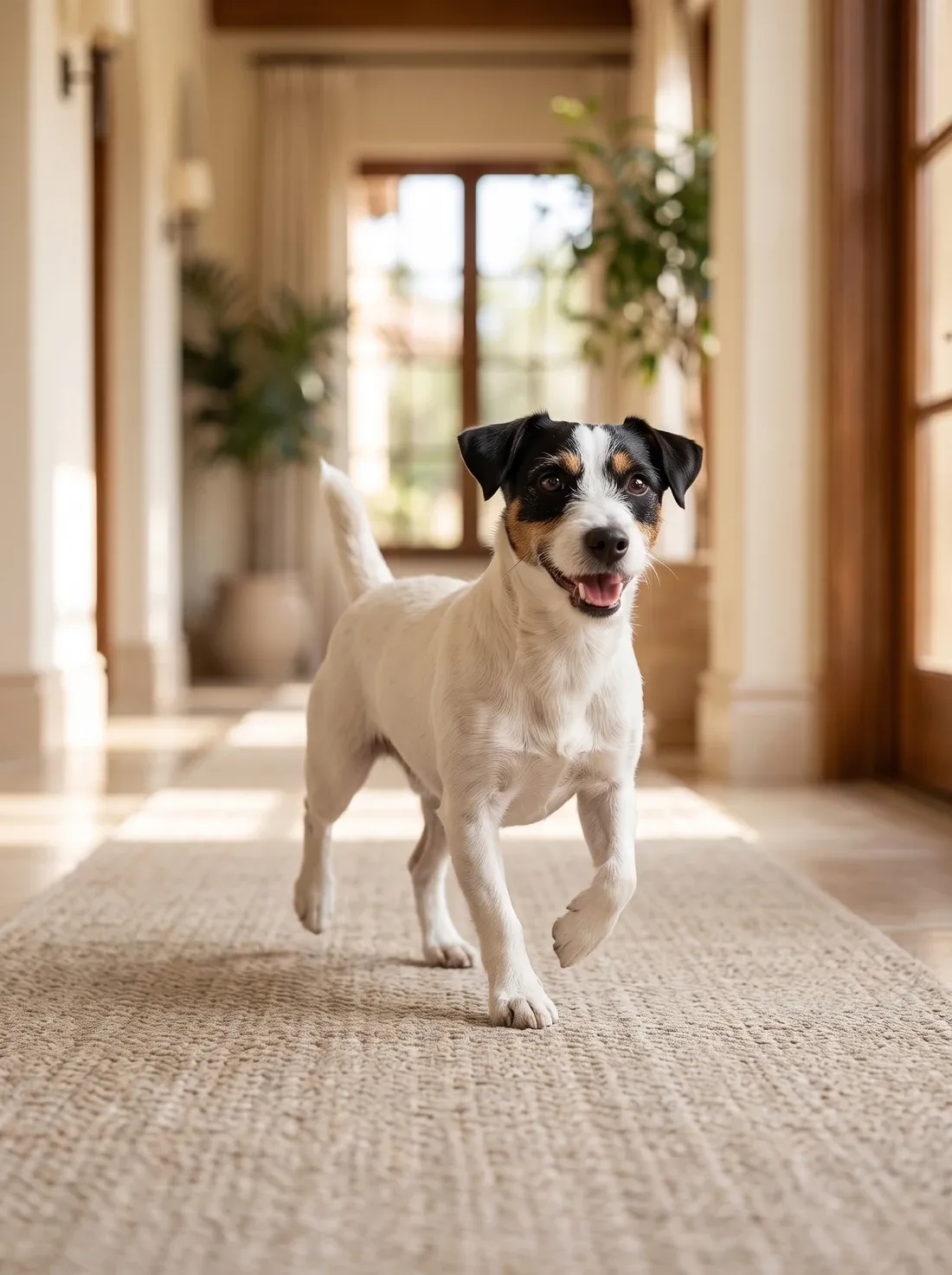
Jack Russell Terrier, a tricolour adult trotting along a hallway runner, one leg lifted mid-skip

At home

The skip in their step

A hop on a back leg for a step or two, then off again as if nothing happened.

What's going onThat may be a slipping kneecap. They were bred to ignore pain, so the skip is often all you get. Tell your vet about it rather than waiting for a limp.

A Jack Russell in Dubai

The bit nobody tells you.

Their day

Built for: Behind a hunt from morning to night.

In Dubai: Often in a flat for the working day.

Their quarry

Built for: A fox underground, barked at until someone dug down.

In Dubai: The cats in the car park.

Their walk

Built for: All day, behind horses and hounds.

In Dubai: Too hot to walk far for half the year.

The digging, the barking and the chasing mostly come from that gap.

You cannot give them a hunt. You can give them a job, and the ten things below are how.

Your plan is built around their breed: the health risks for a Jack Russell at every age, and the care that goes with each one.

Join the founding families. AED 1,999 of essential care for AED 199.

Daily care for a Jack Russell

Ten things that make their life better.

Many of them are free, and most matter at every age.

  1. They will dig either way. One place where it is allowed saves the rest of the house.

    Every age, most of all 6 months to 2 years

    Under AED 150, once

    Why

    They will dig either way. One place where it is allowed saves the rest of the house.

    What to do

    Set up a sandpit or a big tub of play sand. Bury a toy or part of their dinner while they watch, then let them find it. When they dig somewhere else, take them to their corner.

  2. Once they see a cat, they stop hearing you.

    Every age, most of all 6 months to 2 years

    Under AED 100

    Why

    Once they see a cat, they stop hearing you.

    What to do

    Keep them on a lead in compounds, car parks and anywhere cats or birds gather. Practise recall on a long line in a quiet, fenced place, and only let them off once their recall holds with a cat in sight.

  3. A Jack Russell who gets to chase and catch something with you is calmer everywhere else.

    Every age, gentler games for puppies and seniors

    Under AED 100

    Why

    A Jack Russell who gets to chase and catch something with you is calmer everywhere else.

    What to do

    Use a flirt pole (a toy on a rope at the end of a stick) or a tug toy. Let them catch it and shake it, and let them win sometimes. Teach "drop" by swapping the toy for a treat, and put the toy away when the game ends.

  4. Barking was part of the job, and shouting sounds like joining in.

    Every age, most of all 6 months to 2 years

    Free

    Why

    Barking was part of the job, and shouting sounds like joining in.

    What to do

    Let them bark twice at the door, say "thank you" calmly, call them to you and reward them. Close the curtains on the view they bark at most, and give them a chew when a delivery is due.

  5. They were bred not to back down, and they do not judge size.

    Every age, most of all up to 2 years

    Free

    Why

    They were bred not to back down, and they do not judge size.

    What to do

    Keep hellos with strange dogs to three seconds, then walk on. Skip the dog park when it is busy, and meet the same few calm dogs often. If they start getting into fights, contact your vet.

  6. They learn fast when it is worth their while, and get bored fast when it is not.

    Every age, most of all up to 4 years

    FreeIn your plan

    Why

    They learn fast when it is worth their while, and get bored fast when it is not.

    What to do

    Keep sessions short and stop while they still want more. Pay them with part of their daily food. If they do not respond to sound at all, rather than just ignoring you, tell your vet.

  7. They will keep going in any heat, and they are close to the hot ground.

    Every age, most of all puppies and from 7 years

    Free

    Why

    They will keep going in any heat, and they are close to the hot ground.

    What to do

    From May to September, walk before sunrise and after dark. Put the back of your hand on the pavement for five seconds. If you cannot keep it there, they cannot walk on it. Take water, and save the long walk for the cool hours.

  8. Dental disease is a risk at every stage of their life.

    Every age, from the week they come home

    Under AED 60 for a brush and toothpasteIn your plan

    Why

    Dental disease is a risk at every stage of their life.

    What to do

    Brush once a day with a small, soft brush and dog toothpaste, a few seconds at first. Once a week, check their gums for redness or brown build-up. A dental evaluation (teeth and gum check) is in your plan at their puppy visits, and dental cleaning from age two to four.

  9. A slipping kneecap and a hip problem called Legg-Calvé-Perthes Disease (loss of blood supply to the top of the thigh bone) are the first health risks in a young Jack Russell.

    Every age, most of all up to 4 years

    Free to AED 500 for rugs and a rampIn your plan

    Why

    A slipping kneecap and a hip problem called Legg-Calvé-Perthes Disease (loss of blood supply to the top of the thigh bone) are the first health risks in a young Jack Russell.

    What to do

    Put rugs where they run on marble, and use a ramp for the sofa. Keep them lean. For a skip, a lifted back leg or chewing at a hip, contact your vet rather than waiting out a week of rest. An orthopaedic evaluation (a joint and bone exam) is in your plan from six months to four years.

  10. They will not tell you when something is wrong.

    Every age, eyes most of all 6 months to 7 years

    FreeIn your plan

    Why

    They will not tell you when something is wrong.

    What to do

    Run your hands over them, look at their skin and between their toes, and look at their eyes in good light. A red, cloudy or painful eye means contacting your vet the same day. Weigh them once a month.

Four of these are in your plan. The rest you can do at home.

Join the founding families. AED 1,999 of essential care for AED 199.

Jack Russell health by age

Their health, at every age.

In a Jack Russell, a skip on a back leg, a cloudy eye or not coming when called is often the first sign that something is wrong. Choose their age to see what to watch for, and the care that goes with it.

Jack Russell Terrier, an older tricolour dog resting on a cushioned bed

How old are they?

Their age

Jack Russell Puppy health

the first six months

What to watch for

  1. Early or congenital expression of Legg-Calvé-Perthes Disease (loss of blood supply to the top of the thigh bone)
  2. Developmental or early clinical signs of Patellar Luxation (PL, slipping kneecap)
  3. Developmental or early clinical signs of lens luxation (the lens inside the eye slipping out of place)
  4. Early or congenital expression of Deafness
  5. Retained deciduous teeth, malocclusion (teeth that do not meet properly) or early dental crowding

The care that goes with it

  1. Core vaccinations, microchip and Dubai Municipality registration
  2. Deworming, and flea and tick prevention
  3. Growth and nutritional evaluation, and early socialisation
  4. Legg-Calvé-Perthes Disease (loss of blood supply to the top of the thigh bone) screening, as a baseline
  5. Early follow-up for any signs of Patellar Luxation (PL, a slipping kneecap)
The full care detail
  • Core vaccination programme, microchipping and Dubai Municipality registration. Titre testing discussion where clinically appropriate; not a substitute for completing the core vaccine series
  • Deworming and external parasite prevention tailored to Dubai exposure
  • Body Condition Score (BCS, a check on whether they are the right weight), Muscle Condition Score (MCS, a check on their muscle), dental, growth and nutritional evaluation, and early socialisation
  • Baseline screening focused on Legg-Calvé-Perthes Disease
  • Early diagnostic follow-up for signs suggestive of Patellar Luxation (PL)

Their age

Jack Russell Juvenile health

6 months to 2 years

What to watch for

  1. Young-dog presentation of Legg-Calvé-Perthes Disease
  2. Emerging Patellar Luxation (PL) with exercise intolerance or lameness
  3. Emerging lens luxation with exercise intolerance or lameness
  4. Young-dog presentation of Deafness
  5. Early periodontal disease (gum disease) and dental crowding

The care that goes with it

  1. Orthopaedic evaluation (joint and bone exam)
  2. Joint monitoring, watching for a skip or a limp
  3. Neutering or spaying, timed for a small breed
  4. Ophthalmic evaluation (eye exam)
  5. Eye trouble that keeps coming back, properly investigated rather than treated again and again
The full care detail
  • Orthopaedic evaluation
  • Joint monitoring
  • Neuter/spay timing discussion that accounts for small-breed growth and disease risk
  • Ophthalmic evaluation
  • Investigate recurrent signs rather than repeatedly treating presumed Lens Luxation

Their age

Jack Russell Young Adult health

2 to 4 years

What to watch for

  1. Legg-Calvé-Perthes Disease
  2. Patellar Luxation (PL)
  3. Lens Luxation
  4. Deafness
  5. Dental Disease

The care that goes with it

  1. Orthopaedic evaluation (joint and bone exam)
  2. Joint monitoring
  3. Ophthalmic evaluation (eye exam)
  4. Hearing tests
  5. Dental cleaning
The full care detail
  • Orthopaedic evaluation
  • Joint monitoring
  • Ophthalmic evaluation
  • Hearing tests
  • Dental cleaning

Their age

Jack Russell Prime Adult health

4 to 7 years

What to watch for

  1. Patellar Luxation (PL)
  2. Dental Disease
  3. Lens Luxation
  4. Hypothyroidism (an underactive thyroid)
  5. Skin Allergies

The care that goes with it

  1. Joint care
  2. Dental treatment
  3. Ophthalmic evaluation (eye exam)
  4. Thyroid testing, for hypothyroidism (an underactive thyroid)
  5. Allergy management
The full care detail
  • Joint care
  • Dental treatment
  • Ophthalmic evaluation
  • Thyroid testing
  • Allergy management

Their age

Jack Russell Senior health

7 to 10 years

What to watch for

  1. Arthritis
  2. Dental Disease
  3. Heart Disease
  4. Kidney Disease
  5. Eye Disorders

The care that goes with it

  1. Pain management, for arthritis
  2. Dental care
  3. Cardiac evaluation (heart check)
  4. Kidney tests
  5. Ophthalmic care (eye care)
The full care detail
  • Pain management
  • Dental care
  • Cardiac evaluation
  • Renal tests
  • Ophthalmic care

Their age

Jack Russell Geriatric health

10 years and over

What to watch for

  1. Arthritis
  2. Heart Disease
  3. Kidney Disease
  4. Cognitive Dysfunction (dementia in older pets)
  5. Dental Disease

The care that goes with it

  1. Pain relief
  2. Cardiac support, for the heart
  3. Kidney monitoring
  4. Neurological evaluation (nerve and brain exam)
  5. Dental maintenance
  6. Quality-of-life assessments
  7. Palliative care (comfort care)
The full care detail
  • Pain relief
  • Cardiac support
  • Kidney monitoring
  • Neurological evaluation
  • Dental maintenance
  • Quality-of-life assessments
  • Tailored palliative and comfort-focused care plan
  • Compassionate end-of-life planning with your veterinary team

Breed predispositions indicate an increased risk rather than certainty of disease. What is right for them always comes from their own history and an evaluation.

Getting a Jack Russell puppy in Dubai

Before they come home.

Jack Russell Terrier in Dubai, a longer-legged white and tan adult standing on a beach

Jack Russell types

Long legs, short legs, and in between

Jack Russells were bred for work, not looks, so they vary. Longer-legged dogs were built to run with the hunt, and shorter-legged types spread in Britain and later Australia. The Kennel Club only recognised the breed in 2016, so working-bred, pedigree and cross-bred dogs are all sold as Jack Russells.

Jack Russell Terrier, a white puppy with lemon ears lying on a stone-coloured rug

Colours

Mostly white, with a splash of tan

A Jack Russell is mostly white, with black or tan markings, or both. The tan runs from pale lemon to deep mahogany. The white, the story goes, was so the hunt could tell the dog from the fox.

Jack Russell Terrier, a white and tan puppy asleep in a pet parent's lap on a linen sofa

The first six months

Caring for Jack Russell puppies

Their full vaccination course, microchip and Dubai Municipality registration come first. Then plenty of calm, friendly dogs of every size before sixteen weeks, short training games, and a digging spot of their own.

Puppy health, 0 to 6 months
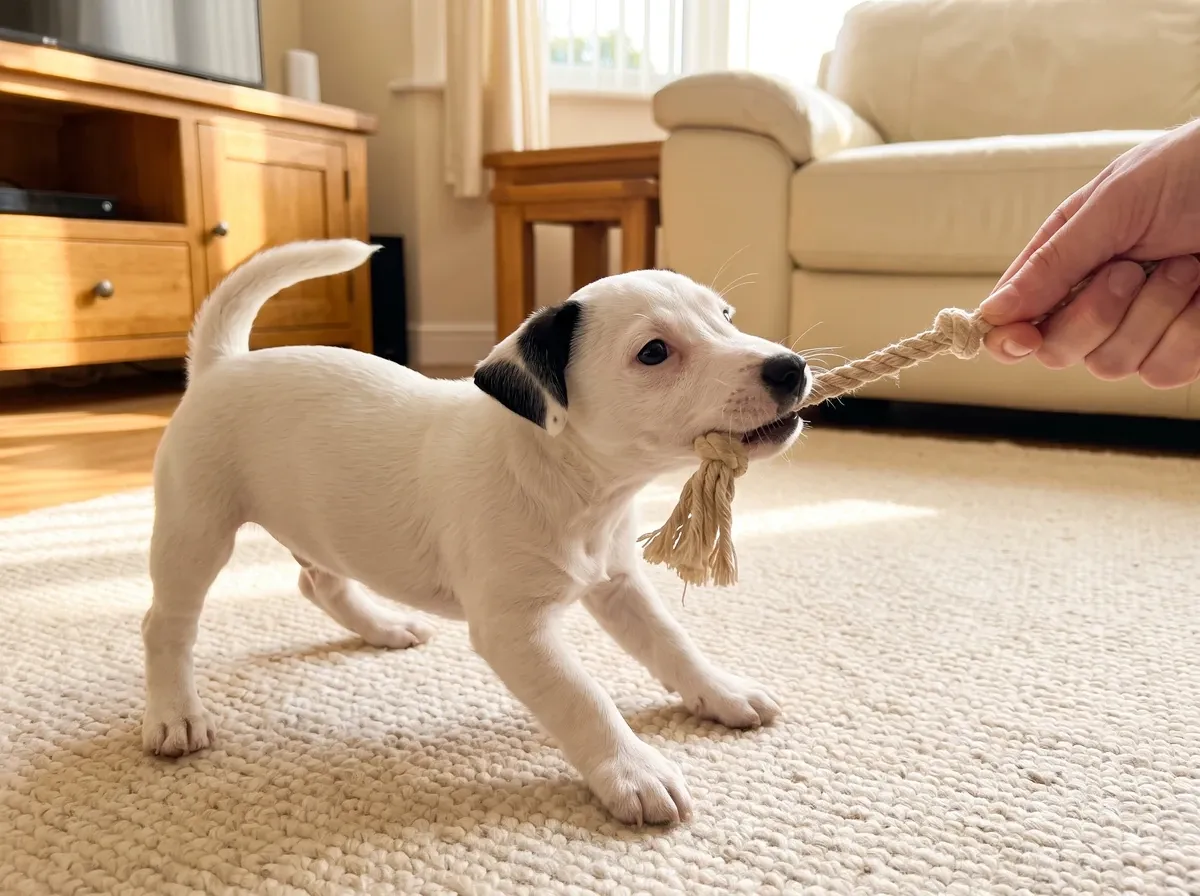
Jack Russell Terrier, a white puppy with black ears pulling on a rope toy on a cream rug

Getting home ready

A sandpit, a long line and a ramp

Set up a sandpit or a tub of play sand, and get a long line for recall practice, a flirt pole and sturdy tug toys. Put rugs where they run on marble, and a ramp up to the sofa.

Ten things that make their life better
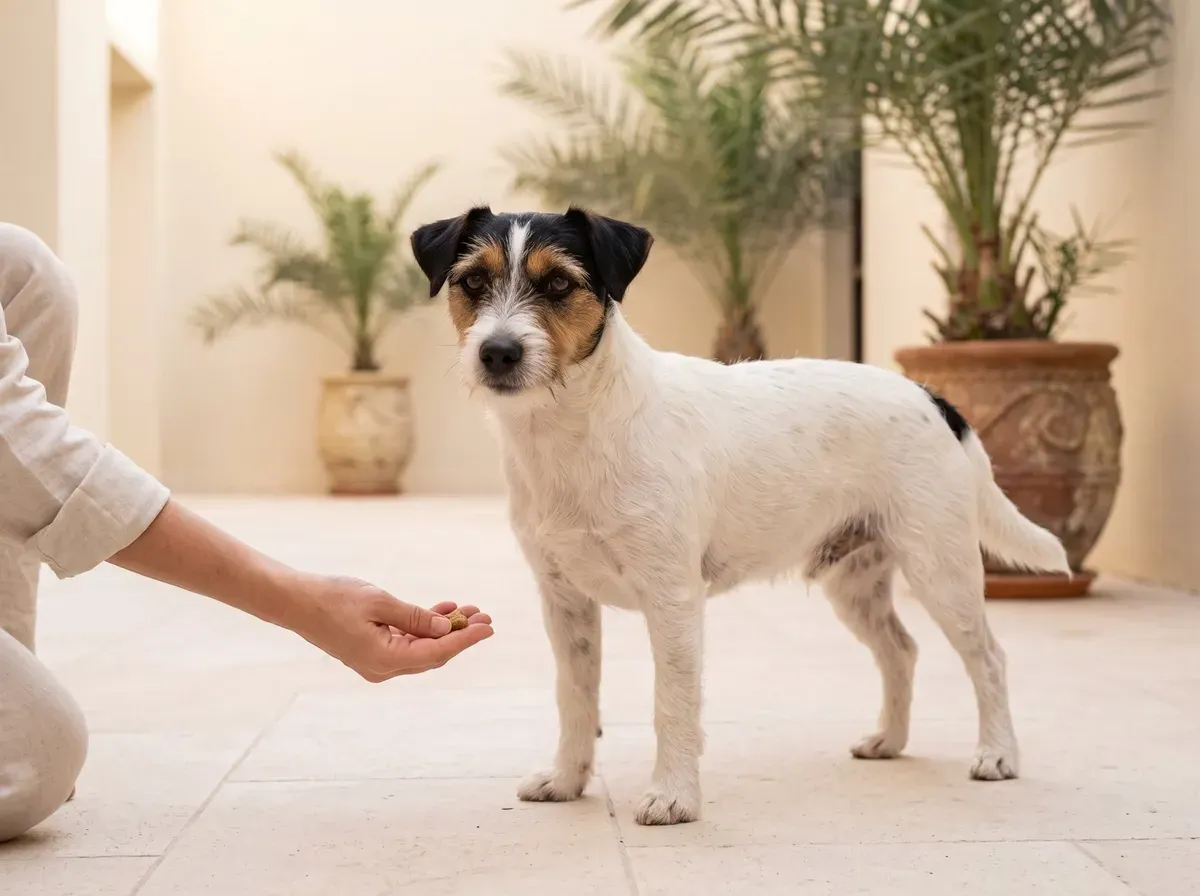
Jack Russell Terrier, a pet parent kneeling to meet a calm tricolour adult in a bright courtyard

Before you commit

Ask about eyes, hips and hearing

Ask the breeder what health tests the parents had, for their eyes and hearing in particular, and whether either parent had a limp as a young dog. A puppy who turns to a quiet sound behind them can hear it.

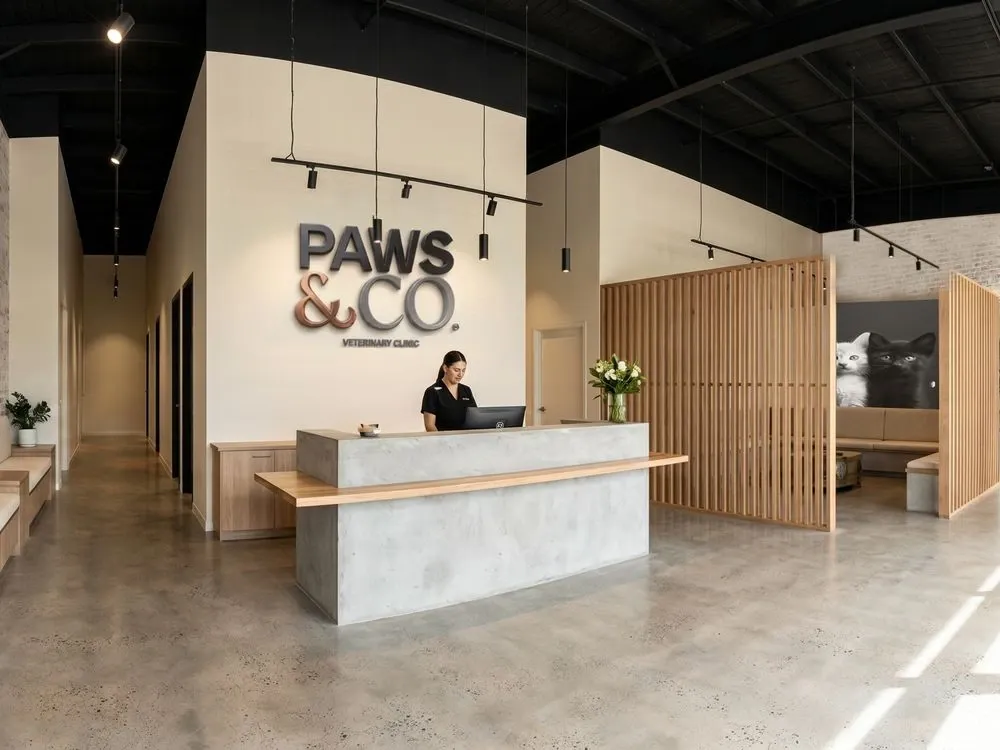
The reception of a Paws & Co clinic, with long cream benches and a stone reception desk

Before the clinics open

Join the founding families

AED 1,999 of essential care for AED 199. No payment now.

When to see a vet

When it is not behaviour.

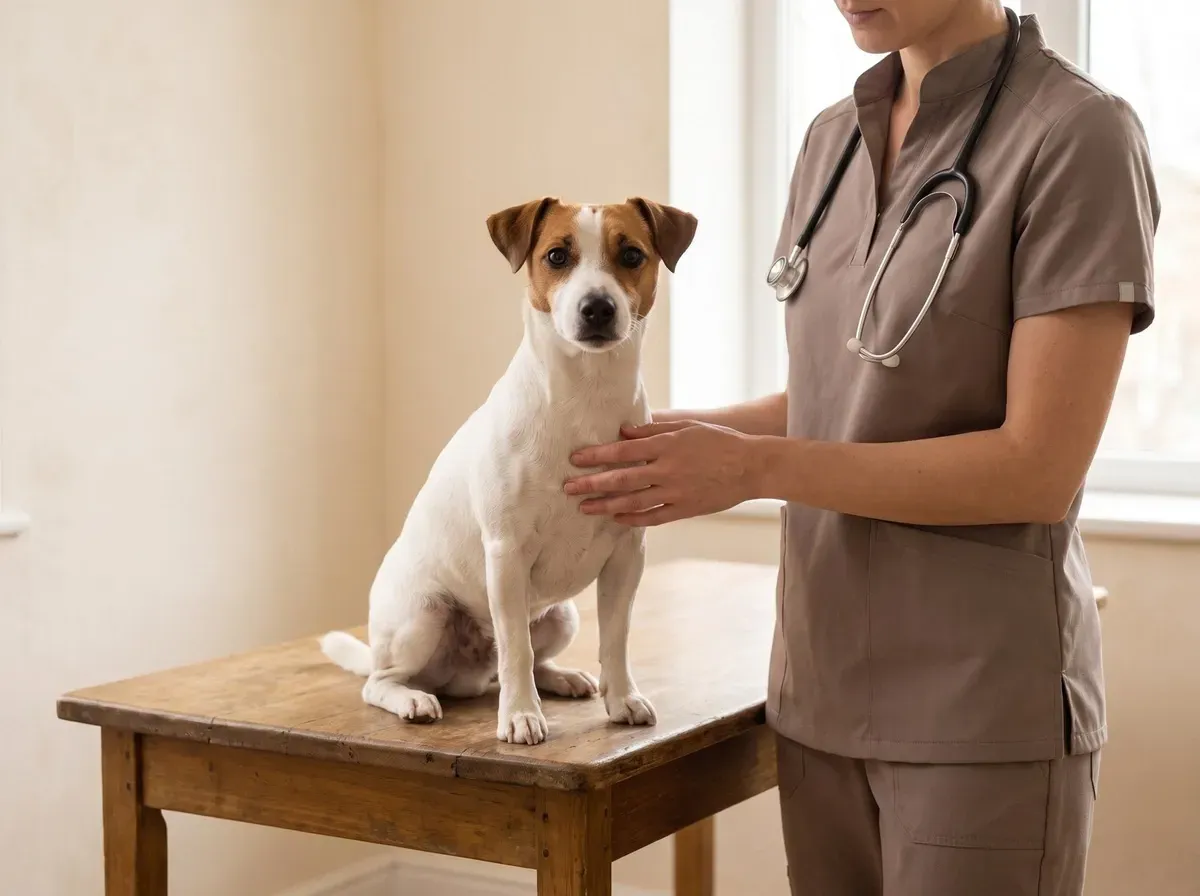
Jack Russell Terrier, a white and tan adult on a table, a vet in taupe scrubs with a hand resting on the dog

Some of this is not a training problem, and treating it like one wastes time your dog may not have. If they are distressed when you leave, if they growl or guard their food, their toys or you, if they are frightened on the lead, or if anything about them changes suddenly at any age, contact your vet the same day. A tip from a website, ours included, is not the answer. If it cannot wait, contact your nearest emergency vet now.

With a Jack Russell, watch their legs, their eyes and their ears. A young dog who skips, limps or chews at a hip may have a kneecap or hip problem. A red, cloudy or painful eye can be a lens slipping out of place, and that cannot wait. A dog who has stopped coming when called, or no longer wakes when you come home, may be losing their hearing rather than their manners. Bloat (GDV, a twisted stomach) can happen in any dog, though it is most common in large, deep-chested breeds. A swollen, tight belly, retching with nothing coming up, sudden restlessness or drooling is an emergency: contact your vet now.

They'll keep their cushion and their watch on the car park. If they stop getting up for the cats, tell your vet.
Jack Russell history

Before they were yours.

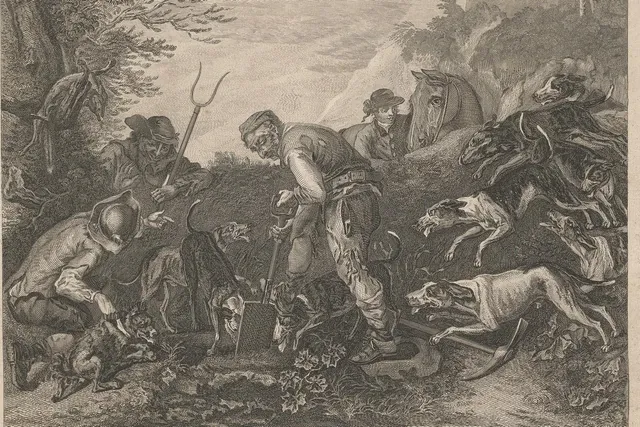
  1. Jack Russell Terrier history, an engraving of hunters and terriers digging out a fox, by Canot, England, 1770
    The Earthing of the Fox, an engraving by Pierre-Charles Canot, England, 1770.

    Before 1800

    England's working terriers

    Farmers and hunts in England kept small, tough terriers to go into fox and badger dens, barking until the animal bolted or someone dug down.

    What they still carryThe digging, the barking, and a dog who goes into any hole they find.

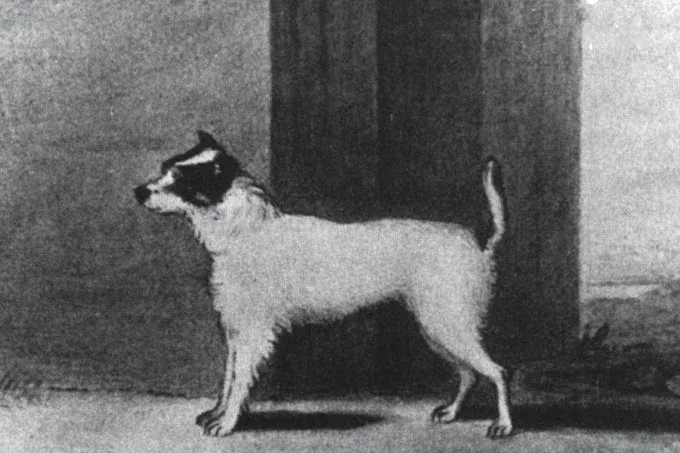
  2. Jack Russell Terrier history, Trump, John Russell's first terrier, white with dark head markings, 19th century
    Trump, John Russell's first terrier, in a 19th century picture.

    1819 to 1883

    Parson John Russell

    In 1819 a student at Oxford, John Russell, bought a small white and tan terrier called Trump from a milkman. As a parson in Devon he bred terriers to run with the foxhounds all day.

    What they still carryThe stamina, and the white coat.

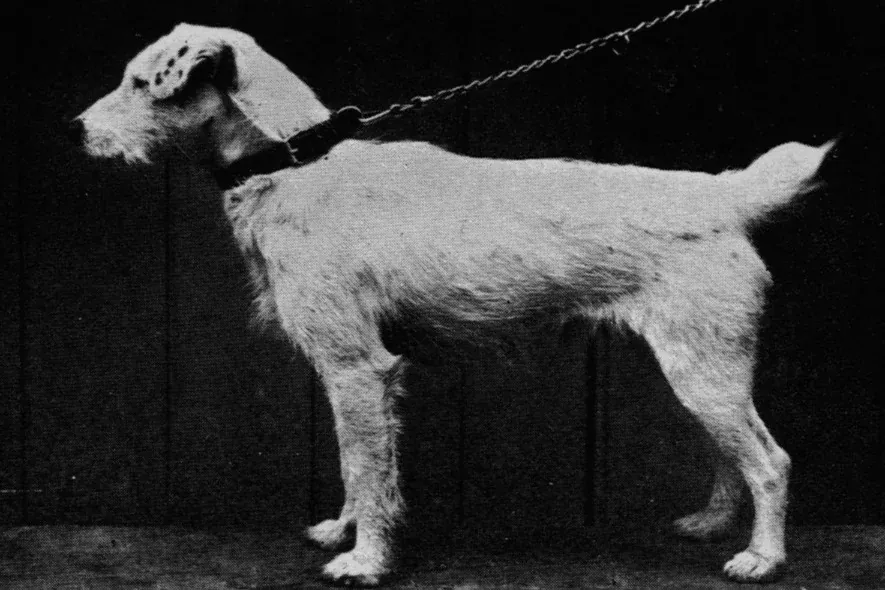
  3. Jack Russell Terrier history, Carlisle Tack, a white working terrier from Russell's lines, on a lead
    Carlisle Tack, a working terrier from Russell's lines, born in 1884.

    Late 1800s to late 1900s

    A working dog

    Russell's name was given to many working terriers of different shapes, and shorter-legged types spread in Britain and later Australia.

    What they still carryTwo shapes of Jack Russell, and plenty in between.

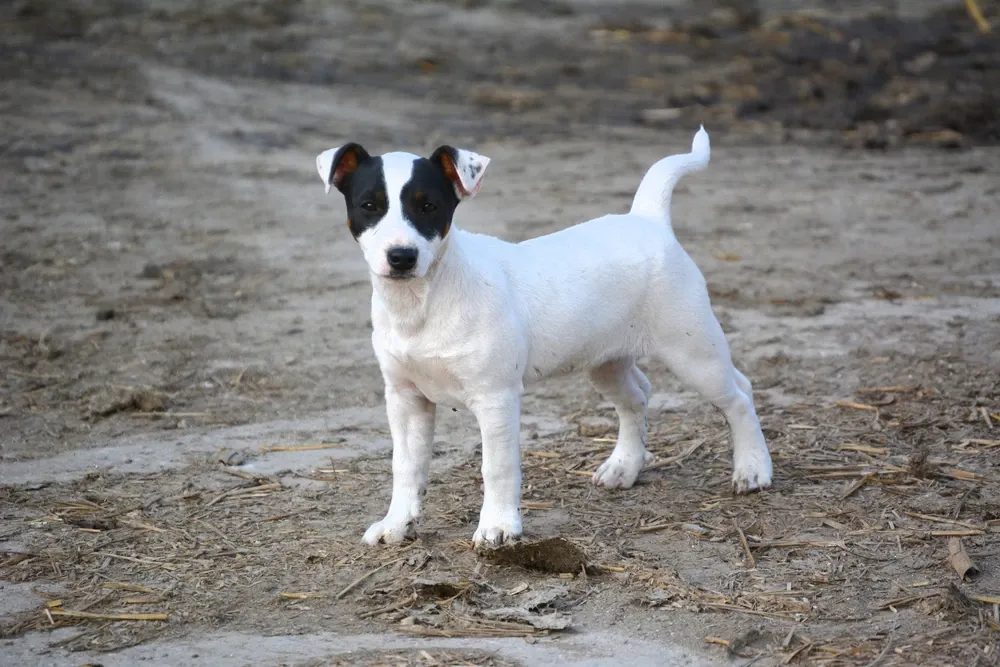
  4. Jack Russell Terrier history, a white puppy with black and tan head markings standing on a path
    A Jack Russell Terrier puppy, the modern pedigree type. Photo: toitoinebzh, CC BY-SA 3.0, via Wikimedia Commons

    2016

    A pedigree at last

    The Kennel Club in the UK recognised the Jack Russell Terrier as a pedigree breed in 2016. Many working-terrier clubs opposed it, to keep the dog bred for work.

    What they still carryWhy two Jack Russells can look and behave so differently.

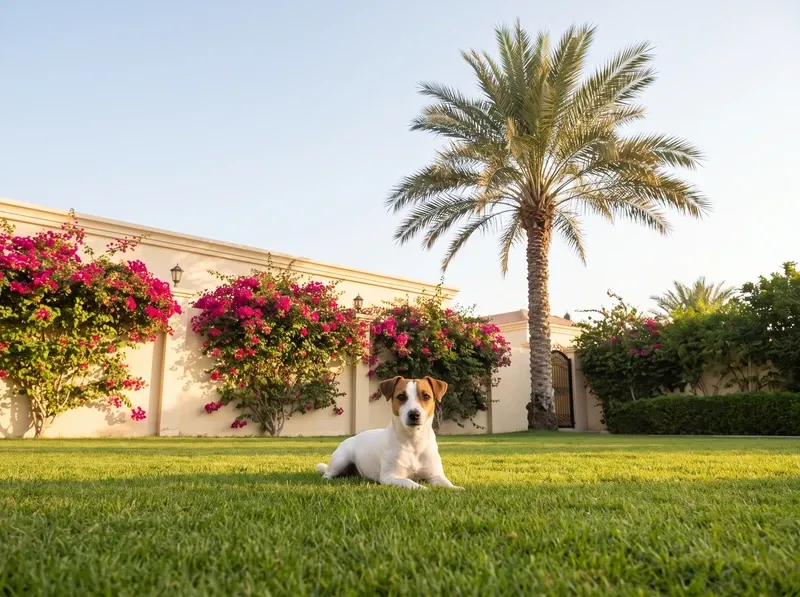
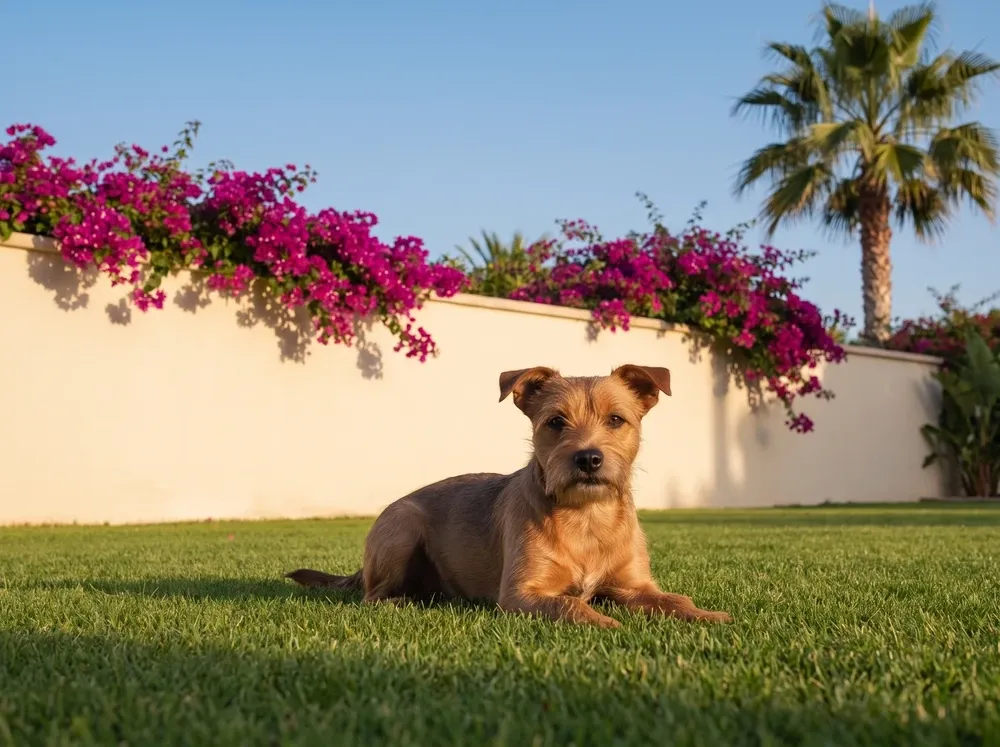
  5. Jack Russell Terrier history, the breed today, lying on a Dubai villa lawn below bougainvillea and a date palm

    Today

    In Dubai

    In the UAE a Jack Russell lives in a flat or a villa, with no hunt to run with and a lot of cats to watch.

    What they still carryAn engine built for a day's hunting, which is why they need a job.

Jack Russell questions

The ones you type at midnight.

Most of these get asked late at night, by someone watching their dog and not sure what they are seeing.

Jack Russell Terrier in Dubai, asleep on a dark duvet as a pet parent reads a phone at night, the skyline beyond
How long do Jack Russell terriers live?

A Jack Russell Terrier usually lives 13 to 16 years. In a large UK study of more than 19,000 Jack Russells, half lived past 13.

How big is a Jack Russell dog?

A grown Jack Russell dog usually weighs 4 to 7 kg. They are small, but built with the stamina to run with a hunt all day.

What is the Jack Russell Terrier temperament like?

A Jack Russell Terrier is bold, quick and rarely finished for the day: bright, a little stubborn and very fond of their people. They are happiest with a proper walk and a job for their head.

Do Jack Russells shed?

Yes, Jack Russells shed moderately, all year round. A weekly brush keeps it down.

Is a Jack Russell Terrier a hypoallergenic dog?

No, a Jack Russell Terrier is not hypoallergenic, because they shed all year round. If someone at home has allergies, spend time with one before you commit.

What are the different Jack Russell types?

Jack Russells come in longer-legged and shorter-legged types, with plenty in between. In the UAE you will meet working-bred, pedigree and cross-bred dogs, all called Jack Russells.

Can a Jack Russell live in Dubai?

Yes, a Jack Russell can live well in Dubai if the hot months are planned around them. They will keep going in any heat, so from May to September walk before sunrise and after dark, with water and shade, and give them a job to do indoors.

How do I care for a Jack Russell puppy?

A Jack Russell puppy needs short training games, calm meetings with friendly dogs and a digging spot of their own. Vaccinations, microchip and Dubai Municipality registration come first, and daily tooth brushing starts the week they come home.

Why doesn't my Jack Russell come when called?

Usually a Jack Russell is being a terrier, bred to make their own decisions. Practise recall on a long line and make coming back worth their while. One who does not wake when you come in, or startles when touched, may not hear you, so tell your vet.
Worried about them? Contact your vet today.