We’re hiring people who love them like we do. Join us careers@pawsandco.comSee open roles
UAE Government Licensed MOCCAE
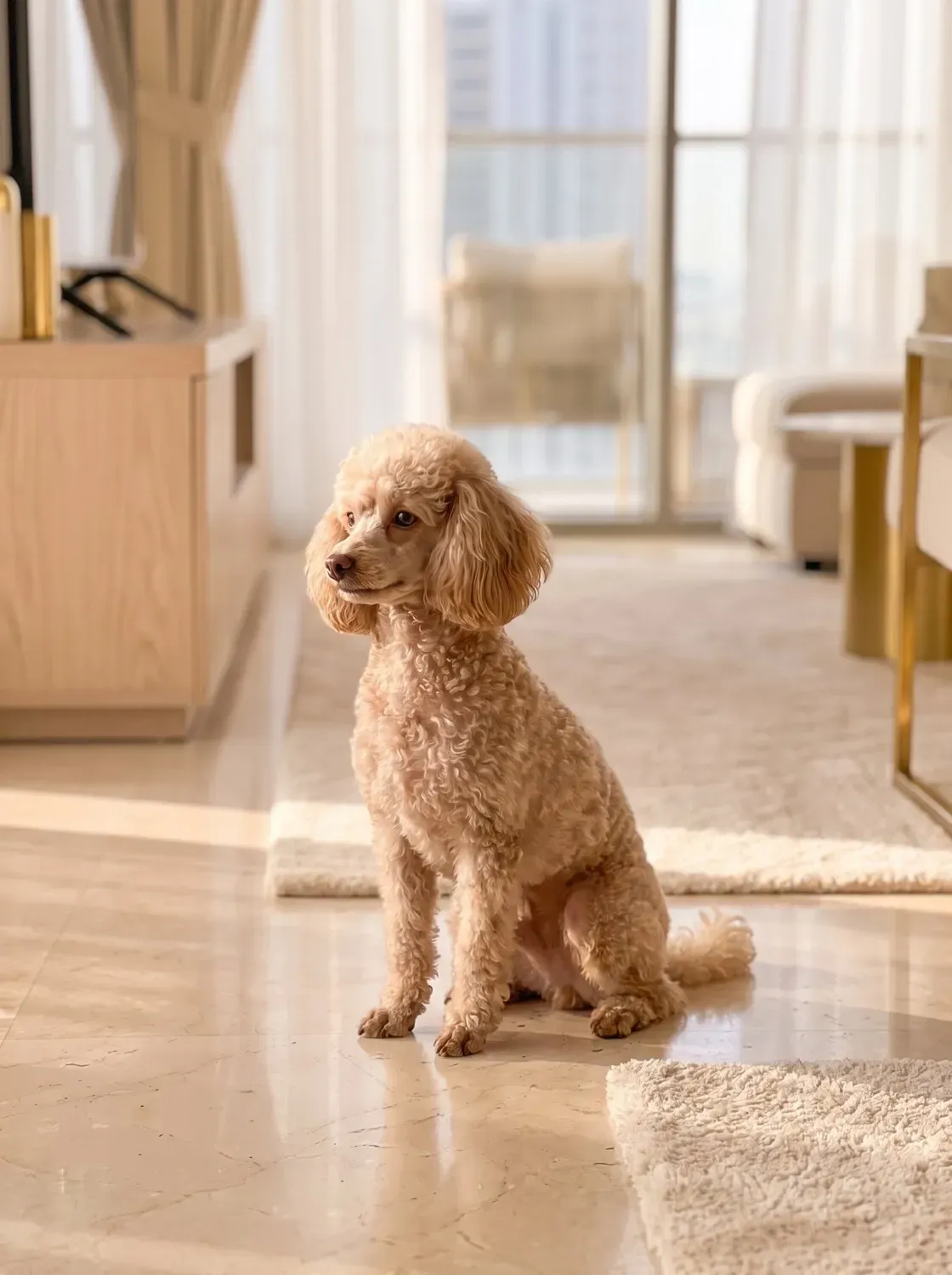
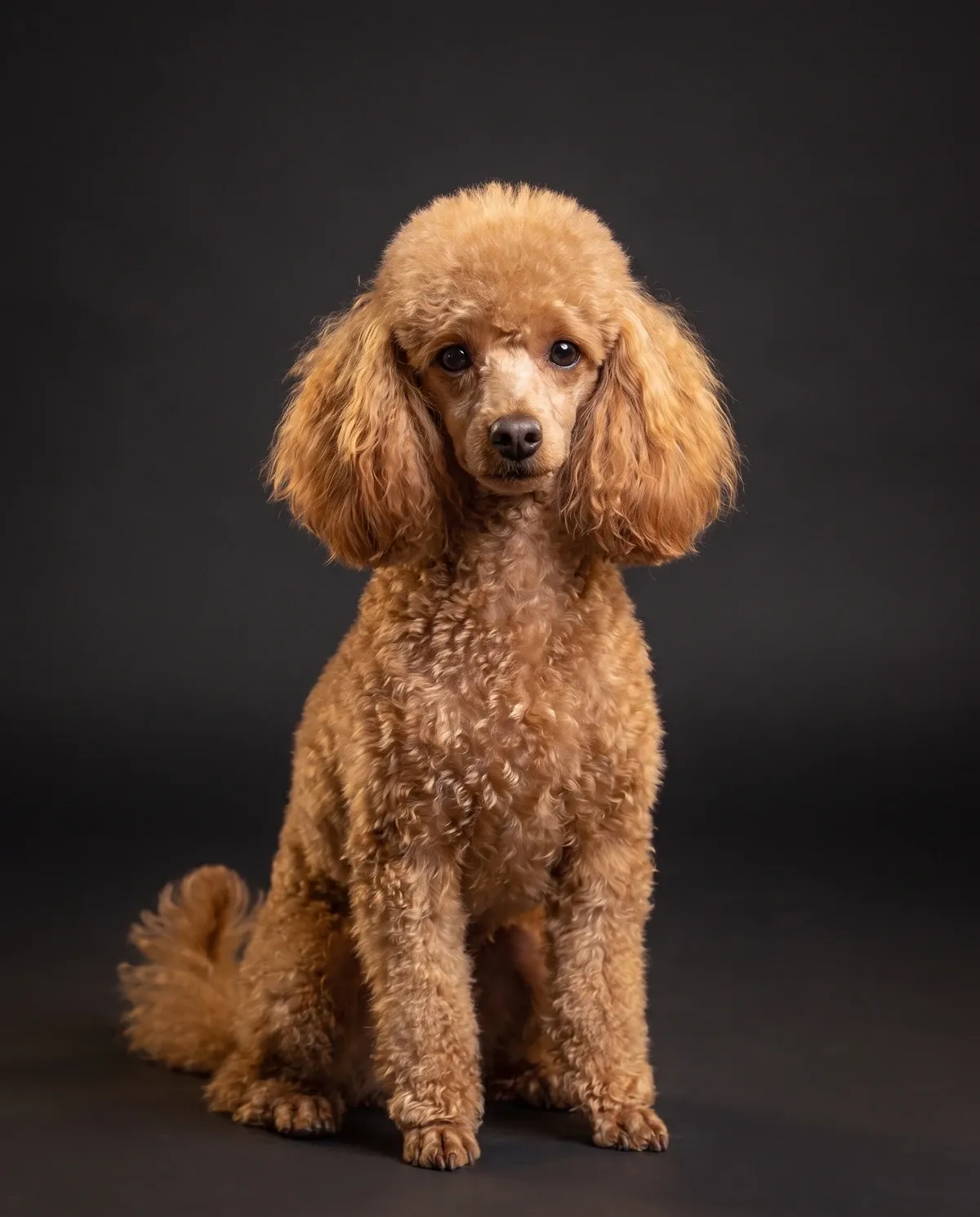
Toy Poodle in Dubai, studio portrait of an apricot adult with tight curls and long ears, sitting

Breed guide  ·  Dogs

Toy Poodle

His ancestors swam for duck hunters. He won't cross a puddle, and I carry him over it.

Lifespan
12 to 15 years
Size
Small
Weight
1.8 to 2.7 kg
Shedding
Very low

Last updated 14 October 2026

Join the founding families. AED 1,999 of essential care for AED 199.

No payment now. We'll be in touch by email and WhatsApp as we open enrolment.

✓
Thank you.

We will be in touch soon to confirm.

Toy Poodle traits

What they brought with them.

Tap a card to see what is going on.

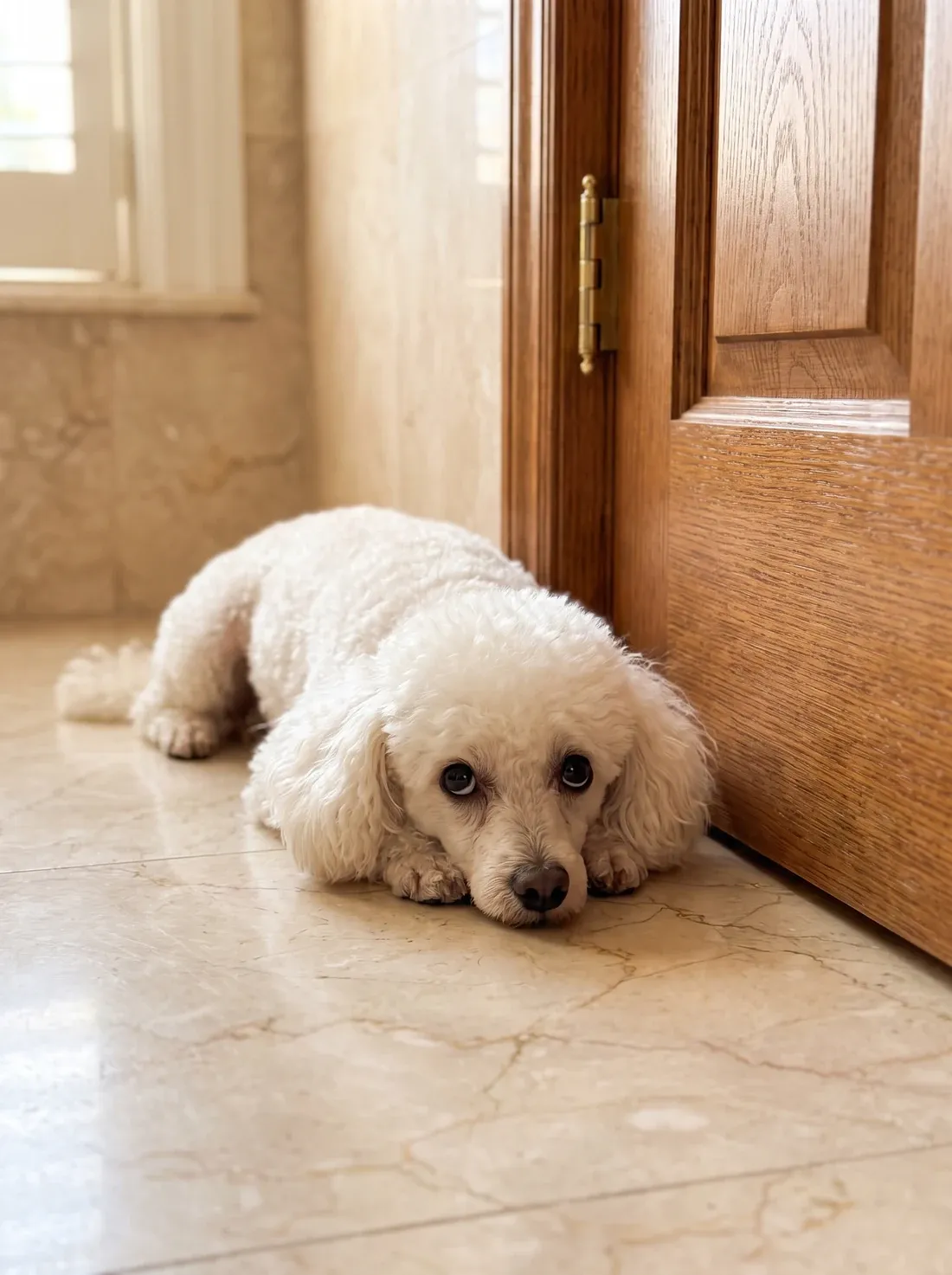
Toy Poodle, a white adult lying chin down by a closed door on a marble floor

At home

Why does my Toy Poodle follow me everywhere?

Room to room all day, and waiting outside the bathroom door until you come out.

What's going onToy Poodles were bred smaller and smaller to be with people, so following you is normal. Panic when you leave is something different, and a reason to contact your vet.
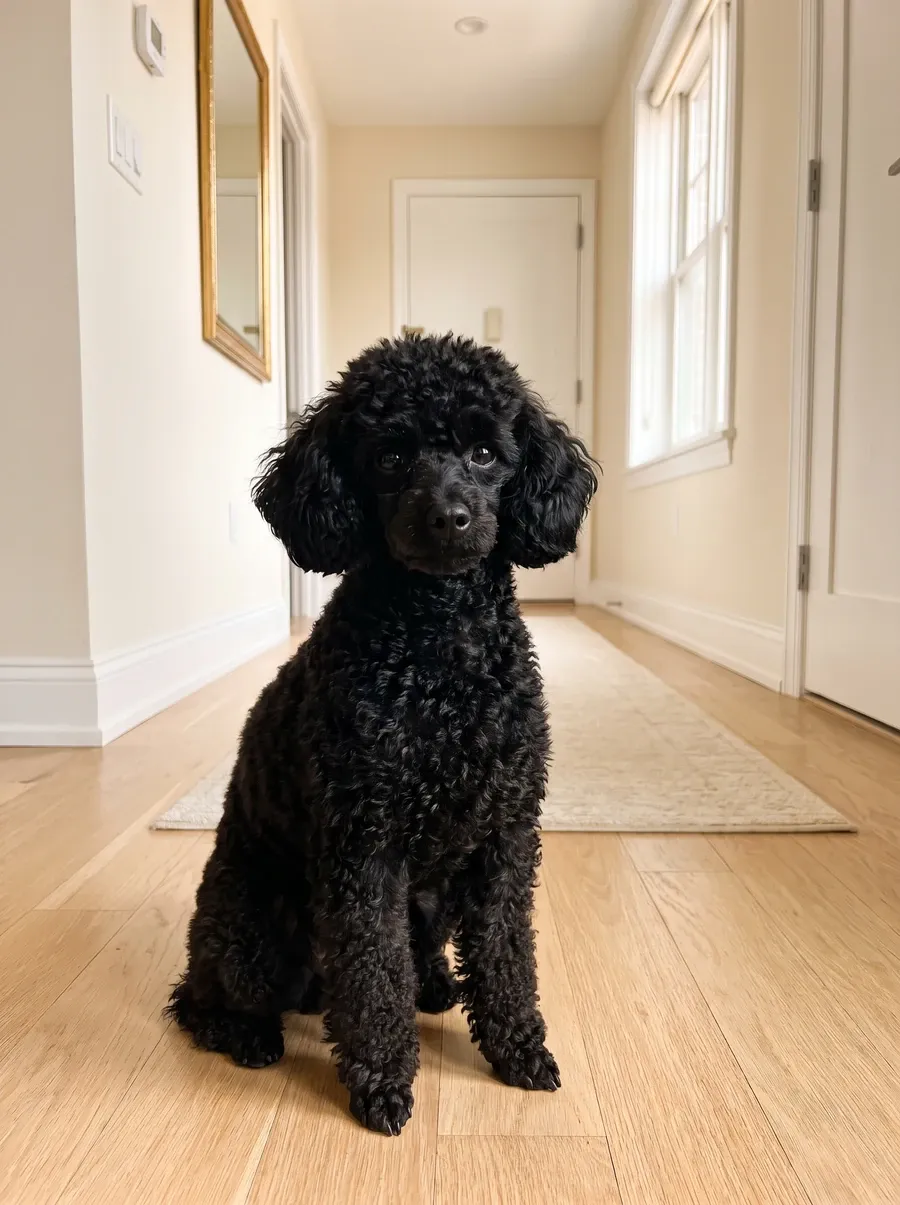
Toy Poodle, a black adult sitting alert in a bright apartment hallway

At home

Why does my Toy Poodle bark at the lift?

A volley of barks at the front door before the lift has even reached your floor.

What's going onA clever dog with nothing to do finds a job, and guarding the door is the easiest one. Give them something new to learn every day, and reward quiet at the door.

Toy Poodle, a pet parent crouching beside a cream adult, one hand resting gently on the dog's side

At home

Why does my Toy Poodle dodge my hand?

A quick duck away when a hand comes down from above to pick them up.

What's going onA dog this small can be scooped up at any moment, and some Toy Poodles learn to duck away or snap. Say a word before you lift them, then lift them the same way every time. Snapping when lifted can also be pain, so tell your vet.

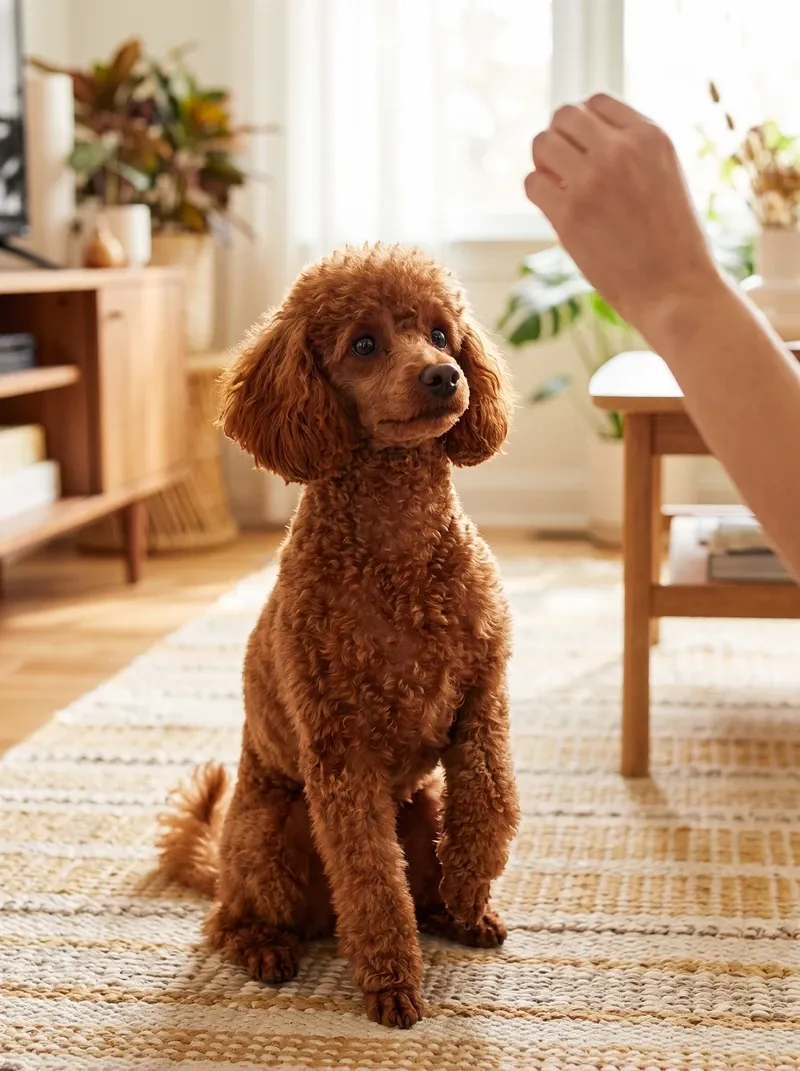
Toy Poodle, a red adult sitting neatly on a rug, eyes on a pet parent's raised hand

At home

They learn tricks almost too fast

A new trick picked up in a couple of minutes, then a hopeful look for the next one.

What's going onTwo or three minutes, a tiny reward, something new. Tricks are real exercise for their head, and for a dog this size they count as much as a walk.

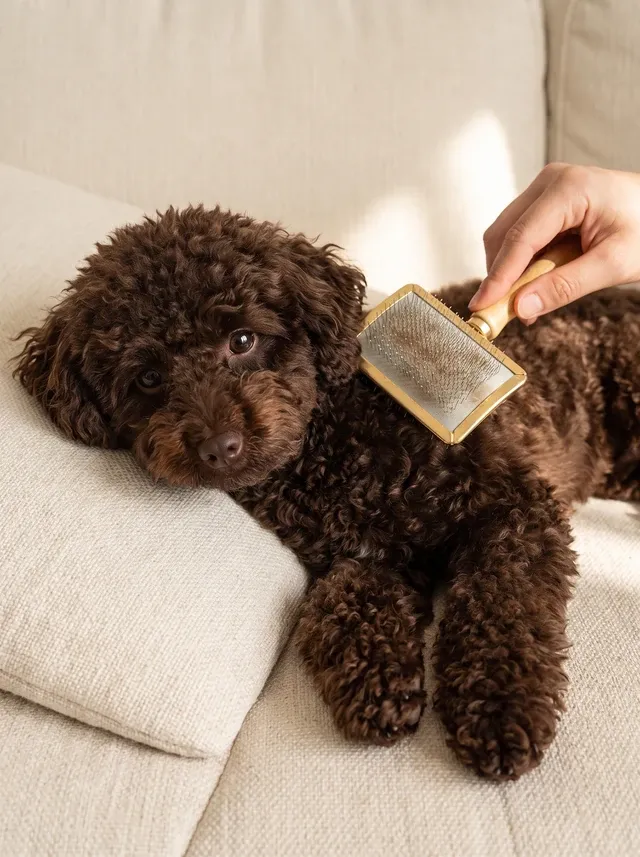
Toy Poodle, a brown adult lying on a cream sofa as a hand brushes the dog's curls

At home

The brush is a lifelong job

Not a hair on the sofa, and a tangle under the harness after a few days.

What's going onThe coat keeps growing and hardly sheds, so it knots unless it is brushed through. Short, rewarded sessions from puppyhood mean they stand still for it as an adult.

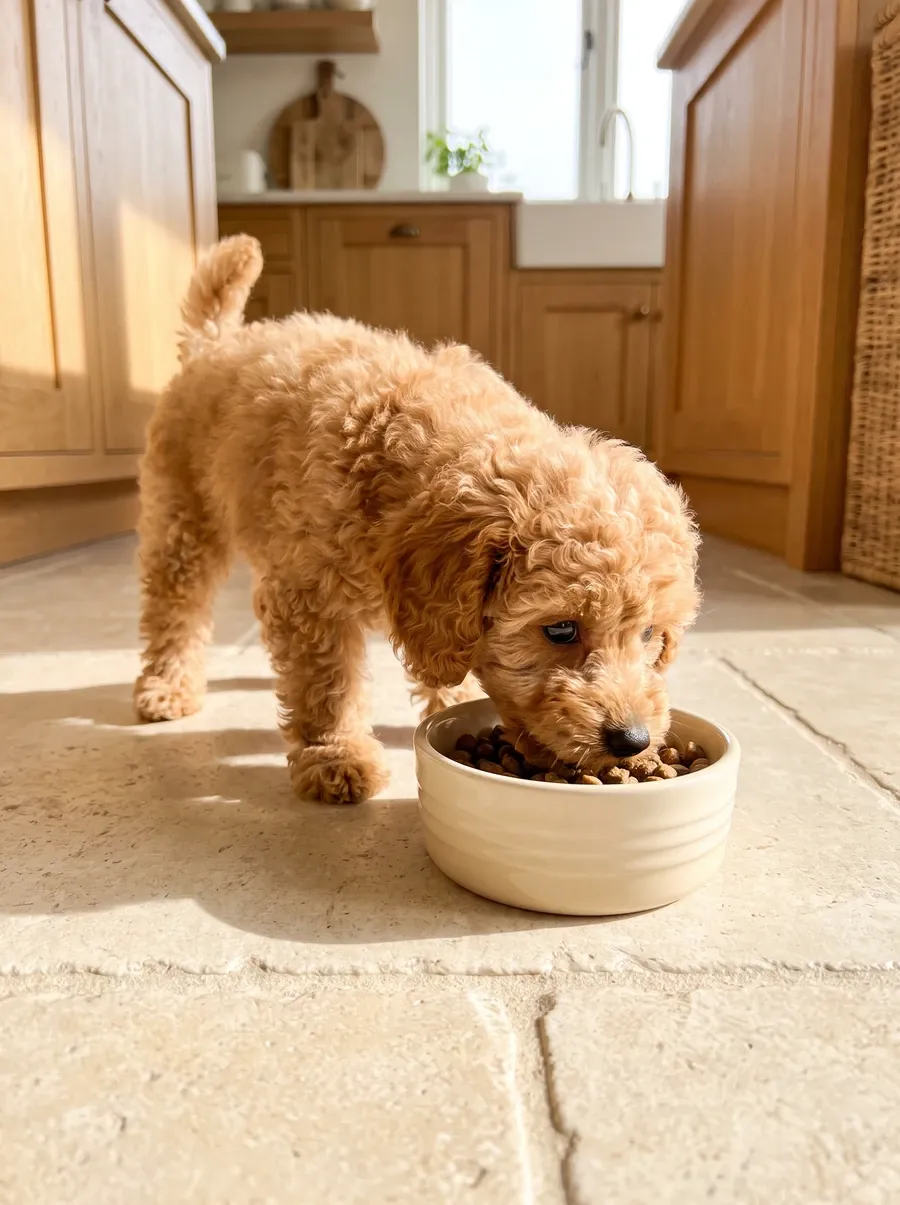
Toy Poodle, an apricot puppy eating from a ceramic bowl on a stone kitchen floor

At home

The wobbly puppy

A tiny puppy who has skipped a meal, then goes quiet, shaky or wobbly.

What's going onLow blood sugar is a known risk for Toy Poodles while they are young, and it can look like tiredness. Keep their meals regular, and contact your vet now if they are weak or trembling.

A Toy Poodle in Dubai

The bit nobody tells you.

Their brain

Built for: A working water dog's brain.

In Dubai: Often carried from room to room, with fewer puzzles to solve.

Their size

Built for: Bred smaller for city homes.

In Dubai: Small enough to be picked up at any moment, by anyone.

Their coat and teeth

Built for: A coat once clipped for swimming.

In Dubai: Need more of your time than you expect.

The barking at the door and the snapping at hands usually come from that gap.

Most of us cannot offer them a river, but we can give them something to learn, and the ten things below are how.

Your plan is built around their breed: the health risks for a Toy Poodle at every age, and the care that goes with each one.

Join the founding families. AED 1,999 of essential care for AED 199.

Daily care for a Toy Poodle

Ten things that make their life better.

Many of them are free, and most matter at every age.

  1. Everyone wants to give a tiny dog a treat.

    Every age

    Free

    Why

    Everyone wants to give a tiny dog a treat.

    What to do

    Practise "leave it" every day. Ask the walker, the nanny and the family to stick to the treats you hand over.

  2. They walk close to hot pavement, and a small body heats up quickly.

    Every age, most of all puppies and from 7 years

    Free

    Why

    They walk close to hot pavement, and a small body heats up quickly.

    What to do

    From May to September, walk before sunrise and after dark, and keep it short. Put the back of your hand on the pavement for five seconds: if you cannot keep it there, they cannot walk on it.

  3. They were bred to be with people, and a long day alone is hard for them.

    Every age, most of all from 6 months to 2 years

    Free, or the cost of a sitter

    Why

    They were bred to be with people, and a long day alone is hard for them.

    What to do

    If you are out for more than a few hours, arrange a visit or daycare. Leave them a puzzle feeder with part of their lunch. If they are distressed when you leave, contact your vet.

  4. A small dog gets away with behaviour a big one never would, and learns from it.

    Every age, most of all up to 2 years

    Free

    Why

    A small dog gets away with behaviour a big one never would, and learns from it.

    What to do

    Keep the same rules for everyone in the house. Reward four feet on the floor. Teach a cue word for being lifted, and one for standing still to be brushed.

  5. The retriever in them is faint, but many Toy Poodles still carry things about.

    Every age, softer toys from 7 years

    Under AED 100

    Why

    The retriever in them is faint, but many Toy Poodles still carry things about.

    What to do

    Keep a couple of small toys they can carry. When they take something they shouldn't, swap it for a treat rather than chasing them.

  6. A short game of fetch uses their head, and their knees prefer low, gentle play.

    Every age

    Under AED 100

    Why

    A short game of fetch uses their head, and their knees prefer low, gentle play.

    What to do

    Roll a small toy along a rug a few times, then stop. Keep throws low, and keep the chasing off marble.

  7. They do not need to swim, and the coat mats fast when it stays damp.

    Every age

    Why

    They do not need to swim, and the coat mats fast when it stays damp.

    What to do

    Keep them away from pools unless you are holding them. After a bath, dry inside their ear flaps, then blow-dry and brush the coat through to the skin.

  8. A few extra treats are a big share of a Toy's day, and they learn fastest for food.

    Every age, regular meals most of all up to 4 years

    Under AED 150, once, for kitchen scalesIn your plan

    Why

    A few extra treats are a big share of a Toy's day, and they learn fastest for food.

    What to do

    Weigh their daily food and keep meals at regular times, because a young Toy can run low on blood sugar. Take training treats out of the daily amount, and feed part of a meal from your hand while you teach them something. Your plan scores their body condition and muscle at their puppy visits.

  9. Their teeth crowd, and the coat hides their skin and their weight.

    Every age

    Under AED 150 for a brush, a comb and a toothbrush

    Why

    Their teeth crowd, and the coat hides their skin and their weight.

    What to do

    Brush their teeth, ideally every day, and brush the coat through to the skin every day. While you do, look at their skin and feel their ribs. Weigh them once a month.

  10. Patellar Luxation (PL, a slipping kneecap) is on their record from puppyhood to prime adult.

    Every age, most of all up to 7 years

    In your plan

    Why

    Patellar Luxation (PL, a slipping kneecap) is on their record from puppyhood to prime adult.

    What to do

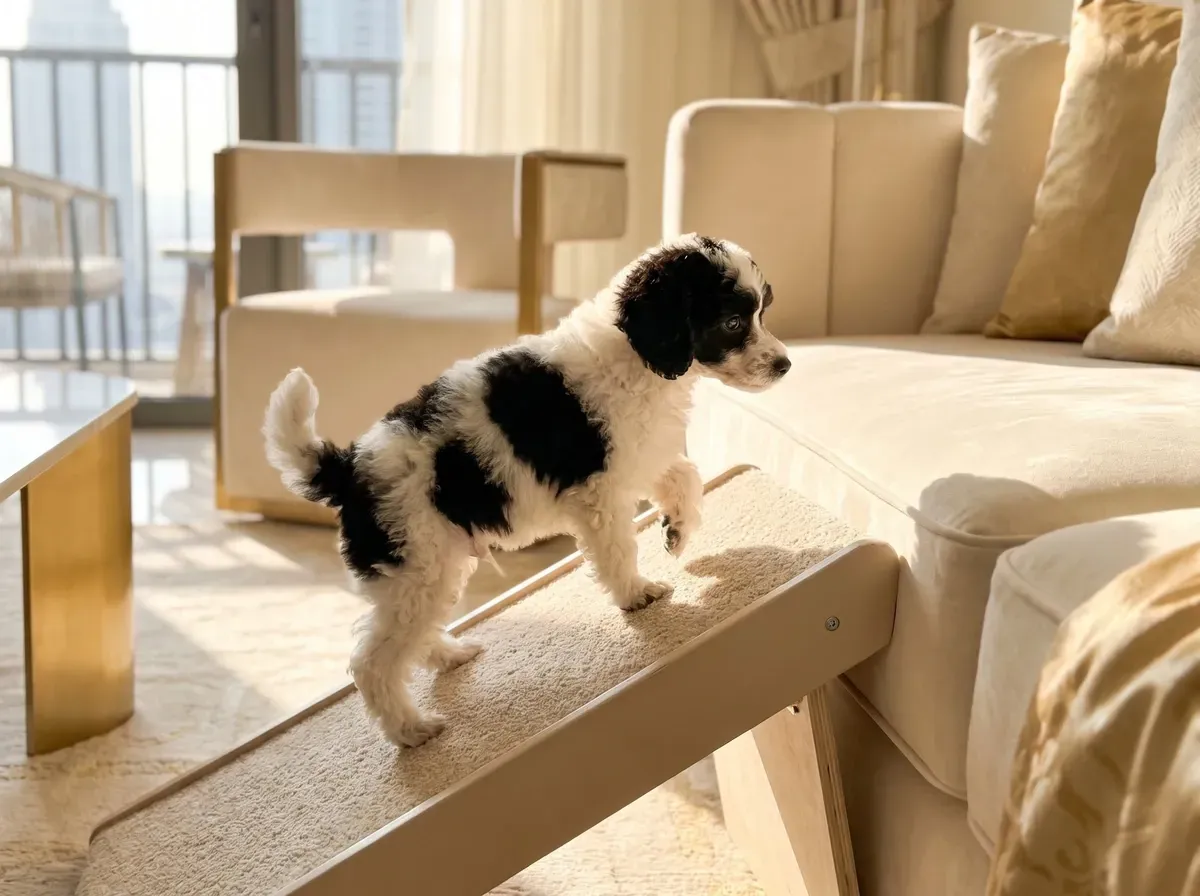
    Put a ramp or step up to the sofa and bed, and lift them down rather than let them jump. Put rugs where they run on marble, and keep them lean.

Two of these are in your plan. The rest you can do at home.

Join the founding families. AED 1,999 of essential care for AED 199.

Toy Poodle health by age

Their health, at every age.

In a Toy Poodle, a hop on a back leg or a puppy who goes quiet and shaky is often the first sign that something is wrong. Choose their age to see what to watch for, and the care that goes with it.

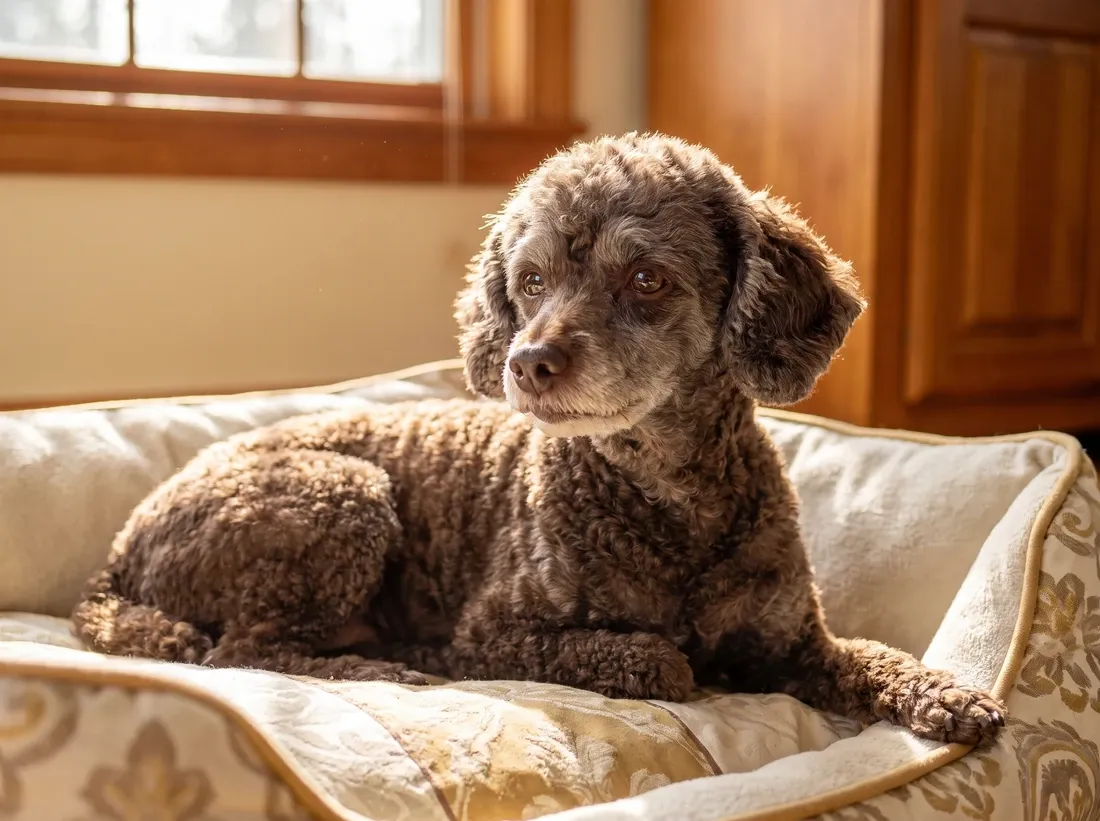
Toy Poodle, an older brown dog with a greying muzzle resting in a cushioned bed

How old are they?

Their age

Toy Poodle Puppy health

the first six months

What to watch for

  1. Congenital or early inherited ocular disease related to Progressive Retinal Atrophy (PRA, gradual loss of sight)
  2. Developmental or early clinical signs of Patellar Luxation (PL, slipping kneecap)
  3. Early neurological signs or inherited risk related to Epilepsy (seizures)
  4. Retained deciduous teeth, malocclusion (teeth that do not meet properly) or early dental crowding
  5. Early or congenital expression of Hypoglycaemia (low blood sugar)

The care that goes with it

  1. Core vaccinations, microchip and Dubai Municipality registration
  2. Deworming, and flea and tick prevention
  3. Growth and nutritional evaluation, and early socialisation
  4. Baseline screening for Progressive Retinal Atrophy (PRA, gradual loss of sight)
  5. Early follow-up for any signs of Patellar Luxation (PL, a slipping kneecap)
The full care detail
  • Core vaccination programme, microchipping and Dubai Municipality registration. Titre testing discussion where clinically appropriate; not a substitute for completing the core vaccine series
  • Deworming and external parasite prevention tailored to Dubai exposure
  • Body Condition Score (BCS, a check on whether they are the right weight), Muscle Condition Score (MCS, a check on their muscle), dental, growth and nutritional evaluation, and early socialisation
  • Baseline screening focused on Progressive Retinal Atrophy (PRA)
  • Early diagnostic follow-up for signs suggestive of Patellar Luxation (PL)

Their age

Toy Poodle Juvenile health

6 months to 2 years

What to watch for

  1. Progression or first clinical detection of Progressive Retinal Atrophy (PRA)
  2. Emerging Patellar Luxation (PL) with exercise intolerance or lameness
  3. Typical age-of-onset presentation of Epilepsy
  4. Early periodontal disease (gum disease) and dental crowding
  5. Young-dog presentation of Hypoglycaemia

The care that goes with it

  1. Ophthalmic evaluation (eye exam)
  2. Orthopaedic evaluation (joint and bone exam)
  3. Neutering or spaying, timed for a small breed
  4. Seizure management, if seizures appear
  5. Finding the cause of any seizures that keep coming back
The full care detail
  • Ophthalmic evaluation
  • Orthopaedic evaluation
  • Neuter/spay timing discussion that accounts for small-breed growth and disease risk
  • Seizure management
  • Investigate recurrent signs rather than repeatedly treating presumed Epilepsy

Their age

Toy Poodle Young Adult health

2 to 4 years

What to watch for

  1. Progressive Retinal Atrophy (PRA)
  2. Patellar Luxation (PL)
  3. Epilepsy
  4. Dental Disease
  5. Hypoglycaemia

The care that goes with it

  1. Ophthalmic evaluation (eye exam)
  2. Orthopaedic evaluation (joint and bone exam)
  3. Seizure management, if seizures appear
  4. Dental care
  5. Blood glucose monitoring (keeping track of blood sugar)
The full care detail
  • Ophthalmic evaluation
  • Orthopaedic evaluation
  • Seizure management
  • Dental care
  • Blood glucose monitoring

Their age

Toy Poodle Prime Adult health

4 to 7 years

What to watch for

  1. Patellar Luxation (PL)
  2. Dental Disease
  3. Hypothyroidism (an underactive thyroid)
  4. Epilepsy
  5. Addison's Disease (the adrenal glands not making enough hormone)

The care that goes with it

  1. Orthopaedic surgery for the kneecaps, where it is needed
  2. Dental cleaning
  3. Thyroid testing
  4. Seizure management, if seizures appear
  5. Endocrine evaluation (hormone tests)
The full care detail
  • Orthopaedic surgery
  • Dental cleaning
  • Thyroid testing
  • Seizure management, if seizures appear
  • Endocrine evaluation

Their age

Toy Poodle Senior health

7 to 10 years

What to watch for

  1. Dental Disease
  2. Hypothyroidism
  3. Cushing's Disease (too much cortisol hormone)
  4. Arthritis
  5. Heart Disease

The care that goes with it

  1. Dental treatment
  2. Thyroid medication, if it is needed
  3. Hormone treatment for Cushing's disease (too much cortisol hormone), if it is needed
  4. Pain management for arthritis
  5. Heart care, as their vet advises
The full care detail
  • Dental treatment
  • Thyroid medication
  • Endocrine therapy
  • Pain management
  • Cardiac care

Their age

Toy Poodle Geriatric health

10 years and over

What to watch for

  1. Arthritis
  2. Cognitive Dysfunction (dementia in older pets)
  3. Heart Disease
  4. Dental Disease
  5. Kidney Disease

The care that goes with it

  1. Pain relief for arthritis
  2. Support for their memory and mind
  3. Heart support and medication, if it is needed
  4. Dental care
  5. Kidney support
  6. Quality-of-life assessments
  7. Palliative care (comfort care), and end-of-life planning with your vet team
The full care detail
  • Pain management
  • Cognitive support
  • Cardiac therapy
  • Dental care
  • Renal support
  • Quality-of-life assessments
  • Tailored palliative and comfort-focused care plan
  • Compassionate end-of-life planning with your veterinary team

Breed predispositions indicate an increased risk rather than certainty of disease. What is right for them always comes from their own history and an evaluation.

Getting a Toy Poodle puppy in Dubai

Before they come home.

Toy Poodle, a red adult standing on a villa terrace in the evening, the garden behind

Toy Poodle size

Toy, Miniature or Standard

Poodles come in three sizes, Toy, Miniature and Standard, and the Toy is the smallest: 10 inches or under at the shoulder, about 25 cm. Same quick brain, same curly coat, in the smallest body. You may hear "mini toy" too, but it is not a separate type, so ask how big both parents are.

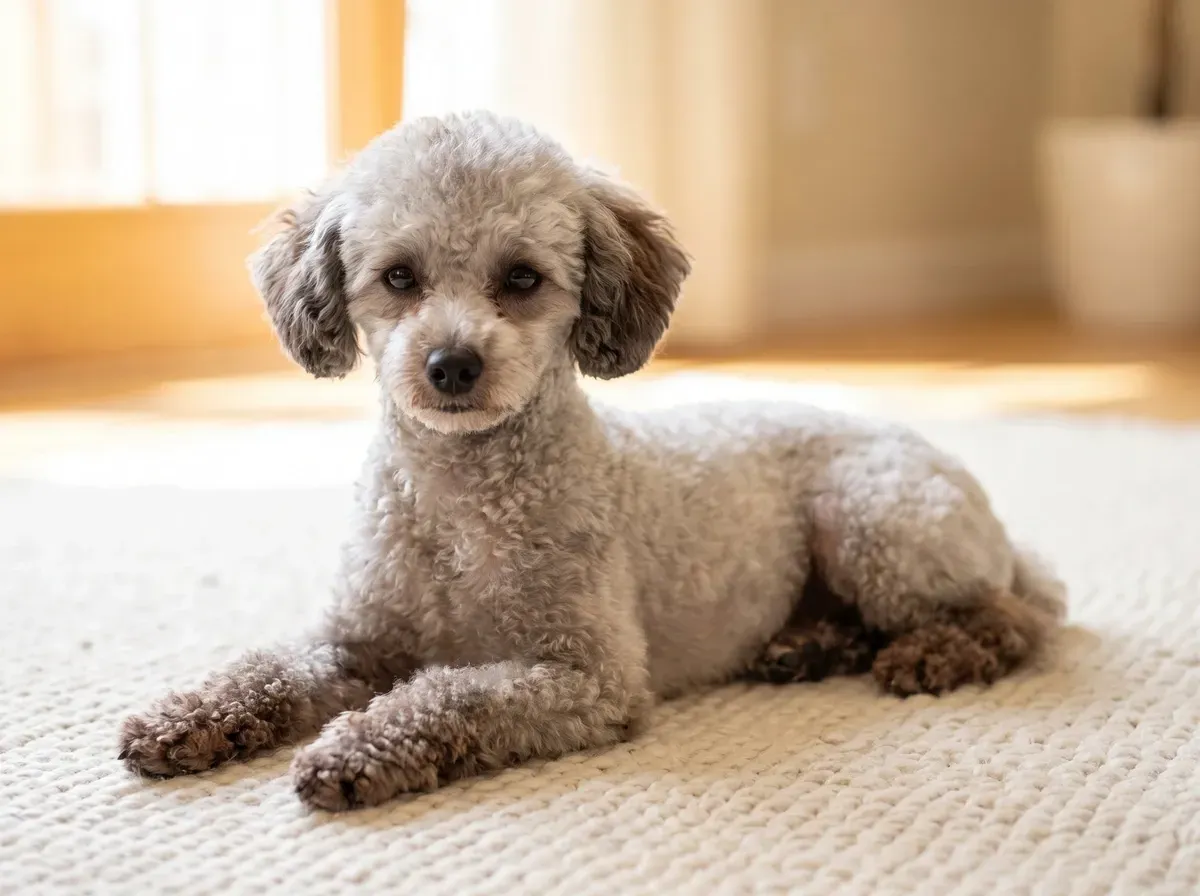
Toy Poodle, a silver adult lying on a cream wool rug

Colours

One colour, nose to tail

Whatever colour a Toy Poodle is, it runs evenly all over. They come in black, white, cream and apricot, deeper browns, cool silvers, blues and greys, and a pale beige called café au lait.

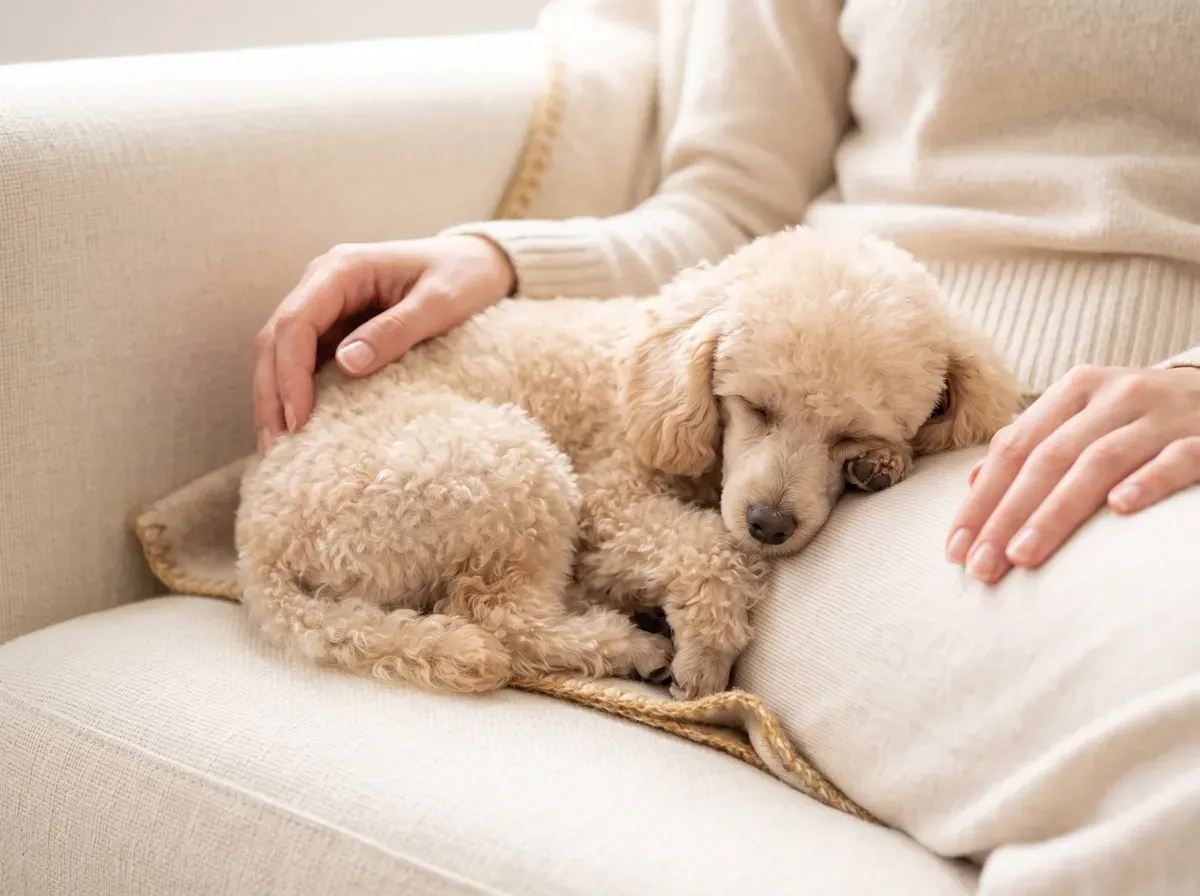
Toy Poodle, a cream puppy asleep on a pet parent's lap on the sofa

The first six months

Caring for a Toy Poodle puppy

Their full vaccination course, microchip and Dubai Municipality registration come first. Keep meals regular so their blood sugar stays steady, and start short, rewarded brushing sessions now, so they stand still for it later.

Puppy health, 0 to 6 months
Toy Poodle, a black and white parti puppy walking up a pet ramp onto the sofa

Getting the flat ready

A ramp, rugs and a brush

Get a ramp or step up to the sofa and bed, rugs where they run on marble, a slicker brush and comb, and a dog toothbrush. Then choose the cue word you will say before you lift them.

Ten things that make their life better
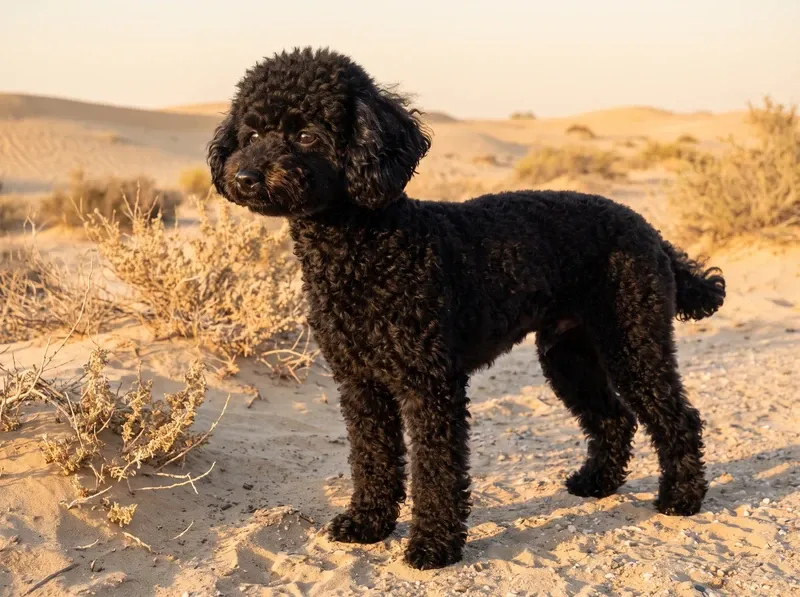
Toy Poodle in Dubai, a black adult standing on desert sand among dry grasses

Before you commit

Ask about eyes and knees

Ask the breeder for the parents' eye and knee results, and bring them to their first vet visit. Progressive Retinal Atrophy (gradual loss of sight) and Patellar Luxation (a slipping kneecap) are both known risks for Toy Poodles from puppyhood.

The reception of a Paws & Co clinic, with long cream benches and a stone reception desk

Before the clinics open

Join the founding families

AED 1,999 of essential care for AED 199. No payment now.

When to see a vet

When it is not behaviour.

Toy Poodle, a calm cafe au lait adult sitting as a vet in taupe scrubs kneels alongside

Some of this is not a training problem, and treating it like one wastes time your dog may not have. If they are distressed when you leave, if they growl or guard their food, their toys or you, if they are frightened on the lead, or if anything about them changes suddenly at any age, contact your vet the same day. A tip from a website, ours included, is not the answer. If it cannot wait, contact your nearest emergency vet now.

With a Toy Poodle, the things that look like temperament are often their body. Snapping when they are picked up can be pain in their knees or their mouth. Going off hard food can be their teeth. A puppy who goes quiet and shaky may have low blood sugar: contact your vet now. A hop on a back leg or hesitating in dim light is worth filming and showing your vet. A sudden spell of trembling and staring can be a seizure. A first seizure, one that lasts more than two minutes, or more than one in a day is an emergency: contact your vet now. So is bloat (GDV, a twisted stomach): a swollen, tight belly, retching with nothing coming up, sudden restlessness or drooling. It can happen in any dog, though it is most common in large, deep-chested breeds.

You'll keep carrying them over puddles. If they start holding up a back leg on dry ground, tell your vet.

Toy Poodle history

Before they were yours.

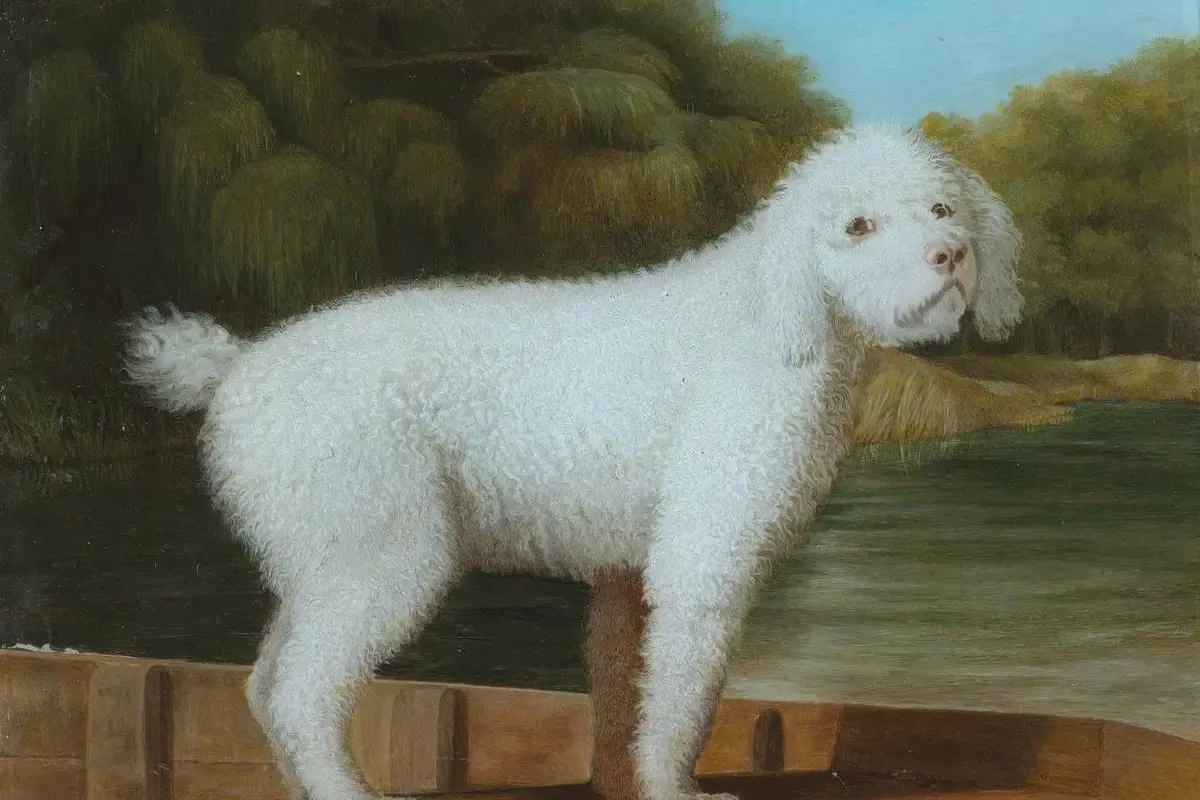
  1. Toy Poodle history, a painting of a white dog standing in a punt, in the manner of George Stubbs, 18th century
    A white Poodle in a punt, in the manner of George Stubbs, 18th century. Yale Center for British Art.

    Origins

    Germany, the Pudel

    Poodles started as water dogs, swimming out for duck hunters and bringing the birds back. The name comes from the German pudeln, to splash in water.

    What they still carryA quick brain, and the wish to be with their people.

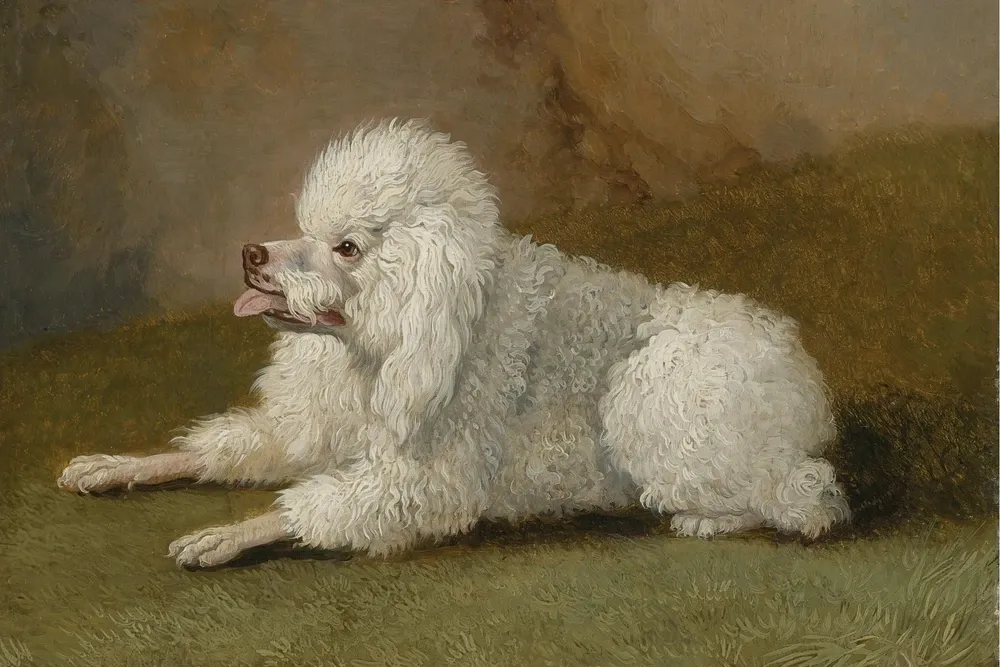
  2. Toy Poodle history, a painting of a white dog in a working clip lying on grass, Jacob Philipp Hackert, 1795
    Portrait of a Poodle, by Jacob Philipp Hackert, 1795.

    On the water

    The working clip

    Hunters clipped the heavy coat short so the dog could move through water, and left hair over the chest and joints for warmth.

    What they still carryA coat that keeps growing, and a lifetime of brushing and clipping.

  3. Toy Poodle history, a young woman with a small white dog sitting up alongside, Erik Pauelsen, about 1767 to 1790
    A Young Woman with a Poodle, by Erik Pauelsen, about 1767 to 1790.

    Over time

    Bred down for company

    Poodles were bred smaller and smaller for city homes in Paris and other European cities, and the smallest were kept purely as companions.

    What they still carryA companion from the start.

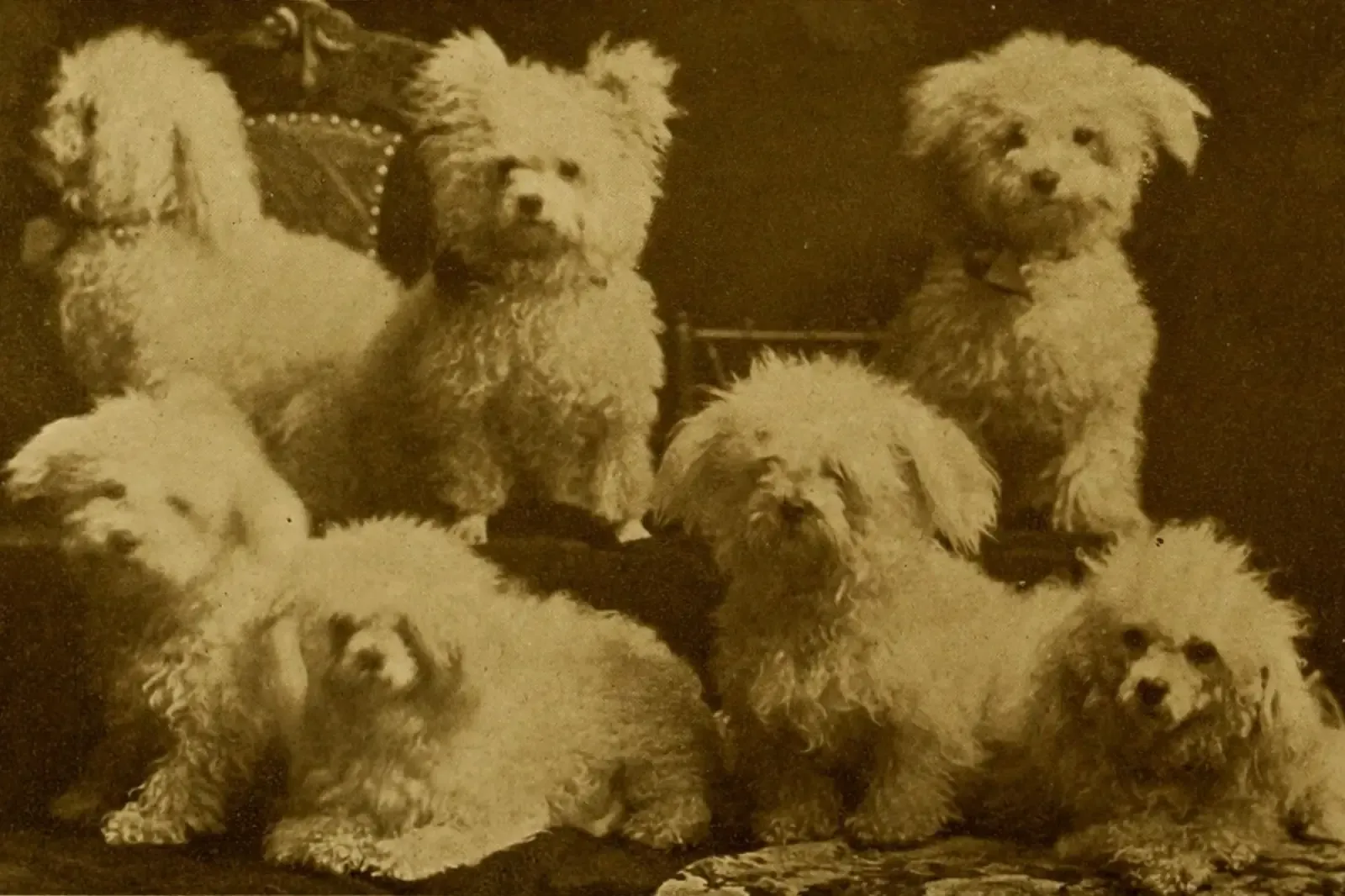
  4. Toy Poodle history, a group of small curly dogs, from The Dog Book by James Watson, 1906
    A group of Toy Poodles, from The Dog Book by James Watson, 1906.

    1943

    The third size

    By 1943 the Toy was its own size in America: the smallest Poodle, 10 inches (about 25 cm) or under at the shoulder.

    What they still carryThe Poodle's brain and coat, in the smallest body.

  5. Toy Poodle history, the breed today, a dark adult curled on a floor cushion beside a pet parent

    Today

    In Dubai

    In the UAE a Toy Poodle's job is company, and they take it seriously.

    What they still carryA small, sensitive dog who still wants a job, even if the job is you.

Toy Poodle questions

The ones you type at midnight.

Most of these get asked late at night, by someone watching their dog and not sure what they are seeing.

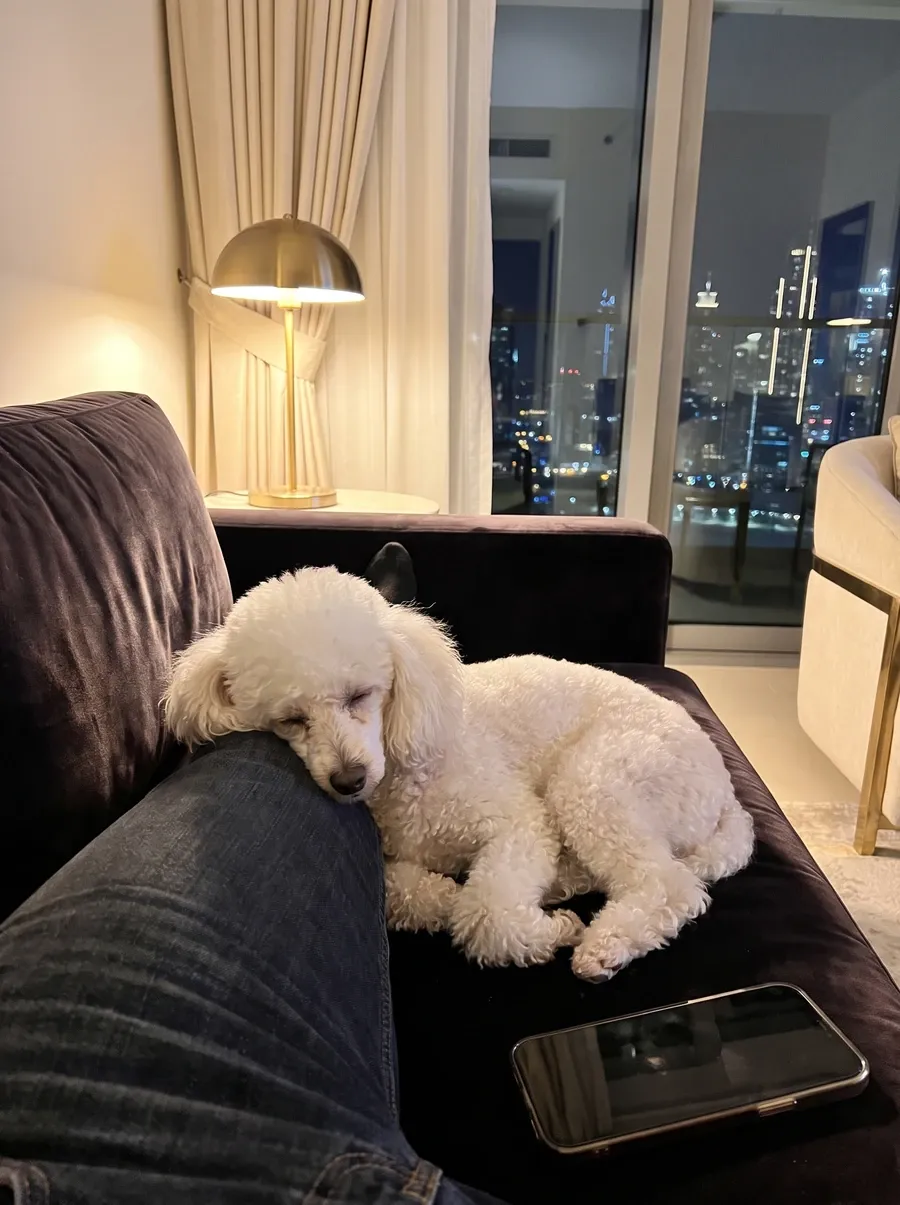
Toy Poodle in Dubai, a white adult asleep against a pet parent's leg on a dark sofa at night, the skyline behind
How big is a full grown Toy Poodle?

A full grown Toy Poodle usually weighs 1.8 to 2.7 kg and stands 10 inches (about 25 cm) or under at the shoulder. It is the smallest of the three Poodle sizes.

What is the Toy Poodle lifespan?

Toy Poodles usually live 12 to 15 years. In a large UK study of Poodles of all sizes, half lived to 14 or more.

Do Toy Poodles shed?

A Toy Poodle sheds very little, but the curly coat needs brushing every day to stay free of knots. The loose hair stays in the curls until you brush it out.

What is the Toy Poodle temperament like?

A Toy Poodle is quick to learn, happiest with you, and quick to notice when you are upset. Expect them to follow you from room to room, and to ask for something new to learn.

What colours do Toy Poodles come in?

Toy Poodles come in one solid colour, from black, white and cream to apricot, brown, silver, blue, grey and café au lait. Whatever the shade, it runs evenly all over.

Why is my Toy Poodle puppy shaking?

A Toy Poodle puppy who misses a meal, or plays hard on an empty stomach, can go shaky from low blood sugar. Keep their meals regular, and if they are weak or trembling, contact your vet now.

Do Toy Poodles have seizures?

Some do: Epilepsy (seizures) is a known risk for Toy Poodles from puppyhood. A sudden spell of trembling and staring is easy to mistake for a quirk, so film it if you can. A first seizure, one that lasts more than two minutes, or more than one in a day is an emergency: contact your vet now.

How often does a Toy Poodle need grooming?

A Toy Poodle needs brushing every day and regular clipping by a groomer for life, because the coat keeps growing and hardly sheds. Short, rewarded sessions from puppyhood keep it easy.

Can a Toy Poodle live in Dubai?

Yes, a Toy Poodle can live well in Dubai, with care in the heat. Their curly coat copes with the dust when it is kept well groomed. Keep walks short from May to September, before sunrise and after dark.

Worried about them? Contact your vet today.