We’re hiring people who love them like we do. Join us careers@pawsandco.comSee open roles
UAE Government Licensed MOCCAE
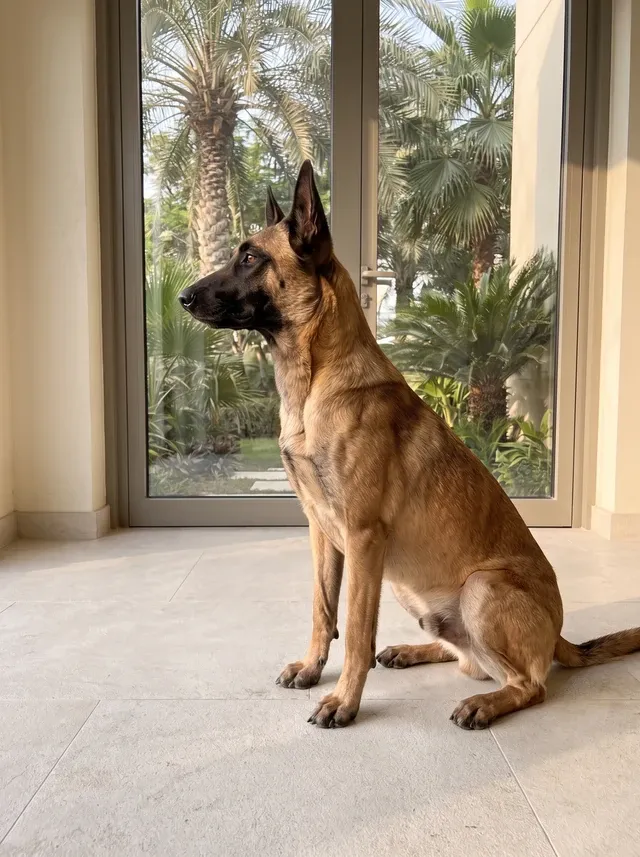
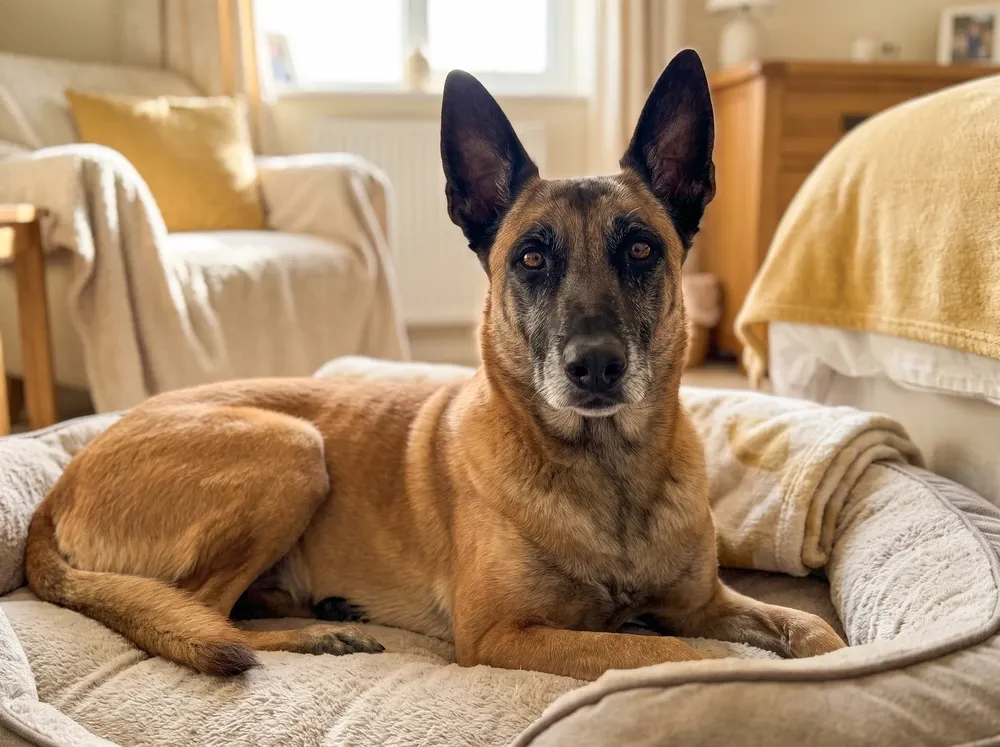
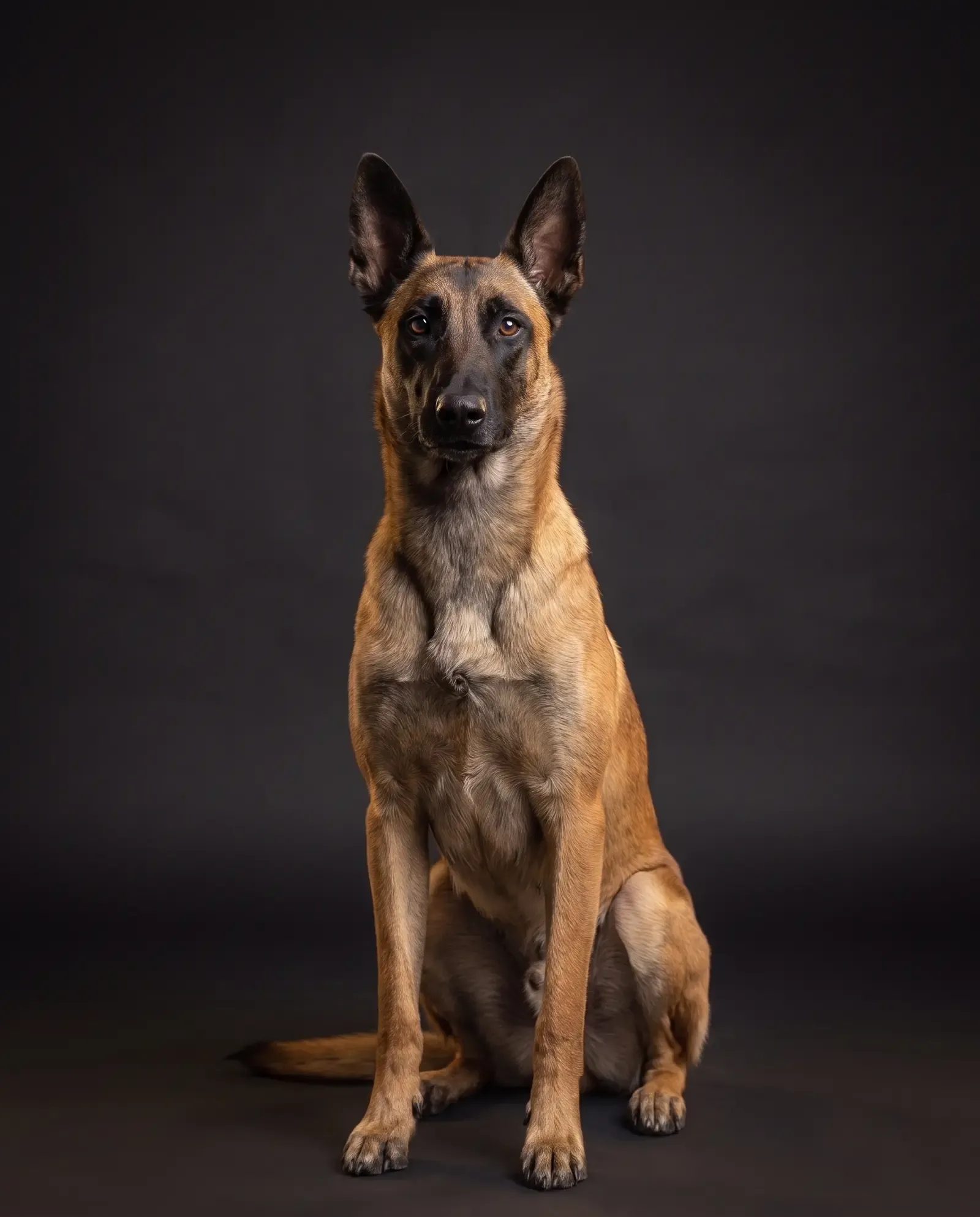
Belgian Malinois in Dubai, studio portrait of a calm fawn sable adult with a black mask, sitting

Breed guide  ·  Dogs

Belgian Malinois

She'd train all day if I let her. I've learned to stop at ten minutes.

Lifespan
12 to 14 years
Size
Large
Weight
18 to 36 kg
Shedding
Moderate

Last updated 14 October 2026

Join the founding families. AED 1,999 of essential care for AED 199.

No payment now. We'll be in touch by email and WhatsApp as we open enrolment.

✓
Thank you.

We will be in touch soon to confirm.

Malinois traits

What they brought with them.

Tap a card to see what is going on.

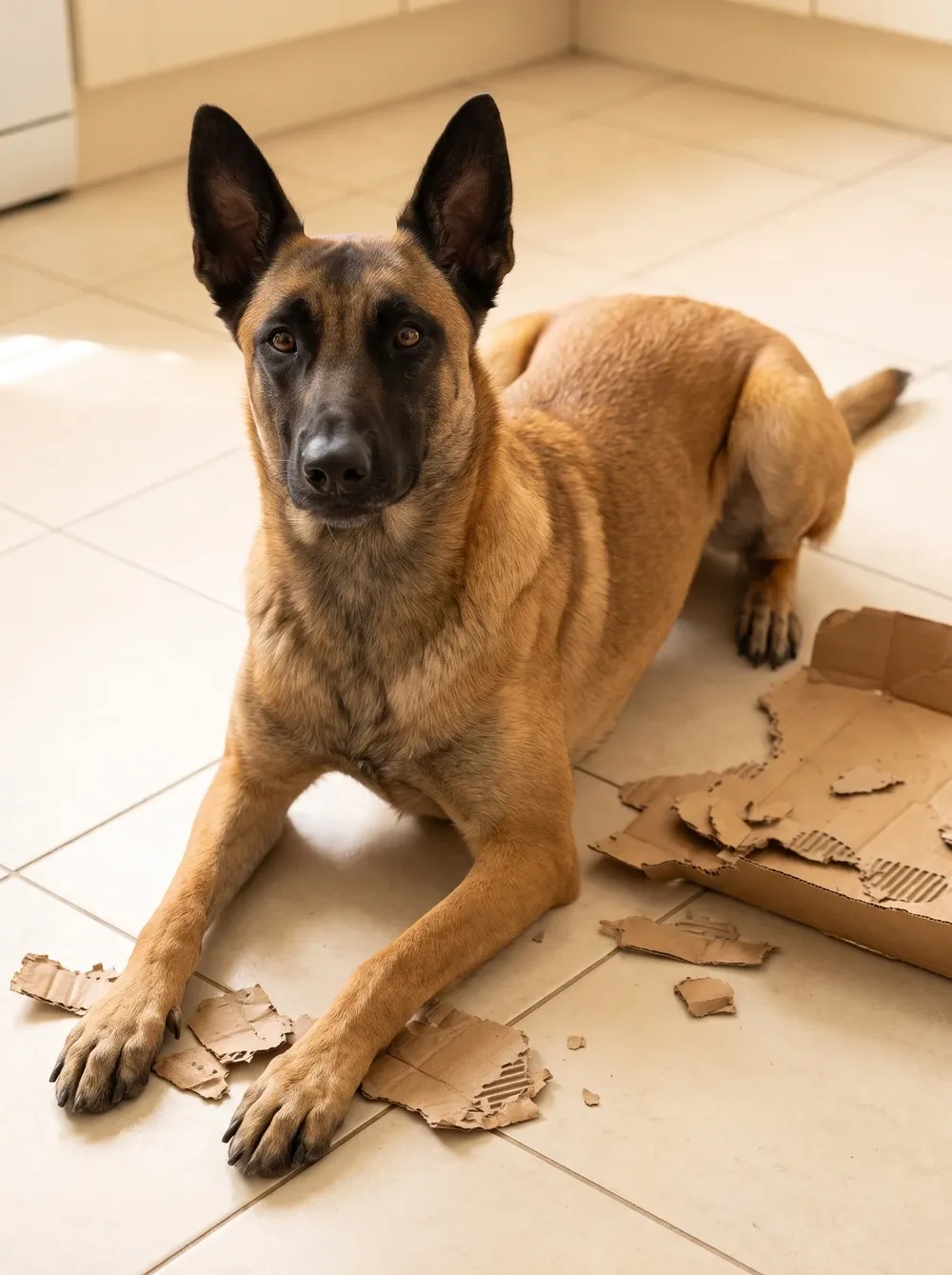
Belgian Malinois, lying beside a chewed cardboard box on a cool kitchen floor

At home

Why Malinois chew the furniture

A gnawed door frame, a sofa cushion taken apart, a hole in the post.

What's going onMalinois were chosen for the urge to keep working. Without something to do, they find their own project. Two or three short training sessions a day change a lot.

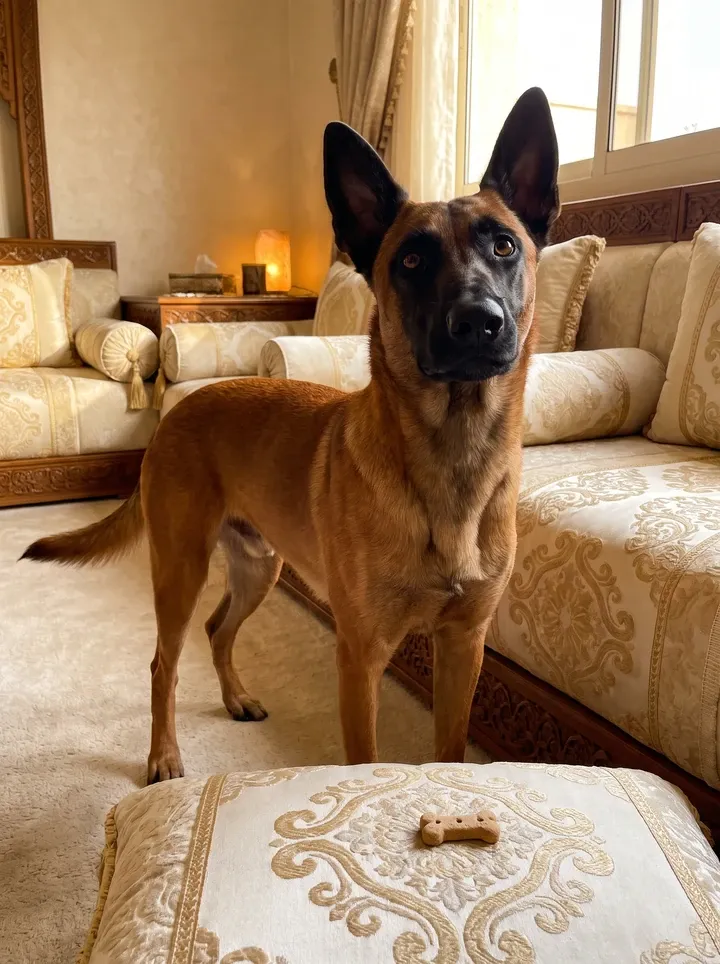
Belgian Malinois in Dubai, standing in a majlis-style family room, a biscuit found on the floor cushion

At home

A long run is only a warm-up

An hour at the park, and they are back at the door asking for more.

What's going onMore running makes them fitter, so they need even more next week. Training, scent games and dinner hidden around the flat tire the part of them that was bred to work.

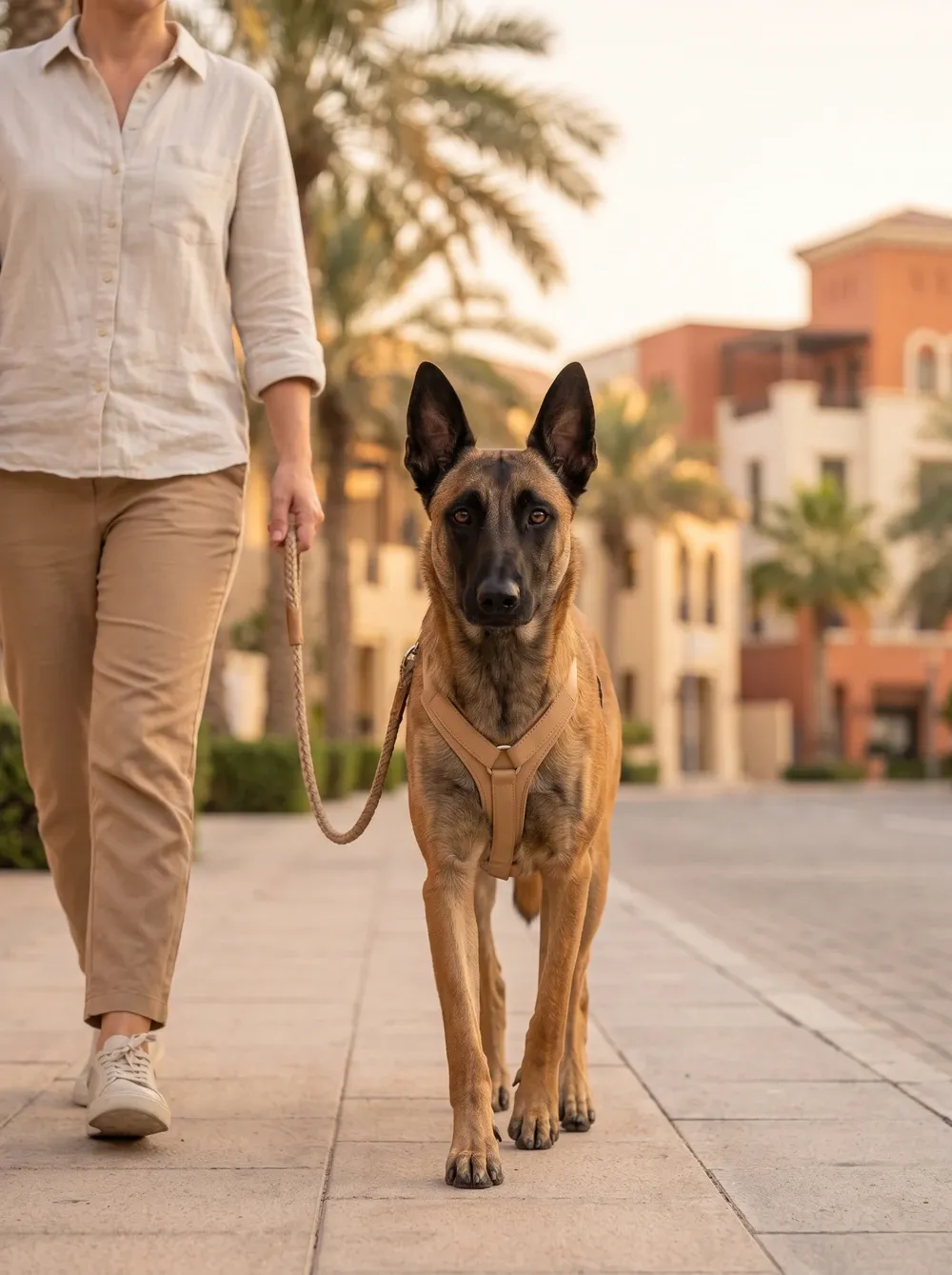
Belgian Malinois in Dubai, walking on a loose lead beside their pet parent on a palm-lined street

At home

They notice a tight lead before you do

You tense up as a dog comes the other way, and they are already on alert.

What's going onBred to work with a handler, they read a tight lead or a sharp voice as a signal. Keep the lead loose and your voice low, and they stay calmer around other dogs. Never punish a growl: it is their early warning.

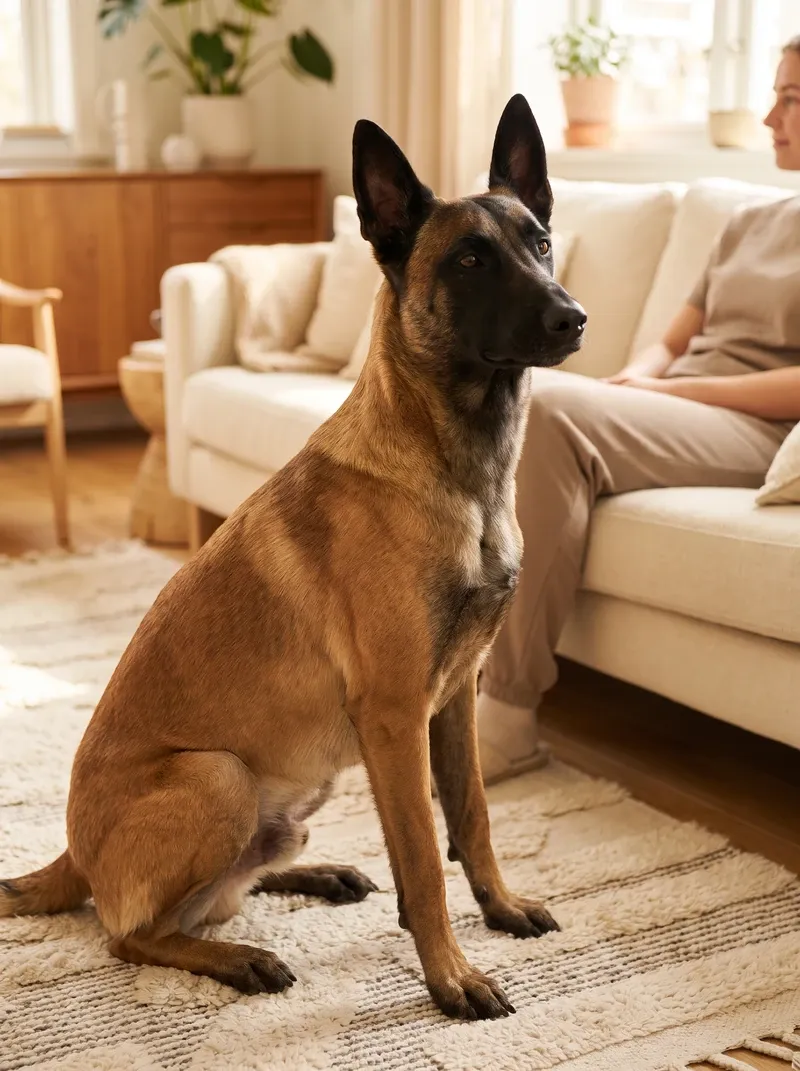
Belgian Malinois, sitting calmly on a rug while a guest relaxes on a cream sofa behind

At home

Polite with guests, and no more

Warm with the family, cool with visitors, and slow to relax around someone new.

What's going onThey were bred to judge strangers, not to love them on sight. Let them choose when to say hello, and ask visitors not to lean over them or reach for their head.

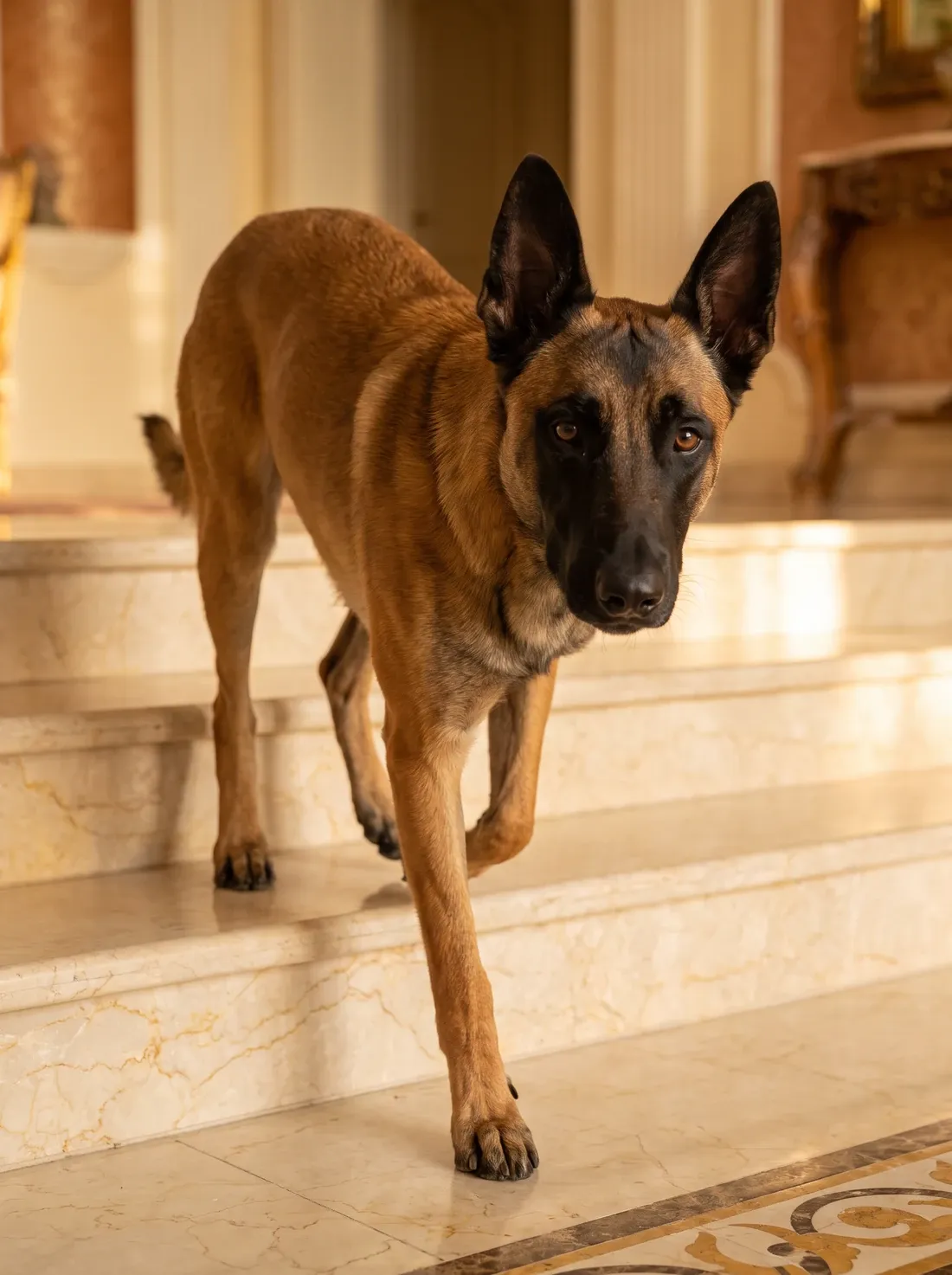
Belgian Malinois, stepping carefully down a marble villa staircase in the evening

At home

Bumping into things at dusk

A hesitation on the stairs, a startle when touched, a bark at the door that is new.

What's going onProgressive Retinal Atrophy (PRA, gradual loss of sight) is on their record from a young age, and failing sight shows in behaviour first. It is worth telling your vet about, whatever their age.

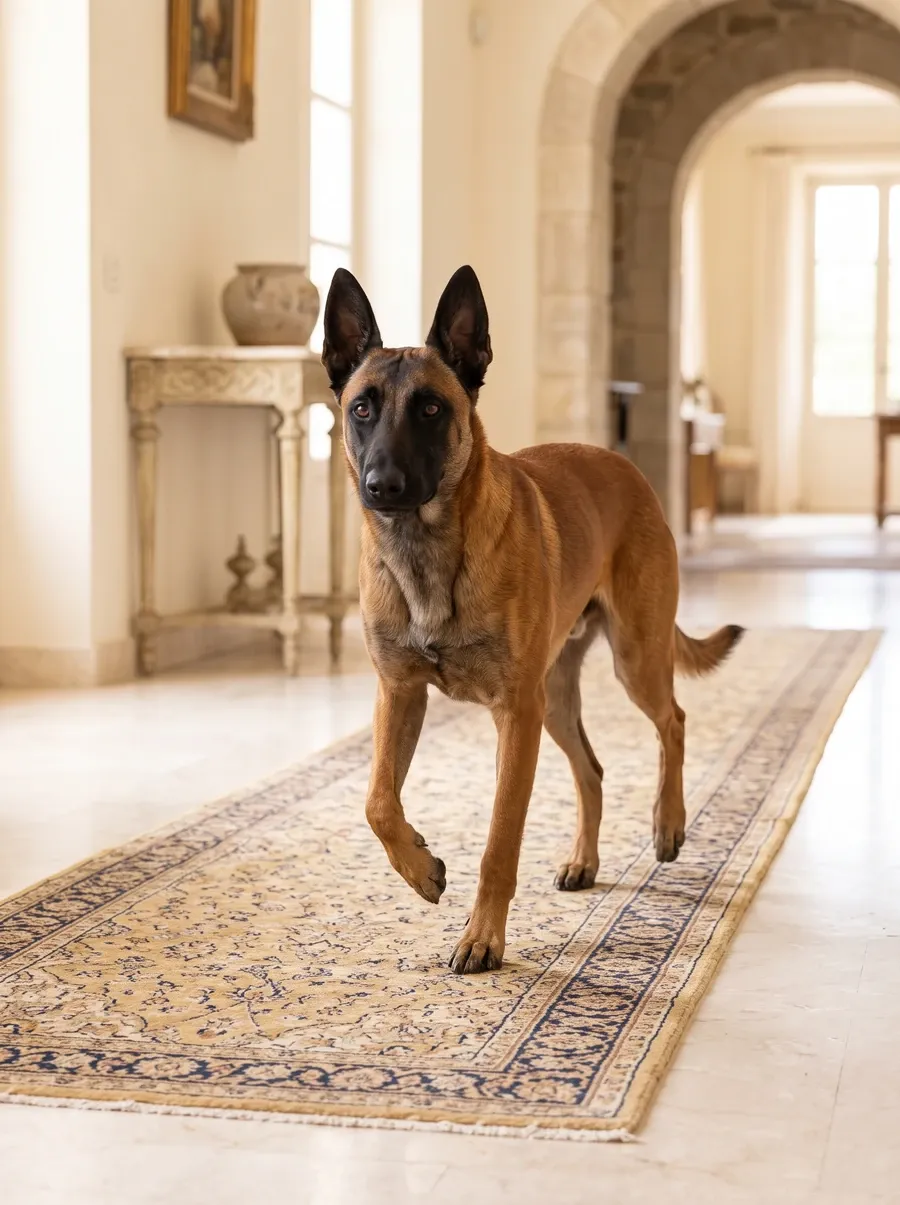
Belgian Malinois, trotting along a long rug in a bright marble villa hallway

At home

Built for grass, living on marble

Fast turns in the hallway, a skid on the marble, a leap off the sofa.

What's going onThey turn fast and land hard, and hips and elbows are where Malinois run into trouble. Rugs where they turn, and no endless ball throwing, protect their joints.

A Malinois in Dubai

The bit nobody tells you.

Their day

Built for: Working at full speed for a handler.

In Dubai: Often a flat, where nothing asks that of them.

Their breeding

Built for: Chosen by police forces, armies and sport clubs for drive.

In Dubai: A family home, with a sofa and a door frame.

Their exercise

Built for: Running hard, for as long as the work lasts.

In Dubai: Five months a year too hot to run them hard.

The chewed door frame and the evening spin around the living room mostly come from that gap.

You cannot give them a police job. You can give them work every day, and the ten things below are how.

Your plan is built around their breed: the risks on a Belgian Malinois's record at every age, and the care that goes with each one.

Join the founding families. AED 1,999 of essential care for AED 199.

Daily care for a Malinois

Ten things that make their life better.

Many of them are free, and most matter at every age.

  1. They will tell you someone is there either way. A rule gives them a job they can get right.

    Every age, most of all 6 months to 2 years

    AED 100 to 400 for a mat or bed

    Why

    They will tell you someone is there either way. A rule gives them a job they can get right.

    What to do

    Teach them to go to a mat a few metres from the front door for a reward, long before any visitor. When the bell goes, thank them once and send them there. While they are learning, have deliveries left outside. If they have lunged or snapped at anyone, contact your vet before you go further.

  2. They decide what strangers are from the people they have already met.

    Every age, most of all puppies

    FreeIn your plan

    Why

    They decide what strangers are from the people they have already met.

    What to do

    In their first months, let them watch all kinds of people from a distance they are happy at, with a treat for each: men in caps, children, people in uniform. Until their vaccinations are finished, carry them or use clean ground. Keep going through their teens, because many become warier of strangers as they mature.

  3. They react fast, and the lift gives them no room.

    Every age, most of all 6 months to 2 years

    Free

    Why

    They react fast, and the lift gives them no room.

    What to do

    Wait for an empty lift, or stand them in the back corner with you in front. Step aside in corridors, keep the lead short and loose near entrances, and ask building staff to let you by rather than reach for them.

  4. Work is what they were bred for, and it is the thing that settles them.

    Every age, most of all 6 months to 2 years

    Under AED 150 for a puzzle feeder

    Why

    Work is what they were bred for, and it is the thing that settles them.

    What to do

    Two or three sessions of five to ten minutes: obedience, tricks, find-it games with their dinner. Feed some meals from a puzzle feeder. Stop while they still want more. In older dogs, scent games stay easy on the joints and keep the mind busy.

  5. They will keep going in the heat long after they should stop.

    Every age, shortest for puppies

    Free

    Why

    They will keep going in the heat long after they should stop.

    What to do

    From May to September, exercise before sunrise and after dark. Put the back of your hand on the pavement for five seconds: if you cannot keep it there, they cannot run on it. Keep hard play short, carry water, and end the game yourself.

  6. A basket muzzle they are used to lets them pant and drink, and keeps a stressful moment calm.

    Every age, easiest under 2 years

    Under AED 200

    Why

    A basket muzzle they are used to lets them pant and drink, and keeps a stressful moment calm.

    What to do

    Teach it while they are young and nothing is wrong: show it, treat, nose in, treat, a second longer each day. Keep it familiar with a minute or two a week. Never put it on for the first time in a hurry.

  7. A vet is a stranger who touches their paws, ears, eyes and mouth.

    Every age

    Free

    Why

    A vet is a stranger who touches their paws, ears, eyes and mouth.

    What to do

    A few minutes a few times a week: lift a paw, look in an ear, lift a lip, run a hand down each leg, and reward each one. Brush their teeth every day while you are there. Stop before they get uneasy, and go gently around sore joints as they age.

  8. Pain and fear make a guarding dog more worried about the world, and new guarding often shows between one and three years.

    6 months to 3 years

    Free

    Why

    Pain and fear make a guarding dog more worried about the world, and new guarding often shows between one and three years.

    What to do

    Reward calm, every time. Use a flat collar or a harness, keep sessions short, and never use tools that hurt or frighten them. If new guarding appears, contact your vet early.

  9. Hip Dysplasia (a poorly fitting hip joint) and Elbow Dysplasia (a poorly fitting elbow joint) can show at any stage from puppy to prime adult.

    Every age, screening from puppyhood to 4 years

    Free to AED 1,000 for rugs and a rampIn your plan

    Why

    Hip Dysplasia (a poorly fitting hip joint) and Elbow Dysplasia (a poorly fitting elbow joint) can show at any stage from puppy to prime adult.

    What to do

    Rugs where they turn on marble, a ramp for the car, no leaping from height while they grow, and no endless ball throwing. Keep them lean. Their hip screening starts as a puppy, and hip and elbow screening follows as a juvenile and a young adult.

  10. Failing sight and an underactive thyroid can both show in their behaviour before anything else.

    Every age, eye exams from 6 months to 4 years

    FreeIn your plan

    Why

    Failing sight and an underactive thyroid can both show in their behaviour before anything else.

    What to do

    Once a week, run your hands over their ribs, spine, hips and legs, and notice how they move at dusk. Brush their coat once a week, more often through a moult. Weigh them monthly. Their ophthalmic evaluation (eye exam) falls as a juvenile and a young adult.

Three of these are in your plan. The rest you can do at home.

Join the founding families. AED 1,999 of essential care for AED 199.

Malinois health by age

Their health, at every age.

In a Belgian Malinois, a change in drive, sight or mood is often the first sign that something is wrong. Choose their age to see what to watch for, and the care that goes with it.

Belgian Malinois, older, with a greying muzzle, resting on an orthopaedic bed, eyes bright

How old are they?

Their age

Malinois Puppy health

the first six months

What to watch for

  1. Developmental or early clinical signs of Hip Dysplasia (HD, poorly fitting hip joint)
  2. Developmental or early clinical signs of Elbow Dysplasia (ED, poorly fitting elbow joint)
  3. Congenital or early inherited ocular disease related to Progressive Retinal Atrophy (PRA, gradual loss of sight)
  4. Early neurological signs or inherited risk related to Epilepsy (repeated seizures)
  5. Juvenile onset of allergies

The care that goes with it

  1. Core vaccinations, microchip and Dubai Municipality registration
  2. Deworming, and flea and tick prevention
  3. Growth and nutritional evaluation, and early socialisation
  4. Hip Dysplasia (HD, a poorly fitting hip joint) screening
  5. Early follow-up for any signs of Elbow Dysplasia (ED, a poorly fitting elbow joint)
The full care detail
  • Core vaccination programme, microchipping and Dubai Municipality registration. Titre testing discussion where clinically appropriate; not a substitute for completing the core vaccine series
  • Deworming and external parasite prevention tailored to Dubai exposure
  • Body Condition Score (BCS, a check on whether they are the right weight), Muscle Condition Score (MCS, a check on their muscle), dental, growth and nutritional evaluation, and early socialisation
  • Baseline screening focused on Hip Dysplasia (HD)
  • Early diagnostic follow-up for signs suggestive of Elbow Dysplasia (ED)

Their age

Malinois Juvenile health

6 months to 2 years

What to watch for

  1. Emerging Hip Dysplasia (HD) with exercise intolerance or lameness
  2. Emerging Elbow Dysplasia (ED) with exercise intolerance or lameness
  3. Progression or first clinical detection of Progressive Retinal Atrophy (PRA)
  4. Typical age-of-onset presentation of Epilepsy
  5. Recurrent or persistent allergies

The care that goes with it

  1. Hip screening
  2. Elbow screening
  3. Neutering or spaying, timed for a large breed
  4. Ophthalmic evaluation (an eye exam)
  5. Finding the cause of any eye problems that keep coming back
The full care detail
  • Hip screening
  • Elbow screening
  • Neuter/spay timing discussion that accounts for large-breed growth and disease risk
  • Ophthalmic evaluation
  • Investigate recurrent signs rather than repeatedly treating presumed Progressive Retinal Atrophy (PRA)

Their age

Malinois Young Adult health

2 to 4 years

What to watch for

  1. Hip Dysplasia (HD)
  2. Elbow Dysplasia (ED)
  3. Progressive Retinal Atrophy (PRA)
  4. Epilepsy
  5. Allergies

The care that goes with it

  1. Hip screening
  2. Elbow screening
  3. Ophthalmic evaluation (an eye exam)
  4. Seizure control
  5. Allergy management
The full care detail
  • Hip screening
  • Elbow screening
  • Ophthalmic evaluation
  • Seizure control
  • Allergy management

Their age

Malinois Prime Adult health

4 to 7 years

What to watch for

  1. Hip Dysplasia (HD)
  2. Elbow Dysplasia (ED)
  3. Allergies
  4. Hypothyroidism (an underactive thyroid)
  5. Epilepsy

The care that goes with it

  1. Joint supplements
  2. Allergy treatment
  3. Thyroid testing (a blood test)
  4. Seizure management
  5. Exercise, every day
The full care detail
  • Joint supplements
  • Allergy treatment
  • Thyroid testing
  • Seizure management
  • Exercise

Their age

Malinois Senior health

7 to 10 years

What to watch for

  1. Arthritis
  2. Cataracts (a clouding of the lens)
  3. Dental Disease
  4. Heart Disease
  5. Kidney Disease

The care that goes with it

  1. Pain management for arthritis
  2. Eye surgery where cataracts need it
  3. Dental cleaning
  4. Cardiac evaluation (a heart exam)
  5. Renal support (care for their kidneys)
The full care detail
  • Pain management
  • Eye surgery
  • Dental cleaning
  • Cardiac evaluation
  • Renal support

Their age

Malinois Geriatric health

10 years and over

What to watch for

  1. Arthritis
  2. Cataracts
  3. Kidney Disease
  4. Dental Disease
  5. Heart Disease

The care that goes with it

  1. Supportive care, and treatment for their eyes
  2. Renal therapy (treatment for their kidneys) and cardiac medication (heart medication)
  3. Dental care
  4. Quality-of-life assessments
  5. Palliative care (comfort care), and end-of-life planning with your vet team
The full care detail
  • Supportive care
  • Eye treatment
  • Renal therapy
  • Dental care
  • Cardiac medications
  • Quality-of-life assessments
  • Tailored palliative and comfort-focused care plan
  • Compassionate end-of-life planning with your veterinary team

Breed predispositions indicate an increased risk rather than certainty of disease. What is right for them always comes from their own history and an evaluation.

Getting a Malinois puppy in Dubai

Before they come home.

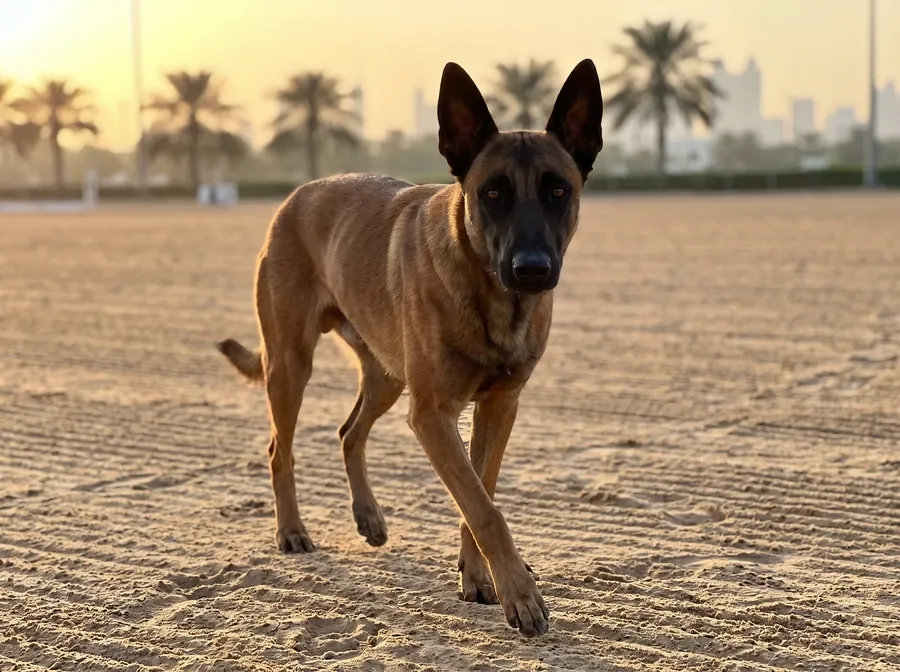
Belgian Malinois in Dubai, trotting across a raked sand training field at dawn, palms behind

Working or show line

Two kinds of Belgian Malinois

Working lines come from dogs chosen for police, army and sport work, for speed and drive, and they need the most to do each day. Show lines are bred for looks and type, though the gap between the two is smaller than in some breeds. Either way, a Malinois needs work every day.

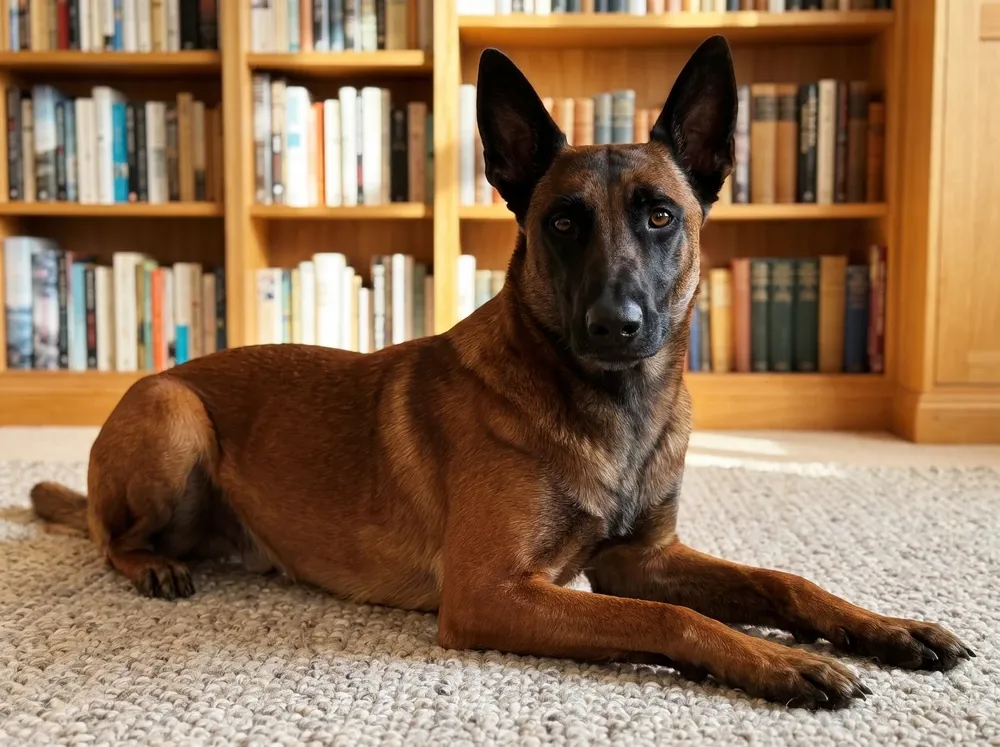
Belgian Malinois, deep mahogany, lying on a stone-coloured rug by timber bookshelves

Colours

Fawn to mahogany, with a black mask

Belgian Malinois come in rich fawn to mahogany, with black tips to the hair, a black mask and black ears.

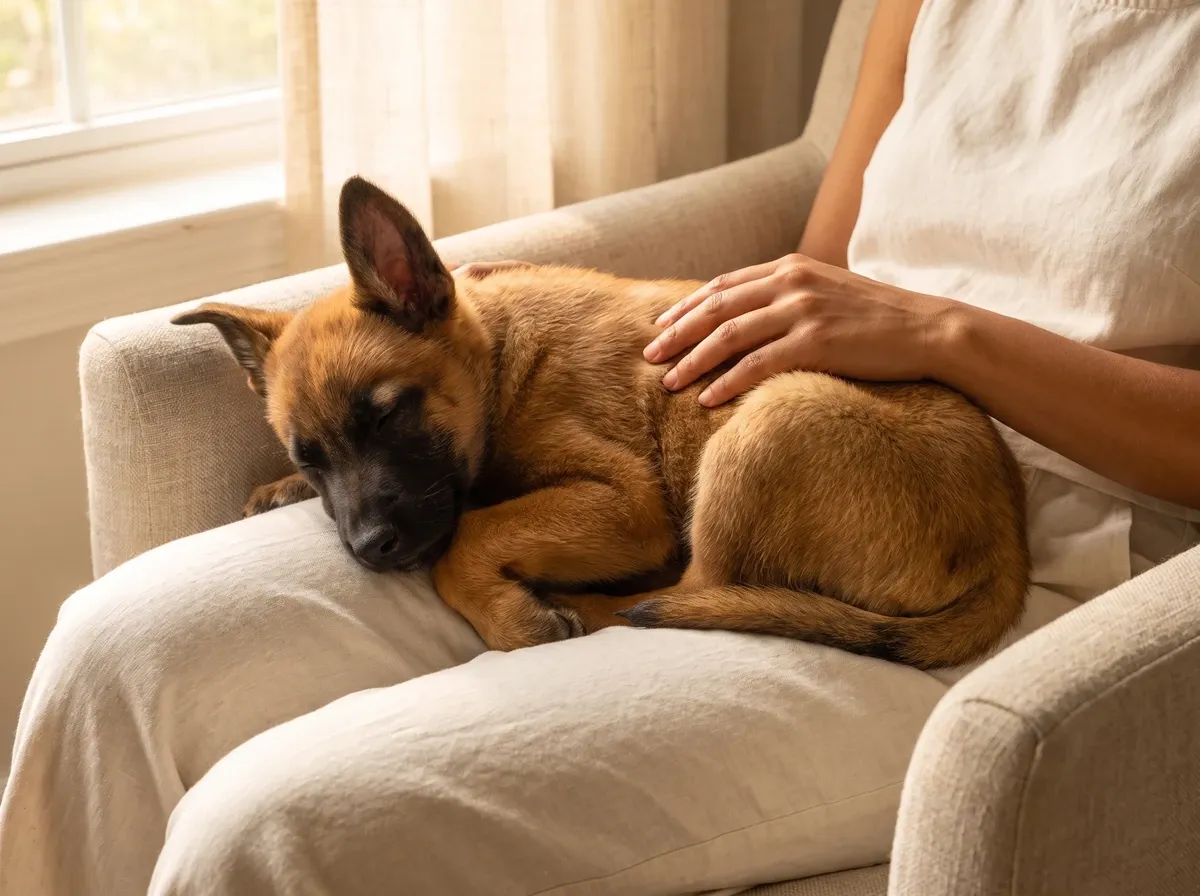
Belgian Malinois, a puppy asleep in a pet parent's lap in a linen armchair

The first six months

Caring for a Belgian Malinois puppy

Their full vaccination course, microchip and Dubai Municipality registration come first. Then let them meet the world from a distance they are happy at, and teach the mat by the door as a game, long before they ever bark at it.

Puppy health, 0 to 6 months
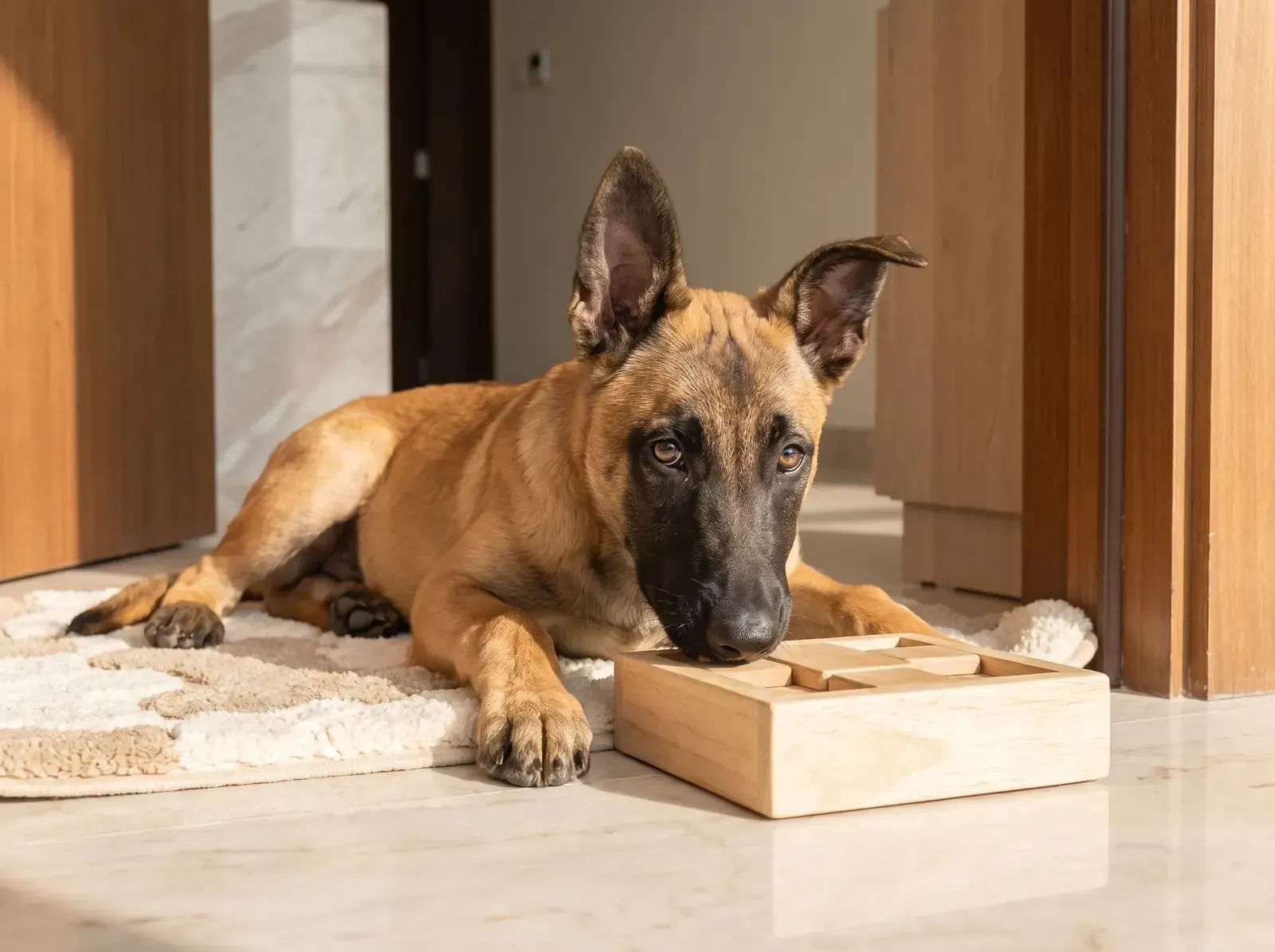
Belgian Malinois, a puppy nosing a timber puzzle feeder on a mat just inside the front door

Getting the flat ready

A mat by the door, a puzzle on the floor

Set up a mat a few metres from the front door before the first delivery arrives. Put rugs where they turn on marble, and have a puzzle feeder and a few chews ready, so their first job at home is one you chose.

Ten things that make their life better
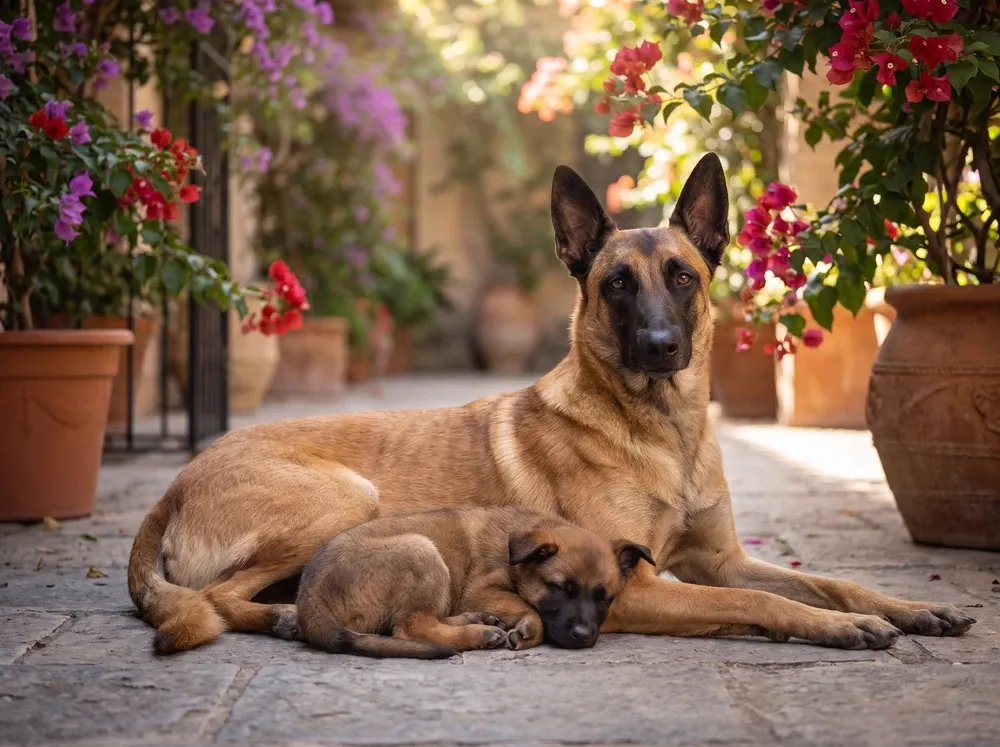
Belgian Malinois, a mother lying beside a sleeping puppy in a villa courtyard with bougainvillea

Before you commit

Ask about hips, elbows and eyes

Ask the breeder for both parents' hip and elbow scores, the x-ray grades of how well the joints fit, and their eye test results. Hip and elbow problems and Progressive Retinal Atrophy (gradual loss of sight) can show up in a young Malinois.

The reception of a Paws & Co clinic, with long cream benches and a stone reception desk

Before the clinics open

Join the founding families

AED 1,999 of essential care for AED 199. No payment now.

When to see a vet

When it is not behaviour.

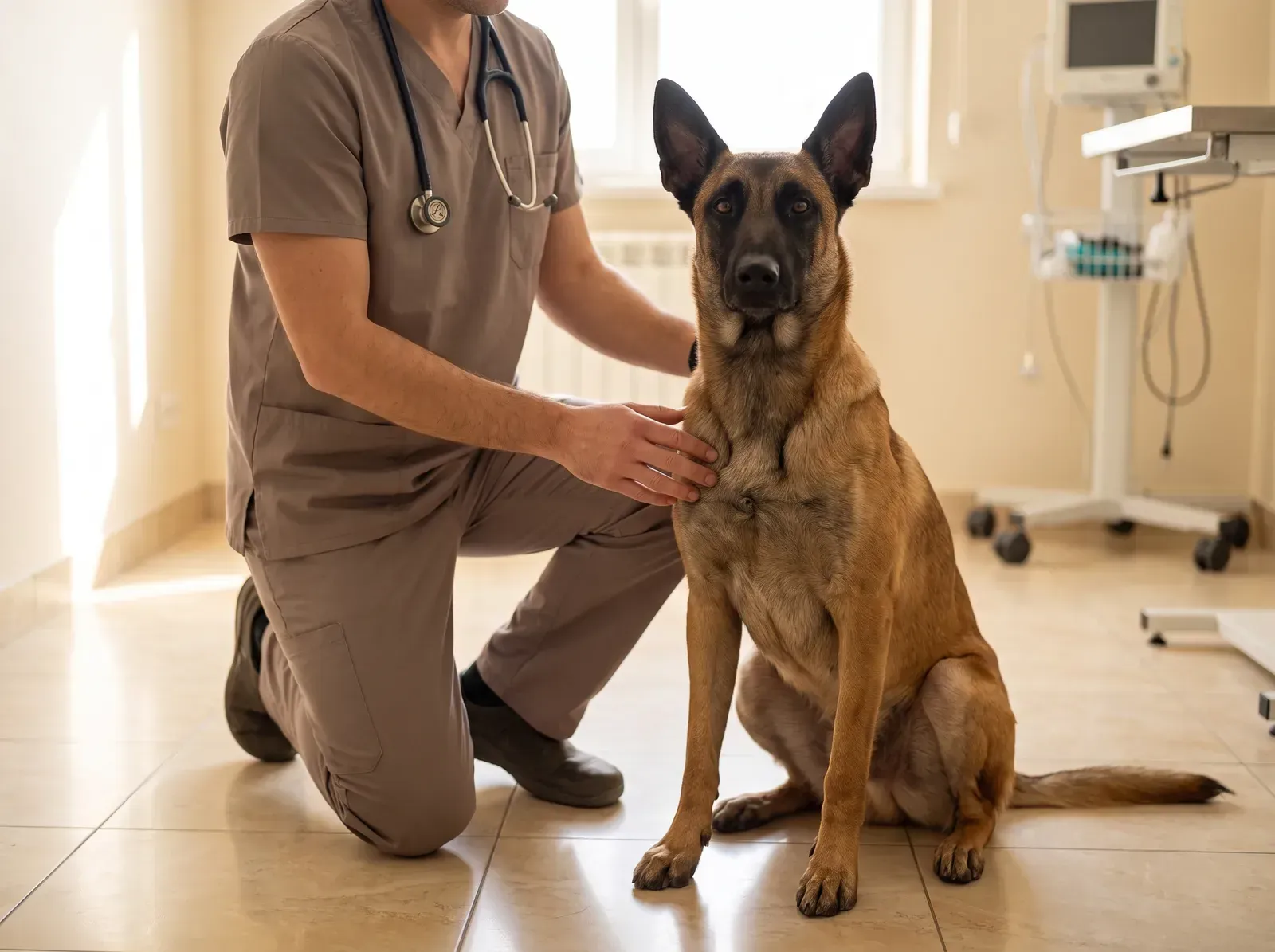
Belgian Malinois, sitting on a consulting room floor beside a vet in taupe scrubs, a hand on their chest

Some of this is not a training problem, and treating it like one wastes time your dog may not have. If they are distressed when you leave, if they growl or guard their food, their toys or you, if they are frightened on the lead, or if anything about them changes suddenly at any age, contact your vet the same day. A tip from a website, ours included, is not the answer. If it cannot wait, contact your nearest emergency vet now.

With a Malinois, a change in drive is the thing to notice. A dog who suddenly startles at the door, bumps into things at dusk, loses interest in training or gets irritable may be losing their sight, have an underactive thyroid, or be in pain. It is easy to put it down to mood, and the sooner a vet sees it, the better. A seizure can look like shaking, paddling legs, drooling or a blank stare. Keep them away from stairs and the pool, do not put your hand near their mouth, time it and film it if you can, then contact your vet. A first seizure, one that lasts more than two minutes, or more than one in a day is an emergency: contact your vet now. So is bloat (GDV, a twisted stomach): a swollen, tight belly, retching with nothing coming up, sudden restlessness or drooling. It is most common in large, deep-chested dogs, so skip walks and hard play shortly before and after meals.

They'll still ask for an eleventh minute. If they stop asking, tell your vet.
Malinois history

Before they were yours.

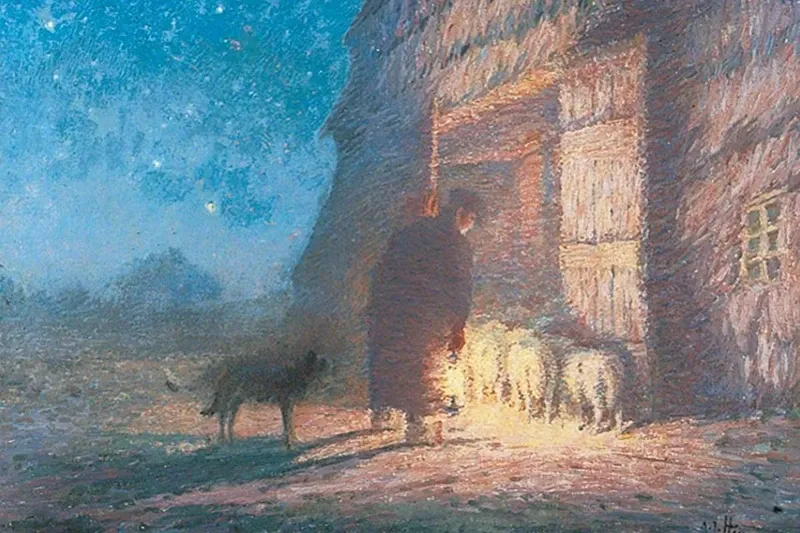
  1. Belgian Malinois history, a painting of a shepherd and dog bringing the flock in at night, Belgium, before 1921
    A shepherd and his dog bring the flock in at night, painted by the Belgian artist Adriaan Jozef Heymans (1839 to 1921). Leeds Art Gallery.

    Before 1891

    The farms around Mechelen

    Short-coated fawn shepherd dogs herded and guarded sheep and cattle on Belgian farms around the city of Mechelen, Malines in French, which gave the breed its name.

    What they still carryThe speed, and a quick, intense response to movement and to their person.

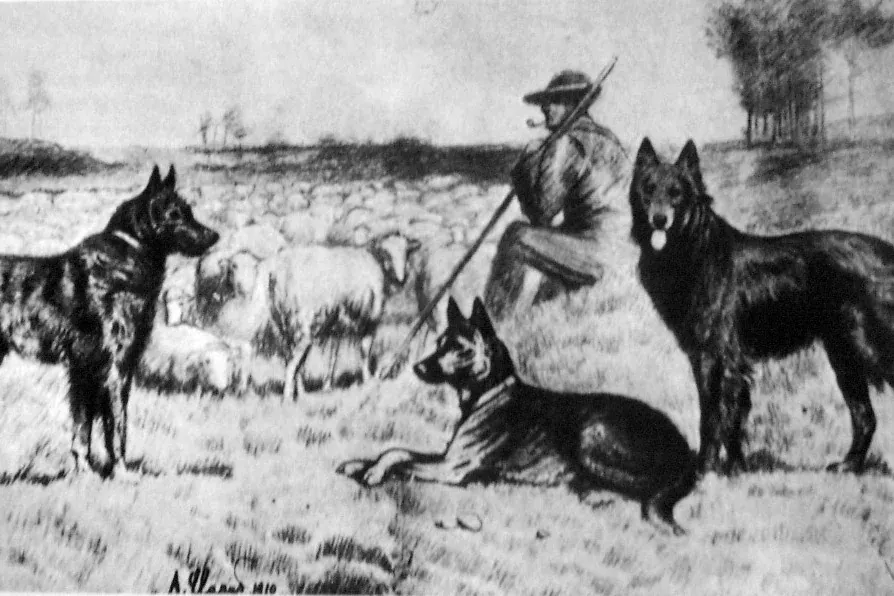
  2. Belgian Malinois history, Carlot the Malinois lying between the other two Belgian shepherd coats, Belgium, 1910
    The three Belgian shepherd coats in 1910: the Laekenois Dick, the Malinois Carlot lying in the middle, and the Groenendael Sam. Drawing by Alexandre Clarys.

    1891

    Sorted by coat

    Professor Adolphe Reul of the veterinary school at Cureghem gathered shepherd dogs from across Belgium. He sorted them by coat, and the short-coated dogs from Mechelen became the Malinois.

    What they still carryA breed defined by work and coat, not by a single founder dog.

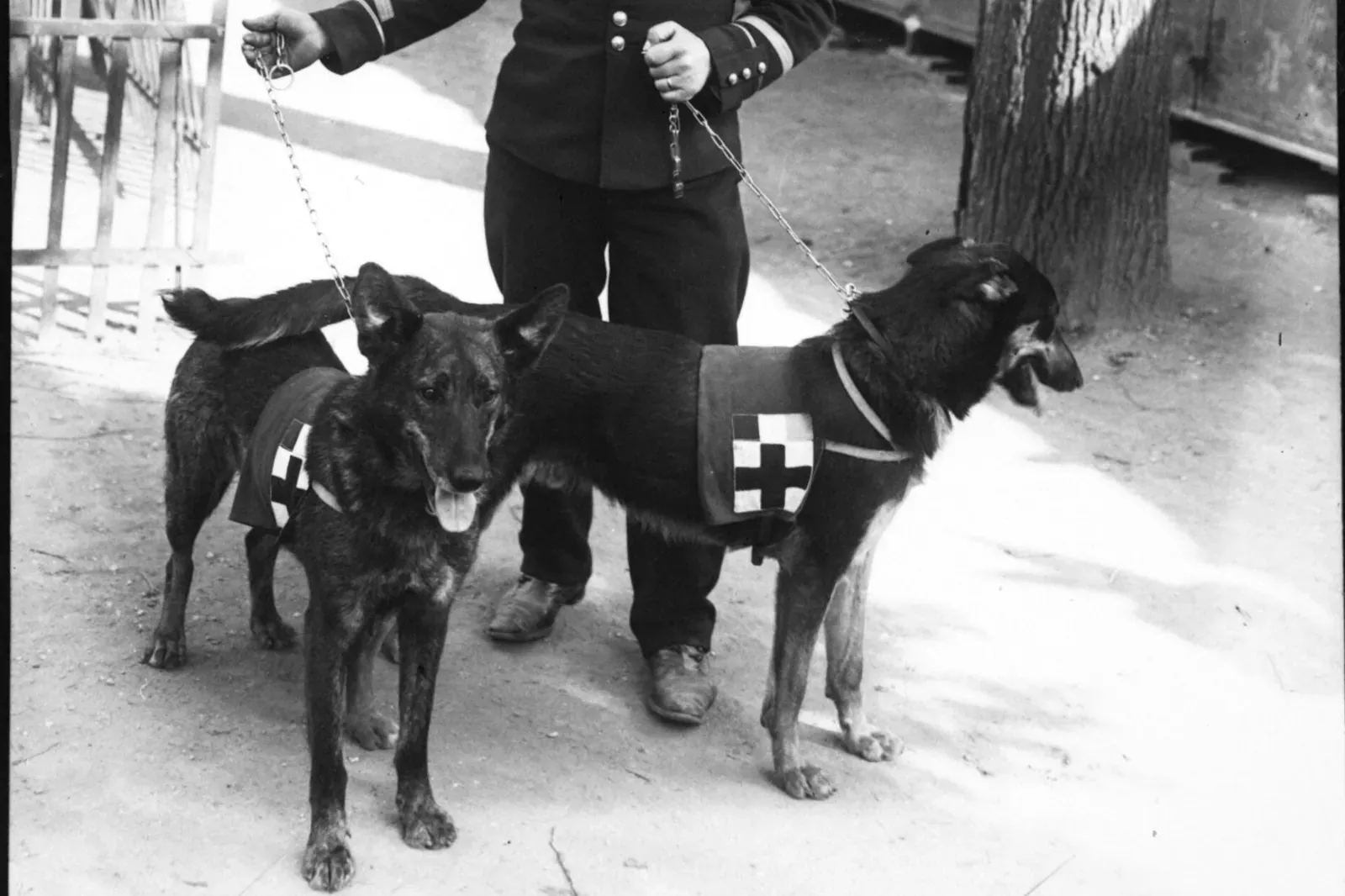
  3. Belgian Malinois history, two Belgian shepherds in Red Cross coats held by a French soldier, Paris, 1913
    Two Belgian shepherds trained as Red Cross dogs, held by a French soldier at a dog show in Paris, 23 May 1913. Agence Rol.

    Early 1900s

    Police, army and sport

    Belgian police took on Malinois in the early 1900s, and police forces and armies around the world followed. Protection sports chose dogs for speed, drive and nerve.

    What they still carryThe intensity. A walk is only a warm-up.

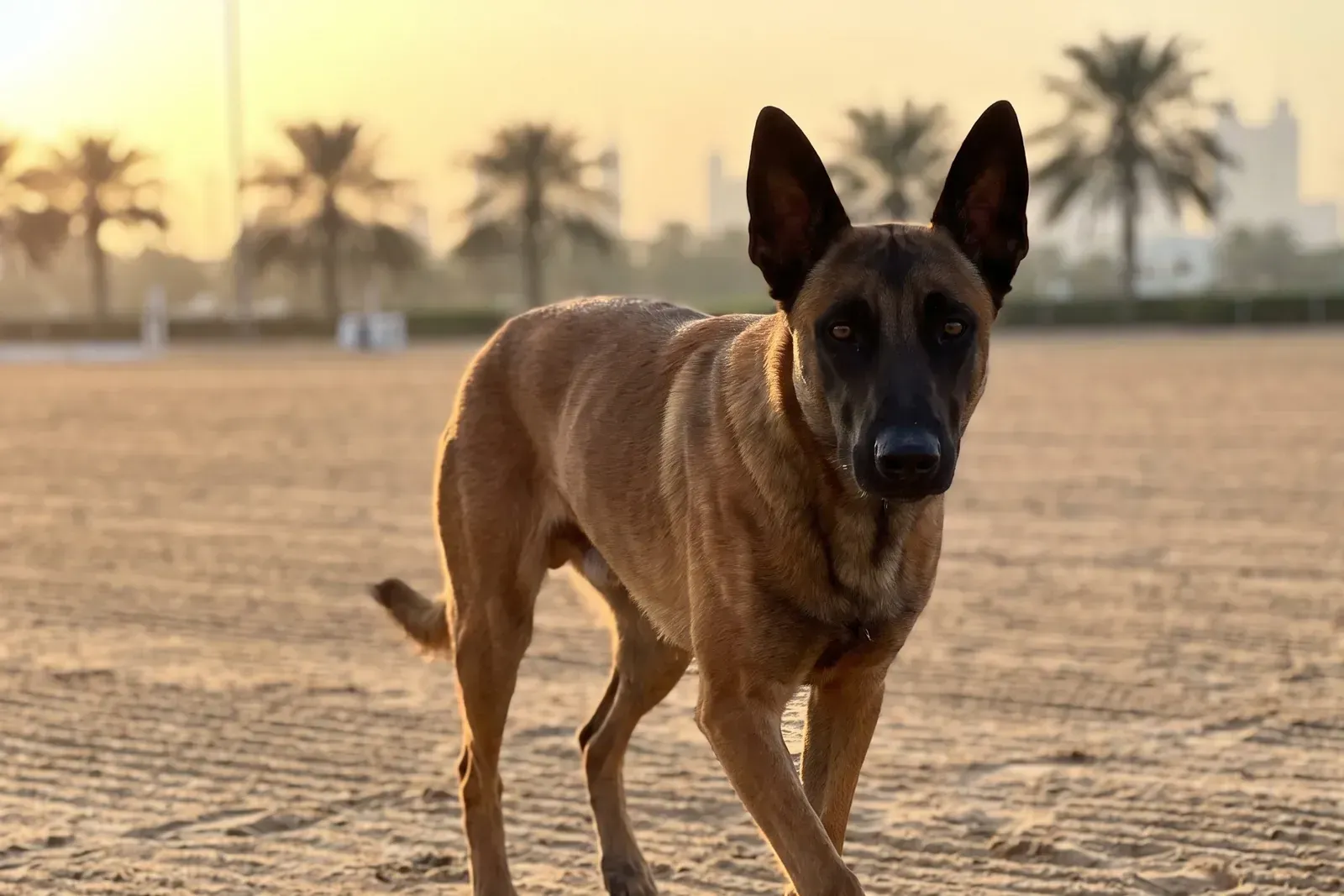
  4. Belgian Malinois history, trotting across a raked sand training field at dawn, palms behind
    A Belgian Malinois today.

    1959

    A breed of their own

    The American Kennel Club recognised the Malinois as a breed of its own in 1959, separate from the other Belgian shepherds.

    What they still carryShow lines and working lines, closer together than in many breeds.

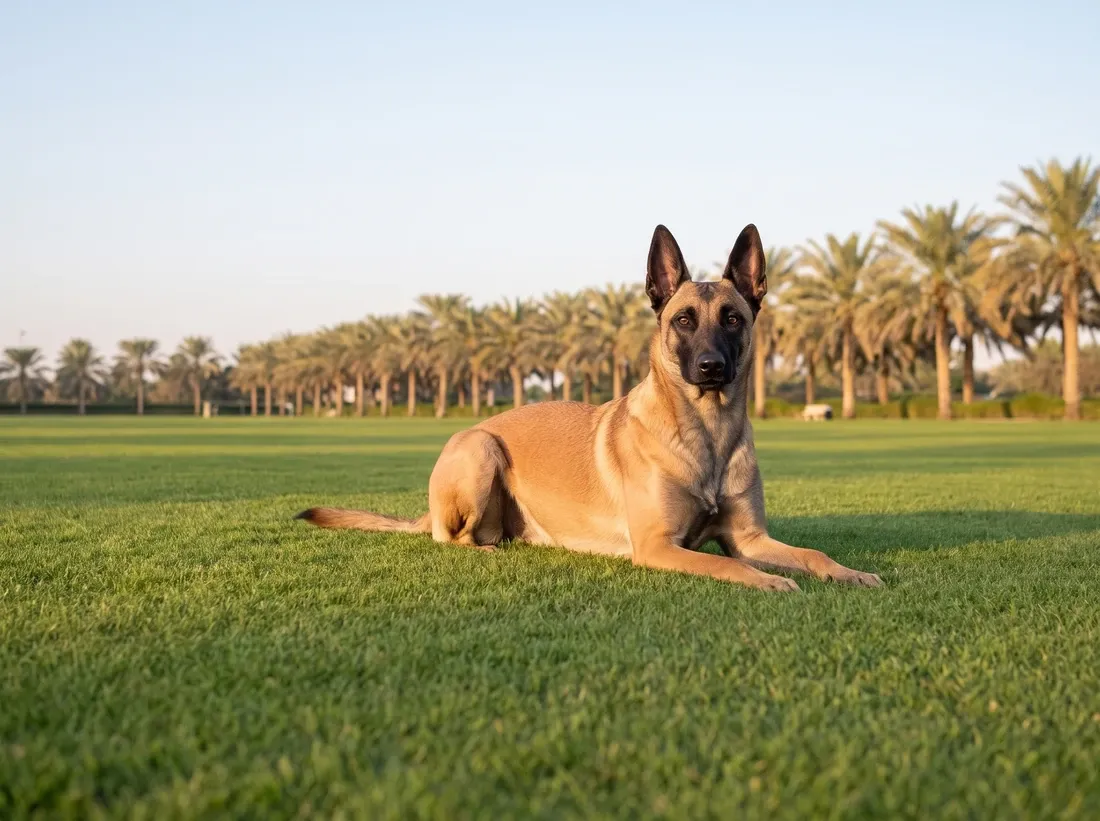
  5. Belgian Malinois history, the breed today, lying with head up on a park lawn lined with date palms

    Today

    In Dubai

    In the UAE a Malinois is a family dog, a guard and a working dog, often in a flat where nothing asks them to work.

    What they still carryA dog bred to work at full intensity, now in 45°C heat.

Malinois questions

The ones you type at midnight.

Most of these get asked late at night, by someone watching their dog and not sure what they are seeing.

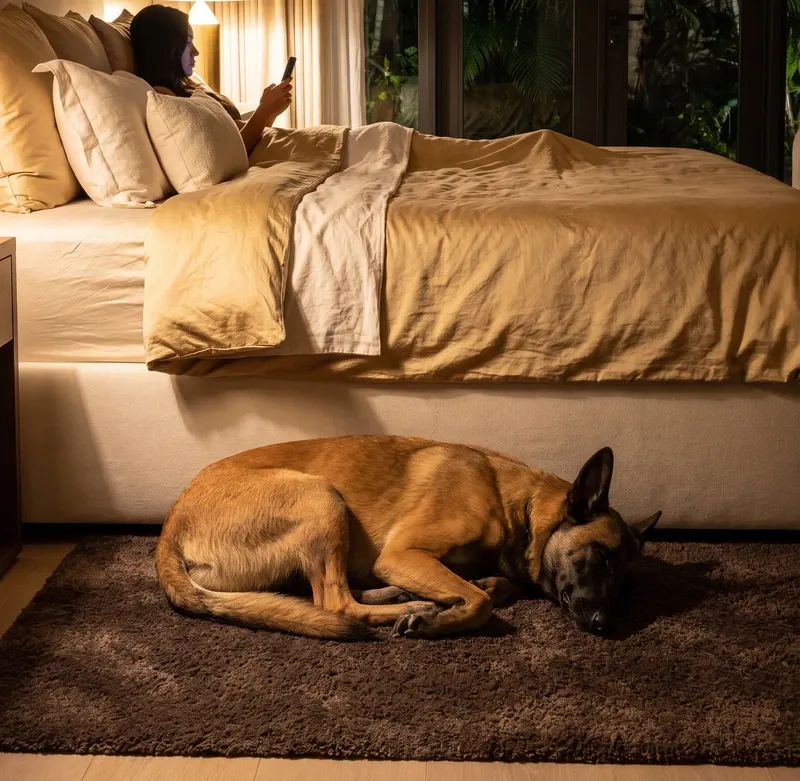
Belgian Malinois in Dubai, asleep on a dark rug by the bed in a villa at night, glass doors onto a palm garden
How long do Belgian Malinois live?

Many Belgian Malinois live 12 to 14 years. In a UK study of about 600 Malinois, half lived to 12 or more.

How big is a full grown Belgian Malinois?

A fully grown Belgian Malinois is a large, athletic dog. Males usually weigh 27 to 36 kg and females 18 to 27 kg.

What is the Belgian Malinois temperament like?

Belgian Malinois are working dogs: quick to learn, devoted to their people and wary of strangers. They need a lot of stimulation and a job every day, so they do best with experienced, active owners who enjoy training them.

Do Belgian Malinois shed?

Yes, Belgian Malinois shed moderately, with a heavier moult once or twice a year. Brush them weekly, and more often while they moult.

What colours do Belgian Malinois come in?

A Belgian Malinois is a warm fawn to mahogany colour, always with a black mask and black ears.

Why are so many Belgian Malinois police dogs?

Belgian Malinois have been police dogs since the early 1900s because they were chosen for speed, drive and nerve. Police forces and armies around the world still use them.

Is Belgian Malinois training hard?

Belgian Malinois training is easy to start and never finished: they learn fast and want to work. Two or three short sessions a day, every day, settle them more than long runs alone.

Is a Belgian Malinois a good first dog?

A Belgian Malinois is a demanding first dog. They are wonderful with experienced, active owners who can give them a real job, and a real handful without one.

Can a Belgian Malinois live in Dubai?

Yes, a Belgian Malinois can live well in Dubai with care in the heat. Exercise before sunrise and after dark from May to September, and give them training every day.

Worried about them? Contact your vet today.